being me, Passion, students

It’s Really Not About Me

image from icanread

I never thought anyone would read this blog.  I didn’t write for others but instead to keep myself honest.  To put all of those thoughts I had about changing education onto paper so that I would have something to remind myself of the fact that I had to dream of something better than what I was doing.  That the education I was providing my students was not the best I could be and I had no one to blame but myself.  So I started to write about all of my crazy ideas, all of the plans, the dreams, and even the failures as I bumbled my way through the last 5 years of teaching and the last 5 years of writing.

Now, at the cusp of ISTE 2015 and meeting so many people who have helped me throughout the years become a better teacher, and also a better person, I am overwhelmed.  I want so very much to meet everyone, to thank all that need to be thanked.  But more importantly I want to make my students proud.  To carry their words with me as I speak about changing education.  To represent their dreams to the rest of the world so that others may be inspired to change.  To show others that I am nothing special and that if I can change then so can they.  Because this isn’t about me; its about them; the kids and their dreams.  And we can’t forget that.

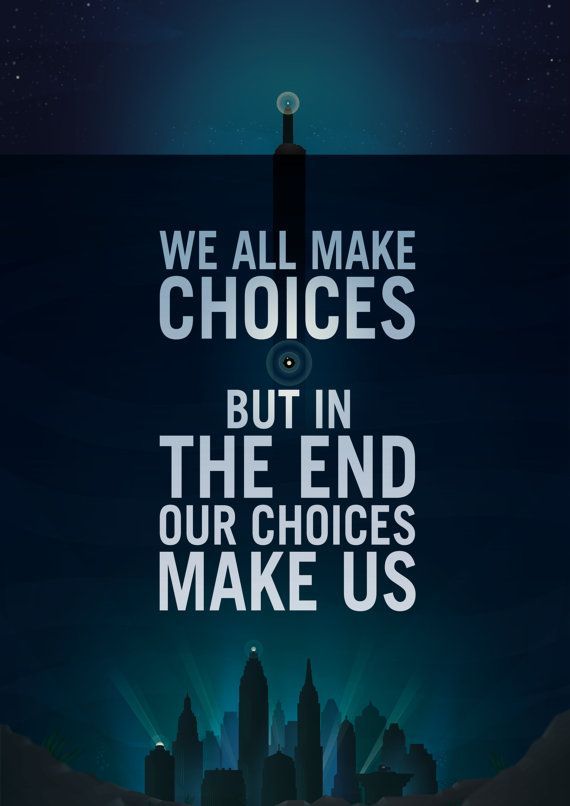
So if you find yourself in a position this year where you happen to be surrounded by other educators.  If you find yourself at ISTE or somewhere else where education will be discussed, don’t forget it is about the kids.  Not about us.  Not about our egos.  Not about follower count or perceived prestige. Not about all of the great things we can do but about the great things our students can do because we changed the way we taught so their dreams had a chance of survival.  That’s what is most important.  And it is a choice we make, so make the right one.  Keep it about the kids and the dreams they have, not just about your own.  What we do is bigger than us.

being a teacher, global, Reading, students

The Future of Literacy

I always knew that I would find my calling among books.  From my childhood bicycle trips straight across town to fill up a bag at the local library, to the constant book in my hands asking for my attention, the nights spent reading under the covers after my lights should have been out.  Books seem like they have always been a constant in my journey and now, as a literacy teacher, I feel like I have come home.

Right now is an exciting time to be doing anything with reading and writing.  With new technology bringing the world into our classrooms, amazing books being churned out daily, and the incredible amount of knowledge that exists a few clicks away, it is an exciting time to be a book lover and a literacy teacher at the same time.  It appears that now may just be the very best time to look ahead, to predict what is coming, and to cherish what we have right now.  So I think the future of literacy will center around 5 themes that all very much interconnect to provide us with an even bigger opportunity to create passionate learning environments.

Theme 1:  Global Collaboration.  I have to start with something that is so near and dear to my heart; global collaboration within our literacy programs.  Students are no longer limited to contained experiences within our classrooms but can instead read aloud with the world, create products to share with others, create awareness, or simply work on a project with a classroom across the globe.  Teachers in isolated locations can still be part of a global collaborative network using whichever tools they have access to.  Why does this matter?  Because we are teaching generations of children who need to function within a world that is truly at their fingertips at all times.  No longer is group work contained to just being able to work with kids from their own community, but instead it can focus on developing skills needed to be an international citizen.

Theme 2:  Meaningful Technology Integration.  For a long time I struggled with good integration of technology into my literacy instruction but I have found now that a few tools support the instruction in our classroom in a way that wasn’t possible before.  So tools that allow students to read in a multitude of ways like e-readers are embraced, although print books are not ignored  We use apps on our devices to not just record what we read, but suggest, review, and ask questions about our reading.  Writing can occur both traditionally or in electronic format depending on the purpose, as well as the audience, and the process desired.  Literacy researchers, experts, and other professionals can be accessed via social media allowing us to have constant professional development.  And students can connect with other readers around the world, as well as authors and content experts.  We truly live in a time where technology is enriching our literacy classrooms, not just creating more work for us.

Theme 3:  Student Voice and Choice.  This has for too long been limited to what we allowed students to tell us, but with visionary leaders like Donalyn Miller and passionate literacy teachers across the globe paving the way; our students voices are finally beginning to be heard!  This means that creating rich literacy environments start with the needs and desires of the students.  No longer are their voices dismissed when it comes to reading choice, reading style, and also product creation, but instead their ideas are embraced, enhanced, and placed into curriculum when possible.  Why does this matter?  Because our students have for too long become disenfranchised due to teachers telling them what to read, what to talk about, and dismissing their desires.  In the future of literacy, student voice and choice will take its rightful place alongside the amazing literacy research we have access to that drives our instruction.

Theme 4:  Authentic Purpose and Audience.  Students should no longer be creating just for the teacher or for the class, instead the use of technology allows us not only to have a “real” audience, but also to create products that have an impact.  Student words can change the world around them and so teachers are finding ways to use their literacy programs to create a real change, rather than create for fictitious purposes.   Simple tools such as Skype, Kidblog, or WriteAbout means that students no longer create in a vacuum but instead can get authentic responses and feedback on their work, thus allowing them to be “real” creators.  Students no longer have to wait for when they leave school to have an impact on the outside world, we can use the tools we have to do so right away.

Theme 5:  Teaching the Students You Have.  This one may seem crazy, but what I mean is that we are taking the curricula that districts are purchasing for us and adapting it to fit the needs of our students, rather than assume that the program will fit all of our children.  This is powerful because I do not teach the same students as Lucy Calkins, Kylene Beers, Kelly Gallagher or any of the other great literacy experts.  I teach my students, and those students change every year, which means that the way I use our curriculum has to change as well.  More and more districts are seeing the need for some type of personalization so that all student needs’ can be met.  It used to be just teachers doing what they felt students needed, and oftentimes hiding the fact that they were personalizing it, but now there seems to be an upswing in letting teachers adapt program and being proud of it!

The future of literacy depends on us.  We are told that the kids aren’t reading, the kids aren’t writing, and some kids don’t even want to come to school.  It is up to us to create real change.  It is to us to make the future come alive now, not wait and hope for someone else to lead the way.  The future starts today.

Hat-tip to John Spencer for this post

I am a passionate teacher in Oregon, Wisconsin, USA but originally from Denmark,  who has taught 4th, 5th, and 7th grade.  Proud techy geek, and mass consumer of incredible books. Creator of the Global Read Aloud Project, Co-founder of EdCamp MadWI, and believer in all children.  The second edition of my first book Passionate Learners – How to Engage and Empower Your Students” is available for pre-order now.   Second book“Empowered Schools, Empowered Students – Creating Connected and Invested Learners” is out now from Corwin Press.  Join our Passionate Learners community on Facebook and follow me on Twitter @PernilleRipp.

being a teacher, being me, student voice

My Biggest Lesson Yet

I started this blog  with a need to reflect on everything I was doing wrong in my classroom.  I needed to process how I had gotten so lost on my journey to become a better teacher.  I needed a space where I could put it all out there so that my poor husband didn’t have to listen to any more of my long rambling talks about everything that was wrong in education and everything that was wrong in my own classroom.  I wasn’t connected at that time so this blog became my lifeline.

Much like this blog I have grown, I have tried, failed, created, invented, and certainly put it all out there, the good and the bad.  So this morning, when I woke up and realized that this little blog celebrates 5 years today, I had to check my math.  5 years?  Really?  How did that happen?  And how have I had that much to write?

It used to be that I would go to professional development and leave so inspired, I couldn’t wait to try all of these new ideas on my students.  Those experts that taught us knew so much and surely knew how I would become better.  And they did, and I did, but I never grew as much as when I started to learn from my own students.

5 years ago I asked myself if I would want to be a student in my own classroom?  When my answer was no, I knew I had to change.  Now, I spend most of my days asking my students how to change the way we learn, how to change way I teach.  These small check-ins along the way means that I get a new chance to become better all the time.  So the biggest lesson I have learned is that you have to ask the students.  You have to ask them how to teach them better, what you should change, how they would like to grow.

So if I can pass on any wisdom that I have learned in the past 5 years, it is to ask your students.  I know I have said it before, but they are right there.  They are waiting to tell you how to change.  All you have to do is ask.  And then listen.  And then do.  That is the best professional development one could ever ask for.

Happy 5 years to this blog and than k you for being a part of my journey.

5 years ago, I had one child but other than that I look a lot like I do now.  Crazy to think how much has changed, even if my looks haven't.
5 years ago, I had one child but other than that I look a lot like I do now. Crazy to think how much has changed, even if my looks haven’t.

I am a passionate teacher in Oregon, Wisconsin, USA but originally from Denmark,  who has taught 4th, 5th, and 7th grade.  Proud techy geek, and mass consumer of incredible books. Creator of the Global Read Aloud Project, Co-founder of EdCamp MadWI, and believer in all children.  The second edition of my first book Passionate Learners – How to Engage and Empower Your Students” is available for pre-order now.   Second book“Empowered Schools, Empowered Students – Creating Connected and Invested Learners” is out now from Corwin Press.  Join our Passionate Learners community on Facebook and follow me on Twitter @PernilleRipp.

being me

Your Best Tips for #ISTE2015?

For five years I have watched ISTE from afar, always hoping that I would get to go some day.  I have watched the Twitter feed, the Facebook posts, and had the conversations with some of the lucky ones that went.  And every year to no fail there is a story of failed expectations, of something that didn’t got to plan. Well, seeing that I finally get to this year, I figured I better ask.  What are the hidden rules of ISTE, or really any other major conference?  What do people expect?  What should I know to make sure that I not only have a great time, but that I also don’t do some sort of faux pas sure to upset others?

Also, what are your best tips?  How do you make the most out of this experience?   I would love to know your thoughts.

PS:  Where will I be?  Well here you are:

Sunday:

ISTE Townhall Lead & Transform Panel – Sunday, June 28th 9 AM to 11:30 AM.  I am honored to be the teacher representative on this panel where we get to discuss how we are changing professional learning in our communities.  The best part of the panel is that I get to listen to  he amazing students from SLA, who will start the discussion!

ISTE Ignite – Sunday, June 28th 1:30 PM to 3  PM.  I have dreamed of doing an Ignite for several years and what better place to try it than at ISTE.  I don’t know whether I am more excited to speak about having courage to create passionate learning environments or listen to the other Ignite presenters!

Monday:

Monday morning – Award breakfast where the Global Read Aloud and I will be honored with the ISTE Innovation in Global Collaboration Award. 

Monday lunch – The ISTE Making IT Happen award luncheon.

Personalized Learning Panel: Stories, Process and Models – Monday, June 29th 4:15 – 5:15 PM.  Very excited to get to represent my district, Oregon School District, on this panel with the amazing Barbara Bray and Kathleen McClasky and others.

Tuesday:

Set Their Voices Free:  How Students Can Share Their Stories – Tuesday, June 30th 10:45 AM to 11: 45 AM.  I am pumped to be presenting on this topic and with these people; Erin Klein and Colby Sharp.  We started planning this session this week and it promises to be hands-on with time to work, discuss, and share ideas.  Isn’t that what we all hope to get from a session.

Wednesday:

Corwin Connected Educator Panel – Wednesday, July 1st 8:30 – 9:30 AM.  I get to see some of my favorite people and discuss one of my passions; how do we empower students and staff in our schools with my friend and inspiration, Tony Sinanis.  What isn’t there to like?

being a teacher, classroom setup, Reading

How I Organize My Books

A question I often get asked is how my books are organized in our classroom.  The system is really simple and one that many people use,  so I thought I would share here to help others.  I have used this system in 4th, 5th and 7th grade but have seen younger grades use this as well.  I do not level my classroom library.

I have more than 1,000 books in my library.  I am not sure how many exactly but it keeps growing.  And so my library is an ever growing work in progress.  Book shelves are a mix of what my school graciously purchased for me and ones that I could secrue from family.

IMG_1275

Most of my books are organized in bins, I have found this to be the easiest way for students to find books, as well as it being appealing to them.   Bins are grouped into several categories, some by genres, some by theme, some by author.  Students will suggest new bins as they see fit, for example this year we added a “War” bin and a “Cassandra Clare” bin.  I use clear bins like these because they fit all books and provide students with covers that may entice them.  For larger books, I use this type of bin since they fit my large books and picture books as well.  I also use this size bin as my “Return books here” bin.  The bins have stickers on them (address stickers) with the bin name and the abbreviation below it.  So a bin might say “Realistic Fiction (RF)”  on its sticker.  RF is then also the designation that is put inside of the book underneath my stamp.

Large bins for collections, poetry and others
Small bins for all of my books, I just remove the lids.

Most of my picture books are simply shelved on one bookcase.  Students know that the entire bookcase is dedicated to picture books and put them back as needed.  I have decided not to organize by author as it took too much time to keep up with it.  As long as they have their own separate bookshelf, I have no problem.  All non-fiction texts are also housed on a separate bookshelf and I have slowly started to group those texts together as well.  These are mostly grouped by theme and are a work in progress because I need more bookshelf space.

IMG_1187

Finally, one of the best things I have ever purchased for my library was a stamp!  I purchased this type of stamp 2 years ago and it has been amazing.  No more having to write out labels, no more mess.  Books are stamped on the inside upper right corner as well as on the closed pages of the books (vertically when the book is closed I stamp it for parents to see my name).  I then add then genre or bin abbreviation under the stamp so students know where the book belongs.  This stamp has meant many more books have been returned to me and one of the best $6 I ever spent, plus when the ink runs out you just buy a new inkpad, wahoo.

There you have it, a quick peek into the organization of my library, I hope it was helpful.

being a teacher, being me, Passion, Reading, students

But The Kids Aren’t Reading – 20 Ideas for Creating Passionate Reading Environments

So many of us are trying to create passionate reading environments, we are doing all the things the experts tell us to do, and yet, something just isn’t clicking.  Some kids are reading sure, but they would probably be reading any way, others though, not so much.  Our passionate reading environments are just not working for all of our kids.

When I moved from 5th to 7th I knew I would be up against a challenge, after all, I had seen the slow decline of reading in my 5th graders and was pretty sure it would continue as they got older.  And I was right,  by 7th graders some of my students are not just disliking books, some really hate reading. And they are vocal about it!  So what have I done to continue to create passionate reading environments?  Here are a few ideas…

Invested in books.  Every single book that I have in my classroom, pretty much, is a book that I think might capture a reader.  When a book gets worn,  I replace it.  If a book has a bad cover, I try to see if a new version has come out with an updated cover.  While I know our libraries should have massive amounts of books for all readers, I also believe in quality over quantity.

Diversity in books.  The #WeNeedDiverseBooks movement have really gained momentum the past year, and rightfully so, and I couldn’t agree more.  Our students need to be able to find themselves and their lives within the books we have.  Not just across racial lines or economic lines but also in the narratives of their self-identity.  These three books are doing just that for many of our students.

Easy access to our books.  All of my books are in bins  and they are right at their fingertips.   No check out system, no asking for permission.  And we need it in our classrooms, not just in the book room or in the main library.  We need to have in-class libraries so that students can bookshop whenever they need to and so that they can be enticed to read.

Giving choice.  Choice in seating, choice in books, choice in way of reading.

Free abandonment.  Students think they need permission to abandon books for some reason and so I celebrate freely whenever I abandon a book.  I ask the kids if someone wants to prove me wrong when I abandon a book and they always do.  Sometimes they commiserate with me about how that book is not well-written and other times they argue that I am so wrong.  What it does though is that it signals to kids that they should be selective in their reading as well, because that is the sign of a wild reader, to quote Donalyn Miller’s amazing book!

Leaving time to talk books.  Too often we over-schedule our lessons and don’t leave time to just talk about what we are reading and why it is amazing.  So find holes in your schedule where students can just talk books without any project attached to it.

Teacher recommendations.  I start many classes with the 1 minute book recommendation sharing why I loved a book or why I bought a book.  Then I place it on a ledge and walk away.  I do different recommendation in all of my classes.

Student recommendations.  We talk about books quite a bit, both in structured and unstructured ways.  We do the 1 minute speed book dating where students face each other in two long rows and one side recommends their book in a minute, one the timer buzzes they go to the next person and recommend it to them.   I leave book piles out on tables for students to browse through as they enter.  These are not just new books but also some of my favorite older books that students may not have discovered.  They have a “Favorite reads” book tree, where they can leave their favorite books for other students to read.

The To-Be-Read List.  Students need to always have an idea of what they will be reading next so we have a paper list this year of the books we cannot wait to read.  Next year, we will move to use Goodreads as a way to keep track of what we have read, offer suggestions and also have a way for our friends to see what we are reading.

It is judgment free.  I am not the reading police and while I continually recommend books to students I will not stop them from reading a book, nor will I judge them based on what they are reading.  Sometimes your strongest readers need a break, other times your developing readers need a challenge.  Letting them figure out what they need at a particular time is incredibly empowering for students and definitely necessary.

Celebrating the re-read.  I re-read picture books all of the time and often find myself gravitating toward certain books.  The Poisonwood Bible is a book I have read several times, relishing the vague recollection of what happens but also discovering the text in new way each time.  Too often we assume that students are re-reading because they lack inspiration, but that may not be the case.  Some kids are re-reading to discover more about the text, that is true close reading.

No need for speed.  Because we are reading log free, we have no need to track minutes or pages.  Students read as much as they can in our independent reading time and I only ask them to write down the title.  We do a 25 book challenge for all students, or higher if need be, and all students keep track of how many books they have read.  Larger books count for more than one so that students are not discouraged from reading thick books, but can read whatever they want.  And yes, picture books or graphic novels count as well.

Protecting independent reading time.  Often our independent reading time is what we sacrifice when we have a lot to cover, and yet, this is the thing we need to protect the most.  I start almost every class period with 10 minutes of independent reading and it is sacred time for us (thank you for the idea Jillian Heise!).  Some times that is the only reading time students get and they need it.  If we worry about whether a kid is reading outside of school pay attention to what they are reading inside this time.  This is where I can help kids to find better books or help them develop their skills to pick books.

Creating enticing libraries.  Kids love book stores because the books are exciting, even our most reluctant readers will pick a new book of the shelves if we display it well.  So I pay very close attention to how books are displayed;  I use all ledges, have a gutter hanging on the wall for picture books, and I switch out the books often.  I want students to pick up the books and flip through them so I have to create opportunities for that to happen.

Creating reading role models.  Students need reading role models, and not just adult ones.  I love being passionate reader and it is something I showcase any chance I get in our classroom, but more importantly students need to see students who are reading role models as well.  We Skype with other classes to share book recommendations, we share our favorite books on our blog, and we give students time to take on the role of role model.  We need to create communities of readers where students have room to discover each other as individuals so they can learn from each other.

Let them order books.  If a child says they cannot find a book they love, then I pull out a Scholastic catalog or get on Amazon and I let them choose a book.  I use bonus points when I can or I buy the book myself if I need to.  Sometimes simply being able to completely choose a brand new book means that a child will at least try to read the books.

Crack your hardest nut.  You know that kid that really hates reading and almost flaunts it every chance they get.  Spend your energy on them because often they are influencing the way their peers are thinking.  So they are the ones I continually pass books to, they are the ones I am always talking books with, and they are the ones that I try to get be a reading role model if I can get them hooked.

Embrace mature books.  These are the books that some of our most reluctant readers will finally pick up.  The ones with the swear words, or the ones with the little bit more mature story lines.  Be selective, set your standards, but don’t shield all readers from mature books.  These can be “that” book for some of our kids who otherwise will never read.

Ask your students.  Too often we assume that we know why students are not reading, so we never ask, but that is the very first thing we need to do.  Ask your students to discuss why they hate reading and get those demons out in the open so that you can start to work with them rather than just assume you know what the problem is.

Stay passionate.  There are times when we get so busy that reading was pushed to the side, yet often within our busyness is when we need to embrace our passion even more.  So re-ignite your own passion, change things up, go on a mission to find the most magnificent book you have ever read so that you can hand it to students.  Don’t let the outside world influence your inside passionate classroom.

Become a reading warrior.  No more quiet compliance when initiatives are introduced that we know will hurt students’ love of reading, we have to band together and start speaking up for our students.  Their love of reading is too sacred for us to stay silent any longer.  Here is the blog post that discusses this more.

What did I miss?

I missed one of the biggest ones!  Thank you Rachel Yoder!

Partner with the librarian!  Whether your school has one (which every school should!)  or you partner with your local librarian, bringing in another knowledgable reading adult is a sure fire way to have an even bigger impact.  You are not alone in trying to create passionate reading environments, your librarian should be a trusted ally.

To see how all of my books are organized, go here.

To organize your own library, including check out, go here.

To see my book review blog, go here.

I am a passionate teacher in Oregon, Wisconsin, USA but originally from Denmark,  who has taught 4th, 5th, and 7th grade.  Proud techy geek, and mass consumer of incredible books. Creator of the Global Read Aloud Project, Co-founder of EdCamp MadWI, and believer in all children.  The second edition of my first book Passionate Learners – How to Engage and Empower Your Students” is available for pre-order now.   Second book“Empowered Schools, Empowered Students – Creating Connected and Invested Learners” is out now from Corwin Press.  Join our Passionate Learners community on Facebook and follow me on Twitter @PernilleRipp.