Be the change, books, global read aloud, Literacy, Passionate Readers, Reading Identity

Auditing Your Read Aloud – A Whole School Conversation

In 2010, I created a project called The Global Read Aloud, for the past 11 years I have been the driving force behind this global literacy initiative. For 11 years, I have asked educators to recommend books for us to read aloud on a global scale. To suggest books they feel would make for an incredible connection around the world. That will inspire students to learn more about others. That will inspire students to learn more about themselves. That will generate connections that maybe were not possible before.

You could say that for the past 11 years, I have seemingly had a front row seat to the most recommended read aloud books in America. And I am here to tell you something; they are almost all by White authors featuring White kids.

Probably not a shock to many, but still something to sit with for all.

I used to not notice. That’s what happens when White privileges blinds you to seemingly obvious things. I would gladly go with the suggestions not thinking about skin color or ethnic heritage as the read alouds were selected. Not thinking past the book and into the life off the author, after all, a read aloud is separate from the person who creates it, right? And these books were great. These books would generate conversations. These books had merit. These books had endured and would guarantee a beautiful read aloud experience for all of us. And they did.

And yet, a few years in, someone kindly asked; when will the “Global” part of the name come true? When will you pick a book that isn’t set in America, that isn’t written by a White author? I felt so dumb when the comment came my way. How could I have not noticed? How could I have forgotten to think deeper about what the project recommended?

Now looking back at the years of recommendations, patterns emerge quickly. Despite asking for #OwnVoices authors and stories set outside of the White dominant culture, these books continue to be the most often recommended. The same authors keep popping up. The same titles even. Even when they have been chosen in previous years, I am told that they would make for a great read aloud again because surely nothing can beat the experience we already had. Even if the books have been deemed problematic, they are still recommended.

This is not a trend limited to the Global Read Aloud. I see it play out on social media all of the time. Someone asks for a recommendation for a read aloud and in that list are the same White books. The same books that we, White educators, have loved for years and years and continue to read aloud because to us they mean something more. The same authors but with new titles. The same situations. The similar story of yet another White child overcoming obstacles. And of course, we need these stories too, however, we do not need them as much as we are using them right now. With a teaching profession in America that is dominated by 80% White people, it shouldn’t be a surprise, and yet, it should be something that we, as a profession, recognize and see the harm in.

Dr. Rudine Sims Bishop, of course, reminded and continues to remind us of the power of seeing yourself in books. We Need Diverse Books started from yet another moment of exclusion in a White dominated conference field. The CCBC continues to remind us how White children’s books are. Lee and Low reminds of how White the publishing industry is. But that doesn’t mean our read alouds need to be. In fact, quite the opposite. This is the once again urgent reminder to all of us, White educators, and those who choose the books that we hold up and venerate enough to make a part of our curriculum, of our experience, that we need to audit our read alouds.

That we need to look past the books we have loved for a long time and see what else is out there.

That we need to start recommending #OwnVoices books. Books written by people who are marginalized within our society.

That we need to expand our loyalties. Our lists should contain numerous names of BIPOC authors who are writing incredible stories.

That we need to start reading more widely ourselves in order to discover the new authors who are creating stories that we so desperately need in the hands of our children.

That we need to stay current.

That we need to audit across grade-levels so that we can see what the read alouds are from one year to the next and disrupt the pattern of White dominance that inevitably occurs within most schools because an audit is not done.

That we look around and ask ourselves; what is the story told of kids of color? What is the story told of White kids? And how often is the story told? How does my read aloud cement or disrupt the dominant culture and how we view others?

Whose story is highlighted? Whose story becomes a part of the community we weave together? Whose stories hold power for all of us?

We need to think of the patterns we continue to perpetuate when we fail to see how much power a read aloud holds. Especially if we teach in White majority schools or in schools with White majority teaching staff. Our kids deserve stories about kids whose lives may not mirror their own, but who are still living incredible lives.

Because that’s what a great read aloud does; it creates connections, it leads to revelations, it it binds us together in deeper sense because we have lived through the story of another.

So we need to keep asking; whose stories are we living through? And how does that impact the students we teach? Because it is, and it does, and it is up to us to do something about it.

PS: I would be remiss to not thank those who have pushed my thinking on this. I am so grateful for the work done by the #DiversityJedi #DisruptTexts Chad Everett, Sara Ahmed, #WeNeedDiverseBooks, Dr. Ebony Elizabeth Thomas, and countless others

If you are wondering where I will be in the coming year or would like to have me speak, please see this page. 
books, Literacy, Reading

A Few Favorite Books from Our Classroom for Teens Who Say They Can’t Find a Great Book

One of the many benefits there is from being an educator who reads a lot is that I get to create many different reading lists in my head. From the child that asks me to find another book just like the one they just read, to the colleague who needs some books to take their mind off of bigger things, to the child who tells me that they have never liked a single book, there are lists in my head with ideas. These lists grow as I read, study what our kids are reading, and also get to know our readers better.

One of my most used list from my head is for the last group of kids, the kids that come to us saying that all books are boring. That all books they have tried are only okay or not worth their time. Who read a book only because they have to or fake read hoping we won’t notice. Those books are in high demand.

There are a few trends with many of the books that help kids find value in reading again. Many are free-verse or novels in verse, many have mature topics discussed throughout, many are shorter. In fact, I would say that the world needs even more of these books – books with mature, complex storylines that are around 200-250 pages, especially those written by #OwnVoices authors.

So which books make the list at the moment for our readers? Here are a few suggestions…

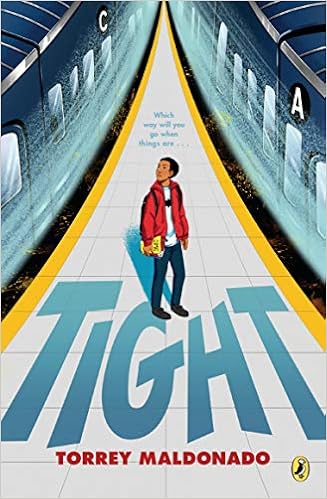
I have loved book talking Torrey Maldonado’s Tight to my students because you can see them get interested quickly once I share the book. After all, how many of my students can relate to the idea of trying to navigate demands from friendships without losing yourself.

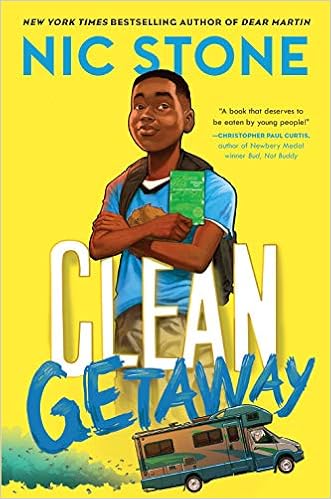
I rejoiced loudly at the news that Nic Stone wrote a middle grade novel. Students love both Dear Martin and Jackpot but for some of my students they need a little more accessible language, which Nic so seamlessly delivers in this Clean Getaway, her new middle-grade novel without sacrificing the complexity of the story.

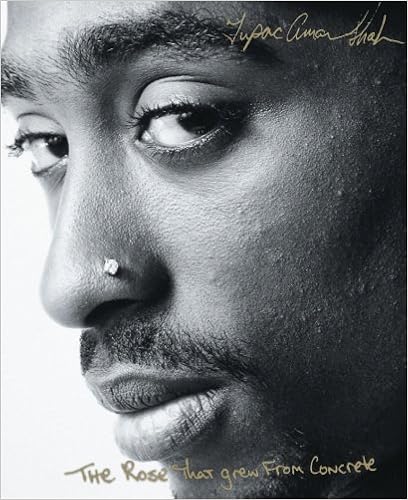
Another book that has been replaced multiple times is The Rose that Grew From Concrete by Tupac Shakur. I love when students discover this book because they so often check with me to see if this is “The Tupac” or some other guy.

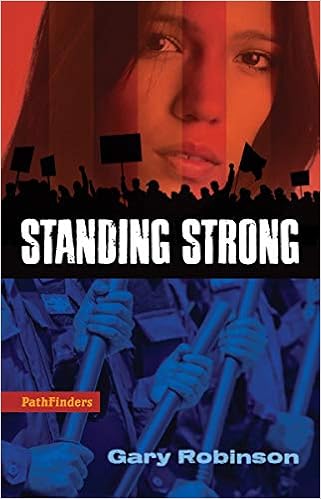
I book talked Standing Strong by Gary Robinson last week and it had an immediate wait list. I can’t wait to see what the students think once they have read it.

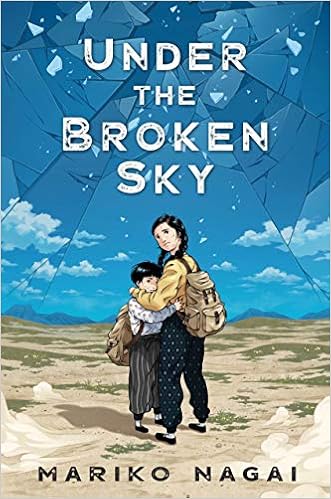
Free-verse continues to reign supreme for many of our students and this new addition Under the Broken Sky by Mariko Nagai has been gaining attention since I book-talked it a month ago.

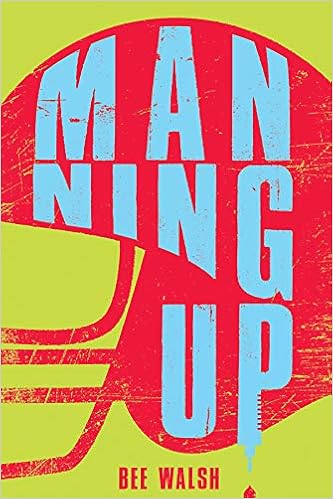
I cannot wait to book talk Manning Up by Bee Walsh this week. It has a few common patterns that seems to do well in our classroom; it’s free verse, it is action packed, it is more mature, and it is about sports.

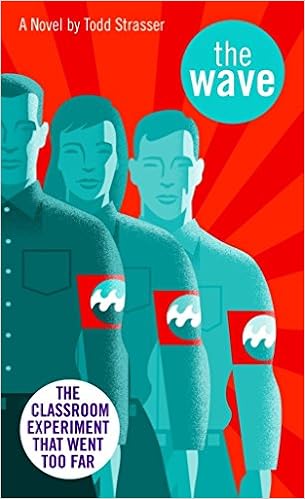
We have continued our discussions about influences, bias, and what causes us to do what we do throughout the year and so I book talked The Wave by Todd Strasser and the book has furiously made the rounds. It’s short, accessible, and a riveting read as we see just how frightfully easy it is to manipulate others.

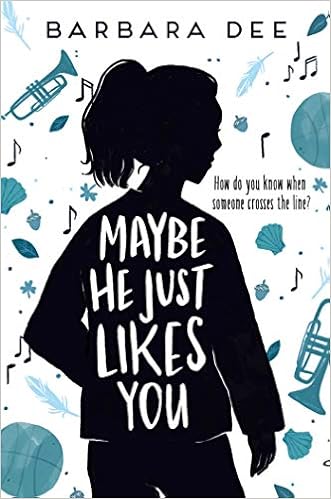
I have lost of how many kids have read Maybe He Just Likes You by Barbara Dee.

Yummy – The Last Days of a Southside Shorty by G. Neri and illustrated by Randy DuBurke

I have replaced Yummy more times than I can count because it is one of those books where once I book talk, I tend to not see it again. One kid book talked it repeatedly as he tried to convince other us its rightful place in their reading lives.

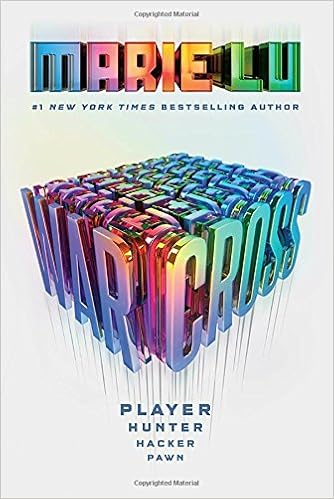
One of our newer additions to must-read books has been Warcross by Marie Lu. This book is featured in our dystopian book club work and is a book that kids love for its fast pace and mystery.

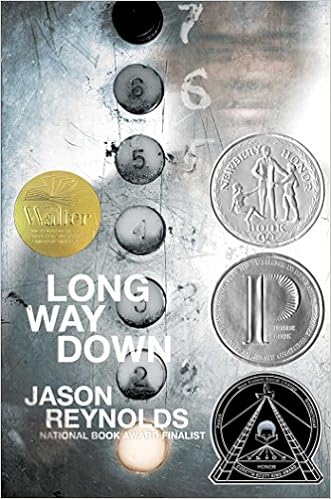
If there is a book that defines our time together it is this masterpiece by Jason Reynolds. Long Way Down continues to be one of our most worn-out, passed around, talked about books more than a year after its release. I have lost count of how many readers have asked for books just like this after they finish its pages.

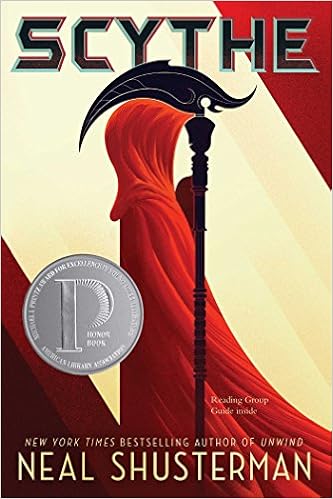
Scythe by Neal Shusterman is the second most read book series in our classroom, and for the kids who are not quite ready to decode its many pages, the audio version beckons. With its complicated plot lines, incredible world building, and suspense, I am in awe of the talent that is Neal Shusterman and how he never underestimates our readers.

Eleven by Tom Rogers about 9/11 is a book that I book talk on the anniversary of the attacks and I see it passed from child to child. The kids I teach now were born after the attacks and long for books that can help them understand what happens. With its dual narrators, the book is fast paced yet accessible for many.

Until Friday Night by Abbi Glines is one of the more mature books in our classroom, but without fail it is one of the most read series we have. With its focus on football, small town, tragedy, and relationships, it pulls readers in from many walks of life.

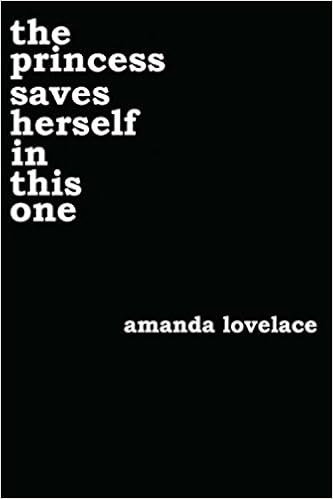
Also more mature, the poetry collection The Princess Saves Herself in this One by Amanda Lovelace is one that especially many of my 7th graders who have not found value in reading gravitate toward. I book talk it individually as well as to the class.

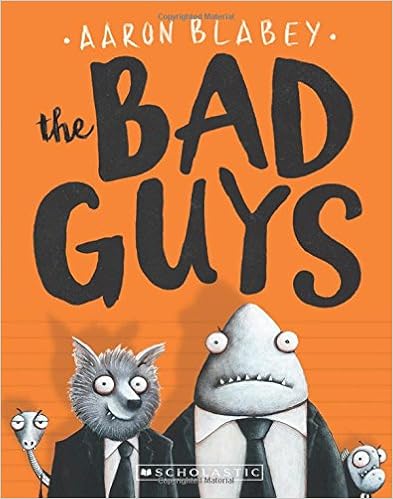
I have seen The Bad Guys series by Aaron Blabey dismissed more times than I can count by adults who deem it too easy for our readers, and yet, this series has single handedly transformed at least three readers’ lives in our classroom over the years. Why someone would dismiss a great series that a child wants to read continues to baffle me.

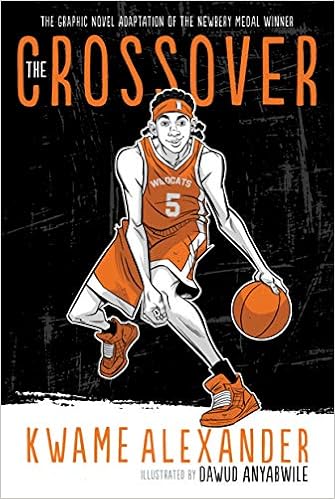
The Crossover – Graphic Novel Adaptation by Kwame Alexander and Dawud Anyabwile Even if a child has read The Crossover (which is also on this list), they still get so excited to see the graphic novel adaptation.

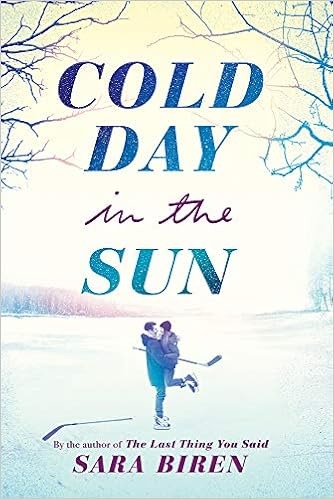
Handed Cold Day in the Sun by Sara Biren to one of my hockey players and she could not put it down.  Her word of mouth recommendation means that it is flying through the classroom, and kids who told me they hate reading are devouring it.

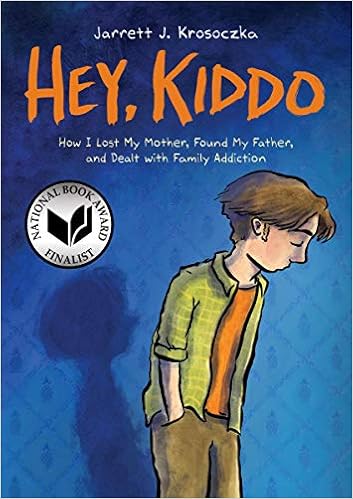
Image result for hey kiddo

Kids cannot believe that this is a graphic novel.  With its unflinching look at how addiction shaped his life and his talents, Hey, Kiddo by Jarret J. Krosoczka is flying through the room.

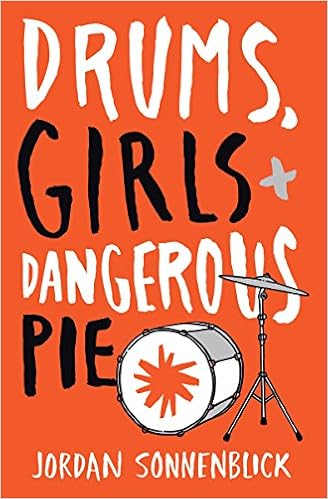
“Mrs. Ripp, I only want to read books like this one…” so said one of my most resistant readers this year, and it happens every year.  Jordan Sonnenblick’s Drums, Girls and Dangerous Pies is one of those books I can count on to be a great reading experience for almost every child I hand it to.

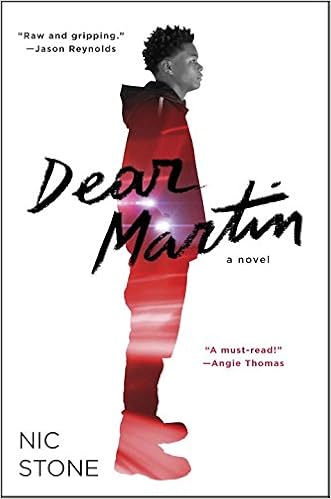
Dear Martin by Nic Stone is one of those books that takes you by the heart and then twists it painfully.  Unyielding in its honesty, this book stays with you long after the last page.

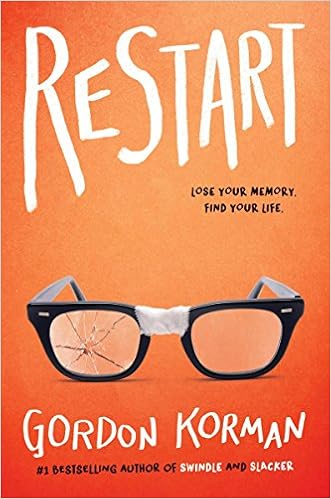
What happens when the alpha bully at a middle school hits his head and forgets everything about himself?  I think so many of my students can connect with Gordon Korman’s Restart for many different reasons.  It is fast-paced and Chases’ dilemma makes you want to read on; will he go back to how he was?

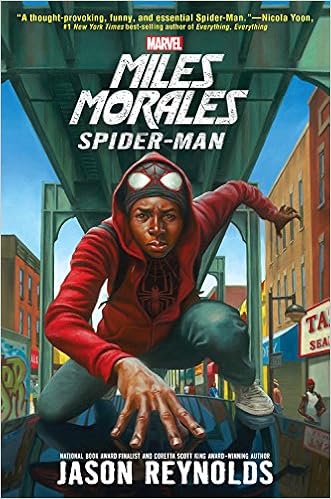
Also by Jason Reynolds, Miles Morales – Spiderman is the first full-length novel that features the comic book character Miles Morales as Spiderman.  Need I say more?

Orbiting Jupiter by Gary D. Schmidt has hands-down been the biggest game changer for a lot of my readers.  I have 7 copies circulating and none of them sit on the shelf for more than a day.  We have it on Audible as well for students who prefer to listen to their books.

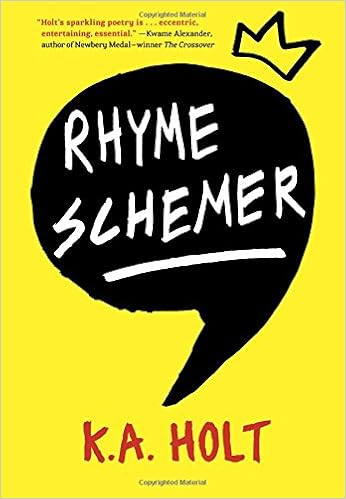
 Rhyme Schemer also by K.A. Holt is about a bully who becomes the victim.  I love how students relate to this story and often see this passed from kid to kid.

Who would think that our most resistant readers start to fall in love with reading through free verse?  What Kwame Alexander’s The Crossover has done for our reading life cannot be underestimated.  I have already had to replace my copies of this book this year and students are eagerly awaiting Booked on it’s arrival date of April 5th.

Reality Boy by A.S.King may have a very angry protagonist but I think the anger and “realness” of the books is what draws readers to it.  This is another book that is often recommended from student to student.

Another free verse book, this one is House Arrest by K.A. Holt has been making the rounds as well.  The discussions in class that this book leads to are powerful for many students.

When a resistant reader recommended this book to me I knew it had staying power in our classroom.  Carl Deuker’s Gym Candy is not your typical sports book and I think that is why it has been so popular with many resistant readers.  It is a little bit raw and a little bit unresolved, a perfect choice for many of my more picky readers.

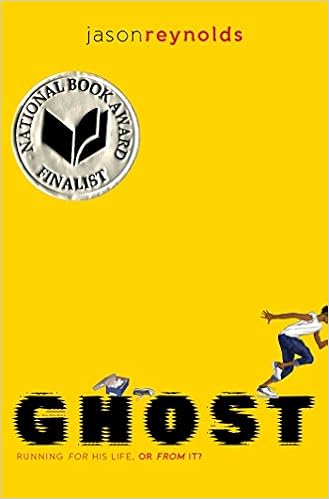
Another Jason Reynolds book, Ghost is book one in the Track series and left my students wanting to read the next book, Patina, right away.  Easily accessible langueg with a relatable character who does not have the easiest life, this was a book many kids declared as a favorite.  

Boost by Kathy Mackel was book talked last week and has not been in my classroom since, quickly passing hands from student to student.

For the first time ever, I used We Were Liars by e.lockhart (Emily Jenkins’ pen name for her YA books) and I was not disappointed.  It was clear that my group of readers quickly became absorbed as they begged for just one more minute of reading time.

It can come as no surprise that Monster by Walter Dean Meyers is a book many readers gravitate to.  I have loved the reflections and thoughtful dialogue that this book creates but even more so how many students have recommended to each other.

What are your must adds/must-reads that you pull out for the kids who say they can’t find a great book?

If you are wondering where I will be in the coming year or would like to have me speak, please see this page. 
being a teacher

Meet our Personal Care Cart

A few weeks ago I came across a genius idea from my friend, the incredible Julie Jee. She showed images of a plastic rollaway cart filled with emergency supplies that her students had requested. As Julie so often does, she shared this great idea freely through Twitter and in that sharing, I was inspired. It made perfect sense, after all, I am sure there are things that our students would love access to without having to ask.

So I followed her plan. I asked our students what they wish we would have an emergency stash of, I gave them a few examples. It was a paper survey so that they could speak freely without others knowing what they wanted. Immediately a few things stood out; gum, hair ties, snacks, and menstrual products.

So then, I purchased a cart. Now, one of my resolutions this year is twofold – spend less money on items for my classroom (because I spend way too much of my own money) and also, don’t use Amazon if I can help it (because they don’t need more money). This time I made an exception and ordered this cart, which then arrived rather quickly, I was pretty excited! (Update: Michael’s has a cheaper version!)

Last week, I unveiled the cart. All organized and ready for their usage. I introduced the items in each drawer to every class. We discussed that they should be mindful of usage as I was funding most of the stuff, and that it was to be used for emergencies and not because they felt like snacking their way through class. We also discussed taking care of the things in the cart like the fidgets, as well as continuing to follow school expectations when it comes to eating snacks and such.

So what does it look like and what is in it?

Tucked in a corner, with everything labeled pretty much.

 Shelf 1: Gum, mints, and fidget toys to be used in class when needed.

Shelf 2: Band-aids, hand and body lotion, nail scissors, mouthwash, wet wipes, and shower wipes – I will be adding deodorant spray as soon as I get some.

Shelf 3: School supplies – extra pens and pencils, binder clips, paper clips of various sizes, rubberbands, post-its, and also erasers.

Shelf 4: Hair ties, hairspray, a comb (that I wash after use), cottonballs and q-tips, hair pins.

Shelf 5: Utensils for eating.

Shelf 6: Napkins, ziplock bags, and dryer sheets in case of static.

Shelf 7: Tampons, pads, liners.

Shelf 8 + 9: Granola bars, trail mix, chococalte, and fruit snacks.

Shelf 10: Food, right now Cup of Noodles for those who need lunch.

I figured that students would use it a lot the first few days and I was right. Lots of mints, gum, and snacks have been taken. But also the other things have been in need. Now almost a week in, it is quieting down a bit. The students use it when needed, we have re-discussed when to use it after grabbing several snacks at a time became a minor thing, and as always students express their thanks.

But it’s not for them to be grateful more so than they are or for me to feel great about myself. It is for all of our kids to just have one more way to navigate school that may make their day better. An easy idea to give kids what they might need even as we attempt to address all of their needs. I am so grateful to Julie for sharing the idea the first place because her idea is now impacting our students in Oregon, Wisconsin, perhaps me passing it on here will allow it to impact others as well.

If you are wondering where I will be in the coming year or would like to have me speak, please see this page. If you like what you read here, consider reading my latest book, Passionate Readers – The Art of Reaching and Engaging Every Child.  This book focuses on the five keys we can implement into any reading community to strengthen student reading experiences, even within the 45 minute English block.  If you are looking for solutions and ideas for how to re-engage all of your students consider reading my very first book  Passionate Learners – How to Engage and Empower Your Students
being a teacher, being me, conferences, Literacy, Reading, Reading Identity

What’s Important in Your World – A Small Question to Boost Conferring

I have been having small conversations with students. Isn’t that what teaching is in so many ways? Much like we live life in the moments in between the big, we teach in the moments in between the big as well, the big assignment, the best draft, the presentation. We go throughout our day using our voice to connect, our bodies to show our listening, our eyes to show we care. We seek out those moments in between hello’s and goodbye’s to make sure that with us, these kids, our kids, feel seen, challenged, and cared for.

So in thinking about how I could structure more conversation to build trust, I have been starting each reading conference with a simple yet meaningful question. Inspired by Sara Ahmed’s work in Being the Change, after I have asked them how their night was, how their day is going, I then ask, “What is important to you in your world right now?” It took some finessing with the question, in some conversations it flows seamlessly and the students latch onto it and take it in the direction they need it to go. Others ask for clarification which I typically bumble through, but what it shows me each time, is that continued need to connect that drives everything we do in room 203.

That there is still much to be done.

That all of the community we think we have built is still not enough. That each child is still carrying so much within them that ties in with their day, their mood, their thoughts, their actions, their dreams. From the worries about homework as the end of the quarter nears, to friendship issues they are navigating. From coming to terms with sports ending and figuring out what else to use their time on, to not quite knowing what to do with something they know, these kids take that question and allow us one more glimpse into their lives. One more way to build a way for them to trust us with the emotions that are tied into the work we are doing.

Because I can start a conversation asking just about their book.

Because I can start a conversation getting right to the skill.

Because I can start the conversation by asking what they are working on as a reader.

Because I can start the conversations moving into the work as quickly as possible.

But what that will never do is build the kind of trust we need to have with each other when kids tell me how they really want to grow. Why they worry about reading. Why they worry about writing. Why they worry about being in a community where some seemingly don’t understand them. Why they worry about grades, about the future, about the news.

So for now our conferences are taking a little bit longer. So for now, I am not quite sure how the conversation will go. I am not sure when we will get to the work they are doing as readers. But we will and we do.

But before then. Before that.

I get a tiny glimpse into their world and isn’t that what teaching is also about in so many ways? A tiny glimpse so we can help them capture the world the way they want to.

It is for me.

If you are wondering where I will be in the coming year or would like to have me speak, please see this page. If you like what you read here, consider reading my latest book, Passionate Readers – The Art of Reaching and Engaging Every Child.  This book focuses on the five keys we can implement into any reading community to strengthen student reading experiences, even within the 45 minute English block.  If you are looking for solutions and ideas for how to re-engage all of your students consider reading my very first book  Passionate Learners – How to Engage and Empower Your Students