being a teacher

Review: When We Was Fierce

I first read When We Was Fierce by e.E. Charlton-Trujilla and loved it.  Once I got used to the “invented” language I couldn’t put it down.  It was a perfect book in my eyes; free verse, a genre that my students and I adore.  The rip-you-apart story.  The fast-paced narrative.  I  was excited to get this in the hands of students knowing that much like my own heart broke, they too would get sucked into the story of T and his friends as they tried to survive in the inner city.  I told my friends and colleagues to read it, even declaring it one of the must read books of the summer on Twitter.

A few days later, I woke up to this post on the blog Reading While White called When Whiteness Dominates Reviews systematically dismembering the book that I had just raved about.  I was stunned.  I felt stupid.  I felt ashamed, once again made aware of how my own white privilege had colored my judgment.  So I knew I had to  learn more, I read more reviews, reached out on Twitter and quickly found the same views being shared; this book is unjust, this book should not be in classrooms.  And it dawned on me…in my own heartbreak over the book.  In my own eagerness to proclaim this book a must read, I had forgotten to check myself and the narrative that I had fallen in love with.   I had forgotten to think of the picture that this book paints of what it means to be a young African American man in the US.  That this book is probably the opposite of what my mostly white students need because it once again affirms the narrative that the media and others would like us to remember when we speak of inner city America.  That this book, in its eagerness to highlight the lives of young men, may do more damage than good.

So for the past week I have watched the debate unfold, I have seen the responses of critics and praises, I have tried to think of what it must feel like to be the author who poured her heart into a book thinking it would be a good thing.  And I have been ashamed.  Ashamed at my own idiocy.  Ashamed at how little I know.  Ashamed at how quickly I bought into the same tragic story as a way to make my students think, where instead I should be looking for stories that combat this one-track narrative.  Because that is what my students need to know; that this is not the story of all, that this is not what always happen, that this is not reality for all or even some.

In the end, the words that keep haunting me are the words from Jennifer Baker’s review.  She writes, “Thinking of the young reader demographic I’d like someone to sit back and consider work created by so many marginalized artists that seeks to show an alternative while also showing truth and tell me if you would actually feel comfortable showing When We Was Fierce to a group of Black children and saying ‘This is how I see you.’”

This is how I see you.  Can you imagine if white rural kids were portrayed like this?  If Danish kids from small towns were portrayed that way?  I would be indignant at the portrayal.  I would be outraged.  And so I write this review as a way to process out loud.  For others to see just how easy it is to forget just how little we know.  How much we still have to learn.  And that’s it for me, in my own eagerness to try to add to the conversation about racial inequality I was going to give it more of the same.  I was going to use this book as a way to start a discussion, but that discussion would have been about the wrong things.  So now?  Well, now I remember how much I have to learn, how little I know.  How I cannot call myself an ally when I am so easily fooled.  How we all have a long way to go in trying to change the social injustice that perpetuates our combined story.  How I would never want a child to pick up a book in my classroom and think that this is how I saw them.  That this is the legacy they must be forced into because that is how the world sees them.  This book now becomes a teaching piece in my classroom; excerpts will be provided to discuss the portrayal, the starred reviews will be given and then the reviews that disagree.  I will invite my students into the debate so that perhaps they can see the danger of a single story when we let our emotions roll us into a narrative that is unjust and damaging.  Hopefully they will not be as easily fooled as me.

A few great articles that helped me think deeper:

The Rocky Unpaved Roads of Good Intentions

Jenn Baker’s Review

When Whiteness Dominates Reviews

Edi Campbell’s Review

Kirkus Starred Review

Publisher’s Weekly Starred Review
Zetta Elliot’s Blog Post 


Be the change, being a teacher

We Can Be

We can be afraid or we can do something... @pernilleripp

We can be afraid of the changes that are coming.  We can be afraid of the ideas we have.

We can be afraid of how others may view us.  We can even be afraid of what we will think of ourselves.

We can let our fears of failure, of success, or of no change at all determine our course and steer our path.

As educators we can spend a lot time being afraid.  We can spend a lot of time thinking about all the things that can go wrong, that probably will go wrong, that must certainly will go wrong.  We can think of all of the reasons why something won’t work, won’t fit, won’t do.

Or we can stop.

We can stop waiting for permission that may never come.

We can stop worrying about what others will think.

We can stop waiting for everyone to get on board, for others to speak up, for someone else to take the lead.

We can wait for the better teacher.

We can wait for better students.

We can wait for a better team, or a better administration, or a better time, or district, or state.

Or we can do .

We can try.

And we can change.

Because our students are waiting for permission to be taught.  They aren’t waiting for another teacher to show up, or to go to another school, or to be told that school is about them again.

So what is your choice?

If you like what you read here, consider reading my book Passionate Learners – How to Engage and Empower Your Students.  Also, if you are wondering where I will be in the coming year or would like to have me speak, please see this page.


being a teacher, Literacy, picture books, Reading, Reading Identity

A Few (Or More) Great New Picture Books

Oh summer, I love you for many reasons; waking up because my children ask me to get up and make them breakfast and not because of the alarm, nights on the deck, lightning bugs, and naps, I am fairly certain, I could be a professional napper.  And the books…oh the books.  How much sweet er is summer time reading where I have the time to sit for an hour or more and just fall into the pages of the books I choose?  Or time to grab a whole stack  of picture books and read them end to end, pretending not to notice how much they will cost me but knowing that they will make our school year that much better.  So I think it is time to share a few (or more) of my very favorite reads of this summer.  Some are out now, a few are coming out soon.

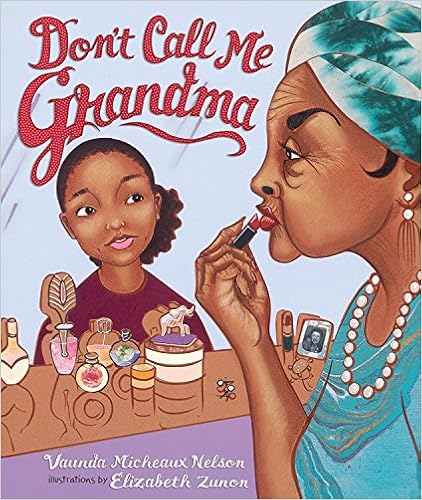
Don’t Call Me Grandma written by Vaunda Micheaux Nelson and illustrated by Elizabeth Zunon is not at all what I expected.  I loved the narrative of the grandma that is not like a grandma is supposed to be and then the unexpected hints of why she is the way she is.  I will be using this one for teaching Contrast & Contradictions from Notice & Note.  To see all of the picture books I like to use for that, go here. 


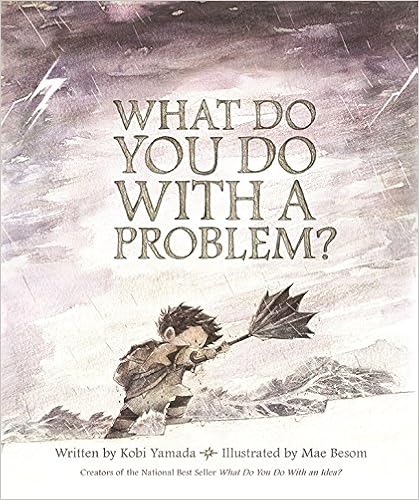
I have used Kobi Yamada’s book what Do You Do With an Idea for a while now and was eager to read his latest What Do You Do With a Problem?   What a fantastic addition to any classroom library for the message it sends of resilience and also the conversations it may lead to.

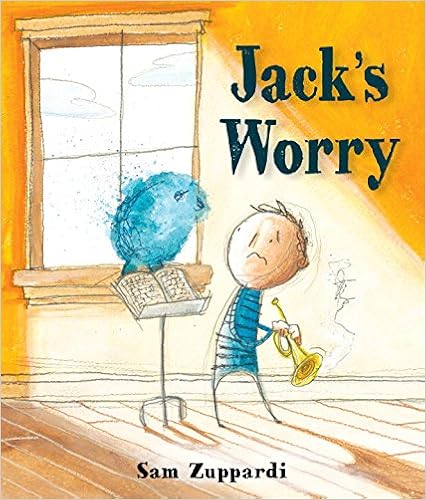
Another fantastic picture book to discuss problems and anxiety is Jack’s Worry from Sam Zuppardi.  I love the illustrations of how Jack’s worry follows him around and how he ends up solving it.  Many children would benefit from this book in their classrooms.

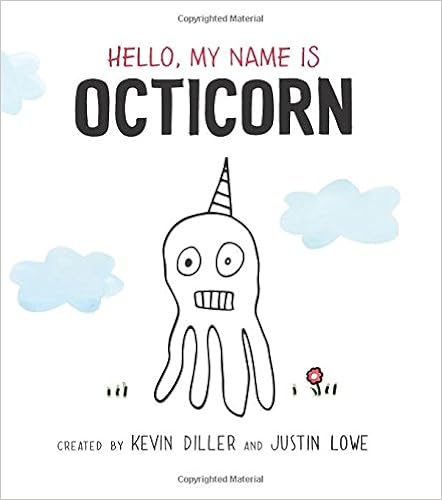
Hello, My Name is Octicorn created by Kevin Diller and Justin Love is in my pile of books for the first day of school.  Funny yet poignant in its message, this will also make a great picture book to teach theme.

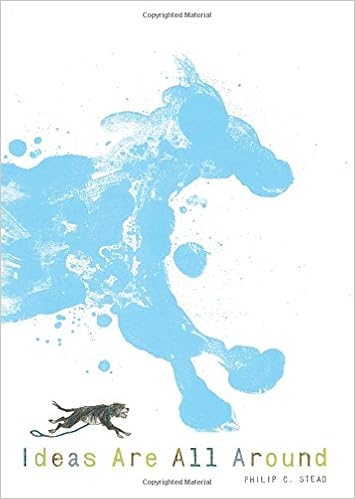
What do you do when you are supposed to write but just don’t have any ideas?  You read Ideas Are All Around by Philip C. Stead.  Beautiful illustrations coupled with a story that will make you think, this is a must for any writing workshop classroom.

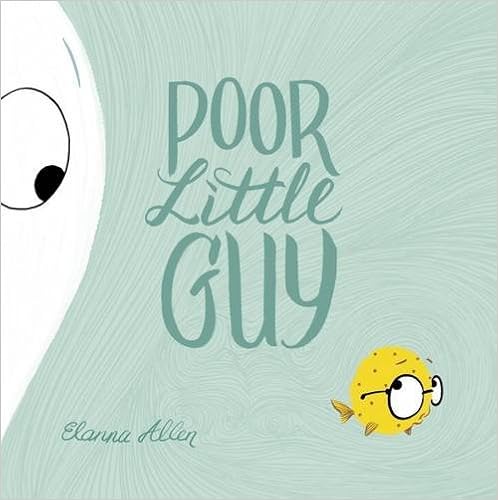
I laughed out loud when I read Poor Little Guy by Elaina Allen, but this book is not just funny, it also carries a great message; don’t judge others by their looks because you never know what will happen.  I am a fan of this book.

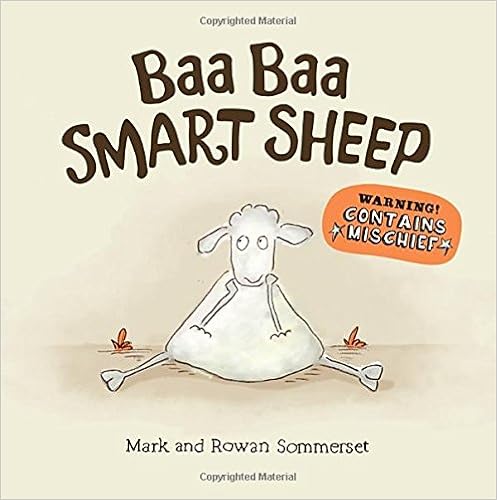
Baa Baa Smart Sheep by Mark and Rowan Sommerset is so wrong, yet so right.  This book and its sequel I Love Lemonade are both worthy additions to any classroom library that is looking to recapture the fun of reading.  I cannot wait for the reactions of my students when they hear this book.

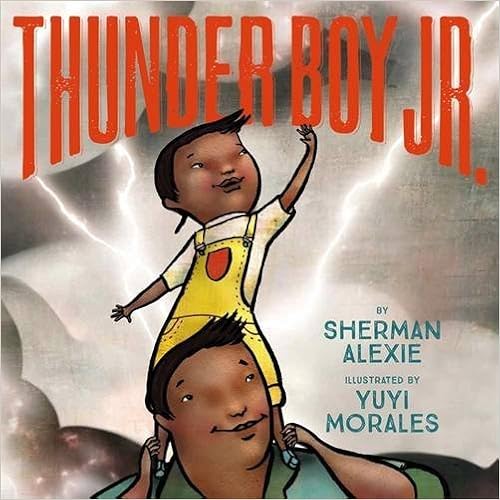
While I have been reading about the controversy surrounding Thunder Boy Jr. the debut picture book from Sherman Alexie and illustrated by Yuyi Morales, I think it is a great addition to our classroom.  I believe that a picture book that has controversy surrounding it is always a great addition because it will offer my students a perspective into something they may not otherwise think about.  Beyond the controversy though, it is also a picture book that speaks of pride in self and culture.

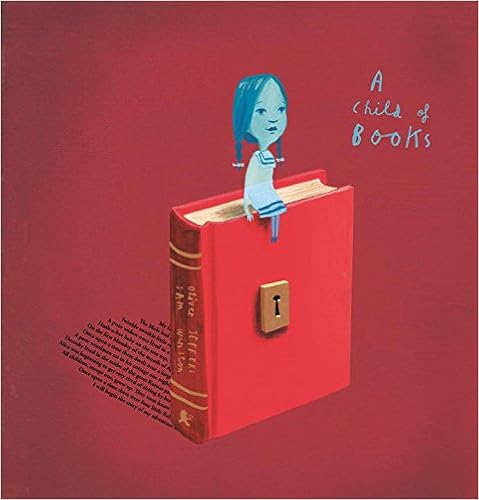
I have few words for this brand new picture book A Child of Books written by Oliver Jeffers and Sam Westman.  It is as if they went into my mind and gave me everything I need to try to convince children that writing can be magical.  Beautiful.  This is out in September, I encourage you to pre-order it now.

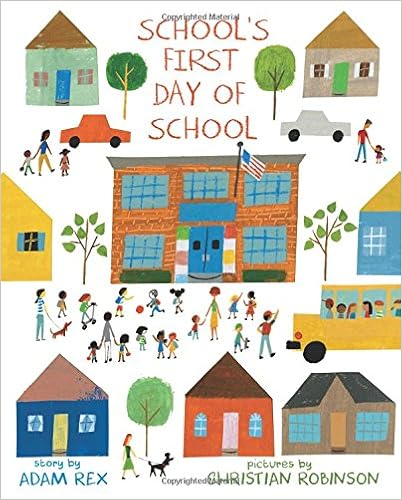
School’s First Day of School written by Adam Rex and illustrated by Christian Robinson (who is a brilliant illustrator)  is the book I secretly hope all of my students want read aloud on the first day of school.  Written from the perspective of a school and its first day, I love the feel of the book, the theme of the book and immediately reread it after the first read through.

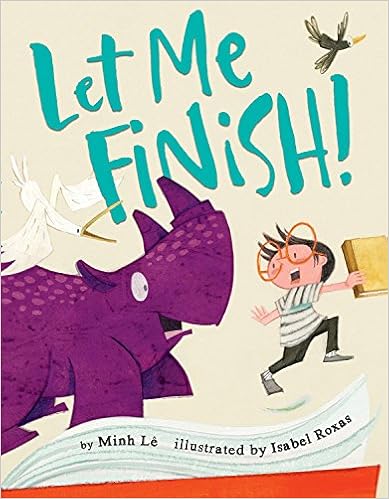
What happens when those around you decide to keep spoiling the book for you and all you want to do is read in peace?  That is exactly what Mihn Le shares in his fantastic picture book Let Me Finish illustrated by Isabel Roxas.  How fantastic will this picture book be for discussing reader identity?

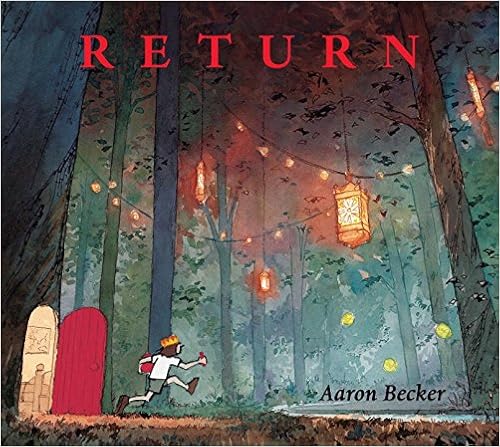
Return by Aaron Becker is simply a masterful conclusion to his extraordinary trilogy that started with the book Journey.  What a powerful set of wordless picture books.

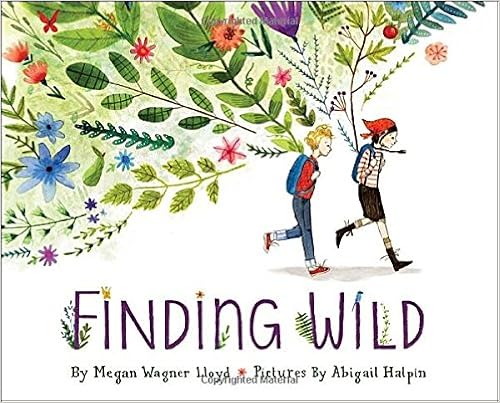
Finding Wild by Megan Wagner and illustrated by Abigail Halpin takes on a quest into the wild.  Beautifully illustrated with a text that begs to be shared, this is a great text for descriptive writing.

In my book Cale Atkinson can do no wrong and he goes on to prove that in Explorers of the Wild.  A dual part narrative that would be an amazing way to talk about how we judge others based on assumptions rather than knowledge.

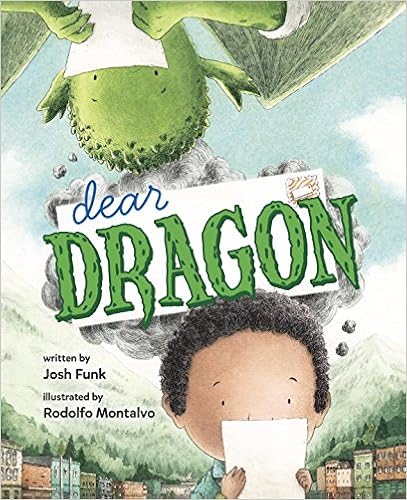
Another incredible dual perspective picture book is Dear Dragon by Josh Funk and illustrated by Rodolfo Montalvo.  Not only do I love the story of the two narrators a lot, but also how this book can lead to bigger conversations about what we assume when we hear someone share their story.  As I get ready to teach social justice, this book is the perfect entry into the danger of a single story.  This book is out September 6th, but is a must for pre-ordering.

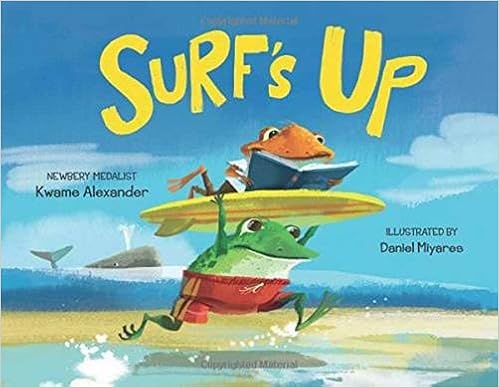
Kwame Alexander is the reason many of my self-identified non-readers are now readers, so this picture book was a given.  Come to find out Surf’s Up illustrated by Daniel Miyares (another of my favorite writer/illustrators out there) is all about the pleasure of reading.  Yes please!  This is also in my first day pile of choices for my students.

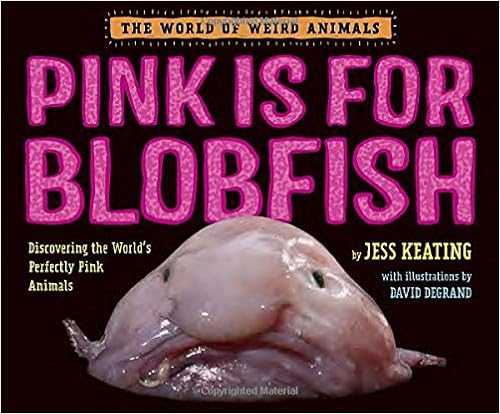
You haven’t seen amazing non-fiction writing if you have not read Pink is for Blobfish written by Jess Keating and illustrated by David Degrand.  Not only is this a book that students have to pick up when they see it, they keep returning to it.  What a fantastic mentor text for how to do nonfiction writing right.

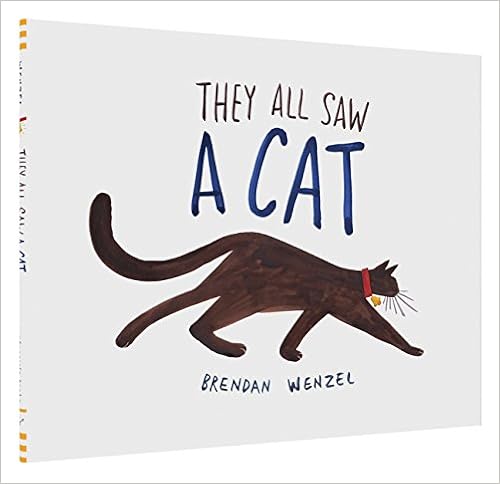
I was lucky enough to be given a finished version of They All Saw a Cat by Brendan Wenzel at ILA.  It is gorgeous.  It is mesmerizing.  And it is for all ages.  This book….yeah…there may be some awards in its future.  I cannot wait to use it to teach multiple perspectives.  It comes out August 30th, definitely worth ordering now.

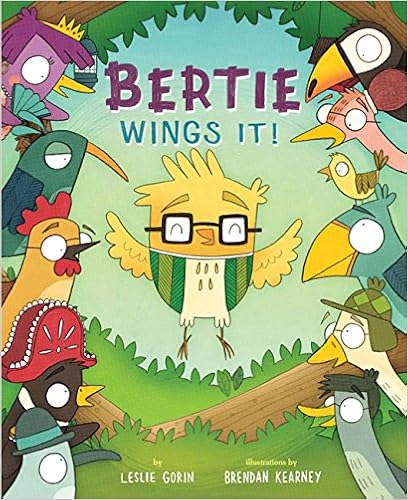
What happens when you stop trusting yourself and instead start listening more to everyone else’s opinion?  Find out in Bertie Wings It written by Leslie Gorin and illustrated by Brendan Kearney.  What a great conversation starter about staying true to yourself.

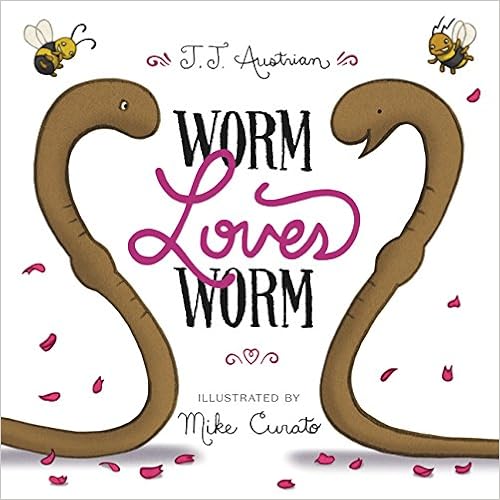
I hope it comes as no surprise that I would love the picture book Worm Loves Worm written by J.J. Austrian and illustrated by Mike Curato.  A picture book that makes us think about the labels we feel inclined to put on people and how unnecessary they can be; yes please.

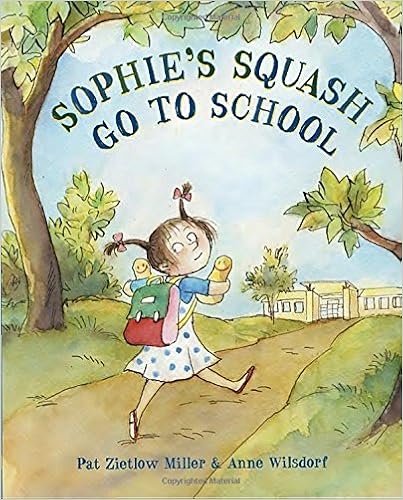
Pat Zietlow Miller continues to enthrall me with each new release.  Sophie’s Squash Go to School is the sequel to the super funny Sophie’s Squash and a great sequel indeed.  I love the theme of friendship and acceptance and also how it builds upon the first book.

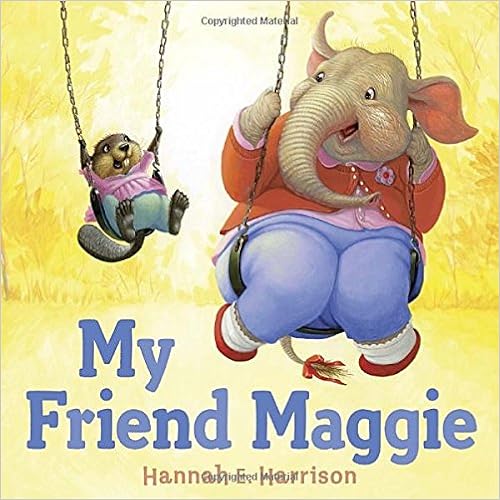
I first fell in love with the work of Hannah E. Harrison when I read Extraordinary Jane (this is another must add to your library) and her latest picture book My Friend Maggie is incredible.  What happens to a beautiful friendship when an outsider starts to criticize one of the friends?  Pre-order this picture book, out August 9th, and find out.


Ok, I have more, but I will stop for now.  And yes, I purchased almost all of these books out off my own pocket because that’s what we do, and they were worth every single penny I spent.  If you want to stay up-to-date with what I am reading, I have decided to dedicate my Instagram account to that exact purpose, you can follow me there if you would like.

To see all of the many other lists of favorite books I have made over the years, go here.

being a teacher, ideas, new year

Some Small Ideas for Implementing Change in the New Year

Don't let your new ideas become forgotten plans. @pernilleripp

I had my first back to school nightmare 3 weeks ago, yes in June, not even a full month into summer vacation.  It was the same standard dream that I think many teachers have as they start to look forward to the year ahead; the children hate you, you are unprepared and everything tends to just get worse from there.  I was surprised at how early the dream occurred at first, yet then I remembered just how excited I am for the next year.  I know it may be too early for some to think about the next school year but when we have this type of job that brings us so much joy, it is hard not to get excited, even if school does not start until September 1st.

As I have been searching for new ideas, new ways to make 7th grade English a better experience for all, I cannot help but think about all of the ideas I have had previous summers.  How my head has been filled to the brim, excitement building, and then something happens between the beginning of the year and the end of the year.  For some reason most of those ideas don’t happen.  Most of those ideas fade away.  As soon as the day-to-day routine starts, our old habits take over and we just don’t do all those things we said we would.  As my colleague Reidun says, “We have all of these ideas in the summer and then  we get into habits and routines because we get busy.”  And that’s it isn’t it?  We get so busy with all the things that teaching encompasses that we tend to not add anything else on as we paddle our way through our days.  But what if we were able to sustain just a few ideas?  What if we planned for the busyness and that way could find the time, break the habits, and actually do some of the things we dream about?  Here are a few ideas to help.

Do things now.  This may sound silly but chances are you already know what you get busy with those first few days of school.  So which of those things can you get busy with right now?  I know that many are on summer vacation but as we relax, what little things can be done right now so that they don’t slow us down later?  I plan on spending some time in my classroom this week shelving books, creating displays, and making a few copies.  Nothing exciting (well maybe making displays gets me pretty excited) but all things that need to get done.

Plan for the change.  If you have a great idea that you really want to implement, then schedule it.  Write it in your planner, create your lesson plan, whatever it is that you need for it to happen.  This is how I go through my first days if school; with a list of things I would like to accomplish and then I plan accordingly.

Change your environment.  We get stuck in the same routines because our environment doesn’t change.  When we work in a space that looks like it did the year before it feels as if our brain pulls us back in the previous year’s mindset.  So if you want to change things, move some furniture around, change the layout, make a physical change to inspire a curriculum change.

Plan your preps.  This idea is also from Reidun, but I had to share it because it is genius.  We tend to focus on planning our lessons but how about we create a plan for what we will do during our preps?  I know I often end up not being quite as productive as I would like because I cannot remember all of the things I would like to accomplish to begin with.  So while you plan your week, or even just your day,  take time to figure out what the goals of your preps should be as well.

Purge.  We get sucked into our old habits because we have all the stuff to do it.  So if you really want to get rid of a lesson or change something up, purge the things that go along with it.  That way you might as well plan for something new since you would have to plan anyway.

Tell someone else.  I have ongoing dialogue with several other educators about what I would like to do next year.  Not only is this a way to get the ideas out of my head but that way they can also check in on me.  We know plans feel a lot more official when we speak them out loud, so find someone to share your ideas with.

Make it visible.  At the end of a school year, where I felt like I had not done enough for my readers, I wrote a post-it to myself.  It still hangs right in front of me whenever I sit down at my classroom computer.  It says “Find them a book.”  This small reminder is all I have needed to keep trying, to keep changing, to keep working toward a better literacy environment for all of my students.  So whatever your idea is, make it visible in the form of a post-it reminder or something similar.  When you look at every day, it propels you forward.  The other post-it I have is a quote from Shane Koyzcan’s beautiful TED Talk, it says “If you can’t see anything beautiful about yourself, get a better mirror.”  It hangs there so I remember the good days, so I remember that I am not perfect but that I am trying.

And as always; start small.  Often times our grand ideas fall away because we feel overwhelmed.  So focus on the little things that will lead to those bigger things.  Plan for those small things so that each day becomes a step toward the bigger change that you would like to see.

What do you do to keep your ideas alive?

PS:  To make it official; some of my new ideas include incorportaing writer’s process by using The Yarn Podcast, doing a version of Penny Kittle’s multi-genre project, focusing more on micro writing, and also getting students more time to discuss.  Now you can help me stay accountable.


being a teacher, Literacy, organization, Reading

How I Teach English in the 45 Minute Timeframe

One of the question I am asked the most is how do you teach English in 45 minutes?  Not just reading, not just writing, but everything that English encompasses.  And I can tell you; it is not easy, nor is it perfect, nor do I have everything figured out.  The 45 minute block of time is the bane of my English existence.  Yet as I have figured out it is within our biggest problems that we find our biggest inspiration, and that is very true for this situation.  I have to try to make 45 minutes work while my students and I pine for more time.  In fact, this is the core of the book I am currently writing; how do you create passionate readers when you barely have any time to teach, let alone have conversations?

I am not alone in this quest to solve it.  Many great minds of literacy such as Nancie Atwell, Penny Kittle, and Donalyn Miller have all helped shape my thinking.  As have countless English teachers that have trodden the path before me.  While I rest my class on a workshop foundation, I have had to make some tweaks to make it work for us.  So I thought I would share a few ideas here.

We start with 10 minutes of self-selected independent reading.  Every day of the year, almost.  This is the very last thing I will take away from our schedule.  From the second day of school this starts and the students know to “settle in and settle down” as they fall into their book.  I spend the 10 minutes conferring with 2 or 3 students, as detailed in this post here.  Students have done their own attendance, all I have to do is enter it.  Students can also book shop during this time.  A timer or my voice brings us back when the 10 minutes are over.

2-4 minutes of book talks.  I sometimes book talk the same book in all 5 classes or 5 different ones.  As the year progresses, students will also book talk their books to the class if they feel like it.  Inspired by Penny Kittle I do not just book talk books that I have read, but also new books that I am excited about.  These book talks are a must as students try to figure out who they are as readers and should be transferred to the students when possible so they can find their reading buddies.

10 minutes or less;  teaching point.  I used to do a full mini-lesson every day but my students asked me to please stop.  They made me see how varied their needs were so depending on what we are doing, most days we have a very short whole class discussion point or lesson.  My students have asked me to instead do small group lessons or one-on-one conferring/teaching based on needs.  The text that I most often use for a mini lesson is a picture book.  Almost all new concepts are introduced through picture books, before we move into nonfiction, multimedia or short stories.  Picture books allow us to get to the point quickly and in a way that allows all readers to access the text.  They also bring a lot of joy back into our reading community.  To see some of our favorites, please see all of the lists here.  

The rest of class time; student work-time.  Again, this looks different based on what we are doing, but most often I am either conferring with students as they come to me or I am going to them and doing coach-ins over their shoulder.  If we are doing book clubs then I listen in on conversations from the side, if students are writing then I most often confer with them at a side table.  All writing conferences start with me asking them what I should be looking for.  They need to be able to come up with a goal for me instead of just having me check “whether it is good or not?”  This is a great way to get students to take ownership over their writing and start to understand what they need to work on.  Reading conferences always start with “What are you working on as a reader?”

The biggest learning point for me has been to limit my teacher-talk in order to get students to have more time.  If we have a day where I know my teaching will expand beyond the 10 minutes, then I often tell the students that so that they know to expect.  That way they can also understand the purpose of the lengthier instructional time.  As far as figuring out which child needs what, which yes, is one of the biggest challenges, I have students self-reflect a lot, but I will also be using a sheet like this more often so that they can tell me what they need to work on.

I am not sure this post is even helpful, It could be about 30,000 more words or so, however, this should offer a small glimpse into what a typical day in our classroom looks like.  We do not do reading or writing separately but often have both in a day, what we do though is have different focuses for our quarters, so quarter 1 and 3 are more focused on reading explorations, whereas quarter 2 and 4 are more focused on writing explorations.  Please feel free to leave your questions in the comments if I can help in any way.

I am currently working on two separate literacy books.  While the task is daunting and intimidating, it is incredible to once again get to share the phenomenal words of my students as they push me to be a better teacher.  The first book titled Reimaging Literacy Through Global Collaboration is scheduled for release November, 2016 by Solution Tree.  The second, which I am still writing, is tentatively Passionate Readers and will be published in the summer of 2017 by Routledge.  So until then if you like what you read here, consider reading my book Passionate Learners – How to Engage and Empower Your Students.  Also, if you are wondering where I will be in the coming year or would like to have me speak, please see this page.

being a teacher

If Not Now

I started four different posts tonight, trying to find the right angle on the thoughts that have run through my mind the last few days, the last few weeks, perhaps even all summer.  But I realized as I wrote each post and promptly deleted that my mind was too tired to eloquently process what it is that is running through it.  So rather than wrap it in a story,  rather than wrap it up in whatever example I could conjure, I figured just to write it out instead.

We may think that our voices are nothing special.  That what we do only matters on a small scale.  That we can never be as great as (insert amazing thinker here).  That we have no business speaking, that we have no business speaking up.  That we have no business proclaiming anything as truly ours.  That our ideas have little worth and that surely someone else is much more deserving.  That surely somebody else must be better than us.
And we can believe it.  We can live it.  We can make ourselves feel like the biggest imposters, sure that someone will call us out.  But for what?  Because at the end of the day a change will only come if we all speak up.  If we see our worth.  If we see the worth of the truths that our students share with us and then amplify it for them.  When we say that we need a change, then we need to make that change.  When we see the injustice of our school systems.  When we see the disengagement.  When we see the wrong.  Then we must speak up.
So while I am not sure how I got to be someone others sometimes listened to, I do know this; my voice matters, but just as much as yours.  So as someone once said, “If not now, then when?  If not you, then who?”
When was the last time you spoke up for change?