When I speak to children about their writing a few complaints often come up; I have no ideas, I get stuck, I hate writing, and my stories are boring. I get their frustration, I feel the same way as I stare at my computer and try to be creative. Writing is often seen as a solitary quiet thing by kids, something meant only to be shared with a demanding adult that does not matter, does not entertain, and does not serve a purpose beyond getting it done for school. Despite being constantly immersed in communicating with one another, writing is often seen as something that will never be used and therefore not worth any real investment.
Knowing this, I wanted to change the way we do writing and tr to bust it out of its solitary quiet ways (not saying there is anything wrong with that, that’s my preferred way of writing). Enter writing groups, story teling kits, and improv.
Writing groups are fairly easily explained; students select a few peers to be a part of their writing team and we build in time throughout our class for them to meet, read each other’s work, be a sounding board and offer up encouragement and feedback. These require more planned setup in the beginning of the year as students often don’t know many people beyond their chosen peers. I will often watch how kids interact for a few weeks and then create some loose groups. It is also a good idea for kids to interview each other to see if they will be a good match. If students don’t want to partner or team with anyone, then they can team with me.
Storytelling kits or loose parts and their use I have written about previously, I love the soft start they allow kids to have into writing and also how it reminds us that writing is really storytelling.
Improv is also fairly easy to explain. Using known exercises to generate ideas and dive deeper into their stories, there are many ways to get kids to think beyond a basic storyline and consider how they want their story to unfold and also how they want it to be understood by their audience. But which exercises or improv games work well?
For generating story ideas:
One Word at a Time – In a partnership or more, you each offer one word at a time to build a story that makes sense. You have to create a mood and a climax in the story, which makes it even harder.
What Happens Next? One student acts out an action determined by group members, once they feel they have finished that action (such as walking in the woods) they ask “What happens next?” as a way to continue the story, the idea is to build out a story as coherently as possibly. You can offer up starting actions to all groups and then have them share in the end where they ended up, it is a great way to help students remember that the same beginning can leading many different directions.
Genre Circle – a game that focuses on listing all of the different associations with whatever genre is presented. This is also a great game to re-introduce book genres for students. When kids are stuck trying to think of what type of story they want to write, this game can be used to get them to think of what types of elements they are drawn to writing about.
For adding details and building out scenes
I Am a Tree – a game where one person stands in the middle, strikes a pose, and declares “I am a tree” – the rest of the group then jumps in striking poses by adding details in order to set the stage for the story.
Advance & Expand – A great game for creating a concrete understanding of when to zoom in or out in a story. This is a skill many students need help with and so having someone else “control” when to fast-forward or when to slow down is helpful. You can use this game with drafts, asking their writing partner to either tell them to expand or advance certain sections, or you can act it out.
Genre replay – Starting out with their story idea, students play out or share the scene they have written, then they replay it our rewrite it using a different genre. How would the beginning of their story sound if it was written like a murder mystery, a love story, or a horror story?
Character circle – a great game to help with coming gup with characters and fleshing out their characteristics, if you know your character well you can determine how they would navigate the given situation you have placed them in. The writer is in the middle of the group and the group shouts out different names, the writer selects one they like, then the group starts to shout out different characteristics, they can be outward or inward characteristics and together you build the character. There are many other games as well that can be used for this.
For building confidence and community:
Gibberish – a game for those who don’t mind being a little silly, it gets easier once you do it together. At first, you walk around pointing to things and naming them correctly, then next round you point to things but say incorrect names for them then, then third round you make up gibberish names, 4th round you try to teach others the gibberish name for the thing you are pointing to and explain what it does all in gibberish. You can also have students tell jokes or stories all in gibberish as a way to understand story structure – how can they build suspense for example all in gibberish? There are a lot of games that involve gibberish and they are great for when kids feel like they do not have the right words or stories to tell.
8-Beat Story -A narrative circle game where each person moves the story along based on the following story structures: Once upon a time, and every day, until one day, and because of that, and because of that (again), and because of that (again again), until finally, and ever since then…. – Start with an initial action and then add on using the prompts. Great for trying out story starters and building confidence in storytelling abilities, as well as thinking of story structures.
So there you have it, a few further ideas to help kids sink into writing, get more physical, build community and also dive into storytelling. The world of improv has a million ideas that can easily be adapted into your writing and speaking instruction, hopefully, this offered you up a few places to start.
I am excited to be heading out on the road again to be with other educators in-district or at conferences while continuing my virtual consulting and speaking as well. Whereas I am physically located in Denmark now, I can still offer virtual and in-person work. If you would like me to be a part of your professional development, please reach out. I am here to help.For a lot more posts, resources, live and recorded professional development, please join my Patreon community where most of my sharing takes place these days.
As summer winds down and my new job beckons, I have been reaching for graphic novels more and more. What is not to love? They are colorful snapshots of experiences that surround us. They feel like rest and recovery. They tantalize even on my most tired days as a reader. And there are so many great ones.
In the last few weeks, my mailbox has been filled to the brim with beautiful new ones coming out soon or recently published and I knew they were too good not to share. I hope you give all of these a chance, order from your local indie, put them on hold at your library, add them to your collection, and leave a review. There are so many ways to support creators even if you cannot buy their book outright.
Published: May 17th, 2022
Great for: Any age
Bree can’t wait for her first day at her new middle school, Enith Brigitha, home to the Mighty Manatees—until she’s stuck with the only elective that fits her schedule, the dreaded Swim 101. The thought of swimming makes Bree more than a little queasy, yet she’s forced to dive headfirst into one of her greatest fears. Lucky for her, Etta, an elderly occupant of her apartment building and former swim team captain, is willing to help.
With Etta’s training and a lot of hard work, Bree suddenly finds her swim-crazed community counting on her to turn the school’s failing team around. But that’s easier said than done, especially when their rival, the prestigious Holyoke Prep, has everything they need to leave the Mighty Manatees in their wake.
Can Bree defy the odds and guide her team to a state championship, or have the Manatees swum their last lap—for good?
Published: May 2nd, 2022 – out in English and Spanish!
Great for: Any age but middle grade and up will probably relate more
Sue just wants to spend the summer reading and making comics at sleepaway camp with her friends, but instead she gets stuck going to Honduras to visit relatives with her parents and two sisters. They live way out in the country, which means no texting, no cable, and no Internet! The trip takes a turn for the worse when Sue’s mother announces that they’ll be having a surprise quinceañera for Sue, which is the last thing she wants. She can’t imagine wearing a big, floofy, colorful dress! What is Sue going to do? And how will she survive all this “quality” time with her rambunctious family?
Published: July 19th, 2022
Great for: Middle school and up (mild drug use with a warning message)
Luis Fernando and Luisa Teresa are twins, and they finally have the chance to stand on their own. Fernando is staying local in Mexicali, Mexico, and Teresa is planning to cross the border every day so she can go to a private school in Calexico, California.
Suddenly on his own, Fernando realizes that without his twin around. Desperate to not be alone in middle school, he finds himself making friends with the first kid who’s willing to give him a chance . . . only this new friend says and does a lot of things that Fernando isn’t too sure about.
Teresa is ready to thrive and stand on her own two feet, but she soon finds herself failing under the pressure of crossing the US/Mexico border every day. She no longer has to worry about being compared to her brother — but now she doesn’t have his support when she could really use it.
At home, both twins have a chance to reconnect. But instead, they find themselves pushing each other away. After all, being on their own is what they always wanted . . . right?
Published: August 2nd, 2022
Great for: Any age
Can five overlooked kids make one big difference?
There’s George: the brain
Sara: the loner
Dayara: the tough kid
Nico: the rich kid
And Miguel: the athlete
And they’re stuck together when they’re forced to complete their school’s community service hours. Although they’re sure they have nothing in common with one another, some people see them as all the same . . . just five Spanish-speaking kids.
Then they meet someone who truly needs their help, and they must decide whether they are each willing to expose their own secrets to help . . . or if remaining invisible is the only way to survive middle school.
Published on: August 16th, 2022
Great for: Any age
VIctoria has always loved horses. But riding in competitions is high stakes, high stress, and shockingly expensive. And even though Victoria’s best friend Taylor loves competing, Victoria has lost her taste for it.
After a heartbreaking fight with Taylor, Victoria needs a new start―at a new stables. A place where she doesn’t have to worry about anything other than riding. No competition, no drama, no friends.
Just horses.
Edgewood Stables seems ideal. There are plenty of horses to ride, and Victoria is perfectly happy giving the other riders the cold shoulder.
But can she truly be happy with no friends?
Published on: July 5th, 2022
Great for: Any age
What makes a hero?
Brave Star Knights are heroes who go on adventures. But Tad is just a frog, and frogs can’t save the day. Can they? Determined to out-hop his mud-dweller fate and pursue his dream of being a knight, Tad finds himself on a quest with a surprise group of adventurers, including the Star King!
It’s a race against time as Tad searches for a way to take the Star King to the moon so that he can bring peace to the forest—and prove that anybody can be a hero.
Even a frog.
Published on: August 2nd, 2022
Great for: Any age
Twelve-year-old Nick learns the power of words as he wrestles with problems at home, stands up to a bully, and tries to impress the girl of his dreams. Helping him along are his best friend and sometimes teammate Coby, and The Mac, a rapping librarian who gives Nick inspiring books to read.
Published on: August 9th, 2022
Great for: Any age
Seventh grader Tristan Strong feels anything but strong ever since he failed to save his best friend when they were in a bus accident together. All he has left of Eddie is the journal his friend wrote stories in. Tristan is dreading the month he’s going to spend on his grandparents’ farm in Alabama, where he’s being sent to heal from the tragedy.
But on his first night there, a sticky creature shows up in his bedroom and steals Eddie’s notebook. Tristan chases after it–is that a doll?–and a tug-of-war ensues between them underneath a Bottle Tree. In a last attempt to wrestle the journal out of the creature’s hands, Tristan punches the tree, accidentally ripping open a chasm into the MidPass, a volatile place with a burning sea, haunted bone ships, and iron monsters that are hunting the inhabitants of this world.
Tristan finds himself in the middle of a battle that has left Black American folk heroes John Henry and Brer Rabbit exhausted. In order to get back home, Tristan and these new allies will need to entice the god Anansi, the Weaver, to come out of hiding and seal the hole in the sky. But bartering with the trickster Anansi always comes at a price.
Published on: September 6th, 2022
Great for: Any age
Trying out for middle school cheerleader means: performing in the giant school gym, with the whole school watching, and risking total humiliation. If Christina can make it through this, she can make it through anything. As one of the only Asian American kids in her small Texas town, Christina just wants to fit in. Luckily, her best friend, Megan, who is Iranian American, can totally relate. The two girls have always been inseparable and relish creating elaborate fantasy worlds together. But middle school is a reality-check, and suddenly popularity is way more important than playing pretend. When cheerleading tryouts are announced, Christina and Megan literally jump at the chance to join the squad. But does fitting in actually equal belonging? Will they survive the terrifying tryouts? And most importantly, will their friendship withstand the pressures of heated competition and rivalry
Published on: September 13th, 2022
Great for: Any age
Twelve-year-old Mia is just trying to navigate a world that doesn’t understand her true autistic self. While she wishes she could stand up to her bullies, she’s always been able to express her feelings through singing and songwriting, even more so with her best friend, Charlie, who is nonbinary, putting together the best beats for her. Together, they’ve taken the internet by storm; little do Mia’s classmates know that she’s the viral singer Elle-Q! But while the chance to perform live for a local talent show has Charlie excited, Mia isn’t so sure. She’ll have to decide whether she’ll let her worries about what other people think get in the way of not only her friendship with Charlie, but also showing everyone, including the bullies, who she is and what she has to say.
Published on: Spetember 27th, 2022
Published on: September 27th, 2022
Great for: Middle grade and up due to the war realities of his memoir but younger students can absolutely handle it with guidance
Muhammad Najem was only eight years old when the war in Syria began. He was thirteen when his beloved Baba, his father, was killed in a bombing while praying. By fifteen, Muhammad didn’t want to hide anymore—he wanted to act. He was determined to reveal what families like his were enduring in Syria: bombings by their own government and days hiding in dark underground shelters.
Armed with the camera on his phone and the support of his family, he started reporting on the war using social media. He interviewed other kids like him to show what they hope for and dream about. More than anything, he did it to show that Syrian kids like his toddler brother and infant sister, are just like kids in any other country. Despite unimaginable loss, Muhammad was always determined to document the humanity of the Syrian people. Eventually, the world took notice.
Published on: May 31st, 2022
Great for: Any age but younger students may appreciate it more
He’s a super-nice kid in an ultra-mean world. He believes even the worst people are good inside. He’ll always be there for you… even if you boot him out of your castle, pit him against a mechanical giant, put him on top of a pole in a lightning storm, and trap him in a booming dance party that lasts all night long. He’s Your Pal Fred.
In a brutal world far in the future where only the savage survive, a life-size toy suddenly activates. Fred was built to be a best buddy, and his relentless kindness never fades, even when everyone else is rude. Determined to make the world a better place, he has the bright idea to talk the two most powerful and battle-hungry warlords, Lord Bonkers and Papa Mayhem, into being friends. It’s a mission doomed to fail, unless Fred can find a way to inspire everyone to play nice!
Published on: April 12, 2022
Great for: Any age
Tyler’s brain is different. Unlike his friends, he has a hard time paying attention in class. He acts out in goofy, over-the-top ways. Sometimes, he even does dangerous things―like cut up a bus seat with a pocketknife or hang out of an attic window.
To the adults in his life, Tyler seems like a troublemaker. But he knows that he’s not. Tyler is curious and creative. He’s the best artist in his grade, and when he can focus, he gets great grades. He doesn’t want to cause trouble, but sometimes he just feels like he can’t control himself.
Publishes on: October 18th, 2022
Great for: Any age
Marlene loves three things: books, her cool Tía Ruby and hanging out with her best friend Camila. But according to her mother, Paola, the only thing she needs to focus on is school and “growing up.” That means straightening her hair every weekend so she could have “presentable”, “good hair”.
But Marlene hates being in the salon and doesn’t understand why her curls are not considered pretty by those around her. With a few hiccups, a dash of embarrassment, and the much-needed help of Camila and Tia Ruby―she slowly starts a journey to learn to appreciate and proudly wear her curly hair.
Publishes on: April 23, 2023
Great for: Any age
Sixteen-year-old Christine takes their first solo trip to Mexico to spend a few weeks with their grandparents and tía. At first, Christine struggles to connect with family they don’t yet share a language with. Seeing the places their mom grew up—the school she went to, the café where she had her first date with their father—Christine becomes more and more aware of the generational differences in their family.
Soon Christine settles into life in Mexico, eating pan dulce, drawing what they see, and growing more comfortable with Spanish. But when Mom joins their trip, Christine’s two worlds collide. They feel homesick for Texas, struggle against traditions, and miss being able to speak to their mom without translating. Eventually, through exploring the impacts of colonialism in both Mexico and themselves, they find their place in their family and start to feel comfortable with their mixed identity.
Publsihes on: March 21st, 2023
Great for: 12 and up but just depends on your students.
High-school senior and notorious wallflower Hawkins finally works up the courage to remove her mascot mask and ask out her longtime crush: Regina Moreno, head cheerleader, academic overachiever, and all-around popular girl. There’s only one teensy little problem: Regina is already dating Chloe Kitagawa, athletic all-star…and middling English student. Regina sees a perfectly self-serving opportunity here, and asks the smitten Hawkins to tutor Chloe free of charge, knowing Hawkins will do anything to get closer to her.
And while Regina’s plan works at first, she doesn’t realize that Hawkins and Chloe knew each other as kids, when Hawkins went by Belle and wore princess dresses to school every single day. Before long, romance does start to blossom…but not between who you might expect.
Publishes on: October 18th, 2022
Great for: Any age
Cory’s dance crew is getting ready for a major competition. It’s the last one before they graduate eighth grade and go their separate ways to high schools all over New York City, so they have to make it count! The group starts to have problems as their crew captain gets increasingly intense about nailing the routine, and things go from bad to worse when Cory’s parents ground him for not taking his grades seriously. He gets stuck with a new tutor, Sunna, who he dismisses as a boring nerd… until he catches her secretly practicing cool yo-yo tricks. Cory wants to learn the art of yo-yo, and as his friendship with Sunna grows, he ends up missing practice and bailing on his crew — and they are not happy about it. With mounting pressure coming from all sides, how is Cory supposed to balance the expectations of his parents, school, dance, and his new friend?
Which did I miss?
I am excited to be heading out on the road again to be with other educators in-district or at conferences while continuing my virtual consulting and speaking as well. Whereas I am physically located in Denmark now, I can still offer virtual and in-person work. If you would like me to be a part of your professional development, please reach out. I am here to help.For a lot more posts, resources, live and recorded professional development, please join my Patreon community where most of my sharing takes place these days.
I never thought I would pack up my classroom and move back to Denmark. I mean, I had thought about it. We had discussed it a lot. It was one of those “one day…” plans, but then this summer with a can’t miss opportunity to work for Famly, one day became now and last week (I think it was last week anyway because the weeks blur together), I stood in my beloved classroom and said goodbye to all of the books, to what we have built together.
I had told myself I would leave them all and walk away with my head held high, a gift for the brand new teacher who would be joining my team. And yet, as I saw the books in there and the stories called to me, I had to hold them one last time, and once they were in my hands, I knew there were some I couldn’t walk away from. Whether they held memories, teaching points, or just windows into the incredible community I have been a part of these last 14 years, a few called to me so loudly that they are now coming with me to our new apartment in Denmark. I will find a way to use them again. I would have brought them all, but what use are books just sitting on shelves when they should be in the hands of readers?
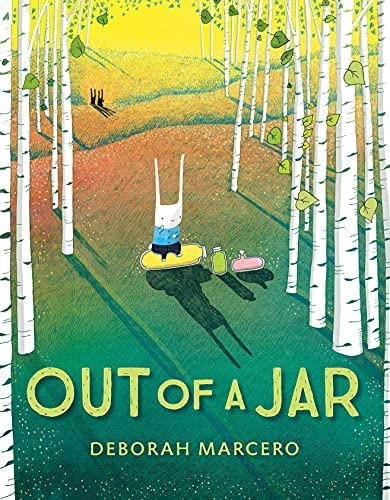
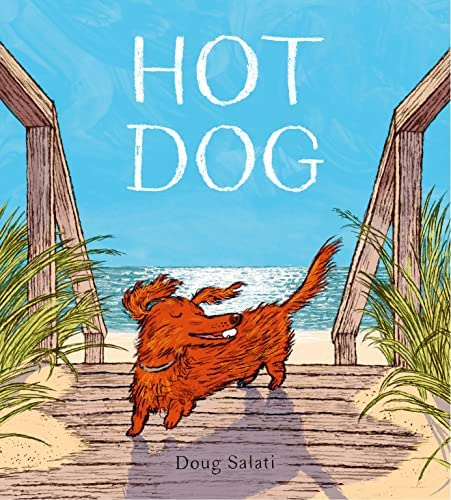
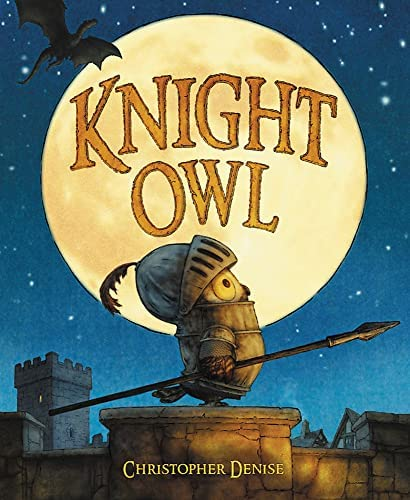
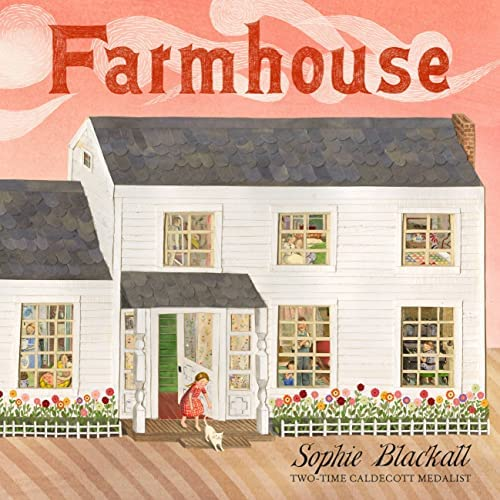
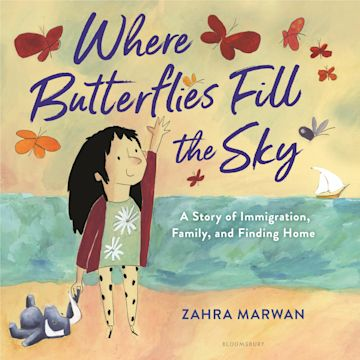
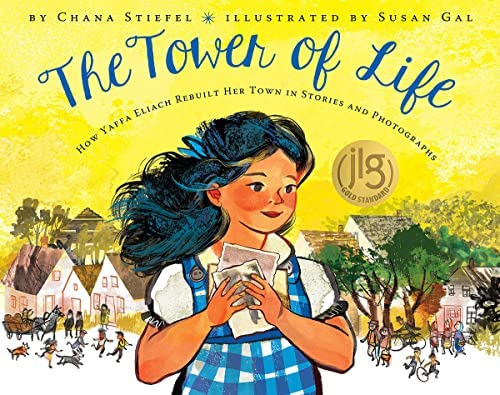
I posted this image on Instagram with the box of books I grabbed, and many asked if I would share my must-keep ones. So here you are, in no particular order, the picture books that I know I can use for so many things, the picture books that moved me to tears, had us laugh out loud, had us wonder, had us question the world and start discussions as we grew together, as we sat in community together. I know I missed a few, I know I could have grabbed more, but I limited myself to one single box.
I know I grabbed a few others but these were the ones I remember. All of these are fantastic books that deserve to be read, shared, and loved. Which picture books would you keep?
I am excited to be heading out on the road again to be with other educators in-district or at conferences while continuing my virtual consulting and speaking as well. Whereas I am physically located in Denmark now, I can still offer virtual and in-person work. If you would like me to be a part of your professional development, please reach out. I am here to help.For a lot more posts, resources, live and recorded professional development, please join my Patreon community where most of my sharing takes place these days.
Cross-posted from my Patreon community where I post min-pd videos, specific unit plans, and also do livestreams once a month.
I started compiling my pile of great picture books to read for the first day of school and then…the list grew. A lot. Because so much of what we do on that first day of school depends on the type of mood we are trying to invite, the focus we choose to have, and of course, the age of our students.
So, the link shared here will show you more than 50 great picture books you could use, 20 that I love personally, and then another 30 some suggested by other educators. Some are new, some are old, and all serve a great purpose of discussing norms, modeling fluency, opening up discussions, creating memories, and focusing on reading as an act of community creation.
Reading a picture book aloud has been a personal first-day must for many years in our classroom. I want kids to see that we will spend valuable class time on reading, that read-aloud is not just for younger children, and that their voices get the space they deserve in our time together.
I know I missed amazing titles, which would you add to this resource?
I am excited to be heading out on the road again to be with other educators in-district or at conferences while continuing my virtual consulting and speaking as well. Whereas I am physically located in Denmark now, I can still offer virtual and in-person work. If you would like me to be a part of your professional development, please reach out. I am here to help.For a lot more posts, resources, live and recorded professional development, please join my Patreon community where most of my sharing takes place these days.
Looking for a few end-of-year picture book read-aloud ideas – here are 30+ texts you could use. The list is always growing as new amazing books are published even if I have a few perpetual favorites on here.
I always end our year with a final read-aloud, yes, even with 7th graders, and it allows us to just sit together in community one final time. It is a beautiful way to say goodbye and one that I highly recommend.
I was in a reading frenzy the first week of summer vacation. Lounging on my nap couch, bringing a book to the pool, lying in my hammock, and feeling on top of my reading life. And then we went home to Denmark, jetlag and worries of the future crowding my mind, and all of a sudden the reading bonanza I was in disappeared. Just like that. I finally finished a book yesterday, a 10-page slog at a time, wondering where my concentration and drive went. It’s not that I don’t like to read, it is that I don’t have the energy to.
The guilt of not reading is a constant companion because I see the books staring at me and the time beckoning. Yet I know that once my sleep gets figured out, once a few major decisions fall into place, once my brain believes that I am resting, then the reading will continue. I am secure in my own identity as a reader, it may be on pause right now, but I will restart it soon.
I see these same emotions play out in our classrooms as well; kids who were reading champions, who never went without a book, all of a sudden floundering. Losing the drive, the motivation, the love of settling into the pages of a book and seeing only work, stress, and perhaps even guilt like me. But a major difference between the students in my care and myself is that for some reading appears to be lost for good. An activity they were good at, something that has now slipped out of their grasp. And for some they don’t think it will or even want it to ever come back.
So many of my students believe that to be a reader, one must be actively reading at all times or making plans for their next read, and these false notions of what it means to be a reader can lead them into further disconnection with reading and seeing reading as part of their future identity.
This is why we must consider and change how we speak about reading and the act of being readers. This is why we must actively share our reading journey, leaving no part untold, so that the readers in our care can truly see and understand that once a reader, always a reader, even if it lies dormant. I share my reading pauses with my students so they can see how I slowly get back into active reading. I don’t stop calling myself a reader just because I do not have a book in my hands, just because I do not feel like reading. I am merely at rest, still solid in my knowledge that I am a reader.
So how do we make space for these conversations?
Step 1: We first discover how each child sees themselves as a reader. If they declare themselves non-readers, then we ask when this started? What caused it? What actions did they take? How do they feel about that? Having surveys and follow-up conversations allow us to start these conversations from day one, but that doesn’t mean that every child is ready to share honestly with us. Why should they? They have no reason to trust us on the first day of school. So make sure to come back to these conversations as the year progresses, this also recognizes the damage that can be done to their active reading lives in our care despite our best intentions. Children stop reading all the time for many reasons, we should have a way o uncovering that throughout the year. I plan 6-weeks check-ups throughout our year so that this conversation will be checked on at least every 6 weeks but we have lots of other informal check-ins as well.
Step 2: Create action plans to reframe their language. While children are often at the mercy of adult plans, it is vital that we activate them as problem-solvers and active participants in their own goal setting. What is a realistic goal? Can they try a book on in our independent reading time? How many pages are they willing to try? If not reading with their eyes, will they read with their ears? Will they read with a partner? Will they listen to a read aloud? Also writing down these plans and goals is important because we often forget the nuances of how we got to this plan. Accountability is also built through check-ins. This helps us reframe the language that they use about themselves. Adding partial sentences such as “not yet” or “right now” can be a way to start the refrain. So when a child says they hate to read it can be reframed as ” I hate to read right now.”
Step 3: Give it time. We often confuse our power thinking that if we tell kids to read then they simply will. Some will for sure, and as we know, others will dig their heels in and refuse every positive attempt we make to give it a try. This can be an indication of how comfortable they feel as readers who are disconnected from the act of reading. It can also be a window into the reading trauma they carry with them, or even just disdain. Whatever is the root cause, it can sometimes take months for some children to even try to reactivate as readers and while our own rush to help them become active readers again is a driving force, we cannot let that cloud our decisions. Forcing someone to read through the use of grades, computer programs, or other negative external measures will most often backfire in the long run. What we are looking for here is an initial activation or reactivation of feeling like a reader. So meet them where they are at and take small steps together, be mindful of the child at the center of this, not just the adult pressure to “make them a reader.”
Step 4: Reworking mindset long-term. How do we speak about reading and who our readers are? What is the language that our curriculum wraps them in? How do we show the importance of reading through the actions we take? I constantly have to remind myself that the year I have with students is only one small part of their lifelong reading journey and that my well-meaning intentions can lead to significant long-term behaviors in reading, both positive or negative. So how I invite them into this work matters greatly; am I judgement-free, am I firm in my conviction that they too can find value in reading (notice that I am not using the word joy yet because for some joy can be too big of an ask in the beginning), and I am calm in my approach. Yes, this work is urgent but it must also be centered in peace in order to make space for the many components of a child’s life. Am I holding them to high expectations while also supporting them in an individual plan? Checking in with students through both casual and planned conversations is a great first step but also tracking what we discuss and the ideas we have is another. I keep a binder with my noticing and conversations so that I can track how I am supporting them and also how they speak about themselves.
Step 5. Celebrate small growth. Too often we are intently focused on the major transformations and miss so many milestone moments along the way. This is why I am not in favor of many major individually-based reading celebrations where children have to reach an adult-determined milemarker that automatically excludes those who are developing at a different pace. Each child has something to celebrate, whether it is trying a book for the first time in a long time, actually reading a page on their own, actually engaging in conversation for the first time about their reading identity, or even just being willing to speak to you at all. Paying attention to all of these mini-milestones and recognizing them in genuine ways through positive interactions can make a major difference in how children view their reading journey. Being an adult cheerleader as they reconnect, reactivate, or finally activate in the first place is a necessary part of the adult support we provide.
Seeing the determination in a child that has declared themselves a non-reader as a force of good rather than bad, can be a powerful tool as we help children see their own power. Their convictions and dedication to not reading are a sign of the strength they have and what we can potentially help them tap into as they envision themselves as readers. It takes motivation to be a dormant reader in a classroom filled with books, how can that motivation be used in a pursuit of reactivation?
Helping a child recognize and see a path forward back to reading is not just a central tenet of the work I do, but it also encapsulates the humanity that is the center of the classroom we co-create. Every child, no matter where they are at on their educational journey, deserves respect from me – whether they love to read or not. So making space for identity formation, for reframing the language children use to describe themselves, offering that up to other adults who support them, and then taking actions based on the notion of possibility is what we can do as we plan for future students or reconsider our own reading curriculum.
As for me, I have a new book to read, a shorter one that will be out in the fall. One whose cover called my name and whose pages seem manageable even in my sleep-deprived state. I am going to give it a whirl and pay attention to how I feel. I know my inner reader is still in there, waiting to be reawakened.