Be the change, being a teacher, student choice, Student dreams, Student Engagement, writing

When They Still Just Hate to Write…

Our son Oskar hates writing, truly hates everything about it. From the holding of the pencil, to the forming of the letter, to the message itself; there is no love lost here.   Last week he was asked by his school to write his name on all twenty  Valentine’s day cards he will be handing out to his friend.  For a week this has been the ongoing conversation…

“Mom, this is like 100 cards, did you really count them?”
“Mom, I only have five friends, so I really only need to write five…”
“Mom, my friends know that I have a “K” in my name so I don’t need to write these letters…”
“Mom, I want to be a job that has no writing in it…”

Oskar is four years old.  I am truly not worried, not yet, after all, he is at the beginning of his writing journey.  Holding a pencil is hard work.  Forming letters that others can read is hard work.  Sticking with something more than five minutes is hard work.  Yet…

I see his words echoed by some of my students, my twelve and thirteen-year-olds.  Not just the boys, the girls too.  We hate writing, writing is hard, please don’t make us write. And they don’t, they fight me every step of the way.  They write something once and then never return to it.  They do not care that it doesn’t make sense, they do not care that words are misspelled, they do not care that their writing is sometimes terrifyingly simple.  There is no love for the fine art of writing because as they tell me, they will never be writers when they grow up.   So I wonder, what can we do to protect the love of writing and are we doing enough?  Are we offering students a chance to feel like writers rather than see it as something to just get through?

And I get it; how many adults identify as writers?  How many adults feel like they know how to write well?  How many teachers see themselves as writers who would quickly identify as readers?  Why is it that this incredible method of communication seems to have had all of the joy sucked right out of it?  So I wonder, what can we do to protect the love of writing and are we doing enough?  Are we offering students a chance to feel like writers rather than see it as something to just get through?

I know we preach about free choice in writing as if this simple change will fix anything, yet even when given free choice I have students who prefer not to.  Who would like the choice to be that they do not have to write.  So what else can we do beyond giving them time?  Giving them freedom?

We can speak to authors.

Through Skype we have had wonderful conversations with authors who have told us all about their writing process.  Not only has this given the students a deeper connection with the very books they read, but it has also given them a chance to realize that not every writer felt like a writer as a child.  That not every writer gets great ideas with no work behind them.  That writing is hard work and something that even those who have gotten a book published say they get frustrated by it.  This opportunity to speak to those who make it seem so easy has cemented lessons that I have tried to teach for years; writing is hard work, writing does not always come easy, and it is okay to doubt yourself as long as you don’t give up.

We can find out why.

I used to assume that I knew why my students didn’t like to write, after all, it seemed to almost always be the same reasons.  I stopped assuming several years ago when a child told me they hated to write because they did not want a peer to edit it.  They had not written a single word yet.  So now I ask, and we should all ask; what about it do you not like?  When did you start not liking it?  What has helped?  What has hurt?  What small steps can we do to make it better if even just a little bit?  Sometimes they don’t know, other times they do, but we don’t assume to know the answer, so we always ask.

We can sit in silence.

Too often we assume writing must commence the moment an assignment is given and yet those of us who do write regularly know how much writing happens before we actually write any sentences.  I need silence to write.  I need inspiration.  I need to find something that is worth writing about.  This is where free choice is so powerful in our writing curriculum, but so is wait-time, quiet, and a way to manipulate the learning environment to work for the individual.  My students know that when they write they are expected to make the room work for them, not the other way around, so they do.  And they sometimes stare into space for a really long time, but almost always, they finally start to write. And those that don’t?  Well, they are a conversation waiting to happen.

We can provide self-chosen support.  

I used to partner students up by need, by whatever skill they needed to work on.  Now I ask my students to please find a partner or two to work with as they process through their writing, rather than artificially pair them up.  Why?  Because sharing your writing is a vulnerable process.  Sharing your writing and asking someone for feedback can make or break future writing.  Because when I write I self-select those that will see my unfinished work so that I know that they are judging the work and not me.

We can give breaks.

Writing is hard work.  Even as 7th graders, some of my students do not have the stamina to do writing well for more than fifteen minutes.  That is ok, as long as we are aware of it.  For my most ardent non-writers we try to give breaks, sometimes through conferencing, but others time just a movement or water break, so they can shake their hands, clear their minds, and recapture the energy they were feeling before.

We can be honest.

I speak about my own writing process with my students as we explore our writing lives.  I speak of the frustration, of how hard it can be to receive criticism, of how I get in writing slumps, how I seek out inspiration.  I tell them that there are millions of ways to write, that none of them are perfect, but that what matters is that they find their own path.  That they experiment, that they explore, that they do not give up even when they are certain that writing will never be anything they actually will need for anything.  I ask for their concerns and complaints, they share their needs so that I can try to adapt the writing curriculum to fit their needs.

We can make it matter.  

My students rarely write in isolation.  Their bigger projects almost always extend beyond the classroom to make a difference in the lives of others.  To make a mark in the world around them.  Sharing our writing globally has helped some students realize the direct impact that their words can have on others.  Giving them tools such as blogging or simply sharing through Google docs, have made them realize that what they write can matter to others beyond our classroom walls.  That their opinion may shape the opinion of someone else.  That what they write may provoke an emotion in others.  It is not the ultimate solution, there are still children who fight me, who fight themselves, every step of the way.  But it’s a start.  It is a way to try to make writing seen as something important, rather than just something we do in school, never to be applied to the real world.

When Oskar finished his twenty Valentine’s Day cards tonight, they were a bit of a mess.  The “O’s” looked pretty good but everything else was illegible.  He had a smile on his face and so we gathered them up and put them in his backpack.  We have a long way ahead of us yet for him to like writing more.  We picked our battle tonight, knowing that if we had asked him to re-do them all, the damage to his already strained relationship with writing would have been significant.  Perhaps this is my last advice for tonight then, spoken more to myself than others; one battle at a time.  One hurdle at a time.  Small successes matter, even if we haven’t completely changed a child’s mind just yet.  As they say in Denmark; mange bække små gør en stor å.”

If you like what you read here, consider reading any of my books; the newest called Reimagining Literacy Through Global Collaboration, a how-to guide for those who would like infuse global collaboration into their curriculum, was just released.  If you are looking for solutions and ideas for how to re-engage all of your students consider reading my very first book  Passionate Learners – How to Engage and Empower Your Students.  I am currently working on a new literacy book, called Passionate Readers and it will be published in the summer of 2017 by Routledge.  I also have a new book coming out December, 2017 .   Also, if you are wondering where I will be in the coming year or would like to have me speak, please see this page.
 

Be the change, being a teacher, Student dreams, student voice

Silent and Compliant

I was born to speak up or so it seems.  My mother taught us all the value of our words and of our spine.  I am sure she regretted it at times as we would battle fiercely as children when we felt wronged by our siblings.  She taught us to speak up, but do so kindly.  To stand our ground but not lose sight.  To question but not in a spiteful way.  To not settle, but to fight when needed, and not just fight for ourselves, but for others who needed our help.

Yet, when I became a teacher, it seems I forgot all of those lessons.  I did not teach my students to question.  I did not ask them to speak up.  I did not ask them what they stood for because that was not in my lesson plan.  We had science, math, reading, and writing to do.  Figuring out who they were and what they needed was not in my standards.  Thus it it was not my job to teach kids to be empowered.  To empower others.  To fight for change.

Instead my job, it seemed, was to make them silent and compliant.  Silent when they do their work.  Silent when the teacher speaks.  Silent in the hallways, thanks PBIS, whisper voices in the lunch room.  Don’t raise your voice unless you are outside.  Don’t raise your voice even when wronged.  Don’t raise your voice…

Do as I say and do it now.  Do as I say and do not ask why.  Do as I say and not as I do, because I am the adult in the room, and my rules only apply to you.  The better you were at being silent and compliant, the nicer of a kid we thought you were.  There goes someone who knows what it means to go to school.  There goes someone who we can be proud of.

I once had a child ask me straight up why they should do something.  The first time it happened, I was shocked at the audacity.  How dare they question my directions?  The second time it happened I brushed it off, and yet, as kids will be kids, there were always those kids who questioned.  Why is this important?  Why do we do it this way?  Why do I have to do this?  It wasn’t until I realized just what silent and compliant would do to my own ferocious daughter, a two year old at the time who never sat still it seemed, that I realized the damage I was doing.  That I realized that I had forgotten the lessons my mother had taught me.  That I was complicit in creating a populace that would be afraid to question authority.  That I would help create a polucae that does not seek answers on their own.  That we would look at all of the fake news and wonder why we are all falling for it?

So now I ask for silence so they can think.  I ask for silence when they read, or whisper voices if they need to share during that time.  But when we learn, I ask for them to question, I ask for them to discuss, to share their thoughts, to not just listen but to think.  To seek out knowledge beyond what I present.  To find an opinion, to fight for an opinion.  To find out what matters and stand up for it.  To create a cacophony of noise as they learn so they can process the information better.  There is still silence in our classroom when needed, but it is a privilege afforded to all who request it, it is used with purpose and not for control.

I ask them to follow directions yes, we all do, but I also tell them why.  I ask them to tell me how they can learn better so we can create a better classroom experience.  I earn their respect rather than demand it and for some that takes a long time.

Yes, we need kids that will follow directions, that know when to be quiet in our schools.  But we must not forget that that was never the point of an education.  That creating robots, afraid to speak up, who follow every direction blindly is one of the last things we should be striving for.  Because those robots grow up and their silence grows with them.   We can look to our history books to see what happens when adults stop speaking up and speaking out.

So do not lose your vision for what the future should look like for the kids you teach.  I wish I hadn’t.  I wish I would have embraced the questions rather than silenced them.  I wish I would have had the courage to have them question me so that i could realize why I did the things I did, rather than just follow the program.

I teach my own children to speak up, to stand up, to do so with kindness, but to stand firm when they believe in their own convictions.  They fight my husband and I, of course, but we also smile on the inside because we know that when they are older, when they must stand by themselves, they will continue to question, to advocate, and to not be afraid to demand action. So I teach my students to speak up as well.  To do so with kindness, but to stand tall.  Our schools should be filled with voices, and not just those of teachers, is yours?

If you like what you read here, consider reading any of my books; the newest called Reimagining Literacy Through Global Collaboration, a how-to guide for those who would like infuse global collaboration into their curriculum, was just released.  If you are looking for solutions and ideas for how to re-engage all of your students consider reading my very first book  Passionate Learners – How to Engage and Empower Your Students.  I am currently working on a new literacy book, called Passionate Readers and it will be published in the summer of 2017 by Routledge.  I also have a new book coming out December, 2017 .   Also, if you are wondering where I will be in the coming year or would like to have me speak, please see this page.
If you like what you read here, consider reading any of my books; the newest called Reimagining Literacy Through Global Collaboration, a how-to guide for those who would like infuse global collaboration into their curriculum, was just released.  If you are looking for solutions and ideas for how to re-engage all of your students consider reading my very first book  Passionate Learners – How to Engage and Empower Your Students.  I am currently working on a new literacy book, called Passionate Readers and it will be published in the summer of 2017 by Routledge.  I also have a new book coming out December, 2017 .   Also, if you are wondering where I will be in the coming year or would like to have me speak, please see this page.
Be the change, being a teacher

They Are Fun

“What a great group of kids…” She tells me as she turns toward the door.  “Thank you for having me, they are fun.”

I nod, smile, go through the motions of the compliment, and yet it is not until the quiet settles in that I truly realize the power of her words.

I teach a great group of students.  I tell them that often.  I teach a group of students who have a lot of energy, who demand a lot, who complain at times and when they do they do so loudly.  I teach a group of kids who are not engaged easily, who sometimes are unkind, to each other, to me.  Who sometimes speak before they think.  I teach a group of kids who are always pushing me to grow, who are always pushing me to reflect, who sometimes make me feel like today I figured “it” out and other days like I am so far from the answer.  They are loud, they are rambunctious, and yes, they are fun.

And sometimes I forget that.  Sometimes I forget that teaching 7th graders doesn’t just mean teaching English.  Doesn’t mean just teaching reading, or writing, or speaking, or anything else academically we can squeeze into our short 45 minutes together.  That I teach kids who make me laugh, who make me want to come back every day, even when I think that today they could have worked harder, been less disruptive, and perhaps focused a little bit more.

When we bring others in, we are reminded that it is not just us they look at.  Not just our performance as we try to figure out how to be better teachers.  They also look at our children, the very kids we get to teach day in and day out.  They do not just see all of the little perceived imperfections that we have noticed as we have studied these students for months.  They do not just see that one kid that knows better.  Just that one kid that should be doing something else.  They see all of them; their energy, their engagement, and yes, even how fun they are.

Today I was reminded again of why I love teaching so much, not that I had forgotten, but still…  How we are meant to explore.  How we are meant to change the lesson to discuss something that just came up.  How we are meant to adapt as we go, mold and shape it around the very kids that have entered into our rooms.  That teaching, that learning, that being together in a classroom environment is meant to be an exploration, not just a sit-and-get, not just a silent-and-compliant.  So if you feel yourself focusing in on all of the things that still need to get fixed.  If you feel yourself getting wound up or brought down.  If you feel yourself drained from noticing all of the things that still don’t work; invite someone in to see you teach.  Invite someone in who doesn’t get to be around your kids.  Invite someone in not just so you can grow but so that you can remember; they are kids, they are loud, but they are also what brings us back every single day.  Thank you Andrea for reminding me today.


being a teacher, Literacy, picture books, Reading

Some Favorite New Picture Books – Part 1, 2017

As I have been busy sharing favorite books on my Instagram account, I realize that I have not shared many new finds on here.  This quiet Saturday morning, where I am up much too early thanks to my kids, is, therefore, the perfect day to catch up.   So grab a cup of tea or coffee, make your list, borrow from your library or add them to your classroom, I promise you won’t regret it.

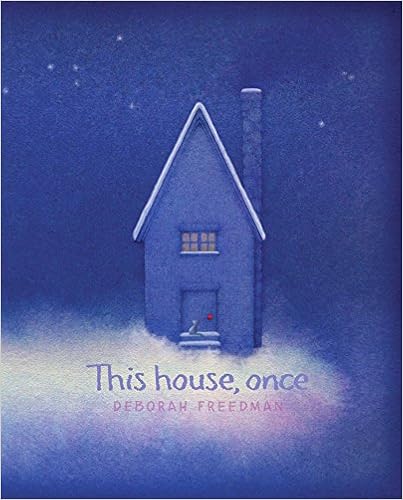
 Deborah Freedman has been on my list of amazing authors and overall human being for awhile now.  Het latest picture book is simply breathtaking.  Telling the story of a house and the parts it is made up of, it made me think of how to speak to our children about the birth of ideas and how it takes many different parts to make something beautiful.  What a beautiful message for us all right now.  This is released February 28th.
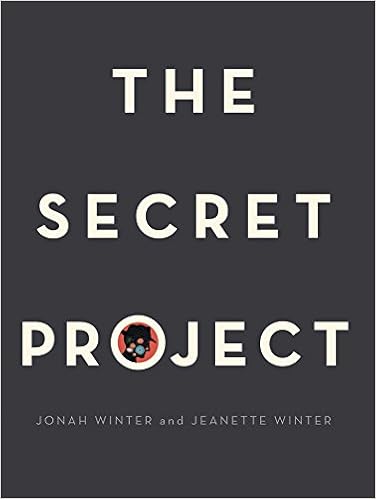
 I was unsure about a picture book that tells the story of the Manhattan Project, the creation of the atomic bomb, and yet the beauty of this book is exactly in how hard of a topic this is.  Powerful and moving with an author’s note that is sure to generate discussion, what a book this is.
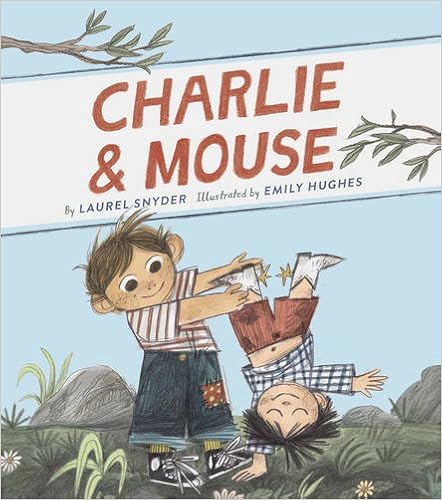
While technically not a picture book but rather an early reader, we are obsessed with Charlie & Mouse in our household.  This brand new series from Laurel Snyder is laugh out loud funny and a must for anyone with younger children.  My eight year old loves it as well and reads it on her own.  This first book in a new series comes out in April, it is definitely worth the wait.
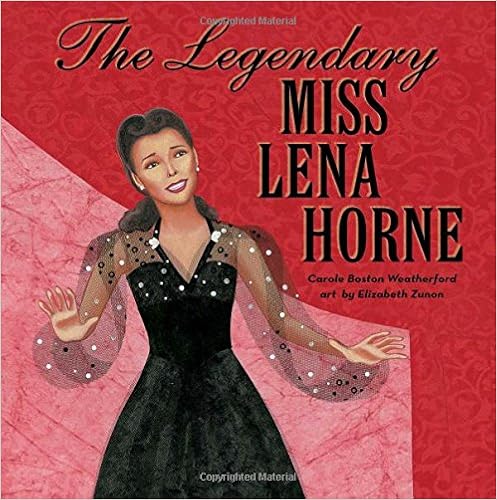
I had certainly heard of Lena Horne, however, I honestly knew very little about her.  This picture book has set me straight; her inspiring life not only as an entertainer but also a civil rights activist is one every child should know of.
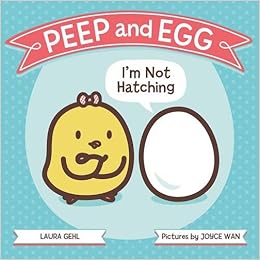
A first for this blog; a recommendation of a board book, but Peep and Egg deserves to not only be read aloud to our littlest ones but also in our classroom.  The story of an egg that does not want to hatch made me laugh but could also lead to conversations about fear and how it holds us back.
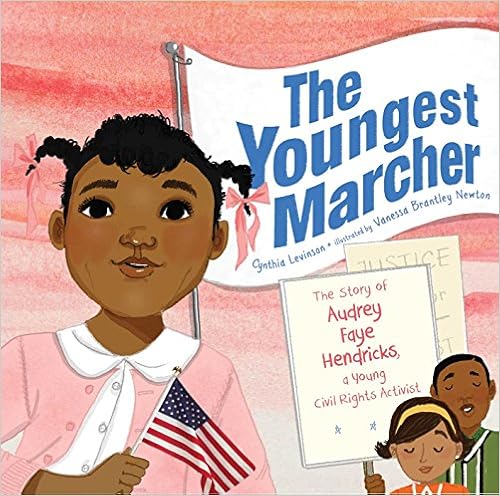
While we have all heard the famous I Have A Dream speech seeing a collection of photographs from the days leading up to it and the march itself, really made me contemplate once again this immense moment in history.  These pictures coupled with the text are sure to bring a deeper understanding of the significance of the speech.
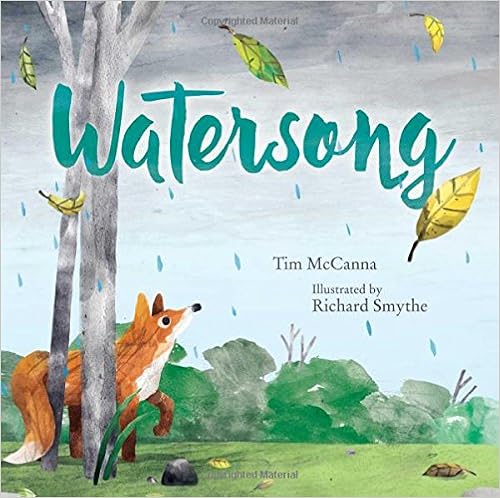
If you ever have to teach onomatopoeia then this is the picture book for you.  With gorgeous illustrations this book follows a fox as it tries to find shelter in a rainstorm.  I would whisper Caldecott but alas the illustrator does not fit the criteria.
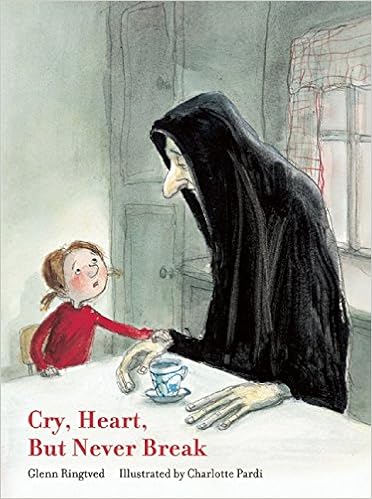
A picture book about death not meant to frighten but meant to help children understand the beauty of a life well lived, this Danish picture book, is truly one to add to your collection.  Picture books can help us broach such difficult conversations in our classrooms and this one certainly does.
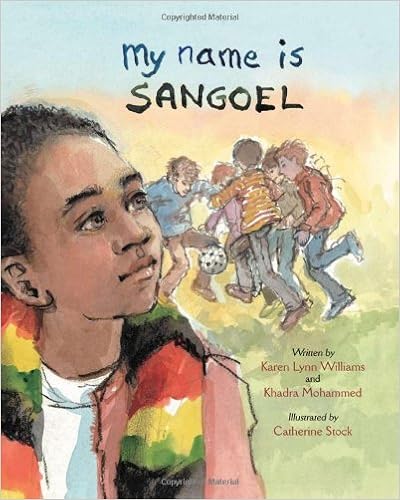
What’s in a name?  As educators we know the inherent power of pronouncing a child’s name correctly to make them feel accepted and included.  This picture book from 2009 shares the story of Sangoel, a refugee from Sudan, and what happens when he comes to America.  A must add as we try to break down walls and build understanding for others in our classrooms.
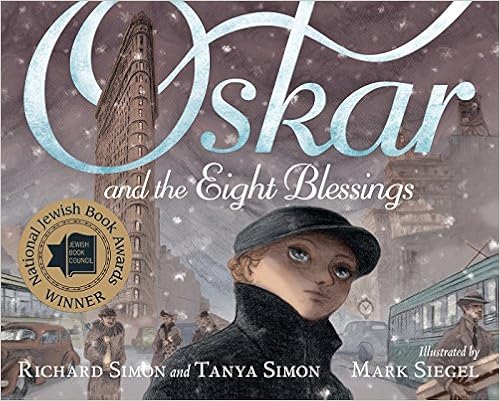
Sharing the story of Oskar, a young boy who has escaped the horror of the Jewish persecution in Germany and arrives in America with only a photograph and an address of an aunt he has never met.  He must make his way through the streets of NYC, but rather than being afraid, he sees the blessings he meets along the way. Another must add as we discuss refugees, and not being afraid of others in our classrooms.
Taken from his own life; this story of having to hide in a planetarium as the government looks for his activist father is one sure to get students talking.  What happens when you speak up but the government does not want you to.  Reminding us that even when it is scary, we should still stand up for what is right, this is another must add to your collection.
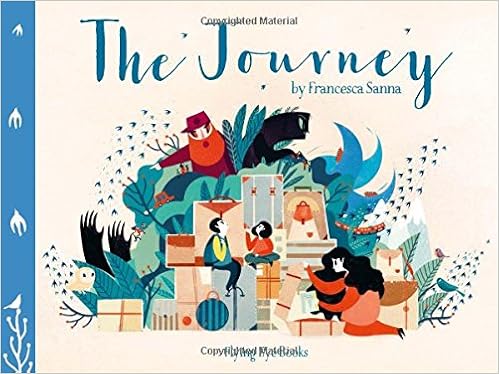
One of the most powerful picture books to be published in 2016, The Journey is about a family as they flee from war and the decisions they have to make as they search for safety.  Beautifully illustrated this picture book packs a punch.
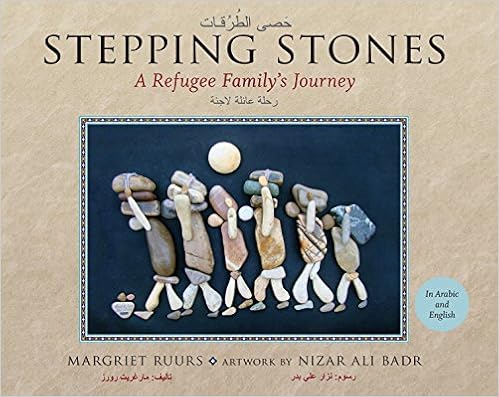
Also a picture book about a family that has to leave their country in search of safety, the artwork is all done by stone.  With both English and Arabic text, I am so grateful for the vision of this picture book.
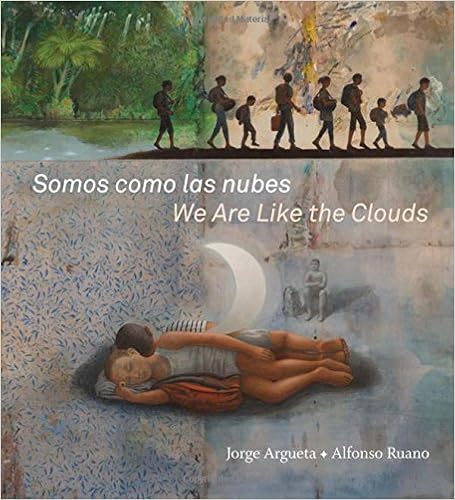
Why would a child set out on foot toward America, knowing that there were thousands of miles filled with danger ahead of them?  This picture book illustrates the journey that more than 100,000 children have taken as they try to reach safety in the United States.  Told in poetry, this picture book helps us understand something that can seem inconceivable.
There you have it, a few new favorites, I hope this list is helpful.  To see all of our other favorites through the year, please go here.