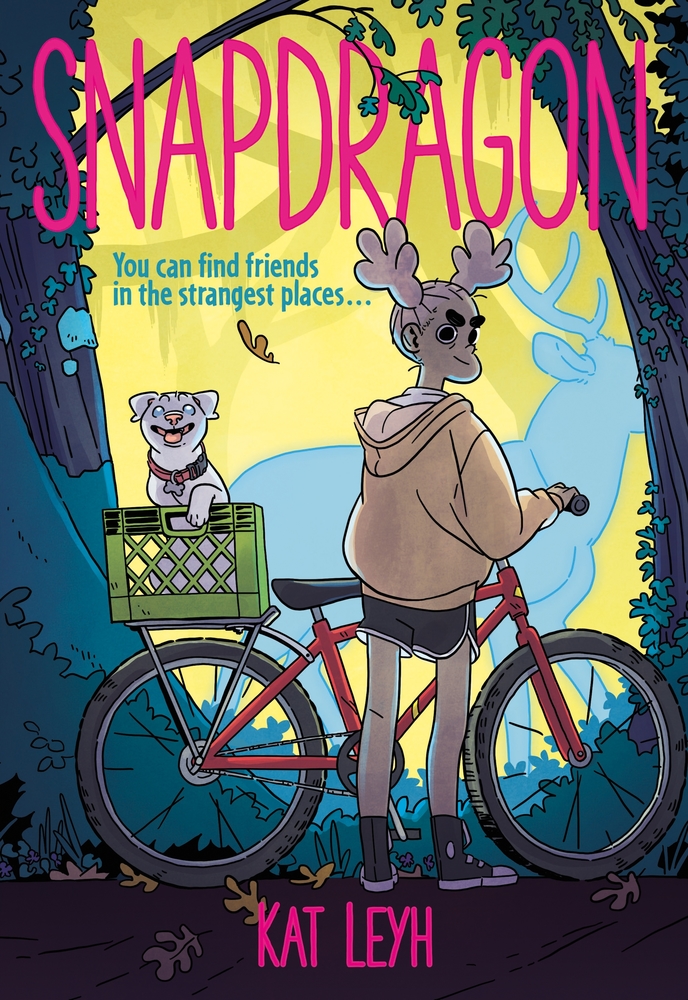
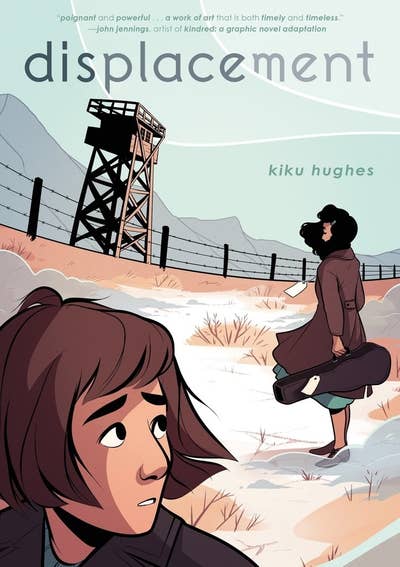
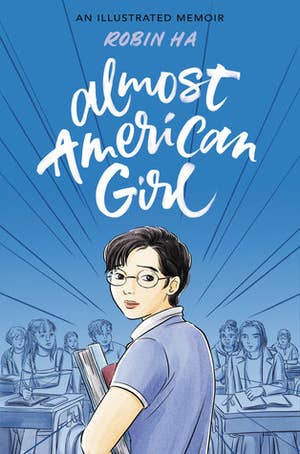
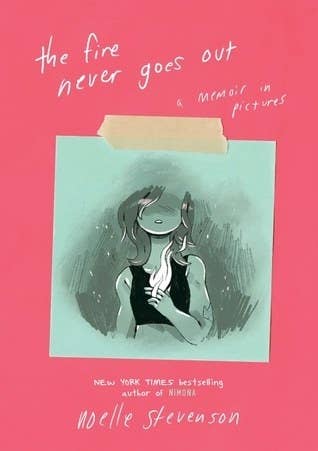
I have been thinking a lot about easy books. About our adult urges to steer kids into “better” books, harder books, away from all those easy books. Away from books with pictures, graphic novels, or topics we deem immature.
I have been thinking a lot about our well-meaning intentions and how they sometimes do damage that we are not even around to see because the real consequences of our gentle guidance actually steers a child away from reading altogether.
I have been thinking a lot about the collections of books we build, where our money is used, because often it is not so much into the books that kids actually want to read but the ones we hope they read. And how we then sometimes wonder why no one seems to want to read the books we have.
Why is it that we, the adults, who have the ability to shape the reading lives of our students into beautiful things sometimes get so lost in thinking of the future of our readers that we lose sight of the present? Don’t get me wrong, I want to do the best I can to create rich reading opportunities for all of my students but that also means that they need to want to read right now.
As so perhaps this reminder is more for myself as I feel the pressure to help these children grow as readers, perhaps this post is really just a re-commitment to the words I have spoken for so many years. Perhaps it is a reminder to the universe of what our gatekeeping of books can do for the lives of the readers we are entrusted with. Perhaps this is a reminder that when we decide that a child is reading too “easy” of books we are really dismissing the reading journey they are on. That in our quest to challenge our readers we sometimes lose sight of what they may need from their reading experiences right now, and that that perhaps is not harder vocabulary or more complex storylines but instead a chance to truly melt into a world and escape a little bit from the craziness of this one.
It is a question I am asked a lot when I coach and train other teachers; what about the kids who read books that are much too easy, how will we challenge them? The problem is implied; easy books don’t offer up real growth opportunities. Easy books don’t develop their skills. Easy books don’t push them forward in the ever-present journey toward becoming a better reader. Easy books means that they will never perform in a way that our standardized tests want them to do. And I hear the worry, the concern for their readerly lives, I see that the question is not asked out of an urge for censorship but instead from a place of care.
But it seems as if, in our well-meaning intentions, that we have forgotten what a better reader really is. A better reader is not just someone who can just tackle complex texts, who can comprehend at a deep level, who can answer the questions on the test to back up what we already knew. While those are aspects, they are not the only thing that makes a child a better reader.
A better reader is someone who sees reading as valuable. Who recognizes the need to read because they will feel less than if they don’t. Who sees reading as a necessity to learning, for themselves and not just for others. Who sees reading as a journey to be on, something worth investing in. That a better reader is someone who will continue to come back to reading when they can, finding value within whatever materials they read in order to make their lives better in some way. A better reader is not just a child who reads hard texts, always pushing their skills, but also someone who commits to the very act of reading. And so I wonder; when we tell children not to read “easy” books, how much of their individual reading identity journey have we dismissed? And what becomes of the reader?
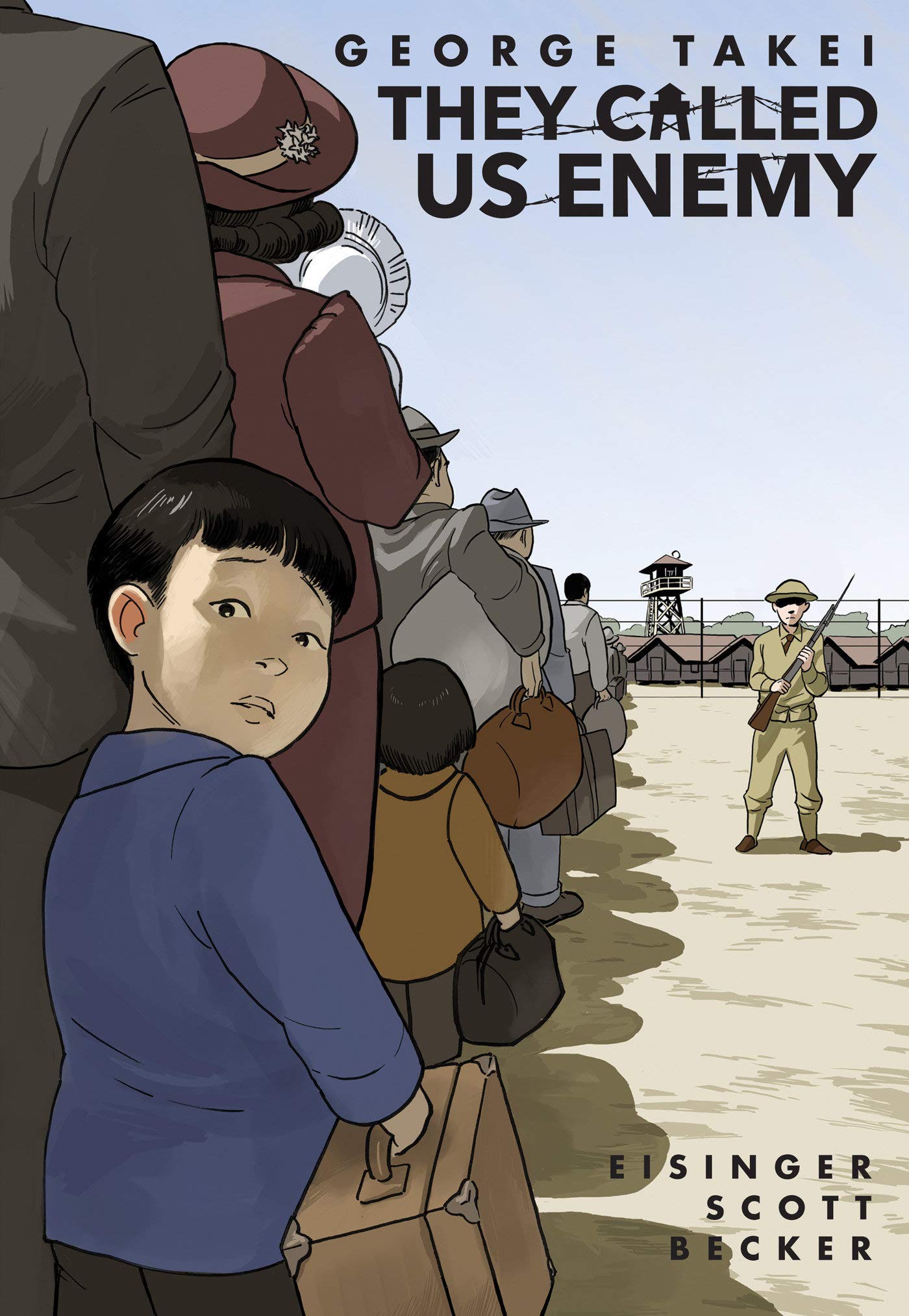
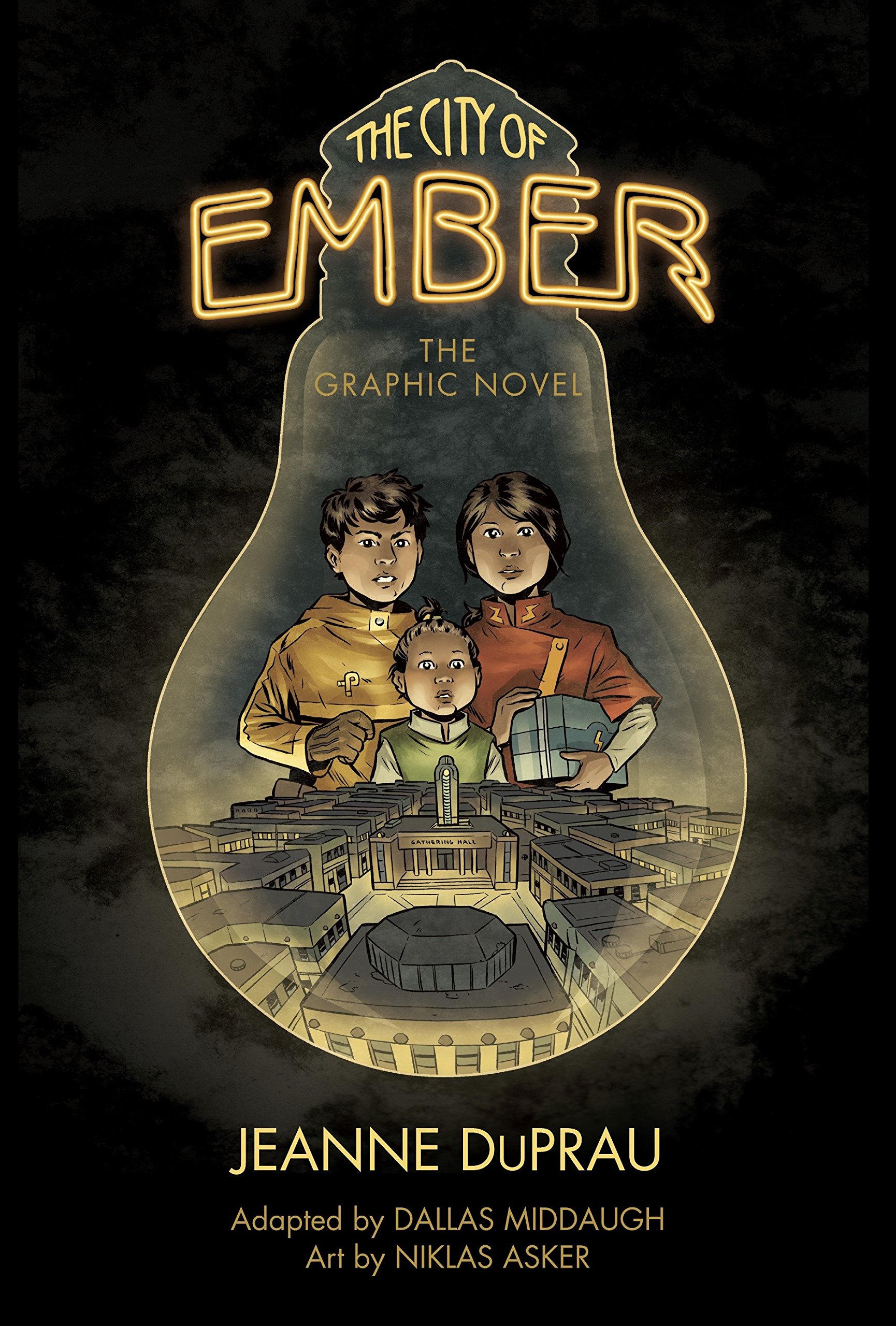
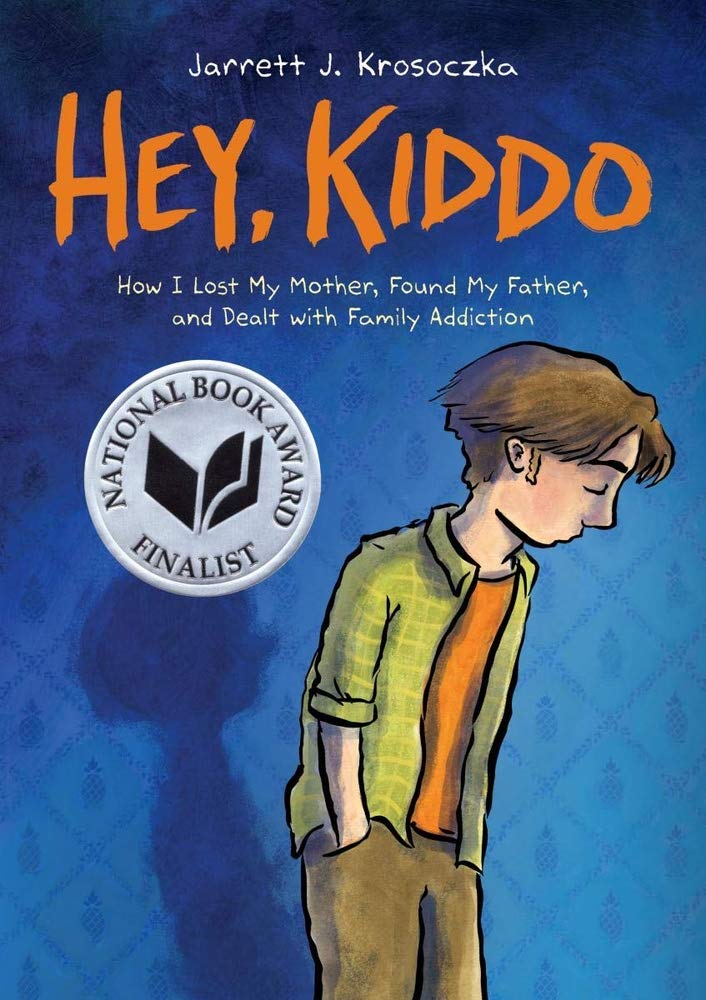
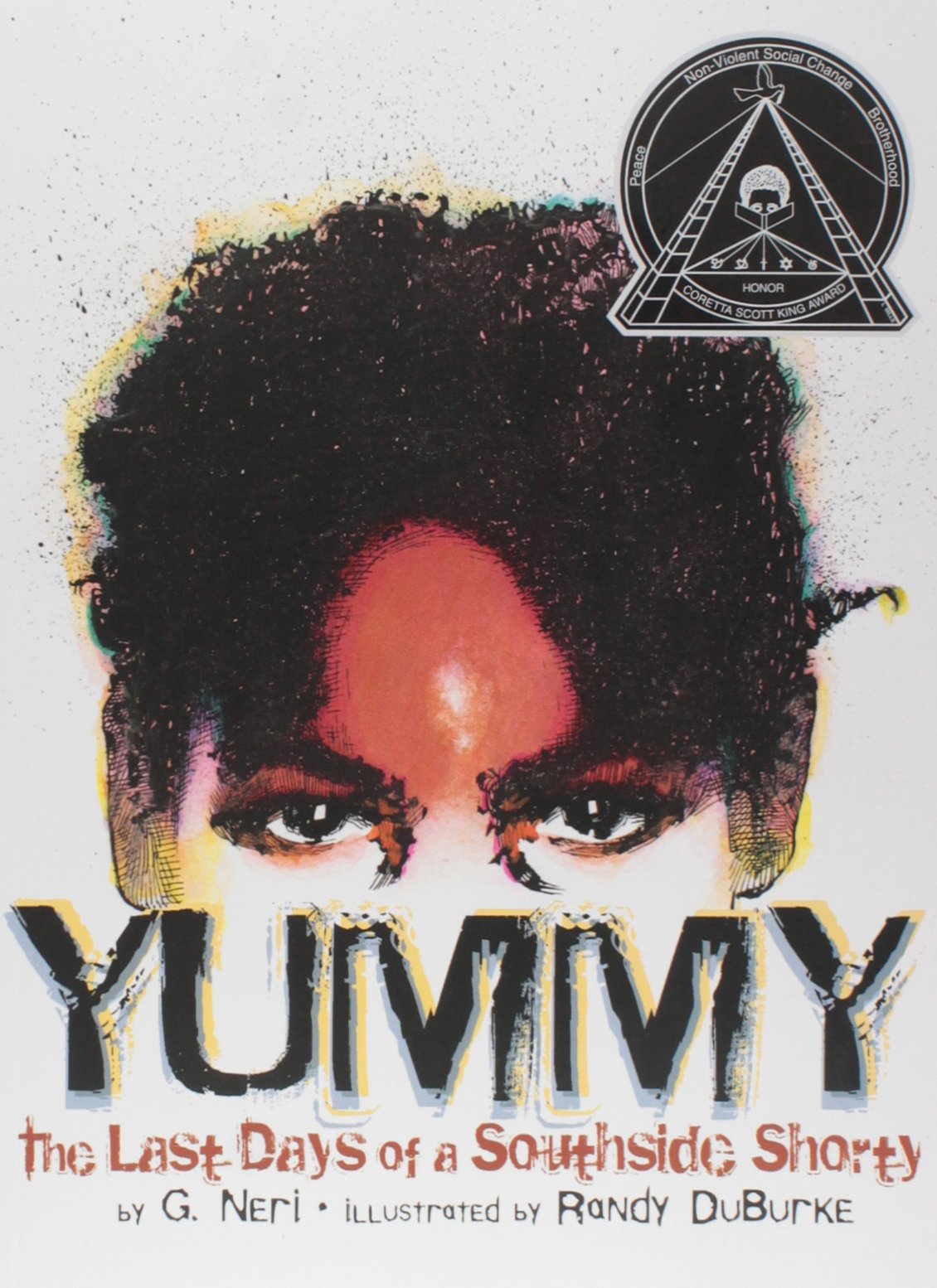
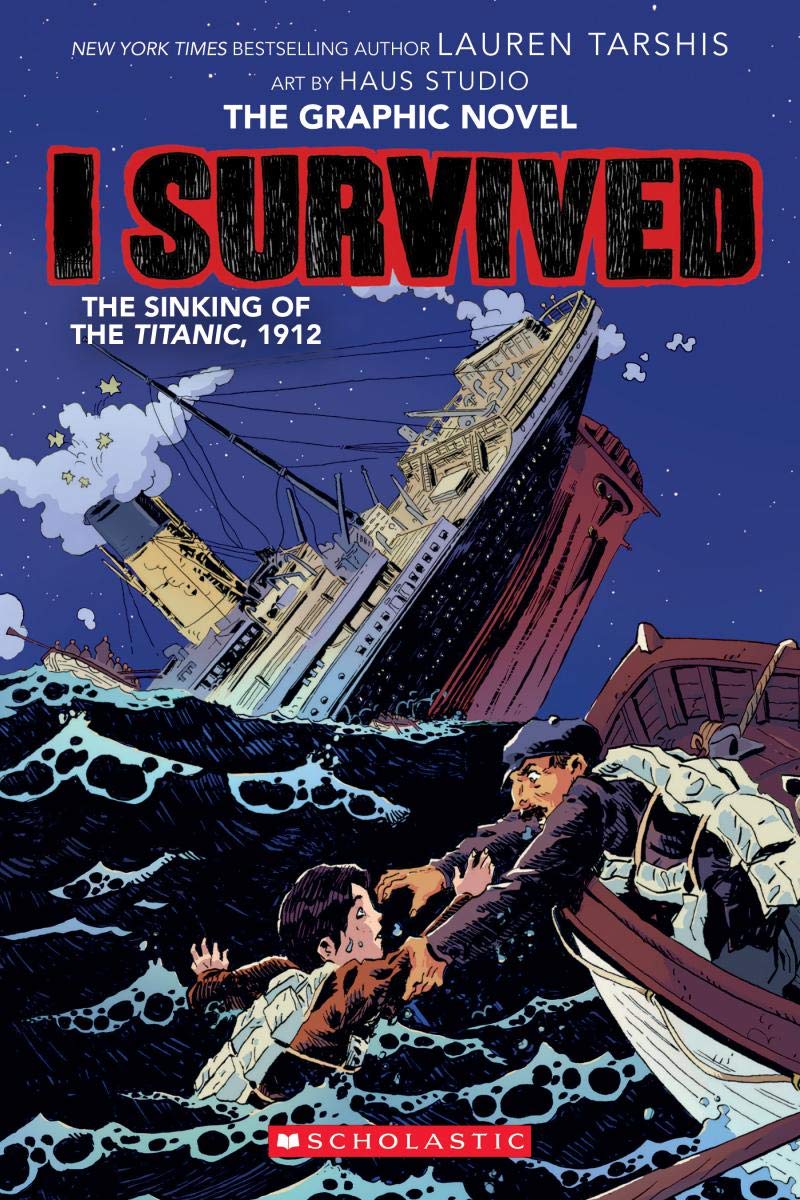
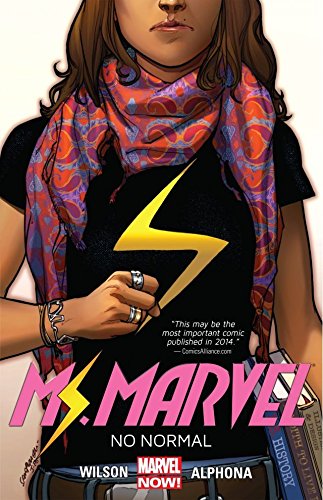
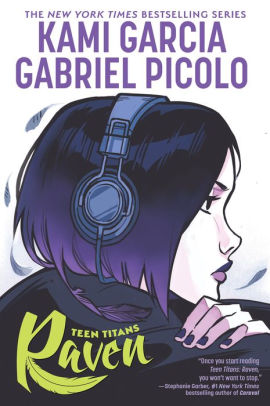
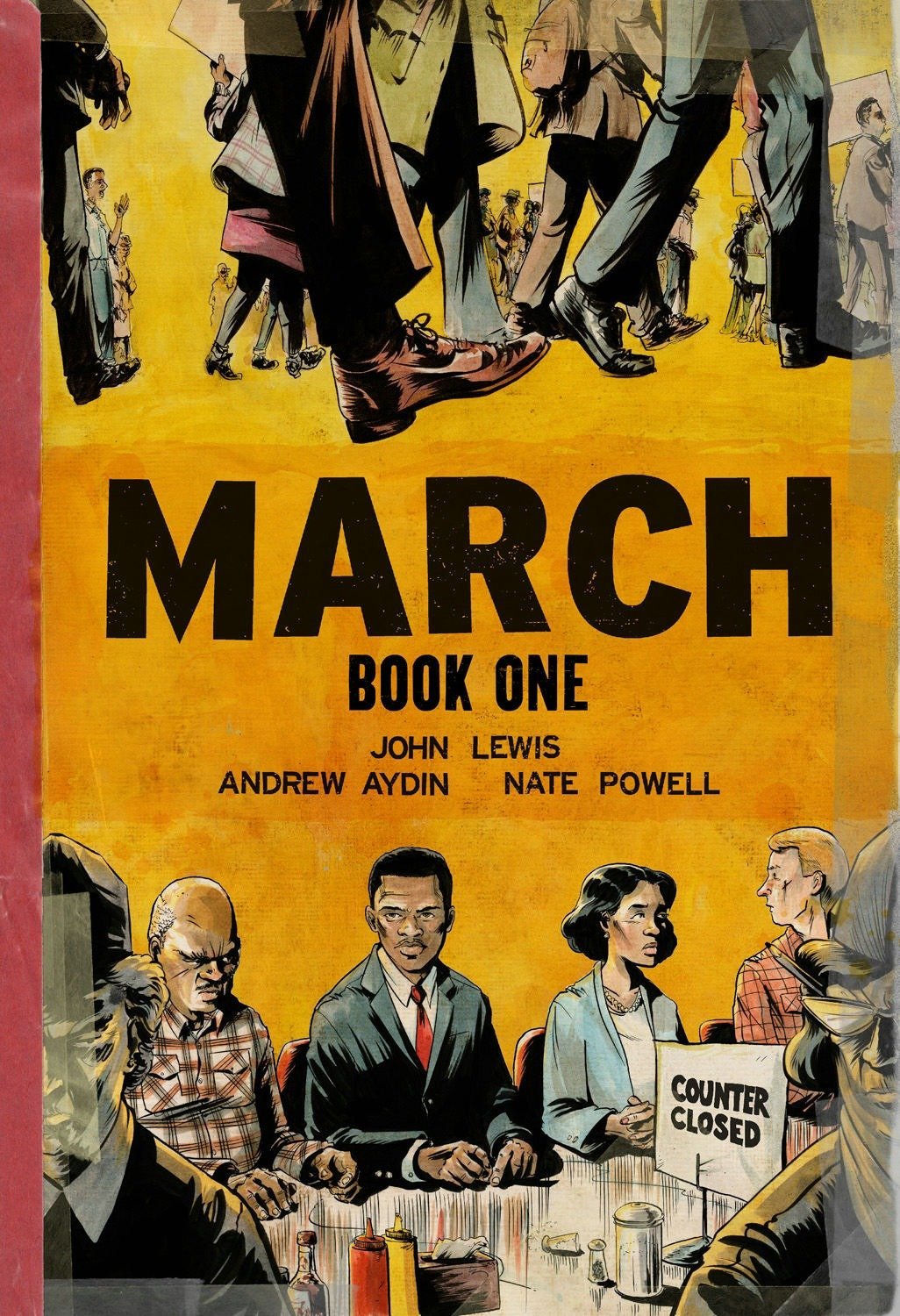
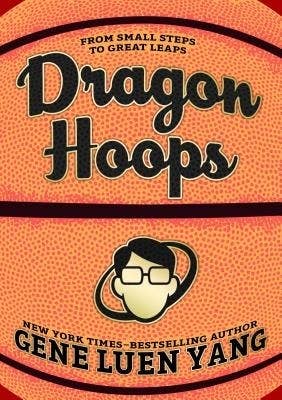
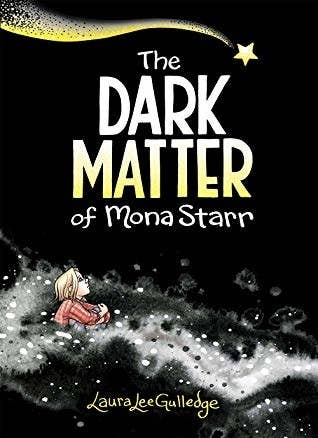
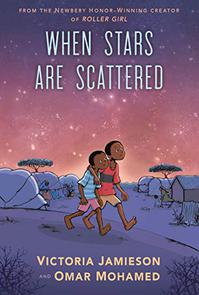
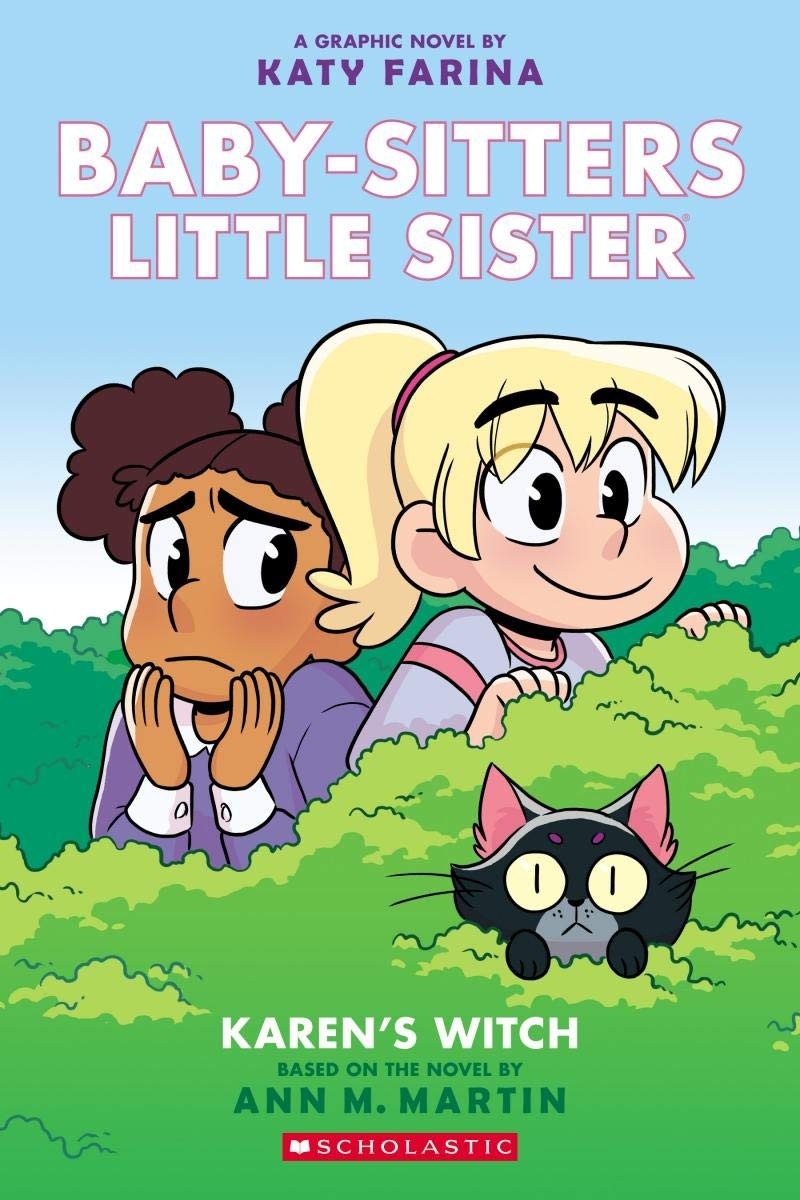
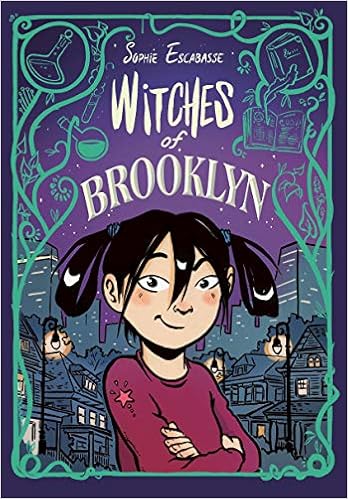
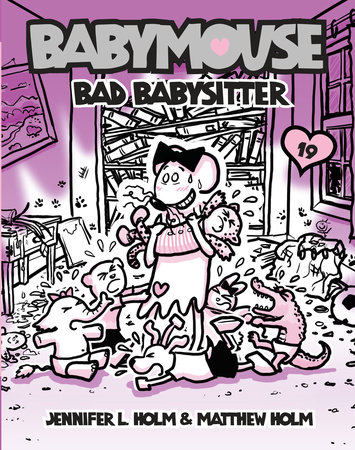
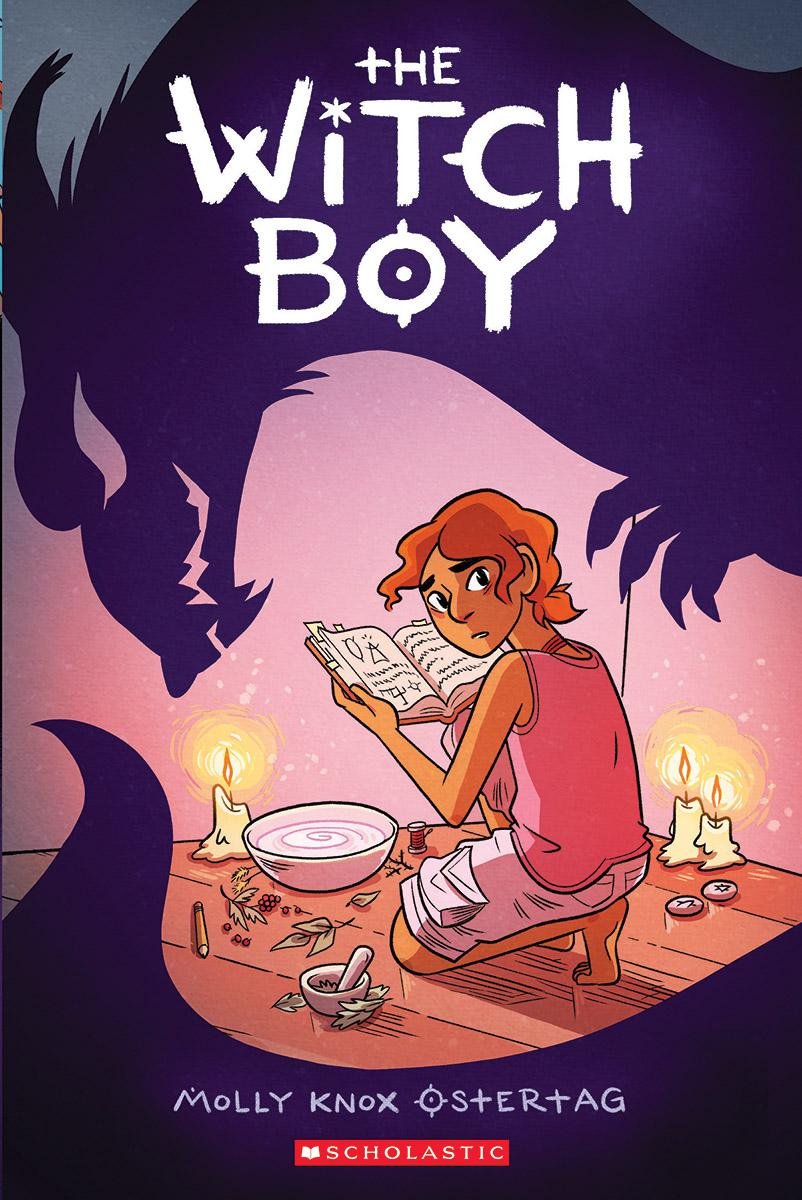
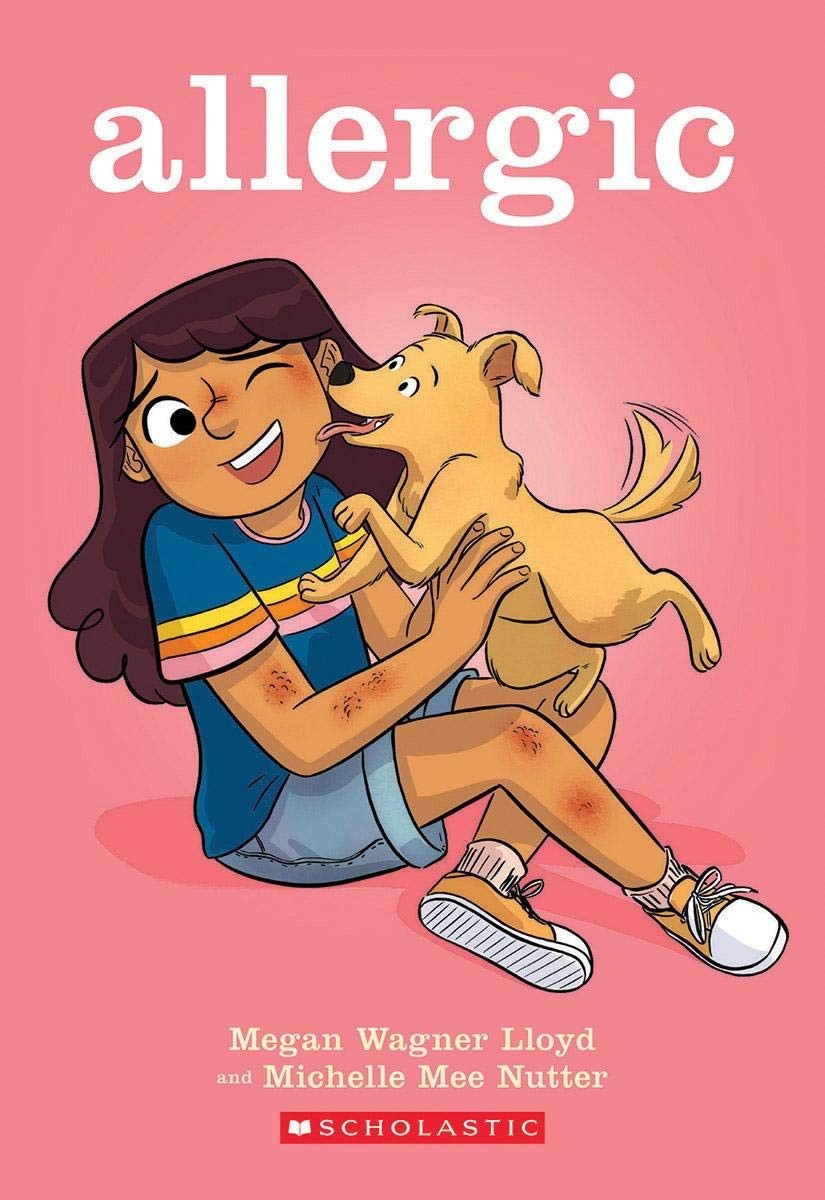
“Easy” books, whether they be graphic novels, illustrated books, books about “silly” topics, books below their actual comprehension skills, free verse, audio books, or even picture books, can get such a bad reputation in our schools. As if those books are only allowed in the brief moment of time when they fit your exact level, whatever level means. As if those books are only meant to be discovered when you have nothing else to read, when you actually are allowed to read for fun, rather than for skill. As if those books are only relegated to a certain age, a certain stage in your readerly journey. and after that they should be put away, never to be revisited again.
Yet so often the books that others may judge as “too easy” for us are the books that make us readers. The ones where we finally feel comfortable, where reading is not hard work but something that we can do successfully. Are the books that keep us loving or liking reading. That keeps us coming back. Those books that we devour in one sitting because we must find out what happens next, aren’t those “easy” books for all of us?
So do we tell our students to embrace easy reading whenever they want to keep them loving reading? Or do we push them so hard to develop their skills that their connection to reading breaks and then we wonder why reading becomes something just to do for school and tasks?
And yes, I teach that child that reads Diary of a Wimpy Kid every day, who is not sure of what else he can read that will make him love reading as much. My job is not to tell him, “No, you cannot read that,” but instead to urge him to read more books in the series and to celebrate the reading that is happening. To recognize that this child has discovered a part of himself where he finds a purpose within the pages of this book and to help him find books that will offer up similar experiences. Not to take away, but to recommend, while also protecting the fierce commitment that exists between a child and a favorite book. To explore why that child loves this book so much and then help discover others like it. To acknowledge the reading relationship that already exists and to build on that rather than breaking it apart at all costs because I know better.
Don’t all kids deserve to have their reading choices celebrated and held up as valuable choices no matter where they are on their journey?
I am not dismissing the need to challenge kids to read more, to read longer, to read more complex text, but we must be careful with how we present their reading choices, how we judge their reading choices. We must make reading for enjoyment, whatever that means for a child, a central part of our teaching so that children can understand that reading for enjoyment is just as, if not more, important than reading for a skill. And we must honor the choices that kids make to further this part of their journey. The research agrees, “…it was shown that those who graduate from programs that encourage self-selected reading, do not avoid literature of high quality…Children in a print-rich environment in which they are free to select their own reading do not stay with easy books. They not only read more as they mature, but they also select, on their own, books that are harder to read and have more complicated plots.”(Krashen, Lee, and Lao – Comprehensible and Compelling, 2018). So are we making room to embrace those books that happen to make our children, and adults, love reading? Or do we only focus on those texts that will continue to challenge them in the ways we have deemed acceptable, to move their skills, unfocused on the other damage it may do?
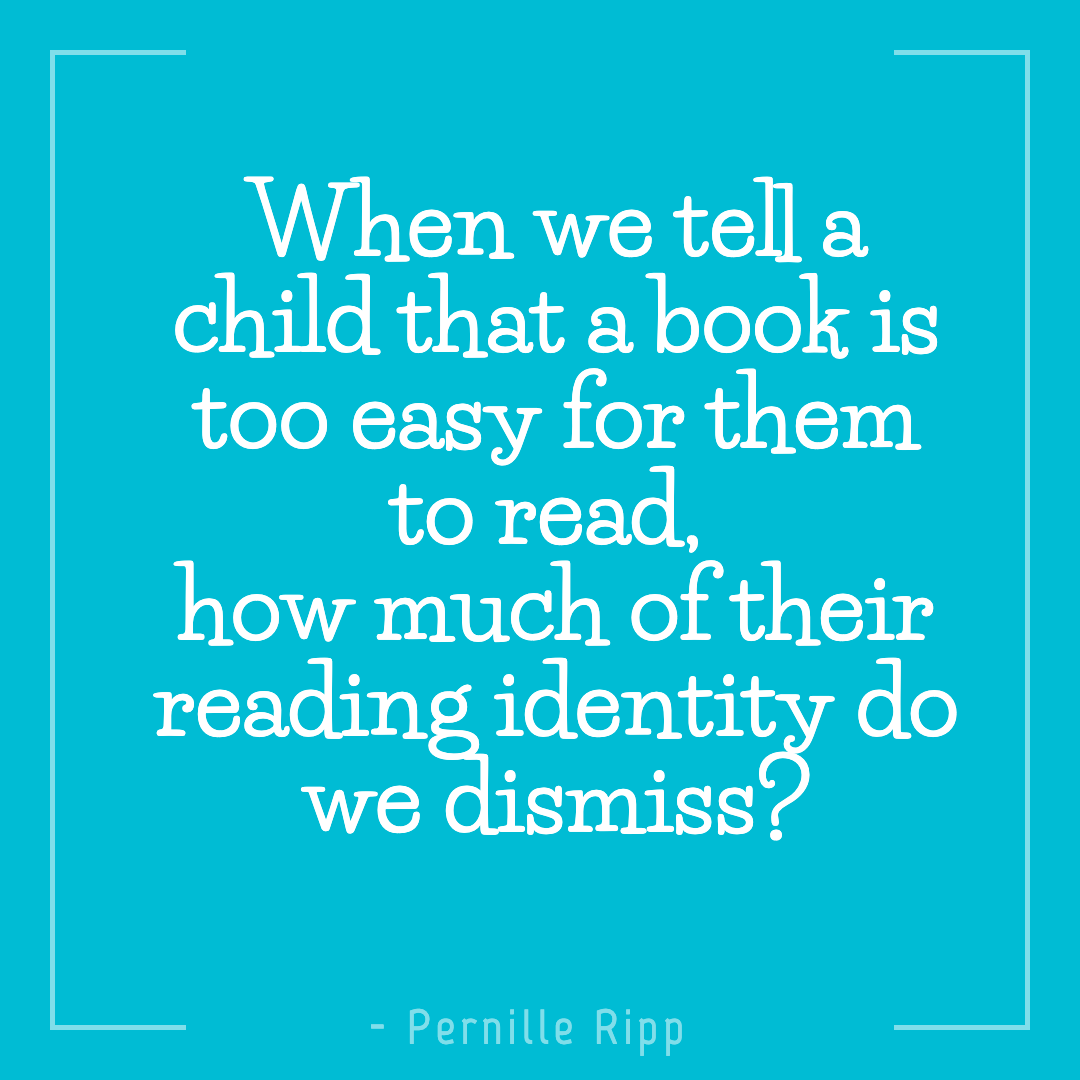
Because when we tell a child that a book is too easy for them we are dismissing the very reading journey they are on. That book we called too easy may have been the first book they have ever wanted to read, it may be the first series they have wanted to complete, it may be a book that offers them an escape, it may be the first book they have connected with, that they have seen themselves in, or even one that they can fully read on their own.
While our job, as educators, is to develop children who can read, our job is also to support and develop children who want to read. The two are not always taught together, or even considered, so it is up to us to make sure that when we plan for our reading experiences that “easy” books and anything else that may keep a child’s love of reading intact is not only welcomed but encouraged in our classrooms. We must ensure that when we plan for reading instruction, that we plan for the protection of the love of reading. And that we stop calling books easy when what we really mean is enticing.
I am excited to be heading out on the road again to be with other educators in-district or at conferences, while continuing my virtual consulting and speaking as well. If you would like me to be a part of your professional development, please reach out. I am here to help.



















 Pernille Ripp