Be the change, being a student, being me

Teaching Bias Through Inference and Identity

I can’t remember the last week we had a full week of school. Between snow days, cold days, and now an ice day, I think it was December the last time I had the pleasure of being with our students for five days in a row. All of these days off have given me time to think, a luxury it seems within teaching, and in particular about how I can use the units my team had already planned to expand our work on bias and social comprehension.

Now, before I share these ideas, I want to make something very clear; I am not an expert on this work. In fact, I have gone back and forth on even sharing what we are doing because this is truly something I am working on myself, something that is nowhere near perfect, and something where I lean heavily on the work of others to do my own work. And yet, perhaps it is exactly this insecurity of trying to get things “right” that holds many educators back from doing any of this work. So perhaps then, this post will help someone else take the plunge, much like I have. I go into this work knowing that I have much to learn and that starting it is the right step for me, even if I am bound to screw up.

Focus of Unit:

Old focus: So our original main goal for the past few weeks was to focus on inferring and how we use evidence to support our inferences. In the past, I have written about the work we have done here, and while the work was good and reached its intended learning outcome, it also was a missed opportunity to discuss how what we infer is directly related to our perspective, our identity, and the bias we may carry.

New focus: So the new goal became focusing on inferences and how the evidence we use to support them are shaped by our identity and bias. A subtle difference that has made a huge difference in all of the work we are doing.

Some Resources used:

While I had my original slides that contained some great ideas, I knew I needed further resources to guide me in this work. Some of the resources I have turned to have been:

  • Teaching Tolerance – one lesson plan I am using is their ideas for teaching bias in the media through tone and word choice, however, these are not the only resource I am using as their webinars and their articles shape so much of my thinking.
  • Allsides.com I appreciate the collection of articles here that allow my students (and us) to really see how news can be reported to us and what it may look like from different news sources. This news site will also open up an opportunity to discuss whether the site itself is unbiased in how it is reporting others.
  • Being the Change: Lessons and Strategies to Teach Social Comprehension by Sara K. Ahmed. This book has really helped me think about how we can teach social comprehension through identity work with students. It is incredibly well-written and offers up a wealth of ideas no matter where on the journey you are.
  • Time Magazine and their collection of iconic images as we discuss what we see versus what we can infer. I am also using these images to help students discuss which parts of their identity may be reflected or triggered in the images.
  • #DisruptTexts and their mission of disrupting the common narrative that shapes many of our literacy experiences.
  • The National Equity Project is partnered with our district so a lot of the images and information I use is coming from the training they have been giving us.
  • Professor Deb Reese and her work in the critical analysis of the representation of Indigenous People. One of the threads of our conversation has been why we are not as “triggered” by the racist or stereotypical representations of Native Americans in our everyday life. One student shared yesterday that she has realized that she hasn’t been triggered by it before because there has been such little shared throughout her education and life about indigenous people in general except for stories of how they might have been in the past.
  • Social Identity Wheel and the personal identity wheel shared by Inclusive Teaching at the University of Michigan.
  • Jess Lifshitz and the work that she does with her 5th graders in Illinois. She has written extensively about her work on her blog and also who she is inspired by, as well as shared great resources.

This is not an exhaustive list as I am so grateful for the work of many and I highly encourage you to read a lot, to seek out opportunities to learn, and to become connected to others who are doing this work. This is also why I am purposefully not sharing my handouts and slides, because they are created specifically for my students and are based around the learning I am doing myself. I really feel like all educators, especially white educators like myself, should be learning more about this and taking on this work, if I just share all of my slides then the work may not be started..

Guiding Questions

Much of our in-class work has been reflection and discussion based, rather than creating products, which is how we normally function anyway. I wanted students to have an opportunity to work through this with each other, if they chose to, and also reflect quietly if they wanted to. I also want to honor the varied lives my students have, some are deeply aware of the bias others have because this is their lived experience, while some would be brand new to the idea of bias. I think this is simply the balance many of us face. I set this up in stages because some things took longer, some things we needed to circle back to, and I didn’t want to rush this. Once again, I realize that this is just a start, it is not the only work that needs to be done here.

Stage 1:

The focus of stage 1 was establishing a common definition of what inference is and also activate background knowledge. Questions we used accompanied with images and video clips included (amongst other resources):

Stage 2:

The focus of stage 2 was picking up on missed clues and why we might have missed them. Questions we used included:

  • Writing about how others see you.
  • What do we need to do make correct inferences?
  • What do advertisers want us to intentionally infer about their products?
  • What do advertisers unintentionally have us infer?
  • How does bias shape you?
  • Using the first half of the story Wisconsin Winter we look at a text focused on what the main character is like. Then students are given the second half and we use it to discuss how we miss clues that seem obvious when we have the whole story.
  • What are different types of bias?

Stage 3:

The focus of stage 3 was different types of bias and how we see the world as individuals. We used a lot of different images to do a lot of this work, as well as news headlines. Questions we used included:

Stage 4:

  • What associations do you have when you see…using a variety of images.
  • How do assumptions play into bias?
  • How does the media shape us in our understanding of a situation?
  • How may this strengthen or diminish our bias?

The focus of stage 4 was what do we see versus what we can infer. I felt it was important that students saw how much inferences plays into how they view an event, a person, or the world in general. Questions we used included:

  • What do you see?
  • What do you infer?
  • What are you basing those inferences on?
  • What is the historical perspective of this event using Time Magazine pictures?
  • How does your identity and experiences affect your inferences? We used the personal identity wheel to help us think about how we see ourselves.
  • What are the associations you have using a list of words such as Family, love, marriage, police, school, and Thanksgiving?

Stage 5:

The focus of stage 5 is identity and which pieces of our identity we put more weight on which then, in turn, influences how we react to the world and what we think. Questions we use include:

Stage 6:

The focus of stage 6 is thinking about how our identities are triggered by images, videos, headlines and such. This is leading us closer to our end reflection, which is based around students finding an image that connects with their identity in some way. Questions we use include:

  • Do you connect to this image? Why or why not?
  • If you connected to it, which part of your identity was activated?
  • How might this connection affect how you view this image?
  • How does bias play out in the news?
  • How does bias play out in your own identity?
  • How does word choice and tone affect our understanding of a news event?
  • How might the news shape our understanding of the world?

Stage 7:

The focus of stage 7 is introducing our end reflection; how does our identity frame how we connect to something as well how might our bias play out in our understanding? There is so much more work to do, but in order for students to have some time to process and internalize all of this work, I want them to have some time to reflect and put the work into the world they are faced with. That is why our “end” product is asking them to reflect on how they see their identity reflected. Some of the questions they can reflect on include:

  • On the social identity wheel, what were the identities you thought the most about?
  • Which social identities have the strongest effect on how you see yourself?
  • Which part(s) of your identity is reflected or reacting to the piece you found?  Or is it that your identity is not reflected in the piece?
  • How is your bias reflected in the image/video?
  • What, in particular, makes you connect with it (evidence)?
  • What does your identity make you infer in the image or video?
  • Which identities have the greatest effect on how others see you?  Is this good or bad?

Students will have time in class to find an image or video and then to discuss before they write.

Throughout the entire unit, I hope students get a chance to reflect on who they are and how all of this may play into how they see the world. It is a start as we continue our work for the rest of the year, which involves debates, TED talks, and also much more reading and reflecting. This work will become part of our existing foundation as we move forward with the work that we have planned, hopefully allowing students to take a step back and notice how bias plays out in the world around them and in their own lives. This is not the only thing we will do, it is not the only thing we have done, but it is another concentrated effort in order to help students understand the world more. As always, I am so grateful to those who share their expertise with us so that we can all grow and help our students grow as well.

Reading, Reading Identity

Creating an Action Plan to Jumpstart a Better Reading Experience

This is the form I use to keep track of my notes when I meet with students, to see the form, go to the update towards the end

Winter always hits us hard here in Wisconsin, and yet, this week, we broke records. It got so cold, everything shut down, the stores, the malls, the movies, even the bars shut their doors as the police told people to stay home. I spent three days by the fire playing games, reading books, laughing with my kids, and thinking so often about the other kids I have; the students I get to teach.

Because some of them are still not liking reading. Some of them still outright refuse. Some of them still go through the motions of what it may look like to read, but that spark, that change, that seed, doesn’t seem to have taken root, not yet.

And yet, there are many where the reading blossoms and continues to grow. Whose readerly lives seem to have taken on a life of its own. Who can tell you all about what it means to read, to be a reader. For them, I can breathe a little easier. For them, I can stay the course.

Yet for the ones who are not there yet, I need a new plan. Not one with more requirements or different reading “rules,” not one that veers off from our foundation: time, choice, access, community, and reflection. But instead a more concentrated approach. The check-ins I have with them every three or four weeks is not enough. They need a reading intervention, but not in the traditional sense. Instead, I am making them my action plan for the next few weeks to see if a concentrated boost is what they need.

So what I plan on doing, at least what I think I plan on doing, is simple – more attention, more conversation, more intentionality.

Step 1. Identify the kids who seem to be not there yet. Make a short list of those who need extra attention. Don’t forget about the rest of the class, but for the next few weeks; focus on these kids. I plan on focusing on no more than three a class.

Step 2. Pull a stack of irresistible books, these are the books that seem to have made a difference to kids in the past. Books like Monster, A Long Way Down, Hey Kiddo, and Boost. (I have a list going here).

Step 3. Start a conversation, I can use what I always use, “What are you working on as a reader?” However, I plan on each conversation lasting a little longer and centering around what I have noticed such as random book selections, little interest in what they are reading, and trying to figure out why. In my experience, students don’t always know why so this is where I can help a little with questions about their reading identity and their reading habits. What else can we uncover about their reading journey that can help them know themselves better and grow?

Step 3 1/2. Ask them how they can change their habits of reading. Help them uncover what is holding them back from reading, even if it is a lack of desire and discuss which habits can be altered to change their experience. Is it that they need a book at school and at home? Is it that they have yet to find a book they like but aren’t really looking? Is it that they are overwhelmed? Or that it seems pointless? What is it that is making them choose to not transform their reading experience?

Step 4. Help them set a mini-goal for the next week of reading. While all students have a year-long goal, for some kids year-long goals don’t seem very urgent, so focusing on a small success is more tangible and also more pressing. Discuss how they will hold themselves accountable, and let them know that I plan on checking in with them each day to see how they are doing, not in a judgmental way but as a coach and pep-talker. Have them write the goal down, I also plan on writing the goal down or I will not remember the specifics.

Step 5. Book shop together and enlist the help of a friend if they want. Pull out the stack of irresistible books and see if their friend has any suggestions. Give them time to truly browse the books, not just rush through selecting one. Coach as needed, step away so they have room.

Step 6. Daily check-in. Once the book has been chosen, then the conversations continue. Ask about their goal progress, ask them how I can support, and keep kid watching. Is anything changing? Why or why not?

Step 7. At week’s end, do an official goal check-in. Did they meet their goal? Why or why not? What needs to change for the following week?

Step 8. Keep checking in until end of the second week. Then figure out if they are on a better path or not. If not, back to the drawing board. If they are, then pull back a bit and see how they do. Scale back the check-in and focus back on all kids (not that they were completely forgotten), but it is time to see if this changed any habits at all.

Step 9. Remember that success comes in small steps. Remind myself that it is not a failure if a child only kind of liked a book, rather than loved it. Most kids need more than one book to transform their thinking.

A simple plan that I am sharing, simply to hold myself accountable. I am excited to see what this focus in attention will do for our readers. Hopefully, it will help them, if not, then I will think of something else to try. After all, there are plenty of ideas out there being shared.

Update: I checked in with a few of my kids today and ended up creating this form to help me keep track of what we discussed. The form is a work in progress, just like the rest of my teaching. It was great to have a bit longer with a few kids as we got to discuss their books and their habits, I am excited about this process.

If you are wondering where I will be in the coming year or would like to have me speak, please see this page. If you like what you read here, consider reading my book, Passionate Readers – The Art of Reaching and Engaging Every Child.  This book focuses on the five keys we can implement into any reading community to strengthen student reading experiences, even within the 45 minute English block.  If you are looking for solutions and ideas for how to re-engage all of your students consider reading my very first book  Passionate Learners – How to Engage and Empower Your Students.   

Literacy, picture books

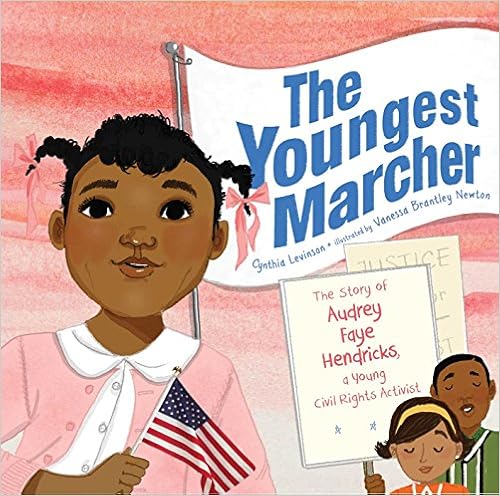
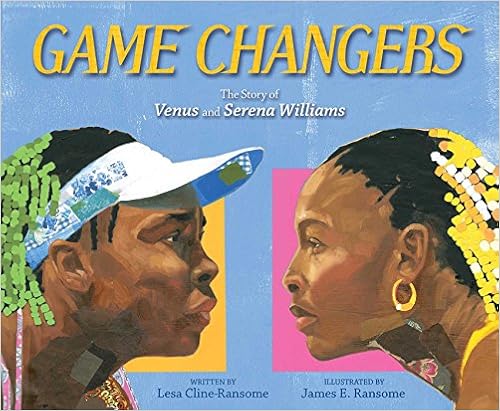
Read Aloud a Picture Book a Day in Honor of Black History Month

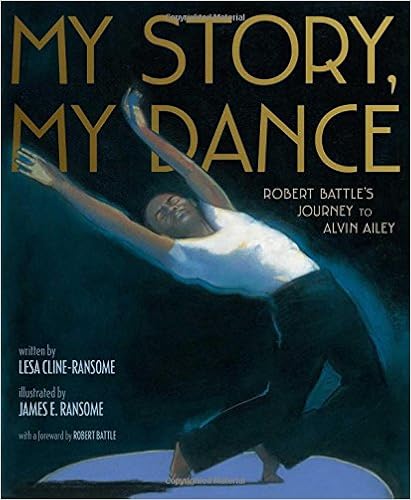
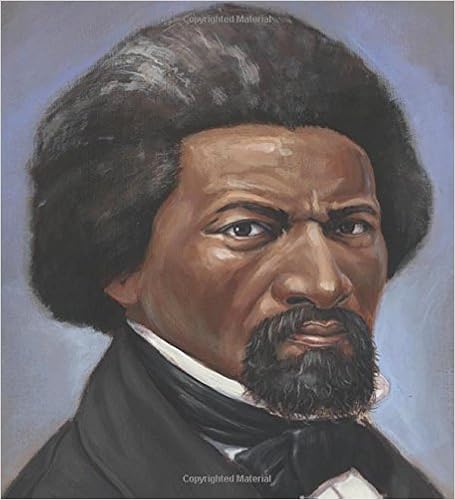
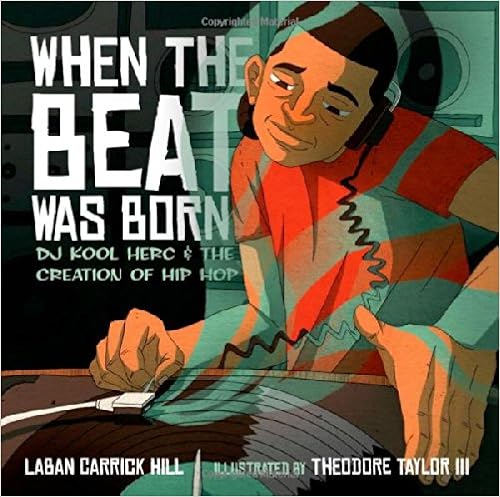
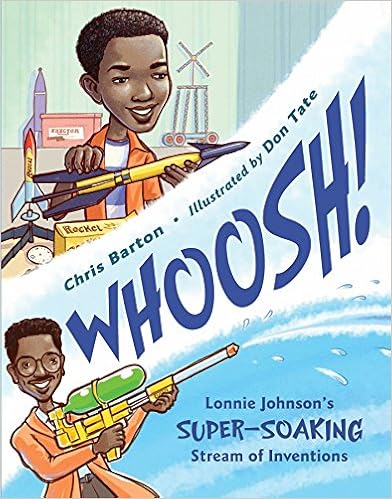
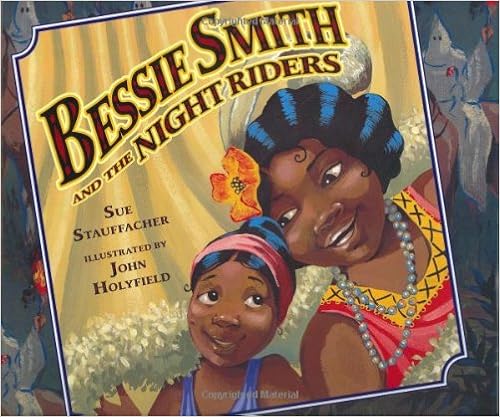
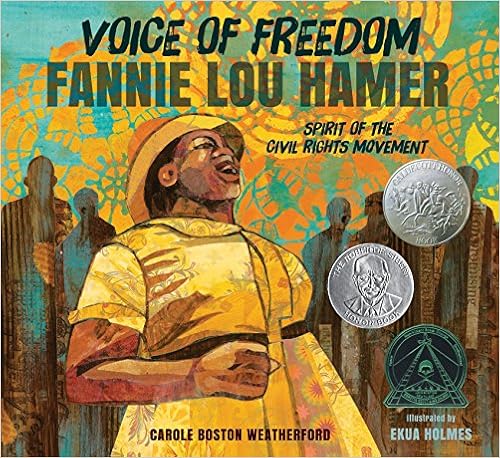
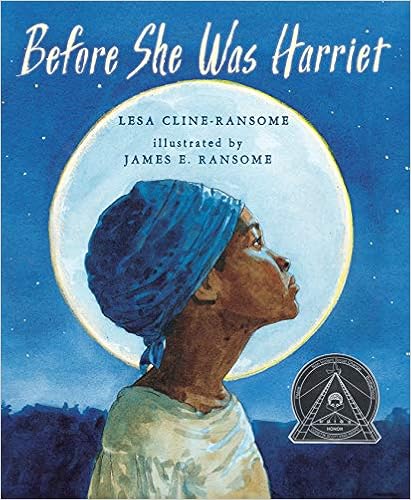
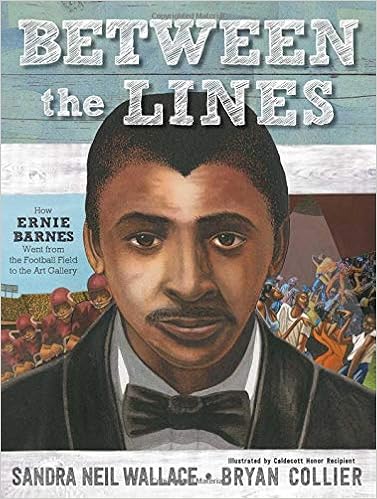
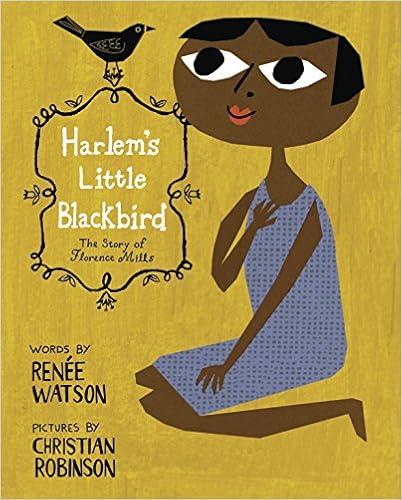
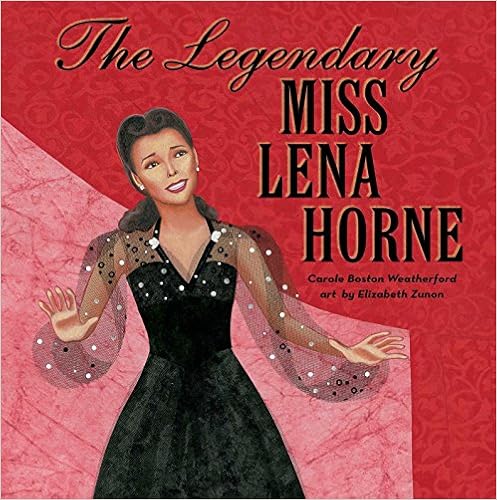
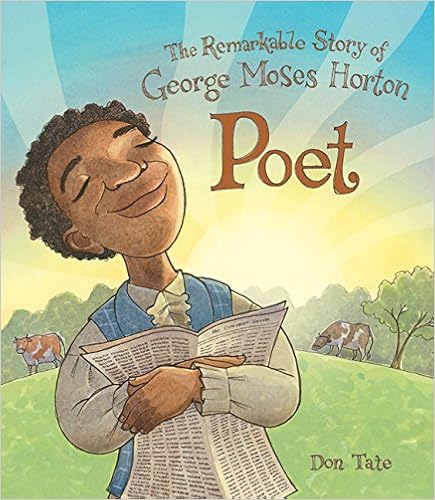
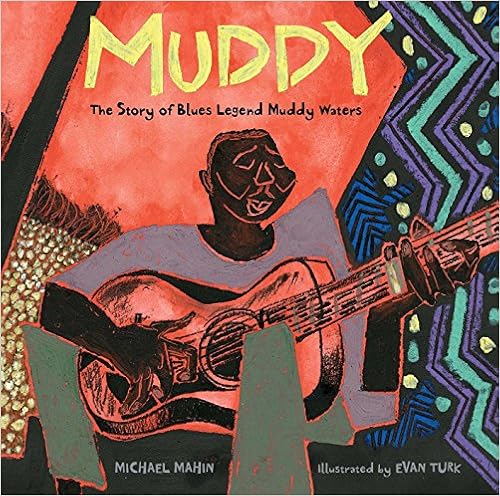
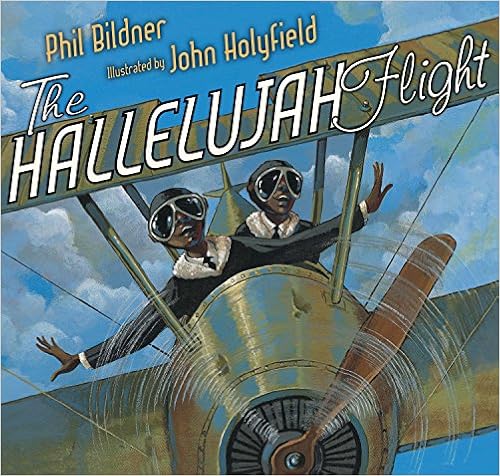
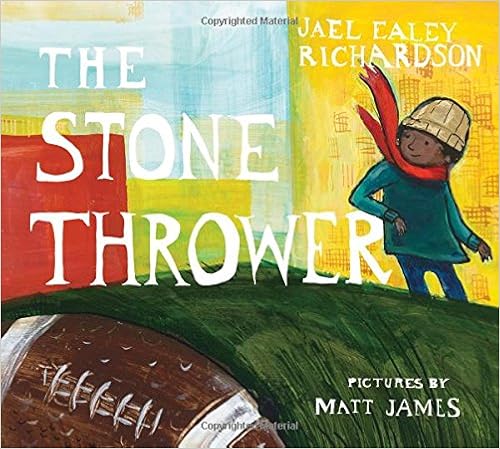
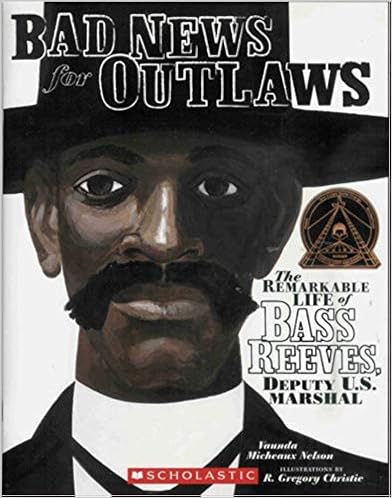
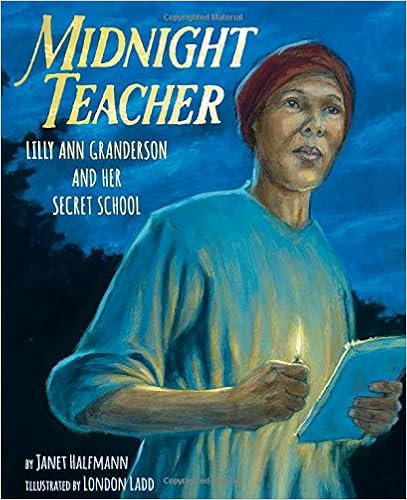
As February approaches, I am scouring our classroom library to find the picture books that I will read aloud every day in honor of Black History month. I try to stay away from the most known stories, after all, if we are to truly celebrate Black excellence then it is important that my students can name more people than just Martin Luther King Jr, Rosa Parks or Harriet Tubman. And yet, they also need to know these stories. And so for the 21 teaching days of February, I pulled 21 picture books, each featuring, perhaps, a story of someone that my students may not have heard of it. Each featuring something they should know more about. Something that may inspire them to ask more questions, to understand more about the world they live in.

I have pulled many more than this and every surface in here is filled with stories of those who have made our country what it is. I hope that our students will take a moment to reach out, read something, and learn something. It is only a small component of the ways Black History will be explored in our school.

In no special order, here are the picture books I plan on sharing with students. I have a few more purchases coming in, so these may change, but they are a start.  Which picture books do you plan on sharing?

Hidden Figures: The True Story of Four Black Women and the Space Race

Other great resources that help me plan and think of what I can explore with students.

Poetry for Black History Month

Resources from Teaching Tolerance

PBS resources – including videos – to celebrate

Black History is Happening Now Spotify curation by Pharrell Williams

Finally, Black History month shouldn’t be the first time that students see collections of text that feature African American. I know it seems silly to say, but representation matters and it matters all of the time. As I pulled books for this read aloud collection, I had to skip great books because we had already shared those stories. This is how it should be every year in my classroom. So while I continue on my journey to do more and learn more, reading these stories aloud is one further step in my journey.

Be the change, being a teacher, being me

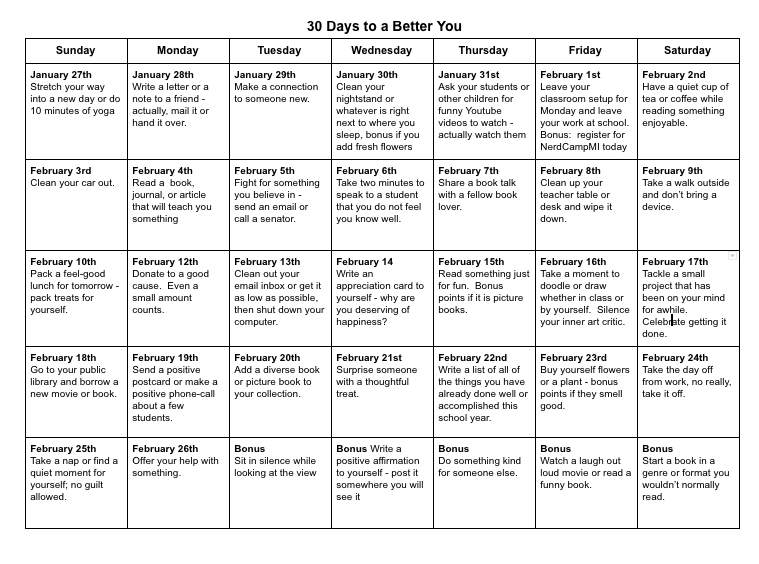
30 Day Challenge For a Happier Teacher You

If you are like me, January brings excitement, positivity but also exhaustion.  This quiet month is one where I sometimes find my energy running low, my creativity running out, and rather than take the time to take care of myself I barrel on as if that will do the trick.  So this year, much like the years before, I am challenging myself to take better care of myself, as well as those around me. And so the 30-day challenge is back. A challenge meant to remind me of all the good. Challenge me to take better care of myself.  Challenge me to slow down.  Challenge me to focus more on meaningful interactions, rather than hurried conversations.  Feel free to join me if you want or create your own.

My challenge starts on Sunday, January 27th.  I cannot wait.  To see the challenge document, go here.

If you are wondering where I will be in the coming year or would like to have me speak, please see this page. If you like what you read here, consider reading my book, Passionate Readers – The Art of Reaching and Engaging Every Child.  This book focuses on the five keys we can implement into any reading community to strengthen student reading experiences, even within the 45 minute English block.  If you are looking for solutions and ideas for how to re-engage all of your students consider reading my very first book  Passionate Learners – How to Engage and Empower Your Students.    

Be the change, behavior, being a student, being a teacher, being me

Is School Really Safe for All?

White,                Black,                Red,                 Free Image

I have been thinking a lot about belonging. About how we assume that school is seen as a safe place by all who experience it. How we assume that we are all doing enough to help these kids, these children whose lives don’t often mirror our own, these kids who someone, somewhere have made feel as if they do not belong.

I have been thinking a lot about feeling seen. About how we assume that in our schools we do enough to let every child know that we see them. That we do enough to let the adults know that they belong too. That they matter. That they are an indispensable part of our community, a community that thrives on embracing all, on love, on acceptance.

We write fancy vision statements where we tell the world that this is a safe place, one filled with opportunities for all who enter to learn, to become something more. We ask our staff to live this vision, even as they feel unsafe themselves. We have assemblies and events celebrating our accomplishments. We hand out awards and accolades. Praise and positive notes. We remind each other not to count down to the break, to the weekend, to the end of the year because for some kids home is not a safe place.

And yet, we forget that for some school isn’t safe either.

For some school is everything they fear.

For some school is only a mirror of the society who also refuses to acknowledge them as full citizens. As full human beings who deserve to be embraced, loved, accepted.

We fail at times.

Sometimes purposefully when we refuse to acknowledge that those who do not fit into our moral view of what it means to be righteous are still deserving of love. Purposefully when we suspend entire groups of children more than others. Purposefully when we enact dress codes that are only a condemnation of those whose choices we don’t agree with. Purposefully when we offer no protections for those who need it. When we let children fail at extraordinary rates because of the circumstances they face. When we continue to say that “Boys will be boys…”When we fail to stop the adults in charge from targeting each other and creating toxic work environments. When we fail to see that in our own silence, that within our own fear of rocking the boat, we are actively telling some that this, this place, is not one where they should ever let their guard down.

And sometimes we don’t even see our own failure. How when we leave certain books out of our libraries we are telling children whose stories are mirrored in those pages that their lives do not belong in our schools. That their lives are too mature, immoral, or indecent. When we tell kids to cut their hair, to change their clothing, when we display pictures of our district but they fail to show all of the people who are a part of it. When we don’t translate our news so all can read it. When we only set up events during school hours and fail to see that not everyone can change their schedule. When our texts, our videos, our learning materials fail to showcase all types of lives. When we assume that everything is a learning experience and surely those are experiencing it just need to work a little harder to find success. That we have done all we can.

And then we wonder why not every child finds success. Why educators quit. We have so much work to do.

We can do more and it starts with acknowledging those we do not see. Those whose lives are not currently valued. And I don’t mean silently valued, I mean embraced through our language, our decorations, our instructional decisions. Embraced out loud as we continually realize that there is more work to do. Making space for their voices so we can use them as a compass for how we can grow. Reflecting on our own choices and actions so we can see how we too can do more. We can ask questions through surveys and conversations and then act when people tell us that it is not safe. That they do not belong, instead of dismissing it as a fluke, only the opinion of a few. As the mother of a child who was viciously bullied, who begged us not to send her to school because it was not safe, I will tell you this, being heard is where the change begins.

The other day I overheard a child tell others about what it meant to come to our school. She said, “When I came to this school and saw the rainbow stickers, I was shook, it finally felt like I belonged.” She felt like she belonged because of a sticker. How many others do not? We assume all kids feel seen and safe at our schools, but do they really? The only way to find out is to start asking questions. Who will ask the first one?

If you are wondering where I will be in the coming year or would like to have me speak, please see this page. If you like what you read here, consider reading my book, Passionate Readers – The Art of Reaching and Engaging Every Child.  This book focuses on the five keys we can implement into any reading community to strengthen student reading experiences, even within the 45 minute English block.  If you are looking for solutions and ideas for how to re-engage all of your students consider reading my very first book  Passionate Learners – How to Engage and Empower Your Students.    

conferences, Literacy, Reading, Reading Identity

Who Wants to Read it Next?

White,                Black,                Aqua,                 Free Image

As they sit and read, every day for ten or fifteen minutes as we get ready for the day, I sit next to a student and ask them a seemingly simple question; What are you working on as a reader? As we discuss their reading life, their habits, and their goals, I always end with another question. One that seems to give many of our students’ pause, “How can we support you?” This question shouldn’t be a hard one, after all, these kids are surrounded by adults who are here to help them grow and yet for many, it takes them a moment to realize what they need, or even what they can ask for.

But one answer comes up again and again. Recommend me books. Book recommendations! Keep doing those book talks. The little talks that we do as a community almost every single day are making one of the largest differences.

I can recommend books to our students because most of the books I read are meant to be read by children. While I sometimes do stare longingly at some of my Danish crime stories that I haven’t yet read, I know that one of the biggest gifts I can give our students is a passport into the library, both the one in our classroom and the one that sits in the middle of our school. And that happens through a book talk, demystifying all of the books staring at them and making them look like journeys waiting to happen rather than insurmountable mountains.

By recommending books I have read, by other adults in the building recommending books, by students recommending books in our 30-second book talks, we are laying the foundation for a community that discusses their reading life openly. We are strengthening the notion that reading is something we all need. Something we all believe in as a way to build community. We are chipping away at the notion that some middle schoolers carry that reading is not cool or a waste of time. Instead through every recommendation, through every book held high over our heads, through every title suggested, we are laying the foundation for a readerly life. One that will hopefully expand beyond our years together, beyond this building.

And it is making a difference. Kids model the way we talk about books. Kids write down titles and then speak books to one another. Their to-be-read lists grow sometimes to delightfully impossible lengths.

So when a child reminds me once again that what they need from me is more book recommendations, it is a task I will gladly carry out. And one that I will gladly share with others. After all, they need as many books in their life as possible. They need as many book people as in their life as possible. They need as many happy reading moments as possible. And all of this can start with a simple book recommendation, a short book talk, and then another question; who wants to read it next?

To see what I am reading and recommending, follow me on Instagram

If you are wondering where I will be in the coming year or would like to have me speak, please see this page. If you like what you read here, consider reading my book, Passionate Readers – The Art of Reaching and Engaging Every Child.  This book focuses on the five keys we can implement into any reading community to strengthen student reading experiences, even within the 45 minute English block.  If you are looking for solutions and ideas for how to re-engage all of your students consider reading my very first book  Passionate Learners – How to Engage and Empower Your Students.