being a teacher, grades, No grades, writing

A Simple Idea for Better Growth in Student Writing

For many years I have disliked grades and how they can affect the learning journey we are on.  In fact, I have disliked them so much that I dedicated an entire chapter in Passionate Learners about how to go almost grade-less, and yet, I work in a public school district that does do grades.   While my district is mostly standards based and rather progressive in its grading policy, the fact of the matter is that I still have to at some point quantify my students’ learning and assign them some sort of a number. No matter how much I detest this very thing.  And yet, having this expectation has actually allowed me to really embrace what grades can do for a conversation and how we, once again, can work within the confinements of a system and change the very conversation we are having.

One of my largest issues with grades is that it limits the very conversations we have with kids.  We end up letting the grades speak for us or we spend time leaving them feedback to only see kids do nothing with it.  And who can blame them?  If the grade has already been assigned then why should anything be taken to heart?

Therefore, I knew that I needed to change the very conversation we were having because I no longer wanted students to just ask how to get an A or a 3, especially in their writing.   I no longer wanted them to skip over their feedback and not really grow from it.  And while in my elementary classroom I was able to have a lot of time conferring with students, teaching 45-minute English classes meant that I had very little for the one-to-one.  And yet, the feedback is so very important because this is what changes the very conversation that we have with our students, especially when it comes to their writing.

So what did I change to create more meaningful learning opportunities where students actually used the feedback for something?  It is simple really, and I may be the last teacher to have figured this out but figured I would share it still.

Students turn in their rough draft a week before their due date.

Yup, that’s it.

Because my students now turn in their rough draft, I can leave them specific feedback and I also place our rubric in so they can see what they would be assessed at if this were their final draft.  They turn it in on a Friday, typically, I have it returned by Monday.  I leave them specific feedback, not “fix this…” but instead asking them questions about their writing and pointing out any significant areas of concerns.  They then get the next week to revise and resubmit.  They get the next week to ask questions.  I get the next week to confer with those that need more than just written feedback.

Does it work?  Yes!  As I assess their final writing pieces of the year, I can see just how much they have changed and refined since I left them feedback.  I can see how they have actually used the comments I have left them and have figured out how to grow their writing.  No more pointless feedback and no more feeling left out of the grading conversation.  Is it a lot of work?  Yes, I am not going to lie, but it is so worth it when it comes to seeing how they have grown as writers.  A bonus is that kids who tend to miss deadlines are now more on track since they know that they need to have a rough draft to turn in.

So there you have it, one small idea that goes a long way to give students more ownership not only over their final grades but also over the writing process itself.

If you like what you read here, consider reading any of my books; the newest called Reimagining Literacy Through Global Collaboration, a how-to guide for those who would like to infuse global collaboration into their curriculum, was just released.  I am currently working on a new literacy book, called Passionate Readers and it will be published in the summer of 2017 by Routledge.If you are looking for solutions and ideas for how to re-engage all of your students consider reading my very first book  Passionate Learners – How to Engage and Empower Your Students.      Also, if you are wondering where I will be in the coming year or would like to have me speak, please see this page.
 

being a teacher, being me, end of year

And Yet We Grow…

“I don’t think you were a good teacher to me and you did not help me this year at all. I don’t think you should be a teacher here. This year of english is the worst year all.”

Three lines.

Three lines that cut deep.

Three lines that can crash your world.

Three lines that can make you question every single thing you stand for and everything you believe.

We pride ourselves on the difference we hope to make.  On how we try to make our classes more engaging. On all of the ideas we try, hoping to make school somehow better.

And yet…

For some, it is not enough.

For some, you are not good.

For some, you shouldn’t even be a teacher.

I will admit there were tears.  Embarrassment, after all, am I not supposed to have it figured out?  Perhaps even confusion.  I didn’t realize that I would elicit such a strong response from anyone, but I did.

And yet in these words, beyond the surprise, beyond the hurt, there is also a truth.  A truth that must have taken a lot of courage to share, to write, knowing that I would see the words and also see who wrote them.

So rather than wallow, or lick my wounds, or at least not for long, I asked the child to tell me more.  To help me better understand so that I could prevent this reaction in future years.

Their answer was to the point; I just hate English, it is not really you, but the class.  When I asked if they were sure because it sounded like I was a part of the problem, they shrugged and said they didn’t really mean it.  They were just angry and resentful toward English.

I thanked them for their honesty and vowed to do better.

I share these words tonight because they still hurt.

They still are embarrassing.

They are words I would rather hide and pretend I never read.

And yet, within these words is a careful truth, one that is beyond the obvious of being a teacher who seemingly failed a child; we are not perfect.  None of us are.  I am not perfect, not that I have believed that for a long time.  I am still growing.  I am still learning.  And yet sometimes we look to others and think they have it all figured out.  That in their classes all kids love what they are doing.  That every child must love them as a teacher and we look at our own classrooms and wonder why we cannot seem to reach that pinnacle of perfection.

So see these words and know; they hurt, but they are not the full story.  One child’s reaction will never be.  Your story will never be told in just three sentences so do not diminish yourself to three sentences or less.

There may be days where I feel like I figured it out, but there will always be days where I know I haven’t.  The most we can do is to keep coming back and try again.  To reach out again.  To keep asking our questions even if the answers hurt.

We grow because we dare to ask.  Because we tuck our pride away and take the words that are delivered.  I don’t ever want to stop asking.

If you like what you read here, consider reading any of my books; the newest called Reimagining Literacy Through Global Collaboration, a how-to guide for those who would like to infuse global collaboration into their curriculum, was just released.  I am currently working on a new literacy book, called Passionate Readers and it will be published in the summer of 2017 by Routledge.If you are looking for solutions and ideas for how to re-engage all of your students consider reading my very first book  Passionate Learners – How to Engage and Empower Your Students.      Also, if you are wondering where I will be in the coming year or would like to have me speak, please see this page.
being a teacher, Student dreams, student voice, survey

My End of Year Student Survey 2017

I owe my greatest growth as a teacher to the truths that my students have shared with me.  The courage that they have had to speak up for the type of education they would like to be a part of.  It is therefore only natural for me to ask all of my students for their honest feedback as we finish the year.  Every year, their surveys have shaped the coming year, whether it meant getting rid of a project or completely revamping something I knew was almost working.  My students’ answers have shaped much of my writing as well, both books and blog posts come from the answers they give me.

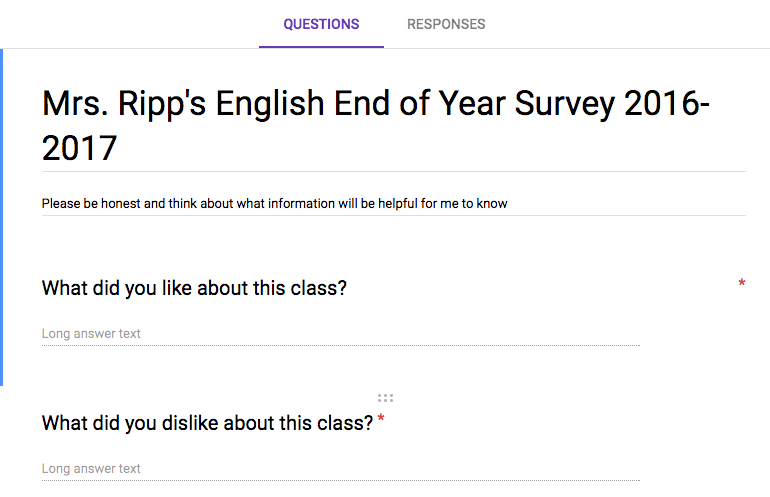
And what do I ask?  What I need to know; was this a good class for them, did I give enough help, what did they like or dislike?  Was I fair, did I get to know them enough?  How do they feel about reading, what do I need to change?  Anything I can think of that will help me grow, and not just the easy questions either, if a child did not like this class or felt disrespected then I need to know so I can change.

Mrs. Ripp's English End of Year Survey 2016-2017 - Google Forms.clipular.png

So I hope you take the time to ask your students as well as the year ends and then use those truths to change the way you teach.  Once again, we have the best professional development sitting right in our own classrooms, so don’t miss out on this opportunity to learn about what worked, what was ok, and what definitely needs to change.  I have given it both as a paper survey and an electronic one, this year I decided for a Google form.  To see what I asked, go here.

If you like what you read here, consider reading any of my books; the newest called Reimagining Literacy Through Global Collaboration, a how-to guide for those who would like to infuse global collaboration into their curriculum, was just released.  I am currently working on a new literacy book, called Passionate Readers and it will be published in the summer of 2017 by Routledge.If you are looking for solutions and ideas for how to re-engage all of your students consider reading my very first book  Passionate Learners – How to Engage and Empower Your Students.      Also, if you are wondering where I will be in the coming year or would like to have me speak, please see this page.
being a teacher, being me, Student, Student dreams, student voice

They Taught Me

I have taught children from the ages of nine to fourteen for the last nine and a half years.  I think I have taught them a few things, I hope I have, and if the comments I get from kids after they leave our classroom is any indication, then some of the things we dreamt up together did make a difference to them.

Yet, teaching was never about me.  This journey we are on every day, every year, was never about the adult in the room, but rather those kids that come every day.  Not always because they want to but because for some reason the universe has decided that we will be on this journey together.

So as another year winds down.  So as the calendar tells me only eight more days.  So as I finish my third year as a 7th-grade teacher, I cannot help but think of all the things my students have taught me this year.  Those things I don’t ever want to forget.

They taught me that being human would always trump being a teacher.

That a single story never has to define who we are, even if others refuse to believe otherwise.

That hugs can go a long way, even when said hug is to a child that towers over you.

That sometimes truths are not easy to share, nor easy to hear, and yet they can change everything.

That having faith in every child, not just the easy ones, will always take you further, even if it so hard.

They have taught me that I never know the full story and can only be grateful for the pieces that I get to know.

That choice in some way, even if tiny, will always lead to more engagement.

That I need to love first, teach second, thank you, Jed, for reminding me.

That sometimes kids don’t know how big of an effect they have on us even if we swear they set out to push ever single button they could find.

That the best part of my day will always be them, getting to teach them, getting to learn from them.

That sometimes teaching simply is preserving hope, more than anything else.

They have taught me that even when you want to shut your door, you should leave it open as you don’t know what you might miss.

That if we want real connections then we have to be real to begin with.

That even if something has worked in the past, there is no guarantee in the future.

That sometimes we don’t make much of a difference, even if we tried with every piece of us, and all we can hope is that we did not do further damage and that they knew we tried.

They have taught me that we are not perfect, that we can plan, and dream, and scaffold, and support, and yet still come up short.  That we are humans in the truest sense of the word and we are therefore inherently flawed, and yet, that should never stop us from trying to become better.

But the biggest thing, I was taught this year?

That I choose the narrative of how the year will be for me.  That I choose the way the story is told in our classroom.  That I choose whether this was a good year or a bad.

And that lesson was the lesson I needed the most.  I will miss this group of kids.

If you like what you read here, consider reading any of my books; the newest called Reimagining Literacy Through Global Collaboration, a how-to guide for those who would like to infuse global collaboration into their curriculum, was just released.  I am currently working on a new literacy book, called Passionate Readers and it will be published in the summer of 2017 by Routledge.If you are looking for solutions and ideas for how to re-engage all of your students consider reading my very first book  Passionate Learners – How to Engage and Empower Your Students.      Also, if you are wondering where I will be in the coming year or would like to have me speak, please see this page.
being a teacher, books, picture books, Reading

Some Favorite New Picture Books 2017 Part 2


We live a rich life of picture books.  Surrounded by stacks of amazing text that makes us wonder, that makes us laugh, and that makes us ponder our even stories; Picture books are one of the most important components of our reading lives both at home and at school.  And while I have read countless picture books since my last favorite post, there are some in particular that just keep circulating in my head.  Here they are to inspire reading and sharing for you.

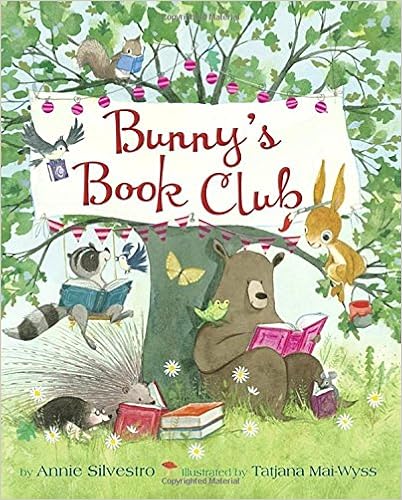
Bunny’s Book Club by Annie Silvestro (Author), Tatjana Mai-Wyss (Illustrator).  I had this book book-talked to me and immediately placed it on my wish list.  Yes please to a bunny that sneaks into the library through the return slot because he needs his books.  Then Annie Silvestro contacted me and asked if I would like a copy of it, of course!  I was not disappointed.  What a great picture book to discuss the importance of library, to talk about book clubs and just to love reading.
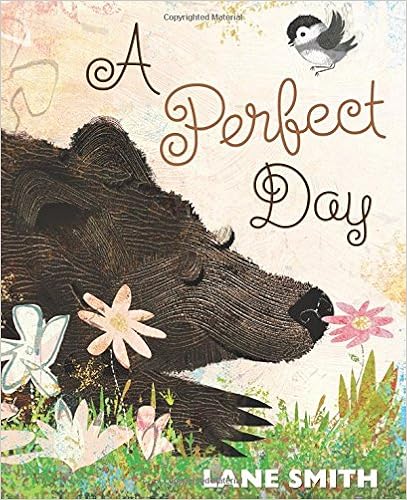
A Perfect Day by Lane Smith is a great picture book to talk about perspective.  While almost all of the animals show how their day was ruined by the bear, the bear at the end shows us how his day was the most perfect day.  
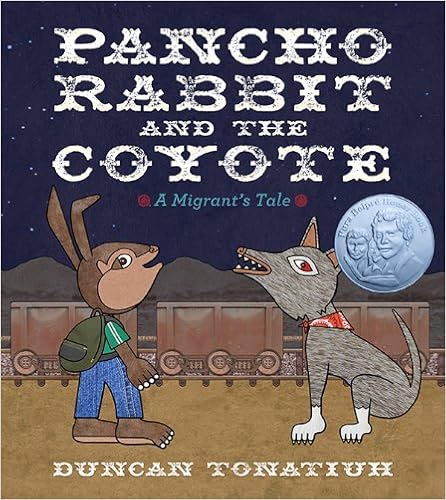
Pancho Rabbit and the Coyote: A Migrant’s Tale by Duncan Tonatiuh came out a few years ago but has just made it into our library thanks to a grant I received.  This allegorical picture book is a must add for starting discussions about illegal border crossing and why anyone would risk everything to reach a better life.
Ame Dyckman continues to amaze me with her creativity.  This picture book made us laugh out loud since my own kids really do want a unicorn.  Be careful what you wish for.

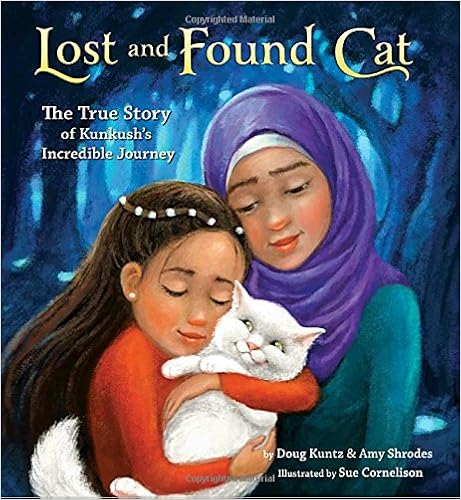
The true story of a cat lost and then reunited tells the larger story of a family who had to flee the dangers of Iraq becoming one of the many thousands of refugee families traveling toward safety around the world.

 
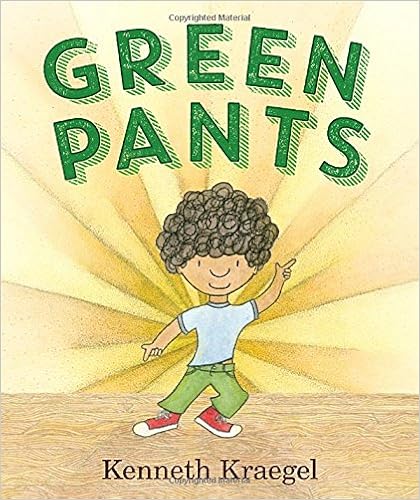
Who cannot relate to just wanting to be yourself rather than being asked to change for others?
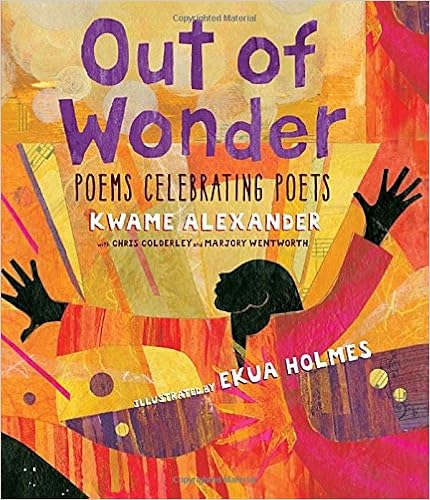
Kwame Alexander can do no wrong in our classroom.  I am therefore very grateful that he spearheaded this beautiful poetry collection as a way to get more students to discover poetry.  Remarkable and beautiful.
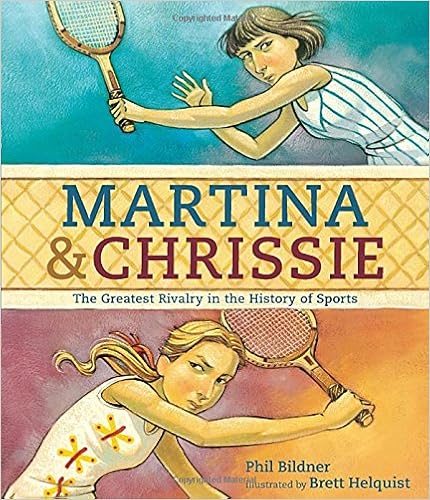
Several of Phil Bildner’s picture books are well-loved in our classroom, but he has outdone himself in his latest.  I am so grateful for a sports picture book that not only features friendship, hard work, but also two females.  There simply are not enough books out there featuring females in sports.
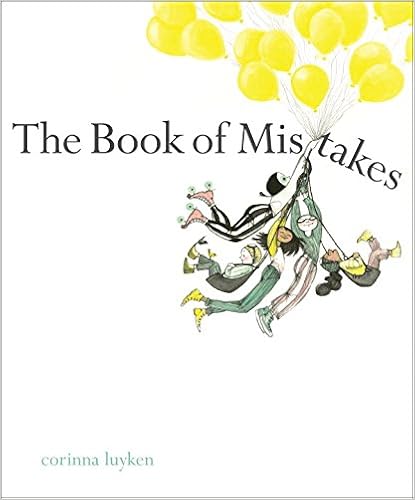
How to turn mistakes into masterpieces is the message of this picture book and what a wonderful message it is.
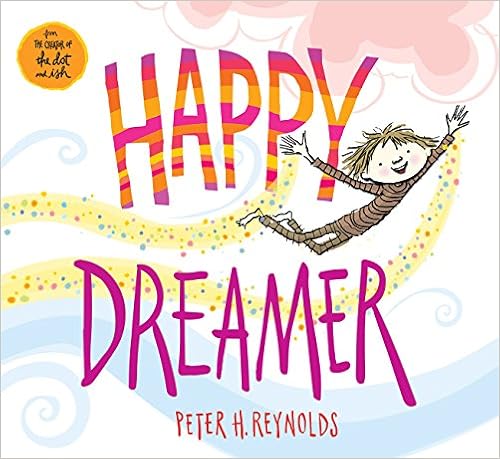
Can Peter Reynolds do no wrong?  As the mother of a happy dreamer, I got teary eyed reading this book.  How many of our kids need to hear their own amazing, sometimes overfilled brains, portrayed as something amazing and wonderful instead of something to be fixed?
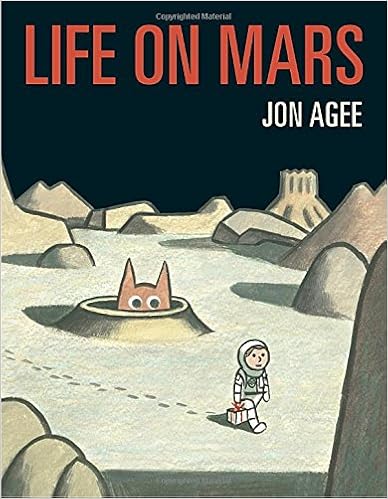
What a great picture book to talk about what happens when we don’t pay attention to the world around us.
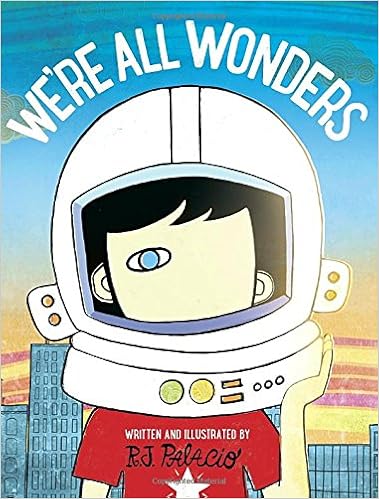
This picture book version of the book Wonder is on heavy rotation in our classroom,  And how can it not be?  The message of kindness, empathy and seeing others for everything they are is one we all need to be reminded of now and again.
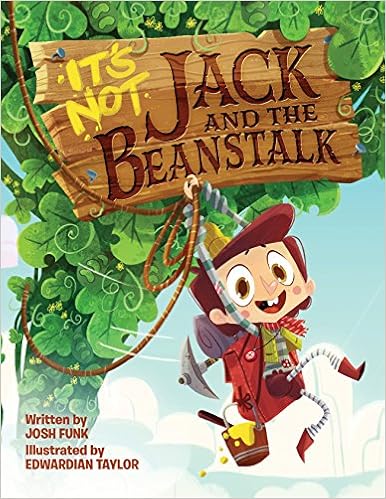
I am a major fan of all of Josh Funk’s picture books but I think he may have outdone himself in this book.  While it is only available for pre-order right now, I have read an F&G aloud to my 7th graders and every single time they laugh.  I love how I can use this picture book as a way to discuss narrative technique as well.
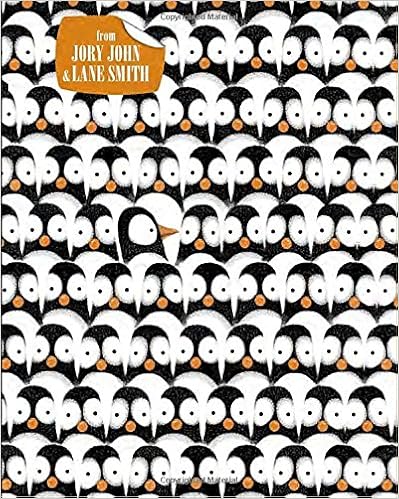
A picture book about a whiny penguin?  Yes, please.  I also love how there is what we think is an Aha moment in it and then the penguin reverts right back to its old ways.  So fun to read and share.
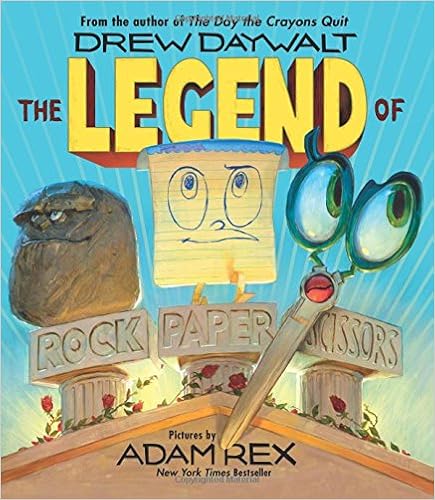
Ever wonder why we play Rock, Paper, Scissors?  Look no further than this picture book for the hilarious made up back story behind the game.
Great picture book to use for teaching theme and also for sharing about our own fears, as well as how we can overcome them.
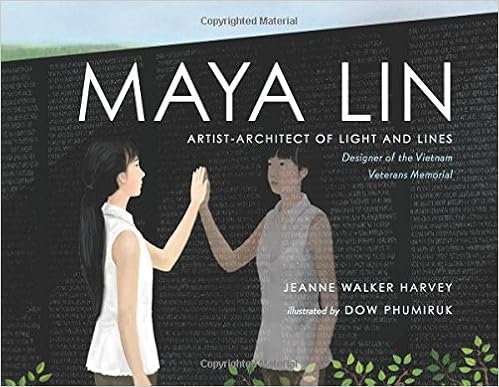
I love that this picture book shares the story of an extraordinary female architect and how she found her inspiration.  Too often our students are not exposed to stories like this.
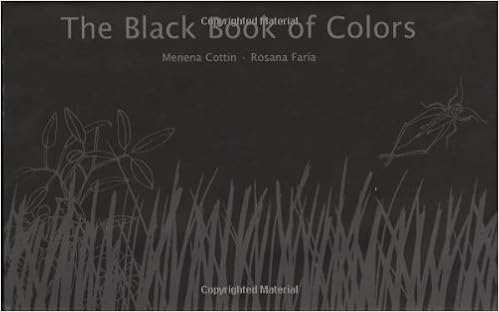
I just discovered this book although it came out in 2008 and I am obsessed with having others include it in their library.  How do you describe the color of the rainbow to someone who cannot see it?  This picture book all in black and silver with raised images, text and Braille does just that.
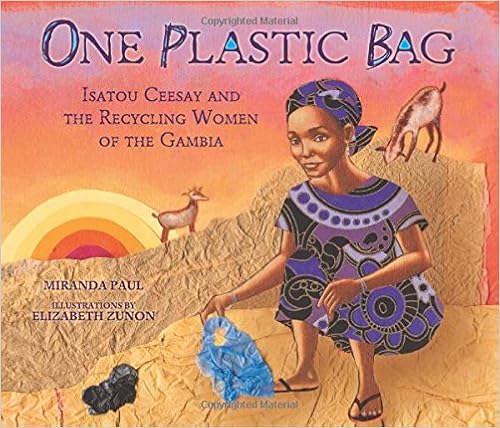
A remarkable picture book that tells the tale of  Isatou Ceesay and how she envisioned a creative solution to the plastic that was burying her village.
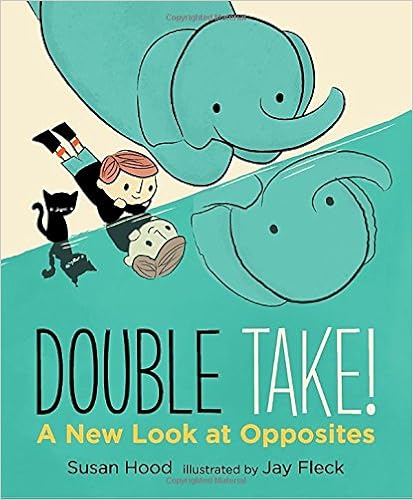
Susan Hood continues to amaze me.  Again, a great picture book to discuss perspective and how everything is relative to each other.  So if you think you know opposites, think again.
There you have it, another batch of incredible picture books waiting for us to read and share them.  If you would like to stay up to date on recommendations, follow me on Instagram where I do just that.
If you are wondering what other books we love in room 235D, please go here.
being a teacher, books, picture books, Reading, Social Justice

85 Picture Books or Graphic Novels that Support Social Justice Teaching

A few weeks ago I was informed that I had been awarded a $1,000 impact grant from the EdCamp Foundation.  If you are not aware of this incredible grant opportunity, hurry over to their website and find out more, they are truly trying to help all educators reach their dreams!  While my heart nearly leaped out of my chest at the incredible news, I was not just thrilled because of the money, but because of the purpose of the grant; to get more picture books and graphic novels focusing on social justice issues into the hands of our students.  I have, therefore, spent the last few weeks researching which books to purchase and with the help of many incredible colleagues and resources shared, tonight I submitted my wish list with 85 titles on it.  I gladly shared the news on Twitter and then was asked to share it on here.

So what was my emphasis for this grant?  To broaden my students’ understanding of the world and to help them become more informed citizens.  We already incorporate lots of picture books, to see some of our favorites go here, and my students love graphic novels so it was a natural fit to focus on these two formats as a way to increase conversation, understanding, and also empathy.  While I know this list really only scratches the surface, it is a further commitment to the titles we already have, and so combining these books with all of the chapter books, picture books, and graphic novels we already have can only bolster the journey that our students are on; to become better human beings who understand the world more fully.

What does this list have?

An emphasis on #OwnVoices authors

An emphasis on typically marginalized populations

An emphasis on historical knowledge from a non-dominant narrative lens

And an emphasis on traditional roles being lived in non-traditional ways

I really tried to only purchase literature that has been vetted by others for authenticity, quality, and also non-harmful portrayal, however, I have not read all of these books myself yet, so if you see one that slipped through, please let me know.  Instead of doing the typical post here with all of the titles, I decided to instead just link to the list itself.  So here you are:  My list of 85 titles to promote a more empathetic world