being a teacher, Literacy, picture books, Reading

My Favorite Picture Books of 2016

I thought I wouldn’t be able to pick all of my favorite picture books from 2016, and then I realized that I do not need to.  I can write this post as a way to pay homage to the picture books that started conversations, that taught us to think, to question.  That made us laugh out loud, that made us cry.  This post is therefore not the best picture books of the year necessarily, they are the ones I loved.  The ones I remember as I sit at home fighting off the flu.  I can guarantee you that when my head clears and I am back in our classroom, I will add more to the list because inevitably some will get left off.  While most of these were published in 2016, some were not, some were simply discovered by me finally.  Also, to save my own sanity at the length of the post, I will only write one sentence about each book. I encourage you to read them, to buy them, to praise them, to read them in your classroom and to advocate for the use of picture books with all ages.

So in no particular order, which books am I so grateful to have discovered in 2016?

Be A Friend by Salina Yoon

Friendship. Loneliness. Beautiful.

A Piece of Home written by Jeri Watts and illustrated by Hyewon Yum

Fitting in. Feeling lost.  Appreciate differences.

To the Stars!  The First American Woman to Walk in Space by Carmella Van Vleet and Dr. Kathy Sullivan, illustrated by Nicole Wong.

Inspiration. Wonder. Empowerment.

Jazz Day:  The Making of a Famous Photograph by Roxanne Orgill and illustrated by Francis Vallejo

In-depth.  Eye-opening.  Mesmerizing.


 Ida, Always by Caron Lewis and Charles Santoso.

Tears. Death. Beauty.


The Night Gardener by the Fan Brothers

Magical. Hopeful.  Enchanting.


The Heart and the Bottle by Oliver Jeffers

Deep. Thoughtful.  Love.


The Wildest Race Ever:  The Story of the 1904 Olympic Marathon by Megan McCarthy

Unbelievable. True. Informational.


The Quickest Kid in Clarksville written by Pat Zietlow Miller illustrated by Frank Morrison

Dreams. Perseverance. Equality.


Solving the Puzzle Under the Sea by Robert Burleigh and illustrated by Raul Colon

How did I not know about this before?


Snappsy the Alligator (Did Not Ask to Be In This Book) written by Julie Falatko and illustrated by Tim Miller

Funny. Creative. Inventive.


 Dance! Dance! Underpants! by Bob Shea

Laugh out loud funny. Must be acted out.
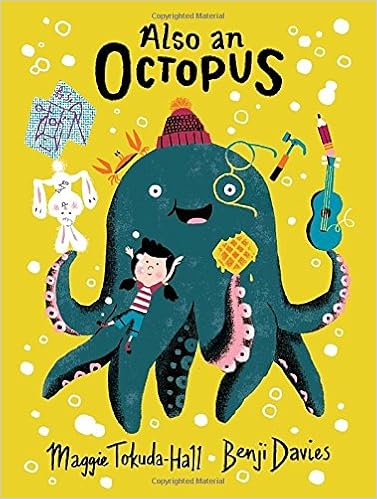
 

Also an Octopus by Maggie Tokuda-Hall and illustrated by Benji Davis

Story craft. Inventive. Funny.
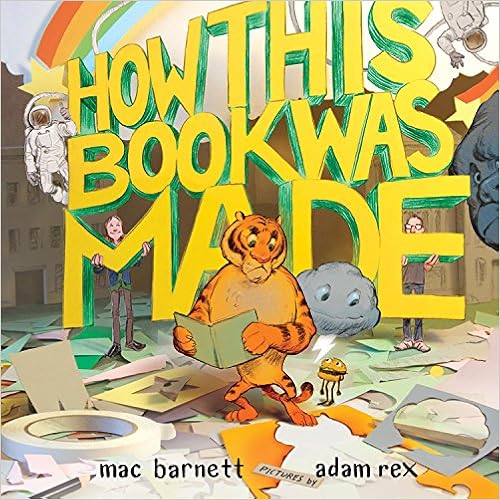
How This Book Was Made written by Mac Barnett and illustrated by Adam Rex

Story craft.  Collaboration. Hi jinx.
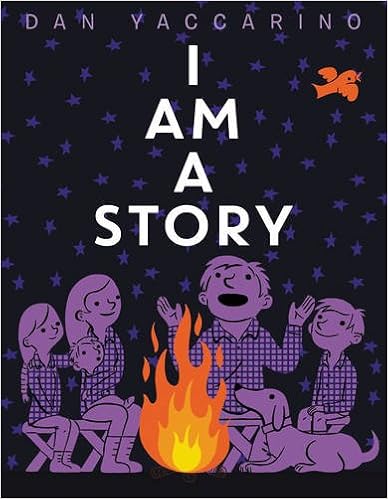
I Am A Story by Dan Yaccarino

Thought provoking.  Imaginative.

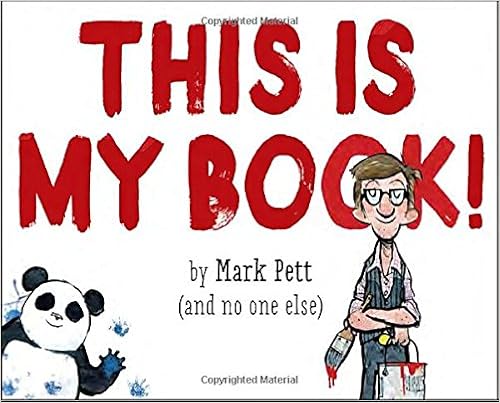
This Is My Book! by Mark Pett (and no one else)

Creative. Funny. Writer’s craft.
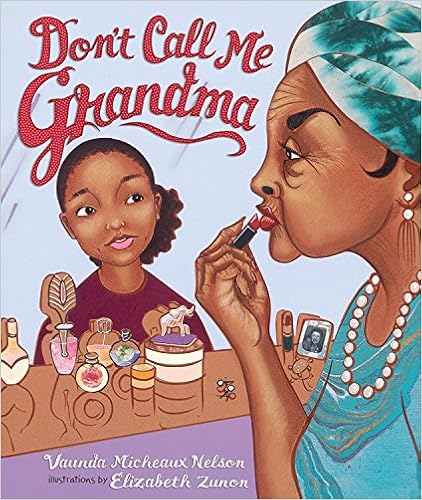


Don’t Call Me Grandma written by Vaunda Micheaux Nelson and illustrated by Elizabeth Zunon

Fierce. Unapologetic. Thought provoking.
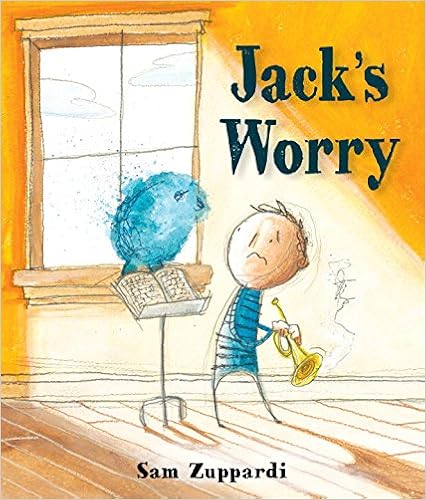


Jack’s Worry from Sam Zuppardi.

Discussion starter.  Community builder.
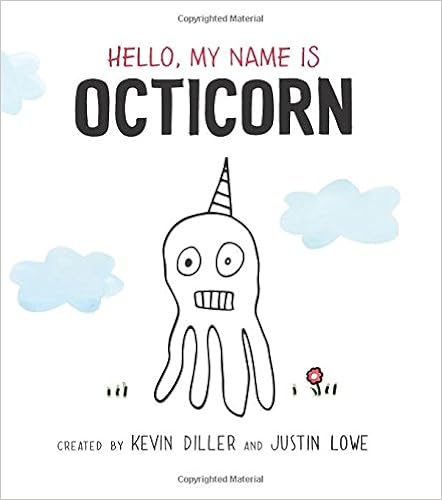


Hello, My Name is Octicorn created by Kevin Diller and Justin Love

Celebrating differences.
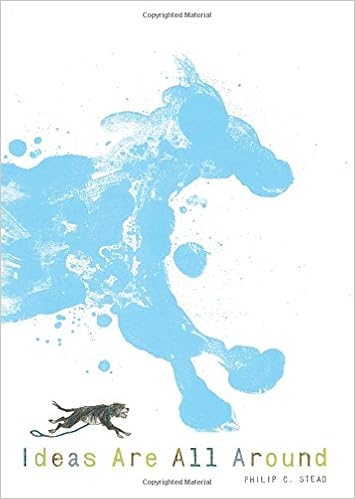


 Ideas Are All Around by Philip C. Stead.

Creativity boosting.  Writing process. Storytelling.
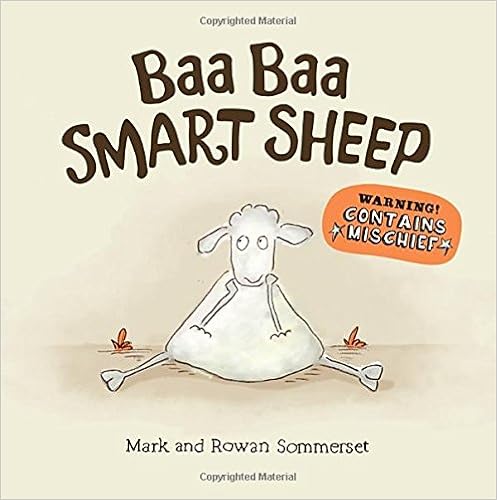


Baa Baa Smart Sheep by Mark and Rowan Sommerset

Funny. Naughty.  Great read aloud.
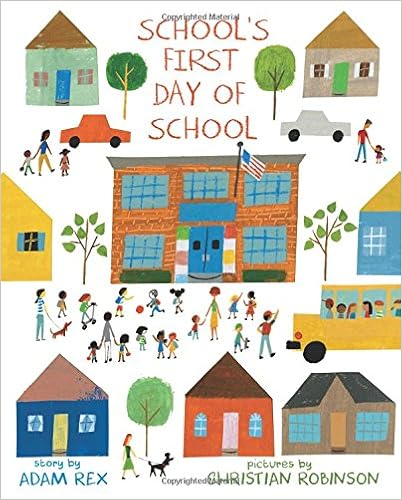


School’s First Day of School written by Adam Rex and illustrated by Christian Robinson 

Meant to be read aloud.  Mentor text.
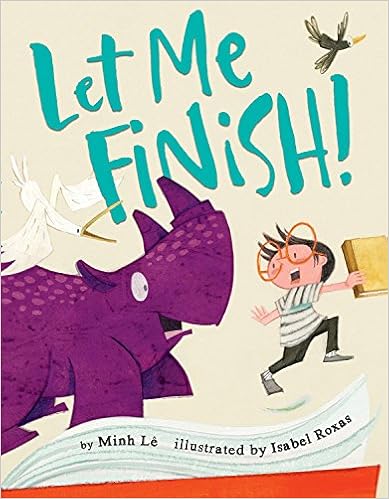


Let Me Finish written by Minh Le and illustrated by Isabel Roxas.

Makes me want to read more.
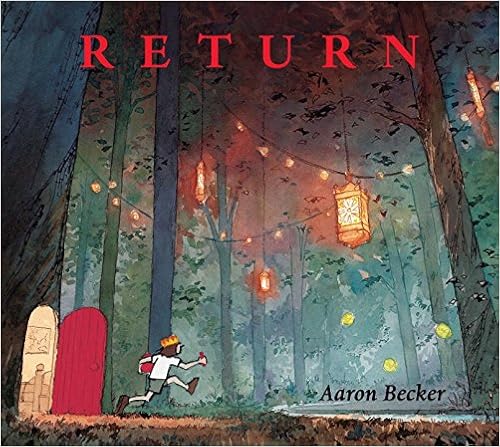


Return by Aaron Becker

Inventive.  Masterful conclusion.  Dreamers.


Explorers of the Wild by Cale Atkinson.

Bridging differences. Adventure.  Appreciation.
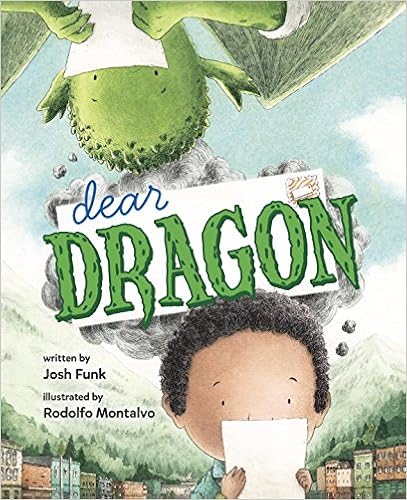


Dear Dragon by Josh Funk and illustrated by Rodolfo Montalvo.

Finding commonality.  Social justice.  Funny.
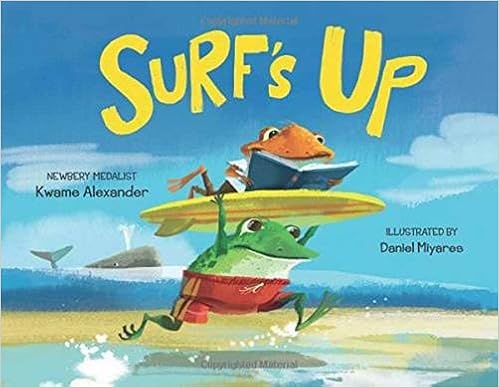


Surf’s Up illustrated by Daniel Miyares

Just let me read.
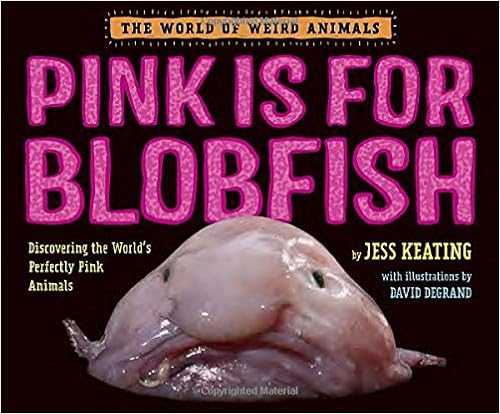


Pink is for Blobfish written by Jess Keating and illustrated by David Degrand.

Another book, please?!  Knowledgable.  Crowd favorite.
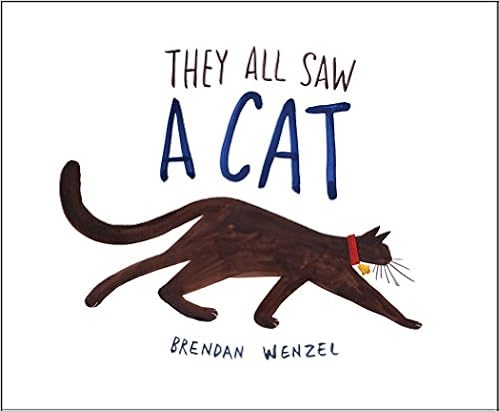
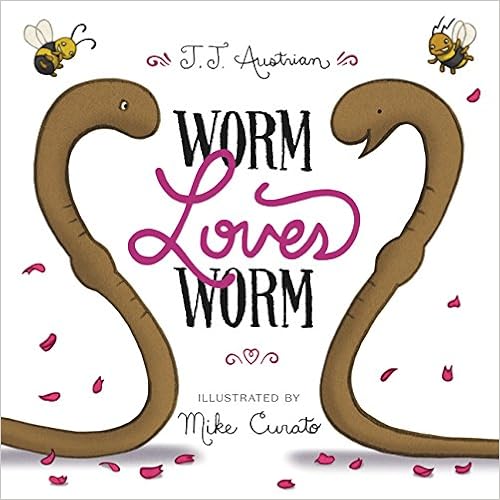
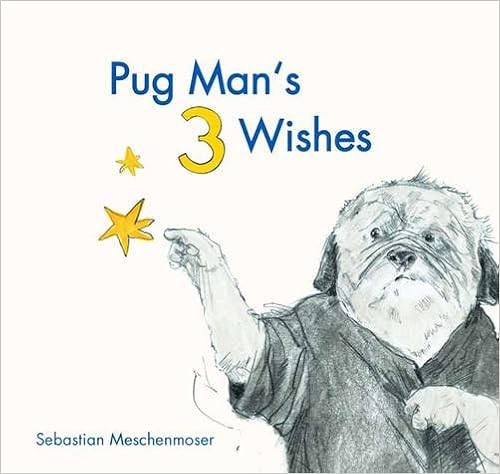
Inventive.  Perspective. Thought-provoking.
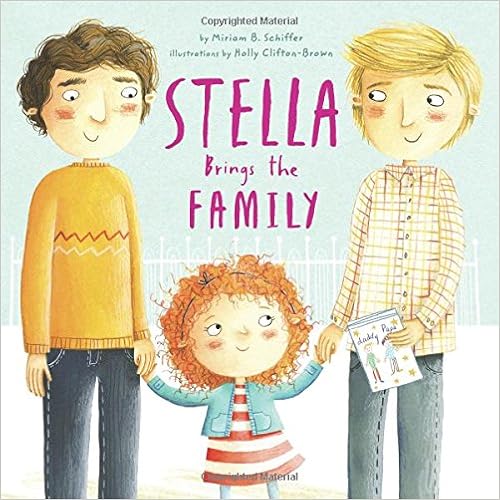
Love is love is love is love is love.


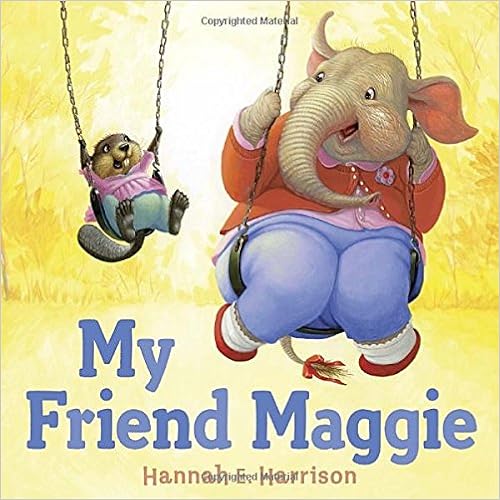
My Friend Maggie by Hannah E. Harrison.

Friendship. Perspective. Loyalty.
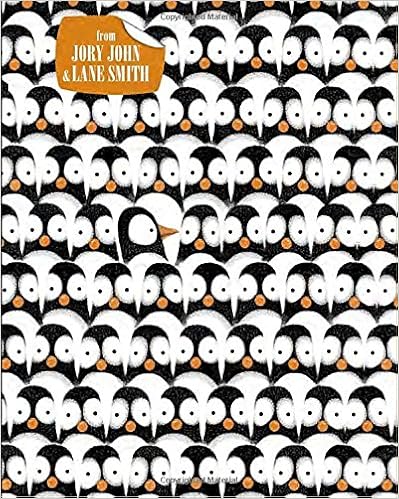


Penguin Problems by Jory John and Lane Smith

Gratitude. Fitting in.  Perspective.
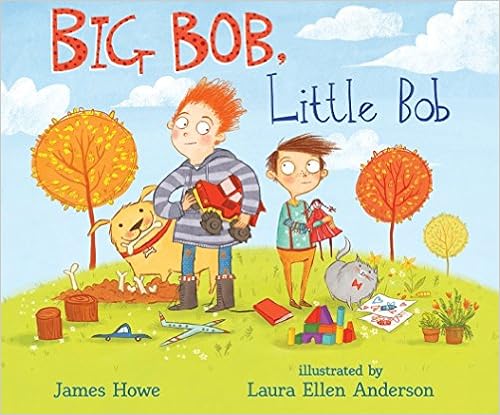


Big Bob, Little Bob by James Howe and Laura Ellen Anderson

Finding common ground.  Social justice.
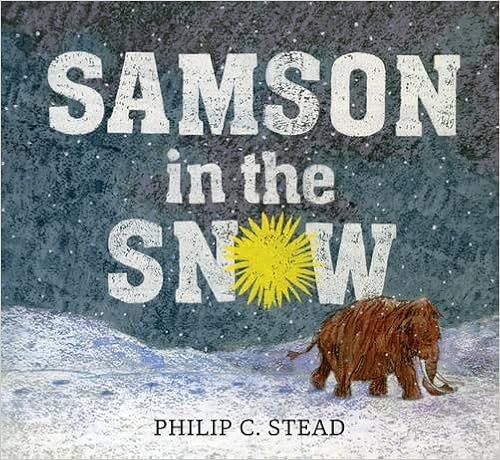


Samson in the Snow by Phillip C. Stead

Heart-attacher.  Caring for others.
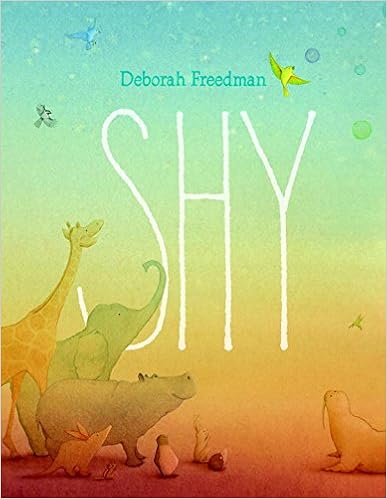


Shy by Deborah Freedman

Gorgeous. Empowering.  Tender.


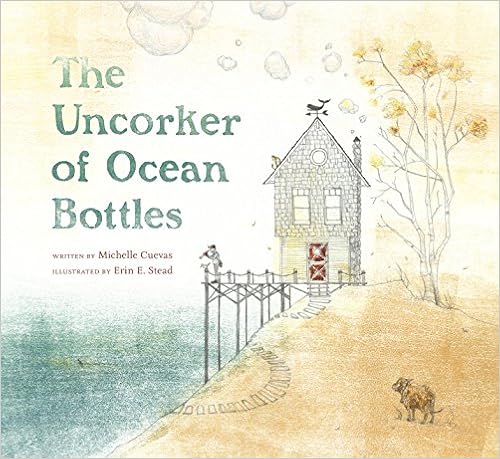
The Uncorker of Ocean Bottles by Michelle Cuevas and Erin E. Stead

Humanity. Loneliness. Connections.
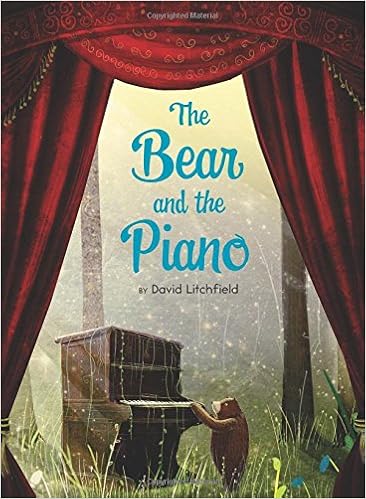


The Bear and the Piano by David Lichtfield

Chasing dreams. Loneliness. Finding home.
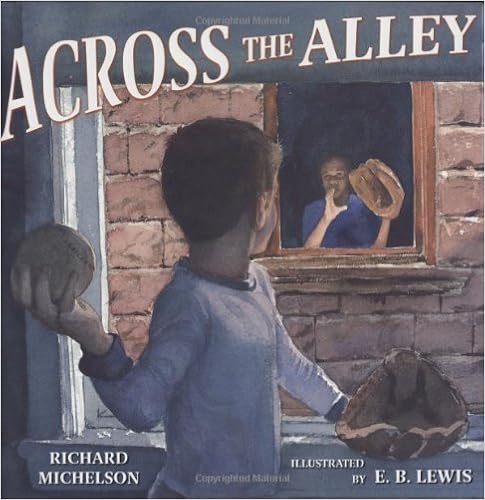
Finding commonalities.  Seeing good. Social justice.
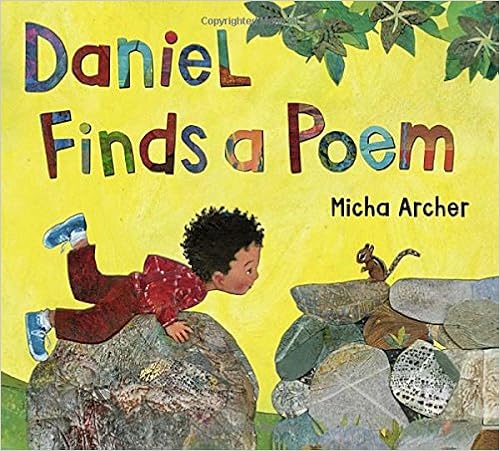
 

Poetry comes alive.

61oel-5aafl-_sy498_bo1204203200_


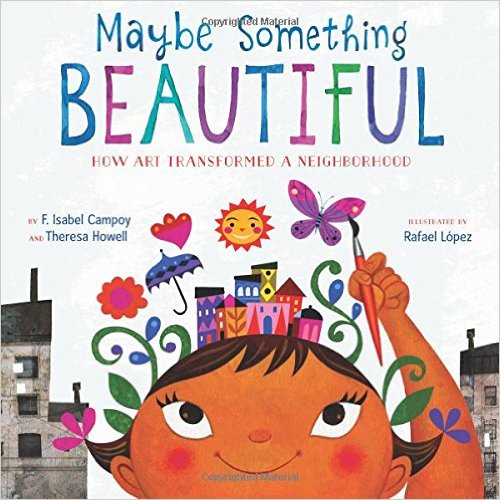
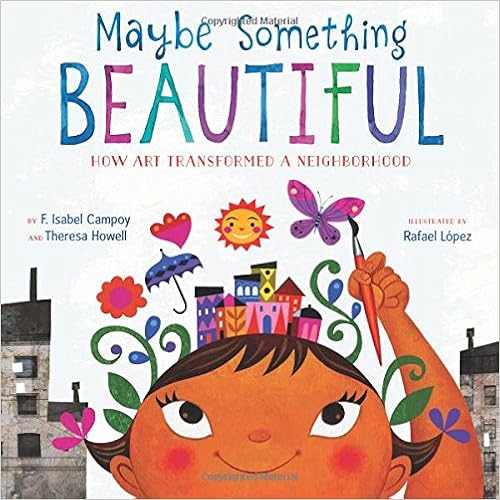
Maybe Something Beautiful written by F. Isabell Campoy and Theresa Howeel and illustrated by Rafael Lopez

Inspiring. Dreamy. Do something.
61nvrg0xzol-_sx410_bo1204203200_


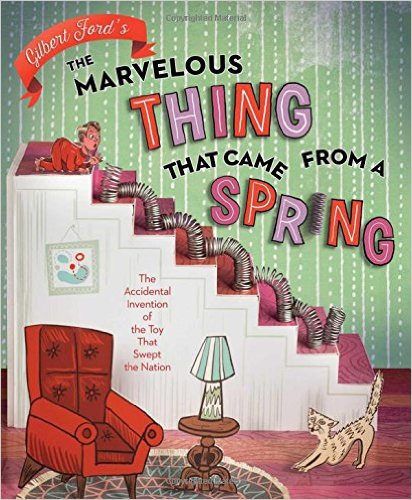
Gilbert Ford’s The Marvelous Thing That Came From a Spring

Informational. Inventive. Inspiring.
61y6jpnp7ml-_sx384_bo1204203200_


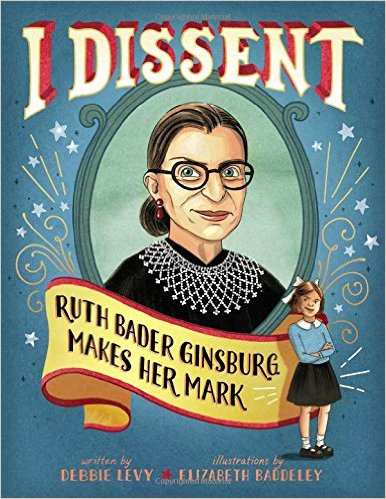
I Dissent: Ruth Bader Ginsberg Makes Her Mark written by Debbie Levy and illustrated by Elizabeth Baddeley

Power. Empowering. Speak up.
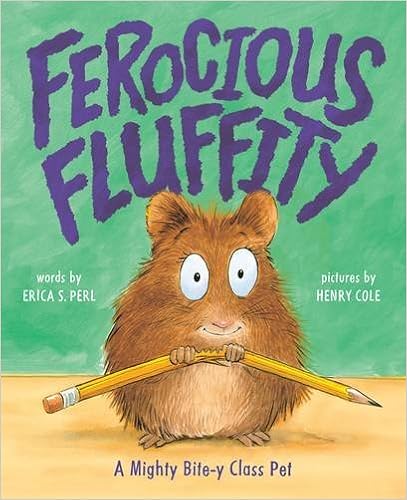


Ferocious Fluffity written by Erica S. Perl and illustrated by Henry Cole

Surprising. Hilarious.  Sequel, please.
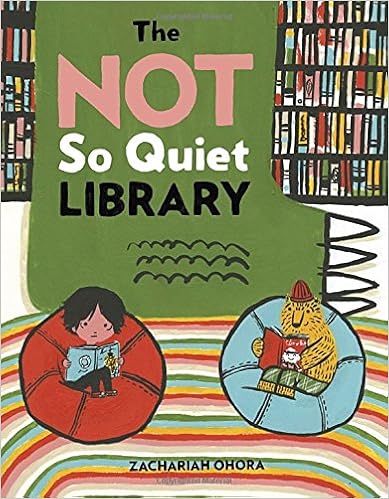


 The Not So Quiet Library by Zachariah Ohora

Monsters in the library.  Imagination.  Read another time, please.
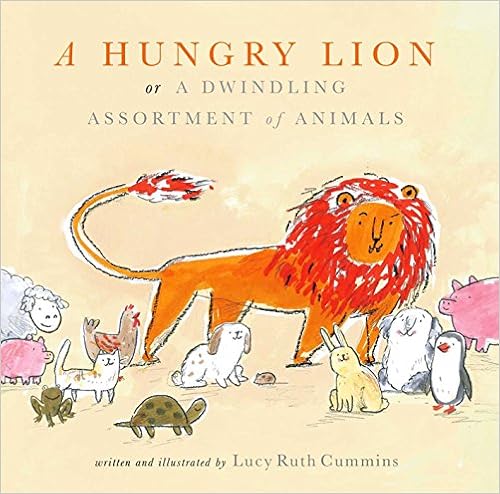


A Hungry Lion or A Dwindling Assortment of Animals by Lucy Ruth Cummins

Read it again.  Surprise.  Shock.
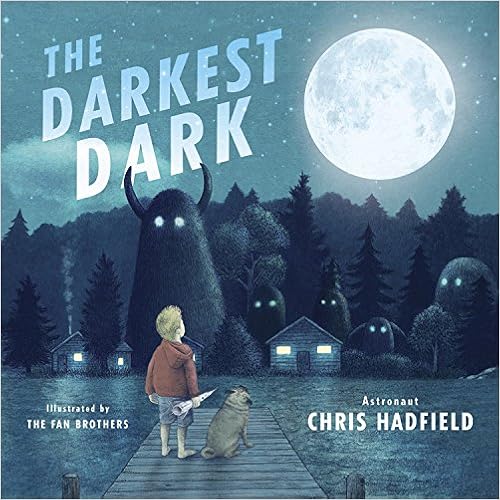
Just one single promise, please.
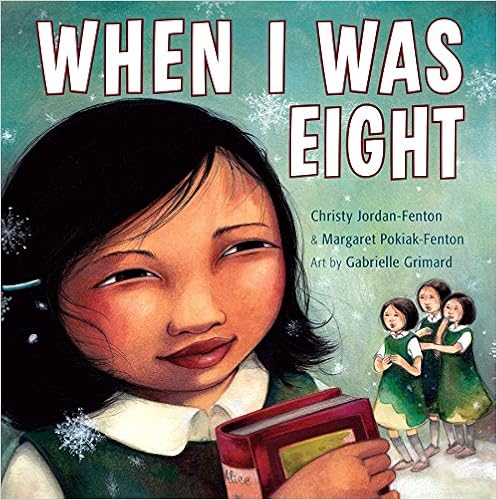
You can feel the love with every word. Social justice.
How something was salvaged from the horror of 9/11 and made into something powerful.
How do we cope with the changing minds of our grandparents?
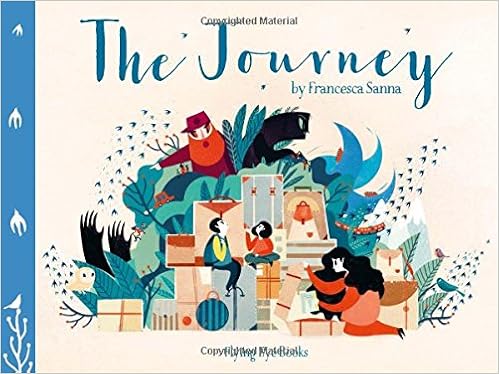
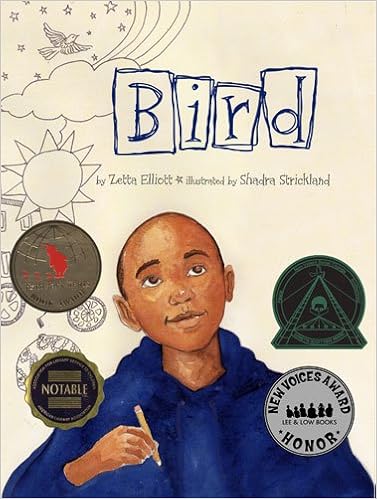
Aresting visuals.  Heartbreak and creativity.
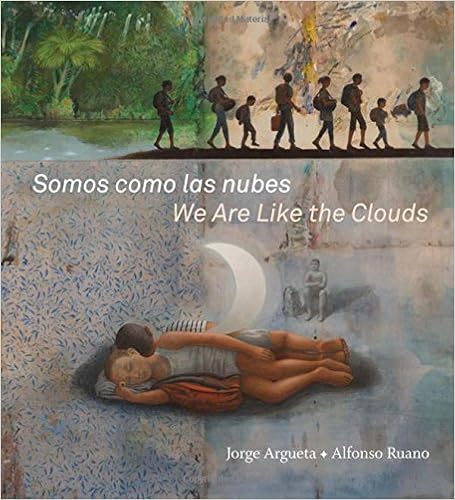
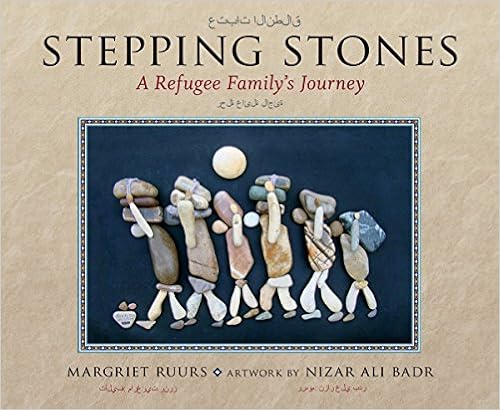
 May we never forget our own humanity when helping refugees.
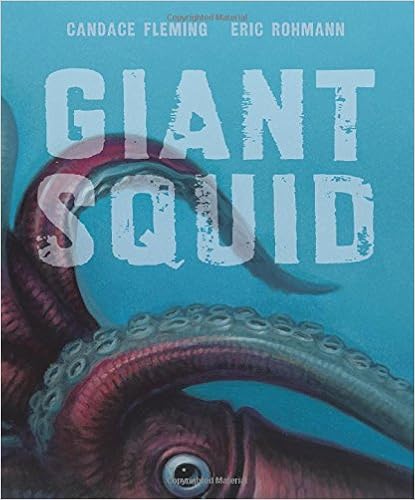
Who knew learning about octopus could be so beautiful?
I know I left some off because I am writing this from home.  However, this is a start, this is a way to say thank you to all of the books and those who create them that made this year even better.
Be the change, being a teacher, books, global, Literacy

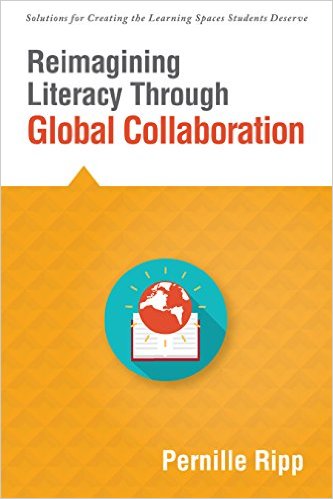
Reimagining Literacy Through Global Collaboration

Since 2010, my students and I have been bringing the world in.  We have asked others to be our teachers, whether authors, experts, children.  We have asked others to share more of their world with us so that we could make more sense of our own.  We have created, we have become experts.  We have made the world smaller by becoming a moving piece of the world, and we have grown.  In our literacy collaborations and creations, we have become authors, poets, performers, and teachers.  We have become more than what we started as.

So when I was asked what I would propose to make school different, the answer came quickly; besides empowering students, I feel an urgent need to infuse global collaboration throughout our literacy instruction (or any subject matter for that sake).  That in a world that seems so divided at times, where we seem to be hellbent on finding each others differences and using them to distance ourselves, we need to actually know our similarities.  We need to bring the world in to make the world smaller, kinder, more empathetic.  Have students create so that they can become the person they envision rather than just pretend.

I have written this book three times over.  Starting over every single time because it was not good enough.  Within the span of sixty pages I get to plead my case for why doing global collaboration is an urgent endeavor.  For why it is easier than you think to bring the world in.  For why it should be at the top of our lists when we plan our literacy instruction. And the how.  How can you do it, what are ideas, what does it look like.  By opening up my own classroom practices, as well as other educators, I hope to inspire those that need ideas or a boost to jump in.   To create another consideration as we plan our school year and our learning adventures.  And now, it is ready for the world.  My newest book Reimagining Literacy Through Global Collaboration is out for pre-order with a birthdate of January 20th, 2017.  I cannot believe it is almost here.

cover

I hope you find it useful, that is truly my biggest dream for this book.  That you will learn something, that it will inspire you to try and to change in ways that are meaningful to you.  It may have been a long process to write this book, sometimes that is how it goes, but the words are genuine.  We need to create classrooms where students learn with others, for others, and through others.  And our literacy instruction time gives us the perfect conduit for just that.  Welcome to the world.

To see the book on Amazon, go here.To see the book on Amazon, go here.To see the book on Amazon, go here.

I am currently working on a new literacy book.  While the task is daunting and intimidating, it is incredible to once again get to share the phenomenal words of my students as they push me to be a better teacher.  The book, which I am still writing, is tentatively Passionate Readers and will be published in the summer of 2017 by Routledge.  So until then if you like what you read here, consider reading my book Passionate Learners – How to Engage and Empower Your Students.  Also, if you are wondering where I will be in the coming year or would like to have me speak, please see this page.


Be the change, being a teacher, books, Literacy, picture books, Reading, Reading Identity

If Not Us, Then Who?

http-www-pixteller-com-pdata-t-l-541830

When I was 17 years old, my history teacher pulled me aside and told me tone it down.  “It” being my opinion in case it intimidated others.  “It” being speaking my mind because sometimes I would come across so forceful that others did not want to engage.  So I stopped speaking in his class.  I stopped jumping in, afraid that I was going to rock the boat or upset the other students.  I knew I had opinions, but I didn’t want to be known as someone who did not make room for others.

A long time ago I decided that staying quiet would not get me anywhere.  That hoping that someone would understand what I needed without me actually speaking up was a delusion.  That I could no longer wait until someone spoke the words that burned within me so I could quote them and pretend I hadn’t thought the exact same thing.  I started writing, speaking, and teaching as the whole me, rather than the 17 year old girl who had been told to tone it down.  It has been quite a journey since then.

As educators we speak up all of the time.  We speak up for ourselves when changes need to be made in our schools.  We speak up for our students when they need us to advocate.  We speak up for our own needs and hopefully for the needs of our students.  We speak up when we see injustices that need to be righted, when our teacher stares are not enough.

So I think it is time for us to speak up and let our voices be heard because when I look at my classroom library, when I really study the books I am able to put in the hands of my students, I cannot help but wonder; where are the books from non-white authors?  Where are the picture books that center around kids that are going about their every day life that look like some of my students?  Where are the holiday books, the birthday books, the first day of school books, the books that share small slices of life that have characters that are not white?

While I buy the ones that I know of thanks to blogs like Reading While White, We Need Diverse Books, and the Nerdy Book Club, I am constantly reminded of how few there are out there for us to purchase.    When I receive a package of books I am constantly reminded of how often the kids in the books look just like my own kids in all of their whiteness.  How my kids must take it for granted that, of course, the books they read have people in them that look like them.  That I do not have to scour the internet to find books that remind them of themselves because those are the majority of books out there.   That in book upon book being white as a character is the standard not the exception.

We need diverse books.  We need own voices books.  We need more than what is out there and so we need to raise our voices.  There will be no change if we do not say loudly; “This is not enough.  This is not ok.”

So as educators we can speak up.  We can reach out and demand better.  We can spend our precious budgets on books that do not just offer up more white narratives, but actually mirror the diversity that we are surrounded by.  We can tell publishers that we need books that show all of the kids we teach.  We need books about Native American written by Native American, or other #OwnVoices authors.  We need books that go beyond the standard stories being shared so that when all of my students open up a book they can find a character that looks like them.  Or when my own white children read a book, they will see a character that does not look like them and understand that that too is the norm.

For too many years we have waited for publishers to notice the major gap that has been created, and while changes are under way, the process won’t speed up until we speak up.  So use your voice, use your connections, use your money to show the world that when we echo that “We need diverse books!” it is not just because it is a catchy phrase, but is the truth.

I am currently working on a new literacy book.  While the task is daunting and intimidating, it is incredible to once again get to share the phenomenal words of my students as they push me to be a better teacher.  The book, which I am still writing, is tentatively Passionate Readers and will be published in the summer of 2017 by Routledge.  So until then if you like what you read here, consider reading my book Passionate Learners – How to Engage and Empower Your Students.  Also, if you are wondering where I will be in the coming year or would like to have me speak, please see this page.

being a teacher, books, Literacy, picture books, Reading, Reading Identity

It Was Never for the Adults

http-www-pixteller-com-pdata-t-l-540912

On the very first day of book shopping this year, with the piles of brand new books waiting on the tables.  Sharpened pencils ready, to-be-read lists in hand.  Time set aside to meander.  Books displayed and discussed.  On the very first day of book shopping, two kids refused to even look.  One sat in a corner, hood up, eyes down.  Another child, more than an hour later, but this time at a table, arms crossed, no to-be-read list, no pencil, not even a word.

I approached both with caution, sometimes children who so actively refuse to even pick a book remind me of a wounded animal.  They are someone who clearly has not had a good experience with books.  Someone who must be treated with the gentlest of hands, because otherwise, it will just become another power struggle and one that I will never win.

As always, I asked quietly; What is wrong?  How may I help?  Then wait, hold my breath, and soon the refusal.  Soon the dismissal, “Leave me alone, I don’t like books, I don’t like reading.”  Whatever the words, the stories always so familiar.  The emotions raw, the conversation careful, and yet unexpected.  It happens every year.  So after a few gentle moments, I pull out my secret weapons; my graphic novels and my picture books.  I grab a pile of those perpetual favorites or some brand new ones, I place them in front of the child and I walk away.

It happens without fail, a few moments later, a page being turned, a book being read, the angry stance in the shoulders gradually fading away.  Books change minds.  The right books change lives.

Yet if I were to take the advice of some.  If I were to listen to the words of those who say they know better.  If I were to be a “real” teacher of English, those books would not have a place in my classroom.  No more Captain Underpants, Where Is My Hat, or Diary of a Wimpy Kid.  No more Tales from the Crypt, the graphic novelization.  No more rows of picture books waiting to be read and shared.  Those books that many of my students think they are too old to read.  Those books that some might think are not appropriate for a student to read.  Those books that some deem too easy, not enough, not real reading.  Those become the books that capture my hardest students.  Those become the portal that lead them back into believing that they too can be readers.  That reading can be for them.  That reading is something that matters.

So when I see a call for censorship, for teachers telling students what they exactly need to read.  When I see a call for parents to study our classroom libraries to make sure that the books we have are not inappropriate, too emotional, or lord forbid too fun.  When we are once again told that something that is too easy for our kids, not challenging enough, not enough of whatever the right thing is.  That is when I am reminded of who I serve.  That is when I am reminded of who my library is for.  Because it was never for the adults of those children I teach.  It was always for the kids.  And those kids need all of the great books we can hand them.

I am currently working on a new literacy book.  While the task is daunting and intimidating, it is incredible to once again get to share the phenomenal words of my students as they push me to be a better teacher.  The book, which I am still writing, is tentatively Passionate Readers and will be published in the summer of 2017 by Routledge.  So until then if you like what you read here, consider reading my book Passionate Learners – How to Engage and Empower Your Students.  Also, if you are wondering where I will be in the coming year or would like to have me speak, please see this page.

being a teacher, Literacy, picture books, Reading

My New Favorite Picture Books, September 2016

Oh September, with back to school excitement here in Wisconsin and seemingly so many new books to explore.  This has been a great month for picture books in our classroom as we started to build our reading community and discover how meaningful reading can really be.  Yesterday as I decided which new picture books to put on display, I realized that surely I must highlight a few of them to others, because I cannot be the only one obsessing over all of these picture books.

If you would like to see what else I am reading, follow me on Instagram, I highlight the best books that I read on my account.  Now is also the time I start to think about our Mock Caldecott unit, and some of these highlighted here are definitely on that list.

61oel-5aafl-_sy498_bo1204203200_

Maybe Something Beautiful written by F. Isabell Campoy and Theresa Howeel and illustrated by Rafael Lopez is well, beautiful.  The story of how a neighborhood was changed from adding art to the gray buildings is also one that is inspirational.  I love how this can inspire conversations about the small changes we can make that will have a great impact.

61nvrg0xzol-_sx410_bo1204203200_

I love informational picture books because of our epic non-fiction picture book project.  Gilbert Ford’s The Marvelous Thing That Came From a Spring is not just a great story, the illustrations are fantastic in it with their mixed media form.  This is a book I will use as an example of how you can write great informational text that reads like a story.

615dgyu4hml-_sy431_bo1204203200_

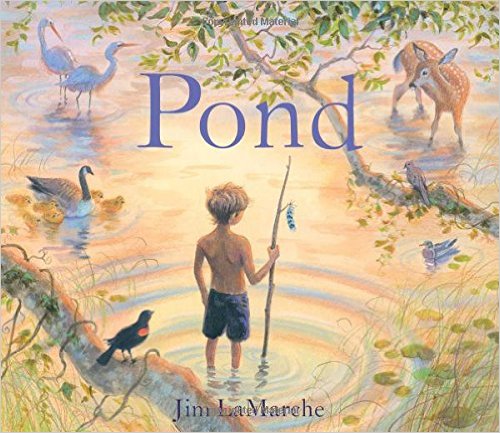
I am always on the look out for small moment picture books because they are such great teaching tools, in fact, soon an entire post will be dedicated to these picture books.  So Pond by Jim LaMarche is a welcome addition to our classroom as it follows Matt and his friends’ dedication to bringing the pond back to life.

61emcgtb2bdl-_sy498_bo1204203200_

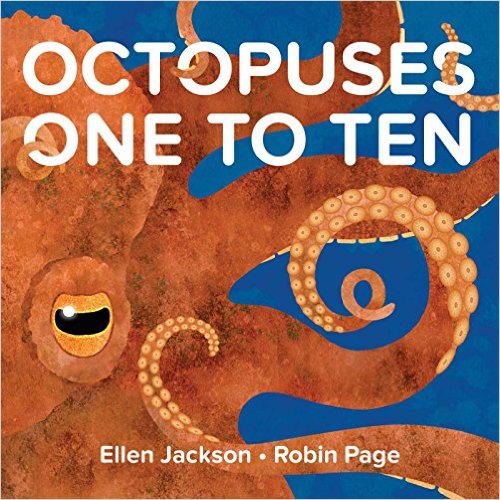
Another fascinating picture book for how to write great informational text is Octopuses One to Ten By Ellen Jackson and Robin Page.  You do not have to love octopuses to be in love with this book and how they weave fact upon fact into a counting book.

41lzmdufadl-_sx366_bo1204203200_

I know I am lucky that I have already received this book.  This is one of those books that we eagerly await and I am so excited to share it with my class.  Jon Klassen’s hat books are on numerous other lists on this blog and he does not disappoint with the final book in the trilogy We Found a Hat.  


61y6jpnp7ml-_sx384_bo1204203200_

I have loved Ruth Bader Ginsberg and her take on the Constitution for a few years but it was an absolute delight to find out more about her in the new picture book about her life.  In I Dissent: Ruth Bader Ginsberg Makes Her Mark written by Debbie Levy and illustrated by Elizabeth Baddeley we really get to understand why RBG is such an important part of our judicial and political history as a nation.

51ouya5gt8l-_sy457_bo1204203200_

Oh what can I say about this stunningly beautiful book?  The Uncorker of Ocean Bottles written by Michelle Cuevas and illustrated by Erin E. Stead is everything that I love about picture books; a moving story, beautiful illustrations, and a message that stays with you long after you have read it.

51wkgfohktl-_sy477_bo1204203200_

What happens when the Snurtch keeps ruining your day?  How many kids can relate to the picture book The Snurtch by Sean Ferrell and illustrated by Charles Santoso.  This is a great picture book to talk about figurative meaning as well.

61vshege6bl-_sy481_bo1204203200_

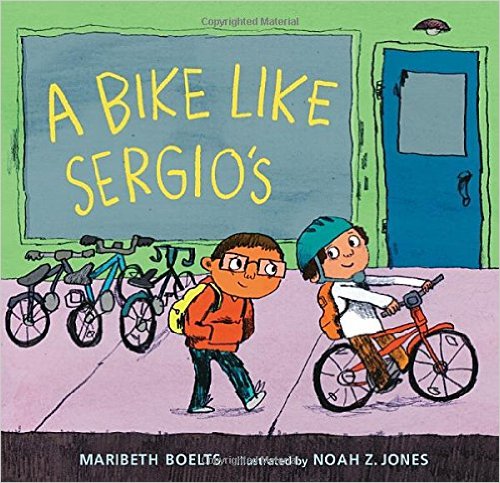
A Bike Like Sergio’s written by Maribeth Boelts and illustrated by Noah Z. Jones was a hit at our house.  So much so that we read it once and then my oldest asked me to read t again.  It is a book with a great message that can inspire conversation about how to do the right thing even when it seems like it would be better to not do the right thing.

Just a few new favorites.  I will also be updating my lists for Picture Books that Celebrate Books and Libraries, as well as the post Great Picture Books to Spark Imagination.

being a teacher, Literacy, Reading, Reading Identity

A Few Ideas For Better Book Shopping

As we continue our work bonding as a reading community, I am struck by how often the idea of finding a good book comes up.  Over and over again students share that they like reading only when they have the right book, that they cannot find the right book, that they have never read a book they truly like.  And I watch them browse the books, unsure of what to look for, idly picking a book up only to drop it again the very next day.  The more I think about; book shopping and how to find a great book is one of the biggest skills we can teach students before they leave us.  And others agree, Donalyn Miller wrote her phenomenal book Reading in the Wild based on the notion that students need to be able to be readers without us and I couldn’t agree more.  So while book shopping and how to find the right fit book is something being taught in classrooms all over the world, how can we make it more effective?

For the past few years, I have been inspired by my students to tweak the process a little bit.  Here are the small things that seem to make a big difference in how we book shop in our classroom.

img_0881_27291963891_o.jpg

Old way:  Books are displayed like a bookstore, in a row on the book shelves.

New way:  Books are grouped together in bins by genre, topic, or author.  

What difference does it make?  The bins can be placed on tables as a group and students can easily flip through them.  Students can also more easily identify where books are that may capture their interest.  It also means that book covers are displayed out, catching the eye of readers as they sit in the classroom.

Old ways:  Books are randomly placed back in their genre bins.

New way:  I place all books back in the library taking care with which book is at the front of the bin, thus facing out to the class.  

What difference does it make? Much like bookstores and libraries change their displays, so must we, so the fronts of our bins become mini displays that are ever changing.  This is also a great way for “older” books to be discovered.  Students see amazing books waiting to be read whenever they are in our classroom.

Old way:  A designated book shopping time.

New way:  Book shopping whenever they need it.

What difference does it make?  Kids need a new book whenever they need a new book.  They should not have to wait until a designated time or day to book shop.  Encouraging them to book shop whenever it is needed, means that they always a have a new book to read.  This also means that I can see how students book shop on their own and what their habits are, which, in turn, helps me help them become better book shoppers.

Old way:  Book shopping was mostly silent as students tried to get through it as quickly as possible.

New way:  Book shopping is a social event at least every few weeks.

What difference does it make?  One of the things we work a lot on is creating a community of readers, and that community comes from finding your reading peers.  So when students can bookshop and are encouraged to discuss books as they go, we are creating ties that bind us together as readers.  I jump in and out of conversations as they book shop, perhaps highlighting a few books or helping a child that seems to be lost, but I love the conversations that I overhear about books and why a certain one looks amazing.  This also shows that I am not the center of book shopping because students should not rely on me to be the one that finds them a great book, at least not at the end of the year, so the bookshopping event plants the seed for them to rely on each other, rather than just the teacher.

Old Way:  Book shopping meant just new books.

New way:  Book shopping piles are now a mix of new books and old favorites.

What difference does it make?  While we all love brand new books, there are so many great books published in earlier years.  I put these in the piles with the brand new shiny books so that students cane be introduced to them as well.  I love when a child sees a loved book and has to share it with others to recommend it.

Old way:  Book shopping lasts a few minutes.

New way:  Book shopping takes the time it takes.

What difference does it make?  Book shopping should take time, after all, students should be flipping through pages, perhaps reading a few, looking at the covers, and discussing books with each other.  I ask my students to slow down and savor the moment, this helps them understand that book shopping is not just something we get through, it is something we enjoy.

Old way:  Teacher as the first stop for book recommendations.

New way:  To-be-read list as the first stop.

What difference does it make?  Their To-Be Read list is my way of helping them rely on themselves rather than just on the teacher.  So while I love book-shopping and recommending books, I also need to teach students that they can rely on themselves.  So when a child asks me for a great new book to read, I ask them to find their to-be-read list first.  This year our list is in our reader’s notebooks which stay in the classroom so the students always have access to it.

Old way:  Book talks once in a while.

New way:  Book talks every day.

What difference does it make?  Inspired by Penny Kittle and her great book Booklove, I book talk a book every day, these can be books I have read or books that are brand new to us.  I try to book talk a new book every class because kids want to check out the books right away so it is not fair to tell them to wait until the end of the day.  My bigger goal though is that students take over these book talks, one student has already jumped in, and they start to recommend books to each other.  Again, trying to shift the responsibility back on themselves rather than the teacher to find them books.

Old way:  Little conversation about books they abandon.

New way:  Book abandonment is written down and discussed.

What difference does it make?  When a child abandons a book it is a conversation waiting to happen.  Why did they choose to abandon the book?  When did they abandon it?  This is why we keep track of the books we abandon on our To-Be-Read lists, something most of them think is odd, but when I try to help them discover who they are as readers  we start with the books they abandon.  It is amazing to see students realize what types of books they do like by studying the types of books they don’t.

Old way:  Book shopping guidelines apply just within the classroom.

New way:  Book shopping guidelines apply to the library as well.

What difference does it make?  I have noticed that students who know how to bookshop in our classrooms sometimes flounder in the larger school library.  So this year, students are asked to bring their reader’s notebooks with their to-be-read lists in them and then book shop together.  I will also be walking around with the groups pointing out great books.

A final idea for better book shopping is also to have a stack of books ready for the kid that just hates reading.  These should be some of the books that have had the most success with other kids that really have written off reading.  I pay attention to what the game changer books are for my 7th graders and will often pull these out when I help a child who says they hate reading  find a book.  It is amazing what some of these suggestions have done for planting a seed about how reading is maybe not the worst thing in the whole world.  To see our list of some our game changers, go here.  

I am currently working on a new literacy book.  While the task is daunting and intimidating, it is incredible to once again get to share the phenomenal words of my students as they push me to be a better teacher.  The book, which I am still writing, is tentatively Passionate Readers and will be published in the summer of 2017 by Routledge.  So until then if you like what you read here, consider reading my book Passionate Learners – How to Engage and Empower Your Students.  Also, if you are wondering where I will be in the coming year or would like to have me speak, please see this page.