being a teacher, Literacy, picture books, Reading

Using Picture Books With Older Students – A How-to Guide

I have written extensively about the use of picture books within our classroom and yet there are still questions that keep coming up.  No worries as I realized that I had yet to make a central blog post about picture books and how I use them with older students and so while this post may be long, I hope it is helpful.  Note that really everything I write here about using picture books with older students also goes for using them with younger kids because as we all know there no is no too old for picture books.

I have written before of why I use picture books with my middle school students, the changes it has created for us as we build our community of readers.  I have shared lists upon lists of our favorite books as well, hoping to help others find the very best value in the books they bring in, hoping to inspire others to make them an integral part of their classroom.

How Do I Know Which Books to Get?

I am connected.  I am a proud member of the Nerdy Book Club and through Twitter  I am connected to many picture book loving people; teachers, librarians, parents, and all of the other amazing people out there.  I follow hashtags like #WeNeedDiverseBooks  #Titletalk, #pb10for10 #classroombookaday and #nerdybookclub to stay in the know.  And I tweet out asking for recommendations all of the time.

I keep a written list handy.  I have a journal book with me at all times, and while I often add books to my wishlist on Amazon, I like having the list in my bag.  I am always adding to it and will cross out as I either purchase or reject.  This also makes it easy for me to recommend books to others that they may not know about.

I read them beforehand, most of the time.  Many times we will wander to the nearest bookstore so that I can browse the books before purchasing them.  How do I know that this will be a great one for our room, well there are few things I look for…

Do I react to it in any way?  A picture book doesn’t always have to have a deep message for me to react to it; was it funny, did it make me think, did it leave me with questions?  All of these are things that I look for.

Is it easy to follow?  Sometimes it takes more than one read to really get a book and while I love those books too, most of the time, I am looking for a book that my students will get rather quickly.  At least most of them.  However, I do purchase picture books to use with smaller groups that have layers we can peel away.

Is the language accessible?  Yes, I teach 7th graders but their reading development levels range from 2nd grade to high school, so can all students access the text or will I need to “translate” it?

What purpose does it have?  I often look for picture books that can be used as community builders, self-connections, or conversation starters.  We also use them as mentor texts as we develop as readers and writers throughout the year.  But I also look for picture books that will make my students laugh, make them reconnect with being a little kid again, or help them get out of a bad mood.  I try to get a balance of all of these types of books in the hands of students.

Will we read it more than once?  Because I buy most of the picture books in my classroom, I look for enduring books that we will return to again and again.  Different things make books repeat reads; the illustrations, the phrasing, the story.  Bottom-line: it is a gut feeling most of the time.

Do we have other works by the author?  My students feel closely connected to the picture book authors and illustrators whose books we love so I try to expand our favorite collections as often as possible.  Some of our favorites are Jackie Woodson, Julie Flett, Peter Brown, Mo Willems, Peter H. Reynolds, Ame Dyckman, Jon Klassen, and Amy Krouse Rosenthal.

How Do I Organize our Picture Books?

Every hardcover picture book is stamped on the inside with a custom-made stamp from Amazon, which has been easily one of the best purchases I have ever made.
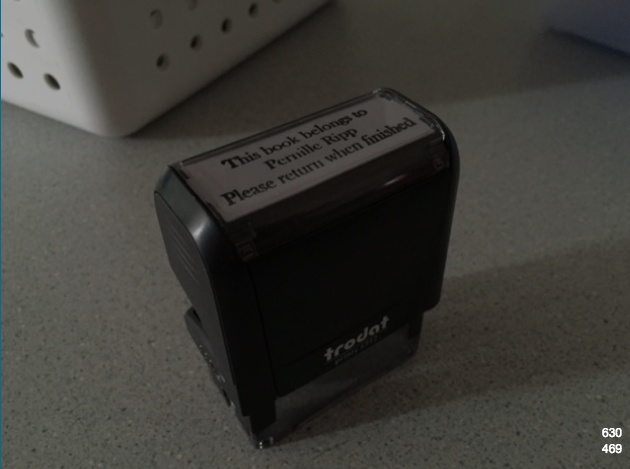
stamp.jpeg

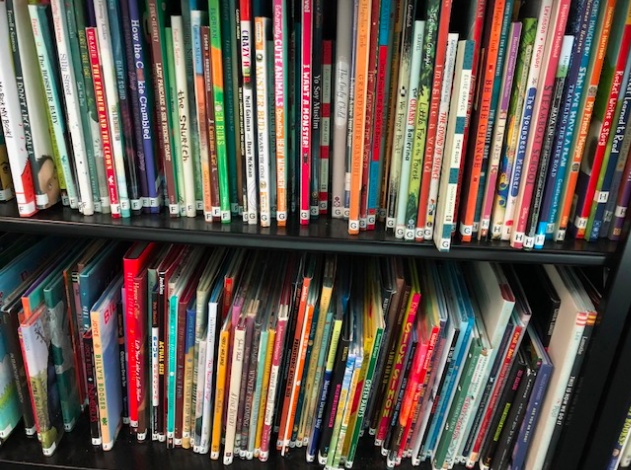
They are then also labeled with the first letter of the author’s last name on their spine.  That way as long as I know the author’s last name, I can quickly pull the book from that section.
shelving pbs.jpeg

Picture books are typically not checked out by students as they are easy to lose, however, others teachers borrow them freely.

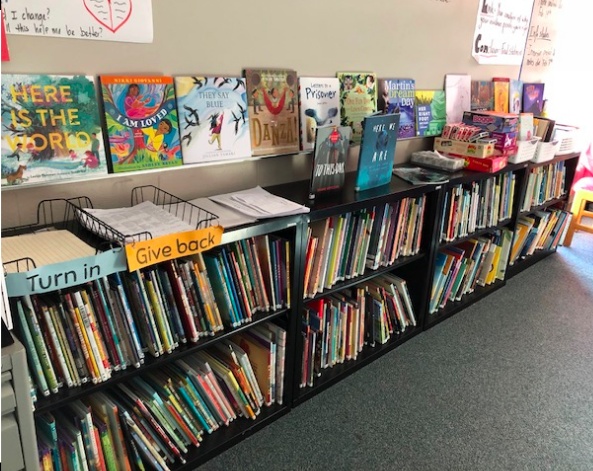
Picture books are shelved together in our classroom but not organized by theme or author.  I simply do not have room for splitting up the groups, so I try to display the picture books by theme in our classroom instead.  For example, whenever it is a new month or after a break, our display is always changed out.  I want students to want to read them as much as possible and a fresh new display helps entice them.pbs on display.jpeg
How Do I Select the Book to Use?

I first identify the purpose of the lesson of course and then go through either my lists of picture books or simply flip through our stacks.  As our collection has grown, I have started keeping a better eye on picture books that can be used for more than one purpose.

Which book I choose to share depends on the lesson.  I treat it much like a short story in what I want students to get out of it so it has to suit the very purpose we are trying to understand. I introduce the concept by sharing a story and then I ask my students to come as close as they can to the rocking chair in our corner.  Once settled, whether on the floor, on balls or on chairs, I  read it aloud.  We stop and talk throughout as needed but not on every page, it should not take more than 10 minutes at most to get through an average size picture book.  If it is a brand new concept I may just have students listen, while other times they might engage in a turn-and-talk.   I have an easel right next to me and at times we write our thoughts on that.  Sometimes we make an anchor chart, it really just depends on the purpose of the lesson.  Often a picture book is used as one type of media on a topic and we can then branch into excerpts from text, video, or audio that relates to the topic.

Because I teach the same class multiple times in a row, I often switch out the picture books I use with the different classes.  There are some that you can still love reading after 4 times, while others get to be a bit tedious, so I adjust as needed.  This is why having a lot of great picture books to choose from is something I am committed to.

I do not have multiple copies of really any picture books, I don’t see it as needed.  Instead, I pick the picture book to read aloud and then find “companion books,” other picture books that share the same concept, for example easily identifiable themes. These are spread out on tables, waiting for the students to select them. This way, when I ask students to work with them they are truly testing out the skill and not just whether they can spot the same things that we just practiced together.  Often times, students can choose to work with a partner as they explore their self-selected books.

What Are Different Concepts You Can Use Picture Books to Teach?

Thematic statements

Using a picture book as an example, we read one aloud and work through the example together.  While many of my students can easily pick up on the theme “word” (Death, love, freedom), they have a much harder stretching that into an actual thematic statement.  So rather than just death, they have to write something along the lines of “In the picture book, Ida Always, the text is used to illustrate that the fear of death should not stand in the way of creating lasting bonds.”  While this may seem hard at first, the idea of doing this work with a picture book, rather than a longer book, alleviates some of the stress that my students have with the analytical work being done.  After we write our thematic statement and turn it into a full paragraph, the students are then given a stack of picture books to choose from to practice on their own.  This is, therefore, a way to assess their understanding without having to use a common text.  Students can then either hand in their thoughts as a written piece of work or choose to discuss it with me or record it using their device.

Writers Craft

The writing skills used in a great picture book are worthy of our close analysis.  I love finding a stack of small moment picture books and then having students really take the writing apart.  How did the author move the story along with such few pages?  If we were to remove the images would the story still stand on its own?  Why?  Other questions can be:

  • How does the author transition time or setting?
  • How does the author situate us?
  • How is the character described?
  • How are the words further explained through the illustrations?
  • How does the illustrator deepen the message?
  • How are words repeated?
  • How do we pick out symbolism and what does it signify?
  • How can we introduce all of the Notice and Note signposts through picture books?

These are just a few examples of separate lessons that can be done through a lense of writer’s craft.

Plot and Small Moment Stories

While my students can write stories, they do not always write good stories.  Sometimes they get bogged down in too many details, other times they have too few or their story is simply not interesting.  Using picture books we can study the art of plot, as well as how to encapsulate an entire story in very little language.  These are great primers for students to think of their own story craft.

Non-Fiction Focus

We have written nonfiction picture books in the past and one of my greatest joys is to get students read some of the incredible nonfiction picture books we have in our collection.  I think of books like Pink is for BlobfishGrowing Up Pedro, GorillasGiant Squid, or How to Be an Elephant.  These authors breathe life into their nonfiction texts and so I ask my students to study their craft.  How did they take all of this research and create something so accessible yet information-filled?  It is wondrous to see the lightbulb go off for my students when they can see what I mean right in the text.

Fluency and Expression

One of our favorite units of the year is when all of our students perform plays based on Mo Willem’s Elephant & Piggie books.  It is incredible to see these sometimes very cool 7th graders, truly connect with their silly side and go for it in their performance.  Reading aloud picture books, performing them, and putting your heart into it helps with all public speaking skills.

Introductory texts. 

In order for us to go deeper with text analysis and discussion, I need my students to sometimes gain some confidence.  Picture books are not scary.  They are inviting to kids.  So as we begin the year with an introduction or reminder of the signposts as discussed in the book Notice and Note, I use picture books to introduce every single signpost.  (To see the lists go here).  It helps me break it down simply for kids, to give them confidence, and then also to be able to transfer it into their own reading.

Inferring.

One of my biggest tools for boosting inference skills is to use wordless picture books.  After all, it is hard to read books like Unspoken or The Whale and not have an opinion on what just happened.  Another reason I love wordless picture books is that it levels the playing field for a lot of our kids.  They don’t have to decode the words to get to the story but instead have to decode the images.  I have found that some of my most vulnerable readers are incredibly good at this as this is one of the reading survival strategies they use daily.

Introducing Hard Content

There are incredible picture books that discuss topics such as death, jail, suicide, war, and even drug abuse and so we use these picture books to broach harder topics with students.  Seeing their stories or stories that are incredible foreign to them played out within the pages of a short book really allows for us to open up a discussion as well as connections to the pages.

As you can see, picture books are not just for show, and yet, even if they were, I would be ok with that.  After all, how many times does a child just need to fall into the pages of a picture book to remember the magic that reading itself?  What an incredible gift all of these authors and illustrators give us when they decide to spill their ideas into a picture book.

How Do you Assess Skills and Strategies Through a Picture Book?

Because we are a classroom driven by self-selected reading, it can be hard to figure out what students really know.  Picture books are again a central tenet of this.  Whether I have introduced a brand new skill or simply done a review, I can quickly assess students’ knowledge and use of the skill through the pages of a picture book.  All I have to do is gather up the picture books that all have the skill in them such as character development and then have students read them.  After that, they can either write, discuss, or record a response to show me their understanding.  That way I do not have to know the independent book they are reading but I can still see what they can do.

What Comes After the Reading?

Picture books are not just something we read, we write them ourselves in our epic nonfiction picture book project.  We study them.  We speak about them.   We get ideas and inspiration from them.  We carefully protect the time we have to read them.  They are the mentor texts we shape our instruction around.

What Are Some Current Favorites?

And because I cannot write a blog post about picture books and then not share a few favorites, here are some that I love at the moment.  For “live” recommendations follow my Instagram account. 
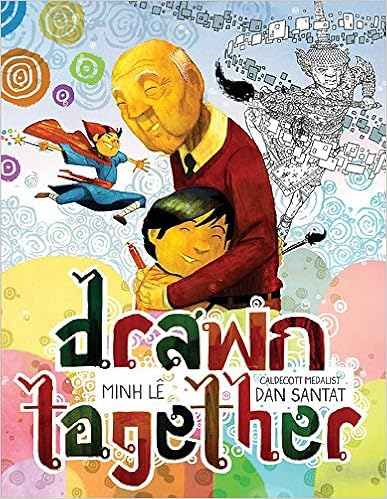
Drawn Together by Minh Le and Dan Santat
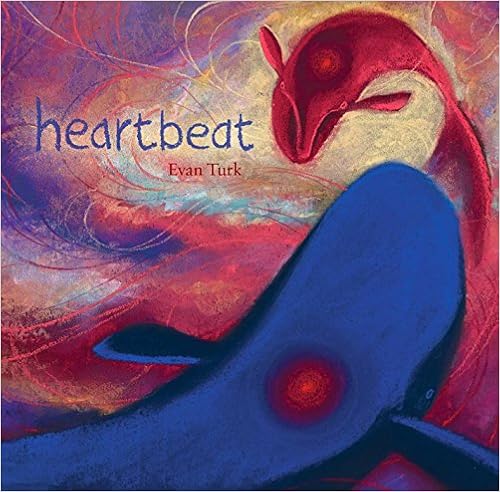
Heartbeat by Evan Turk

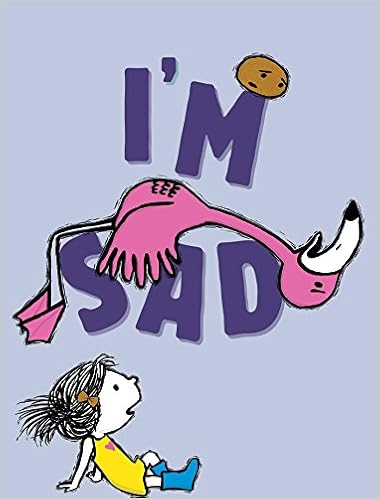
I’m Sad by Michael Ian Black and Debbie Ridpath Ohi
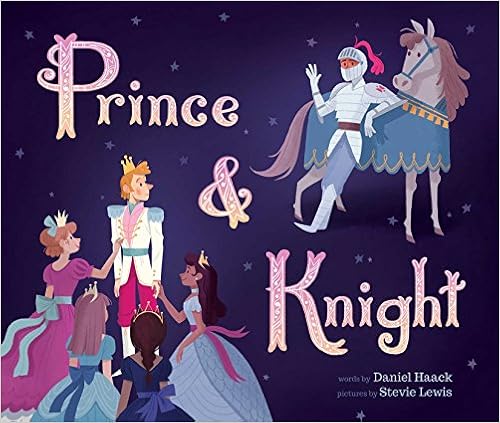
Prince & Knight by Daniel Haack and Stevie Lewis
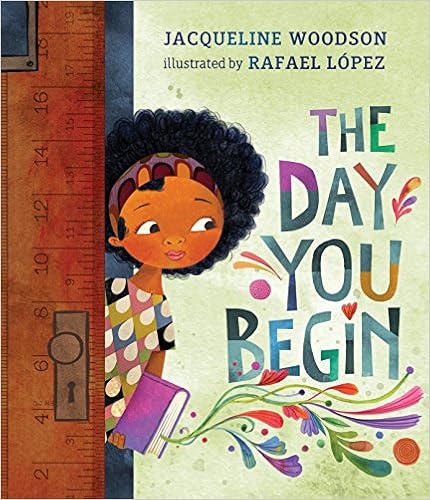
The Day You Begin by Jacqueline Woodson and Rafael Lopez


So there you have it, a little further explanation of how picture books are used in our classroom.  They become part of the tapestry of our room and something the students search out for solace when they need to feel like they are readers again. As one child told me after I had shared our very first picture book, “Picture books make you remember your imagination again.”  And I knew that these kids got it.  That they knew that this wasn’t just me having some fun, but that picture books will teach us some of the largest lesson this year.  That picture books are not just for little kids and laughter.  They are for readers of all ages, and in particular, those who have gotten lost.

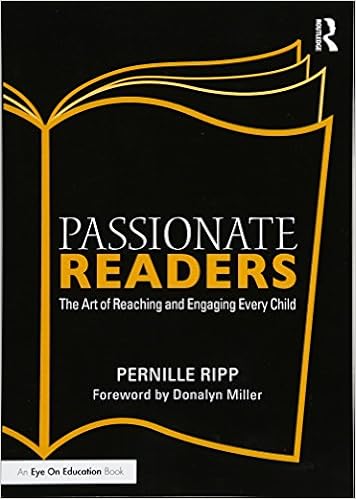
If you like what you read here, consider reading my newest book, Passionate Readers – The Art of Reaching and Engaging Every Child  Also consider joining our book club study of it, kicking off June 17th.  This book focuses on the five keys we can implement into any reading community to strengthen student reading experiences, even within the 45 minute English block.  If you are looking for solutions and ideas for how to re-engage all of your students consider reading my very first book  Passionate Learners – How to Engage and Empower Your Students.      Also, if you are wondering where I will be in the coming year or would like to have me speak, please see this page.
Be the change, being a teacher, books, Literacy, Reading, Reading Identity

On Becoming a Reader

My husband is not a reader.

By far, he is one of the smartest people I know.  He can fix anything broken, he can solve any problem.  He can dream and plan and build pretty much anything.  But reading, in the traditional sense of books, nah… not for him.

When I first met him, I couldn’t figure out how someone as smart as him could not see value in books.  How could you live a full life without books?  And yet, in the 17 years, we have been together, he has shown me how many facets there are to a full life.  But now he has been in school for the past two years, getting his degree as a Tech Ed teacher, and the other day after taking a particularly grueling test, he told me how much he felt like he wasn’t smart enough for the test simply because of his reading pace.  You see, the test was timed, and so when the time was almost up, my husband did what many of our students do all of the time; filled in as many unanswered questions with random guesses as he could.  Better answered then left blank.

He told me how he knew he could have answered them right had he had the time.  He told me how he felt this pressure at all times knowing that he wasn’t going fast enough.  He told me that he tried to skim as quickly as he could but then lost meaning and had to read it all over again.

If he had only been a faster reader, he would have been just fine.

It blows my mind still that we equate reading pace with reading comprehension.  That we allow standardized tests to teach our children that if they cannot read quickly, they cannot read at all.  Which jobs require us to read complicated materials within 90 seconds?  But that’s the reality we face and so at the end of our discussion, I gave him my best advice; read more books.  It is the one guaranteed way to increase your reading speed.  Find books you love.  Take the time to read.  And you will see, your reading pace will increase.

He told me how he just didn’t like books.  How he didn’t mind reading technical stuff (which he devours daily), but that books just had never caught his attention.  That they were too slow, too boring, too confusing.  That reading was never anything fun or entertaining but always presented as an assignment; read this book, do this work. Rinse, repeat.  He sounded exactly like my most resistant readers.  The ones we all teach that tell us loudly and proudly that reading is not their thing and we will certainly not convince them otherwise.

And so I did what I do every single day of the year.  I handed him a book, Orbiting Jupiter, and told him to try it.  To give it a shot and if he didn’t like it, tell me and I would try again.

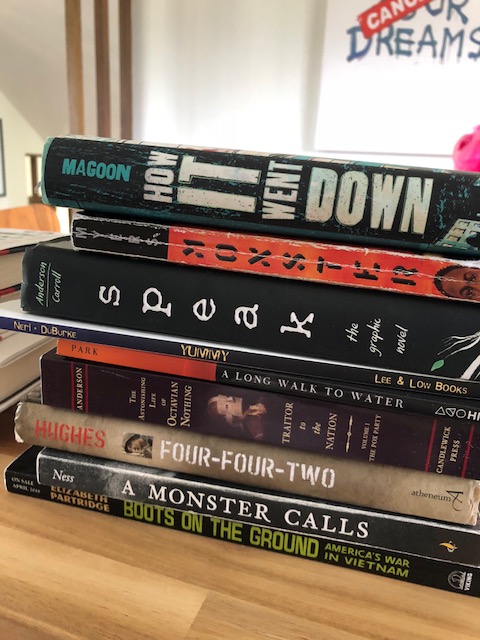
He sat down and read into the night then woke up and finished the book.  He finished the book!  And then he asked me for another.  I handed him How it Went Down.  He started to read.

Today we went to my classroom to grab stuff.  He went to the bookshelves and started to browse.  Grabbed a few books, asked me about others.  Together we book-shopped.  He was open to whatever but had a few ideas, maybe some war history?  Maybe something with a fast pace?  Social justice lens?

IMG_4631.jpg
Brandon’s To Be Read Pile – his first one ever…

I quickly grabbed my tried and true, added them to his pile and realized right in that moment that I was working with him like I would any resistant reader: offer choice, support, time to read, and most importantly communication.  At 41 years old, it seems that my husband is finally going properly through the motions of what it means to know yourself as a reader.  And I couldn’t be prouder.

So often we focus on these aspects of developing reader identify when students are young.  Before they reach middle and high school.  Once they come to us older, perhaps more jaded, more stubborn, we sometimes forget to go back to the basics.  To treat them as we would any developing reader.  To go back to choice, community, access to meaningful books and discovery of who they are as readers.  To find the time to actually help them become the reader they can be.  Too often the content gets in the way.  All of the little things that constitute what teaching sometimes becomes, rather than what it should be.  We assume that someone certainly will figure out how to help this child become a reader without realizing that that someone is us.  That we are the person who needs to somehow reshape the reading experience that they have had until now so that they do not become adults who do not read.

Today, I was reminded of how it is never too late.  How every child that we teach has the potential to see themselves as a reader by the time our year is up.  That even the adults that tell us that they are not readers can still become readers.   But that they need our help, not our judgment, our know-it-betterness, our confusion of how they could live without books.  Instead, they need what every reader needs; choice, books, community, time, personalization, and understanding.

My husband is not a reader, but that doesn’t mean he cannot become one, now.

If you like what you read here, consider reading my newest book, Passionate Readers – The Art of Reaching and Engaging Every Child  Also consider joining our book club study of it, kicking off June 17th.  This book focuses on the five keys we can implement into any reading community to strengthen student reading experiences, even within the 45 minute English block.  If you are looking for solutions and ideas for how to re-engage all of your students consider reading my very first book  Passionate Learners – How to Engage and Empower Your Students.      Also, if you are wondering where I will be in the coming year or would like to have me speak, please see this page.
being a teacher, Literacy, Reading, Reading Identity

Make Room For Both Types of Independent Reading

90 minutes.  This glorious amount of time awaits my students and me next year for our English classes. No more trying to cram everything into 45 minutes, no more rushing, no more skipping things.  90 whole minutes, and I cannot help but think of all we can become.

As I plan for these minutes, I realize that once again one of our central tenets will be the right to choose a book and to read it freely every single day.  With no post-its, no jots, no interruptions.  Just reading for the love of reading, every day, every child, no exceptions.  Because if we listen to Louise Rosenblatt, and I don’t know why we shouldn’t, she reminded us back in 1978 that children need to be taught that there are two types of reading.  Aesthetic reading which focuses on the love of reading, on living within texts so that we can create a relationship with the text.  On being with the text so that we can see ourselves as readers.  And also efferent reading, reading for skill, reading to work on reading.  The things we do with what we read.

For many years, it appears that we have focused mostly on the later.  The joy of reading has simply not been something we have made room for in our schools as we rush to utilize every single minute for instruction, for skill, for doing something.  And we see the direct results now.  The PEW Research Center reports that 24% of adults have not read a book in the last 12 months.  Scholastic reminds us that fewer and fewer children read a book for fun every day.  And we see it in our classrooms as students roll their eyes and tell us that books serve no purpose in their lives.  We see it when teachers tell us that they simply don’t have time for students to read in class because they have too much to cover.

We have lost our way when it comes to one of the basic premises of what teaching reading is really all about; reading for the love of it.  Reading to become a reader who reads without the threat of a grade or the promise of a reward.

We must do better than that.

And so next year, I will start once again with 20 minutes of uninterrupted reading time.  20 minutes where we simply work on loving reading.  Where we work on falling into the pages of a book and then staying there.  Nothing to do but read.  Then a mini-lesson and then we shift focus to the skills of reading.  There will be discussion, strategic lessons, small groups, and everything we love about the workshop model.  Students will know that they are now working on a different skill than before because it is within this knowledge they can see the difference.  They need to know there is a difference.

For too long we have lost too many kids in reading.  They have turned away from books because books meant more work.  More things to do.  More interruptions.  More accountability.  And while we need students who can apply the skills of reading, we more so need kids who will like reading once they leave us.  Who will not become a part of the 24% as we slide toward a more alliterate nation, a more alliterate world.  And it starts with the very decisions that we make every single day.  Where we look at the precious time we are given and get our priorities straight.  It was never about just making sure kids could pass tests, it was always about them becoming more than what they started as.  So we have to make room for both types of independent reading.  The one where kids “just” read and the one where they work while they read.  Otherwise, we will lose them.

It starts with the decisions we are making now as we reflect on the year ahead.  Make room for both because we cannot do the work if we don’t.  And if you don’t have the time, make the time.  Ask yourself what are you doing with the time?  how much time is lost simply in transitions?  In bell work?  In us teachers talking too much?  If we say we want students to become readers then that starts in our classrooms, not when they go home.

If you like what you read here, consider reading my newest book, Passionate Readers – The Art of Reaching and Engaging Every Child  Also consider joining our book club study of it, kicking off June 17th.  This book focuses on the five keys we can implement into any reading community to strengthen student reading experiences, even within the 45 minute English block.  If you are looking for solutions and ideas for how to re-engage all of your students consider reading my very first book  Passionate Learners – How to Engage and Empower Your Students.      Also, if you are wondering where I will be in the coming year or would like to have me speak, please see this page.

being a teacher, Book Clubs, books, Literacy

Join the Passionate Readers Summer Book Club Study

While summer is definitely a time to unwind without guilt for me, it is also a time where I want to grow as an educator.  Where I want to think of new ideas, come up with a plan, and maybe even make a few connections.  And I am not alone.  When I asked the educators in our Passionate Readers Facebook group what their plans were for re-energizing themselves over the summer, every person who answered had some sort of professional learning they wanted to do.

So in order to start a conversation.  In order to help each other grow.  In order to renew, refresh, and reinvigorate, I invite you to join us for an informal four-week book club centered around Passionate Readers.  We will discuss teacher reading identity, student reading identity, classroom libraries and of course, share must-read, must-add titles for you to consider adding to your classroom.

The book club is free, all you need is your own copy of Passionate Readers and to join our Facebook group where the questions and discussion will happen.

Once a week, I will join do a Facebook live conversation where I can answer questions, highlight books, and share ideas.

The book club will kick off June 17th and run for four weeks wrapping up July 8th.

1st-week focus – Teacher reading identity and how our habits influence our teaching.

2nd-week focus – Classroom library and must add book titles for the year.

3rd-week focus – Student reading identity – choice, goals, and independence.

4th-week focus – Conferring, lessons, and getting ready for the year ahead.

So if you would like to join, get your copy of Passionate Readers ready, join the Facebook club, and get ready to share.


Be the change, being a teacher, Literacy, Reading

The Real Reason to Read Children’s Books

White, Black, Yellow,  Free Image

We had visitors in our classroom again today as some fantastic educators had traveled to be with us (shout out to West Dubuque).  As always, they had a few moments to speak to the people that prompted their visit in the first place; our students, who with their candor, wisdom, and humor always have great things to share.

They asked, “Why do you think it matters that Mrs. Ripp reads children’s books?”  I was eager to hear their answers.

I thought they would say that it mattered because I could recommend great books.  They did.

I thought they would say that it mattered because there was a lot of great books in here to choose from.  They did.

I thought they would say that it mattered because it made it easier for them to find a new book.  They did.

But what I hadn’t expected was this…

It matters because it shows that she cares about her job.

It matters because it shows that she cares about reading.

It matters because it shows that she cares about us…

Let that sink in.  That while we know that reading children’s books matters for so many reasons, this was the biggest one of all.

For all of my students, me reading a book and being able to bring it into class shows them that I care about them as people.  As kids who read and who have meaningful reading experiences.  That I am willing to dedicate my time away from our classroom to something that will hopefully matter to them shows that I mean every word when I say I love my job, I am grateful to be your teacher.

We worry so much about whether or not kids know that they matter.  Whether they know that we care about them.  We come up with elaborate ideas to show them how much we appreciate them and sometimes forget about the small things.  That care comes in small packages.  That caring sometimes comes in the shape of a book read and discussed.

So for every book I purchase, for every dollar spent, I will continue to tell our students that I love my job, that I love being a teacher for them, that reading matters and that this very book I read is my way of reminding them that I care.

If you like what you read here, consider reading my newest book, Passionate Readers – The Art of Reaching and Engaging Every Child.  This book focuses on the five keys we can implement into any reading community to strengthen student reading experiences, even within the 45 minute English block.  If you are looking for solutions and ideas for how to re-engage all of your students consider reading my very first book  Passionate Learners – How to Engage and Empower Your Students.      Also, if you are wondering where I will be in the coming year or would like to have me speak, please see this page.


being a teacher, Literacy, Reading, Reading Identity

Five + One Ideas for Redefining the Whole Class Novel Experience for All

I knew I had to teach reading when I was first hired as a 4th-grade teacher.  After all, every teacher teaches reading.  Yet, I didn’t know how to really teach reading.  I knew components of effective literacy practice, and yet, what those actually looked like within my own classroom was a bit of a mystery.  How did actual teachers of reading teach reading to kids who already knew mostly how to read?

My very first answer?  Whole class novel, of course.

Thinking back to my own days of learning how to read, I knew to not go the basal approach, and yet I remembered that shared experience of reading the same novel as everyone else.  Of discussing.  Of trying to find meaning within its pages as we drove each other to deeper levels of understanding.  Of even finding a few books I never knew I could love (For Whom the Bell Tolls, anyone?!) to remembering the year together (9th grade honors English with Mrs. Vincent at Lenox Memorial High School, Massachusetts)because of the very books we shared.

Since I knew my students were not quite ready for Hemingway, I picked what I hoped would be a great anchor text for us – Tales of a Fourth Grade Nothing, the beloved classic rite-of-passage read by Judy Blume.

I now had the book.

All I needed was the work to go with it.

So I found it on the internet, an entire packet just for the book, with questions, activities, and word searches galore.  The students could even color in the pages if they so chose.  Prep work done, I was ready.  And so we began our fourth-grade year together within the pages of a very short book, 144 pages to be exact and we split it up evenly within the 7-ish weeks I had set aside for the task.  4 pages a night could certainly not be too much to ask.  Let the reading begin.

And it did.  So did the packet work.  The lackluster discussions.  The rigid instruction, and perhaps even some scolding when students dared to read ahead.

Rarely do I remember us marveling at the audacity of Fudge.  Rarely do I remember gathering the kids around the pages of the book to look at something together.     Rarely do I remember coming to class excited to discuss, to share, to connect around the book.

But the work pages.  The long-drawn-out reading.  The lack of excitement.   That I remember.

And so for a long time, I swore off whole class novels.  Even jumped in the camp of telling everyone else how awful they were.  How they are killing the love of reading in kids.  But what good does that type of rigid thinking do when my very own memories betray me of my own whole class novel experiences.  And so it turned out that I, once again, was proven wrong.

Because it wasn’t really about the whole class novel.  It was about me and my own adherence to terrible decisions that surrounded the experience.

So now, let’s look at this concept of the whole class novel and how we can actually make it work within our reading environments without killing the love of reading.  It turns out what we need are just a few tweaks and perhaps a dose of common sense.

Step 1 – Redefine the purpose.  Rather than using whole class novel to produce a lot of work, how about we redefine the expectation to producing a whole lot of talk.

Idea – Cut out the written work altogether or boil it down to one main product.  Does it have to be written or can it be filmed?  Does it have to be an analysis or can it be a discussion of relevance?  By connecting the book read with other issues in our current society?  Does it have to be produced alone or can it be produced with others?  Can we assess the discussions as they happen and not worry so much about the end result? And can we please roll back on the annotations.  There is very little reason to annotate an entire book, other than to prove you have read it.  Is that really what we want kids to work on?

Step 2 – Redefine the access. One of the major problems within a whole-class novel is that for many students the book is not a great match for their current reading capabilities.  While it is good to stretch students with challenge texts, you don’t want to put it so far our of their reach that they simply feel defeated and it becomes yet another nail in their “I hate reading coffin.”  For others students, the book is way too easy and they would rather read other books after they have read this one.

Idea – Offer choice in accessibility.  Do all students have to read it with their eyes or can it be listened to?  Can it be shared as a small group read aloud?  Can kids partner-read?  Can kids read it quickly and show up ready to discuss when needed?  Provide multiple access points so that all kids can focus on the purpose; engaging discussions.

Step 3 – Redefine what we read.  Why is it that our literary canon are still the same books that I read more than 20 years ago in high school?  Yes, there is merit at some point in your life to picking up some of the classics, but you will get infinitesimally more out of them when you are invested.  To Kill a Mockingbird was incredibly boring when I read it in 9th grade, but when I re-read it as a 23-year-old, I had a better experience.  So how about rather than using this format as a way to expose students to classical texts that they otherwise may not pick up on their own,  instead use it to garner deep discussion that can mirror the societal discussion surrounding us? Besides, what about how problematic some of these texts are?  we cannot keep hiding behind the cloak of “that’s how they spoke in that time” to make it okay to read them.  See this great article here discussing some of the major issues with our current literary canon.

Idea – Critically evaluate the classics and give choice.  Perhaps some kids do want to read the same books as their parents did, but others don’t.  Take a critical lens to what you are offering up.  Who are these choices for?  Why are these choices offered year after year?  When were these books selected?  Simply saying its because they are classics is not enough when we have brilliant books that have been published within even the last 50 years. (Even this year!)  There should be a balance.

Step 4 – Redefine the time.  One of my major mistakes was to stretch our whole class novel out over way too long of a time period.  I have seen some schools use an entire book for a quarter of the year.  I don’t care how great the book is, few people can sustain their interest for 12 weeks or more.

Idea – Shorten the length.  Three weeks max.  That way you have to move through it at a good speed and you can focus on the most central or interesting parts.  Within a three-week period, there is also a sense of urgency that otherwise can get lost.  Students have to keep up with the text to keep up with the discussion rather than assume that they can simply read it later when it really starts to count.

Step 5 – Redefine your role.  One critical aspect I lost within our whole class novel was that it was all centered on me.  I generated the questions (or purchased them in my case).  I led the discussions.  I assessed the work.  That is easy for kids to get through and exhausting for the teacher.  There is also very little buy-in as far as responsibility and it is easy for kids to coast through, especially those kids who have pretty great reading skills.  That is not the intent behind the work.

Idea – Share the responsibility.  Start as a role model for how to lead discussions but then share the responsibility with students.  Delegate who will come up with questions and who will steer the conversation?  Getting students invested beyond the quick answer can lead to more engagement and definitely more understanding of what it means to engage others.

Step 6 – Use it sparingly.  I have heard of school districts that mandate that every single reading experience is through a whole class novel for an entire year.  In fact, my own amazing niece is currently a victim of that.  I don’t use that term lightly, but you know what it has done for her love of reading after several years of this?  Yup, totally quashed it.  When I ask her what she reads for fun, she says nothing.  That’s what doing the same thing over and over can do for you.  It may have been great at first but going through the same routine over and over is sure to lead to routine fatigue.

Idea – Everything in moderation.  Reserve the whole class novel for those one or two incredible books that you just know will light your class on fire.  Reserve it for the fall as you establish your community and perhaps once more in the spring when you know each other so much better.  Use it as a tool to challenge their thinking, their analysis, their communication.  Put your all into it and then do something else; free choice, book clubs, anything but another whole class novel.  Make it special and treat it as such.

While it has been a while since my students actively dove into a whole class novel with me, I am always on the lookout for that amazing text that I feel we all need to digest together.  Once I find it, I cannot wait to dive in with my students.  Until then, if you need more ideas and inspiration, please read Kate Roberts new book, A Novel Approach.  

If you like what you read here, consider reading my newest book, Passionate Readers – The Art of Reaching and Engaging Every Child.  This book focuses on the five keys we can implement into any reading community to strengthen student reading experiences, even within the 45 minute English block.  If you are looking for solutions and ideas for how to re-engage all of your students consider reading my very first book  Passionate Learners – How to Engage and Empower Your Students.      Also, if you are wondering where I will be in the coming year or would like to have me speak, please see this page.