being me, new year, students, technology

Before We Periscope From Our Schools, Let’s Think For a Moment

I fell in love with Periscope, the free live-streaming app created by Twitter, this summer while at ISTE.  Free, instant access to events happening around the world – finally!  The myriad of ways I could see implementing it in my classroom overwhelmed me in a good way.  Kids could periscope our class at any time to bring the world in.  Students could interact with other students around the world.  Students could have a real-time audience at any time we needed.  We could explore every day moments in cultures around the world.  On and on, the ideas went.

Yet, when I thought about it some more, I started to second-guess my love for it a little bit.  I didn’t fall out of love, but I did start to question my own ideas, as well as the professional responsibility that I carry not just as a teacher, but also as an active conference goer/speaker.  So what has made me slow down?

The need for privacy.  Student privacy and protecting it is at the forefront of my mind as a teacher who shares the work of their students.  Some of my students cannot be shown on the internet for a variety of reasons and that is something I respect.  What if that child walks by in the background?  What if their voice is heard?  What if students start filming from our classroom and do not know who can or cannot be shown on the internet?   This by itself is enough to stop me from using Periscope in the classroom, but there is more.

The need for respect.  When I videotape something I have editing abilities.  That means that anything silly, stupid, weird, or somehow embarrassing does not have to be seen by anyone but us.  The “live” part of the live-streaming means there is no delay, no editing, no take back.  What if a child says something mortifying, screws up, fails in some way and the whole world potentially sees it?  One thing is failing in front of your peers and embracing it, another thing is failing in front of strangers.

The need for attention.  My first job is to teach the students in front of me.  Not the world, not the parents, not other colleagues.  So whenever a tool is brought into the classroom, I have to make sure it is not creating a barrier between me and students.  Being focused on live-streaming something means that I am not working with students but instead acting as a cameraman.  Even if I am live-streaming something that I am taking part in, I am still not giving them 100% of my attention because that would be multi-tasking, which we know decreases our focus.

The need for intimacy.  Some of the biggest moments that have happened in our classroom has been when students have let their guards down and trusted us all inherently.  When the door was closed and just we were present.  That intimacy is gone the minute I start videotaping anything.  So often we end up capturing the not quite as great moments because that is all we can get.

The need for purpose.  If live-streaming something will add value to the purpose of what we are doing than I will consider doing it, but if it really only boosts me as someone who shares, or in some other way becomes more about me than my students then I am not for it.  I worry that some will use Periscope to boost their own popularity and lose sight of why we are all doing this; for the kids.

The need for permission from parents.  While most districts have technology policies and permission slips in place that include sharing the work, name, and image of students, Periscope, I feel, is a new level of sharing.  So as a parent I would very much like the right to know about its use, the purpose of it, and also have the right to think about it.  When we don’t ask, we take that right away from parents.  

The need for permission from speakers.  I had a wonderful discussion on Twitter on what the protocol is for periscoping professional development/keynotes and such.  It seems there is none, but there probably should be.  After all, if a conference has spent a lot of money bringing a speaker in and I have registered for it that does not mean we get to share that conference with the world.  What we paid for is our own experience.  So bottom line is to ask before you periscope and respect if someone says no.

So what Periscope might be great for?

Professional development where you interview other great thinkers or interact in some way and make it about the sharing of thought.

Students sharing knowledge in a pre-determined way.  It would be a great idea to have students run a small talk or demonstration purposefully sharing their knowledge with the world.

Showcasing environment or other non-student immersed ideas.  I love the idea of being able to send someone a live stream showcasing my classroom set up, library organization or something like that.  Again, purpose, control, and meaningfulness is at the forefront of my thinking here.

Tuning into a specific part of the world to see what daily life is like there.  This fits nicely with the tag line of “Explore the world through someone else’s eyes.”

So while there are definite great uses to Periscope, I am hesitant to bring it into my classroom when the students are there.  Perhaps I am too scared?  Perhaps I don’t know enough?  I would love to get your opinion on this.

I am a passionate teacher in Oregon, Wisconsin, USA but originally from Denmark,  who has taught 4th, 5th, and 7th grade.  Proud techy geek, and mass consumer of incredible books. Creator of the Global Read Aloud Project, Co-founder of EdCamp MadWI, and believer in all children.  The second edition of my first book Passionate Learners – How to Engage and Empower Your Students” is available for pre-order now.   Second book“Empowered Schools, Empowered Students – Creating Connected and Invested Learners” is out now from Corwin Press.  Join our Passionate Learners community on Facebook and follow me on Twitter @PernilleRipp.
being me, classroom setup, new year

My Classroom Without Students

I always feel funny posting pictures of my classroom because it is not cute, nor lively, nor exciting.  It is utilitarian, empty without students, and we have space to roam.  Perhaps, though, in its bareness is its beauty.  It is a vessel for learning, waiting for my many students to fill it with personality and life.  The 1 month countdown has begun, another year awaits…

new-photo-added-to-all-photos_19958774001_o

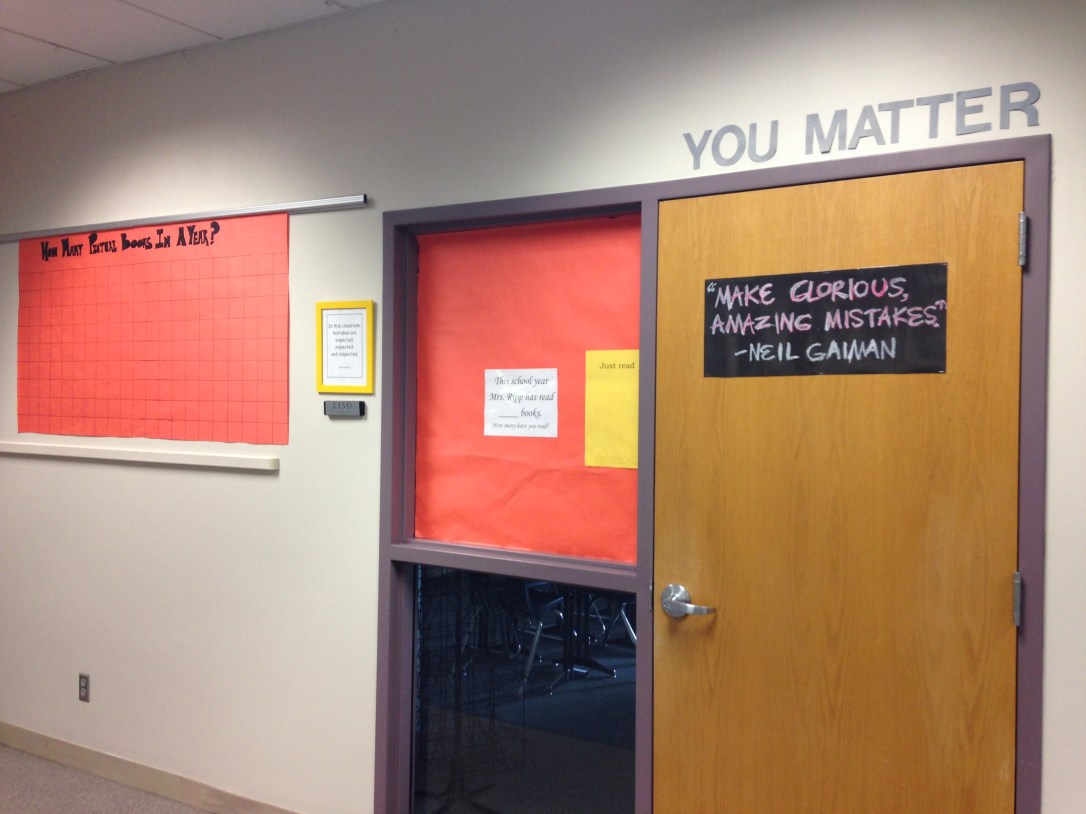
The front display as they come close to the room, most of the day I teach with an open door unless we get loud.

20035636142_bbb956834a_o

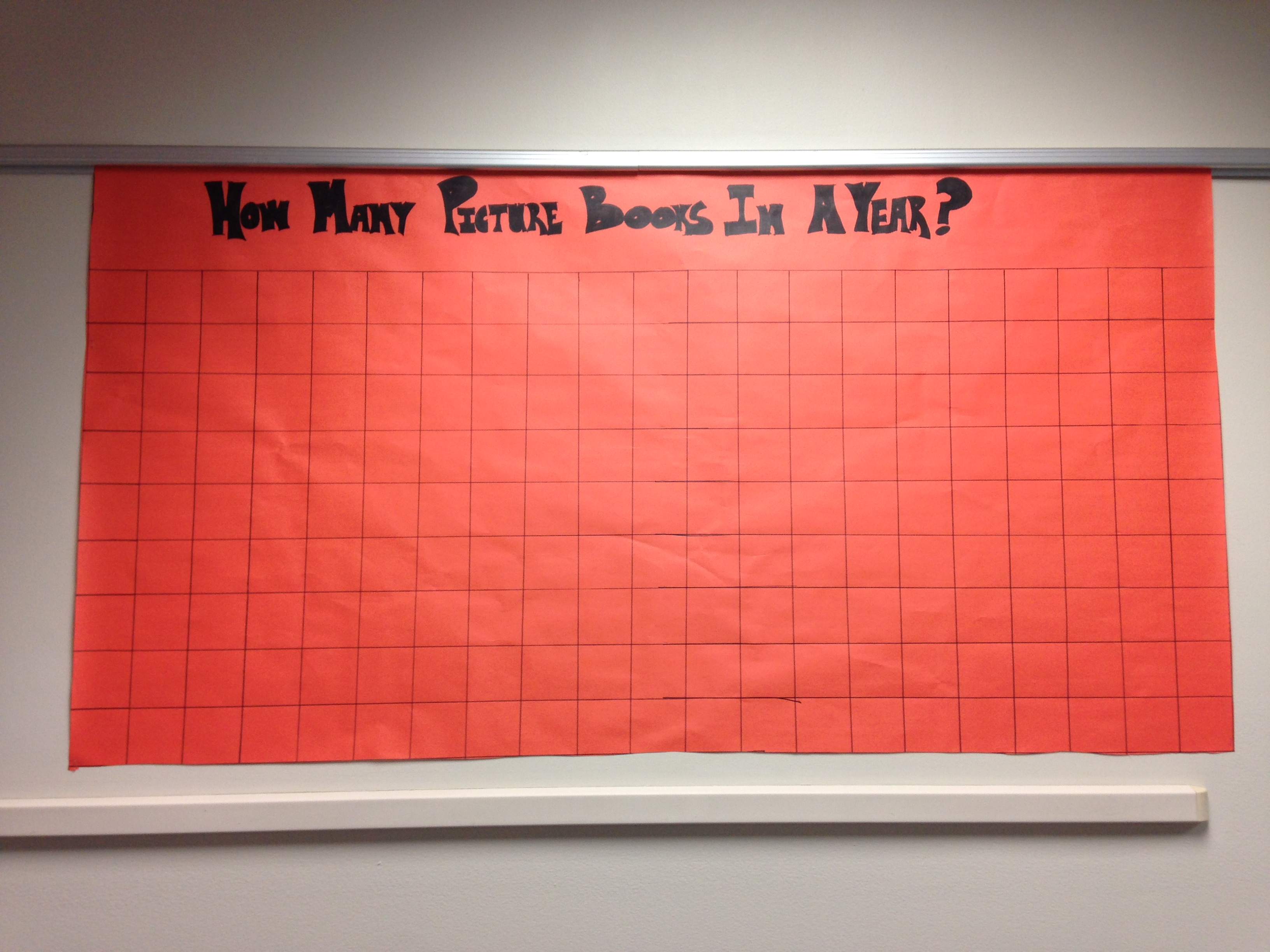
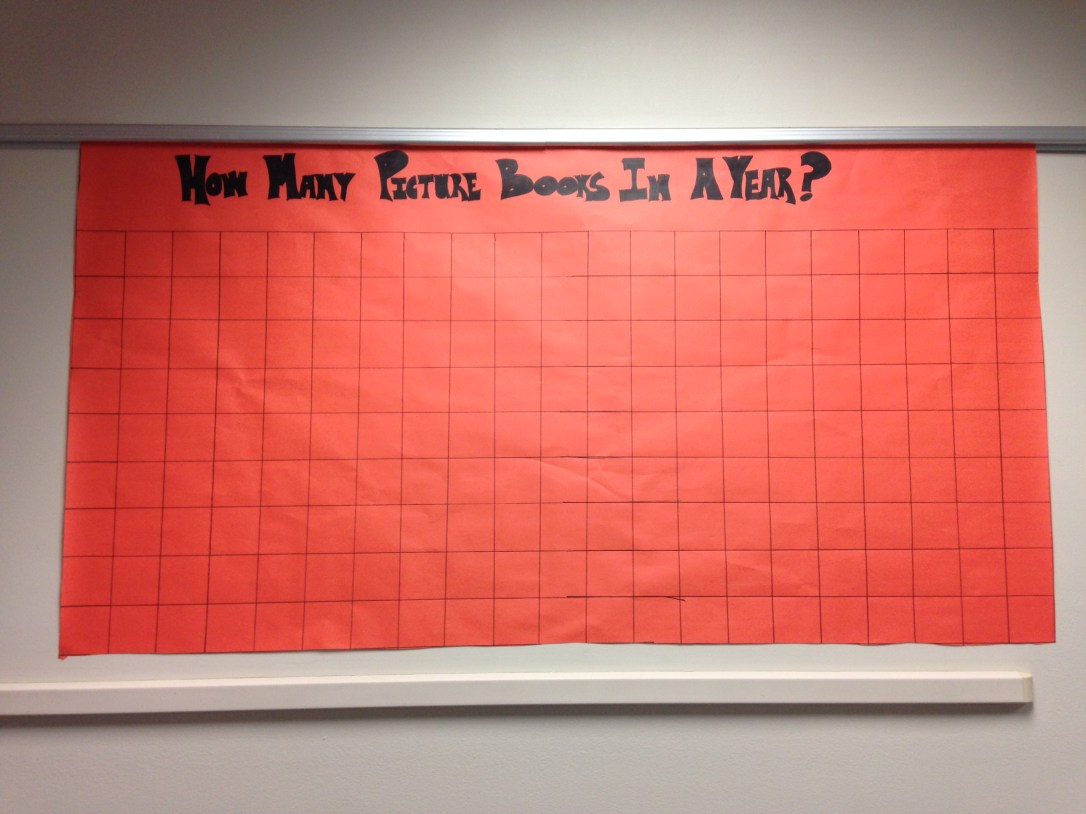
This idea is adapted from the fabulous Jillian Heise who does a picture book a day with her 7th and 8th graders.  I don’t know if we will do one every single day but I plan on doing as many as possible, so of course we need a place to showcase them.

20035633572_7b8fc46ace_o

I don’t believe in the power of motivational posters, but this is I believe in, every single day.

19855369518_ab2b68f680_o

An empty bulletin board waiting to be filled with books.  Every staff member at our school has a yellow “Just Read” poster to show students  that we are a community of readers.

new-photo-added-to-all-photos_19927230906_o

On the other side of the door is my “Read this summer” poster.  This was updated as of last week.

20105463001_e1721ee149_o

This is almost the view from the door, slightly to the left of it.  I have placed tables in pods for now but know that they will be moved however the students see fit when they arrive.  Whatever they need to do with them to make learning accessible works for me.  I love my window so much, most days we leave the light off.  Students flock to sit in the window and read.

new-photo-added-to-all-photos_20072248636_o

View toward my desk.  It is in the corner on purpose; I don’t want to sit behind it away from students.  I work with students at the small round table when needed or they take it over.  I am just starting to show off all of the new picture books.

19477417404_fe1ccb5a13_o

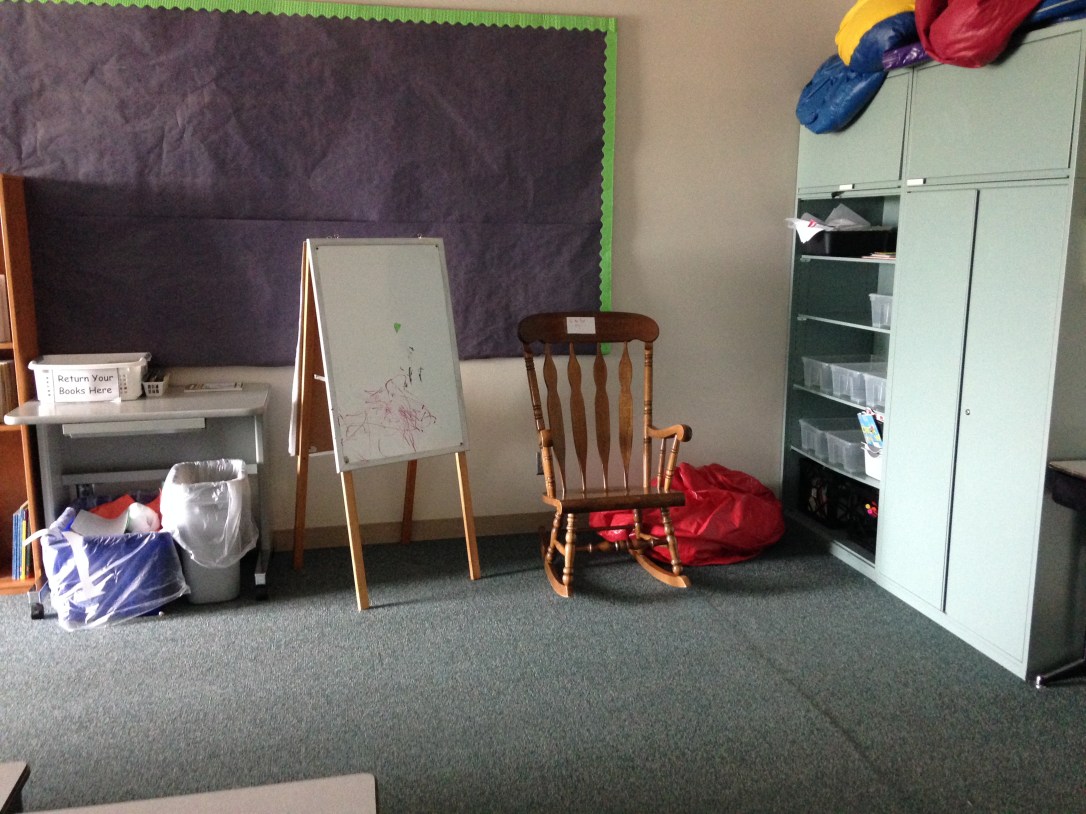
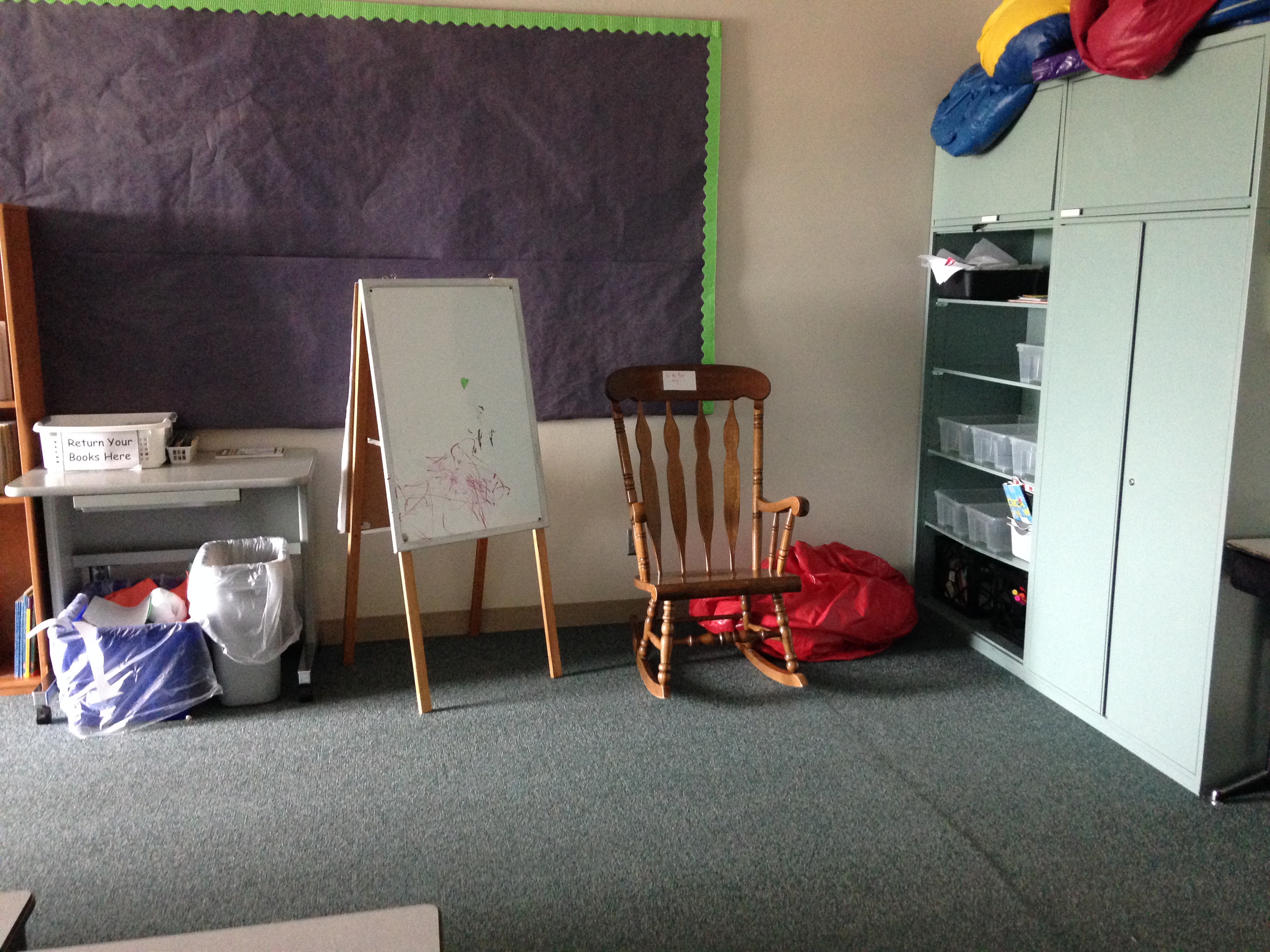
Also up by the front door, my old rocking chair and easel is where we will gather when we have our mini lessons.  There are bean bags for the students to use, as well as carpet squares.  I don’t ask students to sit on the floor unless they want to, what matters is that we can gather as a group and talk.

new-photo-added-to-all-photos_19765608370_o
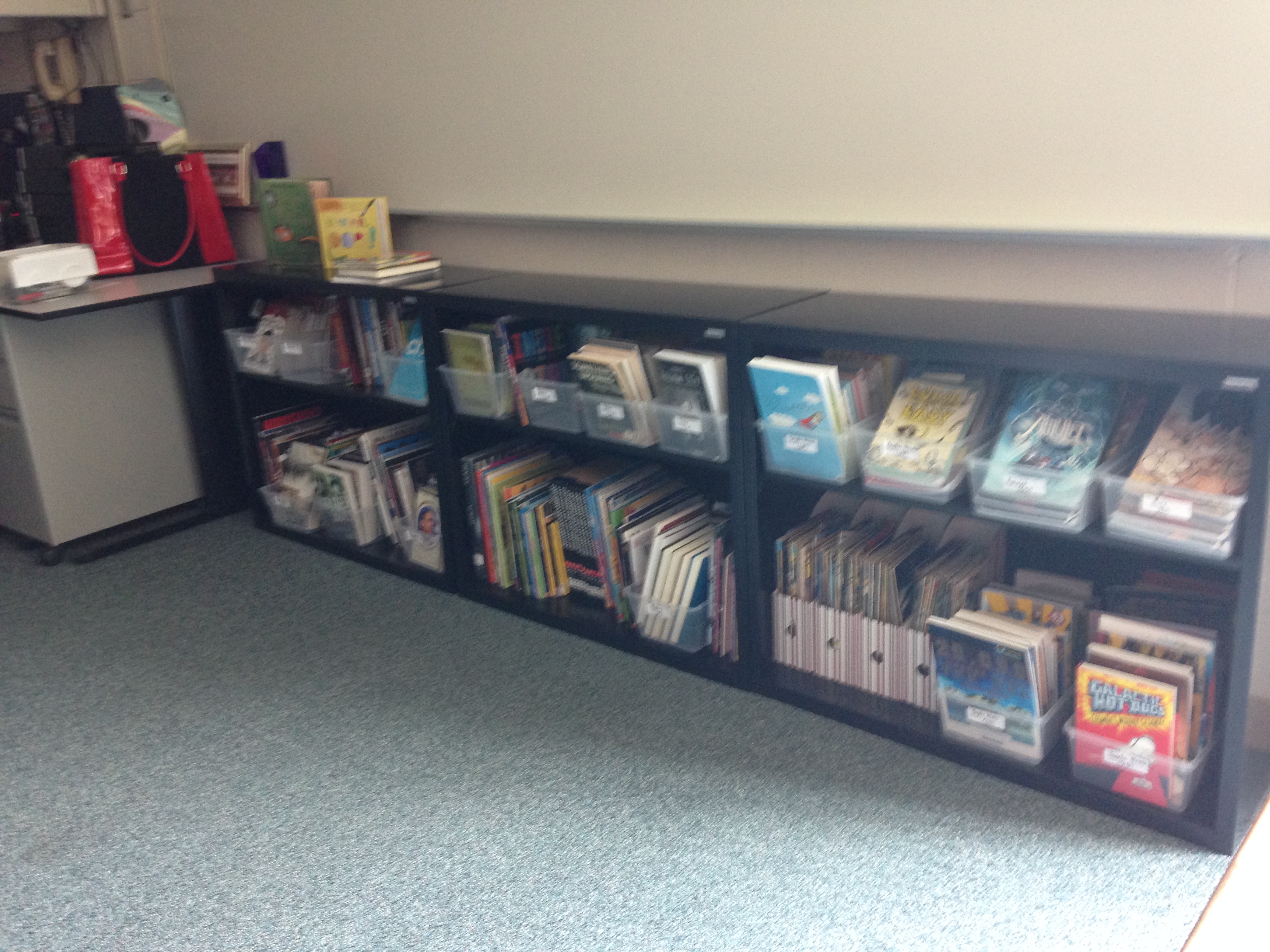
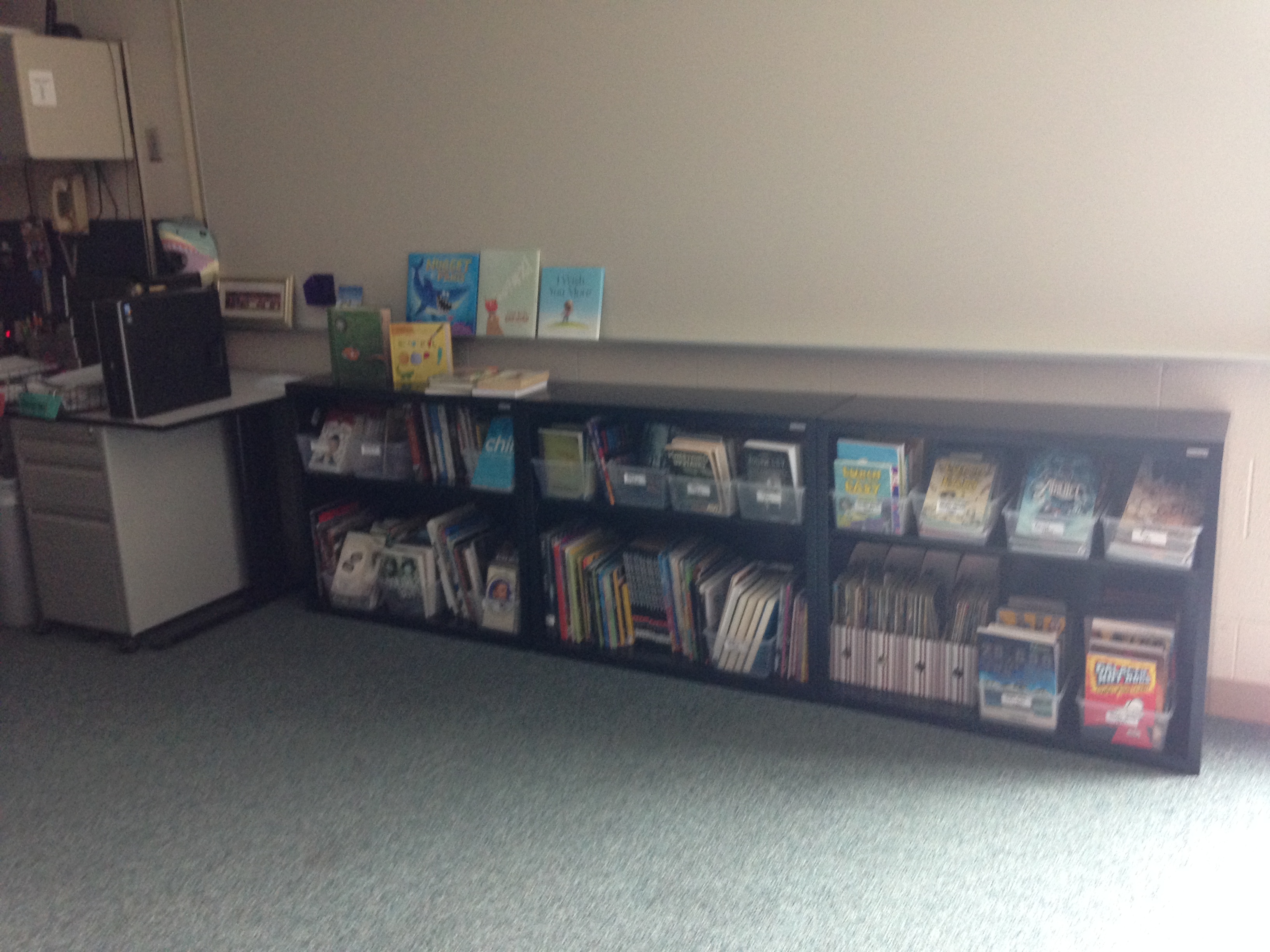
 A slightly blurry picture of my non-fiction and graphic novel bookshelves.  I am so excited my school got me these, less excited that I already filled them.

19911928128_1f88e51614_o
Probably one of the best things about our classroom; the picture books.  How can you not just want to read them all?

There you have it, a tour of an empty classroom, waiting for the students to make it important.

I am a passionate teacher in Oregon, Wisconsin, USA but originally from Denmark,  who has taught 4th, 5th, and 7th grade.  Proud techy geek, and mass consumer of incredible books. Creator of the Global Read Aloud Project, Co-founder of EdCamp MadWI, and believer in all children.  The second edition of my first book Passionate Learners – How to Engage and Empower Your Students” is available for pre-order now.   Second book“Empowered Schools, Empowered Students – Creating Connected and Invested Learners” is out now from Corwin Press.  Join our Passionate Learners community on Facebook and follow me on Twitter @PernilleRipp.
Be the change, being a teacher, new year

As We Start Another Year

There are journeys we start where that path is laid out, the route determined, the destination clear.  While hard at times, they follow a set course and we plod along, knowing where we will end up.  Knowing where our hearts will be once we finally get there.  Then there are those journeys that start when something ends, when something abruptly happens and we have a moment of clarity and we realize that now another direction is needed.  Sometimes these journeys start without us knowing and we don’t discover them until we are far on our path.  Confused we wonder how we get here, where we are going, and why we didn’t know we were traveling anew.  Those are the journeys that can change us the most.

We are travelers in education.  Always searching for a path, always searching for a way.  Tirelessly plodding along, sometimes pushing our students ahead of us, other times dragging them along.  Our journey changes often, seemingly from year to year is a guarantee by now.  We notice as the years pass, as summer inches closer and then ends.  We notice when a crop of new students show up and then leave us.  We notice seasons, months, and sometimes even weeks as we plan for our hopes and dreams.

Yet the daily journeys we take, the journey we begin and end within the span of 8 hours is often viewed as minor or insignificant, not worthy of our daily ponderings, not quite worthy of our dreams.  After all, a day is simply a step, not a destination by any means.  Yet, it is these journeys, the ones that happen every single day in our rooms that can matter the most to our students.  To those children that travel along with us.  A single day can change their course for many years to come.  A single decision made by a teacher can change their path forever.  We forget about that responsibility, probably a wise move in some ways, lest we drive ourselves crazy with the knowledge that even our small movements can cause oceans of change for others. Yet those journeys are the ones we should be watching.

Every day we have a choice to make; do I teach my students or do we learn together?  Do we explore or do we wait for knowledge to find us?  Do we stay on our path or do we change course?  Do we support or do we hinder?  Do we encourage or do we fault when missteps happen and our path gets rumpled?  Do we always take the lead or can students show us the way?  Do we listen to their voices when they tell us to change course or do we stubbornly stick to the path because we know best?

The day-to-day wrapped up in it mundanity offers us the perfect opportunity to make a change.  Change doesn’t seem scary when you think of it as trying something for just one day.  You can go one day without punishing.  You can go one day without homework.  You can try for one day to ask students what they want.  You can try for one day to stop talking so much.  One day does not seem like much, but it can be the seed to bigger change.

We have a choice of whether or not we notice the day-to-day or if we continue to plan as if we have unlimited time to reach every child.  We don’t.  We don’t know when the students we teach will no longer be ours.  We don’t know when a child has moved beyond our grasp.  So as we plan for the long, focus in on the short.  Yes, keep the destination in mind, but don’t forget about the journey.  What you do today has an incredible impact on what you will do tomorrow.  Make each step count, make each step worthy of your time, and don’t forget that it is ok to get lost once in a while, as long as you bring your students with you as you try to find your way.

I am a passionate teacher in Oregon, Wisconsin, USA but originally from Denmark,  who has taught 4th, 5th, and 7th grade.  Proud techy geek, and mass consumer of incredible books. Creator of the Global Read Aloud Project, Co-founder of EdCamp MadWI, and believer in all children.  The second edition of my first book Passionate Learners – How to Engage and Empower Your Students” is available for pre-order now.   Second book“Empowered Schools, Empowered Students – Creating Connected and Invested Learners” is out now from Corwin Press.  Join our Passionate Learners community on Facebook and follow me on Twitter @PernilleRipp.

aha moment, being a teacher, first day, new year

3 Non-Ice Breaker Things to Do the First Week of School

I always wonder how students felt about doing the ice breaker activities I had planned for them.  How I asked them on the very first day to let loose, lighten up, and live a little.  How some of them seemed to light up while some barely went through the motions, no amount of coaching from me helping them. And some just stood there mortified.  I figured a little embarrassment didn’t hurt them that much.

Then I was asked to do ice breakers myself.  To share something I had never told someone else.  To take part in a scavenger hunt where I had to do things I didn’t feel comfortable with.  I didn’t feel like I knew people, I was mortified.  That night I swore to myself never to do anymore ice breakers, at least not in the traditional sense.

Yet we still have to break the ice.  We still have to plant the seeds of community.  So while I have discussed what I will be doing on the first day of school already here, here are three more ideas for forming a community with your students.

How We Are Connected Web

I wish I could remember who taught me this one, but I cannot.  You take a large piece of paper (bulletin board paper will do nicely) and then every students gets a sharpie.  All students and you sit around the piece of paper and then write their name down in front of them.  A students will then share something they like or dislike, if you agree with their statement you draw line from your name to their name.  You then go around the paper until everyone has shared.  In the end you will have a spiderweb image on your paper showing just how many things you have in common with each other.

Find A Picture Book

It is no secret that I am obsessed with picture books, so I love this way to get a hint at their personality.  All this requires is a lot of different picture books spread out.  Tell the students that they should find a picture book that speaks to them in some way, perhaps the cover reminds them of something, perhaps they remember it from their childhood, perhaps the story connects to them?  Once everyone has found a book, have them gather in groups and share why they selected the book they chose.  Students get a chance to speak about themselves and it is a great way for them to get excited about the books they will have access to.

The Circle

This is taken straight from our restorative circle program at school, an incredibly powerful program.  All members sit in a circle and one person holds the talking piece.  A question is asked such as; what is your favorite memory or something else non-threatening, and students take turns sharing and more importantly listening to each other.  We use circles all throughout the year and the way they build community is extraordinary.  Students learn to be a part of a protected environment where they can share whatever they need to share and know that their words are private within the circle.

Building community and getting to know students should not be something that embarrasses kids or leaves them riddled with anxiety.  It should be a positive experience that sows the seeds for the community you will build the rest of the year.  So be mindful of all of the students, not just those that you know will love the games.  Make sure they all feel accepted or you may be causing more rifts than building connections.

Jenn Gonzales from Cult of Pedagogy just published “Icebreakers That Rock” – check out her post too for more inspiration.

I am a passionate teacher in Oregon, Wisconsin, USA but originally from Denmark,  who has taught 4th, 5th, and 7th grade.  Proud techy geek, and mass consumer of incredible books. Creator of the Global Read Aloud Project, Co-founder of EdCamp MadWI, and believer in all children.  The second edition of my first book Passionate Learners – How to Engage and Empower Your Students” is available for pre-order now.   Second book“Empowered Schools, Empowered Students – Creating Connected and Invested Learners” is out now from Corwin Press.  Join our Passionate Learners community on Facebook and follow me on Twitter @PernilleRipp.

being a teacher, first day, new year, reflection, Student

On the First Day of School

recite-bjldbu

Today I was reminded of the stark reality that is the 45 minutes blocks of time that I teach in every day.  As I sat and planned my first quarter, or at the very least wrote down some of the ideas I have, I kept glancing at that first day; the one that seems so magical.  I have so many ideas.  So many things I would like to do on that very first day.  Yet, the 45 minutes really stifles a lot of creativity.  The 45 minutes really forces me to see what is most important.

On the first day of school I don’t want to do activities.  I don’t want to play games.  Nor do I want to fake my enthusiasm.

On the first day of school I don’t want to force student into awkward ice breakers, while they hope the teacher will forget it is their turn next.  I will not force them to bare their soul, nor to share their dreams.

On the first day of school, we will not have many things planned.  We will not spend precious time listening to me drone on.  We will not run around hectically trying to figure it all out.

Instead, on the first day of school we will sit quietly and listen to a book read aloud.  We will have the time to speak to one another.  We will cautiously start to feel each other out, find our friends, glance at the new people.

We will ask the questions about 7th grade that we have, not because we have to but because we will take the time if needed.  Students will set the rules of the classroom, as always, and it will take as much time as it needs.

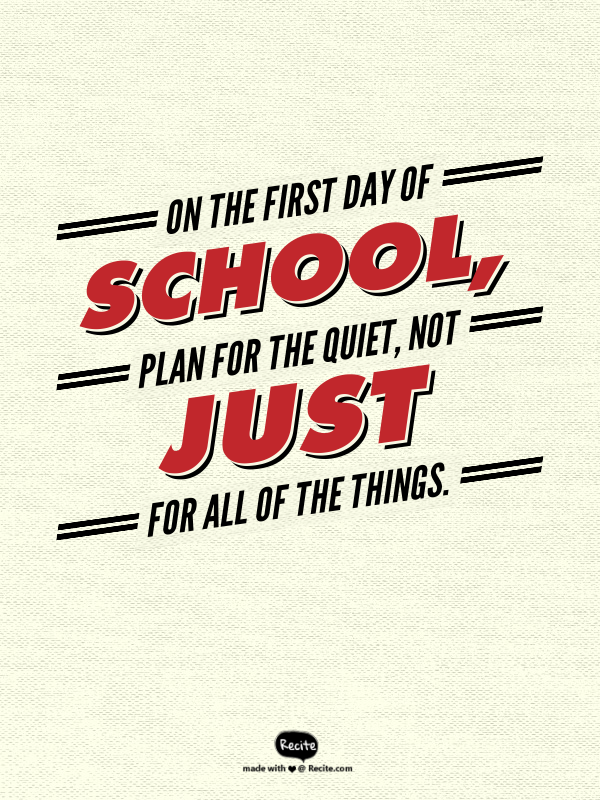
The first day of school is meant to be a great experience, but that does not mean we cram it full of things to do.  That doesn’t mean that we put on our entertainer hat and try to juggle as many balls as we possibly can.  Instead, it means that we take the very first step to get to know these students that have been thrust into our lives.  That they take the very first step in trusting us and trusting the community.  That can only happen in a genuine way if we take things slow.  If we allow time to just be, to just sit, to just talk.  So as you plan for the very first day of school, plan for the quiet, for the reflection, for the conversation.  Don’t spend so much time planning for all of the things.  Because this isn’t about how to prove how fun you will be this year, it is about showing the kids that you care.

I am a passionate teacher in Oregon, Wisconsin, USA but originally from Denmark,  who has taught 4th, 5th, and 7th grade.  Proud techy geek, and mass consumer of incredible books. Creator of the Global Read Aloud Project, Co-founder of EdCamp MadWI, and believer in all children.  The second edition of my first book Passionate Learners – How to Engage and Empower Your Students” is available for pre-order now.   Second book“Empowered Schools, Empowered Students – Creating Connected and Invested Learners” is out now from Corwin Press.  Join our Passionate Learners community on Facebook and follow me on Twitter @PernilleRipp.

being a teacher, books, Literacy, new year, Reading

My New Favorite Picture Books Part 1

I Yam A Donkey by the incredible CeCe Bell.  Why this book?  Because it is laugh out loud funny while teaching grammar.

Wall by Tom Clohosy Cole.  There seems to be a surge in Berlin Wall books right now (I am currently reading Jennifer A. Nielsen’s A Night Divided which is excellent as well).  I love this picture book because it provides us with a way to broach a difficult topic with students.   WIth a simple story and beautiful illustrations, I am excited to share this one.

Ben Clanton’s Something Extraordinary is just that – extraordinary.  Once again a simple story unfolds leading us to rich conversations about imagination and how it can color our world.

The beautiful story of Last Stop On Market Street by Matt De La Pena is one meant to spur conversation about our lives, our assumptions, and how we view the world.  But the illustrations?  They tell an even richer story, one that I cannot wait to discuss with my students, many of whom have never ridden a bus or even been in an urban neighborhood.

How to Read A Story by Kate Messner will be one of the first picture books I share this year because it will open us up to a great discussion.  I cannot wait to see how my students read their stories.

I am always in favor of a picture book that allows us to discuss how we treat others, aprticualrly when teaching middle schoolers.  I love the story in Henry Hyena, Why Won’t You Laugh by Doug Jantzen and think it will resonate with many of my students.

You and Me by Susan Verde and illustrated by the incredible Peter H. Reynolds is a story that students will want to emulate.  We will use this as a way to do our sociogram exercise which will offer me insight into who is connected in our class, and who is not.  We cannot change loneliness for students if we do not know who identifies as such.

I have written before about Float by Daniel Miyares because it is an incredible wordless picture book about seeing the beauty in the world around us.  This is a must add among must adds.

Beastly Babies by Ellen Jackson is a simple picture book and it is not for the words but for the illustrations that I love it so much.  I love how wild they are and I think it will show students that you can be an artist in many different ways.

I debated whether or not to add The Newbies by Peter Catalanotta because I find it a bit creepy, and yet it is within the creepiness that the power of it lies.  I think my students will immediately gravitate toward this book and what happens when your wishful thinking comes true.

I have more picture books coming, I will share them in part 2 in a few days.

I am a passionate teacher in Oregon, Wisconsin, USA but originally from Denmark,  who has taught 4th, 5th, and 7th grade.  Proud techy geek, and mass consumer of incredible books. Creator of the Global Read Aloud Project, Co-founder of EdCamp MadWI, and believer in all children.  The second edition of my first book Passionate Learners – How to Engage and Empower Your Students” is available for pre-order now.   Second book“Empowered Schools, Empowered Students – Creating Connected and Invested Learners” is out now from Corwin Press.  Join our Passionate Learners community on Facebook and follow me on Twitter @PernilleRipp.