conferences, connections, Reading, Reading Identity

Reading Action Plans: An Invitation into Further Exploration

This blog has been quiet. Not because life has been by any means but because what we are doing in our time together in the classroom is quiet. It’s not very flashy. It’s not really that new, at least not for us. Every day, the routines we have worked on all year are in place; most students quietly reading during independent reading time, most students finding great books, most students knowing more about themselves as people than they did in the beginning of our journey. Most because not all, not yet any way; some still lament about how they dislike reading, how they do not plan on reading a book over the summer, but many others devour books, seeing their own accomplishments, challenging themselves to grow.

But for those who are not quite there yet, where reading is hard, where reading is not a comfortable activity. For those where reading is something they have spent a lot of time avoiding or simply don’t see the value in yet, at this time of year I add in an extra layer; a reading action plan. A quick invitation into further conversation about their reading life that runs 2 weeks and sometimes more.

I have written about them last year, but the idea is so simple and yet so powerful that I wanted to re-share it. Because all it is is an invitation into conversation every single day for a few minutes about their reading life. No pressure, but instead extra personal support, and an adult meeting them once again where they are at without judgment and helping them along their journey.

The note sheet I use to keep their journeys straight looks like this at the moment, or at least the front does, they change when I don’t see them fitting our purpose. You can see it here. This is not for the students to fill out but for me to take notes, which they can see me take because no one wants another person taking secret notes.

I usually use our reading data (which is just how many pages they are approximately reading within a week by signing in with their page numbers as inspired by Penny Kittle) to see who may be great candidates for some extra care. Who are the kids where reading is still a slog, where they are not really making progress or jumping from book to book? I try to keep it to 3 or 4 kids a class at any given time for a few reasons; I want to make sure I am really focused on them and I also want to be able to still meet with another few kids every day. While we typically start on Monday’s, you can start them any day.

I ask them to meet with me during reading time and explain my idea for some extra attention, I don’t want to force it on them but instead discuss what they could gain from it. This is important because too often when students are vulnerable readers we remove all choice from them which leads to further resentment toward their reading lives. If we are going to meet every day, I like their to be a genuine discussion of why and how it may help them. This is instrumental to everything I believe in; keeping a child’s wellbeing in mind before I implement anything. I can’t do that without conversation. If a child doesn’t like the idea, we come up with something else for them, however, this has not happened in my years of doing this.

The first day takes longer because we discuss their current book. Questions I ask are pretty standard:

  • Which book are they reading?
  • How far are they in it?
  • Why did they choose it?
  • How are they liking it so far?
  • Where will they be in the book in a week?

Then I move down into the notes section, where I ask them about their outside reading life – this is an ongoing conversation throughout the year- and we discuss what their reading plans are for outside of English. My job here is to listen and to ask questions that explain their thinking when it is not clear, not to judge. They also tell me where they think they will be in their book the following day. This is again an important aspect because we so often set the goals for the students and those goals are unrealistic and also have little concern for the reading journey they are actually on. So instead we discuss what is a realistic goal and what the steps are they will take to reach that goal. Some students don’t have any plans to read so we discuss why not and how we can change that. Some have other obstacles in their path and so we discuss those. Whatever is going on, we discuss, and we brainstorm together. Once we have a goal and a plan in place it is time for them to read, so I thank them for their time.

The next day, we meet again, except this time I only ask about how far they got – no judgement – and what their reading life looked like in the past 24 hours. If they read, awesome! If they didn’t, why not? Again, I am not here to make them feel bad but coach and support instead. As we wrap up our quick 3 or so minute conference, they set a goal for the following day and then they are off to read.

And then we repeat that for a week. At the end of the first week, we discuss successes. These range from reading more than normal, to knowing when to abandon a book and picking a different one. From reading at home one night – wahoo – to actually not hating the book. There is no success that is too small to be celebrated, this is important as the goal here is for the kids to learn more about themselves as readers and people, not for me to punish them into reading.

The following week, we continue with our quick check-ins, celebrating successes along the way, and at the end of the week we decide on what the next step should be. There are different options:

  • Another round of daily check-ins for those that are not quite ready to fly on their own.
  • A gradual release to a three time a week check-in for two weeks.
  • A once a week check-in
  • Or released back into the larger pool, which means a check-in every 3 to 4 weeks depending on what we have going on.

Once again the child and I discuss and decide together. So why bother with this? Beyond the obvious of all kids deserving as much as one-to-one time as possible in our limited time with them, you also uncover so much of what is really going on in their reading lives and what they may need to move further in it. From recognizing that some kids simply forget to bring books home – we have plans in place for that – to not knowing how to fit reading into their lives – we have a plan for that – to still not being able to find books they actually like, having a few minutes every day can get them steered back on course in a way that wouldn’t happen unless you had more time.

While I wish I had time to discuss reading with every child, every day, I don’t, but this takes me one step closer to connecting with all the kids, to helping all the kids. It is not anything flashy. It is not anything brand-new, but it works, much like we know it works. Perhaps the idea can work for others as well?

If you are wondering where I will be in the coming year or would like to have me speak, please see this page. 

Be the change, books, kids, Reading, Reading Identity

A High Five For All Of Us

I’m on the road again. February seems to have been a long list of travel. Of packing up the suitcase and saying goodbye to those at home, to the kids in my classroom. Sometimes that is the reality of what I do. It is hard, but worth it.

This week has been one filled with the worry that you get when one of your own children is sick. When they are up for hours at night with a fever so high you think your thermometer is broken as you call the doctor in the middle of the night. Sleep deprivation and the end of February in Wisconsin is a bundle not for the weak.

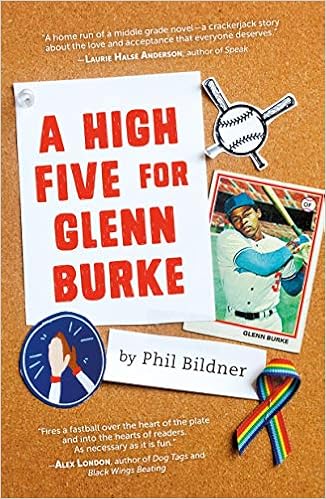
So I packed a book for my flight tonight, after all, the stack of to-be-reads is overflowing. A new book by my friend, Phil Bildner, that even though it definitely was about baseball and I still don’t understand baseball despite my 21 years in America, looked like it would offer me a world that I could sit in for a while and forget about the now two sick children at home, nestled securely in the care of my husband.

And I read, and then I finished the last page, and then tears came, because this book, A High Five for Glenn Burke, is yet another book we have so desperately needed. That our students so desperately need. They they deserve. That I fear will be ghosted by some educators or school districts because it is about a boy who loves baseball above everything else but is also finding the courage to share what he has known for while; that he is gay and he worries how the world will handle his truth and his heart as he bares it all. And this book is written for our middle grade kids. The kids that so often do not get to see themselves represented in our books because a long time ago someone deemed that anything that has to do with sexual identity or gender is “too mature” for ten-year-olds or younger.

I had tears for the kids who tell me their parents don’t understand. And I worry for the kids who tell me that their libraries don’t carry these books because they go against their “values.” And I get angry at the adults who stand in the way on purpose of these books being placed in the hands of children. Children who so deserve to be seen and heard and loved and protected because the world is already cruel enough.

So I write this post to not just highlight the incredible masterpiece that is Phil Bildner’s new book, but for us, the adults, in the lives of these children to understand just how much it matters for our kids to be seen. How much they hope to be represented in our libraries, in our classrooms, in our curriculum, in our teaching staff. That some kids don’t get to be accepted at home so they hope that school is the place where they will be. That some kids face hatred before they come into our rooms and hope that with us they will be accepted for whoever they are, wherever they are on their journey. And they hope but it doesn’t always happen and soon they learn to hide that part of themselves, because it is safer to live half-hidden than be known for all that they are.

So we can say that we value all kids. That our school strives for success for all. That we have high expectations and support for all. But it is a lie when we gatekeep our libraries. When we don’t ban outright but simply never purchase. When we shield ourselves behind doctrines that do not follow one of the biggest doctrines of them all; love others as you love yourself.

Sometimes love comes in the words that we share. Sometimes in the treats. The smiles. The opportunities that we provide after we plan lessons long past our bedtime. But love also comes in the books that we place on our shelves. The ones we talk about. The ones we make a part of our curriculum and ask all of the kids to read, to hear, so that they too can know about each other and so that every child, no matter who they are, will know that with you they are safe because you showed them a book that was about them.

Because your actions will always speak louder than your words.

You should buy, read, and share Phil Bildner’s A High Five for Glenn Burke and many more LGBTQIA+ books, it’s the least we can do.

If you are wondering where I will be in the coming year or would like to have me speak, please see this page. 
books, Literacy, Reading

A Few Favorite Books from Our Classroom for Teens Who Say They Can’t Find a Great Book

One of the many benefits there is from being an educator who reads a lot is that I get to create many different reading lists in my head. From the child that asks me to find another book just like the one they just read, to the colleague who needs some books to take their mind off of bigger things, to the child who tells me that they have never liked a single book, there are lists in my head with ideas. These lists grow as I read, study what our kids are reading, and also get to know our readers better.

One of my most used list from my head is for the last group of kids, the kids that come to us saying that all books are boring. That all books they have tried are only okay or not worth their time. Who read a book only because they have to or fake read hoping we won’t notice. Those books are in high demand.

There are a few trends with many of the books that help kids find value in reading again. Many are free-verse or novels in verse, many have mature topics discussed throughout, many are shorter. In fact, I would say that the world needs even more of these books – books with mature, complex storylines that are around 200-250 pages, especially those written by #OwnVoices authors.

So which books make the list at the moment for our readers? Here are a few suggestions…

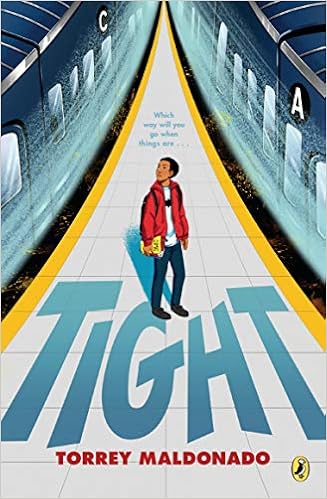
I have loved book talking Torrey Maldonado’s Tight to my students because you can see them get interested quickly once I share the book. After all, how many of my students can relate to the idea of trying to navigate demands from friendships without losing yourself.

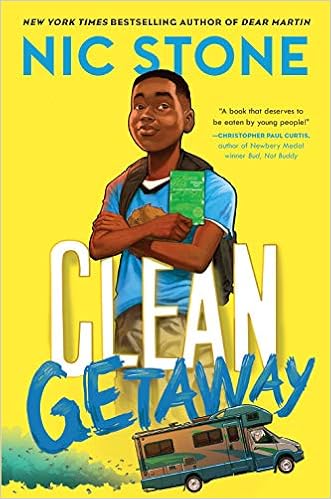
I rejoiced loudly at the news that Nic Stone wrote a middle grade novel. Students love both Dear Martin and Jackpot but for some of my students they need a little more accessible language, which Nic so seamlessly delivers in this Clean Getaway, her new middle-grade novel without sacrificing the complexity of the story.

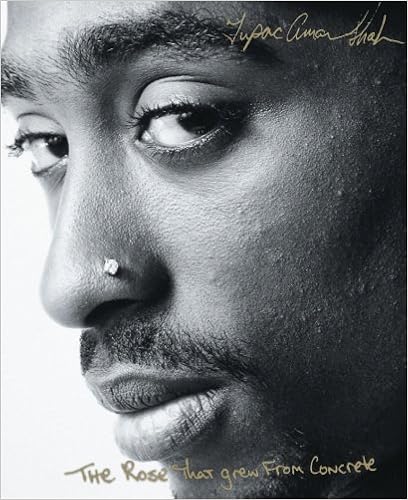
Another book that has been replaced multiple times is The Rose that Grew From Concrete by Tupac Shakur. I love when students discover this book because they so often check with me to see if this is “The Tupac” or some other guy.

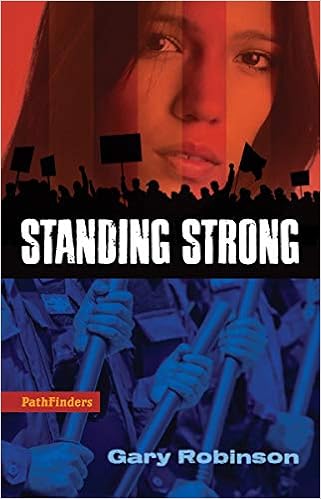
I book talked Standing Strong by Gary Robinson last week and it had an immediate wait list. I can’t wait to see what the students think once they have read it.

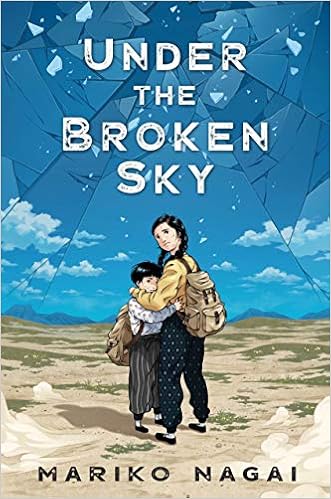
Free-verse continues to reign supreme for many of our students and this new addition Under the Broken Sky by Mariko Nagai has been gaining attention since I book-talked it a month ago.

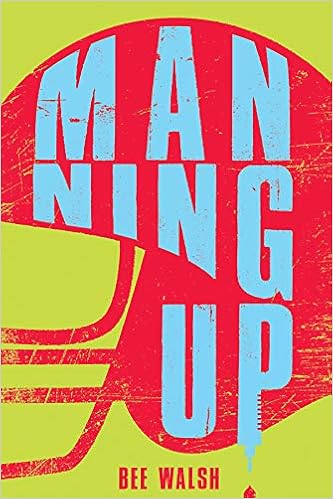
I cannot wait to book talk Manning Up by Bee Walsh this week. It has a few common patterns that seems to do well in our classroom; it’s free verse, it is action packed, it is more mature, and it is about sports.

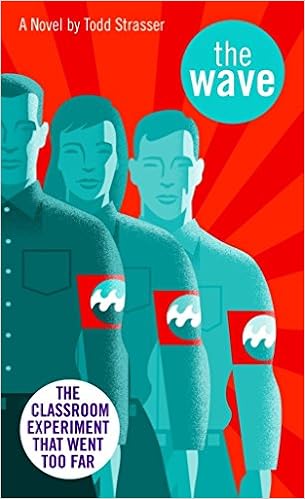
We have continued our discussions about influences, bias, and what causes us to do what we do throughout the year and so I book talked The Wave by Todd Strasser and the book has furiously made the rounds. It’s short, accessible, and a riveting read as we see just how frightfully easy it is to manipulate others.

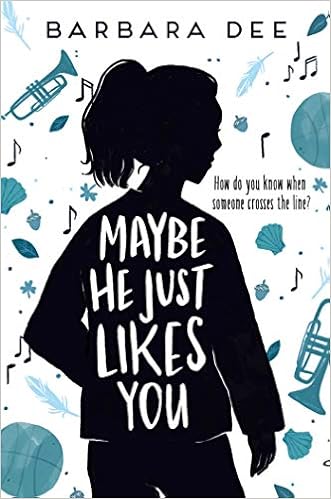
I have lost of how many kids have read Maybe He Just Likes You by Barbara Dee.

Yummy – The Last Days of a Southside Shorty by G. Neri and illustrated by Randy DuBurke

I have replaced Yummy more times than I can count because it is one of those books where once I book talk, I tend to not see it again. One kid book talked it repeatedly as he tried to convince other us its rightful place in their reading lives.

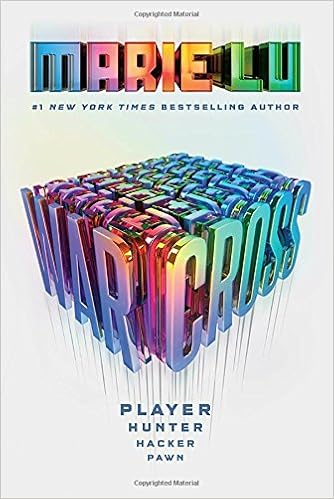
One of our newer additions to must-read books has been Warcross by Marie Lu. This book is featured in our dystopian book club work and is a book that kids love for its fast pace and mystery.

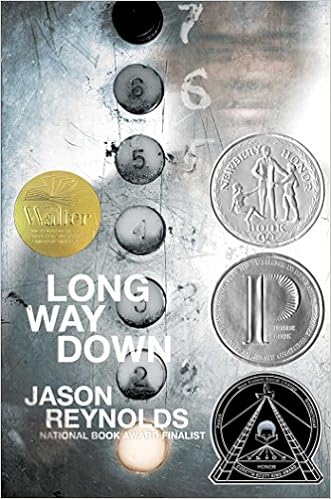
If there is a book that defines our time together it is this masterpiece by Jason Reynolds. Long Way Down continues to be one of our most worn-out, passed around, talked about books more than a year after its release. I have lost count of how many readers have asked for books just like this after they finish its pages.

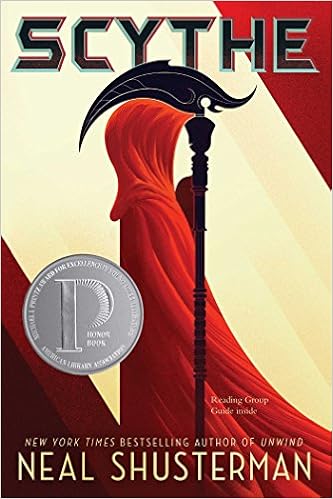
Scythe by Neal Shusterman is the second most read book series in our classroom, and for the kids who are not quite ready to decode its many pages, the audio version beckons. With its complicated plot lines, incredible world building, and suspense, I am in awe of the talent that is Neal Shusterman and how he never underestimates our readers.

Eleven by Tom Rogers about 9/11 is a book that I book talk on the anniversary of the attacks and I see it passed from child to child. The kids I teach now were born after the attacks and long for books that can help them understand what happens. With its dual narrators, the book is fast paced yet accessible for many.

Until Friday Night by Abbi Glines is one of the more mature books in our classroom, but without fail it is one of the most read series we have. With its focus on football, small town, tragedy, and relationships, it pulls readers in from many walks of life.

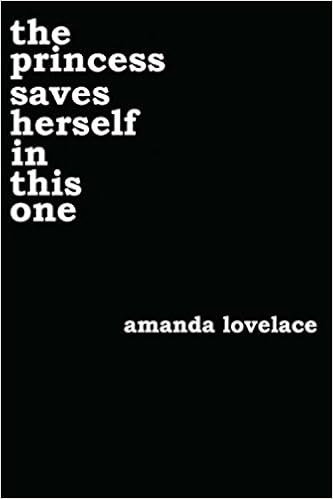
Also more mature, the poetry collection The Princess Saves Herself in this One by Amanda Lovelace is one that especially many of my 7th graders who have not found value in reading gravitate toward. I book talk it individually as well as to the class.

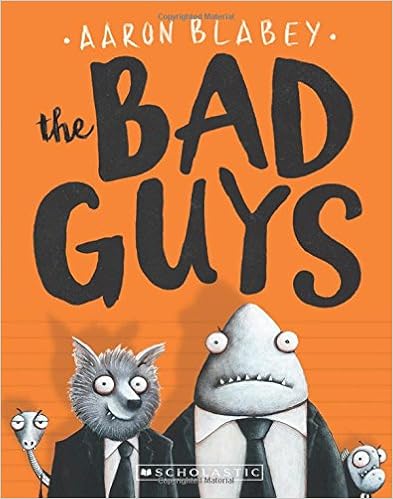
I have seen The Bad Guys series by Aaron Blabey dismissed more times than I can count by adults who deem it too easy for our readers, and yet, this series has single handedly transformed at least three readers’ lives in our classroom over the years. Why someone would dismiss a great series that a child wants to read continues to baffle me.

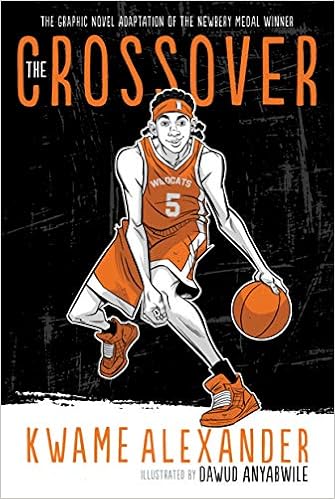
The Crossover – Graphic Novel Adaptation by Kwame Alexander and Dawud Anyabwile Even if a child has read The Crossover (which is also on this list), they still get so excited to see the graphic novel adaptation.

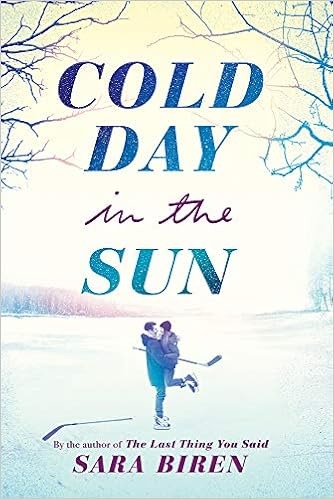
Handed Cold Day in the Sun by Sara Biren to one of my hockey players and she could not put it down.  Her word of mouth recommendation means that it is flying through the classroom, and kids who told me they hate reading are devouring it.

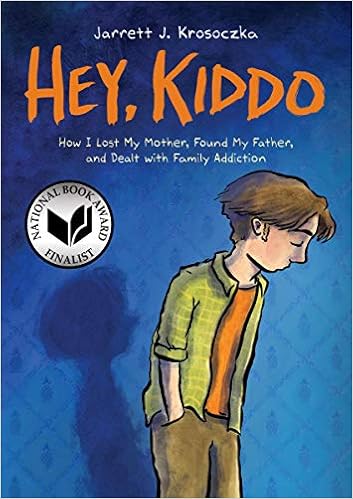
Image result for hey kiddo

Kids cannot believe that this is a graphic novel.  With its unflinching look at how addiction shaped his life and his talents, Hey, Kiddo by Jarret J. Krosoczka is flying through the room.

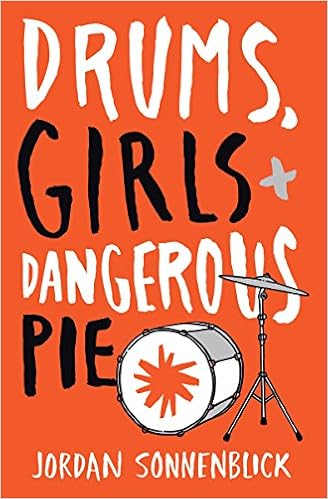
“Mrs. Ripp, I only want to read books like this one…” so said one of my most resistant readers this year, and it happens every year.  Jordan Sonnenblick’s Drums, Girls and Dangerous Pies is one of those books I can count on to be a great reading experience for almost every child I hand it to.

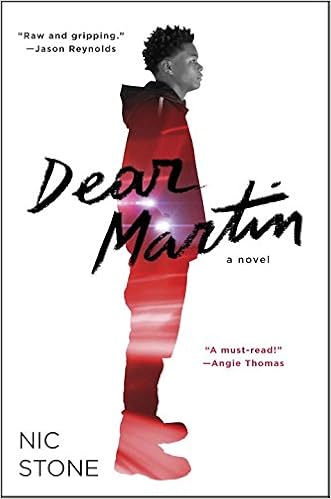
Dear Martin by Nic Stone is one of those books that takes you by the heart and then twists it painfully.  Unyielding in its honesty, this book stays with you long after the last page.

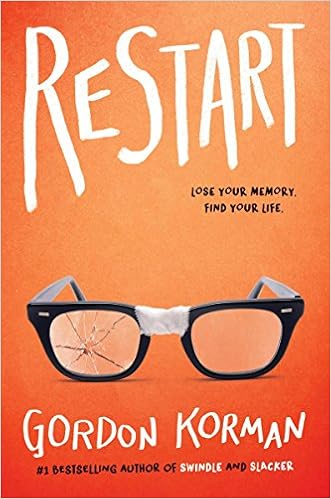
What happens when the alpha bully at a middle school hits his head and forgets everything about himself?  I think so many of my students can connect with Gordon Korman’s Restart for many different reasons.  It is fast-paced and Chases’ dilemma makes you want to read on; will he go back to how he was?

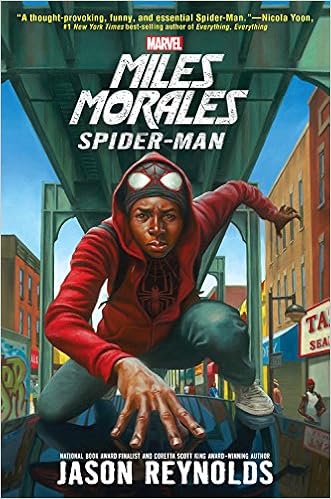
Also by Jason Reynolds, Miles Morales – Spiderman is the first full-length novel that features the comic book character Miles Morales as Spiderman.  Need I say more?

Orbiting Jupiter by Gary D. Schmidt has hands-down been the biggest game changer for a lot of my readers.  I have 7 copies circulating and none of them sit on the shelf for more than a day.  We have it on Audible as well for students who prefer to listen to their books.

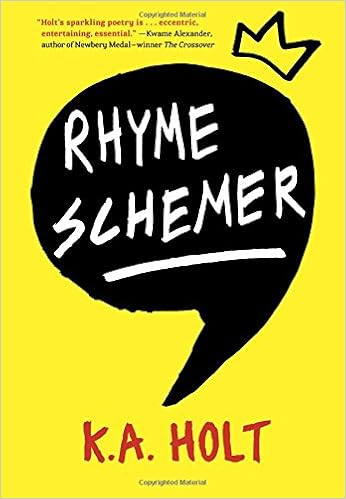
 Rhyme Schemer also by K.A. Holt is about a bully who becomes the victim.  I love how students relate to this story and often see this passed from kid to kid.

Who would think that our most resistant readers start to fall in love with reading through free verse?  What Kwame Alexander’s The Crossover has done for our reading life cannot be underestimated.  I have already had to replace my copies of this book this year and students are eagerly awaiting Booked on it’s arrival date of April 5th.

Reality Boy by A.S.King may have a very angry protagonist but I think the anger and “realness” of the books is what draws readers to it.  This is another book that is often recommended from student to student.

Another free verse book, this one is House Arrest by K.A. Holt has been making the rounds as well.  The discussions in class that this book leads to are powerful for many students.

When a resistant reader recommended this book to me I knew it had staying power in our classroom.  Carl Deuker’s Gym Candy is not your typical sports book and I think that is why it has been so popular with many resistant readers.  It is a little bit raw and a little bit unresolved, a perfect choice for many of my more picky readers.

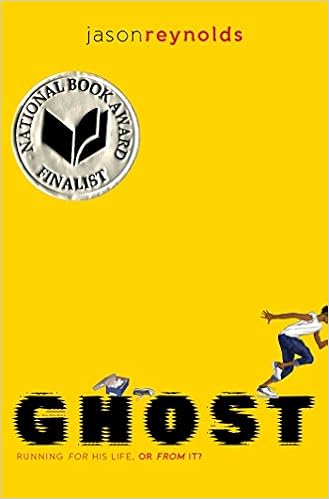
Another Jason Reynolds book, Ghost is book one in the Track series and left my students wanting to read the next book, Patina, right away.  Easily accessible langueg with a relatable character who does not have the easiest life, this was a book many kids declared as a favorite.  

Boost by Kathy Mackel was book talked last week and has not been in my classroom since, quickly passing hands from student to student.

For the first time ever, I used We Were Liars by e.lockhart (Emily Jenkins’ pen name for her YA books) and I was not disappointed.  It was clear that my group of readers quickly became absorbed as they begged for just one more minute of reading time.

It can come as no surprise that Monster by Walter Dean Meyers is a book many readers gravitate to.  I have loved the reflections and thoughtful dialogue that this book creates but even more so how many students have recommended to each other.

What are your must adds/must-reads that you pull out for the kids who say they can’t find a great book?

If you are wondering where I will be in the coming year or would like to have me speak, please see this page. 
being a teacher, being me, conferences, Literacy, Reading, Reading Identity

What’s Important in Your World – A Small Question to Boost Conferring

I have been having small conversations with students. Isn’t that what teaching is in so many ways? Much like we live life in the moments in between the big, we teach in the moments in between the big as well, the big assignment, the best draft, the presentation. We go throughout our day using our voice to connect, our bodies to show our listening, our eyes to show we care. We seek out those moments in between hello’s and goodbye’s to make sure that with us, these kids, our kids, feel seen, challenged, and cared for.

So in thinking about how I could structure more conversation to build trust, I have been starting each reading conference with a simple yet meaningful question. Inspired by Sara Ahmed’s work in Being the Change, after I have asked them how their night was, how their day is going, I then ask, “What is important to you in your world right now?” It took some finessing with the question, in some conversations it flows seamlessly and the students latch onto it and take it in the direction they need it to go. Others ask for clarification which I typically bumble through, but what it shows me each time, is that continued need to connect that drives everything we do in room 203.

That there is still much to be done.

That all of the community we think we have built is still not enough. That each child is still carrying so much within them that ties in with their day, their mood, their thoughts, their actions, their dreams. From the worries about homework as the end of the quarter nears, to friendship issues they are navigating. From coming to terms with sports ending and figuring out what else to use their time on, to not quite knowing what to do with something they know, these kids take that question and allow us one more glimpse into their lives. One more way to build a way for them to trust us with the emotions that are tied into the work we are doing.

Because I can start a conversation asking just about their book.

Because I can start a conversation getting right to the skill.

Because I can start the conversation by asking what they are working on as a reader.

Because I can start the conversations moving into the work as quickly as possible.

But what that will never do is build the kind of trust we need to have with each other when kids tell me how they really want to grow. Why they worry about reading. Why they worry about writing. Why they worry about being in a community where some seemingly don’t understand them. Why they worry about grades, about the future, about the news.

So for now our conferences are taking a little bit longer. So for now, I am not quite sure how the conversation will go. I am not sure when we will get to the work they are doing as readers. But we will and we do.

But before then. Before that.

I get a tiny glimpse into their world and isn’t that what teaching is also about in so many ways? A tiny glimpse so we can help them capture the world the way they want to.

It is for me.

If you are wondering where I will be in the coming year or would like to have me speak, please see this page. If you like what you read here, consider reading my latest book, Passionate Readers – The Art of Reaching and Engaging Every Child.  This book focuses on the five keys we can implement into any reading community to strengthen student reading experiences, even within the 45 minute English block.  If you are looking for solutions and ideas for how to re-engage all of your students consider reading my very first book  Passionate Learners – How to Engage and Empower Your Students
Be the change, being a teacher, Literacy, Reading, Reading Identity

What Does Student Independent Reading Look Like? A Whole District Audit

  Instagram · Square,

For a long time, I felt like an oddity within my reading beliefs: provide students with independent reading time every single day, provide a fully-stocked culturally relevant collection of books, remove all of the reading projects that stood in the way of reading joy, focus on reading identity at all turns. But then I discovered others who shared those same beliefs, who had held those beliefs long before I had reached them, who had pioneered the work spreading the word around the globe. The relief and power that finding others provided is one that cannot be underestimated. The strength that comes with working for a district that shares these beliefs is a blessing.

And yet, I know there are many others that have felt and do feel like the oddities in their school. Who constantly have to defend why self-selected independent reading is a cornerstone of their work. Who have to explain why they continue to spend their own money, ask for money, write grants and do anything they can to purchase more books. Who spend so much time trying to keep up with new books, who weed and discard books that do not have a place in their collection. Who feel alone but might not be.

An incredible honor for me is when I am asked to work with a district or school who is on a journey of trying to reach their readers in a more significant way. Who knows they have work to do and who are ready to take the next step. Who are not afraid to reflect and change even when change is hard. When I am asked to do this work, I always have many questions; what does reading look like now? Which experiences are each reader guaranteed as they go through their journey? What are the rights of your readers when it comes to book choice, independent reading, and reading identity? These questions lead to many discussions, many aha moments, and provide a road map for change. Much like we need to give students the space to create their rights a readers within our community, we need to also create our expectations and rights as a district. What are the experiences that each reader is guaranteed at each level of their schooling beyond the curriculum we use? How can we then make curricular and business (because let’s face it part of schools’ direction is determined by the business aspect) decisions that protect and further these rights? How can we offer training and funding to support these rights? Hw can we invite the community into this conversation? How can we embrace antiracist principles and establish an emphasis on the individual’s rights and needs?

In the spirit of this pursuit, I offer up several questions that should be asked at a district level or at the very least, school level, in order for student reading rights to be protected. After all, if our goal is for students to leave our care not only being able to read well but also find an inherent human value within reading then we need to create experiences that safeguard that.

So please start asking…

How much time is each child guaranteed for self-selected independent reading time each day?

Too often we see independent reading get cut due to fewer instructional minutes, particularly as students get older and we bring in more whole class novels or book clubs. We also see it limited for students who are in intervention or have other needs. Yet, if students are not offered up time to independently ready every single day, how can we then support them in their reading?

What are students “allowed” to read?

While the answer should be “anything they want” this is often not the case as choice is often limited due to well-meaning intentions. Students who read below grade level are often given the least amount of choices, in order to help them have more successful reading experiences, yet within the helpful intent of that we can end up doing real damage. Can you imagine always being told what to read and never being able to work through a book of your choosing? What we should be focusing our energy on is how to help students navigate the choices they make as well as develop better book selection habits.

Where and how can students access books?

A well-developed school library with a librarian should be a right for every child, as should a well-stocked culturally relevant classroom collection curated by a teacher who reads. We need books to entice every reader at all turns, so asking this question can open up discussions of inequitable access, culturally insensitive books, gaps in collections, as well as the need for teachers who teach reading to be readers themselves. How is funding appropriated for books? How are collections developed? How are books placed in the hands of kids?

What are students expected to do once they finish a book?

So often, and in my own experiences, we have a lot of work lined up for kids once they finish a book all in the name of accountability. Whether it be forced book talks, book reports, summaries or readers’ responses, reading logs or other tools that involve counting minutes and needing signatures, or having to take a quiz on a computer, we are so busy policing the experience of reading that we forget to look at what we, as adults, want to do when we read a book. These accountability practices can do a lot of damage, particularly if students are exposed and expected to do them year after year. By asking this question, we can start to look at long-term experiences and how that may be impacting reading identity throughout our years together.

What does reading “homework” look like?

While currently in my own classroom, students are expected to try to read at least 2 hours outside of English class every week, this is not how it used to be. I had packets and worksheets lined up for their reading, as well as small summaries, and book talks with friendly adults who had not read the book. This question goes hand in hand with the previous one as it looks at the components we attach to reading, as well as potential inequities within our practices. What are we tying in with the homework being completed or not? Not all kids are in a position to read outside of school, not all kids have access to what they need or are in a place in their journey where they see enough value to dedicate outside class time to reading.

Who are kids expected to read?

While this is a question that speaks to a much larger issue surrounding the canon and who we, as educators, constantly expose students to as literary masterminds, it is also important that we locally audit across grade levels to see who is being shared and more importantly who isn’t. Often we base our read alouds, book clubs, and text selections on our own favorites with little thought to what has come before and what will come after for our students, but since publishing skews heavily white, cisgendered, and heteronormative, this tends to become the reading experience for many students as well, particularly those within white majority districts or taught by mostly white educators. Diving into this questions can and should fundamentally change the canon we present to students year after year.

While there are many other questions to ask, the few shared here will offer up a path way to further investigation into the reading practices embedded within a district. It is definitely a conversation that is needed and should be pursued on an ongoing basis. After all, if we don’t ask the questions and reflect on the journey we place students on, how will we ever change?

If you are wondering where I will be in the coming year or would like to have me speak, please see this page. If you like what you read here, consider reading my latest book, Passionate Readers – The Art of Reaching and Engaging Every Child.  This book focuses on the five keys we can implement into any reading community to strengthen student reading experiences, even within the 45 minute English block.  If you are looking for solutions and ideas for how to re-engage all of your students consider reading my very first book  Passionate Learners – How to Engage and Empower Your Students
books, picture books, Reading

Best Books of 2019

In June, I published my Best Books of 2019 So Far list, the very next day after publishing it, I read an incredible book, and then another, and then another. And so as it happens, the list continues, here are all of the incredible books that I loved in 2019. I know I missed some so please let me know your favorites as well.

And I know the year is not over yet, and so this list will inevitably be updated but I also want to allow myself to take time off from work during this month.

Picture Books

Out APril 14th, 2020
Out March 10th, 2020
Out January 14th, 2020
Out April 7th, 2020
Not Quite Snow White
Image result for saturday oge mora
The Bell Rang by [Ransome, James E.]

Early Readers

Middle Grade

What Lane? by Torrey Maldonado
Out April 14th – Preorder now
I Can Make this Promise by Christine Day
Global Read Aloud contender for 2020
Out March 3rd, 2020 – pre-order now
Prairie Lotus by Linda Sue Park
Global Read Aloud Contender 2020
For Black Girls Like Me by Mariama J. Lockington
Global Read Aloud Contender 2020
Clean Getaway by [Stone, Nic]
Clean Getaway by Nic Stone
Out January 5th – preorder now
Count Me In by Varsha Bajaj
Global Read Aloud Contender 2020
My Jasper June by Laurel Snyder

Young Adult

Pet by Akwaeke Emezi
Global Read Aloud Contender 2020
Jackpot by Nic Stone
Global Read Aloud Contender 2020

Non-Fiction

Kent State by Deborah Wiles
Out April 21st – pre-order now
Stamped – Racism, Antiracism, and you by Jason Reynolds and Ibram X. Kendi
This is the best book I have read all year
Out March 10th 2020 – pre-order now
Global Read Aloud Contender 2020


It’s Trevor Noah: Born a Crime by Trevor Noah
Global Read Aloud Contender 2020

While the year is not over yet, this was another great year of reading. I continue to marvel at the strength of the books that come out, the broader marketing of better representative books – even though we still have so far to go – , and also the guts that our children’s’ authors and illustrators continue to have when it comes to what they tackle for kids. I am so grateful for all of these creators and the continued magic they provide us with. I also know I missed books this year, so what did I miss? What were your favorite must reads?