being a teacher, hopes, picture books, Reading

Great Picture Books to Inspire Hope in the World

It seems that these are dire times.  That hate, anger, and rage against others is more than the norm than ever.  I can tell you, going home to Denmark, many friends have asked me; what in the world is happening in America?  At times, it feels as if we are judged as a nation by the very loud actions of a few and so it comes down to the rest of us, those whose voices are for some reason not being heard to make sure that the America we know is one of love, of hope, of kindness.  A place where all can exist unafraid.  What better way to spread more kindness, love, and hope in the world with a few great picture books?

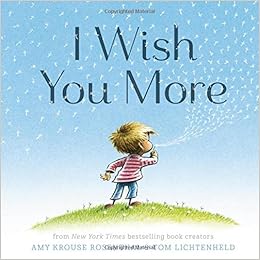
I wonder if there will ever be a time where I can read I Wish You More  by Amy Krouse Rosenthal  (Author), Tom Lichtenheld  (Illustrator) without tearing up.  After all, Amy’s whole mission in life seemed to be to spread more love and happiness.  What better way to remind ourselves that this is what we should wish for everyone?
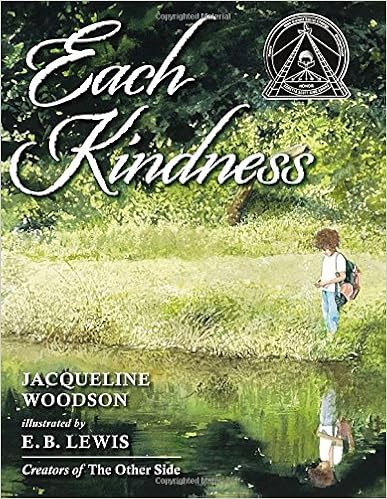
Each Kindness by Jacqueline Woodson  (Author), E. B. Lewis (Illustrator) continues to be a needed book.  We must teach children that their actions, even their unkind ones, have repercussions and that we all play a part in how we make others feel.  While this book does not offer up a happy ending, in my eyes, it offers up the perfect one.

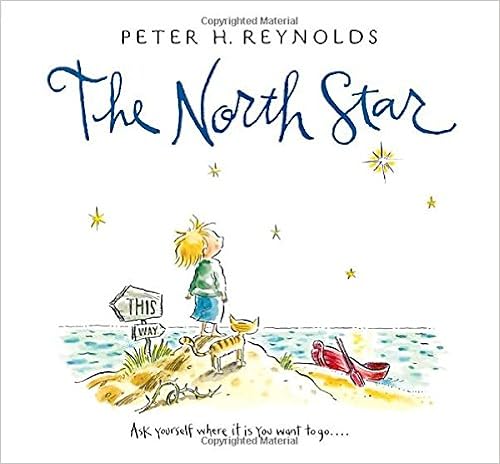
My favorite Peter H. Reynolds book, which says a lot, is The North Star.  We follow the journey of a boy who goes on a windy path to get to where he needs to be.  I end every single year with a read aloud of this book because my students are on a journey that is just beginning, even if the future seems a bit unknown and sometimes scary.

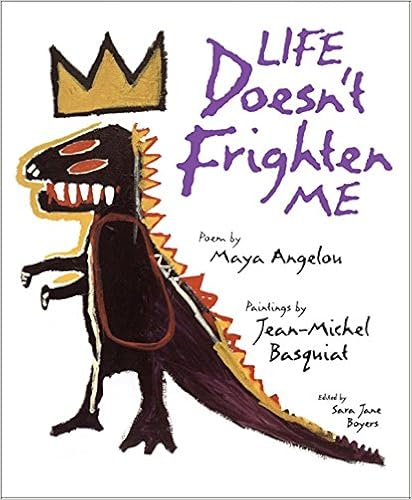
Originally published in 1993, Life Doesn’t Frighten Me is about to be reprinted in 2018 for its 25 year anniversary.  What a powerful picture book written by Maya Angelou using paintings by Jean Michel Basquiat to remind us to face our own fears.

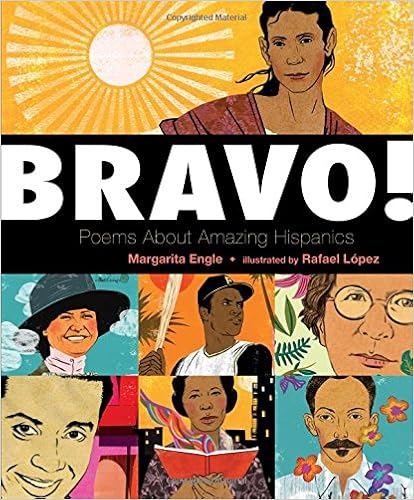
When we learn about what others have accomplished and overcome sometimes our own troubles do not seem as scary.  I love Bravo!: Poems About Amazing Hispanics 
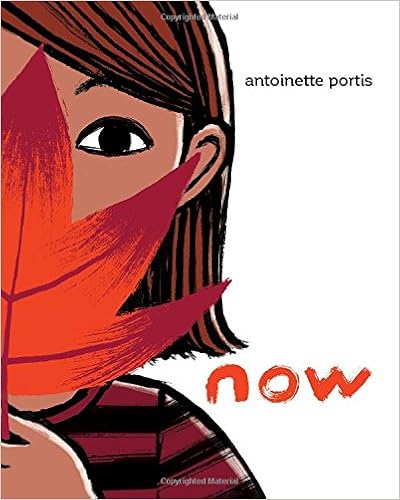
At times, the biggest reminder we need to not feel afraid is to be in the very moment we are in.  Now by Antoinette Portis is magnificent in its simplicity and powerful reminder of mindfulness, quiet, and patience.


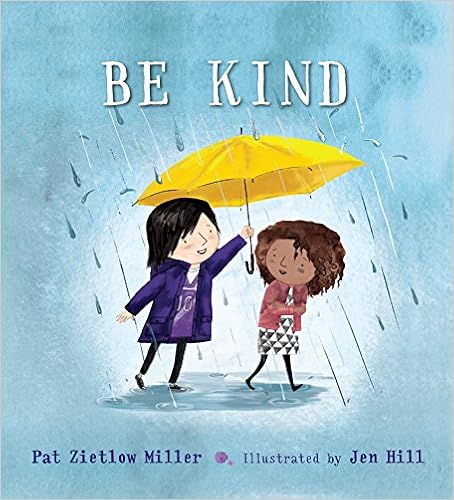
While not out until February 2018, I wish Be Kind by Pat Zietlow Miller and illustrated by Jen Hill would be the very first read aloud in every single classroom.  We are so quick to tell children to be kind, but do they really know what that means?

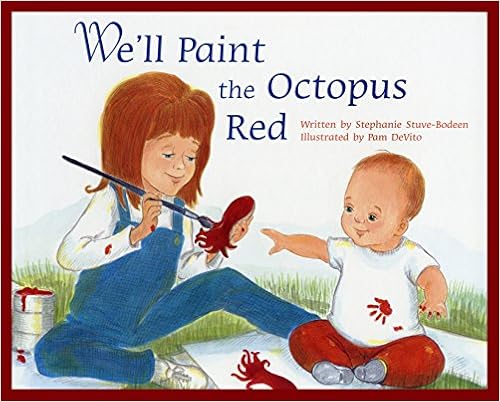
Sometimes our best-laid plans and biggest dreams don’t turn out the way we had anticipated, so then what do we do.   In We’ll Paint the Octopus Red 


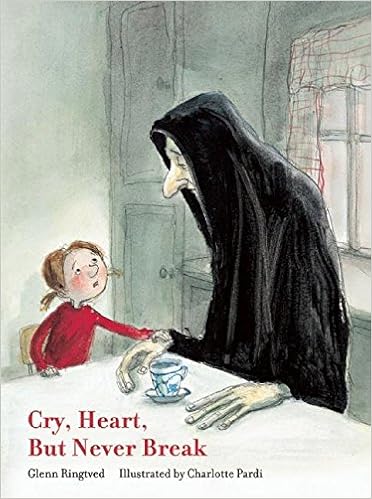
How can you find hope in a picture book about death?  In the Danish picture book Cry, Heart, But Never Break by Glenn Ringtved (Author), Charlotte Pardi (Illustrator), Robert Moulthrop (Translator) they manage to do just that.  While death is inevitable, how we feel about it is a choice.
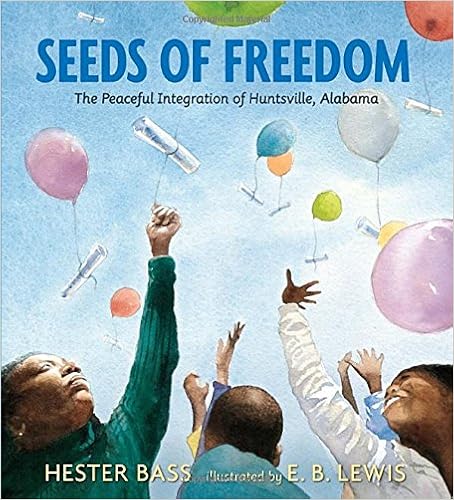
Have we forgotten how to be united as a nation?  Seeds of Freedom: The Peaceful Integration of Huntsville, Alabama by Hester Bass  (Author), E.B. Lewis (Illustrator) shares a remarkable story that would be a great reminder to many.


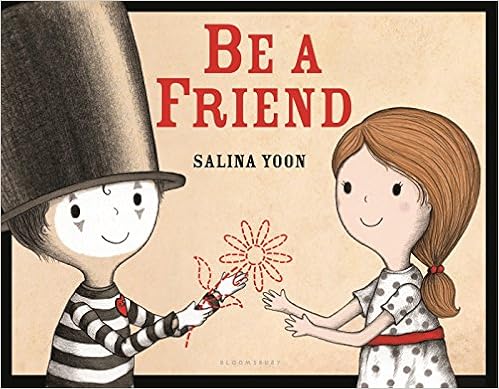
Be a Friend by  Salina Yoon reminds us all to see past the obvious when looking for a friend.  After all, who doesn’t hope to meet joy?


While it is certain that all of Kathryn Otoshi’s books could be on this list, my favorite is One.  The book reminds us of what the power of one can do in the face of adversity.


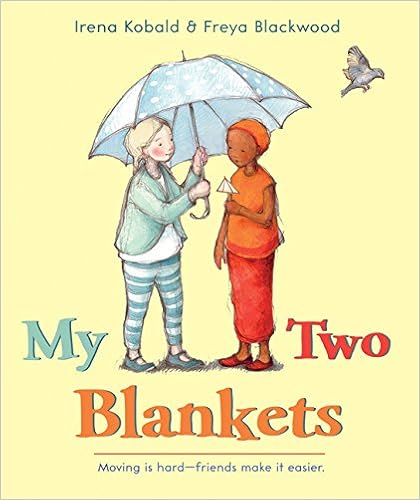
My Two Blankets by Irena Kobald  (Author), Freya Blackwood (Illustrator) reminds us of the power of familiarity even when everything seems new and scary.  It is also a beautiful tale of friendship and reaching out to others.  


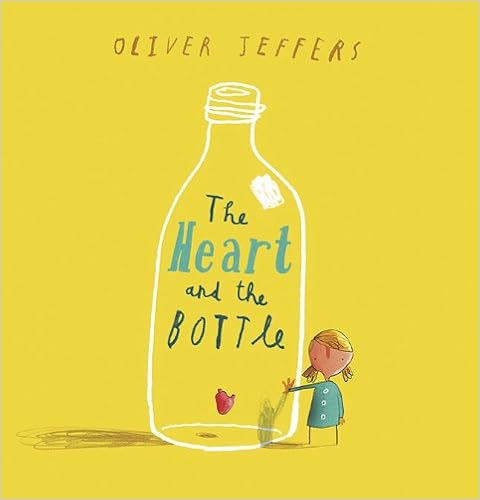
Sometimes the world is so scary that all we want to do is shut the door and protect our hearts.  The Heart and the Bottle by Oliver Jeffers reminds us to not do that but to keep on loving even when we are afraid of our hearts breaking.


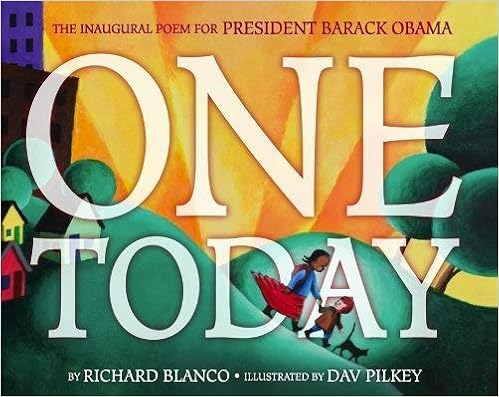
We are one, even when we are split, even when we are hurting, even when others seem hell-bent on splitting us apart.  One Today by Richard Blanco  (Author), Dav Pilkey (Illustrator) is the beautiful poem from President Obama’s second inauguration is the commemoration of the dreams so many of us carry for the United States.


A few great picture books to bring back hope, and love, and kindness.  What are your favorites? To see all of our favorite books, go here.


If you like what you read here, consider reading my newest book, Passionate Readers – The Art of Reaching and Engaging Every Child, out August 2017.  This book focuses on the five keys we can implement into any reading community to strengthen student reading experiences, even within the 45 minute English block.  If you are looking for solutions and ideas for how to re-engage all of your students consider reading my very first book  Passionate Learners – How to Engage and Empower Your Students.      Also, if you are wondering where I will be in the coming year or would like to have me speak, please see this page.
being a teacher, Literacy, Reading, Reading Identity

They Don’t Just Need to Find the Right Book…

She tells me, ” I just don’t like reading, Mrs. Ripp, and I am okay with that…”

I turn to her about to say the line we all have said, (can you say it with me?), but before I open my mouth, she interrupts…

“And please don’t tell me I just need to find the right book because that’s what they all say…”  and with that, she walks away.

Her words follow me home and now two years later still ruminate.  I was about to say it, I have said it, and I probably will say it again, and yet she is right, of course.  How many times have we told a child that they “just” need to find that right book?  How many times have we told a child that reading will make complete sense once they find the right book?  As if there is one single book that they just need to find and then everything will fall into place.  One that book is found then the magic of reading will all of a sudden unfold around them and they will all be readers after all?

How easy this is to say to a child when they tell us their reading truths and yet have we really thought about what we are telling them?

When we tell a child that they “just” need to find that one right book we dismiss much of their reading identity without even knowing it.

When we tell a child that they “just” need to find that one right book we dismiss all of the reading they have done to that point.

When we tell a child that they “just” need to find that one right book we dismiss the work that goes into reading for many of our students and all of the work they have put into becoming readers.

Sure, it is a hopeful statement, especially if you have the memory of that one book that made the biggest difference to you.  But what about the child that tries every single day to read and it still doesn’t make sense?  What about the child that did find that book but then was not able to find another one?

Because the thing is with helping students become readers who like to read, it is not about just finding one book.  It is about finding one book they love and then finding the next one, and then the next.    That doesn’t simply happen no matter what we tell kids.  It takes work, patience, persistence, and even some luck at times.  It takes conversations and questions and hope for every child.  It takes relationship and communication.  Honesty and even frustration.  It takes you knowing a child and a child knowing themselves.     Because while one great book can be just a fluke two great books are harder to dismiss.  It is about helping them find these books on their own.  about figuring out who they are.  About validating all of the experiences they have had with reading so far and either protecting the positive or changing the negative.

And so before we let the words roll off our tongue so easily, stop for a moment and think; what is it we really mean when we say “just find the right book?”  Because it is not just the book they need, it is the time, the skill, the motivation, and the dedication.  And while it starts with a great book it does not end there, even in the best of circumstances.

If you like what you read here, consider reading my newest book, Passionate Readers – The Art of Reaching and Engaging Every Child, out August 2017.  This book focuses on the five keys we can implement into any reading community to strengthen student reading experiences, even within the 45 minute English block.  If you are looking for solutions and ideas for how to re-engage all of your students consider reading my very first book  Passionate Learners – How to Engage and Empower Your Students.      Also, if you are wondering where I will be in the coming year or would like to have me speak, please see this page.
being a teacher, choices, Literacy, Reading, Reading Identity, student choice

But Not For the Kid

We say we believe in choice for all but it appears that all doesn’t really mean all.  That our stipulations get in the way.  That we fill our choice with “but’s…” and then wonder why kids tune out, disengage, and cannot wait for school to be over.

So we say we believe in choice for all

…but not for the kid who didn’t read last night.

…but not for the kid who doesn’t understand what they are reading.

…but not for the kid who doesn’t know how to select the right book.

…but not for the kid who keeps abandoning the books they choose, clearly they are not ready.

We say we believe in choice for all

….but not for the kid who needs intervention.

…but not for the kid whose words cannot be trusted.

…but not for the kid who hasn’t earned it.

…but not for the kid who keeps reading the same thing.

…but not for the kid that won’t read unless we sit right next to them, reminding them to keep their eyes on the page.

We say we believe in choice for all, but do we really?  Or do our “but’s” get in the way?

If you like what you read here, consider reading my newest book, Passionate Readers – The Art of Reaching and Engaging Every Child, out August 2017.  This book focuses on the five keys we can implement into any reading community to strengthen student reading experiences, even within the 45 minute English block.  If you are looking for solutions and ideas for how to re-engage all of your students consider reading my very first book  Passionate Learners – How to Engage and Empower Your Students.      Also, if you are wondering where I will be in the coming year or would like to have me speak, please see this page.
being a teacher, Literacy, Reading, Reading Identity, student choice, Student dreams

On Reading Tasks


I used to ask students to write in their reader’s notebook for a few minutes every day after they finished reading.  Some days they could write about whatever, other days I had a specific prompt.  Just four minutes because four always seems less daunting than five.  Just four minutes to give me a feel for what you are thinking.  Just four minutes to let me know if you are reading.

The protests started quickly.  Slow steps to get their reader’s notebooks, lengthy pencil sharpening sessions, bathroom breaks and long stretches.  Kids who needed to read just one more page even though it cut into their writing time.  Then louder, more vocal, “Do we have to, Mrs.  Ripp?”  “I don’t know what to write…”  “What’s the prompt again?”  I even had a child tell me that they thought it was stupid.  But I knew best, so we soldiered on.

Their responses were mediocre at best.  Short burst of thinking.  Not a lot of depth.  Surface level understanding, connections, and even writing.  I was baffled at how poorly they did., had they really misunderstood all of my instruction?  Did they really not understand theme?

On the end of the year survey, I asked them, “What is the one thing you wish Mrs. Ripp would never do again?”  Their response was resounding; our reader’s responses.  “Please don’t put other kids through that, Mrs. Ripp!” one child wrote in the margin.  “It made me hate reading!” another child confided.  I knew they disliked it, but the sheer quantity of kids that, without consulting each other, had put this four minute part of our class on the survey was astounding.  I had known all along, but still…surely this little check for understanding was just that; little.  Insignificant, and yet the damage it was doing to a child’s reading life was anything but.

This happens all the time in our reading classrooms; small ideas, insignificant extra tasks, minor routines that end up doing major damage.  We assume that kids will be okay, they are resilient, but we forget that for many their reading identities are not well formed yet.  That it doesn’t take much to knock them off course.  That it is not just because they dislike reading because they never found the right book, but because we have created reading classrooms where there sometimes is very little reading, but very many tasks.  Yes, kids need to process their reading.  Yes, kids should grow from their reading, but that doesn’t mean always writing.  That doesn’t mean always producing something.  That doesn’t mean that we squeeze in a short response thinking it will help them in the long run, no matter the damage it does now.

We forget that just reading is work.  That for some kids it takes incredible mental prowess to figure out the words, to visualize the story, to comprehend what is going on.  They are tired after they read.  We forget that reading can be solitary.  That as adults we often sit in silence after we have read or we think of who we would like to share this book with.  How we would like to proceed.  I know very few adults that write a summary every time they read or even write down their pages.  So why do our reading decisions look so different in our classrooms?

So what tasks do you have attached to reading?  What are you asking kids to do when they are reading?  Do they get stretches of uninterrupted time to just read?  Do they get to choose what to do when they do read or when they are done?  Have you asked students what they would like to do or what you need to change?

Most days, my students “just” read.  Sometimes I ask them to speak to a peer about their book, sometimes I do ask them to answer a question, sometimes I ask them to reflect on their reading, either out loud or on paper, sometimes I ask them to just think.  The key here is “Sometimes…” not always or often.  Not every day, not always in writing.  I tell them that when I ask them to do something, it matters, and because we do it so rarely, to most it does.  They take their time, they do the work because they know that this is a rarity rather than an everyday occurrence.

I wish I would have stopped our four minutes earlier.  I wish I would have listened to the students, rather than thought I knew best.  I wish I would have asked them sooner, what would you like to do when you finish reading and then listened to their answers.  I wonder if they would have answered much like Thea, our eight-year-old, did when I asked her, “When you finish a book, what would you like to do?”

She looked at me confused, “What do you mean?”

“What kind of thing would you like to do when you have finished a book?”

She looked me right in the eye and said, “Start another book…” and she walked away.

So let them read, not for the sake of producing, but for the sake of reading itself.

PS:  Join the conversation in our Passionate Readers Book Club on Facebook.

If you like what you read here, consider reading my newest book, Passionate Readers – The Art of Reaching and Engaging Every Child, out August 2017.  This book focuses on the five keys we can implement into any reading community to strengthen student reading experiences, even within the 45 minute English block.  If you are looking for solutions and ideas for how to re-engage all of your students consider reading my very first book  Passionate Learners – How to Engage and Empower Your Students.      Also, if you are wondering where I will be in the coming year or would like to have me speak, please see this page.


being a teacher, fun, Literacy, Reading, Reading Identity, Student dreams, Student Engagement, Student-centered

On the Need to Plan for Reading Enjoyment

A question I receive often is what do you teach?  Meaning what reading skills do I get to explore with my 7th graders in our English block?  And how do I cover it all?  I get it, teaching English Language Arts in the forty-five-minute block is daunting.  We feel like we are behind on the second day of school.    (Incidentally, this is what prompted me to write Passionate Readers because I figured I could not be alone in trying to deal with the madness).  And yet, while I gladly share what we do as I try to help my students become better readers, there seems to be a missing part in this curriculum conversation; the need to plan for reading enjoyment.

Why does this matter?   Because our assumptions about what we can do to kids’ reading lives through our well-meaning intentions are wrong.  We have assumed for too long that kids will just like reading, no matter what we do to them in class.  No matter the task we assign them.  No matter how we teach and what we discuss.  And yet, the numbers don’t lie… As kids get older, reading for fun decreases and with it outside reading.  We all know where this goes, by the time kids leave our classrooms and become the adults we have hoped to shape, many of them; 26% to be exact, choose to not read a single book for the next twelve months.  And we know this, we see it in our classrooms every single year; those kids that come in and sigh, that pick up a random book, that look us in the eyes and tell us proudly that they will never like reading no matter what we do.  It seems, in our eagerness to create amazing readers, we have lost sight of the end game; people who actually want to read once they leave our schools.

The decisions we make today, as we plan for the year ahead, or for the next day’s lesson, matters more than we know.  Yes, kids need reading skills, of course, but we also must plan specifically for protecting the hope of reading.  For protecting the positive reading identities that are already present in our school communities, for investigating and hopefully changing the negative reading identities.

But this won’t happen just by happenstance. Joyful reading experiences don’t just happen magically even if we provide choice, time, and plenty of great books.  We must strive to make it fun.  To create meaningful opportunities to interact with others through the books we read.  To abandon the books that do not work for us, even the ones we rank a seven or an eight.  To read picture books aloud not just for teaching the skill but for creating a community, for laughing together.  For speaking books with one another.  For reading aloud.  For finding time to slow down so we can savor what we read, rather than just to get through it.

And don’t take my word for it, here is just some of the research of the benefits of focusing on reading enjoyment from The National Literacy Trust.

clipular (1).png

We may lament the amount of time we have in our classrooms.  We may worry that we will never get “it” done.  That we are not enough or that what we are doing is not the right thing.  But we must not forget how much we do control in our limited time with students; how many decisions we do get to make.  One of those has to be what we are going to do to protect the love of reading.  How will we make reading fun again and then stand proudly behind our decisions?  So next time you plan a lesson or have a curriculum discussion, ask yourself this; will there be enjoyment in this?  Will the very students we are teaching find this fun?  And if not, why not?  What can you do to change?  Our classrooms were never meant to be the place where reading came to die, they were meant to be places filled with reading explorations.  What will we do to change the very experience we have with our students?

Our classrooms were never meant to be the place where reading came to die, they were meant to be places filled with reading explorations.  What will we do to change the very experience we have with our students?

If you like what you read here, consider reading my newest book, Passionate Readers – The Art of Reaching and Engaging Every Child, out August 2017.  This book focuses on the five keys we can implement into any reading community to strengthen student reading experiences, even within the 45 minute English block.  If you are looking for solutions and ideas for how to re-engage all of your students consider reading my very first book  Passionate Learners – How to Engage and Empower Your Students.      Also, if you are wondering where I will be in the coming year or would like to have me speak, please see this page.
being a teacher, Literacy, Reading, Reading Identity

On Computer Programs and Our Most Vulnerable Readers

She asks me, “Well, what about Accelerated Reader?”

“What about it?”

“Well, it’s just so easy to use…I can see if a child has read a book really quickly.  I can see if they understand it.”

And she is right.  A program like Accelerated Reader 360 is easy.  It is quick.  It is less work for us, the teachers.  A child reads a book, takes a test, the score determines whether they understood it, what they need to practice, and what they should read next.  One computer program and so much work has been done for us.

So we hand the companies our money, sometimes instead of buying books.  We place our children in front of computers who decide which books they should read, which skills they should practice.  All we have to do is sit back and print out the results.  We have all the data we need right there.  It is so much easier to teach a child when we don’t have to take the time to get to know them.

But that is not enough….

We create readers and kids who like to read through interaction.  Through conversation. Through exploration.

We create readers when we feel a deep personal connection to a text.

When we hand over a book to someone else.  When a book stays with us, haunts us, and keeps us awake.  When we cannot wait for the sequel to come out or we cry when a series ends. When we rush to tell someone else about the experience we have just had with a book, or we tell no one because no one will ever fully understand just how we feel.

We create readers when we give them time to read.  When we help them work through text that they have self-selected.  When we give them choice and the room to explore.  When we offer them many ways to succeed.

When a teacher is there to protect, to guide, to help, to adjust and to learn about the reader that is in front of them.

Not just when we comprehend.  Not just when we cite evidence.  Not just when we can successfully pick out the theme that someone else has decided is present.  Not just when we purchase a “reading” program and fail to notice that it doesn’t actually do reading instruction.

And so I shudder when someone asks what computer program they should purchase for their struggling readers.  Which one will guarantee the most growth.  As if growth is the only defining factor of someone who reads?

And then I get angry because my child could be categorized as such, as a reader who struggles with text, as a reader who is not where she should be in her journey, as a reader who is the most vulnerable type of reader.  And I know the damage a computer would do to her hope to be a reader some day.  Because the simple truth is that the reason she believes that she will some day read chapter books is that caring teachers have kept that hope alive.  They have handed her book upon book and they have laughed with her through the pages.  They have taken the time to teach her in small groups or one-on-one.  They have gotten to know her so that when she gets down on herself about how she still cannot read chapter books, they tell her someday, and she believes them,

No computer will ever care about the hope that my child carries.  No computer will ever tell her to not give up when something gets hard or understand why she makes the decoding mistakes she does.  No computer will ever tell her that she IS a reader, even if she doesn’t feel like one. It would be the death of her.  And yet, we see it everywhere.  Computers doing all of the work that a skilled teacher should be doing.

We take our most vulnerable.  The kids who hate reading.  The kids who are not where they should be.  The kids whose gaps continue to grow and instead of putting them with a specialist, instead of putting them in an environment where books, and conversation, and interaction, and being on a journey together rule the day.  We push start and then walk away….

And then we wonder why they tell us they never want to read again.

So I ask you this; if you would not put your strongest reader in front of a computer.  If you would not take specialized instruction away from those kids who are advanced.  If you would never dream of subjecting a child to the whims of a program when they have already proven they are a reader, then why do it to those who need us the most?

Think about it.

Reading is not just about comprehension.

Reading is not just about growth.

About points.

About scores.

Or rewards or even pages read.

Reading is about a journey.  A love.  A dream kept alive that by reading a book we would be something more than we were when we started.

No computer program can ever provide that.

PS:  Before I get tons of comments about how that one kid loves the program, that is awesome!  I love computerized tests too because they are super easy for me.  Have them keep doing it, but don’t do it to those who don’t.   Who need more.  There are always kids that will, but if a program harms the love of a reading for a child, question the program, not the child.  To see some research on what does provide effective literacy instruction, start here

If you like what you read here, consider reading my newest book, Passionate Readers – The Art of Reaching and Engaging Every Child, out August 2017.  This book focuses on the five keys we can implement into any reading community to strengthen student reading experiences, even within the 45 minute English block.  If you are looking for solutions and ideas for how to re-engage all of your students consider reading my very first book  Passionate Learners – How to Engage and Empower Your Students.      Also, if you are wondering where I will be in the coming year or would like to have me speak, please see this page.