Posted from my Patreon community where I take requests for book lists to create, share resources, and offer up coaching for members. It is a very easy way for me to be accessible to people around the world, you can join here.
I am continuing with my updates of the picture book lists I made several years ago to accompany the teaching of a variety of reading skills. This time, the focus is on “Internal Conflict” or that moment when a character asks a large question in order to try to make sense of themselves or the story. This can give us a further clue as to who they are, the conflicts of the story, why they may be acting the way they are, the theme of the story, or even predict the future.
When I first started out teaching this skill, I was inspired by the language of Notice and Note: Strategies for Close Reading by Kylene Beers and Robert Probst. This book provided my students with the foundation for deeper reading conversations and a common language as we developed our thoughts and discussion skills.
White Water by Michael S. Bandy and Eric Stein has several tough questions in it and also doubles as an amazing book to discuss a really powerful topic with students; racial segregation. This is the book I used to introduce the strategy to my students with the bonus of having aha moments and a contrast and contradiction in it as well.
A book near and dear to my heart The Yellow Star By Carmen Agra Deedy. Although the story is not true, it still speaks of my people’s fight against the Nazi occupation and opens up great conversations. The tough question is when King Christian wonders what can be done to fight the yellow stars.
What Do You Do With An Idea? by Kobi Yamada is a book I use a lot in the classroom as it is great for inferencing, and inspiring creativity, but it also works well for this strategy as it starts out with tough questions and then has several more further in.
The tough question is not posed as a question in Henry’s Freedom Box by Ellen Levine but instead as a desire to be free. I would use this later in the strategy to teach students that tough questions are not always in a question format.
Boats for Papa by Jessixa Bagley only has one question in it but it will lead to great questions and will also be a great inference exercise.
Did I miss any? If you are wondering how I use these picture books, just ask, and I will gladly share ideas.
PS: Are you looking for coaching, in-person support, or virtual presentations? I am available and would love to support your work. Whereas I am physically located in Denmark now, I can travel if needed. In fact, I will be in the US and Canada in February 2023. If you would like me to be a part of your professional development, please reach out. I am here to help. For a lot more posts, resources, live and recorded professional development, please join my Patreon community where most of my sharing takes place these days.
Posted from my Patreon community where I take requests for book lists to create, share resources, and offer up coaching for members. It is a very easy way for me to be accessible to people around the world, you can join here.
I am continuing with my updates of the picture book lists I made several years ago to accompany the teaching of a variety of reading skills. This time, the focus is on “Memory Moments” or that moment when a character has a flashback that in some ways gives us further clue to who they are, why they may be acting the way they are, the theme of the story, or even predict the future.
When I first started out teaching this skill, I was inspired by the language of Notice and Note: Strategies for Close Reading by Kylene Beers and Robert Probst. This book provided my students with the foundation for deeper reading conversations and a common language as we developed our thoughts and discussion skills.
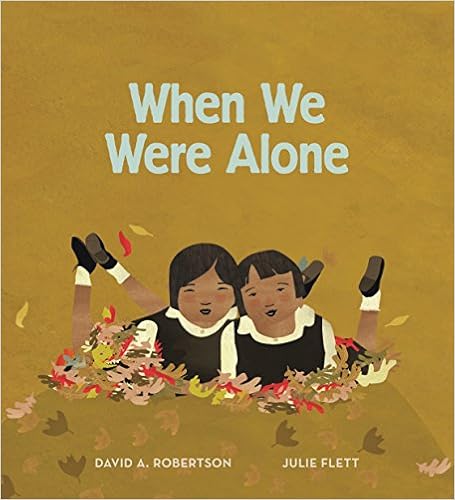
An incredible picture book, When We Were Alone by David A. Robertson and Julie Flett have a memory moment every time the grandmother answers her grandchild’s questions. Powerful message that will capture curiosity. This is the book I will use with my 7th graders.
Both The Day the Crayons Quit and its follow up The Day the Crayons Came Home by Drew Daywalt and illustrated by Oliver Jeffers have great memory moments as the crayons tell Duncan how they were used and what they remember. Considering these are must have picture books for any classroom, since there are so many things you can teach with them, I am thrilled that both can be used for this strategy as well.
The retelling of the story of King Christian X in The Yellow Star by Carmen Agra Deedy and illustrated by Henri Sørensen is an example of a memory moment in the lesson that we are all to glean from it. The fact that the story is not true does not hinder its deeper meaning.
The books of Peter H. Reynolds has been featured in all of my signpost picture books, and it speaks to their incredible versatility. You and Me written by Susan Verdi and illustrated by Peter H. Reynolds is a memory moment from the start as the characters reminisce about what would have happened had their day not unfolded the way it did. A beautiful story of friendship and serendipity.
Memories abound as the Wolf shares the story of what really happened with the pigs in Tell the Truth B.B. Wolf by Judy Sierra and illustrated by Jotto Seirold.
Did I miss any? If you are wondering how I use these picture books, just ask, and I will gladly share ideas.
PS: Are you looking for coaching, in-person support, or virtual presentations? I am available and would love to support your work. Whereas I am physically located in Denmark now, I can travel if needed. In fact, I will be in the US and Canada in February 2023. If you would like me to be a part of your professional development, please reach out. I am here to help. For a lot more posts, resources, live and recorded professional development, please join my Patreon community where most of my sharing takes place these days.
Posted from my Patreon community where I take requests for book lists to create, share resources, and offer up coaching for members. It is a very easy way for me to be accessible to people around the world, you can join here.
One of the reading strategies we teach students is to notice character changes, whether it be in chapter books, movies, or even in life. When I first started out teaching this strategy, I was inspired by the language of Notice and Note: Strategies for Close Reading by Kylene Beers and Robert Probst. This book provided my students with the foundation for having deeper reading conversations and a common language as we developed our thoughts and our discussion skills.
While being able to track characters and notice when they act out of character is a great reading strategy, it is an even bigger life skill. Inferring and noticing when people don’t seem like themselves or when they change can be practiced within literature and media. As a way to introduce and really focus on the strategy, I have long used picture books to showcase it. 8 years ago, I created this initial list of picture books and I figured it was about time to update it as I sit and watch Titanic with my kids.
The Noisy Classroom by Angela Shanté and illustrated by Alison Hawkins. A young girl is about to enter the third grade, but this year she’s put into Ms. Johnson’s noisy class. Everything about the noisy class is odd. While all the other classes are quiet, Ms. Johnson sings and the kids chatter all day. The door is always closed, yet sounds from it can be heard in the hallway. With summer coming to an end and school starting, the girl realizes that soon she’ll be going to the noisy class. What will school be like now?
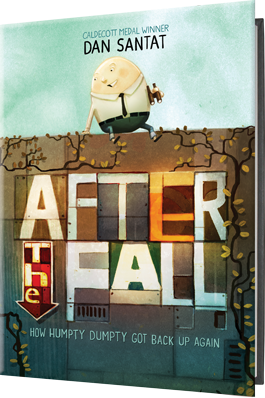
In After the Fall by Dan Santat, Humpty Dumpty has to come to terms with his own fear and anxiety after a great big fall. But that requires him to act opposite of what his fear tells him to.
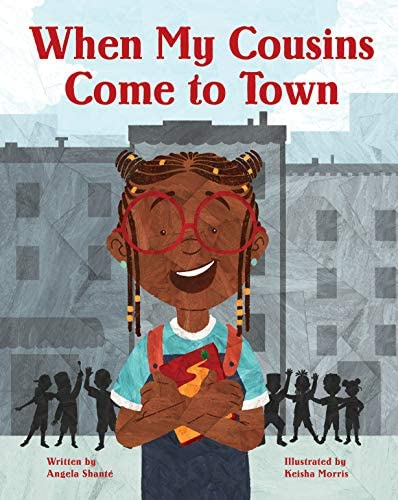
When my Cousins Come to Town by Angela Shanté and illustrated by Keisha Morris. Fitting in can be hard, but standing out isn’t easy either! Every summer a young girl eagerly waits for her cousins to come visit and celebrate her birthday. All her cousins are unique in their own ways and have earned cool nicknames for themselves… except for the girl. But this year things are going to be different. This year before summer ends, she’s determined to earn her own nickname!
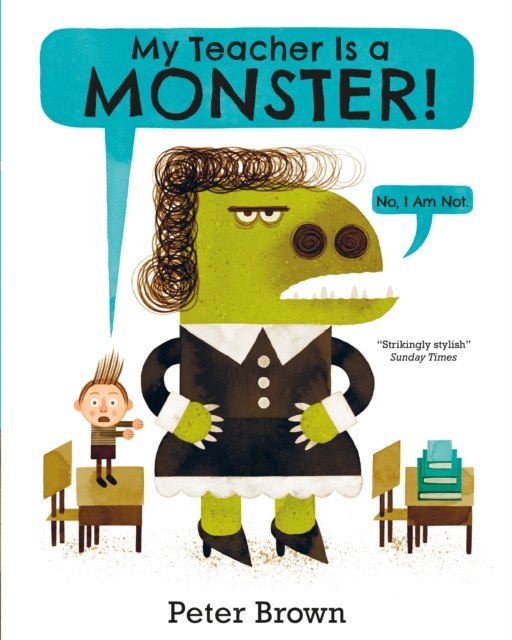
My Teacher is a Monster by Peter Brown. A young boy named Bobby has the worst teacher. She’s loud, she yells, and if you throw paper airplanes, she won’t allow you to enjoy recess. She is a monster! Luckily, Bobby can go to his favorite spot in the park on weekends to play. Until one day… he finds his teacher there! Over the course of one day, Bobby learns that monsters are not always what they seem.
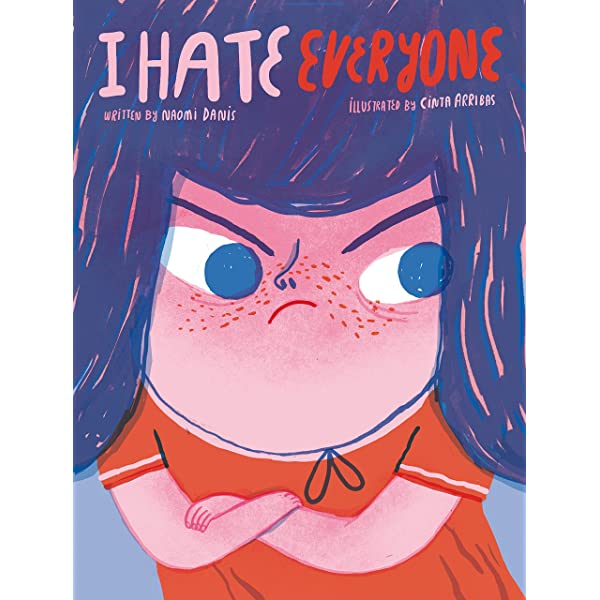
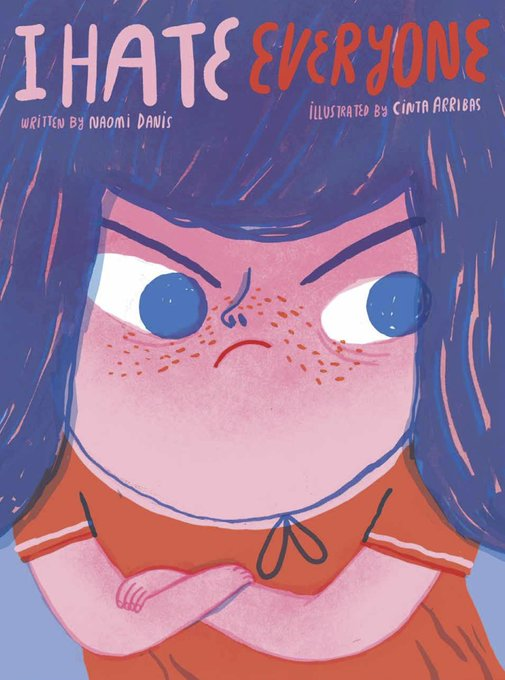
I Hate Everyone by Naomi Davis and illustrated by Cinta Arribas. “I hate everyone.” In your worst mood, it’s a phrase you might want to shout out loud, even if, deep down, you don’t really mean it. Set at a birthday party, this disgruntled, first-person story portrays the confusing feelings that sometimes make it impossible to be nice, even-or especially-when everyone else is in a partying mode.
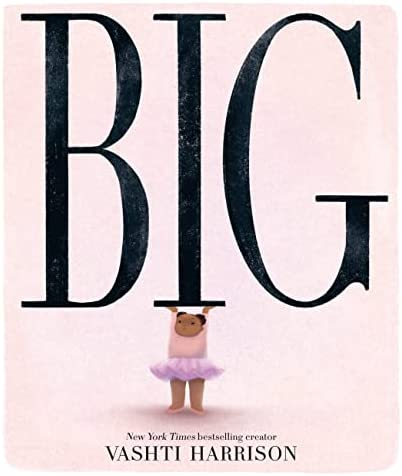
In Big by Vashti Harrison we follow our main character and she goes from loving herself, to feeling the direct pressure from society to fit in. Can she find herself and her strength again?
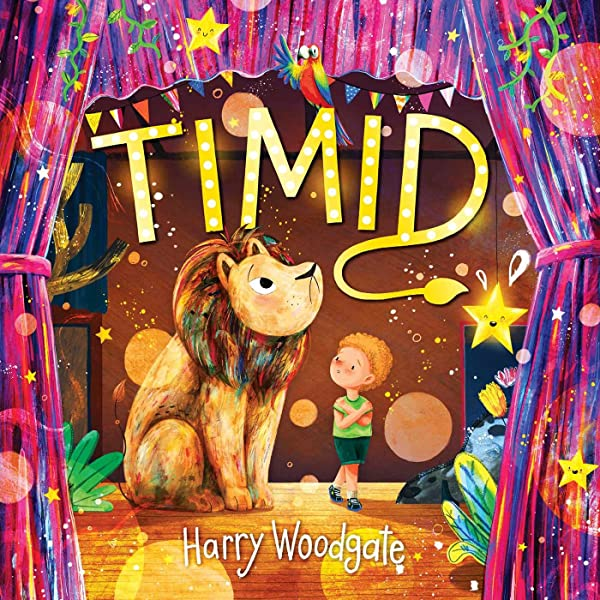
Timid by Harry Woodgate offers up the story of Timmy, who loves to perform even though they also have anxiety whenever they are asked to perform in front of others. While they want to overcome it, and nearly do, it turns out letting go of who you used to be is a lot harder than one might think.
In Francis Discovers Possible by Ashlee Latimer and illustrated by Shahrzad Maydani, Francis loves learning new words. At school, when her class is reviewing words that begin with the letter “F,” someone sneers “Fat, like Francis.” Francis always thought “fat” was a warm word—like snuggling with Mama or belly rubs for her puppy. But now “fat” feels cold, and Francis feels very small. After school, Baba takes Francis to the park. She chooses the bench instead of the swing set, and gets very quiet. But when Baba uses the word “possible,” Francis wants to know what it means.
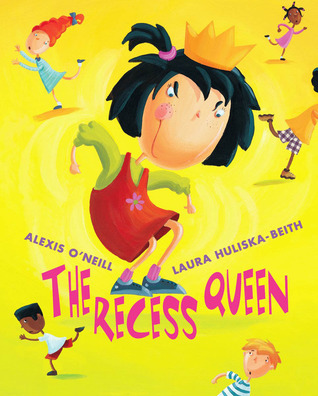
In The Recess Queen by Alexis O’Neill and Laura Huliska-Beith, Mean Jean was Recess Queen and nobody said any different. Nobody swung until Mean Jean swung. Nobody kicked until Mean Jean kicked. Nobody bounced until Mean Jean bounced. If kids ever crossed her, she’d push ’em and smoosh ’em, lollapaloosh ’em, hammer ’em, slammer ’em, kitz and kajammer ’em. Until a new kid came to school! With her irrepressible spirit, the new girl dethrones the reigning recess bully by becoming her friend in this infectious playground romp.
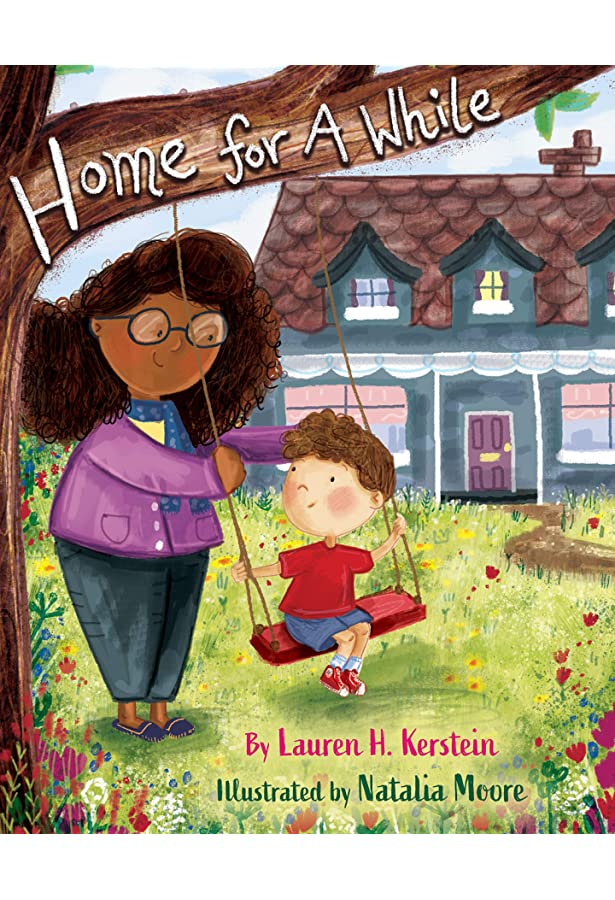
In Home for a While by Lauren H. Kerstein and illustrated by Natalie Moore, Calvin is in foster care, and he wants to trust someone, anyone, but is afraid to open his heart. He has lived in a lot of houses, but he still hasn’t found his home. When he moves in with Maggie, she shows him respect, offers him kindness, and makes him see things in himself that he’s never noticed before. Maybe this isn’t just another house, maybe this is a place Calvin can call home, for a while.
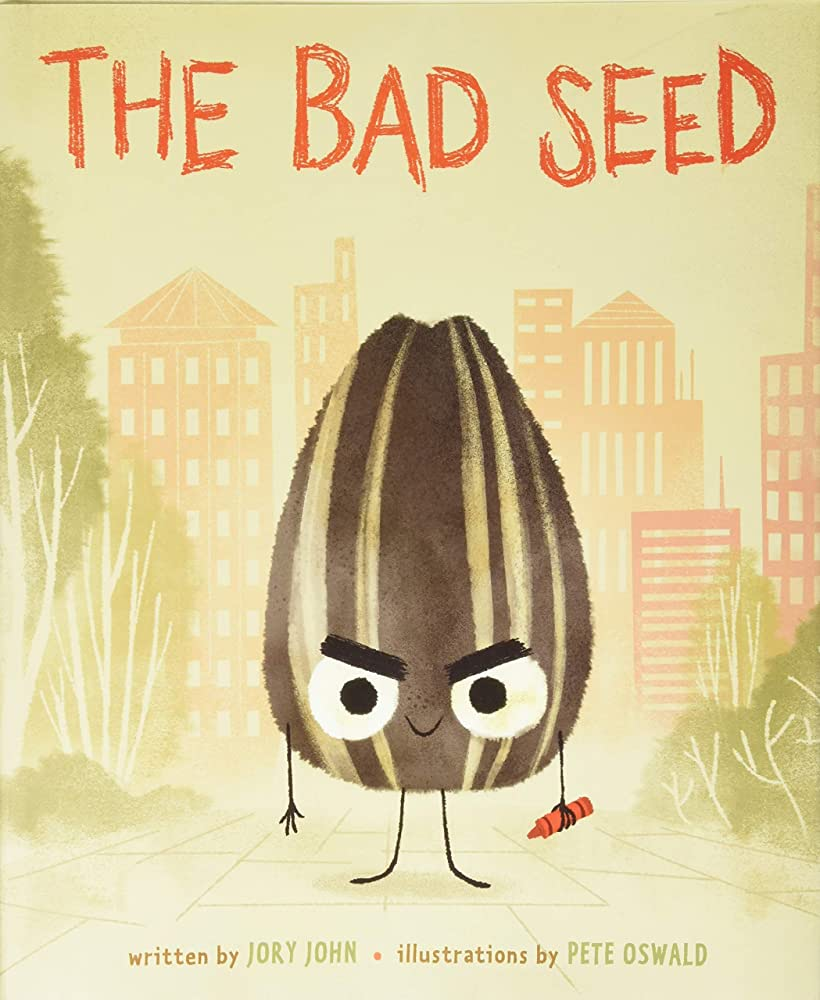
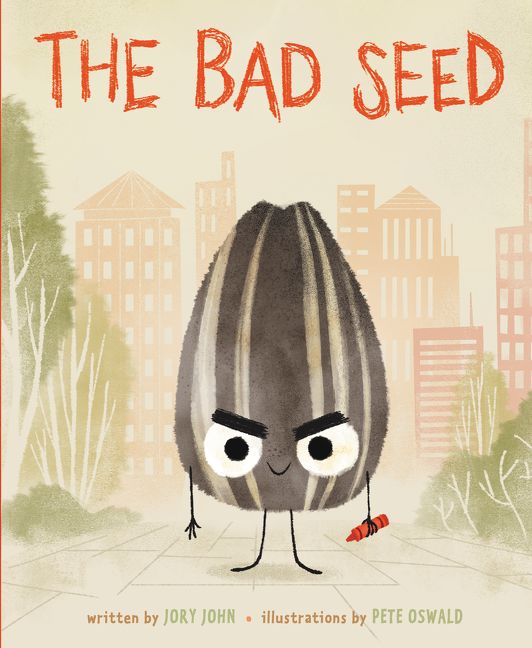
It’s like this picture book was written just for this lesson. The Bad Seed by Jory John and illustrated by Pete Oswald features two changes in character and also a powerful message about trauma and what can happen to you even after bad things happen.
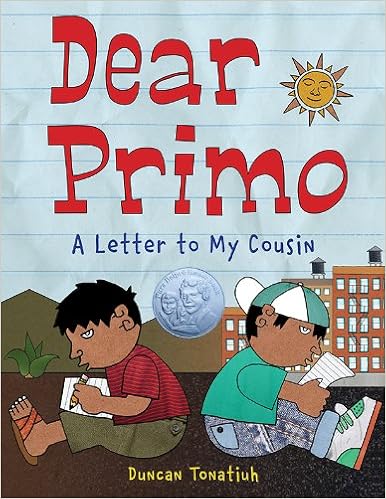
As two cousins write to each other, we see the contrast (and similarities) between their lives.
Tuesday by David Wiesner started us off in our discussions about contrasts and contradictions. This fantastic nearly wordless picture book is an easy entry into this discussion as it allows students to easily see how the magical event with the toads floating is in contrast to what frogs normally do.
With one of my classes I also used Rules of Summer by Shaun Tan, where the contrast lies in the rules being shared and the images. While this one was a little more advanced for the students, they greatly enjoyed the illustrations and discussing what they might mean.
The Invisible Boy by Trudy Ludwig and illustrated by Patrice Barton. Meet Brian, the invisible boy. Nobody in class ever seems to notice him or think to include him in their group, game, or birthday party . . . until, that is, a new kid comes to class.When Justin, the new boy, arrives, Brian is the first to make him feel welcome. And when Brian and Justin team up to work on a class project together, Brian finds a way to shine
Another contrast and contradiction text between self and society in Mr. Tiger Goes Wild by Peter Brown where Mr. Tiger just will not conform. When he tries to change his ways, he loses his real identity.
That Is Not A Good Idea by Mo Willems is another great example of a character changing and acting in a different way than we would expect. I do love this devious little tale.
What I love about Gaston by Kelly DiPucchio, illustrated by Christian Robinson, is that most of my students can relate to its message about being expected to fit in in a certain way. The contrast lies between the characters and how their upbringing has shaped them.
Any day I can use Pete and Pickles by Berkeley Breathed is a good day in our room. Here, we focus on the change that Pete the pig goes through as he meets Pickles. Great book also to use for character development and inferring.
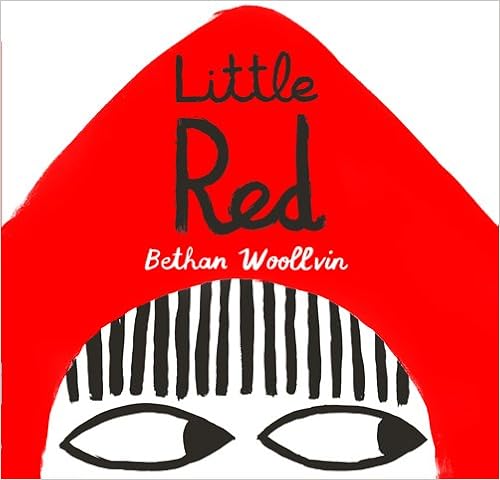
Little Red by Bethan Woolvin is wickedly funny, it follows the path of the regular story but with a twist at the end and it is that twist that provides our contract and contradiction.
Which books have you used for contrast and contradictions?
PS: Are you looking for coaching, in-person support, or virtual presentations? I am available and would love to support your work. Whereas I am physically located in Denmark now, I can travel if needed. In fact, I will be in the US and Canada in February 2023. If you would like me to be a part of your professional development, please reach out. I am here to help. For a lot more posts, resources, live and recorded professional development, please join my Patreon community where most of my sharing takes place these days.
I asked for suggestions for early reader chapter books to use for read alouds as I search for the 2023 Global Read Aloud titles and thanks to so many great suggestions, I now have a list of more than 70 excellent books geared toward the younger years of reading when kids are ready to dive into reading longer books but still need content that makes sense for where they are developmentally.
Many of these books are well-loved by my own kids all the way up until 10 years old showing once again that most books can appeal to a broad audience and not just whatever limited age range placed on it by the publisher or bookstores.
So if you teach younger ages these would make brilliant additions to your classroom or library collections.
PS: Are you looking for coaching, in-person support, or virtual presentations? I am available and would love to support your work. Whereas I am physically located in Denmark now, I can travel if needed. In fact, I will be in the US and Canada in February 2023. If you would like me to be a part of your professional development, please reach out. I am here to help. For a lot more posts, resources, live and recorded professional development, please join my Patreon community where most of my sharing takes place these days.
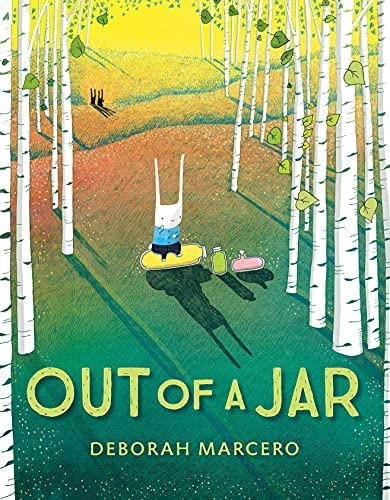
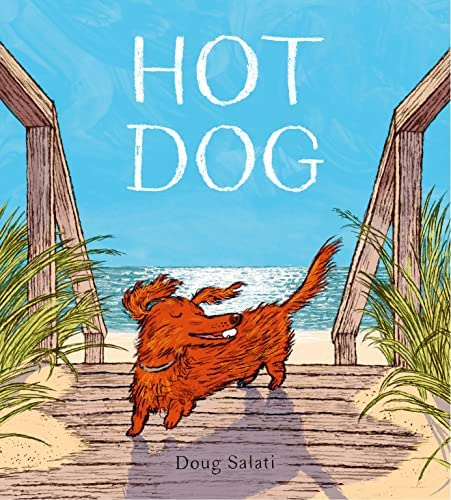
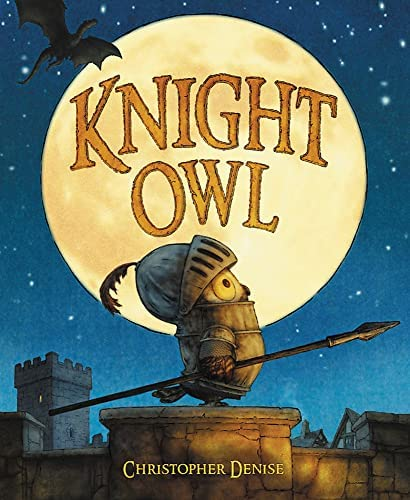
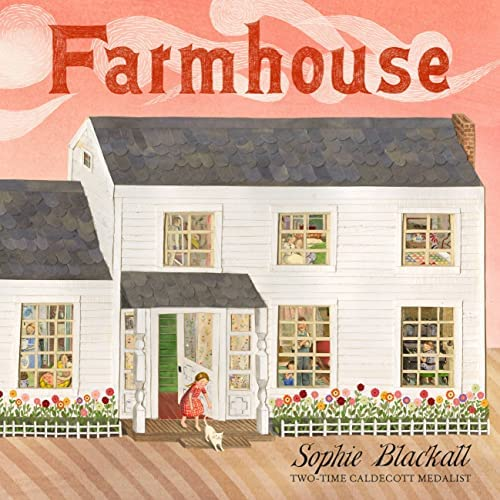
For the past many years, I have done a Mock Caldecott unit with students as we come back to school in January. The year is quietly winding down which means the reflection begins on which illustrations took my breath away. And there were many. This year being out of the classroom, I won’t get to do it with kids, but I will be cheering from afar as the awards are announced on January 30th, 2023.
I have loved doing this unit with children, it is a way to really sink into the beauty of picture books, to have them consider critical components of the books and how the images are synthesized with the text. It is also a great unit leading up to our major nonfiction picture book writing unit, which is a favorite of many.
Over the years, I have made a few tweaks to make it more manageable and enjoyable for kids:
One, I read all of these books aloud during our unit. While the students will still read them in their group, they will have experienced the full text with us all first.
Two, I limit our choices to 12, with 4 “extra choices.” That way we can leisurely work through the unit, savor the illustrations, and give it the time it needs rather than skim through pages in order to come up with a winner.
Three, each group will pick their winner. Every year we have had a vote for class pick, but I switched it a few years ago by letting each group select and root for their individual winners. We will, however, vote for an overall winner in all of my English classes combined.
Your choice – every year there are a few books that I think might be a winner or honor book but that I for some reason didn’t select. I then have students browse through them and they can choose one or more of them to score as well if they want. It has been fascinating to see which books they gravitate toward from these four choices.
The lessons will not change much; I use previous winners to discuss the different components of the award and then students grab the books they will discuss that day and rank. Each group gets a packet with the titles and a voting sheet. The slides I use as well as all resources can be found in my Patreon (where I share a lot of resources, book lists, and do mini pd’s) and are pretty straightforward. The voting packet is updated and students end the unit doing a persuasive speech to try to convince their classmates that their choice is, of course, the best one. Then we watch the awards and celebrate them with a class party!
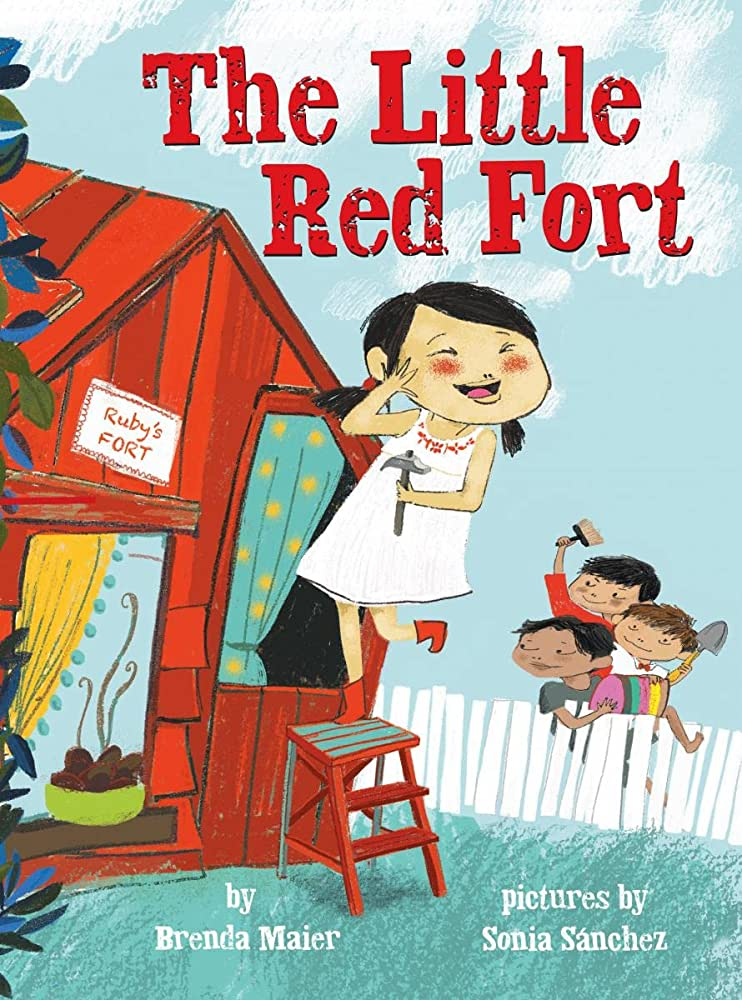
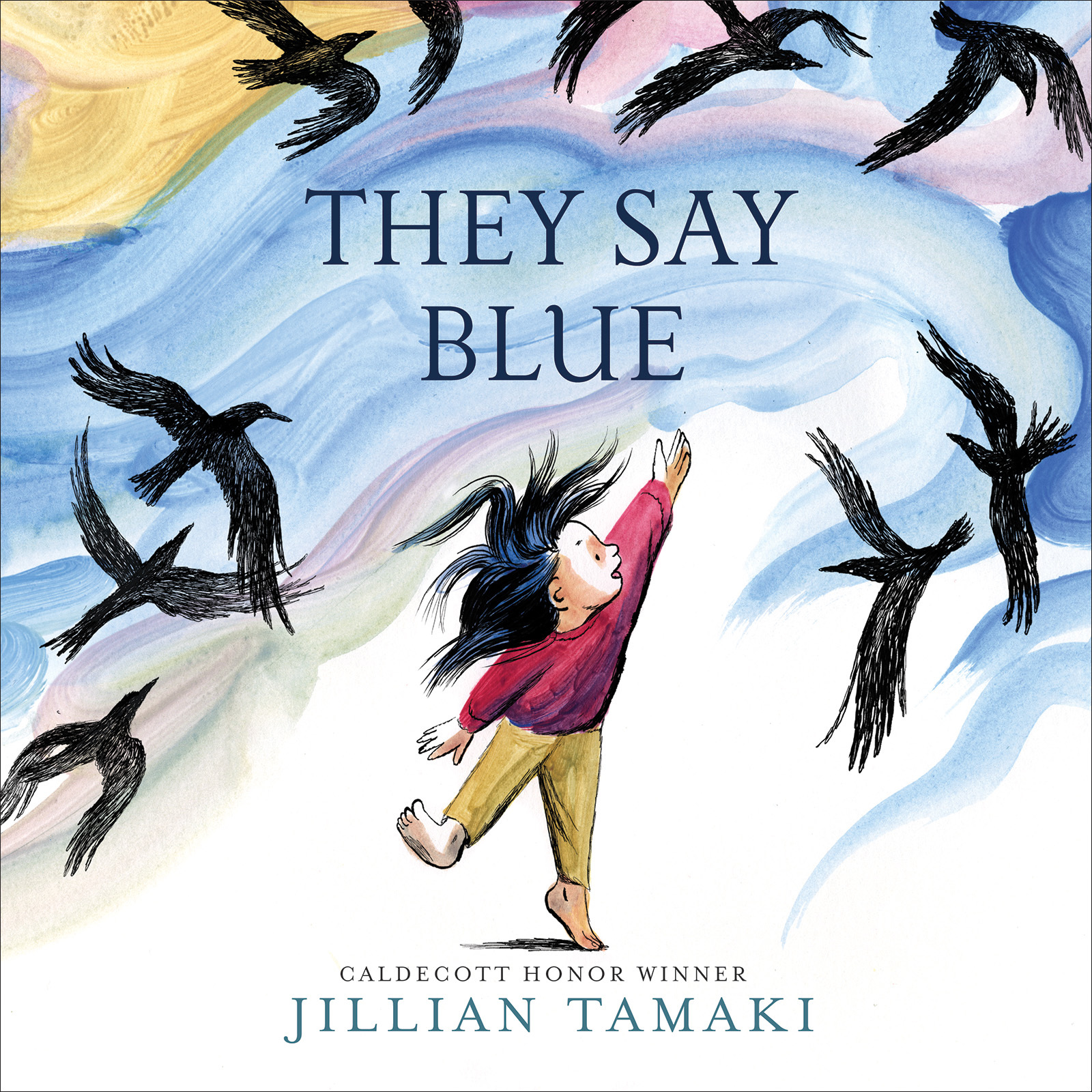
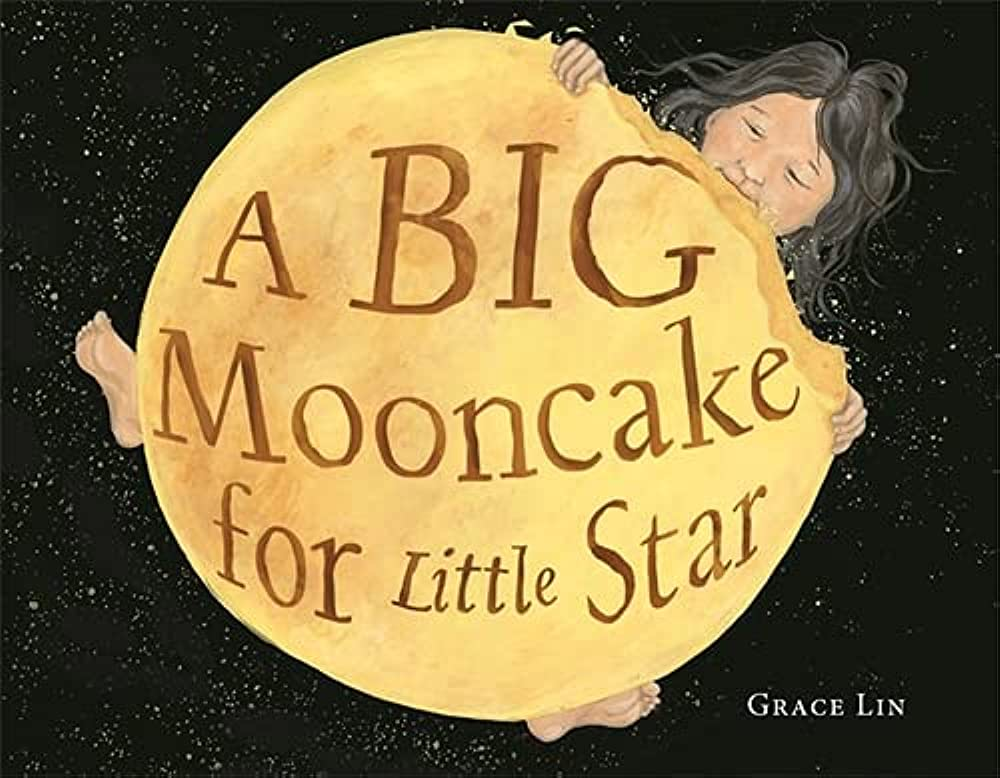
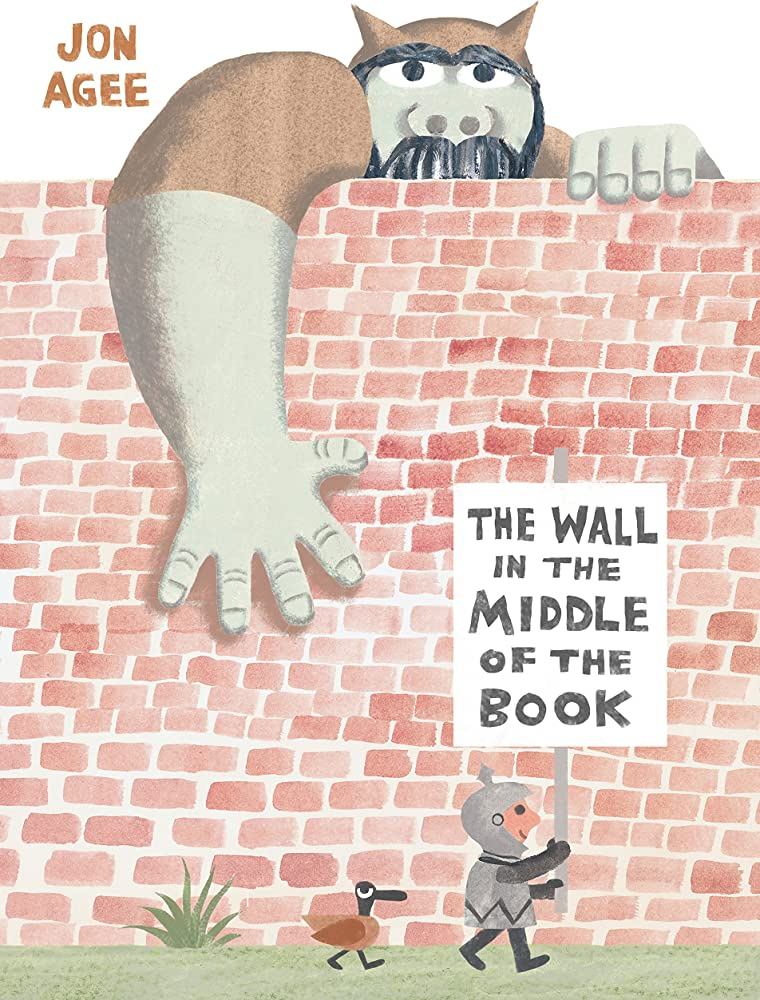
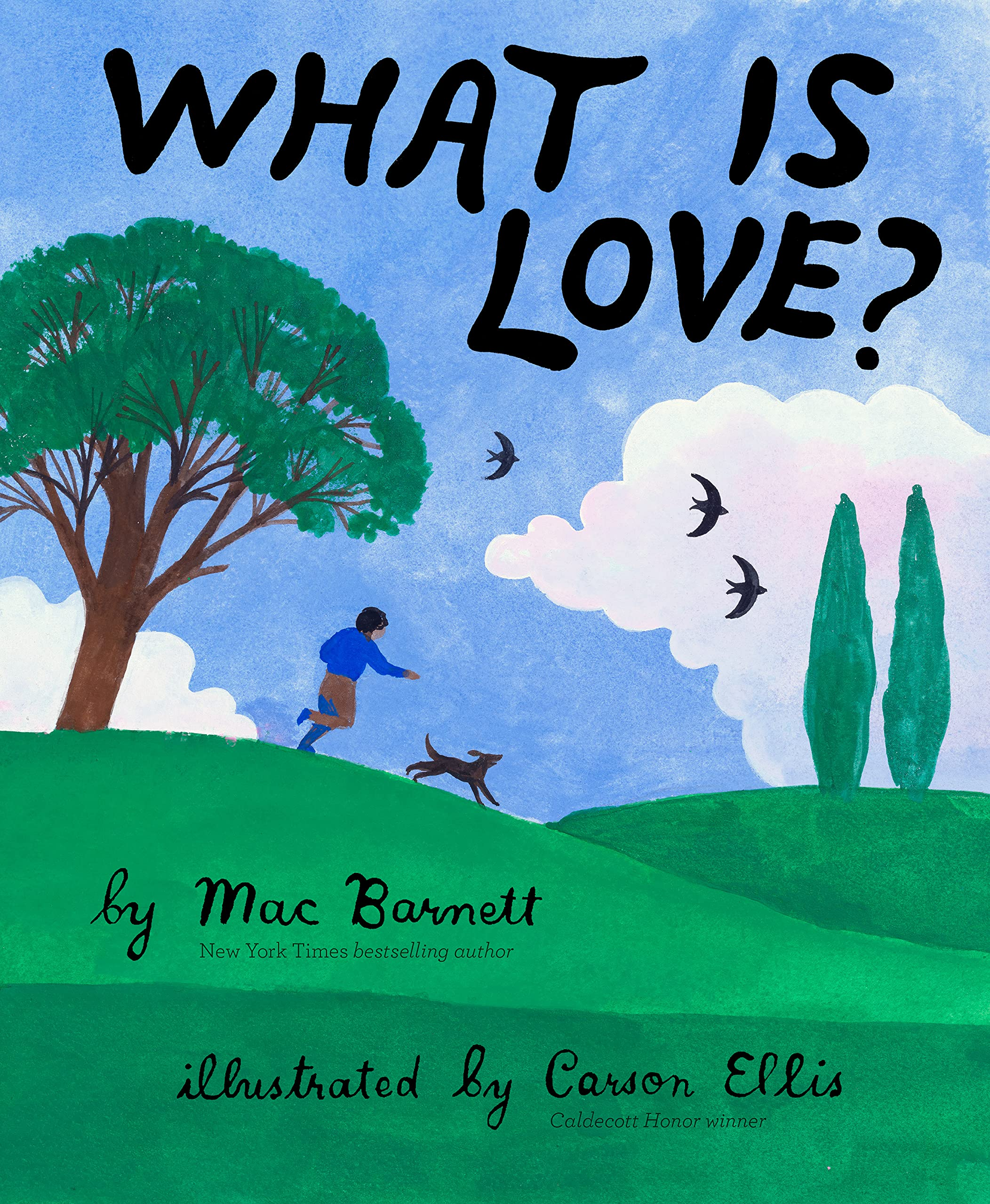
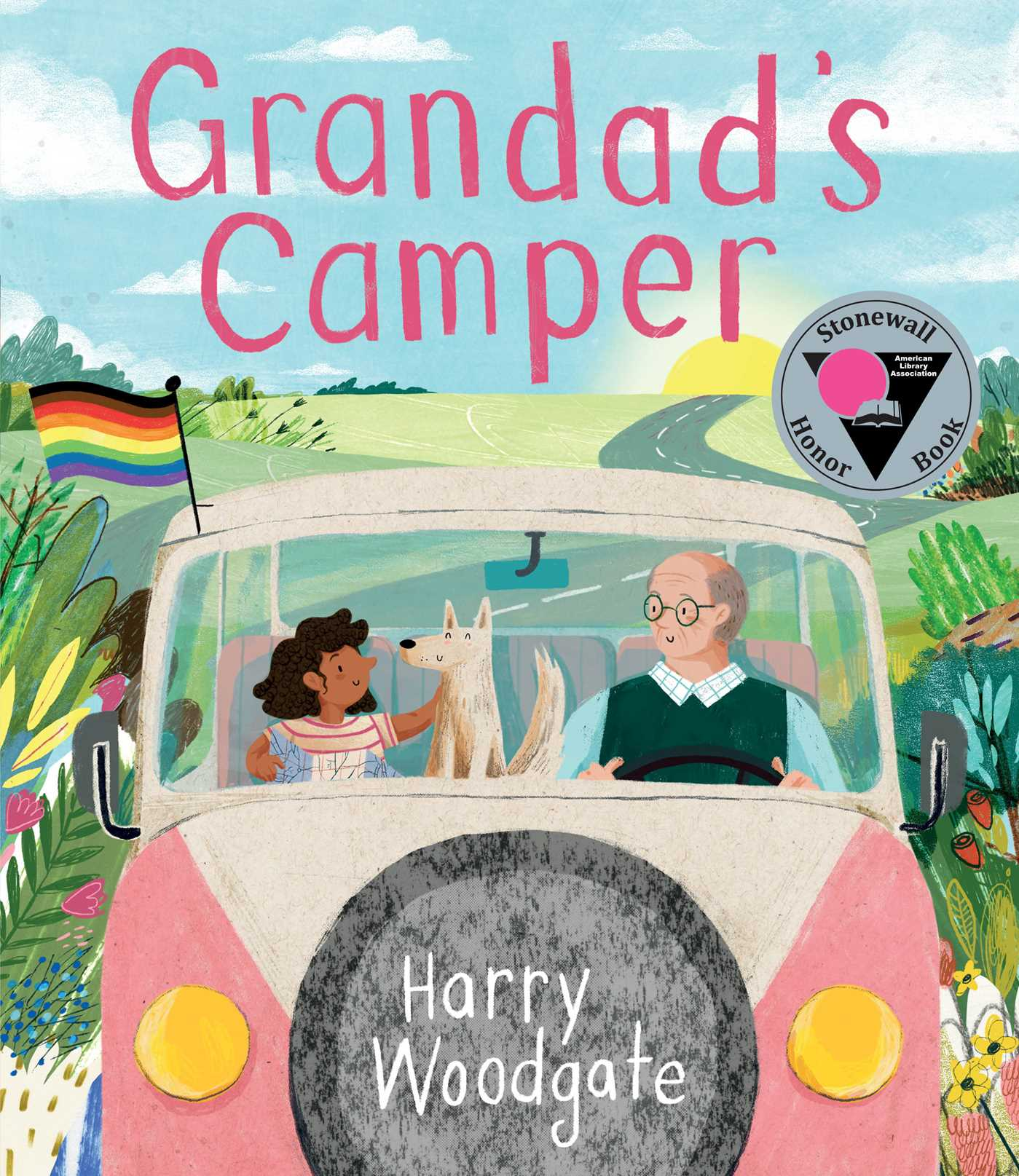
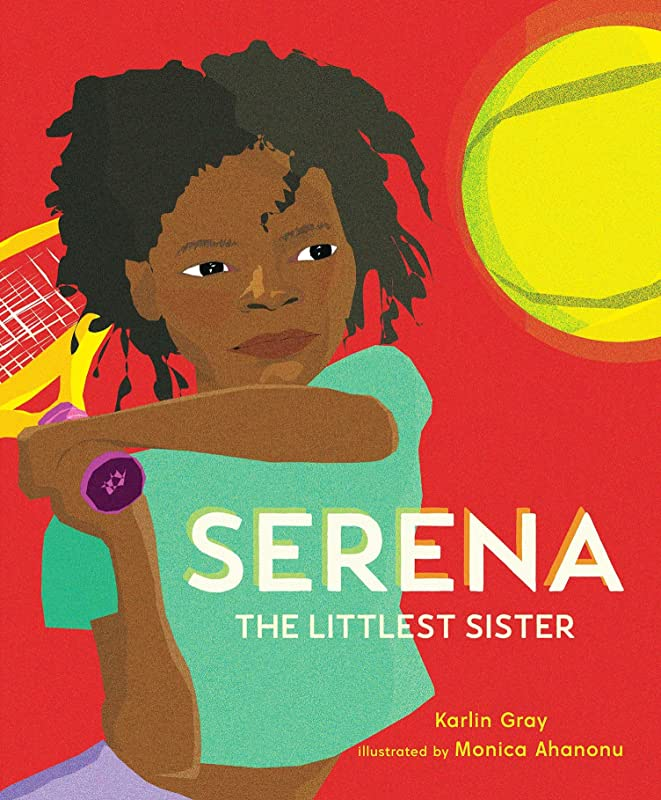
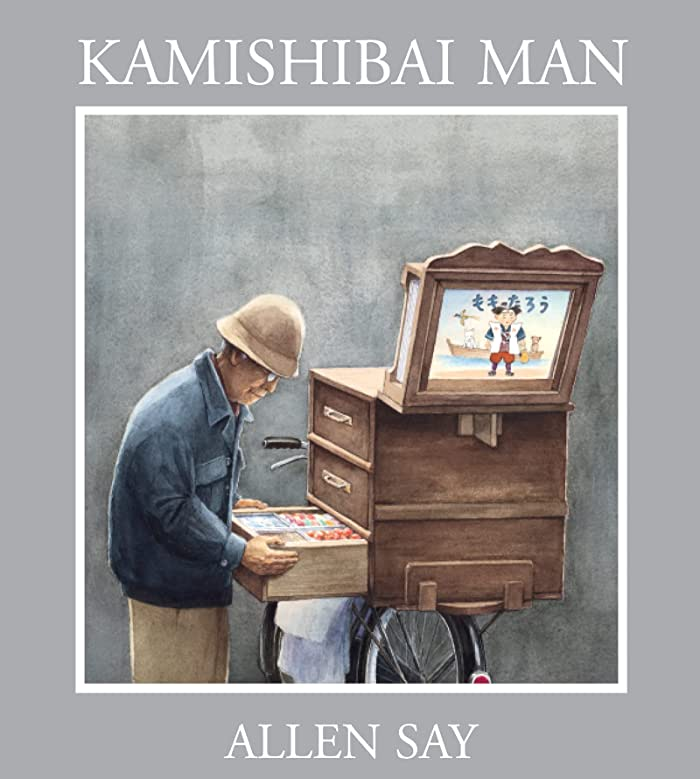
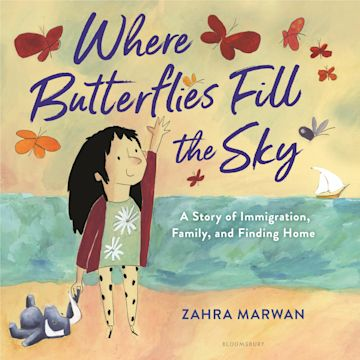
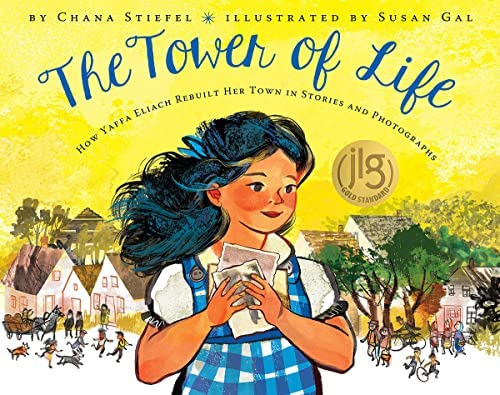
So which books have I chosen for the year? It was so hard to choose!
Extra choice selections:
There you have it? My choices for 2023 – which ones are you rooting for?
PS: Are you looking for coaching or virtual presentations? I am available and would love to support your work. Whereas I am physically located in Denmark now, I can travel if needed. In fact, I will be in the US and Canada in February 20223. If you would like me to be a part of your professional development, please reach out. I am here to help. For a lot more posts, resources, live and recorded professional development, please join my Patreon community where most of my sharing takes place these days.
This resource was posted in my Patreon community in July to kick off the school year, if you would like to have access to the resources there, you can join the community here. I share monthly book lists, livestreams, answer questions, and all resources that I create.
Book clubs or literacy circles are some of my most favorite explorations to do with kids. Making space for deep discussions, led by the students, and framed by an inquiry question is something that I love to be a part of. That’s why we have done book clubs twice a year for the past many years. I would not do more than that, kids also want to have experiences where they are not forced to read a certain book with peers, even if they have a lot of embedded choice. And as always, when in doubt, ask your students how often they would like to do them, make space for their ideas and allow for personalization and ownership.
I have posted about book clubs and all the behind-the-scenes work for years, so if you search this blog you can easily find the old posts. If you want the newest resources, then those are posted in Patreon.
One resource, though, that I had not been able to find online was a list of general book club discussion questions that went beyond reactions and predictions. While I could find snippets of meaningful questions that went beyond discussing opinions of the text and predictions, I was really searching for questions that could shape my mini-lessons as well. I figured I couldn’t be the only one searching for something like this, so I took some time to pull together as many general questions that you could use for minilessons, or that students could choose to use in their discussions.
These question sets can be mixed and matched and are a work in progress. While geared for middle school and up, they can easily be adapted for younger students, what matters is the lesson that goes along with them.
There are 4 sets: initial get-to-know-you type of questions, as well as questions for each week. They typically build off of each other so you see the same patterns on questions – the repetition is meant to create depth through the spiral approach. I have used these for the past few years with kids and they work really well for the spectrum of readers I teach; those who are flying through the books and need to be challenged and those who I am coaching through the book.
If you have great questions you like to use, please share them and they can be added to the document. Here is the link again.
PS: Are you looking for coaching or virtual presentations? I am available and would love to support your work. Whereas I am physically located in Denmark now, I can travel if needed. In fact, I will be in the US and Canada in February 20223. If you would like me to be a part of your professional development, please reach out. I am here to help. For a lot more posts, resources, live and recorded professional development, please join my Patreon community where most of my sharing takes place these days.