being a teacher, Reading

More Picture Books to Spark Empathy

Last year I published a post on 10 picture books that spark empathy.  It turns there are many more than the original 10 highlighted.  With the world we live in, we all need a little more empathy in our lives and in our classrooms.  Picture books offer us a way to start the conversations and to plant the seeds.  So today I offer you an updated list, the original 10 can still be found toward the bottom.  Remember; picture books are for all ages and the power of these cannot be disputed.

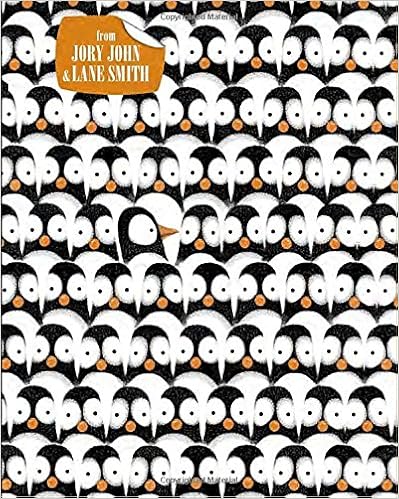
Penguin Problems by Jory John and Lane Smith follows a little penguin that just wants to be understood.  He doesn’t want to follow the crowd of the other penguins and in fact, constantly complains, until someone puts things into perspective for him.

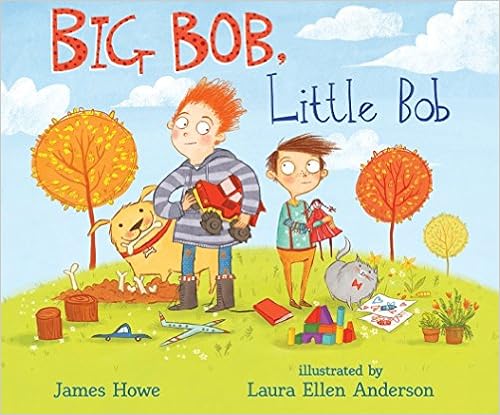
Big Bob, Little Bob by James Howe and Laura Ellen Anderson is a great stry of what happens when a new boy moves into the neighborhood and doesn’t quite understand the boy who shares his name.

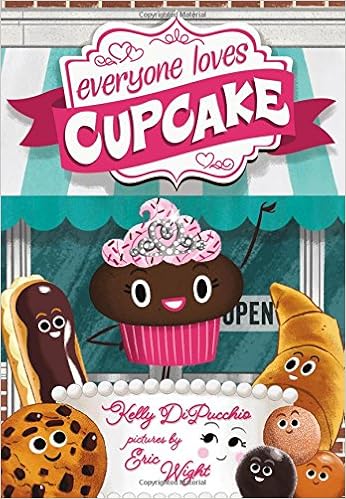
Everyone Loves Cupcake by Kelly DiPucchio and Eric Wight is the story of Cupcake who just wants to be perfect.  Yet being perfect is exhausting.  Will her friends accept her for who she is?

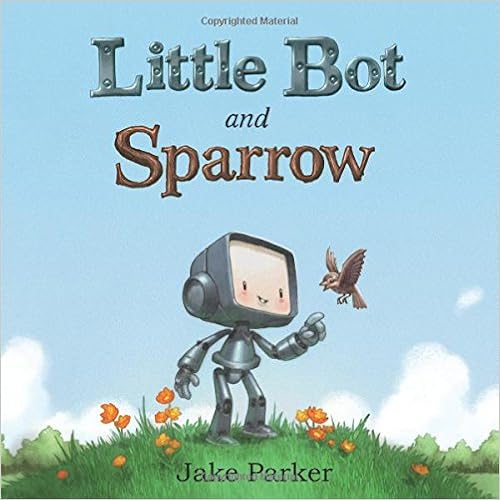
Little Bot and Sparrow by Jape Parker follows Robot in his quest forfriendship after being discarded as old.  What a great tale of how we do not have to be the same to be friends.

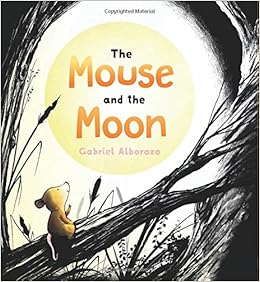
The Mouse and the Moon by Gabriel Alborozo follows Mouse who is very lonely.  One day he starts to speak to the Moon and makes a surprise friend in the process.


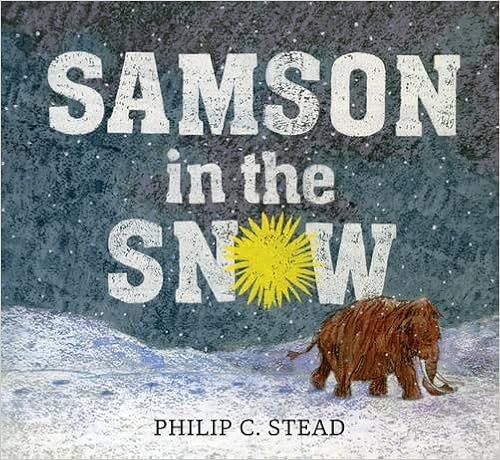
Samson in the Snow by Phillip C. Stead follows a woolly mammoth after his chance encounter with a little bird.  Even though they are so different, Samson cannot stop worrying about the bird when a snowstorm hits and he sets out to find him.

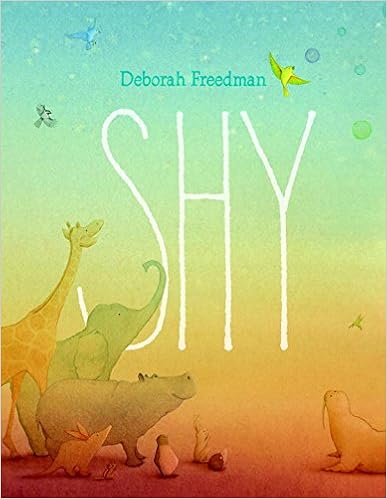
For all the kids who identify as being extremely shy, Shy by Deborah Freedman is a beautiful tale of finding a friend and finding courage.

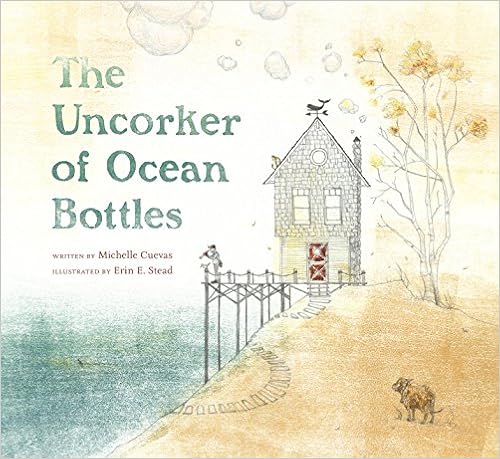
The Uncorker of Ocean Bottles by Michelle Cuevas and Erin E. Stead is a tale that speaks of loneliness, of taking a chance, and of finding your place.  How many of us cannot relate to the feeling of being lonely?

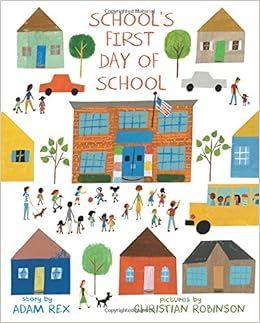
School’s First Day of School by Adam Rex and Christian Robinson is all about a school and how nervous it is before the kids show up.  What a great way to discuss how we can make newcomers feel welcome.

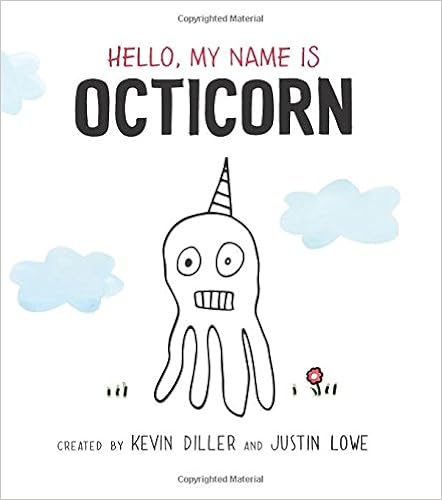
Hello, My Name is Octicorn by Kevin Diller and Justin Lowe who feels just a little bit different.  So is being different a good thing or a bad thing?

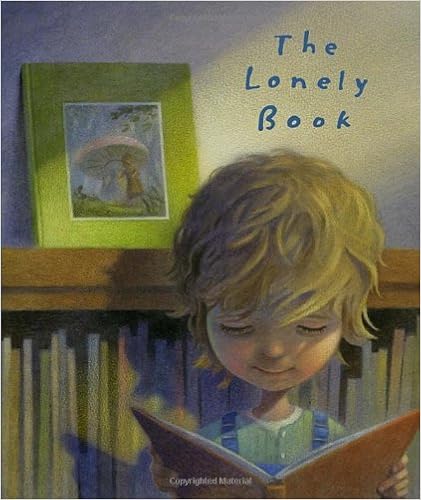
The Lonely Book by Kate Bernheimer and Chris Sheban talks about loneliness as well.  When a new book no longer is new, who will read it any more?  Great way to use metaphors to get kids to talk about being lonely.

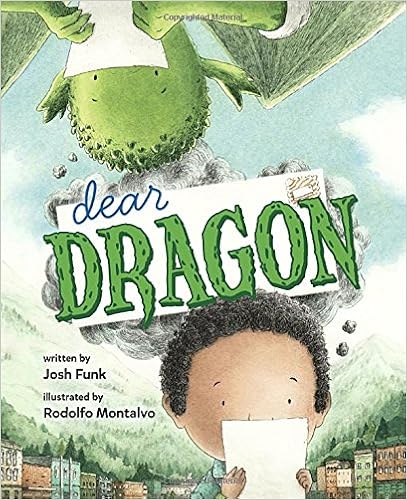
Dear Dragon by Josh Funk and Rodolfo Montalvo speaks of an unlikely friendship between two different species.  It begs the question; must we be the same to be friends?

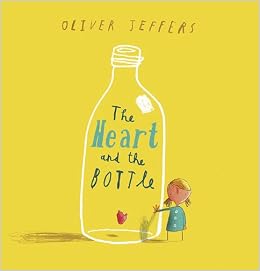
The Heart and the Bottle by Oliver Jeffers is about grief and locking your heart up when it is too hard to have it vulnerable.  Yet is that really the way to experience life?

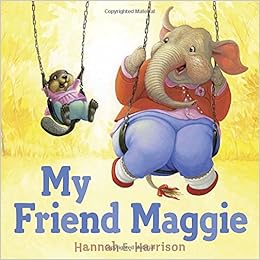
My Friend Maggie by Hannah E. Harrison is a favorite of mine for many reasons.  It is such a stellar book for talking about what being true friends really means and how we can stand up for the people we care about.

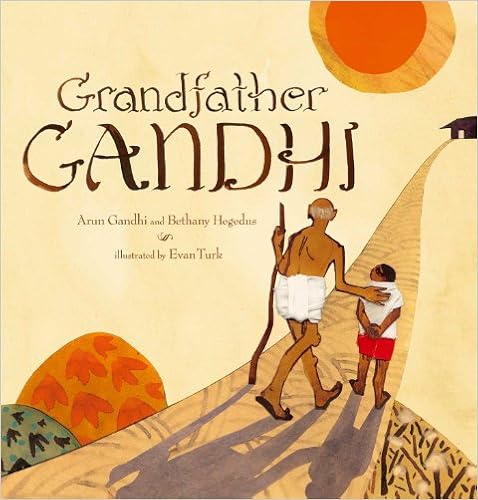
Grandfather Gandhi by Ann Gandhi, Bethany Hegedus and Evan Turk takes the teachings of Gandhi and makes them kid friendly.  In this book the message is how to turn moments of darkness into light instead.

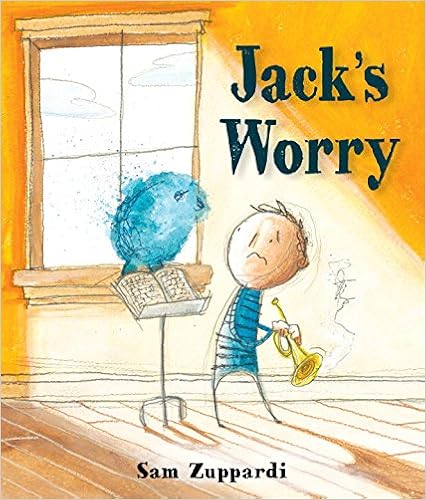
Jack’s Worry by Sam Zuppardi is a fantastic book to start discussion of anxiety and worry.  With anxiety on the rise in our classrooms, this  book is one that many kids (and adults) can relate to.

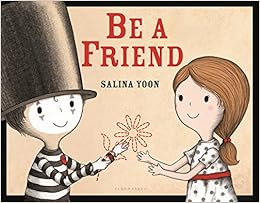
Be A Friend by Salina Yoon is the story of Dennis and how he does not find a friend who accepts him for who he is until he meet Joy.  I love the message of how being different does not mean you have to change to find a friend.

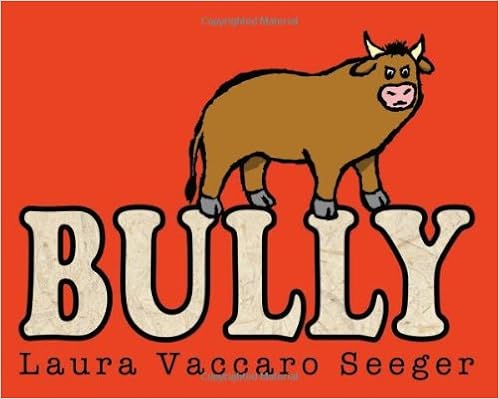
Bully by Laura Vaccaro Seeger is a fantastic illustration of what happens when we bully.  This is a book that is sure to spark discussion no matter the age group.

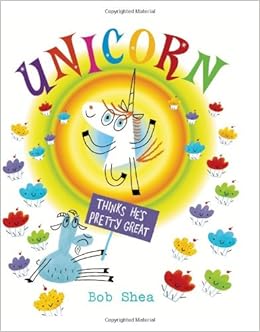
Unicorn Thinks He’s Pretty Great by Bob Shea is a must-add to any picture book collection.  The tale of Goat and how he thinks Unicorn is a braggart until he finally gets to know him is one that kids will love.

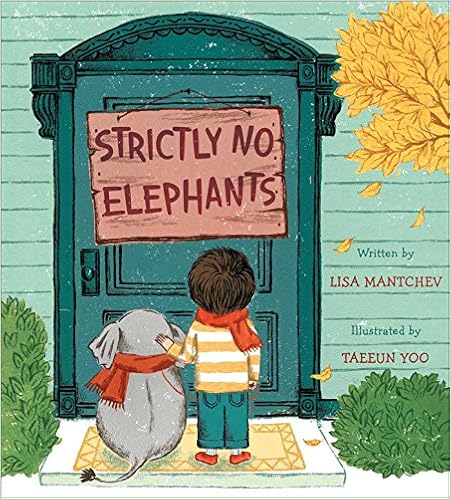
Strictly No Elephants by Lisa Mantchev and Taeeun Yoo is one that I think many kids can relate to.  With the story of a child who is excluded and how he finds his own group, we can use this to open up discussion about accepting others.

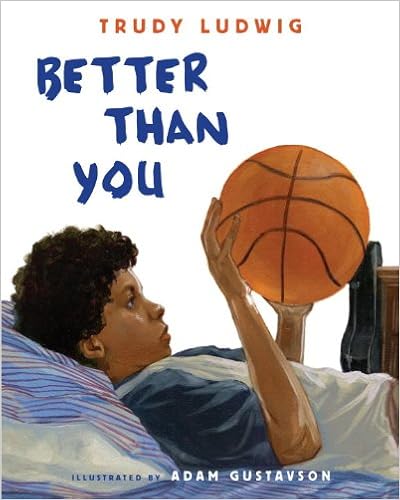
Better than You by Trudy Ludwig is the story of the friend that brags all of the time, in the process putting his neighbor Tyler down.  It explores friendship dynamics and how we can make each other feel bad or good.

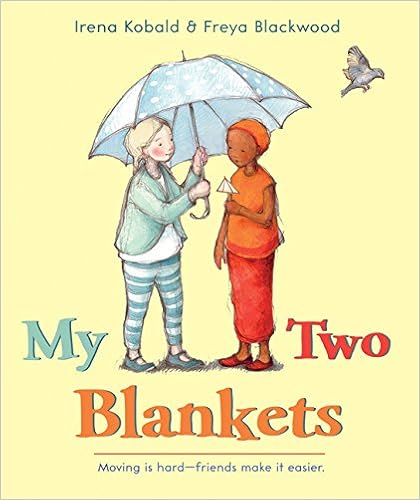
My Two Blankets by Irena Kobald and Freya Blackwood speaks to how hard moving is, but also about finding a new friend.

The Original Ten:

I have long loved The Other Side by Jacqueline Woodson for its straightforward story of two girls living on either side of a fence and yet many miles apart.  For some of my students this is territory they have not gone into yet, so the conversations about race, our history, and even what is happening now in our world abound.

I don’t remember how I came upon The Invisible Boy by Trudy Ludwig.  My guess is that someone shared it on their blog, so thank you to them.  This story so beautifully encapsulates what it means to feel invisible and every time I have used it with students it has led to deep conversations.  We read this more than once so we can pay attention to the illustrations as well.

Students  immediately fall in love with Pete & Pickles by Berkeley Breathed for the illustrations  but then come back again and again for the story of an unlikely friendship between a pig and an elephant.  This is a must read aloud at any age.  (ANd truly they all are).

It has been established already that Peter H. Reynolds is a creative genius.  I have loved all of his books since the first time I read them.  This book, I’m Here, is one that doesn’t get a lot of attention standing next to The Creatrilogy, but it should.  It’s eloquent story about a boy who feels so all alone is one that will settle into the hearts of students.

Thea, my kindergartner, came home and told me that I had to get this book about a big red crayon.  Okay…. I thought.  But she was right, Red – A Crayon’s Story by Michael Hall was one that I had to read aloud to my 7th graders.  And then we had to discuss what it meant staying true to one’s own nature as well as facing the pressures of others.  I swear this book was written for middle schoolers and not young children secretly.

It is a celebration in my life whenever the talented Ame Dyckman comes out with a new picture book and Wolfie the Bunny was definitely a cause for celebration.  This book about assumptions and what they can lead to has not only made my students laugh outloud, but more importantly, has led us to question our own assumptions about others.

I have Bluebird by Bob Staake on many favorite picture book lists, and there is a reason for that.  The shock on my students faces when we get to that page.  The questions, the discussion when I step out of the way are priceless.  This is a wordless picture book which also means that my students love interpreting the ending.

I cried when I read aloud The One and Only Ivan so it only seems fitting that I cried when I read out loud Ivan:  The Remarkable True Story of the Shopping Mall Gorilla by Katherine Applegate.  My students love to ask questions after this book, they love to talk about their own animals, what they would do to save others.

I read this book out loud to all 5 of my 7th grade classrooms.  It was astounding how similar the reaction was; disbelief, outrage, questions and perhaps a tear or two shed by me.  This story Malala, A Brave Girl from Pakistan/Iqbal, A Brave Boy from Pakistan by Jeanette Winter is one that will stay with you for a long time.  This is sure to elicit conversations and calls for action.

I always seem to cheat on these posts and never stick to just 10, so for my 10th pick I will give you several instead.  All of these are worthy of being read aloud and discussed.  We need more empathy in this world, I am so glad these authors give us a chance to do just that.

Each Kindness by Jacqueline Woodson

The Name Jar by Yanksook Choi (Having a name that no one pronounces correctly in the USA really makes me love this book even more).

One by Kathryn Otoshi 

Zero by Kathryn Otoshi

Chrysanthemum by Kevin Henkes.

Which ones would you add to the list?

Be the change, being a teacher, books, Literacy, picture books, Reading, Reading Identity

If Not Us, Then Who?

http-www-pixteller-com-pdata-t-l-541830

When I was 17 years old, my history teacher pulled me aside and told me tone it down.  “It” being my opinion in case it intimidated others.  “It” being speaking my mind because sometimes I would come across so forceful that others did not want to engage.  So I stopped speaking in his class.  I stopped jumping in, afraid that I was going to rock the boat or upset the other students.  I knew I had opinions, but I didn’t want to be known as someone who did not make room for others.

A long time ago I decided that staying quiet would not get me anywhere.  That hoping that someone would understand what I needed without me actually speaking up was a delusion.  That I could no longer wait until someone spoke the words that burned within me so I could quote them and pretend I hadn’t thought the exact same thing.  I started writing, speaking, and teaching as the whole me, rather than the 17 year old girl who had been told to tone it down.  It has been quite a journey since then.

As educators we speak up all of the time.  We speak up for ourselves when changes need to be made in our schools.  We speak up for our students when they need us to advocate.  We speak up for our own needs and hopefully for the needs of our students.  We speak up when we see injustices that need to be righted, when our teacher stares are not enough.

So I think it is time for us to speak up and let our voices be heard because when I look at my classroom library, when I really study the books I am able to put in the hands of my students, I cannot help but wonder; where are the books from non-white authors?  Where are the picture books that center around kids that are going about their every day life that look like some of my students?  Where are the holiday books, the birthday books, the first day of school books, the books that share small slices of life that have characters that are not white?

While I buy the ones that I know of thanks to blogs like Reading While White, We Need Diverse Books, and the Nerdy Book Club, I am constantly reminded of how few there are out there for us to purchase.    When I receive a package of books I am constantly reminded of how often the kids in the books look just like my own kids in all of their whiteness.  How my kids must take it for granted that, of course, the books they read have people in them that look like them.  That I do not have to scour the internet to find books that remind them of themselves because those are the majority of books out there.   That in book upon book being white as a character is the standard not the exception.

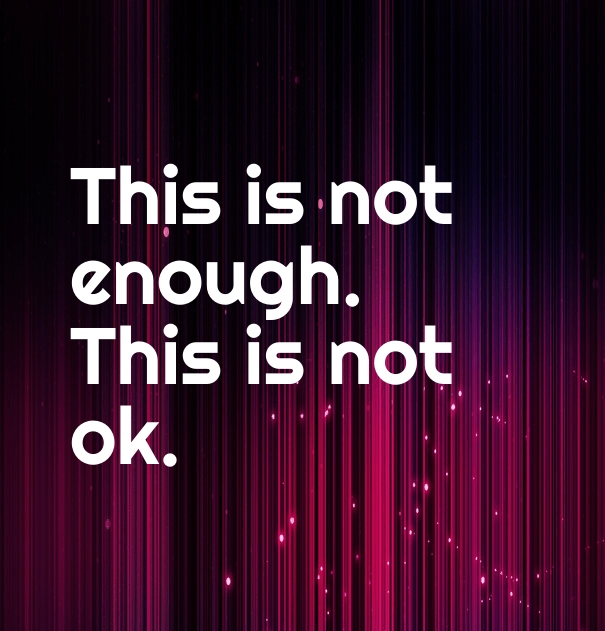
We need diverse books.  We need own voices books.  We need more than what is out there and so we need to raise our voices.  There will be no change if we do not say loudly; “This is not enough.  This is not ok.”

So as educators we can speak up.  We can reach out and demand better.  We can spend our precious budgets on books that do not just offer up more white narratives, but actually mirror the diversity that we are surrounded by.  We can tell publishers that we need books that show all of the kids we teach.  We need books about Native American written by Native American, or other #OwnVoices authors.  We need books that go beyond the standard stories being shared so that when all of my students open up a book they can find a character that looks like them.  Or when my own white children read a book, they will see a character that does not look like them and understand that that too is the norm.

For too many years we have waited for publishers to notice the major gap that has been created, and while changes are under way, the process won’t speed up until we speak up.  So use your voice, use your connections, use your money to show the world that when we echo that “We need diverse books!” it is not just because it is a catchy phrase, but is the truth.

I am currently working on a new literacy book.  While the task is daunting and intimidating, it is incredible to once again get to share the phenomenal words of my students as they push me to be a better teacher.  The book, which I am still writing, is tentatively Passionate Readers and will be published in the summer of 2017 by Routledge.  So until then if you like what you read here, consider reading my book Passionate Learners – How to Engage and Empower Your Students.  Also, if you are wondering where I will be in the coming year or would like to have me speak, please see this page.
being a teacher, books, Literacy, picture books, Reading, Reading Identity

It Was Never for the Adults

http-www-pixteller-com-pdata-t-l-540912

On the very first day of book shopping this year, with the piles of brand new books waiting on the tables.  Sharpened pencils ready, to-be-read lists in hand.  Time set aside to meander.  Books displayed and discussed.  On the very first day of book shopping, two kids refused to even look.  One sat in a corner, hood up, eyes down.  Another child, more than an hour later, but this time at a table, arms crossed, no to-be-read list, no pencil, not even a word.

I approached both with caution, sometimes children who so actively refuse to even pick a book remind me of a wounded animal.  They are someone who clearly has not had a good experience with books.  Someone who must be treated with the gentlest of hands, because otherwise, it will just become another power struggle and one that I will never win.

As always, I asked quietly; What is wrong?  How may I help?  Then wait, hold my breath, and soon the refusal.  Soon the dismissal, “Leave me alone, I don’t like books, I don’t like reading.”  Whatever the words, the stories always so familiar.  The emotions raw, the conversation careful, and yet unexpected.  It happens every year.  So after a few gentle moments, I pull out my secret weapons; my graphic novels and my picture books.  I grab a pile of those perpetual favorites or some brand new ones, I place them in front of the child and I walk away.

It happens without fail, a few moments later, a page being turned, a book being read, the angry stance in the shoulders gradually fading away.  Books change minds.  The right books change lives.

Yet if I were to take the advice of some.  If I were to listen to the words of those who say they know better.  If I were to be a “real” teacher of English, those books would not have a place in my classroom.  No more Captain Underpants, Where Is My Hat, or Diary of a Wimpy Kid.  No more Tales from the Crypt, the graphic novelization.  No more rows of picture books waiting to be read and shared.  Those books that many of my students think they are too old to read.  Those books that some might think are not appropriate for a student to read.  Those books that some deem too easy, not enough, not real reading.  Those become the books that capture my hardest students.  Those become the portal that lead them back into believing that they too can be readers.  That reading can be for them.  That reading is something that matters.

So when I see a call for censorship, for teachers telling students what they exactly need to read.  When I see a call for parents to study our classroom libraries to make sure that the books we have are not inappropriate, too emotional, or lord forbid too fun.  When we are once again told that something that is too easy for our kids, not challenging enough, not enough of whatever the right thing is.  That is when I am reminded of who I serve.  That is when I am reminded of who my library is for.  Because it was never for the adults of those children I teach.  It was always for the kids.  And those kids need all of the great books we can hand them.

I am currently working on a new literacy book.  While the task is daunting and intimidating, it is incredible to once again get to share the phenomenal words of my students as they push me to be a better teacher.  The book, which I am still writing, is tentatively Passionate Readers and will be published in the summer of 2017 by Routledge.  So until then if you like what you read here, consider reading my book Passionate Learners – How to Engage and Empower Your Students.  Also, if you are wondering where I will be in the coming year or would like to have me speak, please see this page.
being a teacher, Literacy, picture books, Reading

My New Favorite Picture Books, September 2016

Oh September, with back to school excitement here in Wisconsin and seemingly so many new books to explore.  This has been a great month for picture books in our classroom as we started to build our reading community and discover how meaningful reading can really be.  Yesterday as I decided which new picture books to put on display, I realized that surely I must highlight a few of them to others, because I cannot be the only one obsessing over all of these picture books.

If you would like to see what else I am reading, follow me on Instagram, I highlight the best books that I read on my account.  Now is also the time I start to think about our Mock Caldecott unit, and some of these highlighted here are definitely on that list.

61oel-5aafl-_sy498_bo1204203200_

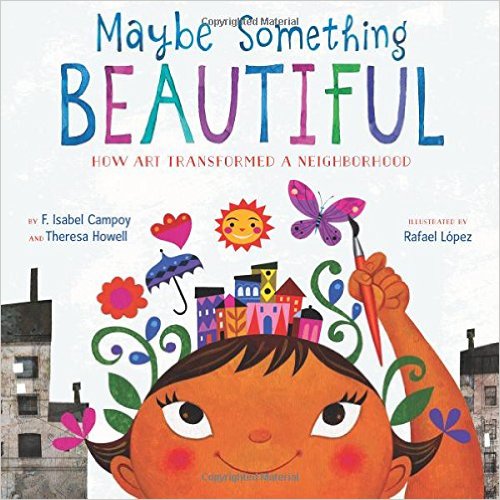
Maybe Something Beautiful written by F. Isabell Campoy and Theresa Howeel and illustrated by Rafael Lopez is well, beautiful.  The story of how a neighborhood was changed from adding art to the gray buildings is also one that is inspirational.  I love how this can inspire conversations about the small changes we can make that will have a great impact.

61nvrg0xzol-_sx410_bo1204203200_

I love informational picture books because of our epic non-fiction picture book project.  Gilbert Ford’s The Marvelous Thing That Came From a Spring is not just a great story, the illustrations are fantastic in it with their mixed media form.  This is a book I will use as an example of how you can write great informational text that reads like a story.

615dgyu4hml-_sy431_bo1204203200_

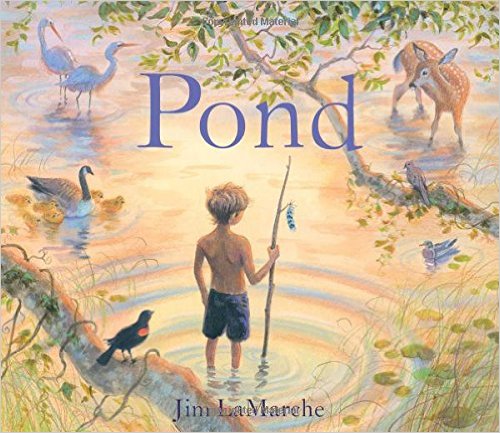
I am always on the look out for small moment picture books because they are such great teaching tools, in fact, soon an entire post will be dedicated to these picture books.  So Pond by Jim LaMarche is a welcome addition to our classroom as it follows Matt and his friends’ dedication to bringing the pond back to life.

61emcgtb2bdl-_sy498_bo1204203200_

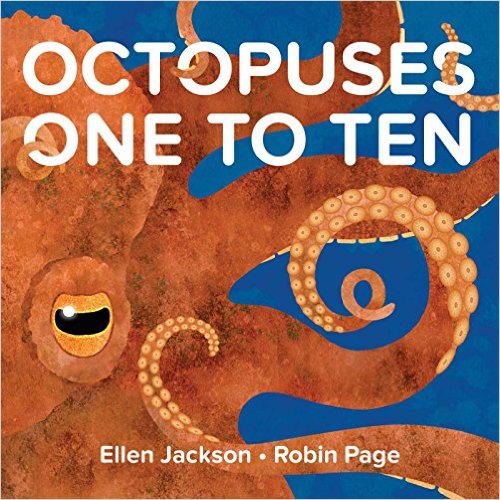
Another fascinating picture book for how to write great informational text is Octopuses One to Ten By Ellen Jackson and Robin Page.  You do not have to love octopuses to be in love with this book and how they weave fact upon fact into a counting book.

41lzmdufadl-_sx366_bo1204203200_

I know I am lucky that I have already received this book.  This is one of those books that we eagerly await and I am so excited to share it with my class.  Jon Klassen’s hat books are on numerous other lists on this blog and he does not disappoint with the final book in the trilogy We Found a Hat.  


61y6jpnp7ml-_sx384_bo1204203200_

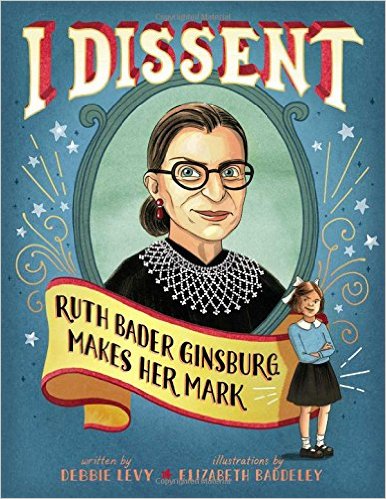
I have loved Ruth Bader Ginsberg and her take on the Constitution for a few years but it was an absolute delight to find out more about her in the new picture book about her life.  In I Dissent: Ruth Bader Ginsberg Makes Her Mark written by Debbie Levy and illustrated by Elizabeth Baddeley we really get to understand why RBG is such an important part of our judicial and political history as a nation.

51ouya5gt8l-_sy457_bo1204203200_

Oh what can I say about this stunningly beautiful book?  The Uncorker of Ocean Bottles written by Michelle Cuevas and illustrated by Erin E. Stead is everything that I love about picture books; a moving story, beautiful illustrations, and a message that stays with you long after you have read it.

51wkgfohktl-_sy477_bo1204203200_

What happens when the Snurtch keeps ruining your day?  How many kids can relate to the picture book The Snurtch by Sean Ferrell and illustrated by Charles Santoso.  This is a great picture book to talk about figurative meaning as well.

61vshege6bl-_sy481_bo1204203200_

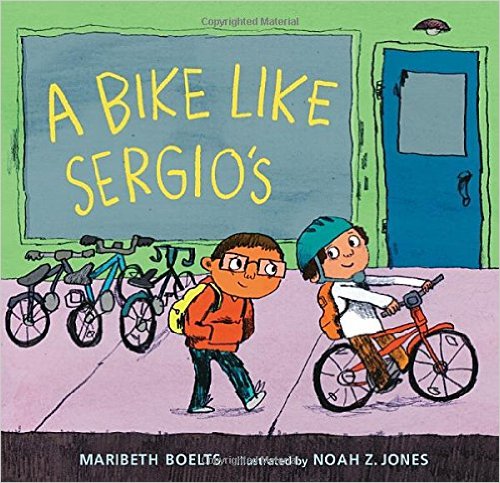
A Bike Like Sergio’s written by Maribeth Boelts and illustrated by Noah Z. Jones was a hit at our house.  So much so that we read it once and then my oldest asked me to read t again.  It is a book with a great message that can inspire conversation about how to do the right thing even when it seems like it would be better to not do the right thing.

Just a few new favorites.  I will also be updating my lists for Picture Books that Celebrate Books and Libraries, as well as the post Great Picture Books to Spark Imagination.

being a teacher, Reading, Reading Identity

When the Book is Just “Ok”

fullsizerender
“Once I find a book it’s fun but it doesn’t happen often” says one of my students.

I have been spending little time in official reading conferences so far this year. These reading conversations that are the foundation of how my readers grow are far and few in between.  But it is not from being forgotten, it is because of how many students have needed help finding a book.

We start every class with 10 minutes of glorious independent reading.  As students read, the quiet settles over them, and I observe, ready to confer, but also ready to help out.  This year I have noticed just how many kids are clearly not into their book, whose eyes shift restlessly from book to page, who are still on the same book they picked up on September 2nd.  So I ask them, “Do you like your book?” and without fail they answer, “It’s ok…”

Only ok.  Not great, not amazing, but ok.  A 6 out of 10 at most.  They are content with a mediocre book because then at least it looks like they are reading.  It looks like they are following the guidelines set forth and perhaps I, the teacher, will leave them alone.  Yet this is so far from ok.  Reading only “ok” books is not what will make reading better for our kids.  Reading only ok books will not inspire further reading, nor will it change their minds that reading is actually worthwhile.  In this instance being ok is not ok.

So we book shop together, immediately, for this is a reading crisis that deserves urgency.  We discuss when the last time was that they read a book they really loved (sometimes never) and we pull book after book after book off of the shelves so that the reading experience they will embark on is as far from ok as we can get it.

I could wait, of course, see them muddle through the pages and perhaps finish a book in a few weeks.  Glad to have one read.  I could hold back and tell them to book shop by themselves, let them explore the shelves and hopefully find something worthy of their investment.  Yet, the problem with the “ok” book lovers is that if they stay on this path, with no help from others, they will remain ok until they are not.  They will remain ok until they finally do give up fully and reading is no longer something they are willing to even attempt.

So when we have kids in our rooms that do not like reading, we must be urgent in our reading approach.  We must talk up reading in such a way that there simply is no way around it.  We must emphasize every day that reading in here matters and that you should only be reading great books.  That you should not be satisfied until you find a really good book.  That we will support the abandonment of books until a really great book is discovered because in here reading is meant to be more than ok.  In here, we should all be trying to find our new favorite book, not just settle for whatever we grabbed when the teacher told us to find a book.

I am currently working on a new literacy book.  While the task is daunting and intimidating, it is incredible to once again get to share the phenomenal words of my students as they push me to be a better teacher.  The book, which I am still writing, is tentatively Passionate Readers and will be published in the summer of 2017 by Routledge.  So until then if you like what you read here, consider reading my book Passionate Learners – How to Engage and Empower Your Students.  Also, if you are wondering where I will be in the coming year or would like to have me speak, please see this page.


being a teacher, Literacy, Reading, Reading Identity

A Few Ideas For Better Book Shopping

As we continue our work bonding as a reading community, I am struck by how often the idea of finding a good book comes up.  Over and over again students share that they like reading only when they have the right book, that they cannot find the right book, that they have never read a book they truly like.  And I watch them browse the books, unsure of what to look for, idly picking a book up only to drop it again the very next day.  The more I think about; book shopping and how to find a great book is one of the biggest skills we can teach students before they leave us.  And others agree, Donalyn Miller wrote her phenomenal book Reading in the Wild based on the notion that students need to be able to be readers without us and I couldn’t agree more.  So while book shopping and how to find the right fit book is something being taught in classrooms all over the world, how can we make it more effective?

For the past few years, I have been inspired by my students to tweak the process a little bit.  Here are the small things that seem to make a big difference in how we book shop in our classroom.

img_0881_27291963891_o.jpg

Old way:  Books are displayed like a bookstore, in a row on the book shelves.

New way:  Books are grouped together in bins by genre, topic, or author.  

What difference does it make?  The bins can be placed on tables as a group and students can easily flip through them.  Students can also more easily identify where books are that may capture their interest.  It also means that book covers are displayed out, catching the eye of readers as they sit in the classroom.

Old ways:  Books are randomly placed back in their genre bins.

New way:  I place all books back in the library taking care with which book is at the front of the bin, thus facing out to the class.  

What difference does it make? Much like bookstores and libraries change their displays, so must we, so the fronts of our bins become mini displays that are ever changing.  This is also a great way for “older” books to be discovered.  Students see amazing books waiting to be read whenever they are in our classroom.

Old way:  A designated book shopping time.

New way:  Book shopping whenever they need it.

What difference does it make?  Kids need a new book whenever they need a new book.  They should not have to wait until a designated time or day to book shop.  Encouraging them to book shop whenever it is needed, means that they always a have a new book to read.  This also means that I can see how students book shop on their own and what their habits are, which, in turn, helps me help them become better book shoppers.

Old way:  Book shopping was mostly silent as students tried to get through it as quickly as possible.

New way:  Book shopping is a social event at least every few weeks.

What difference does it make?  One of the things we work a lot on is creating a community of readers, and that community comes from finding your reading peers.  So when students can bookshop and are encouraged to discuss books as they go, we are creating ties that bind us together as readers.  I jump in and out of conversations as they book shop, perhaps highlighting a few books or helping a child that seems to be lost, but I love the conversations that I overhear about books and why a certain one looks amazing.  This also shows that I am not the center of book shopping because students should not rely on me to be the one that finds them a great book, at least not at the end of the year, so the bookshopping event plants the seed for them to rely on each other, rather than just the teacher.

Old Way:  Book shopping meant just new books.

New way:  Book shopping piles are now a mix of new books and old favorites.

What difference does it make?  While we all love brand new books, there are so many great books published in earlier years.  I put these in the piles with the brand new shiny books so that students cane be introduced to them as well.  I love when a child sees a loved book and has to share it with others to recommend it.

Old way:  Book shopping lasts a few minutes.

New way:  Book shopping takes the time it takes.

What difference does it make?  Book shopping should take time, after all, students should be flipping through pages, perhaps reading a few, looking at the covers, and discussing books with each other.  I ask my students to slow down and savor the moment, this helps them understand that book shopping is not just something we get through, it is something we enjoy.

Old way:  Teacher as the first stop for book recommendations.

New way:  To-be-read list as the first stop.

What difference does it make?  Their To-Be Read list is my way of helping them rely on themselves rather than just on the teacher.  So while I love book-shopping and recommending books, I also need to teach students that they can rely on themselves.  So when a child asks me for a great new book to read, I ask them to find their to-be-read list first.  This year our list is in our reader’s notebooks which stay in the classroom so the students always have access to it.

Old way:  Book talks once in a while.

New way:  Book talks every day.

What difference does it make?  Inspired by Penny Kittle and her great book Booklove, I book talk a book every day, these can be books I have read or books that are brand new to us.  I try to book talk a new book every class because kids want to check out the books right away so it is not fair to tell them to wait until the end of the day.  My bigger goal though is that students take over these book talks, one student has already jumped in, and they start to recommend books to each other.  Again, trying to shift the responsibility back on themselves rather than the teacher to find them books.

Old way:  Little conversation about books they abandon.

New way:  Book abandonment is written down and discussed.

What difference does it make?  When a child abandons a book it is a conversation waiting to happen.  Why did they choose to abandon the book?  When did they abandon it?  This is why we keep track of the books we abandon on our To-Be-Read lists, something most of them think is odd, but when I try to help them discover who they are as readers  we start with the books they abandon.  It is amazing to see students realize what types of books they do like by studying the types of books they don’t.

Old way:  Book shopping guidelines apply just within the classroom.

New way:  Book shopping guidelines apply to the library as well.

What difference does it make?  I have noticed that students who know how to bookshop in our classrooms sometimes flounder in the larger school library.  So this year, students are asked to bring their reader’s notebooks with their to-be-read lists in them and then book shop together.  I will also be walking around with the groups pointing out great books.

A final idea for better book shopping is also to have a stack of books ready for the kid that just hates reading.  These should be some of the books that have had the most success with other kids that really have written off reading.  I pay attention to what the game changer books are for my 7th graders and will often pull these out when I help a child who says they hate reading  find a book.  It is amazing what some of these suggestions have done for planting a seed about how reading is maybe not the worst thing in the whole world.  To see our list of some our game changers, go here.  

I am currently working on a new literacy book.  While the task is daunting and intimidating, it is incredible to once again get to share the phenomenal words of my students as they push me to be a better teacher.  The book, which I am still writing, is tentatively Passionate Readers and will be published in the summer of 2017 by Routledge.  So until then if you like what you read here, consider reading my book Passionate Learners – How to Engage and Empower Your Students.  Also, if you are wondering where I will be in the coming year or would like to have me speak, please see this page.