being me, hopes, Passion, Reading, student voice

My Students Still Hate Book Clubs, So Now What?

I knew I was up against some pretty deep-seated negative notions, but I guess I didn’t know how deep they really ran until yesterday when I started to read my end-of-year surveys.  One questions asked, “What is the one thing Mrs. Ripp should never have 7th graders do?” Usually answers are varied, spread across an entire year of trying to meet every child’s need and invariably always upsetting someone else.  But not this year; this year there was a clear winner; book clubs.  This awesome way to create a reading community was one of the most hated things by far we did all year.  And I am stumped

You see, we didn’t do book clubs the traditional way.  Students self-selected their books from more than 50 choices (we even involved the library for some groups that didn’t like the 50 presented to them).  Students set their own rules, reading pace, and expectations.  They were given 3 weeks to read the books and ample time to do so in class, so that it wouldn’t become another homework assignment.  I asked them to try to speak about the books for no more than 10 minutes, keeping their conversations focused and to the point.  I encouraged them to write down things they wanted to discuss and we also brainstormed guiding questions that they were then given on bookmarks to help start their conversations.  Their final product was a book talk with a small 5 slide presentation to use a backdrop for their conversation; and again, they were given time in class.  Yet, they hated it.

They hated having to read at the pace of someone else.  They hated the stilted conversations.  They hated that I was even asking them to have a shared reading conversation, often carrying resentment that I had shaped their groups.  We had discussed why I had made the groups, and some ended up loving theirs, and yet, others said it was the worst experience I could have forced them to do.  It wasn’t that they didn’t want to talk about books, they just didn’t want to go deeper with them, not in that way, not with those people.

So as I sit and dream of next year, because isn’t that what we do over the summer, I cannot help but think what else I can do to make book clubs an enjoyable part?  Should I abandon them altogether?  We do read aloud where we discuss text, so we still have a shared reading conversation where we interpret, experience, and try to figure out the book together.  Should I make it book partnerships where they interview three potential partners, one recommended by me, and they pick another person or two to read the same book with but perhaps with final approval from me?

Is there even a purpose for book clubs or are they a left over notion from when we were doing literature circles and felt we had to be in more control?  How do we rescue something that most of my students hated, but I still see value in?  Do I continue to just force it on them, trying to listen, or do we change our ways?  Are book clubs even necessary for developing readers?  I would love to hear your thoughts…

For more behind the scenes information on ideas for book clubs, both good and bad, please go here 

I am a passionate teacher in Oregon, Wisconsin, USA but originally from Denmark,  who has taught 4th, 5th, and 7th grade.  Proud techy geek, and mass consumer of incredible books. Creator of the Global Read Aloud Project, Co-founder of EdCamp MadWI, and believer in all children.  The second edition of my first book Passionate Learners – How to Engage and Empower Your Students” is available for pre-order now.   Second book“Empowered Schools, Empowered Students – Creating Connected and Invested Learners” is out now from Corwin Press.  Join our Passionate Learners community on Facebook and follow me on Twitter@PernilleRipp.

aha moment, authentic learning, being a teacher, being me, life choices, Reading, student choice

When Your Child Hates Reading- Some Advice From Those of Us Who Try

Note with content: When your child hates reading

One of the top questions I work through with friends, family, parents of my students, and even my own children is what to do when a child doesn’t want to read.  Or  I am asked for ideas for how to increase a child’s desire to read.  This is not a question I take lightly, nor one that I have a magical solution to.  I wish.  But I do have a few ideas that may help a reluctant reader get more interested in reading taken from my own experience as a teacher and parent.

First of all; be a reader yourself.  Nothing speaks louder to a child than having reading role models.  Read as much as you can, discuss your reading, share your reading, and read widely.  Switch it up to showcase that reading is not just one thing to you, but can consists of many types of books and genres.  I always have a book in my purse, backpack, and in my house.  I read when I am waiting for people, when we sit a traffic lights, whenever we have an errand to run and I stay back in the car.  Be a reader yourself so that the children in your life can see the value of it, not just hear about it.  Also pass books on in front of your children, I often hand books to others and discuss why they might love it.  My children and students have started doing the same.

Secondly, keep reading aloud.  We read aloud to all four of our children every single night.  They pick the books and we gladly comply.  It is a perfect way to end the day and allows a moment to create a shared experience.  This goes for older children as well.  Several of my students have reported sharing a book with a parent and I can tell you; it makes a huge difference to them.  I also cherish the read aloud time we have in class, much too little of it unfortunately, but again it allows us to have a shared experience that will shape future conversations about books.  (One tip:  Read the first book in a series aloud to ensure students get hooked and have more books to read).  Create a shared read aloud experience with the world by joining The Global Read Aloud or other shared read aloud projects.  This helps students connect with the world and also gets them excited about incredible books.

Third, take them to the book store.  Yes, I love a great library but there seems to be a stigma to some kids about “those old books” that they can find in the library versus the new and shiny ones they can see in a book store.  My trick, so that I don’t go bankrupt is to take my own children to the book store first , let them select all of the amazing books they cannot wait to read, write them all down, and then head straight to the library to get them from there.  Once in a while they get to select a book to purchase from the book store and we make a big deal out of it.

Fourth, keep handing them books.  Be specific with why you are handing it to them.  “I read this book and think you might like it because…” and keep doing it every chance you have.  Don’t be offended when they don’t want to read it.  I tell my students all of the time that even if I think a book is great they may hate it, which always turns into a great discussion of taste.  Children need chances to develop their own taste and in order to do that they need to be presented with a lot of books to choose from.  (This is also why I have a large classroom library and many books at my house).  And don’t just hand them the Classics, or whatever you think they should read, if they express interest in something hand that to them.  My mother never limited what I read even if she felt something was too hard or outside of my interest, she just let me read.  When we micromanage we stop children from discovering themselves as readers.

Fifth, don’t let your own ideas of what great reading looks like ruin great readings for others.  I think we are all super guilty of thinking we know what great reading looks like.  Whether it is reading a certain book or genre, whether it is reading in a certain type of environment or noise level, whatever we prefer is what we assume must be best for all.  Just don’t.  I have had students get deep into the reading zone while listening to soft music.  I have had students only want to read one certain genre and nothing else no matter what I presented them with.  I have had students swear that the best reading they can do is when they walk around the room.  Yes, really!  And guess what?  They were right.  Their best reading is their best reading, not the silent lying on the couch method I prefer. But you should have the conversation with them, ask them what it looks like and then have them cultivate that.  Discuss your own reading preference so they can find their style as well.

Sixth, don’t do rewards.  Ever.  Reading is its own reward.  The minute we start to tie reading with a tangible reward, we remove the intrinsic pleasure we hope our readers discover.  Although reading for a reward can offer a short-term solution to get a child reading, it will set a long-term precedent of what reading is for.  It is not worth it.  It will almost never lead to some sort of revelation of how pleasurable reading is and instead you have created a new bad habit; the “give-me” monster whose outstretched hand will only read when there is a tangible prize at the end.  So don’t start, even if it seem  like it might help a little, the damage it will do will not be worth it in the end.

Seven, give it a break.  I can be a high-strung reading parent, particularly because reading has not come super easy for one of my own children.  When we saw her struggle, my immediate reaction was to want her to read for longer periods of time in order to practice more.  My husband intervened, thankfully, and reminded me that when she does read it is hard, concentrated work and so we want to keep it short and sweet.  Make it a pleasurable experience, not a drill sergeant moment.  So if your child is really fighting you on reading, or struggling, don’t force them to read for a long period of time every day, keep it short, pleasant, and predictable.   Let them browse books, read a bit and support them throughout. They will get there, it may just take time and that one great book, but making something already difficult or hated into a long battle is not going to change their mind or help them love reading.

Eight, talk about reading but in a non-threatening way.  My daughter and I invent stories a lot on our drive home, sometimes based off of read alouds we have done.  My students and I discuss movies all of the time, particularly if they are based on a book and we need to compare it.  I show book trailers, I do impromptu picture book read alouds, and I get very, very excited about new books that I am reading.  Books are a constant undercurrent of my life and I do my best to bring it to the attention of the children I am surrounded by, but in a non-obvious way.  So go to author talks and signings, do read alouds, go to movies based on books, leave books out, listen to audio books on road trips, be excited about being a reader and don’t give up.  You never know at what moment a child will start to love reading.

Nine, realize it’s ok if they don’t love reading.  I can’t believe I just write that but it is true.  Yes, we should make opportunities for all children to love reading but we also need to be ok with a child if they don’t.  My mother raised my 4 siblings and I to love reading (I really have 11 siblings but these were the ones at my mom’s house) and 4 out of the 5 kids love it more than anything.  My one brother… not so much.  He is a great reader and once in a while will fall in love with a book series, but most of the time he is busy doing other things.  His life is not less full or less pleasurable than mine.  So we need to be ok with having a child that doesn’t love reading as much as we do…That doesn’t mean we stop, but it means we stop judging them on it.

What did I miss?  What ideas do you have to share?  I know many of us struggle with this.

I am a passionate teacher in Oregon, Wisconsin, USA but originally from Denmark,  who has taught 4th, 5th, and 7th grade.  Proud techy geek, and mass consumer of incredible books. Creator of the Global Read Aloud Project, Co-founder of EdCamp MadWI, and believer in all children.  The second edition of my first book Passionate Learners – How to Engage and Empower Your Students” is available for pre-order now.   Second book“Empowered Schools, Empowered Students – Creating Connected and Invested Learners” is out now from Corwin Press.  Join our Passionate Learners community on Facebook and follow me on Twitter @PernilleRipp.

being a teacher, books, community, Reading

Our Favorite Picture Books for Middle School 2015

I used to think picture books were best placed behind my desk, labeled for teaching use.  Stowed away neatly so that they wouldn’t be lost, not the pages too creased.  After all, picture books were for little kids and certainly not the big kids I was teaching.  One day, a student asked me if he could borrow one of the books that were perched behind my desk fortress, I wanted to say no, but instead asked him why?  Why did he want to read that book and not the mature books in our classroom library?  Sheepishly he glanced at me and then muttered, “For fun….?”  And so I handed him the book.  It wasn’t long after that all of my students would ask for the picture books squared away and I soon realized what a fool I had been.  Picture books were not for little kids.  They were instead the perfect text to use in mini-lessons, to lead discussions, and to create a community of readers.  I have never stored my picture books away from students since.

But what do you bring into the middle school classroom?  Is there some sort of rule that applies for which books will work with these fantastically diverse years or does it not matter?  It turns out that the only thing that matters is the quality of the picture book itself, once that is taken care of, the students will not stop reading them.  If you are just adding picture books to your classroom library, pick wisely in the beginning, but don’t get too caught up in whether or not it will make a great mentor text, I have found that the most unlikely of books can always be used for something as long as the students are into the story.  So the favorite picture books we have in our room, in no particular order, are…

272412

A Sweet Smell of Roses by Angela Johnson

6352012

The North Star by Peter H. Reynolds

3118349

One by Kathryn Otoshi

2936121

Pete & Pickles by Berkeley Breathed

13083239

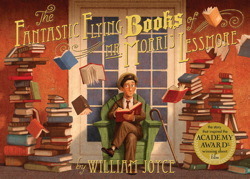
The Fantastic Flying Books of Mr. Morris Lessmore by William Joyce

21942920

Malala, A Brave Girl From Afghanistan/Iqbal, A Brave Boy From Pakistan by Jeanette Winter

2934707

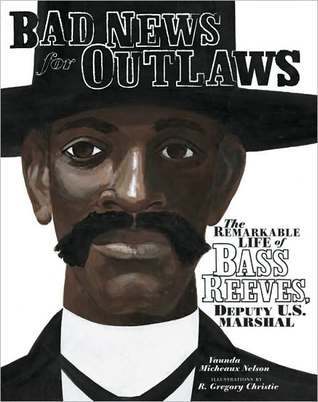
Bad News for Outlaws:The Remarkable Life of Bass Reeves, Deputy U.S. Marshall by Vaunda Micheaux Nelson

13531024

This Is Not My Hat by Jon Klassen

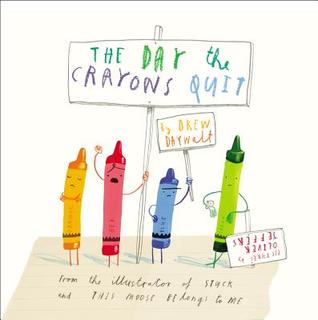
The Day the Crayons Quit by Drew Daywalt

The Day the Crayons Quit by Drew Daywalt

15799165

Bluebird by Bob Staake

13588082

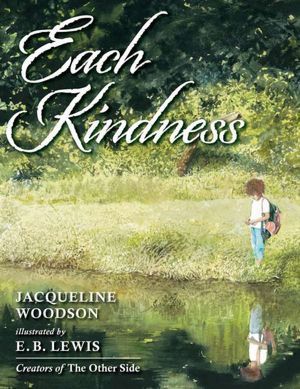
Each Kindness by Jacqueline Woodson

20307024

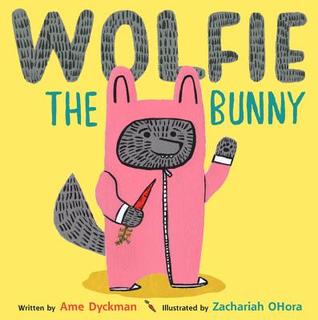
Wolfie the Bunny by Ame Dyckman

18383325

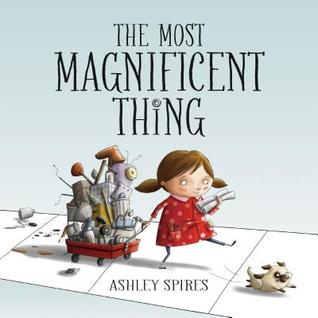
The Most Magnificent Thing by Ashley Spires

What Do You Do with an Idea? by Kobi Yamada

What Do You Do With An Idea?  by Kobi Yamada

Unicorn Thinks He's Pretty Great by Bob Shea

Unicorn Thinks He’s Pretty Great by Bob Shea

The Adventures of Beekle by Dan Santat

The Adventures of Beekle: The Unimaginary Friend by Dan Santat

18465557

Froodle by Antoinette Portis

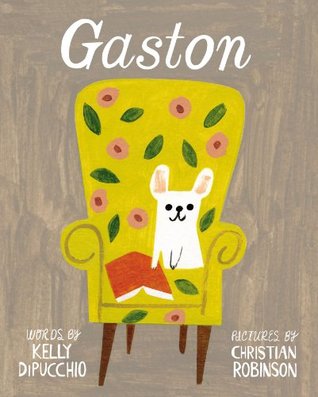
Gaston by Kelly DiPucchio

Gaston by Kelly DiPucchio

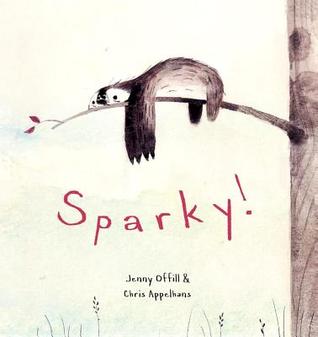
Sparky! by Jenny Offill

Sparky by Jenny Offill

Knock Knock by Daniel Beaty

Knock, Knock: My Dad’s Dreams For Me by Daniel Beaty

Product Details

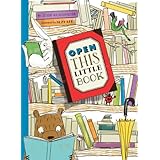
Open This Little Book by Jesse Klausmeier

Creepy Carrots! by Aaron Reynolds

Creepy Carrots by Aaron Reynolds

It's a Book by Lane Smith

It’s A Book by Lane Smith

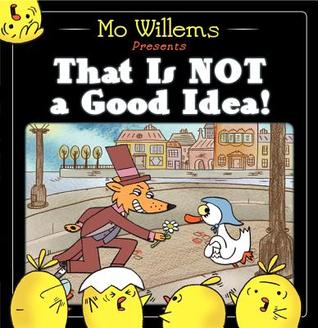
That Is Not a Good Idea! by Mo Willems

That Is Not A Good Idea by Mo Willems (Or anything by Mo!)

17140549

The Invisible Boy by Trudy Ludwig

And the list could go on and on, but at least this is start for those of you looking to add incredible picture books to your classroom library.  And don’t start like me; let the kids read them whenever they want, even the big kids, especially the big kids.  Which books would you recommend?

I am a passionate teacher in Oregon, Wisconsin, USA but originally from Denmark,  who has taught 4th, 5th, and 7th grade.  Proud techy geek, and mass consumer of incredible books. Creator of the Global Read Aloud Project, Co-founder of EdCamp MadWI, and believer in all children.  The second edition of my first book Passionate Learners – How to Engage and Empower Your Students” is available for pre-order now.   Second book“Empowered Schools, Empowered Students – Creating Connected and Invested Learners” is out now from Corwin Press.  Join our Passionate Learners community on Facebook and follow me on Twitter @PernilleRipp.

being a teacher, classroom management, classroom setup, MIEExpert15, our classroom, Reading, writing

12 Tips for An Organized Book Loving Classroom

Anyone who enters our classroom immediately notices all of the books we have.  It’s hard not to, they seem to be everywhere.  While I have always believed in having as many books as possible in the classroom, I was not always sure on how to best organize it for optimal student access and interest.  Now, seven years into having a library, there are a few things that have made my life easier.

No check out system

I have tried so many different check out systems, from a catalog system, to student librarians, to an electronic version, and all of them turned out the same; a ton of work for me and I still lost a lot of books.  So a few years ago I abandoned the check out system.  Now students know they can grab any book as long as they promise to return it.  It is amazing to see the look on a students’ face when they hear that.  Yet, I am not sure this is still the best way, I do lose a lot of books but for now replacing books is easier than spending all of that time checking them out.

“Return Your Books Here” Bin

I used to have students shelve the returned books but I always ended up having to remind them and then re-teach them how to get them in the right bin even though everything was marked.  I now have a plastic tub with a “Return your books here” sign taped to it right by all of our bookshelves.  Once a day I take the time myself to shelve all of the returned books because it gives me a way to see what is popular, look for books other students are wanting, and check on the conditions of some of our most beloved books.  It takes me less than five minutes and all the books are in the right bin.

Bins for every genre and then some

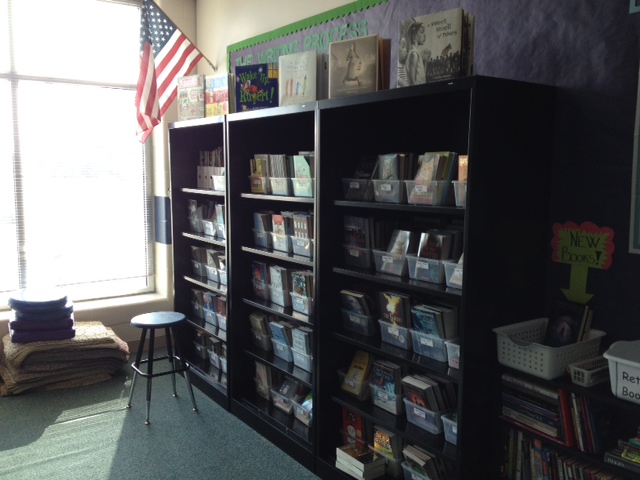
I have loved having book bins for many years.  While they cost money and give you less shelf space, it has proven to be the easiest way for us to categorize books.  Bins are grouped by genre and some by popular authors.  Students suggest bins as well as they see a certain collection grow.  Two such examples are our newly formed Cassandra Clare bins and military history bins when students pointed out that we had a collection now.

This Book Belongs to Mrs. Ripp Stamp

This inexpensive stamp purchased from Amazon several years ago has saved me so much time.  All new books get stamped with “This book belongs to Mrs. Ripp.  Please return when finished” on the inside cover and then the genre abbreviation (or author if they are in an author bin) is handwritten below it in black sharpie.  I cannot tell you how many books are left behind in other classrooms around our school and this little inexpensive stamp means they all come back to me.

The Hardcover Post-It

The only exception I have to my no book check out system is that if a student is borrowing a hardcover book, I ask them to give me the book jacket and put their name on it with a post-it.  I then save them all in a bin and ask students for them periodically.  This has saved many hardcover books from disappearing as students see their name and then remember that they probably left in that one place.  It also gives me a way to track a book down if someone else is looking for it.

The Gutter Picture Book Organizer

Someone long ago hung gutters all around my room under the white boards and I could not be more happy.  Gutters make a perfect display rail for any amazing picture books we may have and ensure that all of the new ones get read right away as well.  A very inexpensive way to get more display space indeed.

Beginning of the year book shleves

Printed and Laminated Bookmarks

We use Kylene Beers’ book Notice and Note throughout the year to give us a shared reading language, so it was natural for me to make some printed bookmarks reminding students of the strategies as they read.  Bookmarks are i the same place next to post-its, which some kids prefer to use.  They don’t have to ask for one, they take them as needed, and return them when they don’t if they feel like it.

“Our Favorite Books” Spinning Wire Rack

For a long time I had a wire rack where I placed all of my favorite books on for students to browse.  Yet, it was not being used very much even though it was in a prime location.  After inspiration by Nancie Atwell, I hung a sign above it declaring it a rack for the students to share their favorite books and then took all of my books off.  I told the students its new purpose and have since watched it fill up with their favorite reads.  This spinning rack has now become the first stop whenever they need a new book.

A Separate Book Case (Or Two) For Picture Books

While we have many of our favorite picture books out on display in the classroom (it’s amazing how many time students gravitate toward them in a day when they have a few minutes), I also have an entire book case just designated to picture books.  I used to organize them and group them together and then realized it didn’t make the slightest difference to the students.  They looked through a lot of books anyway whether they were organized or not.  Since I don’t have these in bins, I gave up on organizing them and haven’t looked back since.

The Readers’ Notebook That Doesn’t Leave

I used to ask students to carry their readers’ notebook back and forth for some reason, which meant many days they left it in their locker, or at home, or didn’t know where it was.  I also had to ask them to specifically leave them behind whenever I needed to assess them which meant the pressure was on to get them assessed so I could hand them back.  Now I ask the students to leave all of their readers notebooks in the classroom.  I have a bin for each class, I don’t care what name order they are in and at the start of each class all I have to do is grab the right bin off of my shelf and put it out for the students to grab.  This is also how I do attendance these days, by seeing whose notebook has not been picked up.

Pre-printed Standard Comments Sheets

I assess my students readers notebooks every two weeks and while I often take the time to write in specific comments to them, I have also learned to pre-print address labels stickers with certain broad comments such as “Remember to use text evidence to support your thinking” or “Why do you think the author did this?.”  Not only has it saved me a lot of time when I need to assess 120 readers notebooks, but it also allows me to focus on the comments they really need while covering all bases.  The students do not mind (I have asked them) since they know it allows me to support them more often with my thoughts.

Learning to Let Go

This has been my biggest take away in having a classroom filled with books and readers.  Sometimes you don’t have to have a perfect system for it to feel perfectly fine.  The students make our book loving classroom their own so they change the organization of books, the shelving of them, and even how we read them.  I don’t mind, I just have to let go sometimes and trust the students.

I am a passionate teacher in Oregon, Wisconsin, USA but originally from Denmark,  who has taught 4th, 5th, and 7th grade.  Proud techy geek, and mass consumer of incredible books. Creator of the Global Read Aloud Project, Co-founder of EdCamp MadWI, and believer in all children.  The second edition of my first book Passionate Learners – How to Engage and Empower Your Students” is available for pre-order now.   Second book“Empowered Schools, Empowered Students – Creating Connected and Invested Learners” is out now from Corwin Press.  Join our Passionate Learners community on Facebook and follow me on Twitter @PernilleRipp.

advice, being a teacher, global read aloud, Reading

5 + 1 Ideas for Doing Better Read Alouds in the Middle School Years

I knew moving to 7th grade from 5th that our read aloud was something I had to preserve.  I knew that having a shared experience was something we needed as we built community, I knew we needed a read aloud so we could be a part of the Global Read Aloud and be a part of a global reading community, and I knew that no matter how old my students may feel like they are, a great read aloud has no age limit. What I didn’t know was just how hard it would be!

Between 45 minute class periods, students who groan at the slightest hint of silliness, and a broad curriculum that seems to never slow down; our read aloud was getting squeezed out almost every day.  In fact, in one class, our very first read aloud took us nearly 5 months to finish.  Talk about stretching out a story.  So in this year of trial and error, I have discovered a few things that is bound to restore the read aloud as one of our main tenets next year.

  1. Pick different books for each class.  As much as I hate having to keep track of five different books, I made the mistake of reading the same amazing book aloud to three of my classes.  My own apprehension and disdain for reading the same thing aloud thus created another barrier; I simply did not want to read aloud to my later classes because I had already read it aloud before.  Now I honor the individuality of my students by having different texts for them all.  We discover the books together and I want to see what happens next just as much as they do.
  2. If you do read the same book; record your read aloud.  If you can find an audio version of a book, find it and use that with the students.  If you cannot, then make your own for example by reading it aloud to Voxer and then emailing the sound file to yourself.  I plan on doing this for our Global Read Aloud books next year so that I won’t get sick of  reading it aloud again and again.
  3. Make your read aloud your mentor text.  I did this in 5th grade and got away from it in 7th, but now I am going right back to it.  This way, when we go through the strategies from Notice and Note we can search for them right in the text we are using, thus double-dipping into the time we have.
  4. Read books in verse aloud.  This year certainly has been the year of the verse book and these make for incredible read alouds.  The story moves along at a fast pace, the students hear great poetry and like it, and it allows us to cover more books.  I just finished The Crossover with two classes who loved the story.
  5. Never underestimate a great picture book.  If you know you will be hard-pressed for time one quarter or over a span of time, opt for reading aloud amazing picture books.  We have read many Elephant & Piggie books, plus any of the other incredible picture books we have in here.  What matters about the read aloud is that we have a shared text experience that we can grown from on many levels.  That does not just have to come from a chapter book.
  6. Even if just for a minute; read aloud.  I used to think I should only read aloud when I coud afford to spend 10 minutes or more on it in class.  The constraint of the 45 minutes that I teach in did not allow me the luxury of that often so we got further and further away from our stories.  Now I know that even if I finish class with just a few minutes of read aloud at the end of class, it is better than not reading, because even a few minutes keep a story fresh and the action moving.

What ideas do you have?  Please share.

I am a passionate teacher in Oregon, Wisconsin, USA but originally from Denmark,  who has taught 4th, 5th, and 7th grade.  Proud techy geek, and mass consumer of incredible books. Creator of the Global Read Aloud Project, Co-founder of EdCamp MadWI, and believer in all children.  The second edition of my first book Passionate Learners – How to Engage and Empower Your Students” will be published by Routledge in the fall.   Second book“Empowered Schools, Empowered Students – Creating Connected and Invested Learners” is out now from Corwin Press.  Join our Passionate Learners community on Facebook and follow me on Twitter @PernilleRipp.

S

being a teacher, being me, Reading, student choice

Perhaps Offering Choice in Reading Is Not Always the Best Idea

Today I said something I didn’t think I would say ever again.  Something that I have told others to never say, in fact, I may have even pleaded with a few people.  What came out of my mouth after lengthy consideration?  “No more reading on devices this quarter.”   Then I held my breath just a little bit and I waited for the reaction.  Not just from my students, but from the reading police, for my better sense to come yelling.  For someone to bust through my door and tell me that reading is all about choice and that reading on a device counts just as much as reading a paper book.  That to get students to read we should allow them to read any thing they want, as long as they are reading.  That fan fiction counts as fiction as well.

They would have been right, too.  It is all about choice.  It is all about getting them to read.  About letting them pick whatever they want as long as they read, as long as they get their eyes on print.  Yet for some of my students even that hasn’t worked, and so today, I took a drastic measure by outlawing devices.  You see, because even with all of that choice some are still not reading.  They may be skimming pages, they may be browsing various fan fiction sites like WattPad searching for a story, they may even be diving into a text now and then.  But most of the time, every single day, the device in their hand has become one more tool to distract them from falling into a great story, or finding their reading zone to quote Nancie Atwell.

So today, I asked, or maybe even forced them a bit to find an amazing book to read.  To feel the weight of the book in their hands, to browse through all of the books we have and find one that calls their name.  To abandon a book if it doesn’t.  To save their time to read the very best of books.  To get sucked in, knowing that I will be ask them how their book is, what they love, if I should read it as well.  And when they finish I will ask them to pass it on.  To tell someone else to read it as well, to hopefully love it as much a they did.

As they book shopped, I saw something happen that I have waited for all year; my most reluctant readers actually ask about books.  Yes it was because they had to but they were actually doing it. They browsed somewhat, they shuffled through pages, and they all left with a book that they were willing to try.  Yes, some are still unhappy that I am asking them to read a paper book.  Yes, some think I have lost my mind, but perhaps today is the beginning of a change in mind, of a seed being planted.  Or not, but I am going to try it for a while because something had to change.  That I have eight weeks left to try to get them to read at least one great book and so I had to change my tune a little bit.  We shall see if it pays off.  We shall see if it helps or harms.  What do you think?

I am a passionate teacher in Oregon, Wisconsin, USA but originally from Denmark,  who has taught 4th, 5th, and 7th grade.  Proud techy geek, and mass consumer of incredible books. Creator of the Global Read Aloud Project, Co-founder of EdCamp MadWI, and believer in all children. I have no awards or accolades except for the lightbulbs that go off in my students’ heads every day.  The second edition of my first book “Passionate Learners – Giving Our Classrooms Back to Our Students” will be published by Routledge in the fall.   Second book“Empowered Schools, Empowered Students – Creating Connected and Invested Learners” is out now from Corwin Press.  Join our Passionate Learners community on Facebook and follow me on Twitter @PernilleRipp.