being a student, being a teacher, new year

I Am Reminded

We continue to get to know each other slowly. Dancing around each other in this forced community which we hope to make our own. Feeling each other out as we wonder where in each other’s legacies we will fit. Will we matter or will we be a forgotten chapter? Simply a footnote in a story that spans a lifetime.

Four weeks into a new school year and I keep thinking how I am already a much better teacher than I was when I started because of the truths these kids, my new students, are offering up. How though they barely know me, and yet in their stories enable us to start havinge these moments together that become our narrative as we weave our pasts together in order to create our future. At least for a little bit.

And I remind myself to slow down.

And I remind myself to pay attention.

And I remind myself to pick up my pen and take notice.

To start the conversations.

To listen fully.

To continue to search for connections, for the stories that pass easily in order to get to know them more.

To give hugs freely and feedback carefully.

To take a breath.

To take a moment.

To feel the power that the adult in the room inevitably holds even when we think we don’t.

And I am reminded of how writing identity carries so many emotions when a child bursts into tears in front of me not sure how to take my words surrounding their writing. Because we don’t know each other that well, not yet.

And I am reminded of how quiet it can be when a child tells me a part of themselves that they weren’t quite ready to share but shared it anyway and I hope I earned their trust a little more. Because they don’t know what I will do with the stories of their life, not yet.

And I am reminded of how much our students notice when they ask if I will do that thing for them that I did for that other kid, and was that a tradition and if not, it should be. That they don’t know that I will pretty much go along with most new traditions because that’s just who I am, not yet.

And I am reminded of the bonds we created the year before when the big 8th graders shout “Hey, Mrs. Ripp!” as they pass my room and sometimes sneak in for a hug or a book. And I wonder if any of the ones I get to teach now will even say hello next year.

Because these moments, the small moments that we take, the ones that we make through our conferring, through our greetings, through our questions and our listening. Through our shared read alouds, through our discussion, through our music playlists, through our stories. Those moments become the foundation for the trust that I hope these kids will place in me as I try to guide them down a path of learning.

Because what I am reminded of tonight as our daughter tells me that her day was great, as usual, but that there were not enough hugs, is that we have only just begun. That there should always be time for the hugs. For the moments. For the connections. And yet the pressure to cover the content, to get through the material, to offer up all of the opportunities to learn urges us on at a breakneck pace but that the only thing we will accomplish from caving to the pressure is relationships left behind.

So I pause once more. Plan accordingly and search for the moments that will tie us all together.

building community, new year, writing, Writing Identity

Illustrated 6-Word Memoirs

We continue to work on developing our writing communities, slowly settling into what it means to write together, to be writers, and to feel free to write. We have written directions, we have discussed the rules of writing, we have read great writing, and we have set up our writing circles. All this work is centered in identity. All this work is centered in learning who each other are and developing a feeling of safety and community as we grow into this year together.
Now we inch closer to writing personal essays on topics centered on our own lives and so we used the 6-word memoirs. This ingenious little foray into writing has a long history. A great place to read more about them can be found here. They are exactly what they sound like; 6 word stories about our lives.

I introduced them by showing them examples of other 6-word memoirs, some serious, some not so much. I showed my own example…

Then we discussed the perimeters of the challenge: Exactly 6 words, it cannot be a list of adjectives, should reveal some part of your life that you feel comfortable with.

Then the kids brainstormed for a bit it their writers’ notebooks, playing around with sentences, words, and punctuation.

When they felt satisfied with their chosen words, they had someone spell check their final sentence. A few spelling errors were missed, which happens.

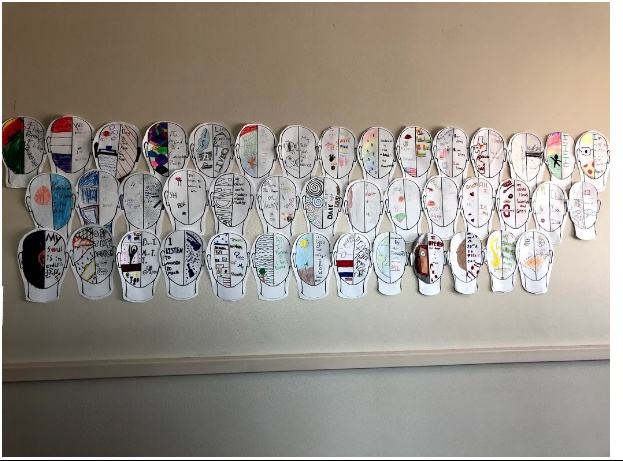
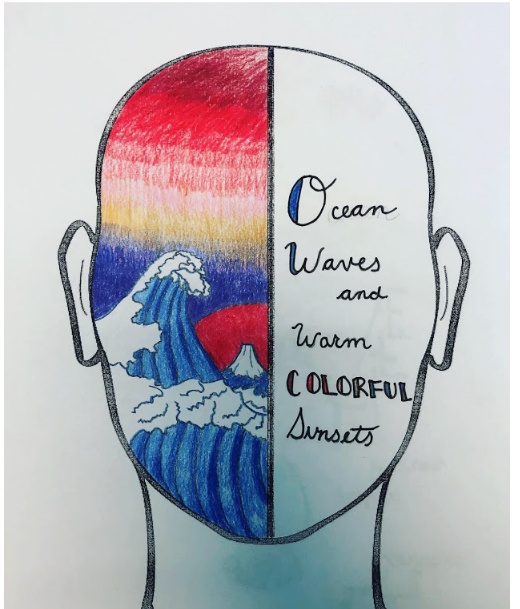
Then they illustrated them using these free blank face printables. I printed one out and drew a line down the middle, then made enough copies with directions on this handout. One side was for them to illustrate either as a collage or as an abstract image of of their words. The other side was for their words. I told the kids that they would be displayed so to put their names on the back for privacy unless they wanted it to be known that they made it.

We listened to music. Kids played with words, drew, and then handed them in. I couldn’t believe the care many took. While certainly there were many that spoke of sports, dogs, and other seemingly small-ish parts of their lives, every single one spoke of something they found important or showed a sliver of their personality.

A small lesson that showed so much about their identity once again. See for yourself, how they turned out.

being a teacher

A Little More Grace

Maybe what we all need

is just a little more

grace

a little more

time

a little more

love

for ourselves

for our perceived flaws and faults

for the imperfections we pick apart

and hold up to the world

faster than anyone can point them out

to allow ourselves to fully breathe out

in order to

fully breathe in

realize that what we are doing

is enough

for now

that there will always be

more

that we will always need

more

of ourselves

of others

of money

of time

and yet the one guarantee that we all get

is that there is no

more

only now

so I am going to take my breath

care for myself

realize that the work

(always the work)

will still

be

there on Monday

and right now

just be glad that

today

I got to be

books, new year, Reading, Reading Identity, Student dreams

Kicking Off Our Reading Conferences For the Year

We are two weeks into the year and slowly the routines are starting to shape up. We know each other just a little. Our community is growing. The incredible inquisitive and funny nature of our 7th graders is coming out more and more. And every day we start the same way; twenty minutes at least of independent reading. Twenty minutes to “Settle in, settle down, and get reading.” Twenty minutes where I get to book shop with kids, check in on their day, and also do initial reading conferences with the kids as we start to get to know each other more. After all, how am I supposed to help them grow as readers if I don’t know them as readers, as people?

Our first reading conferences are simple yet effective as we start this journey together. All it takes is a few things: our reader survey, their goal setting as it ties in with their 7th-grade reading challenge, my note taking sheet, my home information sheet and time. Hmm, maybe that sounds complicated, but it is not. What these different things do is allow me to slowly gather information on the students and open up conversation.
The reading survey helps me get insight into their reading habits and emotions tied in with reading. They do this within the first few days of school.

The goal setting sheet helps me understand where their priorities are. It’s part of our 7th grade reading challenge. This is about a week in after we set our reading rights.

The home sheet was used during our ready-set-go conferences prior to school starting but I also use it throughout the year to fill in more information. (The pronoun question/answer is an optional question from a different survey).

And my note-taking sheet, a constant work in progress, gives me a place to keep all of my information, in order to have a place to remember our conversations by.

Every class has its own binder where the information is placed alphabetically, and that’s how I start; alphabetically and call up two or three students every day during their reading time.

A few easy questions start us off: When we meet would you prefer to come to me or me come to you? (Many prefer the relative privacy of coming to me). Which book are you reading, how did you choose that one, how would you rank it on a scale from 1 to 10?

Then we move into their reading goal. Questions I ask are: What is your goal, how come you set that, and tell me more about your reading life last year? I take relevant notes throughout our conversations and I make sure the kids can see what I am writing down, I don’t want them to have to worry about what I may be recording. There are often follow up questions but I also want to be cognizant of wait time and the delicate nature at times of reading and how kids feel about themselves as readers.

Then we discuss their progress, how is it going? How is the book working for them? How is reading outside of English going? We also discuss what is hard about reading, no surprise, even my most adapt readers have challenges. Finally, I ask them if there are things I can do to support them right now better as we get to know each other. Many don’t have ideas right now but I like the openended question in case they do.

As we wind down, I ask them a few more questions. What is their favorite color? What is their favorite treat? And what do they do well? This information is used throughout the year as I celebrate them. It also gives me a peak into where they see themselves right now, many kids tell me they don’t do many things well, and so I always try to help them see great things about themselves.

I thank them for their time at the end. Thank them for investing in our class and allowing me this time with them and that I look forward to helping them grow this year.

The next time I meet with them, there are less questions so the conference goes quicker. Then it starts with, ‘What are you working on as a reader?” as you can see from the note-taking sheet and then evolves from there.

A simple way to start but one that sets us up together to work on reading, to maybe better their experiences in reading, to make it matter beyond the work, the pages, the labor that it is for some. I am so grateful for these kids and the conversations we get to have.

If you like what you read here, consider reading my newest book, Passionate Readers – The Art of Reaching and Engaging Every Child.  This book focuses on the five keys we can implement into any reading community to strengthen student reading experiences, even within the 45 minute English block.  If you are looking for solutions and ideas for how to re-engage all of your students consider reading my very first book  Passionate Learners – How to Engage and Empower Your Students.      Also, if you are wondering where I will be in the coming year or would like to have me speak, please see this page.

books, Reading

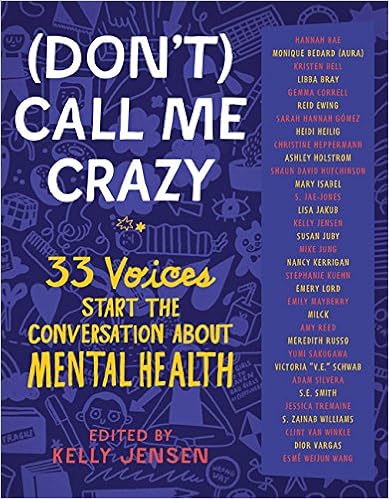
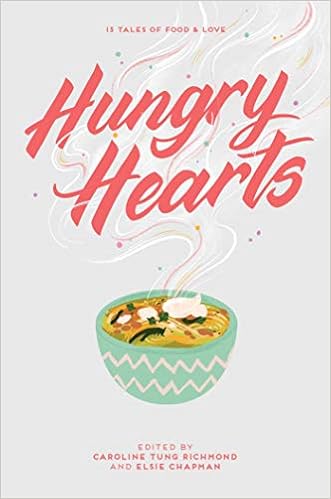
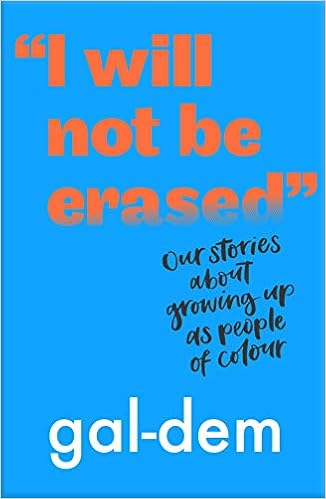
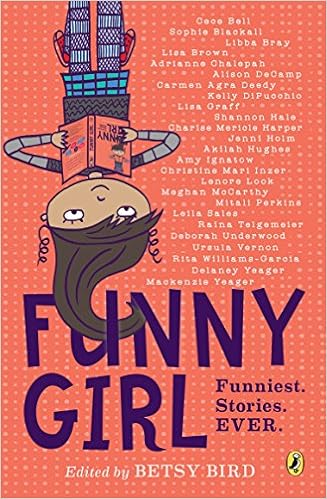
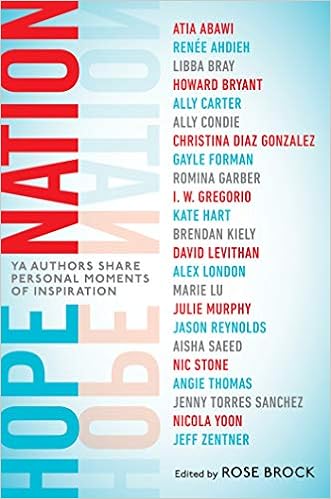
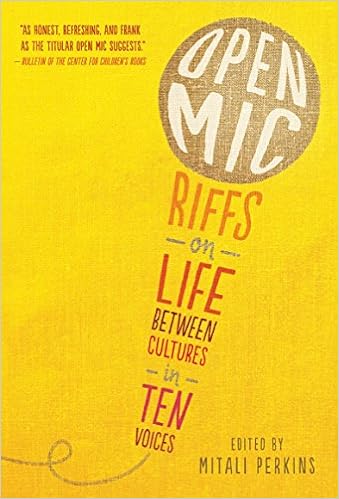
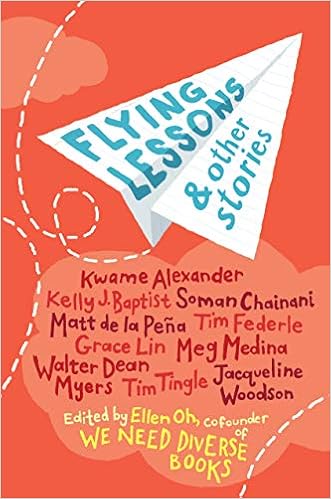
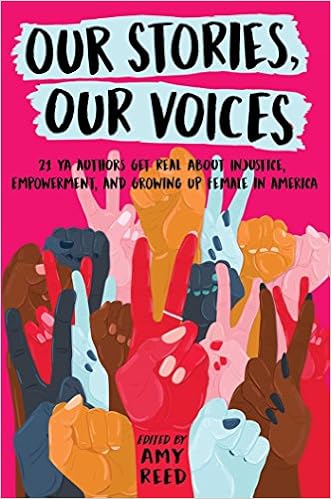
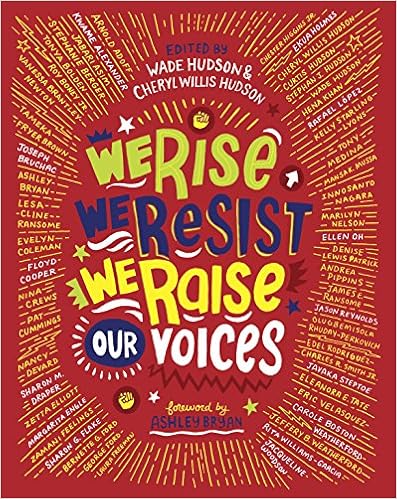
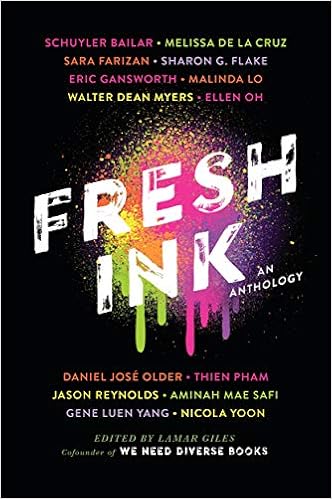
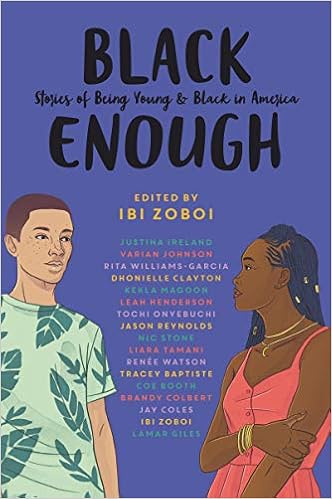
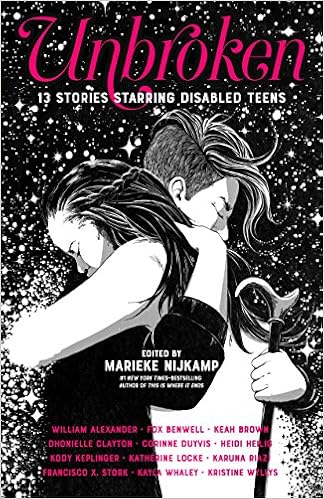
A Few Suggestions for Newer Inclusive Short Story Collections

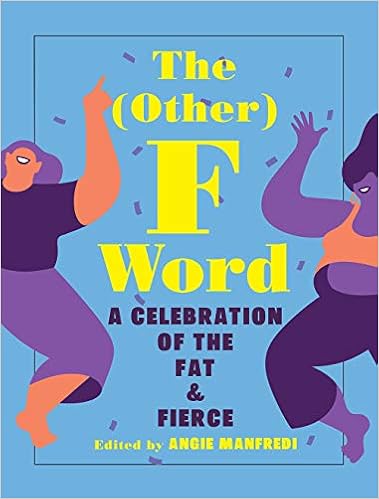
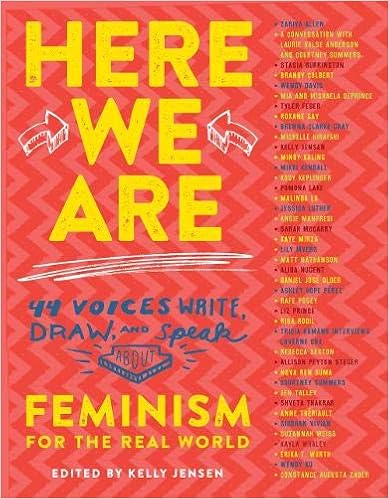
One of the questions I am posed a lot is where others can find amazing short stories to use with their students and while I have a file folder that I keep myself, I am also thrilled that there are so many amazing newer collections that we can use to start conversations, as mentor texts, and just for overall inspiration.

We continue to want to emphasize the work of those whose voices have historically been minimized and so many of the short stories I use with kids are pulled from these collections. There are funny, sad, thought-provoking stories so my best advice is to dig in and start to read some of these great pieces, and then, of course, share them high and wide.

Image
As many as I could fit in the picture – this post has a few extra titles that we also use.

While some of these are great for many ages, some of these only have certain stories suited for younger ages or are solely for older ages. So read the stories first before placing it in your library , which I would encourage you to do either way because many are amazing and not to be missed.

Which books are your go-to for great short stories? To see other favorite books, go here.

being a teacher, being me, Reading, Reading Identity

An Email Requesting For Our Children To Not Have to Do Reading Logs

Inevitably, every few years, one of our four children brings home some variant of a reading log. Typically it involves logging the minutes that that they have read every night, a signature, perhaps the titles as well and sometimes even the need to write a few lines about the book they read. Often times it is tied in with a reward; pizza, parties, extra recess.

And while it used to anger me that kids (and their adults) were being asked to do this work, I have realized that the request for a reading log is typically not anchored in any kind of malice. Rather, it is sent home with a genuine interest in the reading lives outside of school. With a hope that a child will make the time to read. With the hope that a family will make the time to read because it is now expected as homework. What is the harm in that? So every time we are presented with one, I find myself in a dilemma; do I say anything, ask for my child to be opted out, or do I let the practice ride? After all, there are bigger things to worry about when it comes to the reading experience of children.

And yet, I have seen the damage that the simple requirements of a reading log has done to my own children. When our oldest came home with our first one, she asked for a timer, set it for 20 minutes and when the alarm went off, she resolutely shut her book and told us she was done. No matter that she was in the the middle of a page, no matter that the previous nights she had read for a much longer time. The 20 minutes was all she needed to read. Or our son, who when he did a book logging program that offered up prizes didn’t care so much as to what he was reading or having read aloud, but instead would pick the shortest books in order to log as many titles as possible, so that he could get whatever prize was attached to the amount of books. Or how they make me a liar. I don’t know what my children are reading often, they are surrounded by books and while we talk about them we don’t always. So when I am supposed to sign off on their minutes or write down their titles, I do it gladly, without really knowing if it is true or not. Should I know every minute read and every book read, sure, if I had unlimited time in the day. Instead, we discuss many things in our household, books included, and focus on our time together not just the homework they have to do.

When I ask my students to discuss their negative experiences, reading logs rise to the top. It doesn’t matter if it was only for one year or even for a shorter amount of time, having to account for the minutes read did little to inspire further reading, but instead added yet another to-do to their to-read. So last night I sent out the following tweet, and with that comes this post, because it turns out there were many that also have wondered how to advocate for their own child when faced with a reading log or other potentially harmful measures.

So I have an email that I send when the reading log comes home, and I do hesitate to share it here because I am sure to some it is not enough, and yet, in my years of teaching, I have found that engaging in dialogue with other teachers about their practices from a lens of genuine interest is going to take me so much further than citing research, telling them about the wrongness of their choices, or in any other way trying to prove that I am right and that they made a mistake. No teacher wants to be shamed, and why should they be for this?

So the email I send in its edited form is simple:

Hi,
I saw the reading log sent home today and wanted to ask a few questions, if you don’t mind. 

A big focus for our family is that reading is its own reward so we don’t tie anything to her reading; no minutes, no prizes.  She needs to understand that reading is something you do for personal enjoyment and not outside gifts. In the past, when (insert child’s name here) has seen the time requirement, she right away told me that was all she had to read for.  We don’t want her to think that there should be a maximum time for reading, but instead follow her natural rhythm for reading when she has a great book.

Are you ok with us not filling it out and instead me giving you my word that (insert child’s name here) reads every night for at least 30 minutes?   Is there another way we can show our accountability to reading? We read every day so it won’t be a problem.  

I hope this doesn’t come off as rude, I don’t really know how to put it in other words.  We love you as a teacher and so does our child and want you to feel supported. If you would like to discuss this in any way please let us know.
Best,

Pernille

I could cite the research, I could go on for a long time about the damage of reading logs and offer up other ways to measure reading. Or I can simply ask questions and see what happens. We have never needed to do any of those other steps because often it is not the teacher that mandates the reading log but rather a team, a school, or a district. And that teacher deserves my respect and gratitude for the care they give our children.

Would I though if I had to? Of course. The reading lives of my own children and others is too important to let linger in harmful practices. So here are my other posts on reading logs if you need them, including one that discusses how you can make it an option or other ways to see if kids are reading. For now, I will wait to hear back.

If you like what you read here, consider reading my newest book, Passionate Readers – The Art of Reaching and Engaging Every Child.  This book focuses on the five keys we can implement into any reading community to strengthen student reading experiences, even within the 45 minute English block.  If you are looking for solutions and ideas for how to re-engage all of your students consider reading my very first book  Passionate Learners – How to Engage and Empower Your Students.      Also, if you are wondering where I will be in the coming year or would like to have me speak, please see this page.