He tells me he is bored.
As if that is the only reason I need in order to understand why being part of the learning is not the priority. An honest answer, but also one wrapped up in so many questions.
What does boredom mean to you? I hear myself say that this is school, it cannot compete with a screen and it was never meant to. That school will be boring sometimes.
And yet I cringe at my own words. How am I agreeing that something I have meticulously planned for fun, movement, and understanding is boring? How have we gotten here.
But I hear it more and more. This idea that because I am bored I can tune out, do whatever I want, and it is up to us, the adults, to fix it. So we tinker and we attempt and yet nothing can beat the thrill of a classmate’s attention to whatever goofy decision is being made, nothing can beat the pull of the device handed back at the final bell.
We are losing every single day and killing ourselves in the process.
Because as we stand with all of our best ideas, honed sometimes from years of experience, we are also inevitably met with a feeling of worthlessness. Why bother when they don’t care anyway? And whatever happened to being invested in school?
I have been sitting with these questions for a while. And I think what we are missing is not a better lesson plan or a stronger behavior system. What we are missing is an honest reckoning with what has happened to the brains sitting in front of us. Because here is the thing about boredom in 2026.
It is not the same boredom we grew up with.
The boredom we knew had nowhere to go. So it turned inward, into daydreams and doodles and the slow work of figuring out how to tolerate discomfort. The boredom our kids know now has an immediate exit. And that exit has been engineered to be as compelling as possible.
The research on dopamine tells us something important here. The brain does not spike on reward. It spikes on the unpredictability of reward. Variable reinforcement. The same mechanism that makes a slot machine hard to walk away from is the same mechanism driving the scroll, the refresh, the check. (Schultz, 1997)
And it is the same mechanism driving the kid who just made a choice in your classroom that you cannot quite explain.
The classmate’s reaction IS the notification. The disruption IS the dopamine hit.
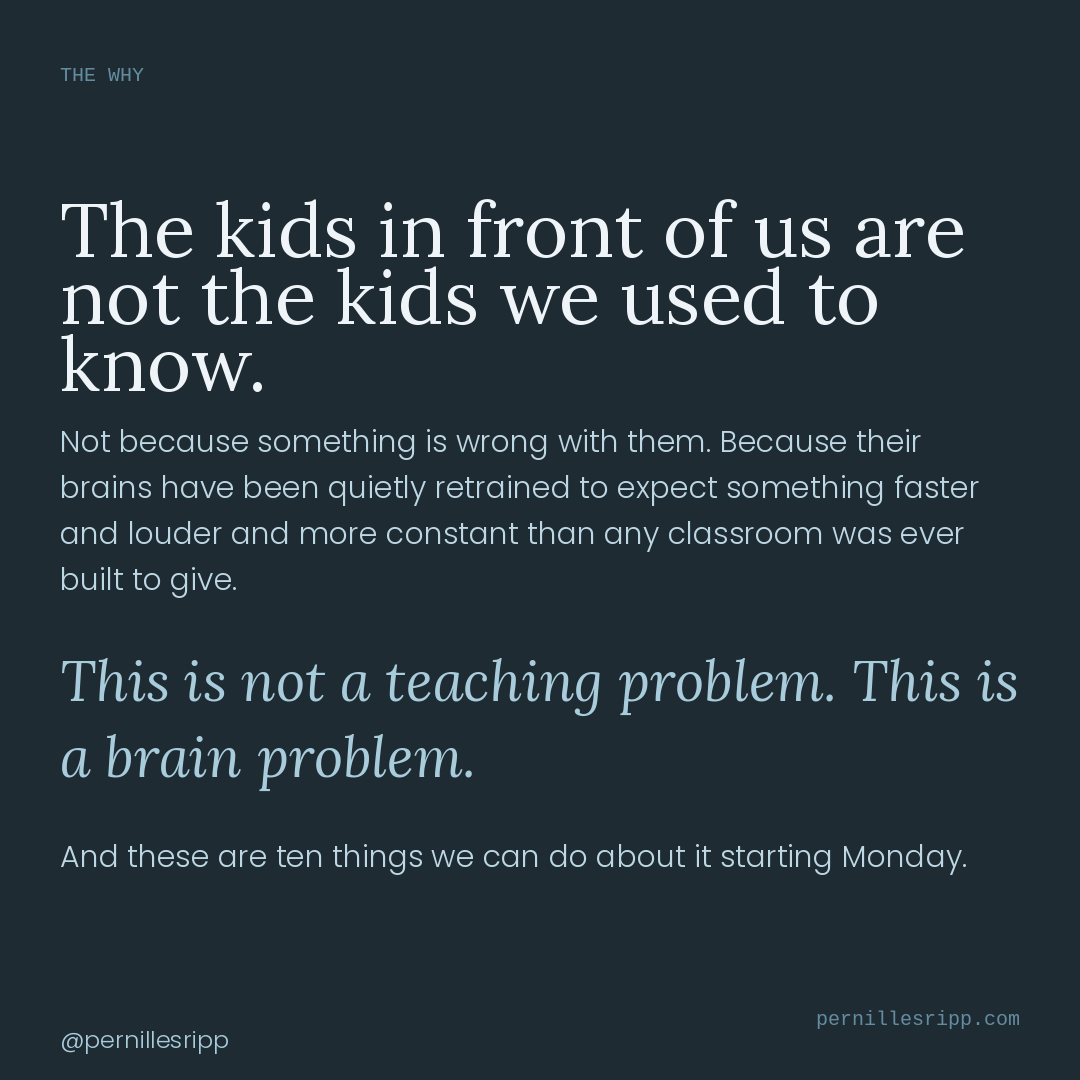
We are not just competing with a device. We are competing with a neurological loop that has been deliberately engineered to be almost impossible to interrupt.
In many ways, we are teaching kids whose brains have been conditioned the same way any addiction conditions a brain. I want to say that carefully, because it is not an excuse and it is not a diagnosis. But it is honest.
And when we understand it that way, two things shift.
The behavior starts to make sense in a way it did not before. And the shame we feel for not being able to reach every kid every day starts to lift a little. Because you would not expect a single teacher to be the sole intervention for any other kind of addiction.
The weight we are carrying is real. And it is not ours alone to carry.
There was a time when recognition meant something different than it does now. A nod from a teacher. A reputation built slowly among peers. Being known in a community that stuck around long enough to remember who you were last October and who you had become by June.
Integrity mattered because the same people would be there tomorrow, and they would carry the memory of you forward.
That ecosystem of recognition, earned and witnessed and slow, was one of the most powerful forces in a child’s world. And for a long time, it shaped everything.
Then something shifted. Quietly and without warning, an entire industry rewired what recognition feels like. Not just for our kids. For all of us. The brain has been rewired to need a flood. And we are standing there, with everything we have got, offering a drip.
So when he tells me he is bored, I have to be honest with myself about what I am actually hearing. Some of it might be that the environment genuinely does not fit what he needs right now. That is always worth listening to.
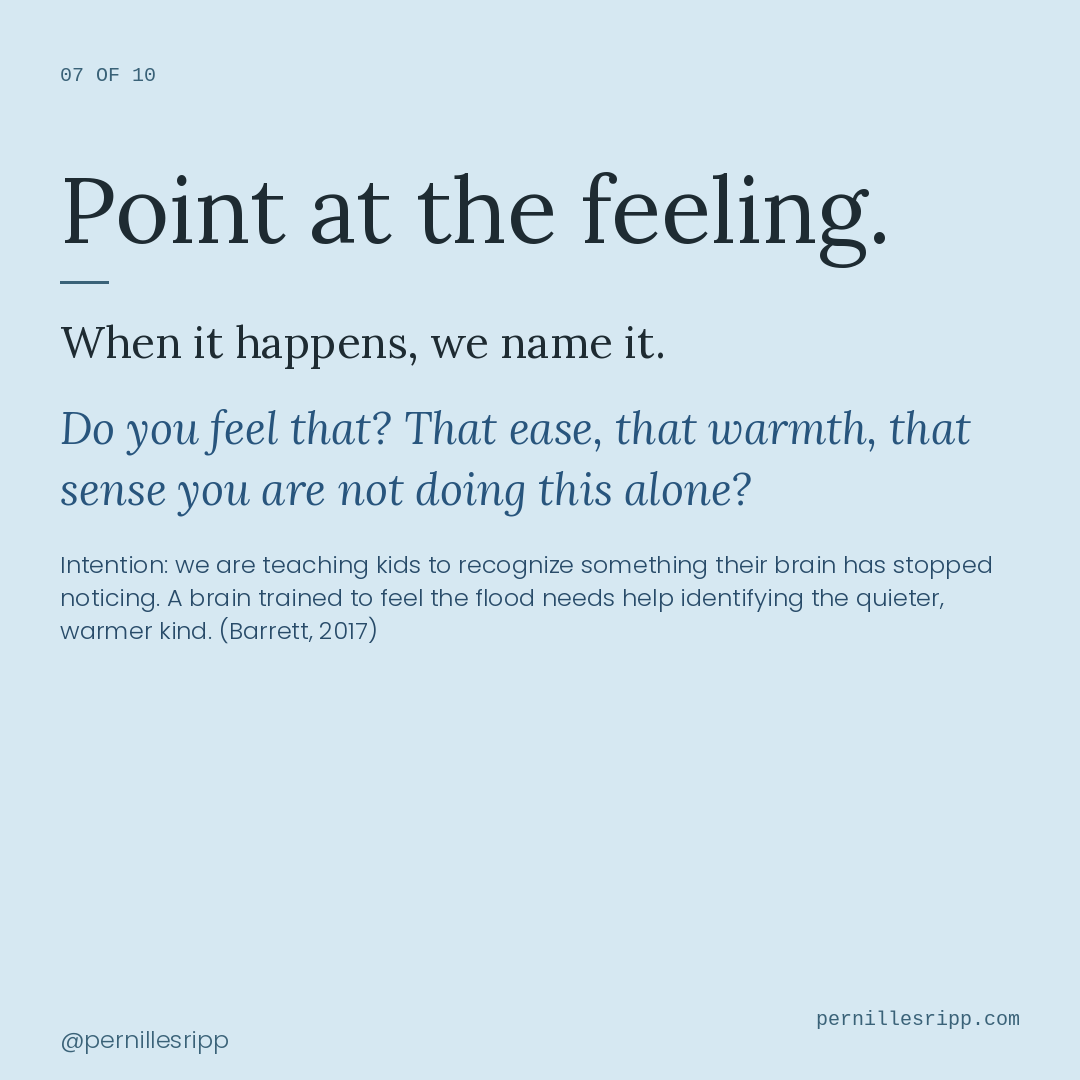
But some of it is also a brain in deprivation. Reaching for stimulation the only way it knows how in that moment. A brain trained to chase instant recognition that can no longer easily feel the slower, deeper kind. (Wilmer, Sherman and Chein, 2017)
Those are two different things. And they need two different responses.
We cannot keep treating them as one.
And here is the part that should stop us cold. The device being in or out of the room does not change this. The retraining has already happened. The brain sitting in front of us is already craving, already reaching, whether we can see the device or not.
This is not a conversation about screen time policies.
This is about what has happened inside the very kids we are trying to reach.
And yet the message to us keeps being the same. Do more. Be more. Engage harder. Make it more stimulating. As if the problem is our craft and not a neurological system that has been hijacked by an industry that has never once been held accountable for what it did to our kids.
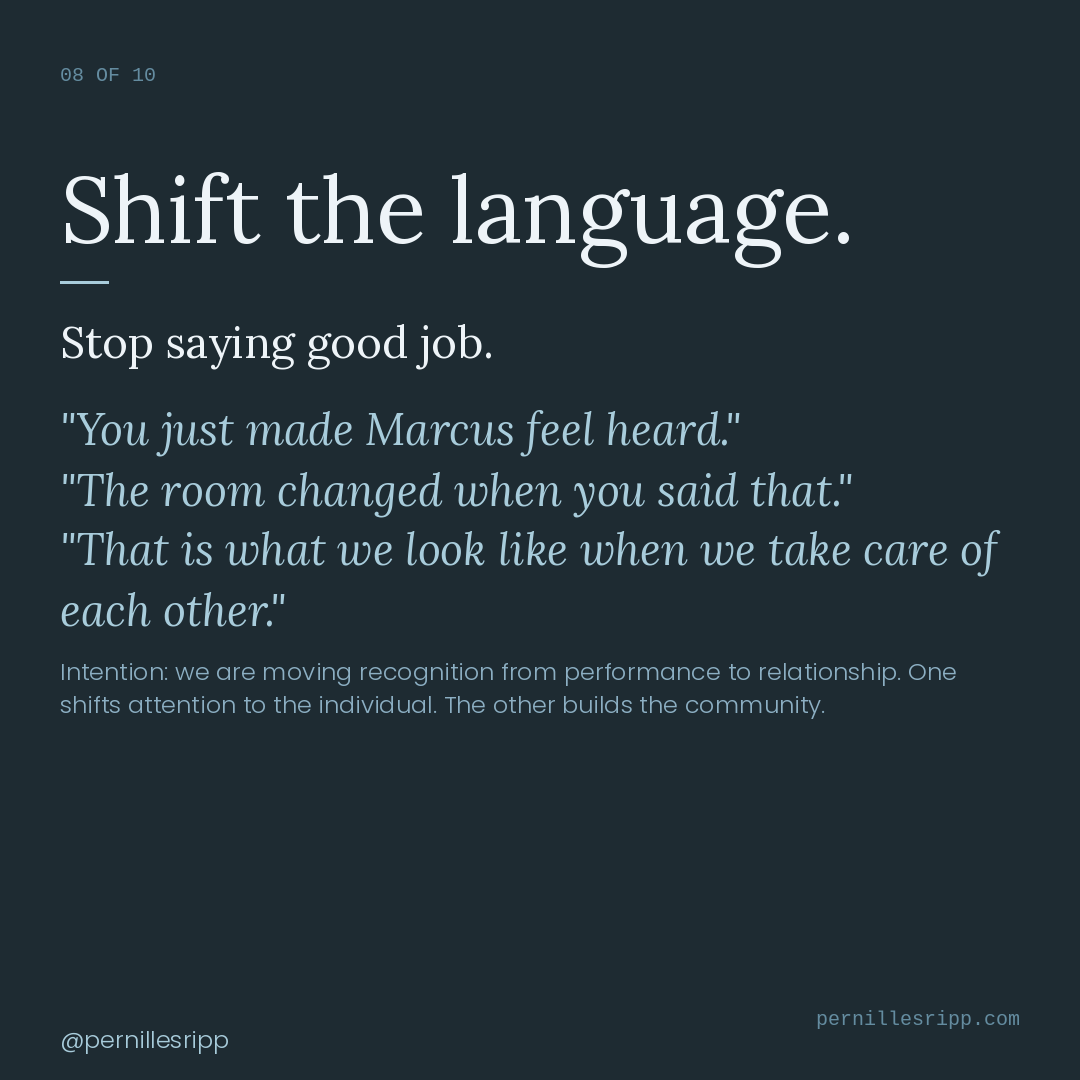
We are not dopamine dispensers. We were never supposed to be.
And we cannot keep absorbing the weight of a societal problem as though it is a teaching problem.
The worthlessness we feel at the end of a hard day? That is real. But it is not evidence that we have failed. It is evidence that the playing field has changed and nobody told us.
So what do we do with that?
We stop trying to compete. Because we were never going to win that race and it was never ours to run.
Instead we look at our behavior data differently. Not as a report card on our classrooms, not as a list of kids who need fixing, but as a map of what has happened to the brains in our care. And we start asking better questions.
Not what is wrong with these kids.
What can we offer that the algorithm structurally cannot.
Because a screen responds. It does not know us. It offers instant recognition but it cannot build a reputation worth having. It performs community but it cannot witness character developing slowly in a room full of people who are also becoming something.
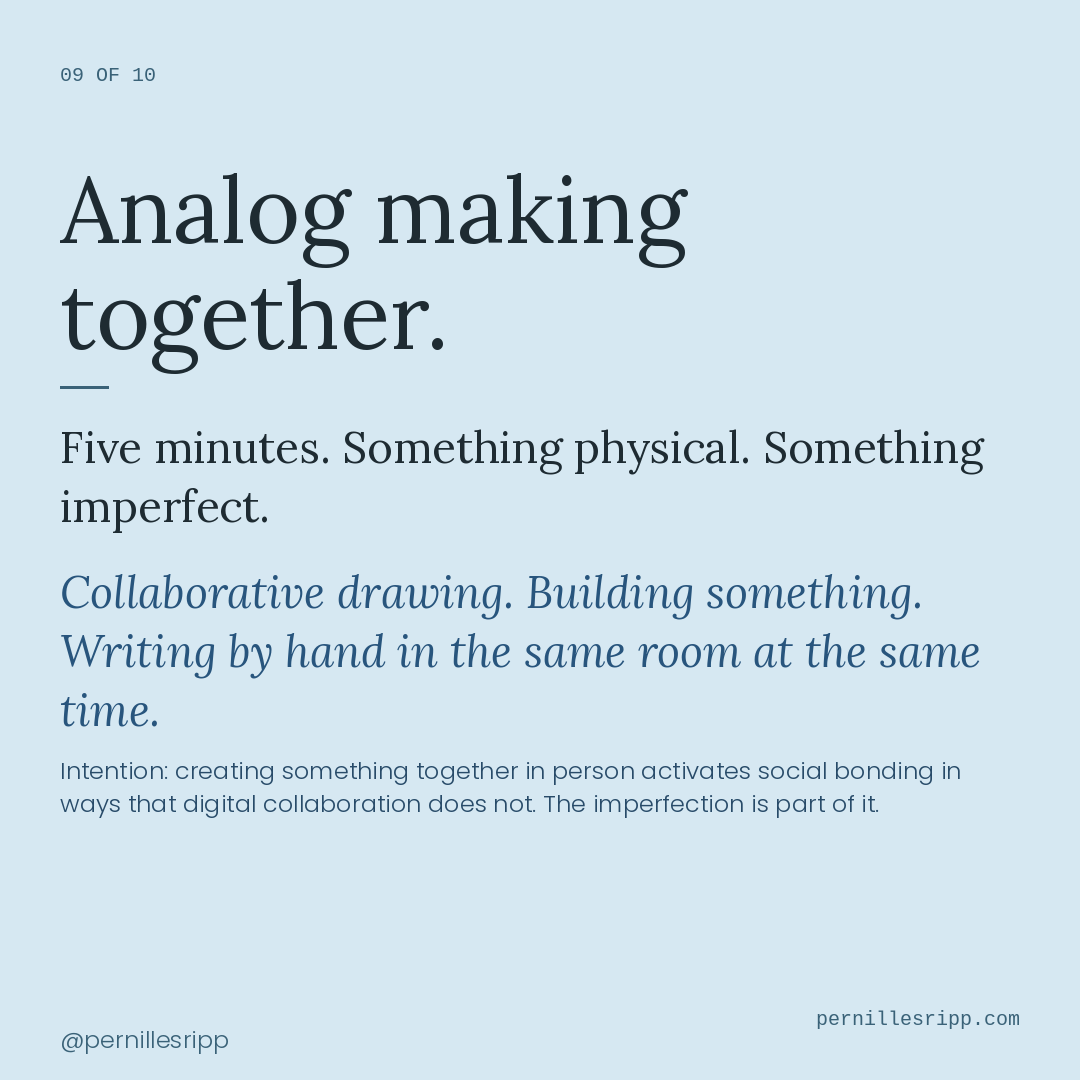
That ecosystem of slow, earned, witnessed recognition still exists in our schools.
Our job is not to compete with the algorithm. Our job is to help kids rediscover what it feels like to be inside something real.
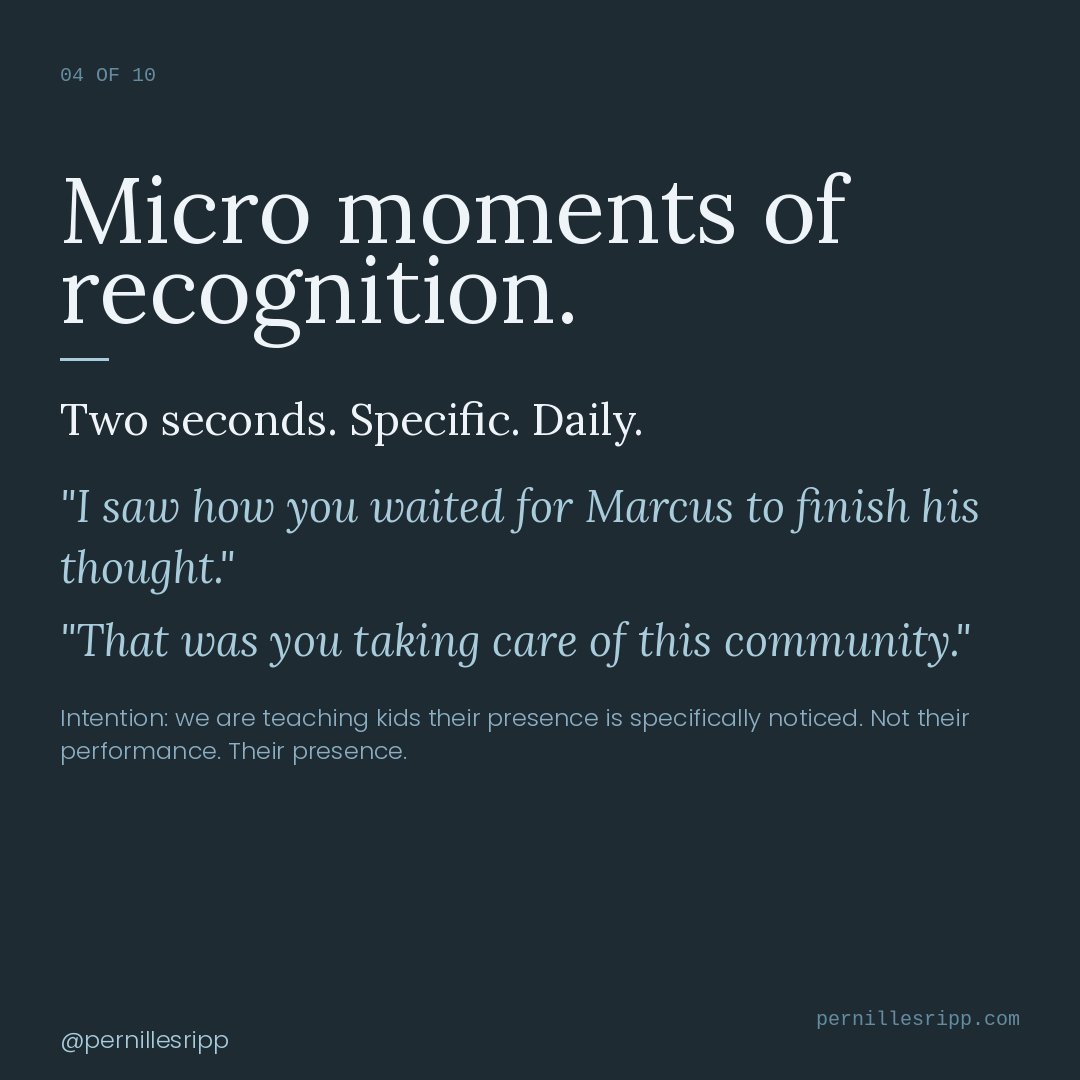
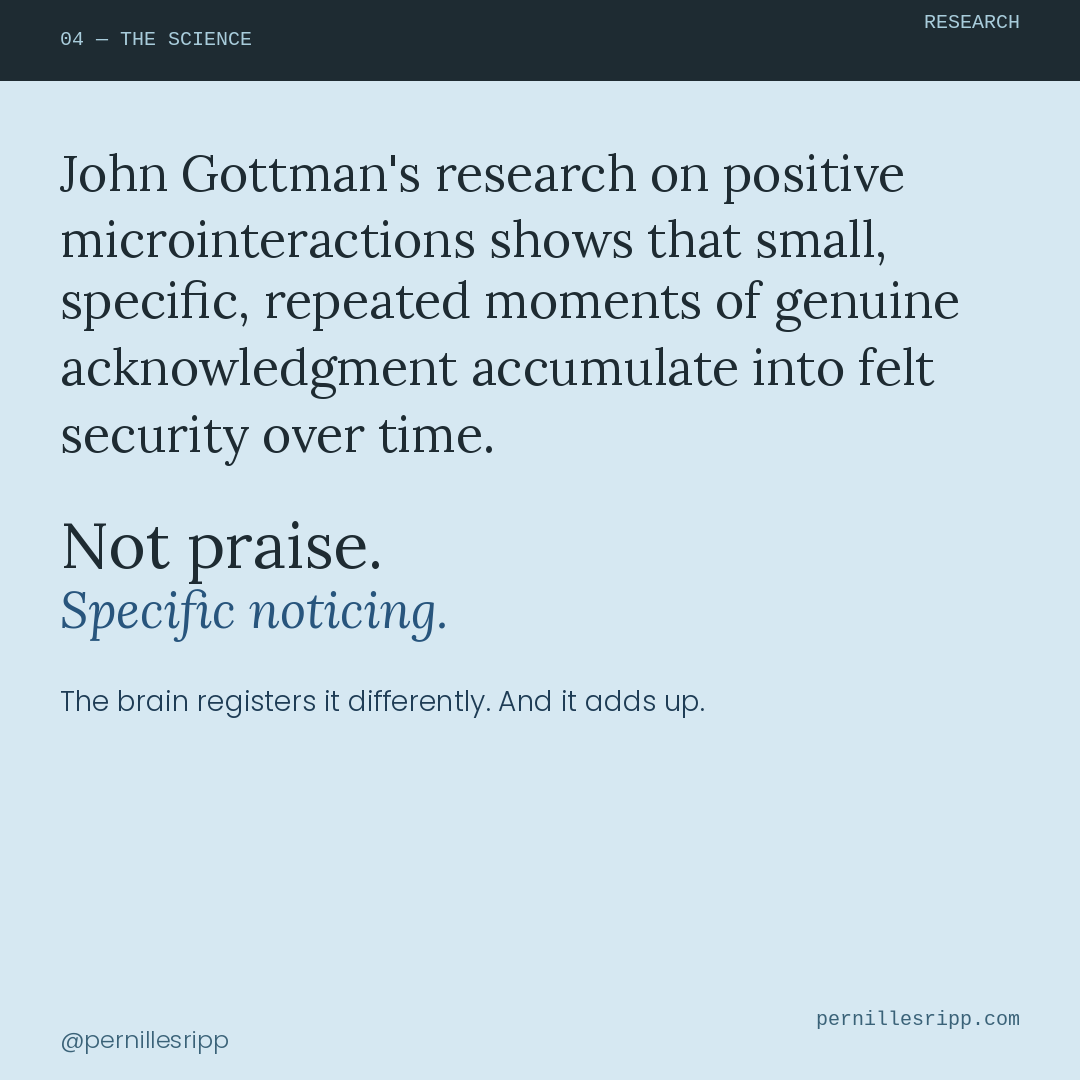
That starts with naming those moments out loud when they happen. Because some of our kids have genuinely lost the reference point for what real belonging feels like, and they need us to point at it and say: this, right here, this is the thing.
Are we asking what is wrong with these kids?
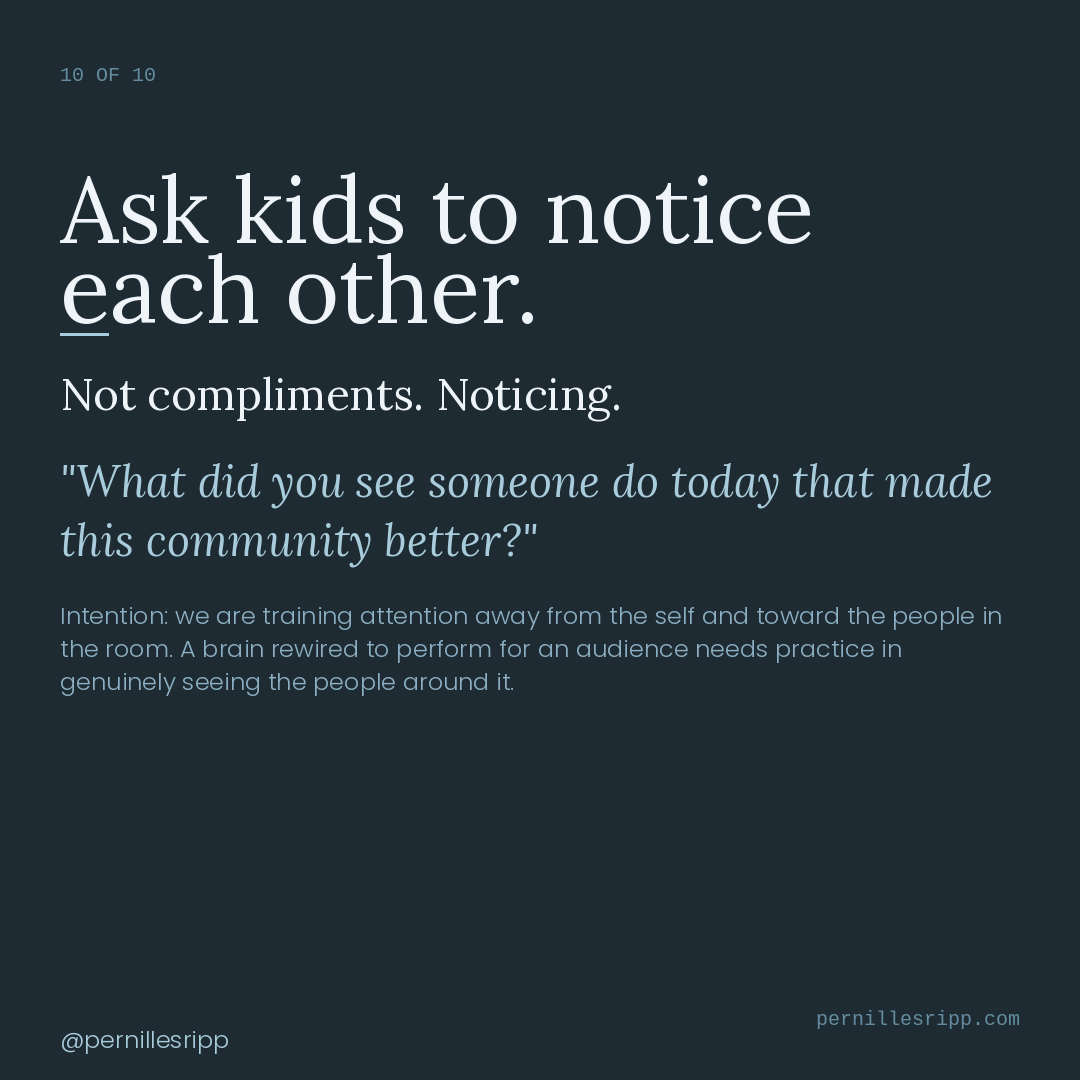
Or are we asking what it looks like to build real community in a room full of brains that have forgotten how to feel it?
Because once we shift that question, everything else begins to shift too.
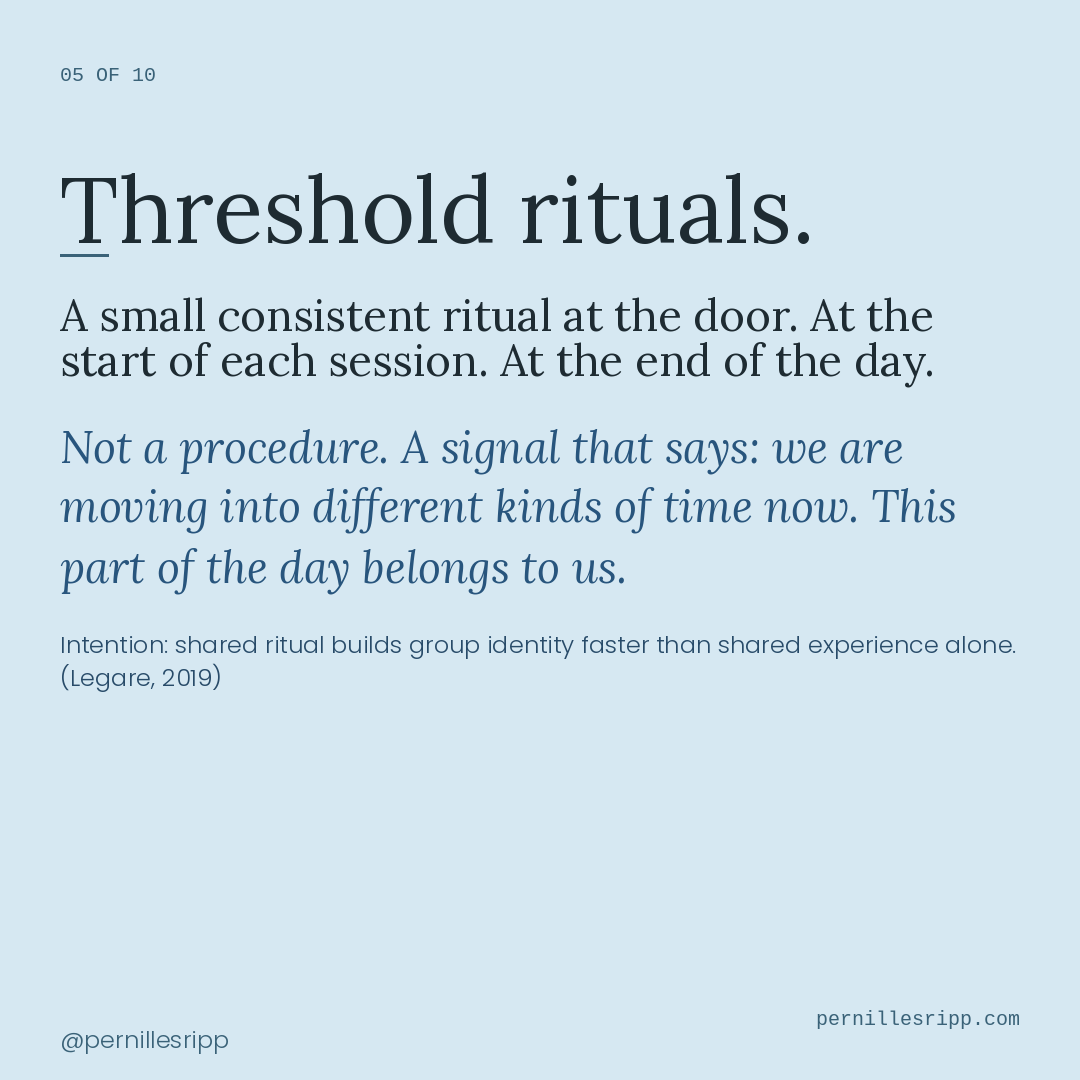
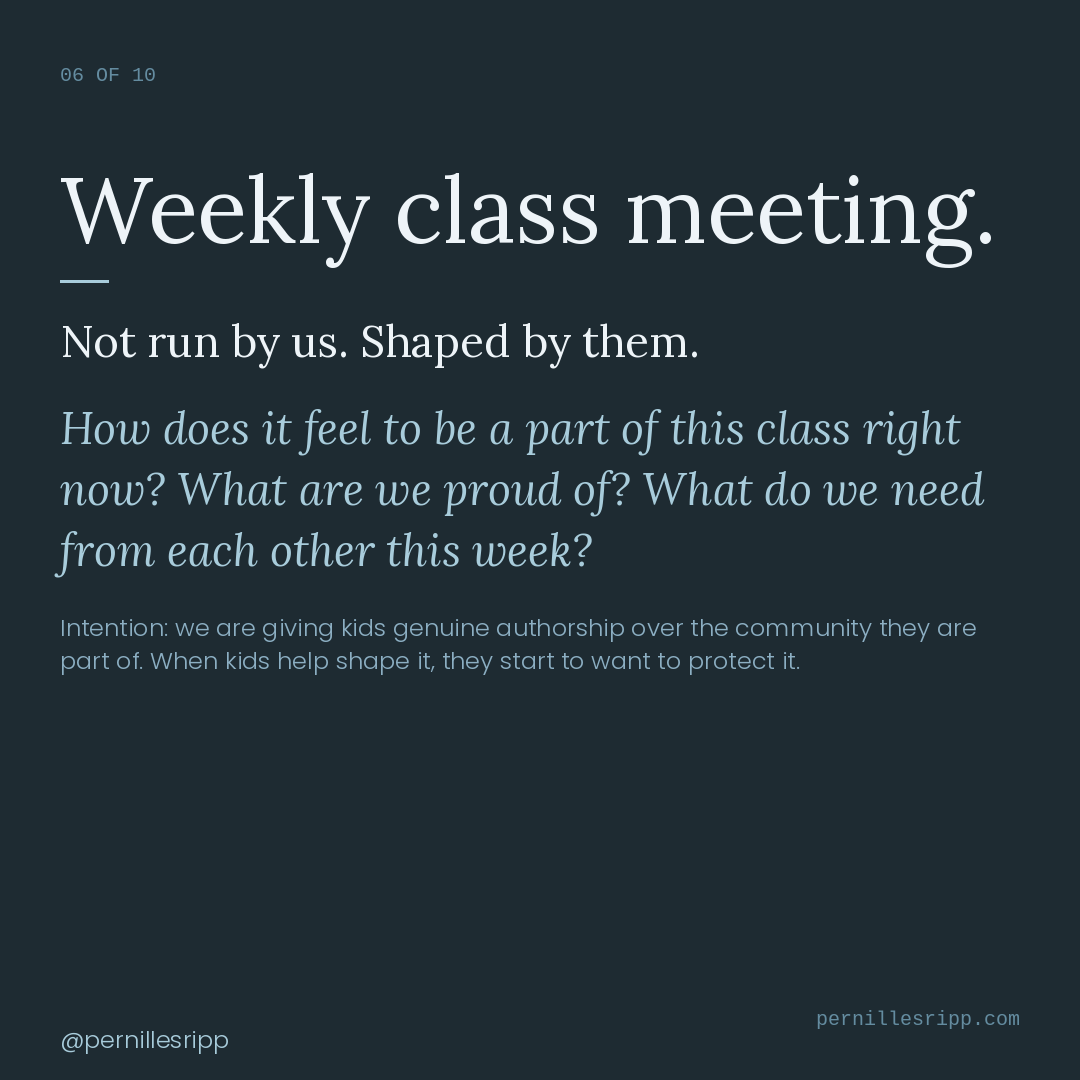
If you are wondering where to start, I have put together ten practical ideas below. Each one small enough to fit inside the day you already have and grounded in the research that helped me understand what we are actually up against.