A milestone event, cataclysmic in its ordinarity really. Just live long enough and you too will reach this day. And yet, it moves the ground beneath you, Makes you stop and pause. 50 is for grownups, for less life to live than lived (more than likely), for adult-decisions, and adult wisdom.
And so we celebrated in a busy ordinary day. Squeezed in a birthday song before drop off and pick up. Planted birthday flags in a school dinner for the Project Pig meal our daughter had been a part of with a local butcher (Danish schools are wild). Fell asleep on the couch at 9, filled with love, and also all of the responsibilities of two working adults with 4 children.
This morning, the alarm still rang at 4:30. The tea tasted the same. The bubble of excitement for the weekend felt familiar. He didn’t look any different. Our love hadn’t changed.
Life is lived in the ordinary. In the moments of familiarity, in the ease of the couch cushions that embrace us on good days and bad. In the routines that keep this neurodivergent household afloat. We long for freedom in our weekends. We celebrate the big moments, the befores and afters that mark the turning of the page. But really, life is lived in the ordinary.
It makes me think of our reading identities. That we may have the markers of the big experiences – the first book you couldn’t put down, the book you had to share, the first book we ever read to show the map of you. But the steps in between, those are ordinary events if we make it.
The invitation to read every day, for every child. The read aloud that children can count on will happen during the day, with voices, of course. The everyday access to books of their choosing. To have adults who care about the way they experience those books. The questions posed about who they are as readers and who they want to be. The books returned, the books abandoned, the books finished.
All ordinary moments.
Or they should be.
Because we build a life in the ordinary.
We build our reading identity in the flow of access. In the invitations into reading that happen every day. In the steady faith that reading is a place for all children, and adults, to find a home, even if it feels unfamiliar and wasteful right now.
The door remains open. There is no time limit on becoming a reader. There is no extraordinary celebration you must attend in order to be made a reader. You show up, you try, and you try again.
And we keep that door open for all. We fight the poor policies that shut the door on our readers. We fight the bans. We fight the lethargy.
We reserve the right to make reading an ordinary experience, one to be counted on, much like the school bell will ring. Kids should be able to count on that books, and reading, and moments of silence await them in our spaces. Not just on special days, but on every day.
This afternoon, I will run errands, get my flu and covid shots, and gather our family for our weekly Friday night movie night. If the movie is terrible, I will read alongside them, present but engaged in my own make believe world. Tomorrow morning, I will go run on a treadmill, do my laundry, and walk my garden.
Mundane perhaps, ordinary, yet extraordinary in that I get to live it.
I keep the door open to my ordinary life so that we can look back and see it for its beauty, for what it really was. A life lived between breaths. A reading journey built between pages.
It’s been so long since I wrote, that I forgot my own website address.
It’s not that there haven’t been things to share, it’s more that I don’t know where to begin. That I have lived back home in Denmark for four years now, and been a teacher here for nearly three, and yet still feel like Bambi on ice. Trying to find my footing but knowing that I am more than likely spinning in circles and sliding farther away from my intended target.
So instead of trying to catch anyone up, don’t even know if there is anyone to catch up here, I am simply beginning again.
Hello and welcome to my thoughts about teaching, about life, about being a mom, a woman and living in this world right now with all its complications and wonders.
I am supposed to be the one that teaches children to read and write in my first grade classes. This is a burden I never wanted to have and yet the puzzle of trying to make the pieces click into place, of trying to help children find their way into story, and place their stories into the world, is one I relish. Will this little thing work? What if we do this? Try this? Stop this?
My students are both willing and unwilling participants; while happy to be in school still, they don’t get to choose that they should learn how to read or write. Like so many other things, that choice has been made for them.
But how we do it, together, that can be rife with choices. Some we are exploring cautiously, some we throw ourselves into just happy to try something new.
There is so much we can do together that I feel paralyzed at times. The weight of this wondrous world of literacy so heavy that I am not sure of what is best, what to do, what to keep. Imposter syndrome at its finest.
Because am I enough for everyone? Probably not. But can I show up and try my best, yes. Can I plan something every day that is one part of an expansive path that will expand these readers and authors? Can I teach strategies, offer practice, and pull them into the magic of what it means to read and write and leave the door so wide that even the most cautious of children can bumble through. Yes. Always yes.
I can observe, and tweak, and dream, and wonder and try. I can try again when it didn’t work. I can offer myself grace when it feels like too much to do and not enough me.
Because the power we have to experiment and pilot cannot be removed when we sit in our classrooms. We are allowed to try again again and again.
Because that’s really all this great big thing is. Whether it be life or teaching. An invitation to show up every day and try again. To leave knowing that you tried something. To leave in a way that makes you want to come back.
So I may not always know what I am doing, or even how to do something well, but I know how to show up. And for now, that’s going to be good enough.
As if that is the only reason I need in order to understand why being part of the learning is not the priority. An honest answer, but also one wrapped up in so many questions.
What does boredom mean to you? I hear myself say that this is school, it cannot compete with a screen and it was never meant to. That school will be boring sometimes.
And yet I cringe at my own words. How am I agreeing that something I have meticulously planned for fun, movement, and understanding is boring? How have we gotten here.
But I hear it more and more. This idea that because I am bored I can tune out, do whatever I want, and it is up to us, the adults, to fix it. So we tinker and we attempt and yet nothing can beat the thrill of a classmate’s attention to whatever goofy decision is being made, nothing can beat the pull of the device handed back at the final bell.
We are losing every single day and killing ourselves in the process.
Because as we stand with all of our best ideas, honed sometimes from years of experience, we are also inevitably met with a feeling of worthlessness. Why bother when they don’t care anyway? And whatever happened to being invested in school?
I have been sitting with these questions for a while. And I think what we are missing is not a better lesson plan or a stronger behavior system. What we are missing is an honest reckoning with what has happened to the brains sitting in front of us. Because here is the thing about boredom in 2026.
It is not the same boredom we grew up with.
The boredom we knew had nowhere to go. So it turned inward, into daydreams and doodles and the slow work of figuring out how to tolerate discomfort. The boredom our kids know now has an immediate exit. And that exit has been engineered to be as compelling as possible.
The research on dopamine tells us something important here. The brain does not spike on reward. It spikes on the unpredictability of reward. Variable reinforcement. The same mechanism that makes a slot machine hard to walk away from is the same mechanism driving the scroll, the refresh, the check. (Schultz, 1997)
And it is the same mechanism driving the kid who just made a choice in your classroom that you cannot quite explain.
The classmate’s reaction IS the notification. The disruption IS the dopamine hit.
We are not just competing with a device. We are competing with a neurological loop that has been deliberately engineered to be almost impossible to interrupt.
In many ways, we are teaching kids whose brains have been conditioned the same way any addiction conditions a brain. I want to say that carefully, because it is not an excuse and it is not a diagnosis. But it is honest.
And when we understand it that way, two things shift.
The behavior starts to make sense in a way it did not before. And the shame we feel for not being able to reach every kid every day starts to lift a little. Because you would not expect a single teacher to be the sole intervention for any other kind of addiction.
The weight we are carrying is real. And it is not ours alone to carry.
There was a time when recognition meant something different than it does now. A nod from a teacher. A reputation built slowly among peers. Being known in a community that stuck around long enough to remember who you were last October and who you had become by June.
Integrity mattered because the same people would be there tomorrow, and they would carry the memory of you forward.
That ecosystem of recognition, earned and witnessed and slow, was one of the most powerful forces in a child’s world. And for a long time, it shaped everything.
Then something shifted. Quietly and without warning, an entire industry rewired what recognition feels like. Not just for our kids. For all of us. The brain has been rewired to need a flood. And we are standing there, with everything we have got, offering a drip.
So when he tells me he is bored, I have to be honest with myself about what I am actually hearing. Some of it might be that the environment genuinely does not fit what he needs right now. That is always worth listening to.
But some of it is also a brain in deprivation. Reaching for stimulation the only way it knows how in that moment. A brain trained to chase instant recognition that can no longer easily feel the slower, deeper kind. (Wilmer, Sherman and Chein, 2017)
Those are two different things. And they need two different responses.
We cannot keep treating them as one.
And here is the part that should stop us cold. The device being in or out of the room does not change this. The retraining has already happened. The brain sitting in front of us is already craving, already reaching, whether we can see the device or not.
This is not a conversation about screen time policies.
This is about what has happened inside the very kids we are trying to reach.
And yet the message to us keeps being the same. Do more. Be more. Engage harder. Make it more stimulating. As if the problem is our craft and not a neurological system that has been hijacked by an industry that has never once been held accountable for what it did to our kids.
We are not dopamine dispensers. We were never supposed to be.
And we cannot keep absorbing the weight of a societal problem as though it is a teaching problem.
The worthlessness we feel at the end of a hard day? That is real. But it is not evidence that we have failed. It is evidence that the playing field has changed and nobody told us.
So what do we do with that?
We stop trying to compete. Because we were never going to win that race and it was never ours to run.
Instead we look at our behavior data differently. Not as a report card on our classrooms, not as a list of kids who need fixing, but as a map of what has happened to the brains in our care. And we start asking better questions.
Not what is wrong with these kids.
What can we offer that the algorithm structurally cannot.
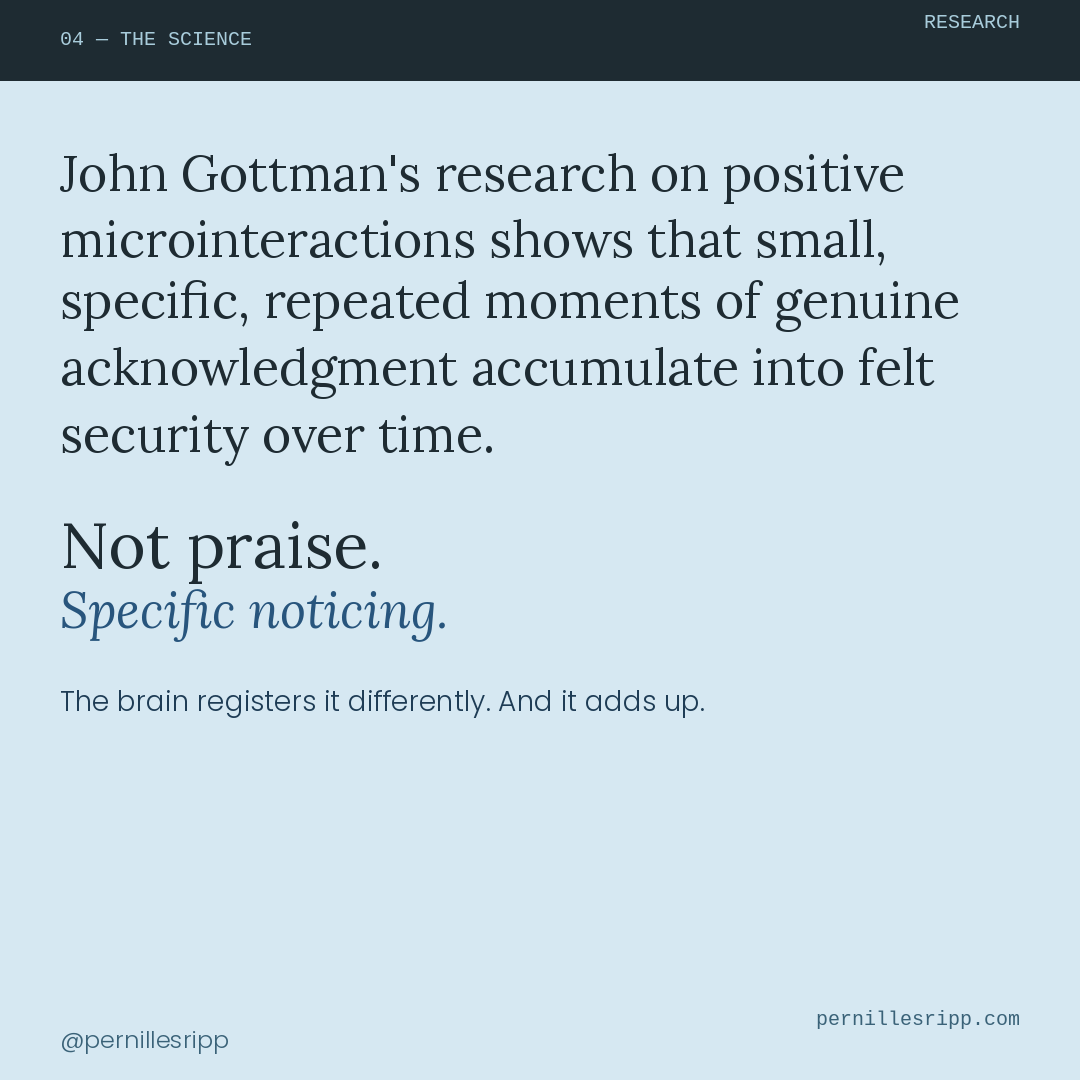
Because a screen responds. It does not know us. It offers instant recognition but it cannot build a reputation worth having. It performs community but it cannot witness character developing slowly in a room full of people who are also becoming something.
That ecosystem of slow, earned, witnessed recognition still exists in our schools.
Our job is not to compete with the algorithm. Our job is to help kids rediscover what it feels like to be inside something real.
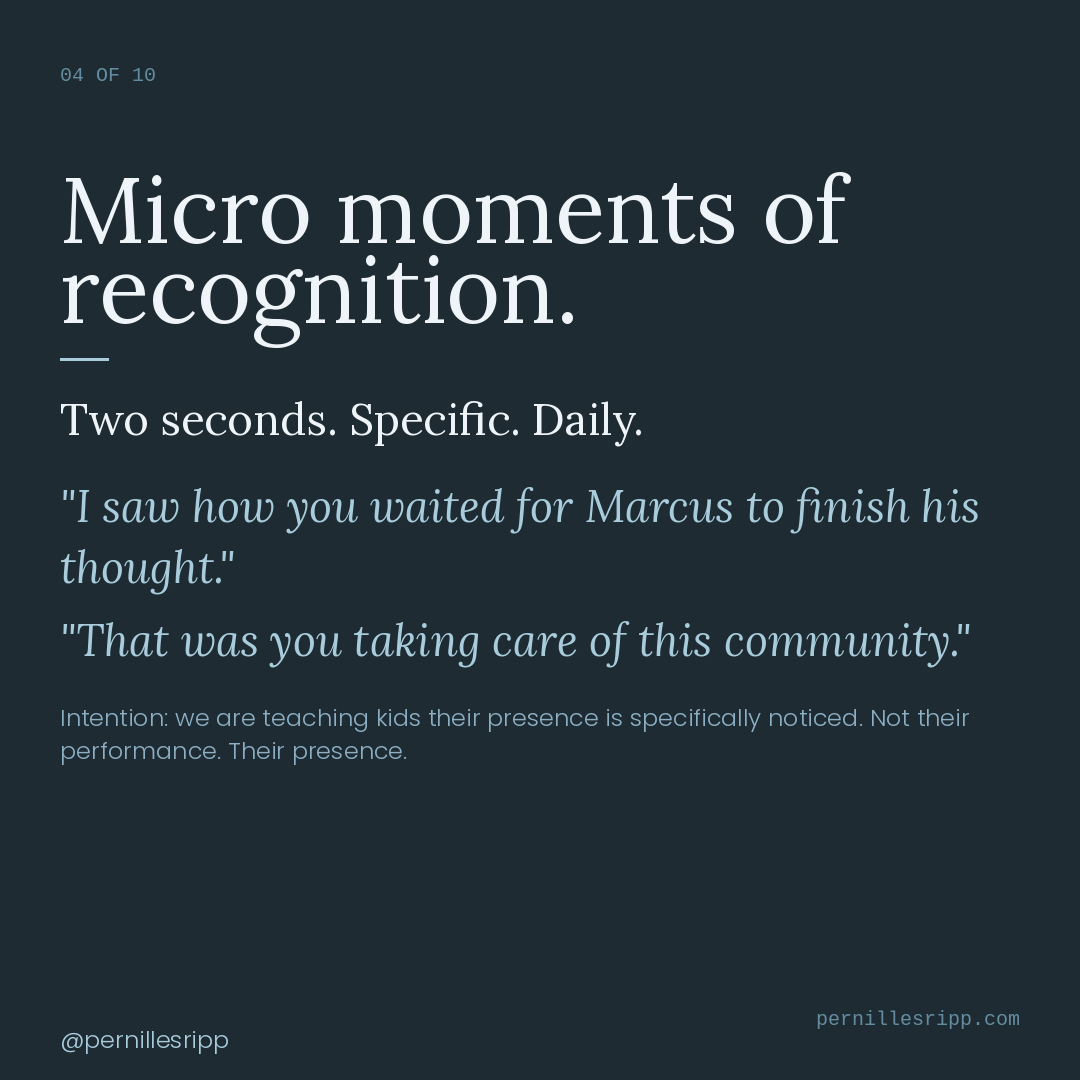
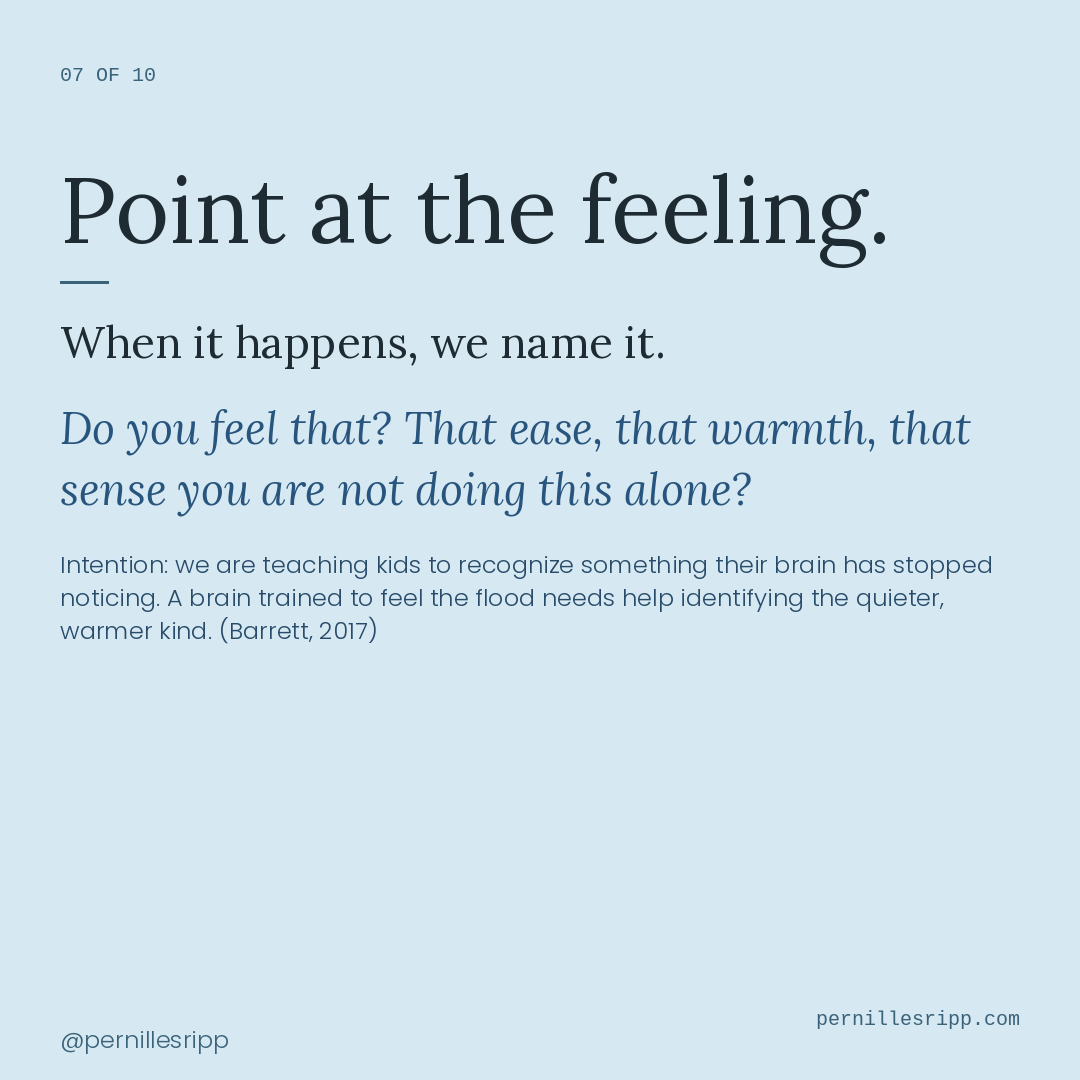
That starts with naming those moments out loud when they happen. Because some of our kids have genuinely lost the reference point for what real belonging feels like, and they need us to point at it and say: this, right here, this is the thing.
Are we asking what is wrong with these kids?
Or are we asking what it looks like to build real community in a room full of brains that have forgotten how to feel it?
Because once we shift that question, everything else begins to shift too.
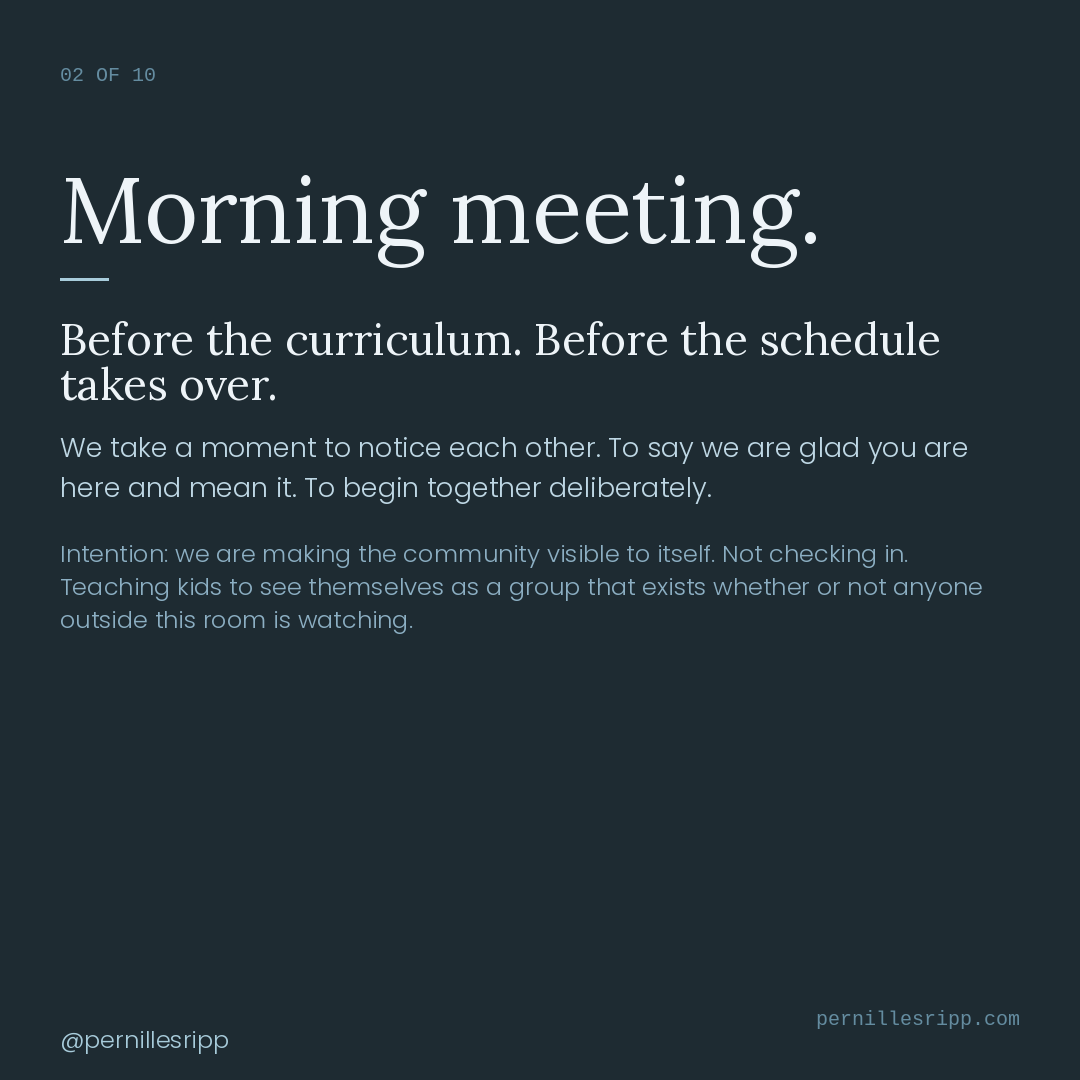
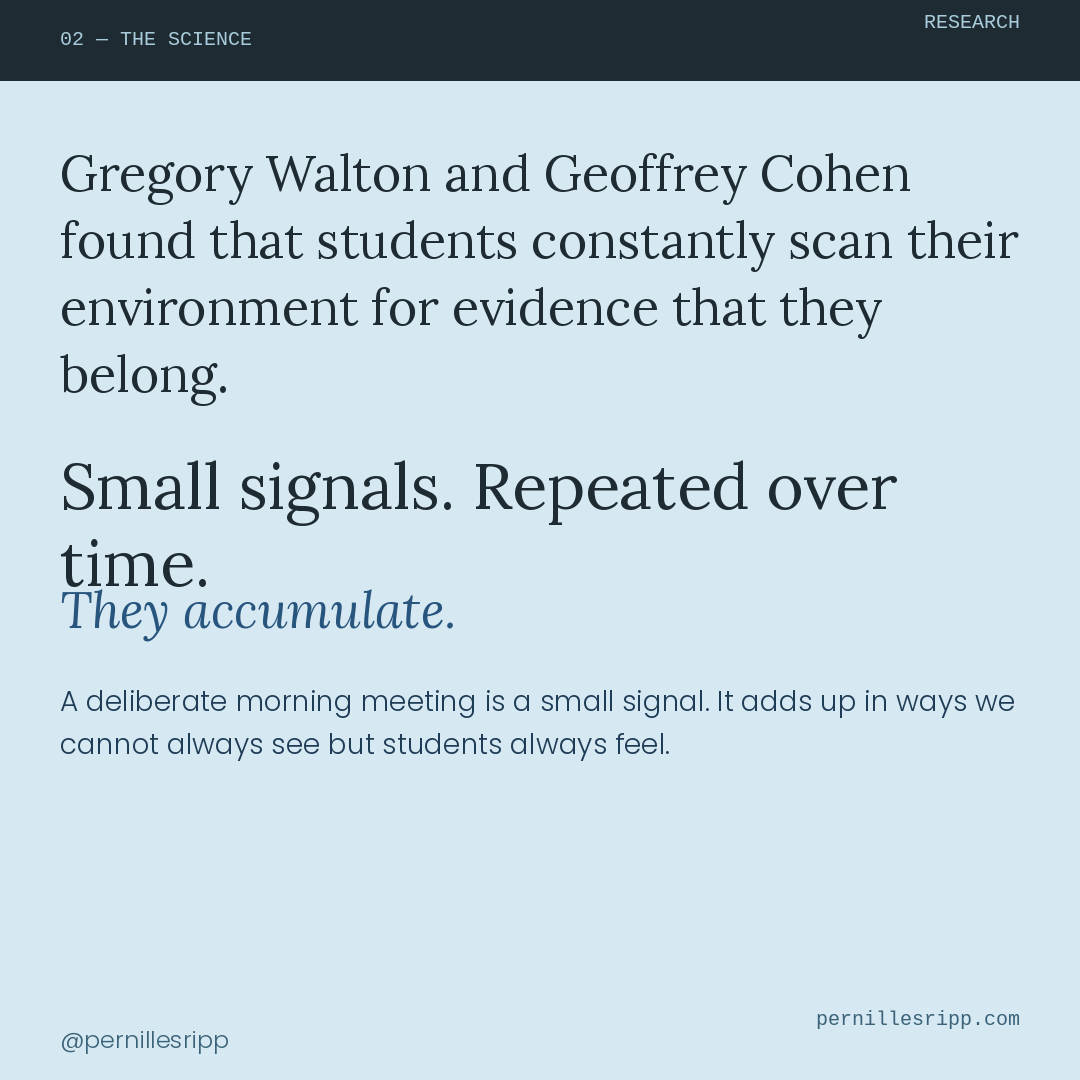
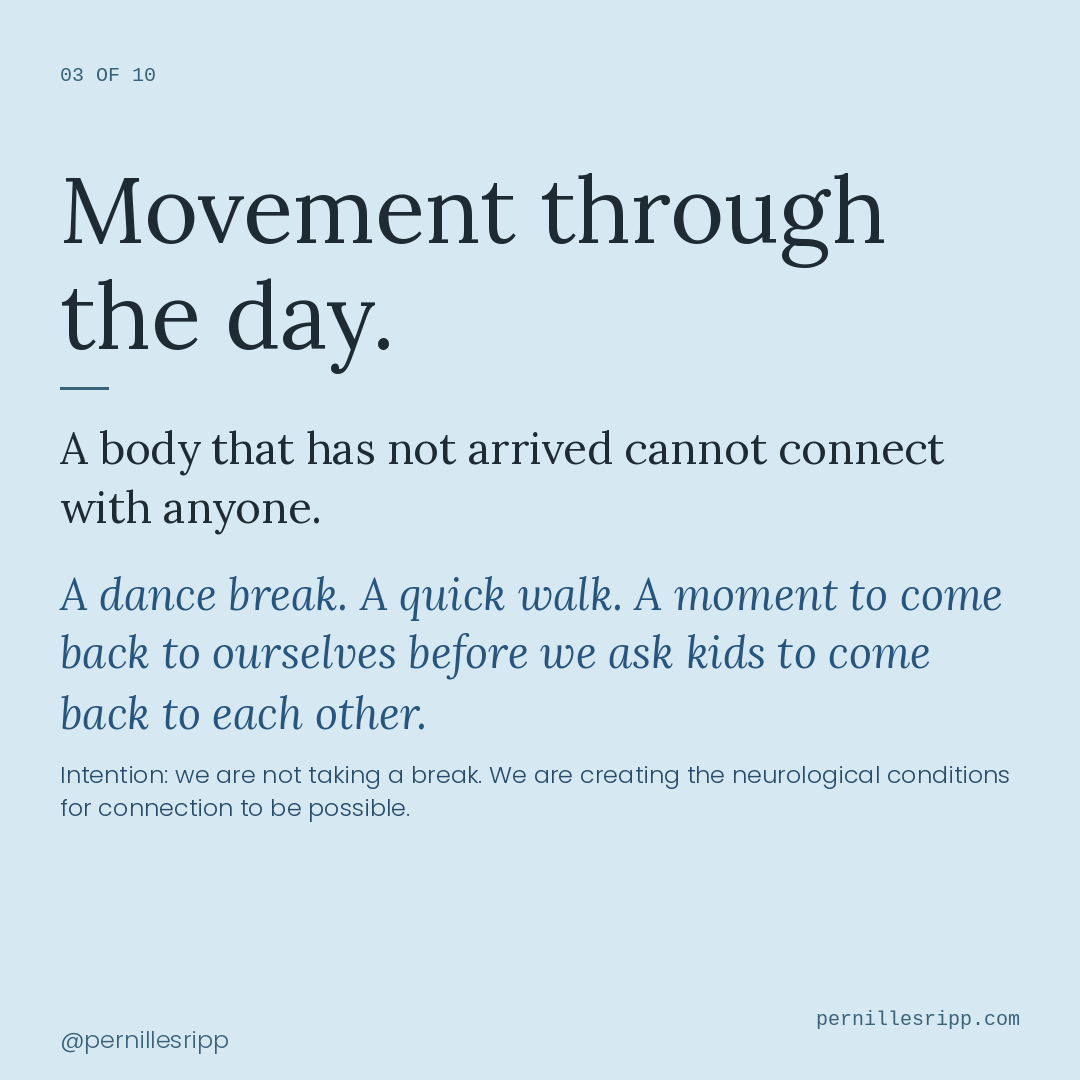
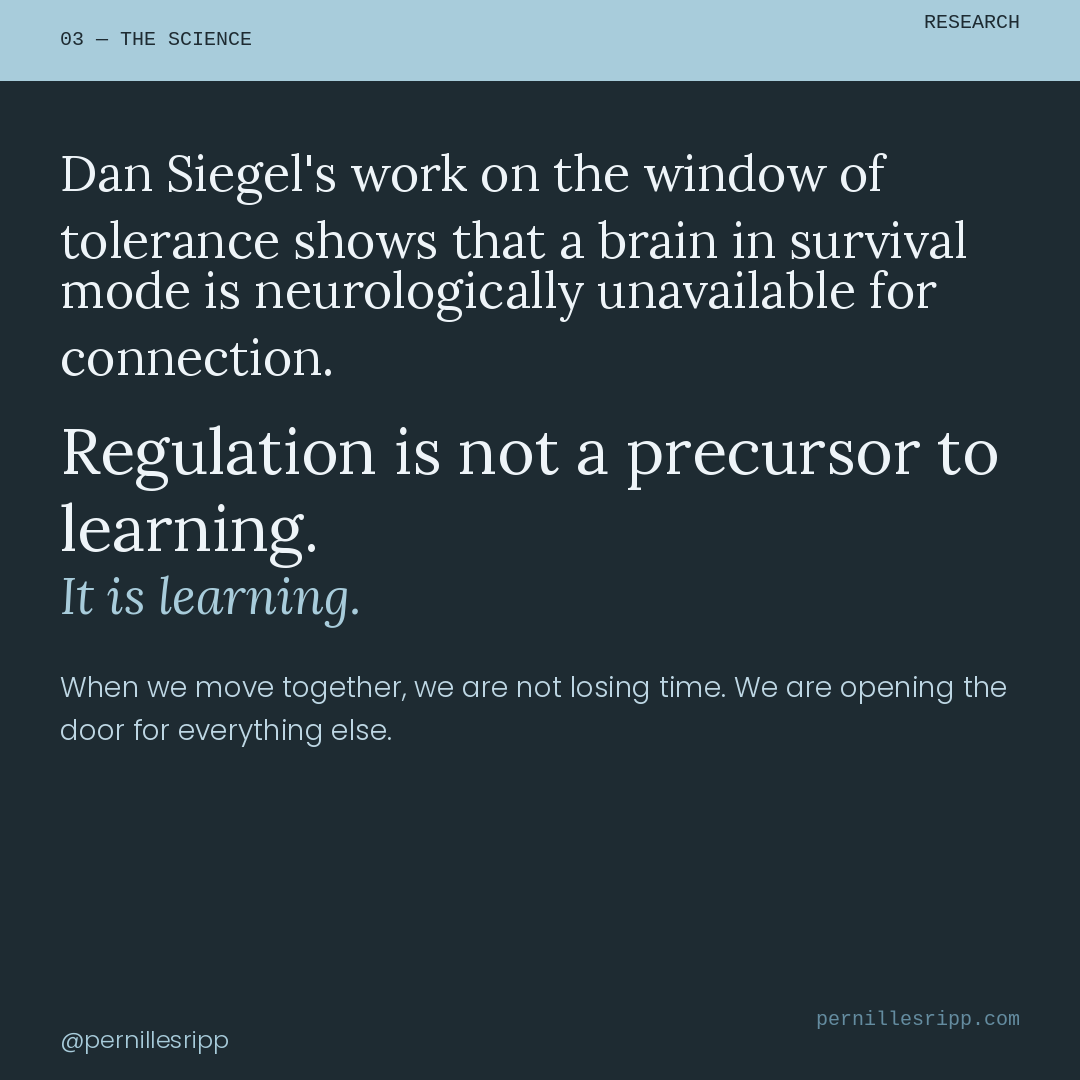
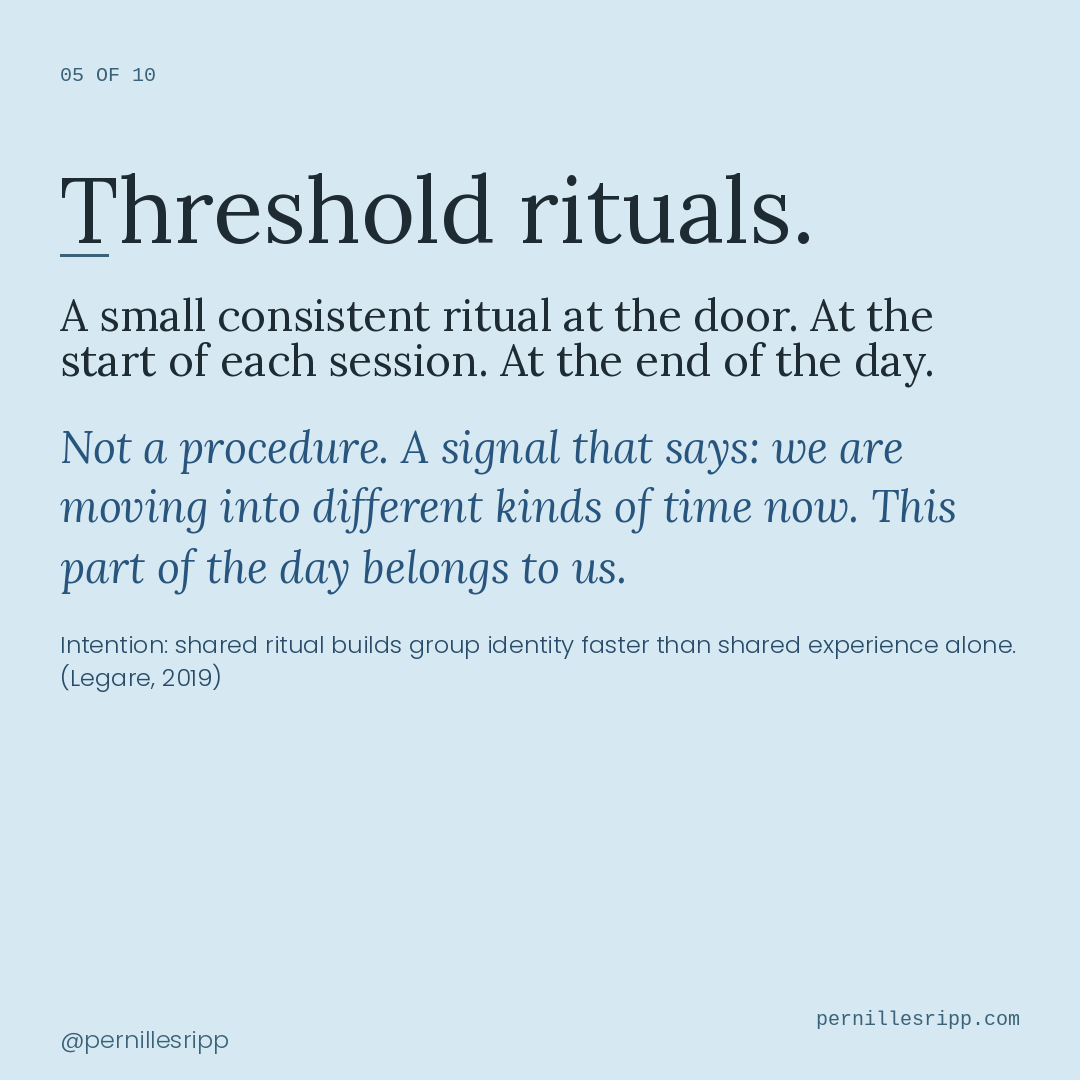
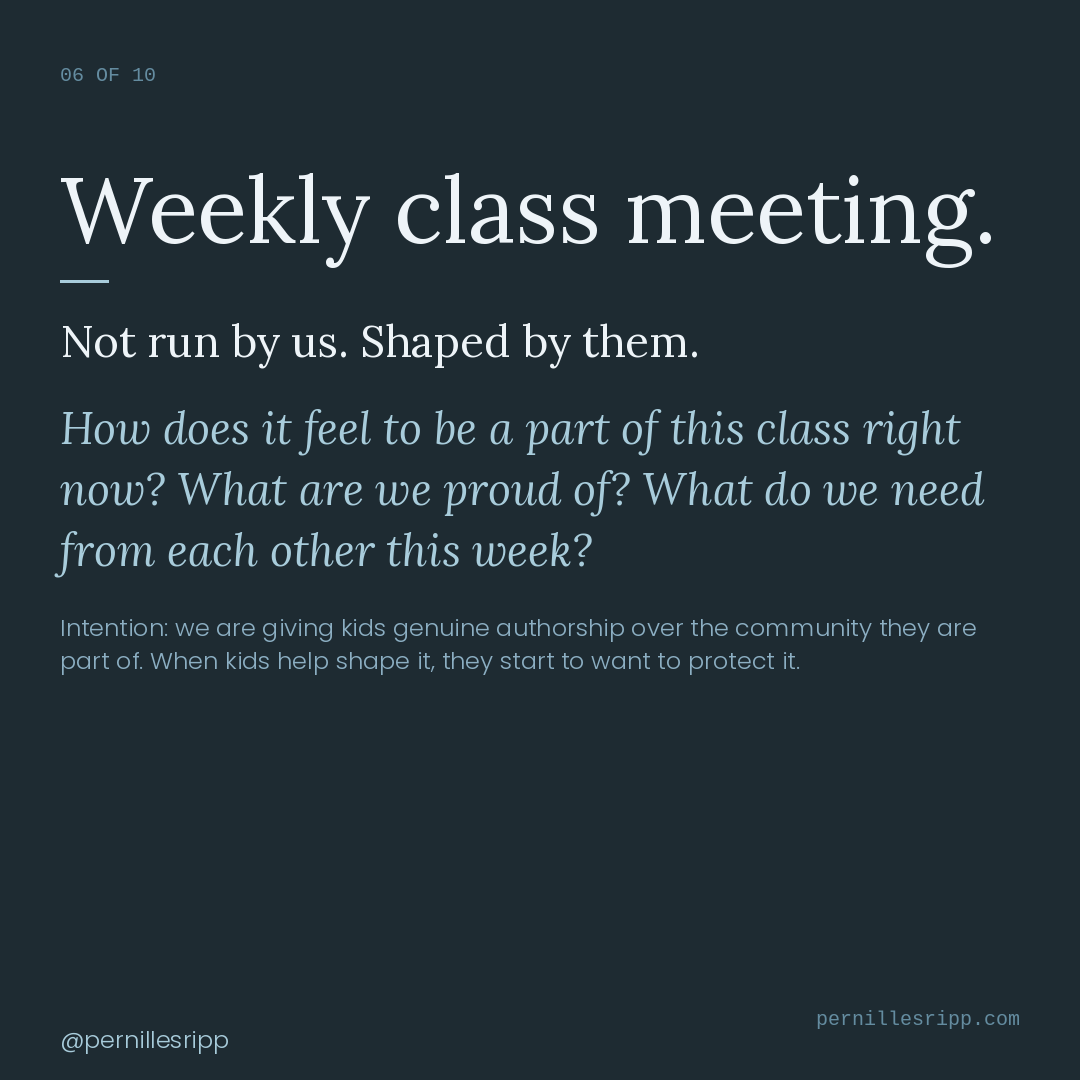
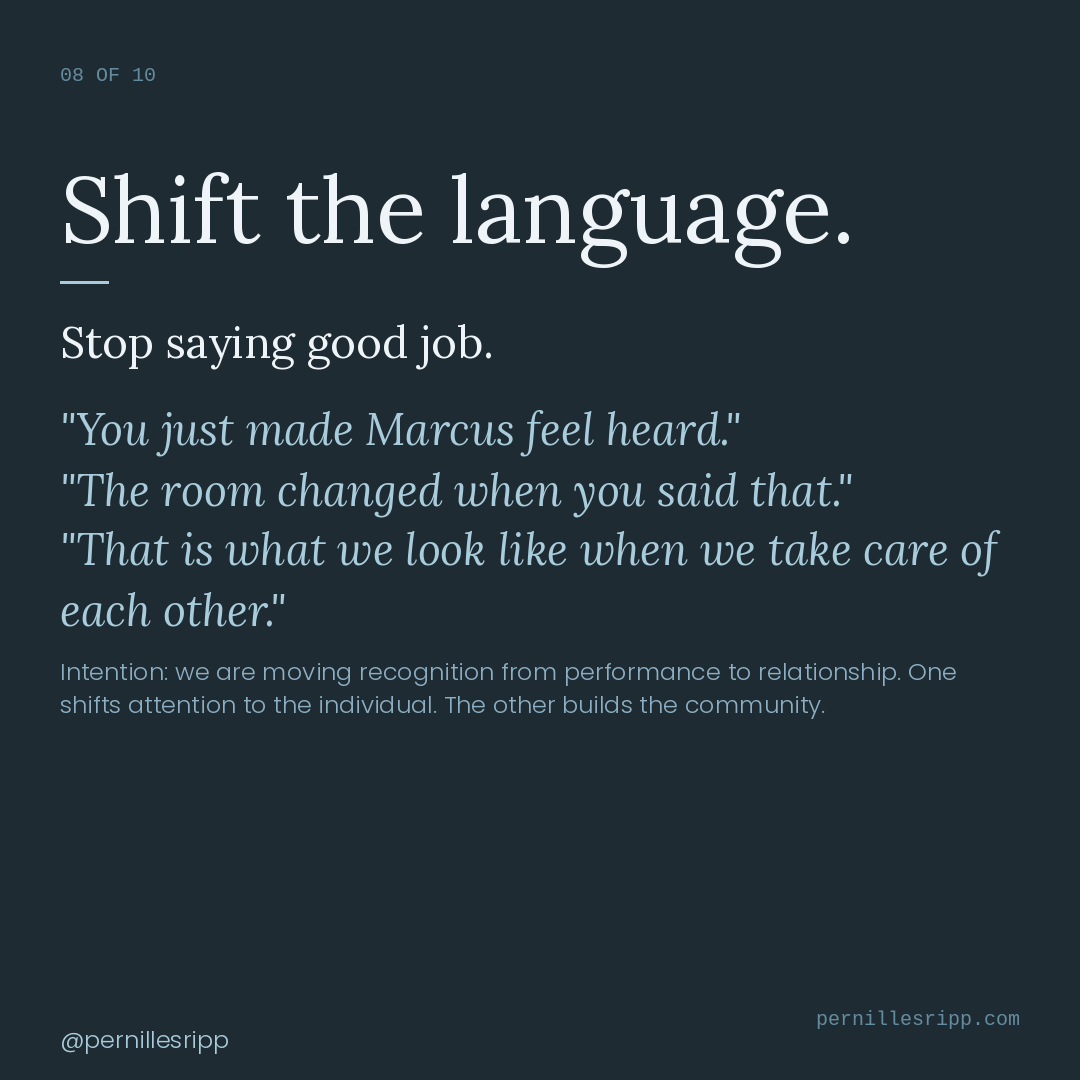
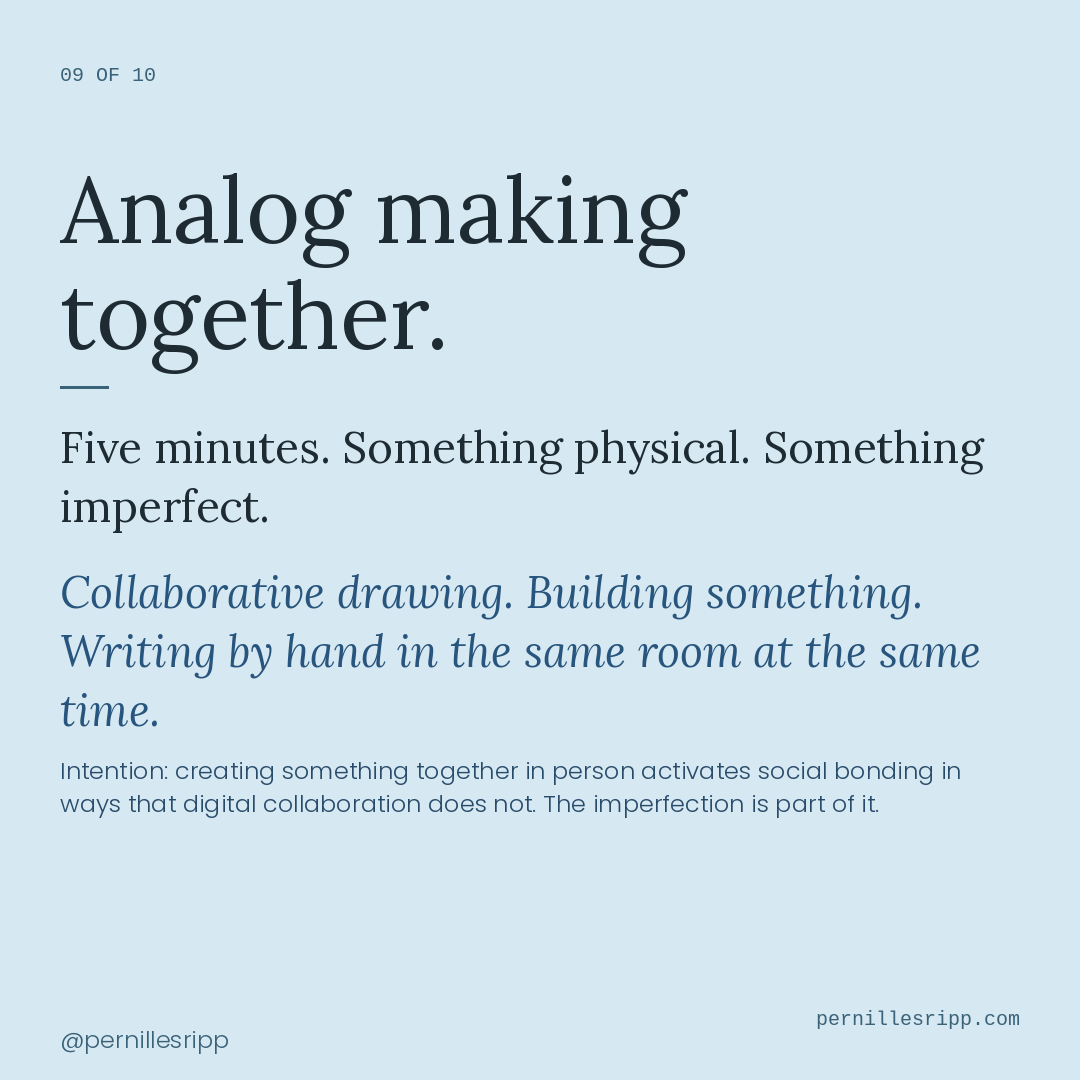
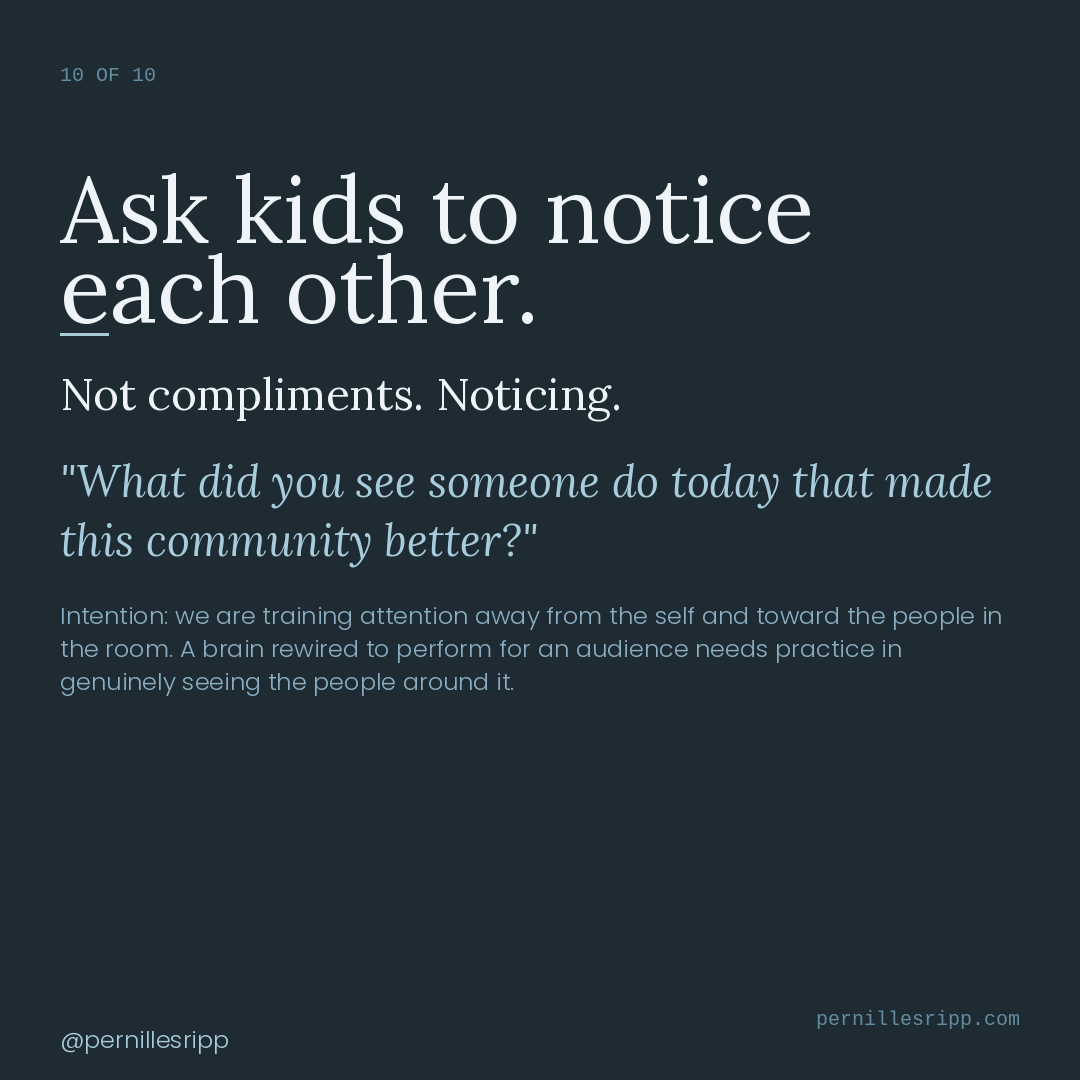
If you are wondering where to start, I have put together ten practical ideas below. Each one small enough to fit inside the day you already have and grounded in the research that helped me understand what we are actually up against.
Next week, in my 3rd grade Danish class, we’re starting something new — or maybe something old, just done differently.
We’re bringing the Thinking Classroom to our literacy work. I have seen the excitement from it in math, which made me wonder; how can we model the same concept but within ELA (or DLA in my case 😊).
So in true Pernille fashion, I asked if anyone was interested in seeing the slides with prompts I had made in either Danish or English, and it turned out that, yes! Many were interested, thus this blog post. I’ve made about 40 slides filled with open-ended prompts — things that make kids talk, think, argue a little, and notice patterns together. They’ll work in groups of three at whiteboards with pens in hand, no right answers in sight.
Some prompts are silly. Some are uncomfortable. Some might just stay half-finished on the board — and that’s fine. The goal isn’t to finish, it’s to think.
We’ll spend 15–20 minutes at a time exploring ideas like the rules of horror, what truth really means, or how emotions might have colors. The work will shift with them — from laughter to silence to something that feels almost like discovery.
I can’t wait to see what happens next week when we start.
If you want the Danish slides, join my Facebook group: Læselyst i Danmark.
When I first moved back to Denmark, I had the privilege of working in marketing—a completely different field from teaching, but somehow familiar. Everything was new: teams, assignments, routines. It was exhilarating, exhausting, and, unexpectedly, deeply thought-provoking when I considered my work as a teacher.
One of the first things I had to learn, fast, was how to ask questions. I knew very little, every day I was surrounded by people who knew far more than I did, even those fresh out of school. My gut and past experience were all I had to rely on. And so I asked questions—constantly. Not because I wanted to seem smart, but because I wanted to learn, to understand, to avoid assumptions that could lead me completely astray.
Even now, I ask a lot of questions. I would rather ask and realize I already know, than assume and be wrong. It’s a habit I try to bring into my classrooms every day.
We tell our students the same thing: ask questions, share your ideas, don’t be afraid. And yet, we also know it’s not easy. It’s hard to speak up when everyone else is silent. It’s hard to admit you don’t know something, especially when you’re unsure if your peers will be kind—or if they even care. And in a world dominated by AI answers, misinformation, and polarizing rhetoric, the courage to wonder, to experiment, and to be wrong can feel more vulnerable than ever.
This is why we continue to focus on questioning as a core part of learning. Not just the act of asking, but creating spaces where students feel safe enough to risk it. Where curiosity is valued above correctness. Where play and collaboration make questioning something natural, not intimidating. Because the ability to ask, to wonder, and to explore ideas is not just a classroom skill—it’s an essential part of growing up in a world that constantly challenges what we know and what we believe.
So how about a few ideas that do just that?
Curiosity is at the heart of all learning—and asking questions is the brave part of that. When we give students the space to wonder, to take risks, and to speak up, we’re teaching them far more than facts. We’re teaching them how to think, how to explore, and how to navigate a world that often values certainty over wonder.
As teachers, our job is to make that bravery feel possible. By using play, collaboration, and experimentation, we can help every child see that their questions matter, their ideas are valued, and their curiosity is worth showing—even when it feels scary. Because when students feel safe enough to wonder, that’s when real learning happens—and the joy of discovery follows them long after they leave the classroom.
One of my driving questions for the past 15 years has been a simple one; at the end of the day, would I like being a student in my own classroom? And as I have one month left of school, I feel the question pressing in on me as I think of next year and both the joy of continuing with my current class, as well as becoming the classroom teacher for a different class.
Would what we do make me feel safe? Help me engage? Make me feel like my voice was heard and respected? Would the way we learn, grow, discuss, and assess make sense to me?
This question is a conversation starter, an invitation into meaningful reflection where you get to craft the path for what you may need to shift or tweak your day-to-day practice. Because ultimately it is about creating conditions for shared power as a way to show children just how much power they can have over their own bodies and minds, even within the confinements of a publicly mandated and government decided educational system.
In fact, this question is at the core of my newly published book, Passionate Learners – How to Engage and Empower Your Students, now in its 3rd edition! But it’s not the only question, I ask. In fact, the books has more than 100 reflection questions embedded throughout, some big, some small, all meant for you to carve your own path into a more sustainable, meaningful practice.
But as a way to get you started, I decided to pull together a reflection sheet for you, modeled after questions in chapter 2 of the book. It’s 3 pages with 12 questions, that can be used by itself, as part of a larger reflection, or a book study, individually or with others. You can do some of the questions or just a few. You can write, discuss, or simply think. It’s a tool, use it as such and make it work for you.
And if you are interested in diving deeper, I highly recommend my book. I poured my heart into it, making it a practical invitation into co-created spaces that are not exhausting to be in. And right now, it is on sale.
The book is written as a companion to the practice you already have. It is not meant as a long list of abbreviations or new systems, but instead a way to help you reflect, while also offering up a major array of practical strategies and tools that you can use the very next day. It is meant as an affirmation, while also giving you access points to grow your practice so that you may feel better about the time you spend teaching, the students feel like what you do together matters, and that everyone is given tools to continue being critical questioners and thinkers outside of your learning space.