Since 2010, I have lived my teaching life outloud, writing, speaking, and sharing the great, the okay, and the sometimes not so great. Starting as a 4th grade teacher in Middleton, Wisconsin, then heading to the middle school for many years, in 2022 I moved back home to Denmark to try teaching primary grades. Because why not?
But I also started the Global Read Aloud in 2010, a global literacy project that has connected millions of children across the world. I also write books trying to help others co-create sustainable student-centered learning spaces, and I share my life on Instagram, in both English and Danish.
Wondering why this blog is more quiet? It’s because I am much more regularly sharing and creating in my Patreon community. And right now, you can get a free trial. What might you find there? Units such as the one I just posted below.
Giving students, and ourselves, further tools for how to navigate visual literacy is a must in today’s society. After all, most impressions that we get these days are not just from words alone but are accompanied by one or more images.
So why not approach the teaching of visual literacy through one of the most beloved formats of texts; graphic novels? After all, I see many teachers who are not quite sure how to teach this or even how to fully read graphic novels in order to sink into their depths, surely there are students who have the same gaps.
So I spent some time pulling together a 10-day unit plan for this concept, where students are invited to read their own graphic novels and go on a journey of exploration.
In this plan, we’ll not only unravel the mysteries of graphic novels but also nurture critical reading, visual analysis, and creative skills.
So what is in this unit?
Day-by-Day Lesson Plans: The unit offers a structured 10-day plan, complete with detailed activities, guiding questions, and vocabulary. You can follow this plan as-is or adapt it to fit your classroom needs.
Flexible Assessment Framework: The unit includes optional assessment frameworks, such as peer feedback and visual narrative presentations. You can choose which assessments align best with your learning objectives.
Diverse Mentor Texts: The unit utilizes inclusive mentor texts, including “New Kid” by Jerry Craft and “American Born Chinese” by Gene Luen Yang. However, there are so many other graphic novels you can use. Make sure you choose mentor texts that resonate with your students’ interests and backgrounds.
Promoting Cultural Awareness: The unit places a strong emphasis on exploring cultural themes and perspectives within graphic novels, fostering cultural awareness and inclusivity.
Creative Expression: Through activities like creating visual narratives, students are encouraged to express their creativity and develop visual storytelling skills.
Reflection and Celebration: The unit concludes with a reflection on key takeaways and a celebration of students’ achievements, reinforcing the value of graphic novels and visual storytelling.
As always, this is meant to be a helpful tool that you can make your own. I would love to know if you can use this, and also if there are things I can change. I have broken it into pages so that you can print them for easy reference if you want.
To access the unit-plan, become a member of my Patreon community by going here. Like I said, a free trial is available to access resources.
I never thought I would step out of the classroom as a teacher. There was no vision of my future that didn’t have me being a teacher, yet taking a break from physically teaching and working in marketing as a brand writer has been an incredible experience. Not only am I now 100% certain that I want to get back in the classroom, but I have also gotten to test so many of the writing strategies I have taught students throughout the years, expanded my own knowledge of the corporate tech world, and had to push myself way beyond my comfort zone. Starting over in a career at 42 is not for the fainthearted.
But this was something I would have never done had it not been for how awful I felt last school year. I needed to become something else in order to preserve what I was.
But still, seeing ourselves through the many roles we play means we often get stuck in the self-consistency fallacy – the belief that our past choices and behaviors must dictate our future. Just as watching the same play with the same actors repeating the same lines would grow tiresome, sticking rigidly to who we think we are can hinder personal and academic growth.
And so it made me think, of course, about the very kids in our care who only see themselves as one thing – a kid who doesn’t read, someone who is bad a math, someone where school doesn’t work. But they can be so much more. As educators, we know it is vital to help students realize that they have the power to change not only their academic trajectory but also their identities and passions. And we tell kids this all the time, often to very deaf ears. After all, it is easy to tell someone that they can be whoever they want to be, but often we have no way of knowing how to change.This is where teaching them about the self-consistency fallacy can help.
The self-consistency fallacy, also known as the continuation bias, path dependence, or battle against determinism, exerts a powerful influence on our lives. It often compels us to make choices based on our past roles and interests, even when our desires and aspirations have evolved. Similarly, it can limit our relationships, health choices, and overall life direction. However, it is essential to recognize that we are not bound by our past decisions and beliefs. We are dynamic beings capable of change and growth—a verb, not a noun according to Anne-Laure Le Cunff, who recently wrote about the self-consistency fallacy which started all of my thoughts.
To help students overcome the self-consistency fallacy, we must foster an environment that encourages reflection and expansion. By posing questions, we can challenge students to let go of preconceived expectations and explore new horizons.
This also ties beautifully in with the identity work we can have students do throughout the year. A great place to start is by taking students through some or all of these questions starting with who they are now, how people see them, and how they would like to be seen. Of course, these can be modified to fit the age group you teach.
What are some of your strengths and talents that you value about yourself?
How do your friends and family describe you? Do you agree with their perceptions of you?
Are there any aspects of yourself that you would like to change or improve? Why?
How do you think others perceive your interests and passions? Is there anything you want to explore further?
Are there any activities or hobbies you’ve been hesitant to try because of how others might see you? Why?
How do you express your true self in different environments, such as at school, with friends, or at home?
Do you feel comfortable expressing your thoughts and opinions openly? Why or why not?
Are there any societal or cultural expectations that have influenced how you present yourself to others?
Imagine the ideal version of yourself. How would you describe this person? What traits or qualities would they possess?
What steps can you take to align your current self with the person you aspire to become?
Are there opportunities that you have dismissed because they don’t align with your existing trajectory?
What new paths could you explore if you were not bound by your past choices?
If you could start from a blank slate, who would you be? What would you be interested in? How would you be known?
Asking students to consider how they are seen and whether they agree with that opinion is an important place to inspire change. Is how they are known who they want to be? Are there other parts of themselves they would like the world to know about? Are there parts they would like to not be known for?
It is crucial for students to understand that the most significant opportunities for learning and growth often emerge from unexpected tangents. Encourage students to embrace the “weird” projects that pique their curiosity, explore fun ideas that may not have apparent professional benefits, and engage in collaborations unrelated to their career aspirations. Encourage them to break free of the stereotypes that often confine them.
By venturing beyond their comfort zones, students can cultivate a diverse range of experiences that will shape their unique stories. But even more importantly, they can change their static notions of who they are.
As educators, we have the privilege of guiding students along their educational journeys. By addressing the self-consistency fallacy, we can help students realize that they possess the agency to shape their academic and personal trajectories. By encouraging reflection, asking thought-provoking questions, and embracing change, we can inspire students to explore their true passions, foster growth, and build the foundation for a fulfilling future.
PS: Are you looking for coaching, in-person support, or virtual presentations? I am available and would love to support your work. Whereas I am physically located in Denmark now, I can travel if needed. In fact, I was just in North America in February 2023 and plan on bouncing back and forth. If you would like me to be a part of your professional development, please reach out. I am here to help. For a lot more posts, resources, live and recorded professional development, please join my Patreon community where most of my sharing takes place these days.
8 years ago the 2nd edition of Passionate Learners: How to Engage and Empower Your Students was released into the world.
I saw it make a difference to those who read it, educators reaching out to ask further questions, to tell me that they loved the practicality of the book, that it gave them the courage and the path to co-create spaces with students.
I wrote the book, never thinking there would be another edition because surely I had said everything I wanted to say. I had given my best advice.
But then the world changed, and I changed right along with it.
In 2015, I could never have imagined how our educational system would change in just 8 years. I could never have imagined the way our students would need us even more, how the system would give us even less, and how we would fight to maintain even a shred of respect in our profession. How a global pandemic would push us to our furthest limit and then still continue to demand more.
I could never have imagined the world I teach in now.
And so when my incredible editor, Lauren Davis, asked me if I would consider updating it, I first laughed at the idea. Why would it need to be updated?
But still, I returned to the words from 2015 to feel it out. Turns out, Pernille in 2015 had great ideas, and some not so fully developed. The teacher I was now, was so much more. That in the years between the book and now, the lessons I had learned had been hardwon but so important.
And so I wrote through the book, seeing if anything really needed to be updated. A year later, I handed in a manuscript that was so much more than that. A book that was rewritten in its entirety, with additional new focuses and units. With an additional 42 pages, with more answers and ideas than before.
I wanted to create an edition that would matter as much as the previous one. A book that continues my journey as a teacher, that admits the mistakes, shares the ideas, and hopefully gives tangible pathways to co-created spaces with students. It is the best words that I have on a journey that continues.
And now, with less than two months to go, the book is ready for pre-order. If you order it through Routledge right now, you can get a 20% off discount using the code SMA34
If you read the first or second edition, I hope you will return to see how it all evolved. To find further answers. Or to share the book. If you haven’t read any edition, I welcome you into a classroom focused on centering students while not letting the system swallow you whole.
Why now?
I made myself answer why now, why bother, in the introduction, here is an excerpt…
And so, I wrote about what I know now, fourteen years into a career that has pushed me harder than anything else I have ever done. I wrote about the importance of co-creating spaces with our students that give them permission to show up the way they are. I wrote about what happens when you try to give up homework completely but can’t, or when those who are supposed to support you don’t.
I wrote with more nuance and experience than I had in the first edition, and I wrote with my husband Brandon, a new teacher himself, asking me the hardest questions about my practice.
I wrote so I could pull out all the cogs of the machine and try to present them to others so they may also change the way they teach. I wrote honestly and openly, because this journey is one I am still figuring out.
So whether you are just beginning or well on your way, I hope this book helps you along your journey toward a classroom filled with passionate learners. At the very least, it will let you know that you are not alone—that there really are better ways to teach and that there are others like you who believe the same thing.
I believed that there was one way to do school to kids. Now I know that school needs to change, and we must change it from within. Part of that change means including the voices of our students. School can no longer be done to our kids; school needs to be the place they cultivate and nourish who they see themselves as.
Here’s what I know: if I had not changed the way I taught and affected my students, I still would have been just fine. Just fine—not great, not inspiring, not life-touching, as we hope to be. A just fine teacher. But really, at the end of the day, who wants to be just fine? And don’t our children deserve so much more? Don’t we?
If you are a teacher reading this book, chances are, you’re thinking about change. But whether you need to change and what you need to change is entirely up to you. Here’s what I know: if I had not changed the way I taught and affected my students, I still would have been just fine. Just fine—not great, not inspiring, not life-touching, as we hope to be. A just fine teacher. But really, at the end of the day, who wants to be just fine? And don’t our children deserve so much more? Don’t we?
And if you are in the US and would like to support indie bookstores, please do!
What’s it about, really?
Well, my publisher said this about it:
Based on honest reflections on her own teaching experience, Pernille offers a wide variety of ideas for sharing control, developing your intuition, learning how to fail, giving yourself grace, building community and trust, creating more choice, allowing time for student expertise, and letting go of the punish, behave, and reward cycle so that intrinsic motivation can thrive. This fully enhanced new edition is chock full of additional strategies and tools on topics such as centering students’ identities, overcoming barriers when creating student-centered lessons to emphasize ownership of the learning cycle, shoring up your boundaries to manage your time and stop the intense prep work, changing your homework habits to reduce your load and give students more time, deemphasizing grades, and much more.
With Pernille’s heartfelt stories and practical strategies, you’ll feel inspired to give your classroom back to your students and foster a community of truly passionate learners!
And what did educators think of the 2nd edition?
80 reviews on Amazon and 4.5 star rating – can’t please everyone, especially when they get mad about the price, but I am so grateful for those who found it useful.
Or join, to not only get a chance to possibly read it for free but also access all of my resources, specific book lists, mini-PD, coaching, support and anything else I can do.
PS: Are you looking for coaching, in-person support, or virtual presentations? I am available and would love to support your work. Whereas I am physically located in Denmark now, I can travel if needed. In fact, I was just in North America in February 2023 and plan on bouncing back and forth. If you would like me to be a part of your professional development, please reach out. I am here to help. For a lot more posts, resources, live and recorded professional development, please join my Patreon community where most of my sharing takes place these days.
Posted from my Patreon community where I take requests for book lists to create, share resources, and offer up coaching for members. It is a very easy way for me to be accessible to people around the world, you can join here.
I am continuing with my updates of the picture book lists I made several years ago to accompany the teaching of a variety of reading skills. This time, the focus is on Words of the Wiser or that moment when a character, often older and/or wiser, gives the main character sage advice. This advice directly speaks to the theme, the conflicts of the story, as well as character changes.
When I first started out teaching this skill, I was inspired by the language of Notice and Note: Strategies for Close Reading by Kylene Beers and Robert Probst. This book provided my students with the foundation for deeper reading conversations and a common language as we developed our thoughts and discussion skills.
So if you need to teach this critical reading skill, why not start with a picture book as a mentor text. Then you can offer up other picture books for students to see if they can discover it and then discuss the meaning.
Mango, Abuela, and Me by Meg Medina and illustrated by Angela Dominguez – Abuela advises Mia on the importance of communication, patience, and love while learning English.
The Most Beautiful Thing by Kao Kalia Yang and illustrated by Khoa Lee – The grandmother advises her granddaughter on the importance of family, memories, and finding beauty in everyday objects.
When Aidan Became a Brother by Kyle Lukoff and illustrated by Kaylani Juanita – Aidan’s mother advises him to be patient and loving towards his new sibling, and embrace his own identity and expression.
A Stone for Sascha by Aaron Becker – The old man advises Sascha to let go of her grief and see the beauty in the world.
The Couch Potato by Jory John and Pete Oswald – The wise old avocado encourages the couch potato to get up and try new things.
The Good Egg by Jory John and Pete Oswald – The wise old owl tells the good egg that it’s important to take care of yourself before taking care of others.
A Sick Day for Amos McGee by Philip C. Stead and illustrated by Erin E. Stead- The animals remind Amos of the importance of kindness and taking care of others.
Sulwe by Lupita Nyong’o and illustrated by Vashti Harrison – Sulwe’s mother advises her to see her inner beauty.
A Different Pond by Bao Phi and illustrated by Thi Bui- The father advises his son on the importance of hard work and sacrifice, and shares memories of his homeland.
Freedom Soup by Tami Charles and illustrated by Jacqueline Alcantara – The grandmother advises her granddaughter on the history and cultural significance of their Haitian soup recipe.
Drawn Together by Minh Lê and illustrated by Dan Santat- The grandfather advises his grandson to use art to bridge their language and cultural barriers.
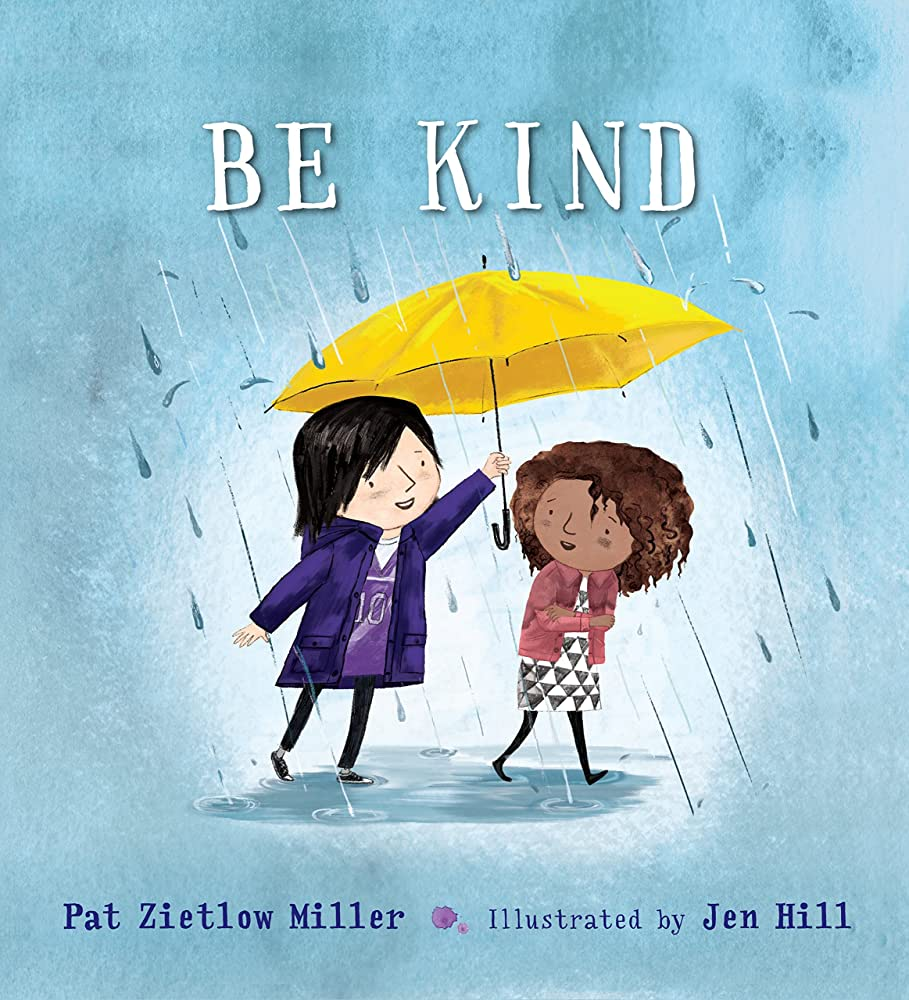
Be Kind by Pat Zietlow Miller and illustrated by Jen Hill- The teacher advises her student to always choose kindness towards others.
Thank You, Omu! by Oge Mora – Omu’s neighbors advise her to share her delicious stew with the community.
Jabari Jumps” by Gaia Cornwall – Jabari’s father advises him to conquer his fears with courage and determination.
A Bike Like Sergio’s by Maribeth Boelts and illustrated Noah Z. Jones – Ruben’s mother advises him to be grateful for what he has and to save up for a new bike.
The Proudest Blue: A Story of Hijab and Family by Ibtihaj Muhammad and illustrated by Hatem Aly – Asiya’s mother advises her to be proud of her hijab.
Let the Children March” by Monica Clark-Robinson and illustrated by Frank Morrison – The parents advise their children to stand up for what is right.
The Last Stop on Market Street by Matt de la Peña and illustrated by Christian Robinson – CJ’s grandmother advises him to see the beauty in the world around him.
My Papi Has a Motorcycle by Isabel Quintero and illustrated by Zeke Peña – Daisy’s father advises her to remember her roots as they ride through their neighborhood.
The Power of Her Pen: The Story of Groundbreaking Journalist Ethel L. Payne by Lesa Cline-Ransome and illustrated by John Parra – Ethel’s father advises her to use her voice to speak up for what is right.
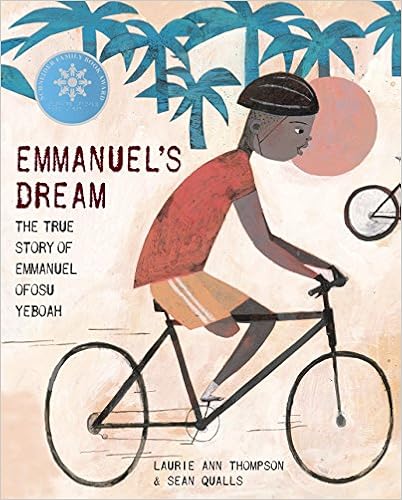
The aha moment is mixed in with words of the wiser from Emmanuel’s mother and is embedded into the story. This is a good book to use when it may not be as obvious.
I have had a Peter H. Reynolds book on every list so far, I am pretty sure you can teach all 6 signposts using his books. The North Star will always be one of my favorites. The Dot is another great one.
Many of Patricia Polacco’s books can be used for words of the wiser, here I chose Mr. Wayne’s Masterpiece.
Zero by Kathryn Otoshi is a picture book that can be used for many things, teaching words of the wiser is definitely one of them.
When the students wonder when they will finally get tall, this is a great book to pull out You’ll Grow Soon, Alex by Andrea Shavick and Russell Ayto has great wisdom.
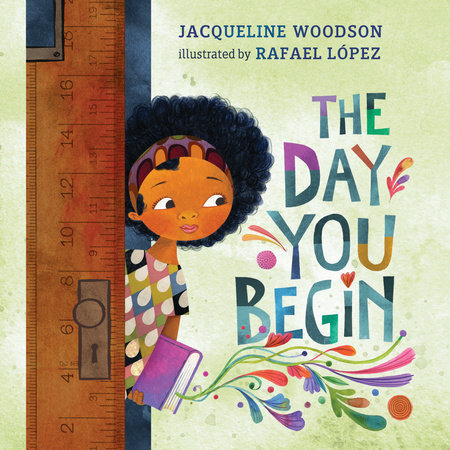
Our Gracie Aunt by Jacqueline Woodson is the book I am using with my students to teach the strategy. It is a beautiful story that will start discussion in our classroom for sure. Each Kindness also by Woodson is another amazing example. In fact, many of her books can be used for this strategy.
I know there are so many more out there, please leave your favorites in the comments.
PS: Are you looking for coaching, in-person support, or virtual presentations? I am available and would love to support your work. Whereas I am physically located in Denmark now, I can travel if needed. In fact, I was just in North America in February 2023 and plan on bouncing back and forth. If you would like me to be a part of your professional development, please reach out. I am here to help. For a lot more posts, resources, live and recorded professional development, please join my Patreon community where most of my sharing takes place these days.
As our kids are getting older, we talk a lot about healthy relationships, boundaries, and consent. Not just in romantic relationships, but in all the ones they have – with friends, with authority figures, with us.
And one of the lessons we are teaching them is that they have the right to answer no. To withhold information requested by others that have no business asking for it. To not give the full story, or stay silent if needed.
Too often, we teach kids that when someone asks you a question you answer it, but at what expense? When do we teach kids that just because someone answered doesn’t mean they have to give an answer?
Because our kids don’t owe anyone their truth. They don’t have to share about themselves just because someone asks.
The truth in our classrooms
And we need to remember that in our classrooms as well. That just because we survey kids, doesn’t mean they have to answer. That not answering is an answer in itself.
That we build trust, not demand it. That we recognize when something is not our business. That we consider what we are actually asking BEFORE we ask.
And that if a child says no, IDK, or leaves it blank that perhaps it is not because they are obstinate but because they are exercising their right to not answer.
As I wrote through Passionate Learners 3rd Edition, the idea of control and power were ever-present. The way we demand acquiescence. That we demand to be followed blindly. That we don’t take the opportunities that present themselves to dive into the power dynamics present within our teaching and consider how we can shift power back to students.
But we demand their words. We command their attention. And we label them when they don’t bend to our will.
What about the adults?
And it also happens to the adults. We are coerced to share in the name of collaboration, of being team players. We are asked to hand over the things we have hidden in the name of building community, of building understanding, of building trust. We ask personal questions without considering what we ask and how people feel in the wake of our unravelings. Offer up platitudes to somehow make it okay to build up the foundation on the undisclosed scars of others.
And if we refuse to explain or elaborate we are labeled as difficult or uncooperative.
It turns out trading in information that was never meant to be known by many is a hot commodity in our education communities.
Shifting our power balance so that the people in our care also get to have power while also functioning as a community is not always easy. It takes time, it takes patience, and it takes trust. But it is possible.
That’s why I wrote the 3rd edition so that I could share ideas of how we respect all members within a functioning co-created classroom.
To offer up the small and big ideas that meant that control was shared, that power was given, that there was room to say no and not get in trouble.
Whether you read the book or not, please consider your demands. Please consider who you are asking to share what. Please consider what happens when we ask kids to share beyond their comfort levels.
What model are we creating for them when it comes to autonomy, power, and respect? What model are we creating for ourselves?
Saying no takes courage. Staying silent can be an act of strength. Not something to be punished. Not something to be yelled out of a child or frozen out of an adult.
So how do we create communities that support that?
PS: Are you looking for coaching, in-person support, or virtual presentations? I am available and would love to support your work. Whereas I am physically located in Denmark now, I can travel if needed. In fact, I was just in North America in February 2023 and bounce back and forth. If you would like me to be a part of your professional development, please reach out. I am here to help. For a lot more posts, resources, live and recorded professional development, please join my Patreon community where most of my sharing takes place these days.
Posted from my Patreon community where I take requests for book lists to create, share resources, and offer up coaching for members. It is a very easy way for me to be accessible to people around the world, you can join here.
I am continuing with my updates of the picture book lists I made several years ago to accompany the teaching of a variety of reading skills. This time, the focus is on “Symbols” (Again and Again for Notice and Note) or that moment something seemingly inconsequential takes on a more significant meaning. It can be a word, a phrase, an object, or an action that repeats. This can give us a further clue about the conflicts of the story, the theme of the story, or even foreshadow the story.
When I first started out teaching this skill, I was inspired by the language of Notice and Note: Strategies for Close Reading by Kylene Beers and Robert Probst. This book provided my students with the foundation for deeper reading conversations and a common language as we developed our thoughts and discussion skills.
The Rabbit Listened by Cori Doerrfeld: The phrase “The rabbit listened” is repeated multiple times throughout the story, emphasizing the importance of empathy and listening to others.
The Word Collector by Peter H. Reynolds: The main character collects words and repeats them throughout the story, emphasizing the power of language and the joy of learning new words.
We Don’t Eat Our Classmates by Ryan T. Higgins: The phrase “We don’t eat our classmates” is repeated multiple times, emphasizing the importance of treating others with kindness and respect.
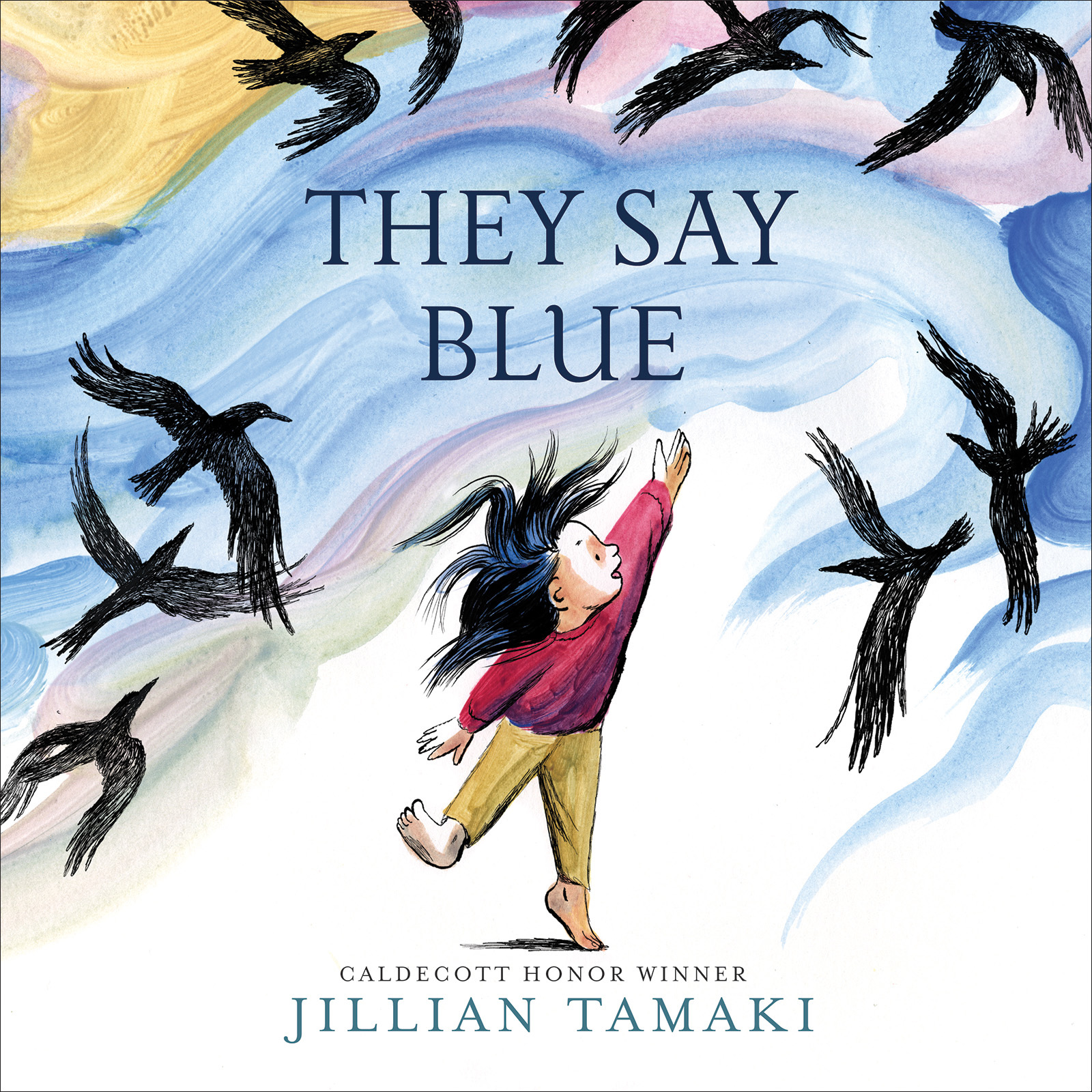
They Say Blue by Jillian Tamaki: The phrase “They say blue is sad, like a lonely song” is repeated throughout the story, exploring the different emotions and meanings associated with the color blue.
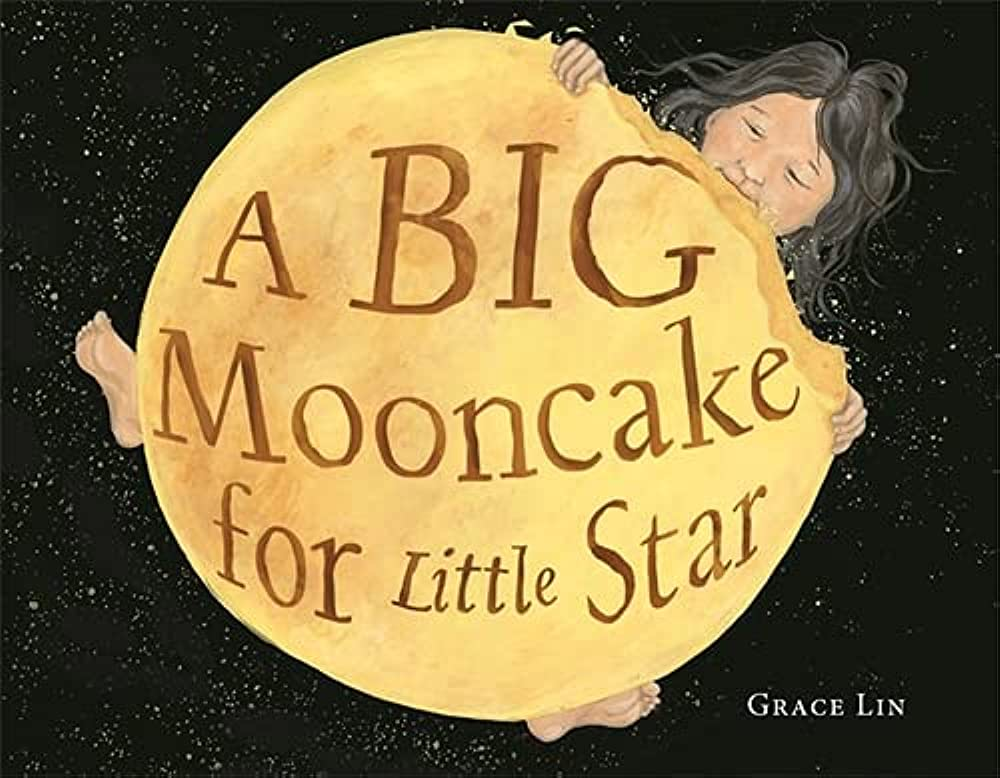
A Big Mooncake for Little Star by Grace Lin: The phrase “Little Star gazed down at the big mooncake” is repeated throughout the story, emphasizing the character’s curiosity and eventual consumption of the mooncake.
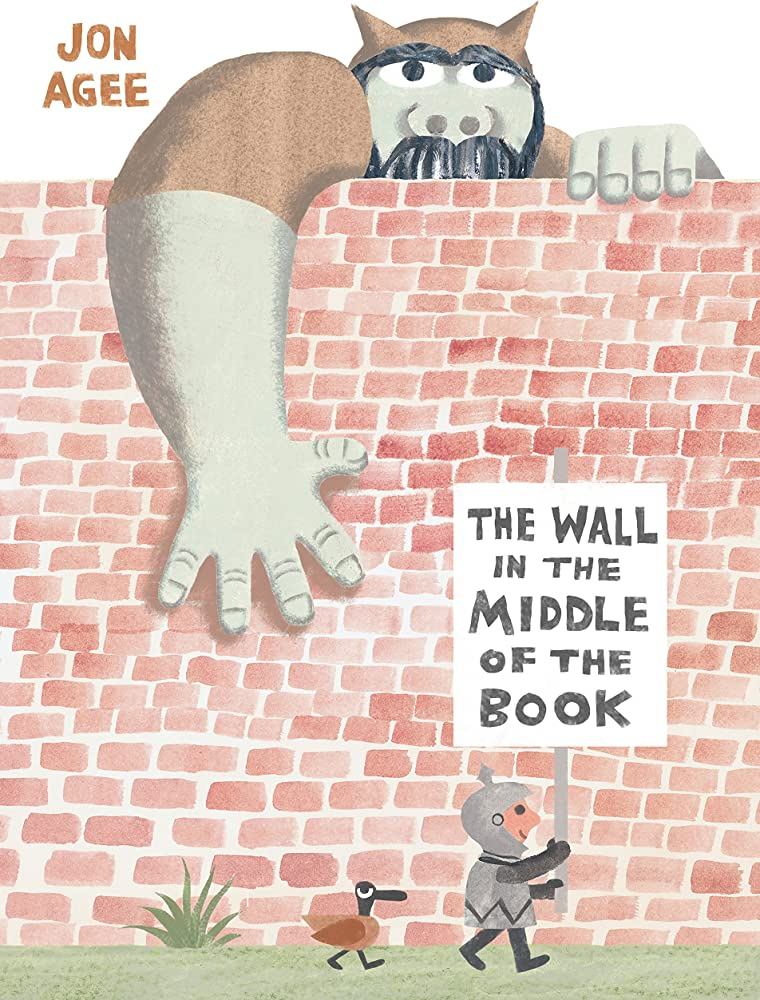
The Wall in the Middle of the Book by Jon Agee: The phrase “The wall protects this side of the book” is repeated throughout the story, emphasizing the character’s ignorance of the dangers on his side of the wall.
Dreamers by Yuyi Morales: The phrase “We didn’t know the language” is repeated several times, emphasizing the character’s immigrant experience and the challenges of adapting to a new culture.
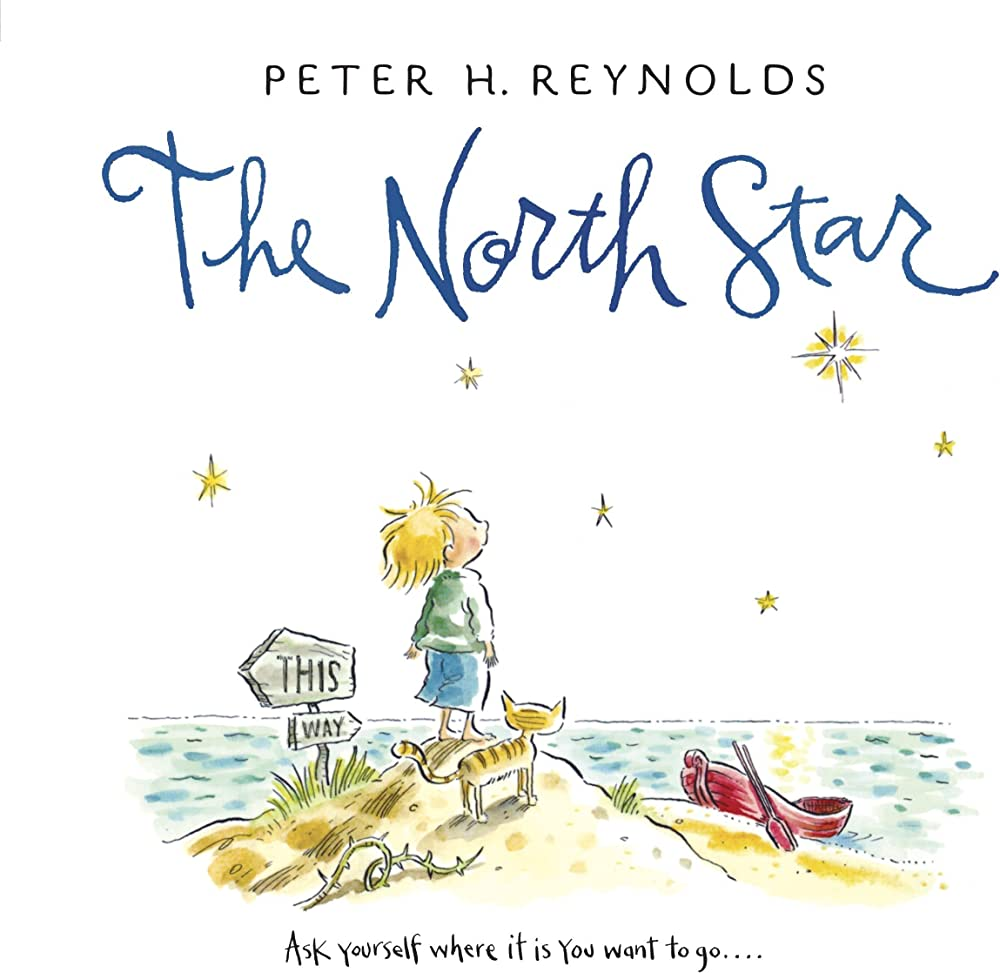
I admit that The North Star by Peter H. Reynolds was the first one that came to mind for this strategy of noticing when something is repeated again and again. Why? Because the cat becomes a symbol for so many things in this book and is something that my students often notice.
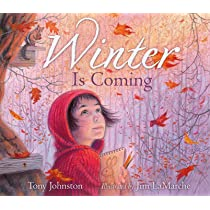
With the simple line “Winter is coming” this picture book aptly titled Winter is Coming by Tony Johnston and illustrated by Jim LaMarche is great for just starting out with the strategy since the line is easy to spot and will lead to good discussions about how the book changes even though the line stays the same.
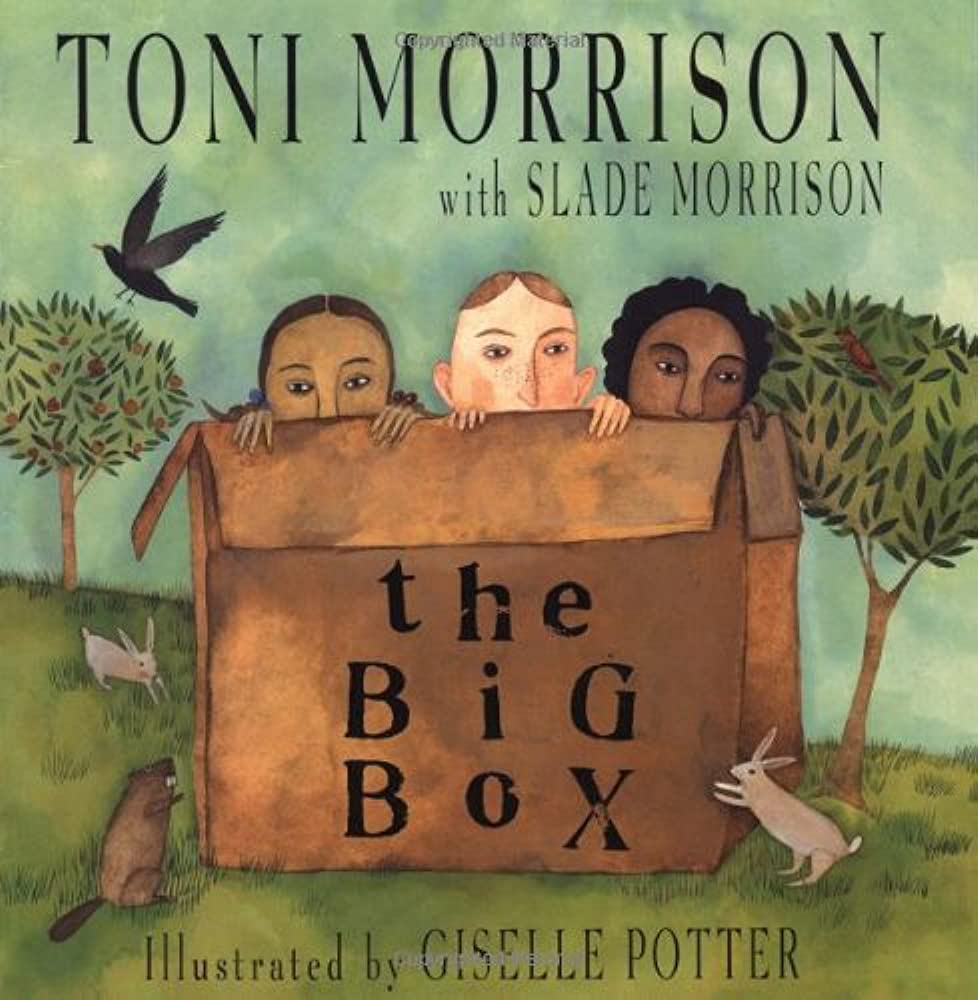
The Big Box by Toni Morrison and Slade Morrison illustrated by Giselle Potter has a lot of repetition making it an ideal candidate for again and again. Because the words do not seem to mean much until you really start to think about their meaning. What is the symbolic meaning of the big box?
One of the most beloved picture books in our 7th grade classroom is I Want My Hat Back by Jon Klassen which due to the hat and the repeated phrases of the bear and the rabbit are great for inferring based on the again and again moments.
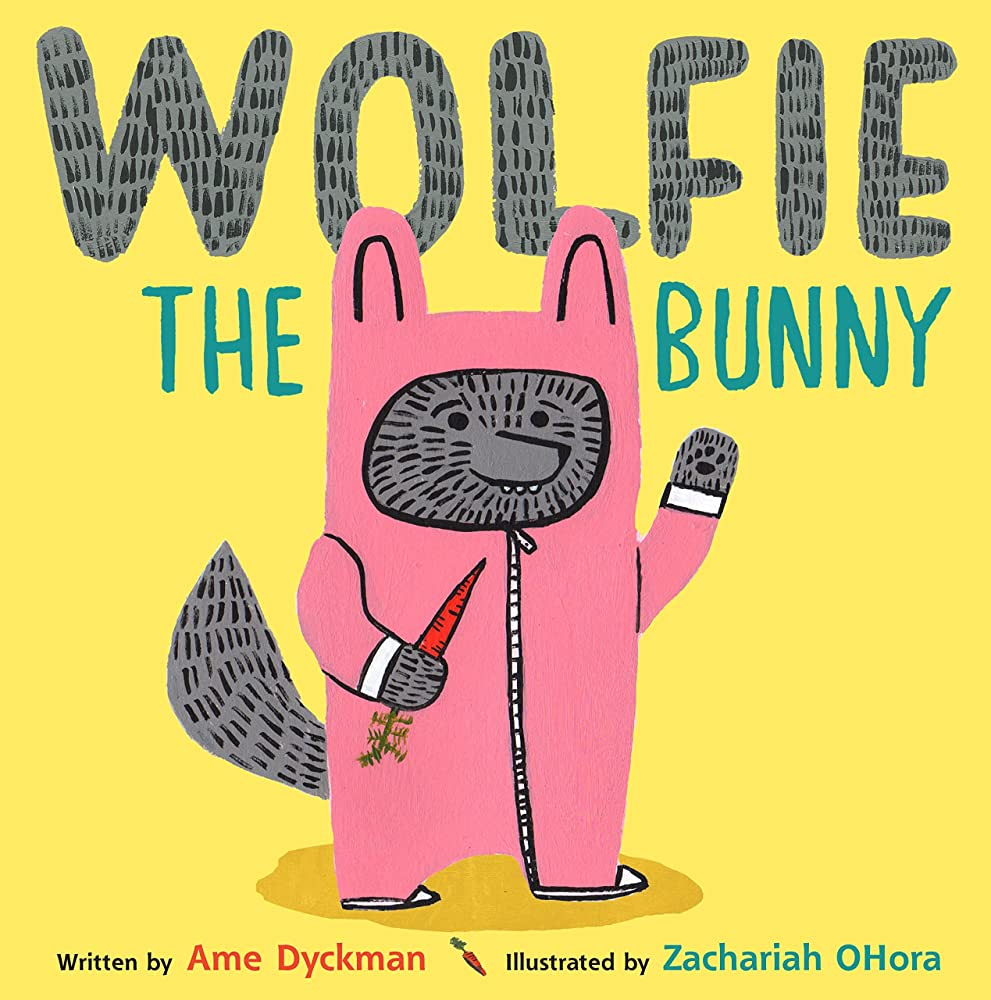
Another favorite is Wolfie the Bunny by Ame Dyckman illustrated by Zachariah OHora when Dot the Rabbit keeps repeating that Wolfie will eat them all up. This leads to some great discussion of why she would keep saying that and how we do the same as people when we judge.
The again and again moment may be a little harder to find in the classic Where the Wild Things Are by Maurice Sendak but kids always recognize it when they reach the final page and the supper is still hot. Why does this matter and how does it link in to earlier events?
A Sweet Smell of Roses by Angela Johnson is a beautiful picture book and the again and again lies in the use of the color red as well as the phrase “Sweet smell of roses…” throughout the book.
Blue on Blue by Dianne White and Beth Krommes has a fantastic again and again in the way the color words are used. While not as obvious as an again and again moment, I am looking forward to seeing if students can discover the pattern.