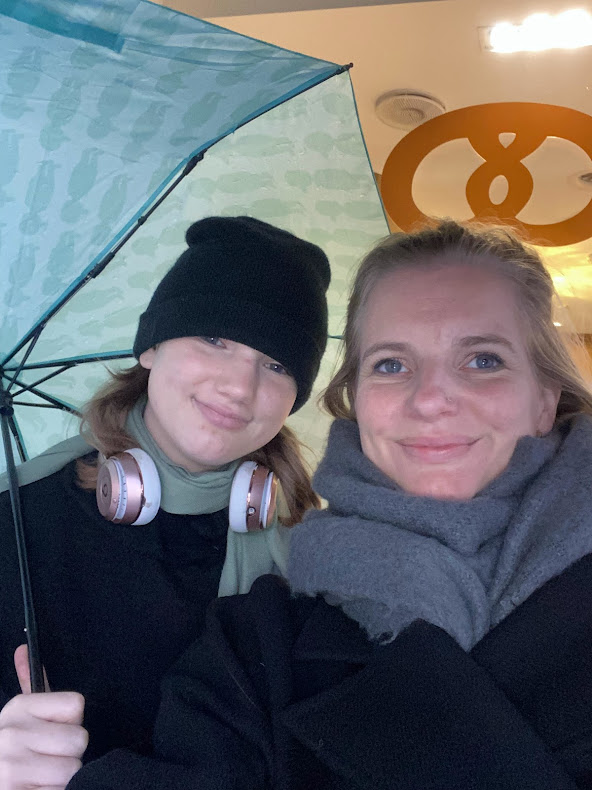
I am a passionate teacher in Oregon, Wisconsin, USA, who has taught 4th, 5th, and 7th grade. Proud techy geek, and mass consumer of incredible books. Creator of the Global Read Aloud Project, Co-founder of EdCamp MadWI, and believer in all children. I have no awards or accolades except for the lightbulbs that go off in my students’ heads every day. First book “Passionate Learners – Giving Our Classrooms Back to Our Students” can be purchased now. Second book“Empowered Schools, Empowered Students – Creating Connected and Invested Learners” is out now from Corwin Press. Follow me on Twitter @PernilleRipp.
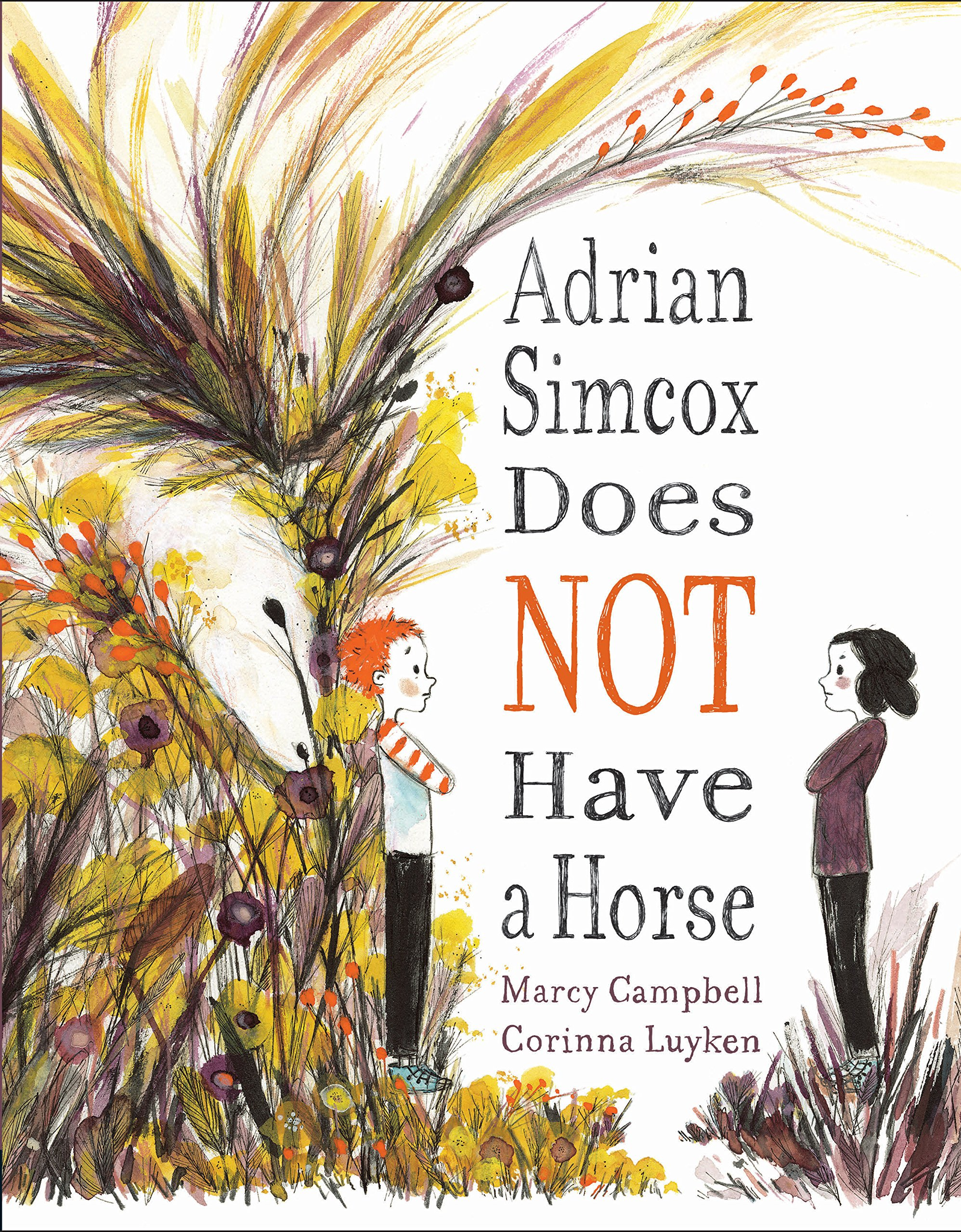
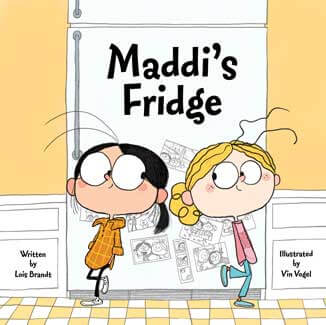
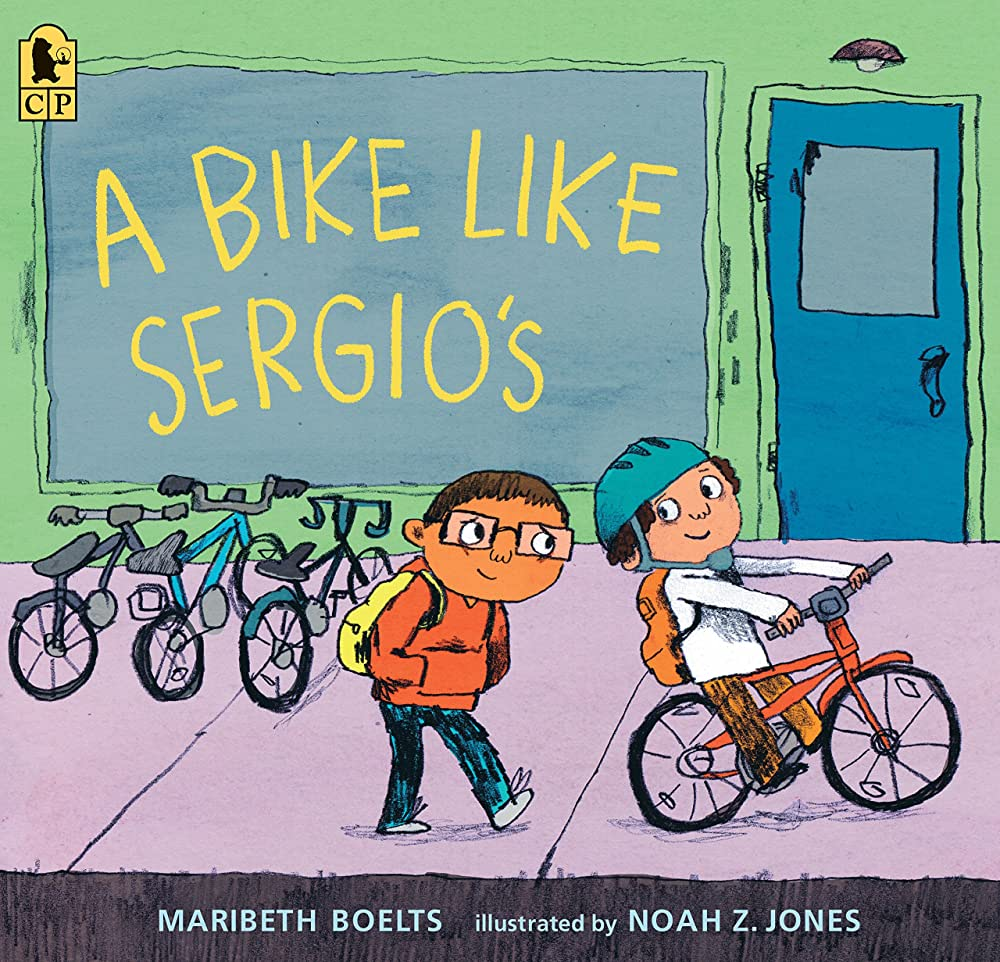
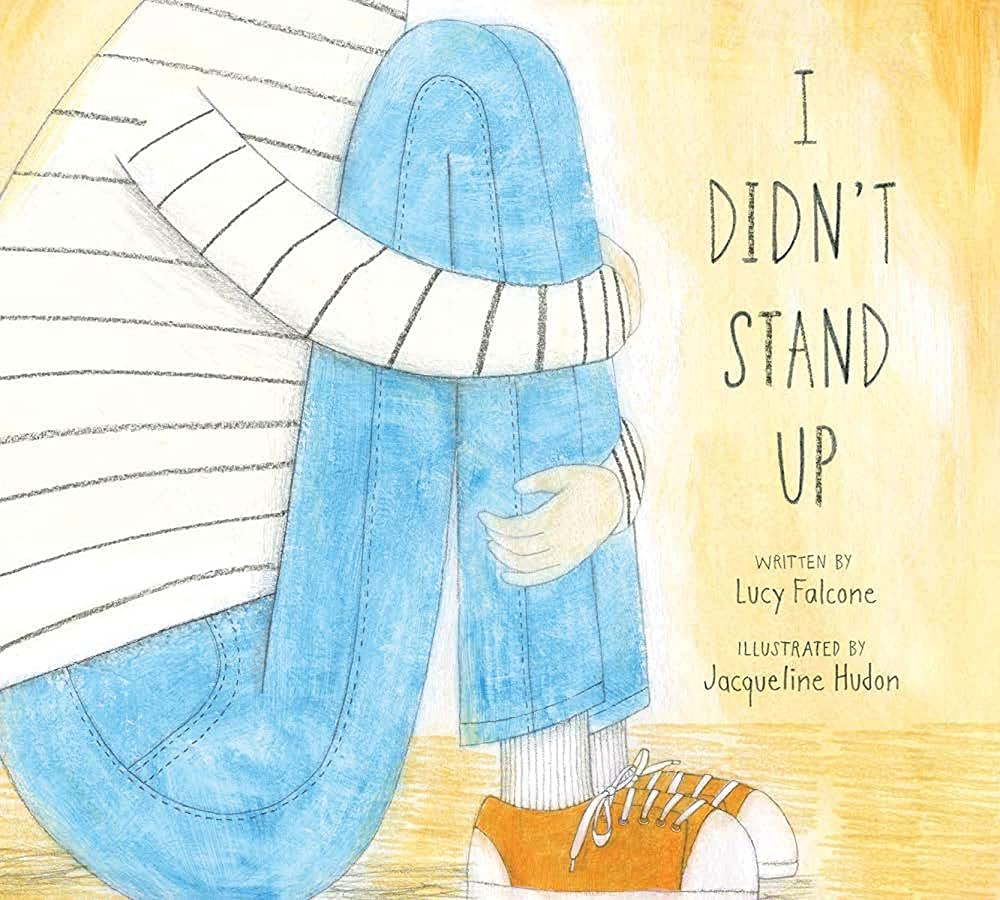
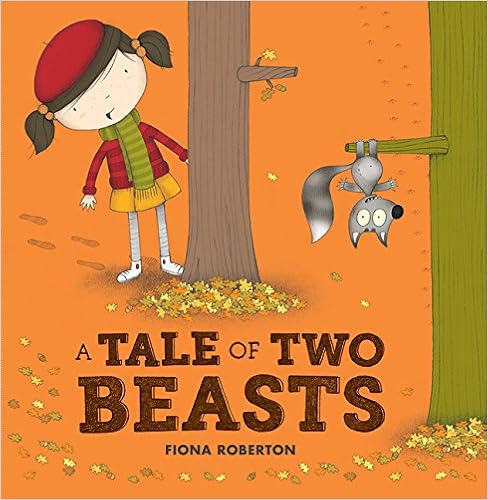
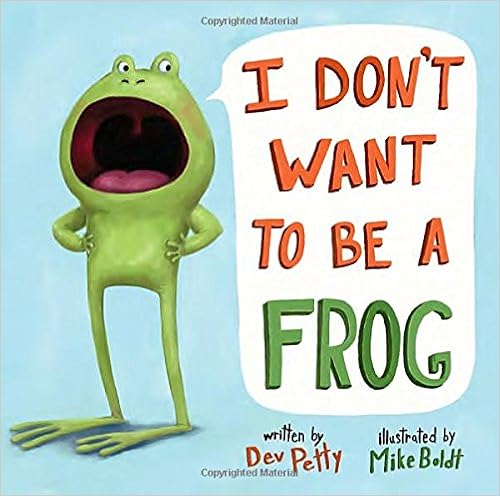
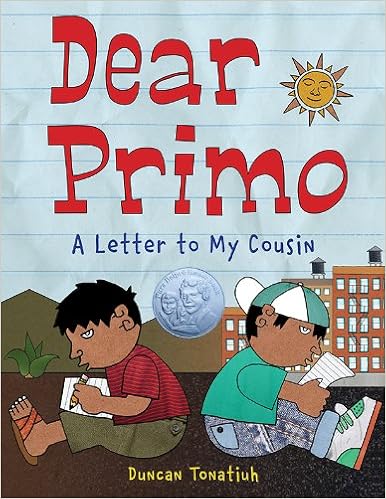
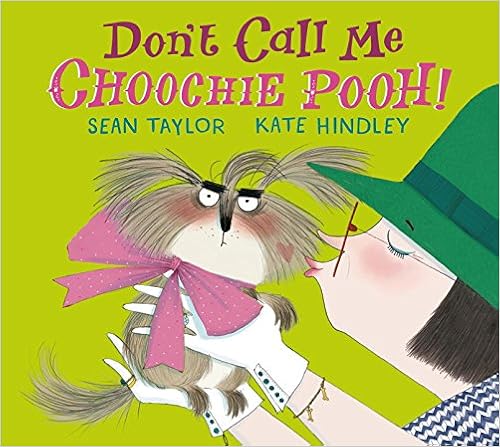
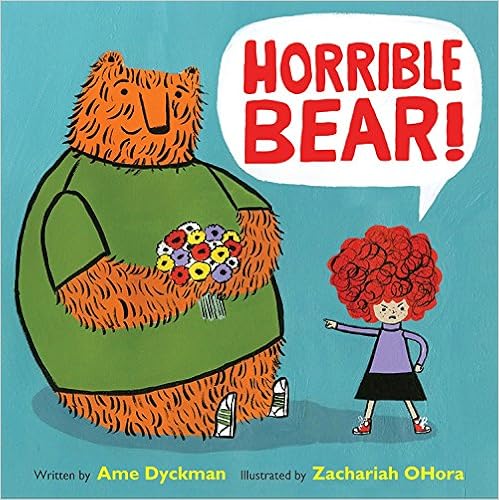
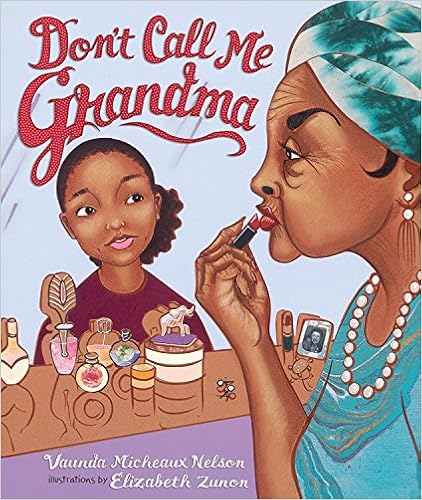
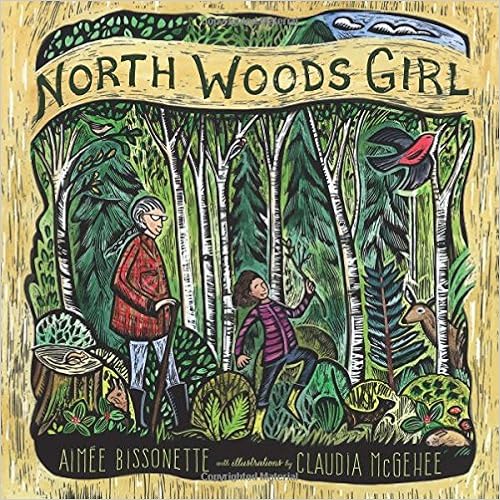
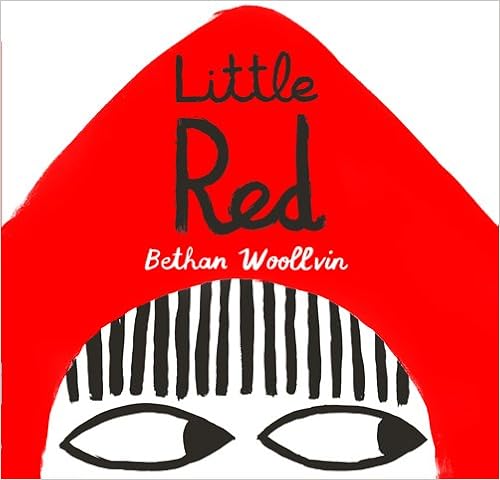
I asked for suggestions for early reader chapter books to use for read alouds as I search for the 2023 Global Read Aloud titles and thanks to so many great suggestions, I now have a list of more than 70 excellent books geared toward the younger years of reading when kids are ready to dive into reading longer books but still need content that makes sense for where they are developmentally.
Many of these books are well-loved by my own kids all the way up until 10 years old showing once again that most books can appeal to a broad audience and not just whatever limited age range placed on it by the publisher or bookstores.
So if you teach younger ages these would make brilliant additions to your classroom or library collections.
PS: Are you looking for coaching, in-person support, or virtual presentations? I am available and would love to support your work. Whereas I am physically located in Denmark now, I can travel if needed. In fact, I will be in the US and Canada in February 2023. If you would like me to be a part of your professional development, please reach out. I am here to help. For a lot more posts, resources, live and recorded professional development, please join my Patreon community where most of my sharing takes place these days.
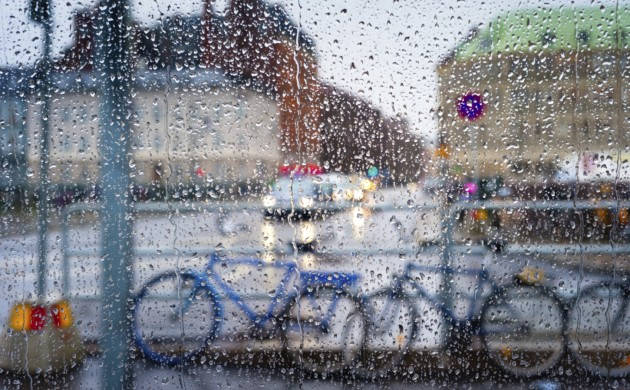
It has been seemingly endless days of rain in Denmark. A drizzle. A storm. A dusting. Sideways, straight down, diagonal to hit every part of you, relentless, endless.
Every time you go outside, the rain pelts you, the wind blows up your umbrella – you arrive just a little bit soggy. Your hair a mess. Grateful for the shoes you at least did think to wear, knowing that the ones you pined for would have left your feet a soggy mess. Layers, wool, and waterproof – such is the fashion these days.
The sun hides behind endless clouds giving us a slim 7-hour window of being greeted by it – we leave in the dark, we come home in the dark. The forecast meticulously studied, my body naturally gearing itself toward any windows that offers just the smallest bit of light. Has my seasonal depression phase started?
Image from the Copenhagen Post – my rainy images don’t look this nice
It is what I had warned my husband about. He who had only ever experienced the glory of Danish summers, the long nearly unending summer nights stretched ahead. He, who thought, we should take the chance offered us to build our life in a new country.
I tried to warn him. Doing the best I could to give him the absolute reality of what it means to live in a country where hygge originated. There is a reason for the lighting of all those candles after all. Did he really understand what a Danish winter would feel like after months of rain and wind? Was he sure he wanted to give up the pristine winter days in Wisconsin where, sure, the cold can kill you but the beauty also leaves you breathless? It might last longer but it had skiing, sledding, and surprise snow days. Not everyday drudging through the rain, not the wind in your face as a constant companion.
As I complained yesterday of how soaked I was after my bike ride to the train station, lamenting how the rain is wearing me out, he told me I had it all wrong. Had I considered how little it had rained? How few days we have truly been soaked through? How warm we have been for so many days?
That perhaps I could focus on other things while still feeling the rain?
That I had made him believe that the rain would be nonstop starting in October, soaking us until March, and instead we have had glorious fall-colored days. Had I forgotten how the sunshine beckoned us outside, the color of the leaves changing so slowly that they seemingly hung on for months?
Had I forgotten the days with snow? Where our winter-loving children bounded out the door to build a snowman before school. Where their red noses and glistening eyes told us all about the snowball fight they had at school – “…with permission, mom!”
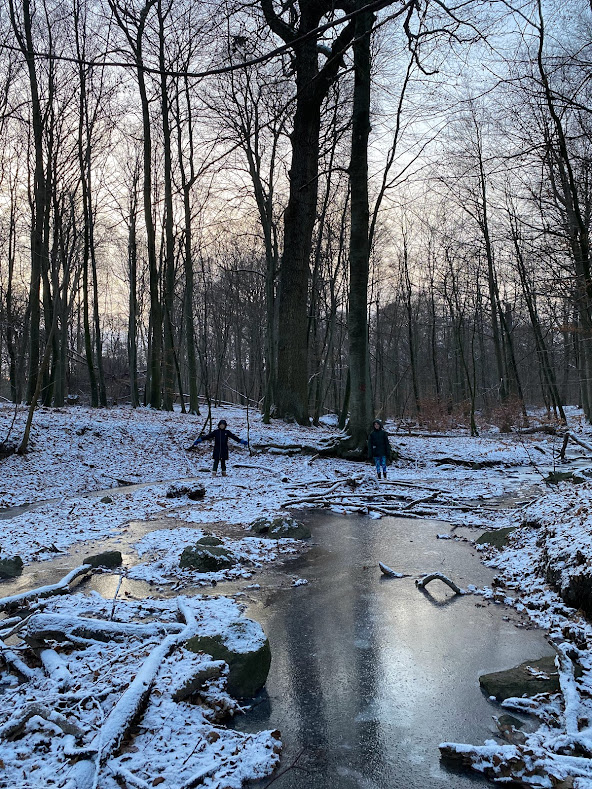
Or what about the days filled with ice? Our footsteps finding any small frozen-over puddle that we could just to hear the satisfying crack as the layer of ice broke by the force of our foot?
Or the days that already felt like spring, how the sun slowly is coming back but until then we light our candles, wear our wool-socks, and still continue to go outside, embracing this season that soaks the earth. Living in the moment, rain or not, breathing in the wonders of this season.
A difference in perception so grand that I don’t know how I missed all of the things he noticed?
It makes me think of teaching. Of how my relentless optimism finally ran out in the midst of the pandemic. How I started to see more rain than sun. How every new opportunity quickly felt like a challenge. How I mustered every day, slipping on my practiced smile, but cried so often in my kitchen.
How I so often heard only the complaints of the kids who hated what we were doing. How I so often focused on the few that clearly disliked me, our class, and our school. How in the season I was in, I only felt the rain because I couldn’t feel everything else, I didn’t have the energy to. I didn’t have anyone with power left telling me to look for the good because so many of us were drowning.
How I tried so hard to feel like I was enough to do all the things asked of me. And I just wasn’t. I am not sure anyone is right now.
And I tried to see all the good. I knew it was there. I knew I was lucky. But in a broken system that only demands more of you without taking anything away, we are made to feel as if we are the problem, rather than the system itself. And so often we are too afraid to say anything. After all, who wants their kid taught byt the teachers who complains?
But I wonder about the difference in perception from us to our students. Would they also say that these years have been the hardest years? Would they also say that the system is broken? What would they say if we asked them?
How often do we ask them?
I asked my students all the time what I could change, how I could grow, what else should we do? I am glad I did. After all, we cannot enact change if we don’t know what to change.
But I often forgot to ask them what we should keep? What they loved or liked? What worked for them? What did they see as positives?
And I wish I had. I wish we did it as a school. I wish parents did before they complain about what teachers are now doing.
I wish we offered educators up more true chances to take a moment and recognize the good. To be recognized for the good. For us to have a moment to breathe and relish that we are doing hard things every single day. That many kids do enjoy coming into our spaces. That many children do like being in our classes.
And not in a superficial way by giving us a donut, or a jean day, or some quickly written email. But by a full recognition of how despite the educational challenge being as hard as it is, we still show up. That despite all of the craziness surrounding education, we still come to teach every day, every kid.
And then we fight to keep the good. We fight to keep the components that make school meaningful; the plays, the assemblies, the read alouds, the contests, the time for creative writing, independent reading, experiments and experimental learning. The curriculum that asks us to think critcally and speak bravely. The texts that show us what humanity really looks like.
And we are protected by the administration. And by the community. And by the kids themselves.
Perhaps a dream, but a glorious one nevertheless.
And perhaps we recognize that yes, the rainy days will continue, the wind will continue to blow us back, but with others surrounding us, we will get to a new season. That within the rain and the wind, there will still be moments where we look up and marvel. Where we can stand in a moment and say that, yes, this is where we are meant to be. That for many kids we teach, this is not the worst season. And so we embrace those moments longer than we do the bad. We open our arms, tilt our faces to the sun and stand still knowing that this moment right here may not make it all worth it but it makes this day worth it.
And we take it day by day, sometimes hour by hour if we need to. And we fight, and we push back, and we raise our voices to reestablish the boundaries that have been wrestled from us.
And we plant our feet, squarely in the soaked earth, and we plant the seeds that the rain allows us to nourish, knowing that some day, the kids we teach will grow up to be teachers themselves, to be parents, and community members, administrators, school board members, and politicians, and that hopefully they saw us embrace what it meant to teach courageously. What it meant to set up boundaries. What it meant to fight for all kids to be safe within our spaces. And what it meant to weather the storm when we could but also walk away when we found ourselves alone.
I know the rain will continue even as we inch nearer to spring. I know the short reprieve we have right now as I write this is shortlived, after all I saw the forecast. But I will put on my trusty boots, I will continue with my day, and I will still go outside, better equipped, with a mind at peace with this moment in time. Knowing that while the rain soaks me it also soaks the seeds we have planted for a future we cannot see yet. How about you?
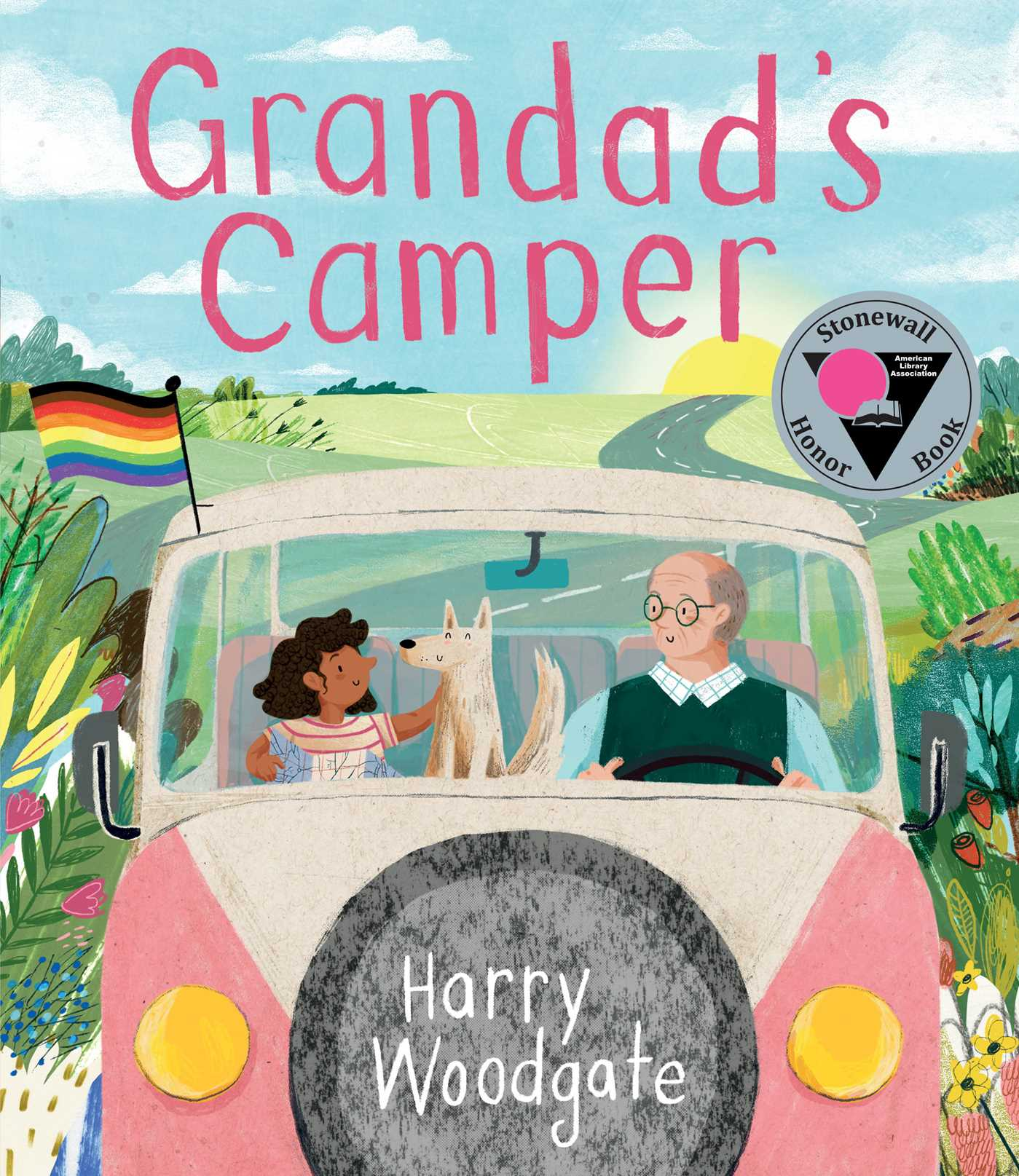
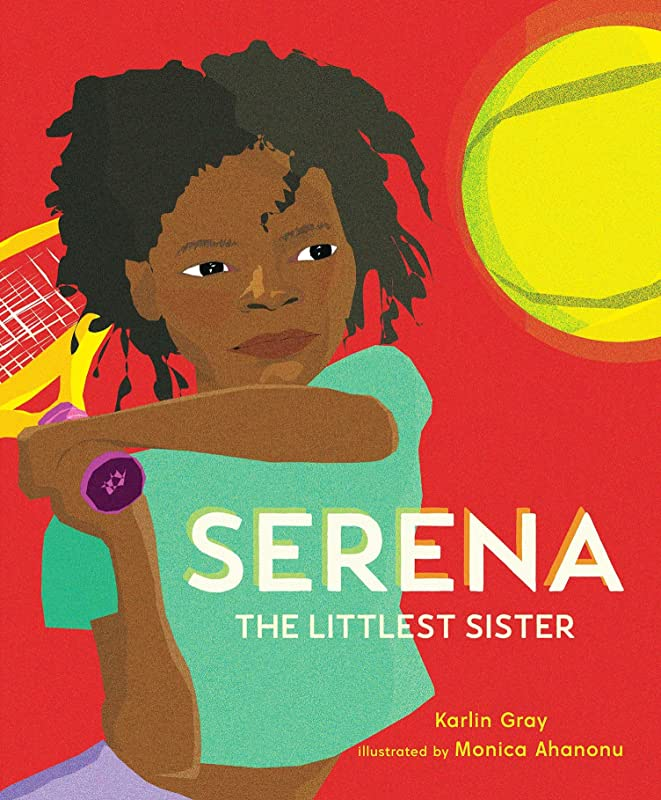
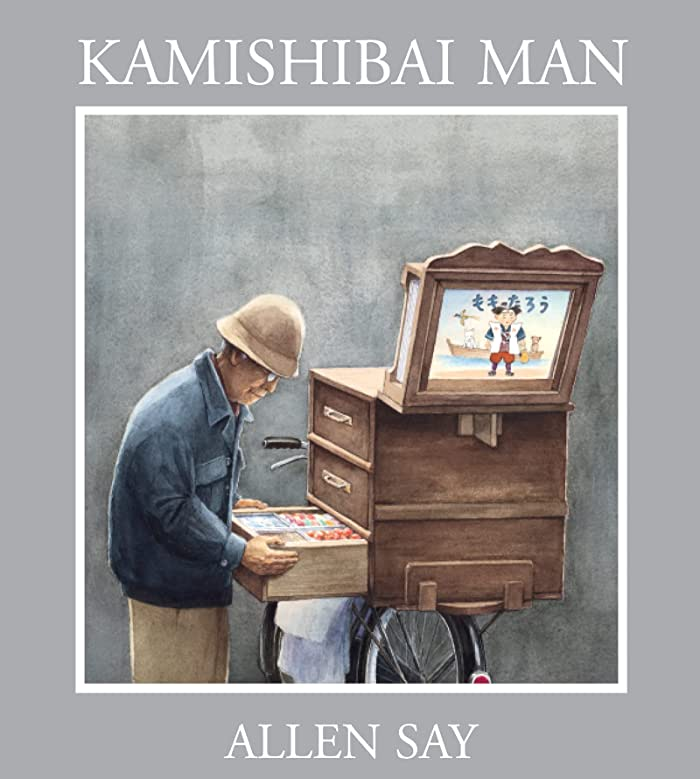
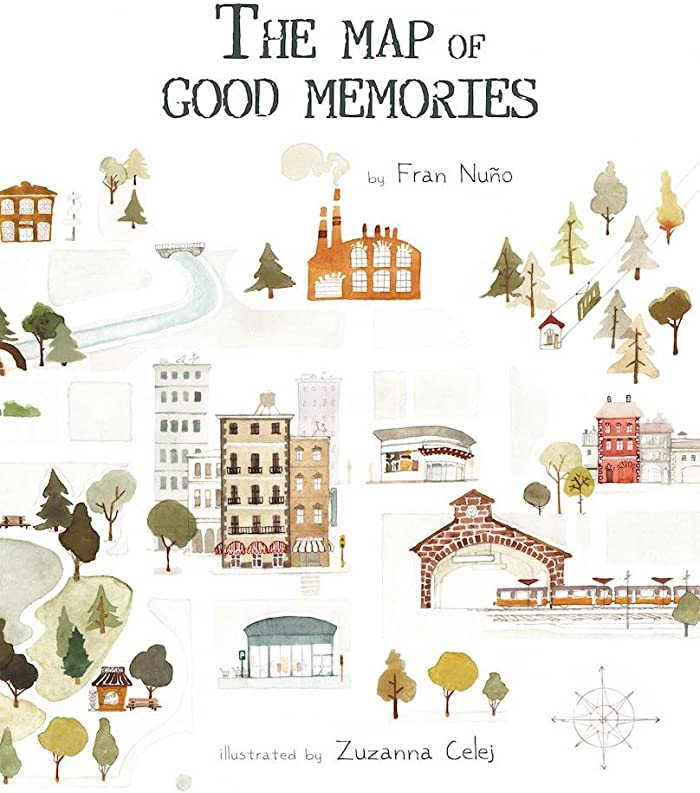
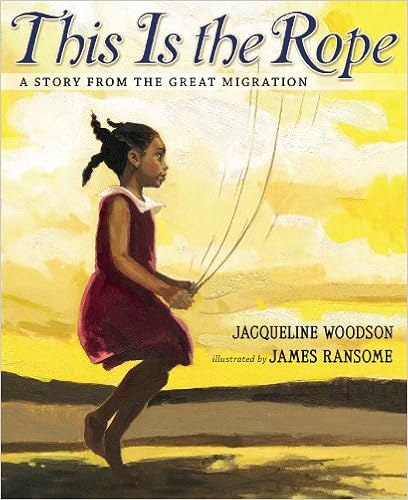
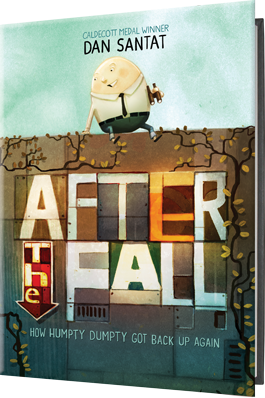
For the past many years, I have done a Mock Caldecott unit with students as we come back to school in January. The year is quietly winding down which means the reflection begins on which illustrations took my breath away. And there were many. This year being out of the classroom, I won’t get to do it with kids, but I will be cheering from afar as the awards are announced on January 30th, 2023.
I have loved doing this unit with children, it is a way to really sink into the beauty of picture books, to have them consider critical components of the books and how the images are synthesized with the text. It is also a great unit leading up to our major nonfiction picture book writing unit, which is a favorite of many.
Over the years, I have made a few tweaks to make it more manageable and enjoyable for kids:
One, I read all of these books aloud during our unit. While the students will still read them in their group, they will have experienced the full text with us all first.
Two, I limit our choices to 12, with 4 “extra choices.” That way we can leisurely work through the unit, savor the illustrations, and give it the time it needs rather than skim through pages in order to come up with a winner.
Three, each group will pick their winner. Every year we have had a vote for class pick, but I switched it a few years ago by letting each group select and root for their individual winners. We will, however, vote for an overall winner in all of my English classes combined.
Your choice – every year there are a few books that I think might be a winner or honor book but that I for some reason didn’t select. I then have students browse through them and they can choose one or more of them to score as well if they want. It has been fascinating to see which books they gravitate toward from these four choices.
The lessons will not change much; I use previous winners to discuss the different components of the award and then students grab the books they will discuss that day and rank. Each group gets a packet with the titles and a voting sheet. The slides I use as well as all resources can be found in my Patreon (where I share a lot of resources, book lists, and do mini pd’s) and are pretty straightforward. The voting packet is updated and students end the unit doing a persuasive speech to try to convince their classmates that their choice is, of course, the best one. Then we watch the awards and celebrate them with a class party!
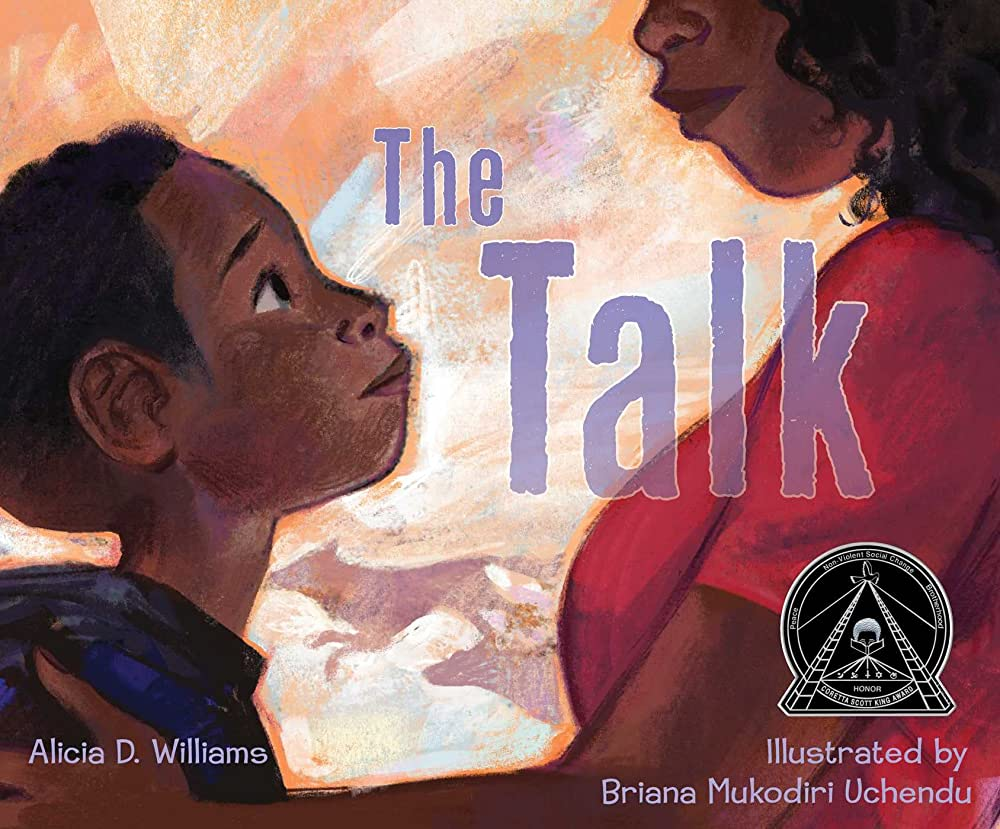
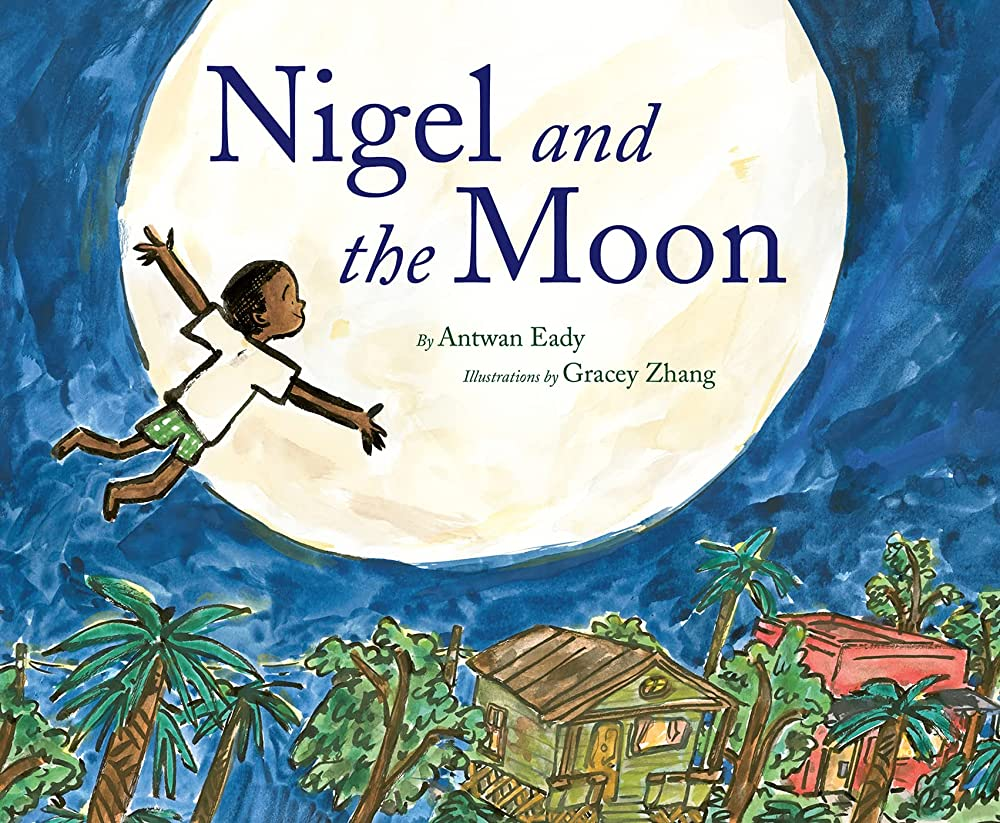
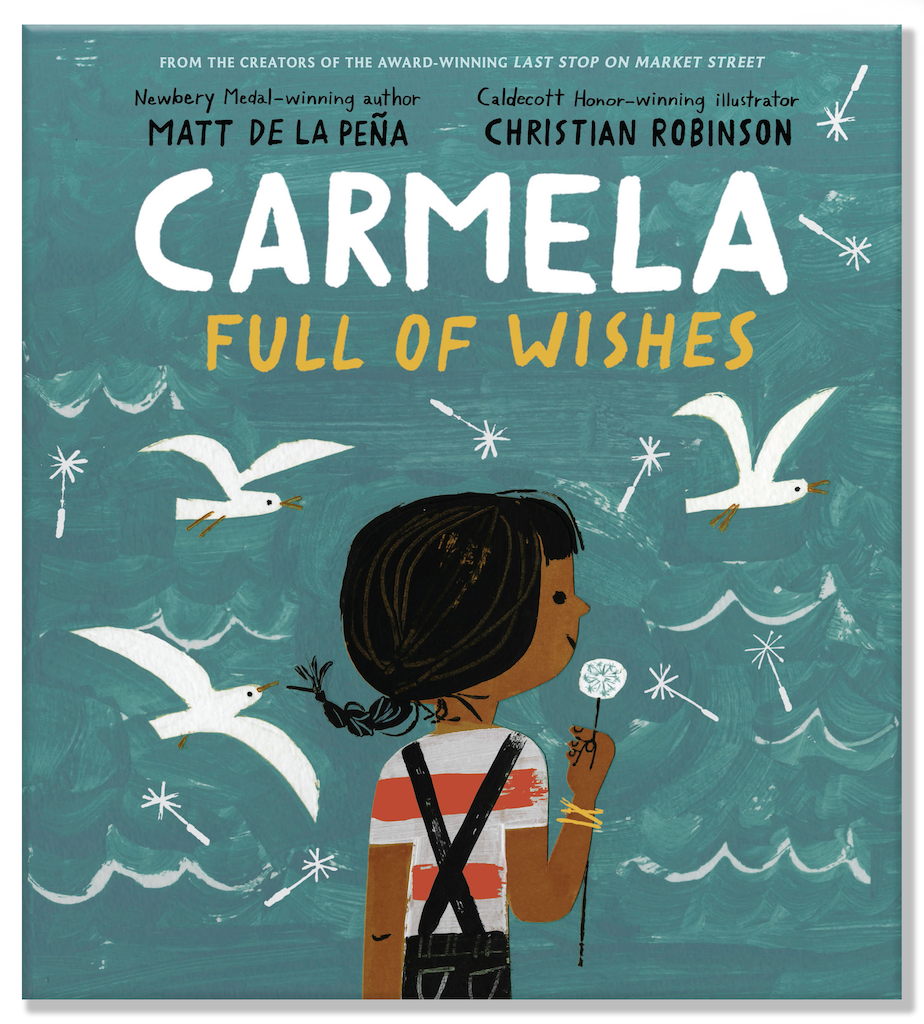
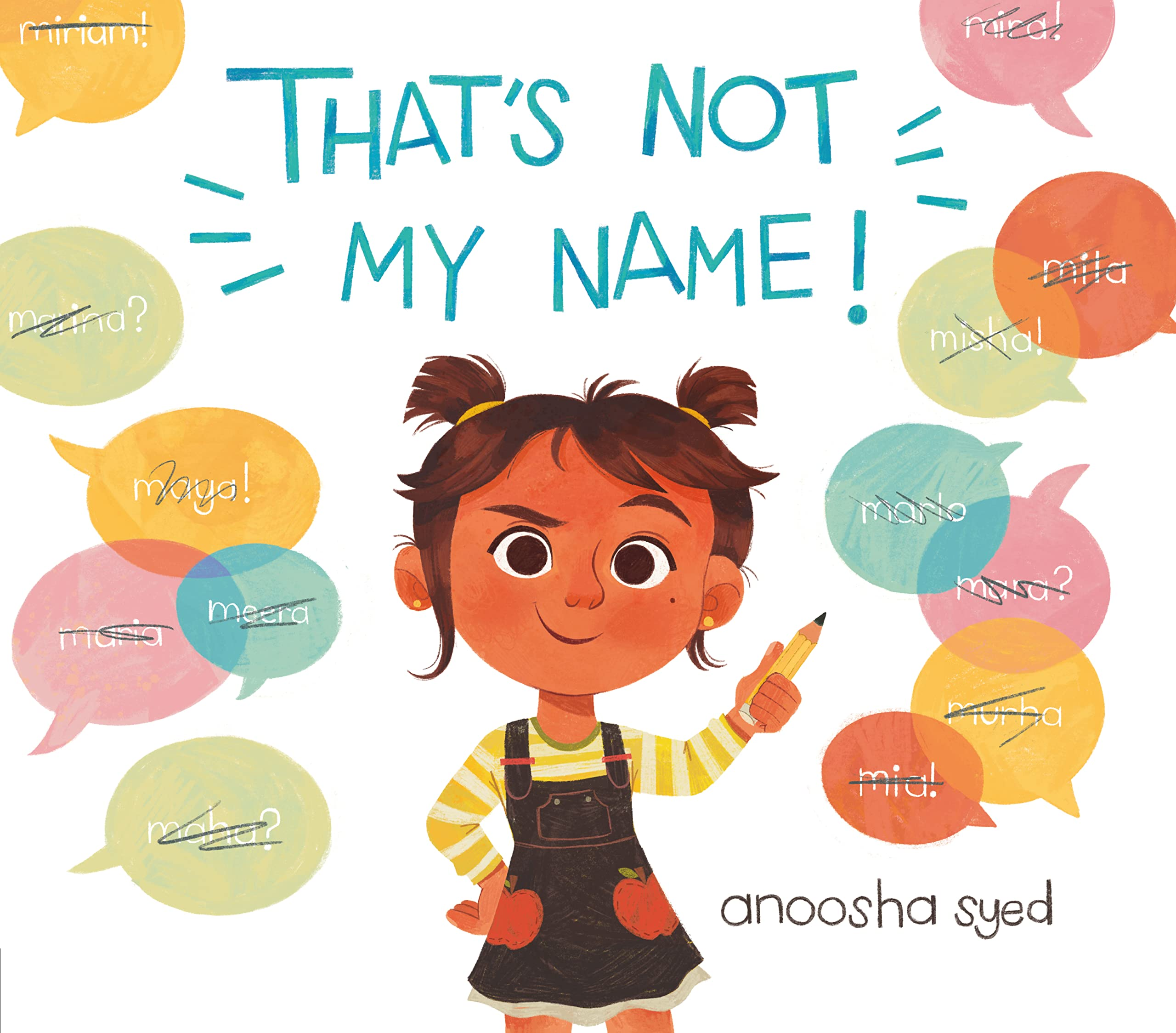
So which books have I chosen for the year? It was so hard to choose!
Extra choice selections:
There you have it? My choices for 2023 – which ones are you rooting for?
PS: Are you looking for coaching or virtual presentations? I am available and would love to support your work. Whereas I am physically located in Denmark now, I can travel if needed. In fact, I will be in the US and Canada in February 20223. If you would like me to be a part of your professional development, please reach out. I am here to help. For a lot more posts, resources, live and recorded professional development, please join my Patreon community where most of my sharing takes place these days.
This resource was posted in my Patreon community in July to kick off the school year, if you would like to have access to the resources there, you can join the community here. I share monthly book lists, livestreams, answer questions, and all resources that I create.
Book clubs or literacy circles are some of my most favorite explorations to do with kids. Making space for deep discussions, led by the students, and framed by an inquiry question is something that I love to be a part of. That’s why we have done book clubs twice a year for the past many years. I would not do more than that, kids also want to have experiences where they are not forced to read a certain book with peers, even if they have a lot of embedded choice. And as always, when in doubt, ask your students how often they would like to do them, make space for their ideas and allow for personalization and ownership.
I have posted about book clubs and all the behind-the-scenes work for years, so if you search this blog you can easily find the old posts. If you want the newest resources, then those are posted in Patreon.
One resource, though, that I had not been able to find online was a list of general book club discussion questions that went beyond reactions and predictions. While I could find snippets of meaningful questions that went beyond discussing opinions of the text and predictions, I was really searching for questions that could shape my mini-lessons as well. I figured I couldn’t be the only one searching for something like this, so I took some time to pull together as many general questions that you could use for minilessons, or that students could choose to use in their discussions.
These question sets can be mixed and matched and are a work in progress. While geared for middle school and up, they can easily be adapted for younger students, what matters is the lesson that goes along with them.
There are 4 sets: initial get-to-know-you type of questions, as well as questions for each week. They typically build off of each other so you see the same patterns on questions – the repetition is meant to create depth through the spiral approach. I have used these for the past few years with kids and they work really well for the spectrum of readers I teach; those who are flying through the books and need to be challenged and those who I am coaching through the book.
If you have great questions you like to use, please share them and they can be added to the document. Here is the link again.
PS: Are you looking for coaching or virtual presentations? I am available and would love to support your work. Whereas I am physically located in Denmark now, I can travel if needed. In fact, I will be in the US and Canada in February 20223. If you would like me to be a part of your professional development, please reach out. I am here to help. For a lot more posts, resources, live and recorded professional development, please join my Patreon community where most of my sharing takes place these days.
About the kids whose existence we say doesn’t belong in the stories on our shelves. About the kids whose lives are not accepted in our spaces; classroom, libraries, hallways, and schools.
About the lives we don’t share in our book clubs, read alouds, or mentor text explorations. Because we are scared to be challenged. because we are directed to censor. Because we are told to remove titles. To withdraw invitations. To not share things that may potentially offend.
About the kids whose lives need to be validated and protected in this continued time of hate in the US.
In the land of the free, we have always known only some are truly free. Free to be the center of attention. Free to hold the power. Free to be held up as something worth paying attention to.
Why do I care while I sit in Denmark, a country that has prohibited book banning since the 1800’s (yes, really!)?
Because what is banned in the US, doesn’t get translated to other countries at the same rate. Those authors don’t get invited to conferences, to schools, to gatherings at the same rate.
Their sales are hurt by the book bans, it is not a badge of honor, which then hurts further publications.
When they write from their own experience, book bans and challenges once again show them that the story they carry is not one that is palatable to share with the world. That they should be ashamed to share who they are.
Because what is gatekept, simply not purchased, not shared, not published, or not even written out of fear of how it will be challenged and banned, directly impacts kids’ reading experiences globally.
The US publishing industry is the biggest in the world.
That means that once again the US sets the tone for the reading lives of so many others. Even those who will never set foot in the USA.
That means when a school board removes books, it limits sales, and that directly impacts the books I can access here in Denmark, a country far way from the hallways of American schools.
But it’s not just that.
It’s personal.
It is my own kid’s identity that is constantly put under the microscope as being “too mature,” as “indecent,” as being sexually inappropriate. It is my own kid’s identity mirrored in stories that are being banned outright or shadowbanned in the spaces of our schools and libraries. As if they control who they love or who they are. As if their very existence is one that is too mature for other children.
All because some adults decided that the bankrupt moral code they follow is more important than honoring the identity of my child. Than protecting my child. Than creating a society that respects the lives of the very children we produce.
And it angers me.
And it scares me.
Because when we remove the stories of others, we leave a void of misunderstanding. Of fear. Of thinking that there is somehow something morally wrong with simply existing in the LGBTQ+ community.
Of others telling my kid that they are probably just confused. Of telling our kid that they certainly can’t know these things because they are too young. Of failing to understand something that is simply who they are. Of others asking my kid when they will grow out of it. Of others asking my kid questions that no kid, or adult, should be asked. And thinking it is okay. And telling us to lighten up. And failing to see how every question is another cut, another punch, another closed door.
And I am so sick of “well-meaning” adults thinking that they somehow know better than we do as the parent of our own child. They don’t see how the words they so carelessly spew, the actions they support, and the hate they spread directly impacts our child, impacts us as a family.
So yeah, I may be in Denmark but I Am still going to fight with everything I can.
I am going to fight so that kids can see themselves in the stories we share. So adults can feel the value that sharing their stories have.
I fight because the youth of Denmark deserve a chance at being seen globally.
I fight because we cannot say we value kids and then support book bans at the same time.
The fight has not just begun, it has been going on for a long time. But it is ramping up and just like there are groups that are organized just to orchestrate book bans, so must we.
So what do we do? PEN America, whose images are used in this post and whose latest report is well worth a read, has a few ideas. They say to
But we also take a moment to check in with the kids we have in our care. How are they? How do these book bans and challenges affect them? How do we continue to fight back?
I know it is scary to speak up.
I know it is scary to place a book in our classrooms that may potentially cause a challenge.
But think of the kids you validate. The kids who need you to show them that you have their back.
That their story matters because they matter,
I think of how our actions now will reverberate for years to come. Of the kids who will search for questions on our shelves and come up empty-handed versus the kids who will find themselves and find peace.
Of those who will find love on our shelves. Of those who will find power.
I fight back for those kids, and for those who don’t even know which questions to ask yet.
I fight for my own kid, how can I not?
Who do you fight for?
PS: Are you looking for coaching or virtual presentations? I am available and would love to support your work. Whereas I am physically located in Denmark now, I can travel if needed. In fact, I will be in the US and Canada in February 20223. If you would like me to be a part of your professional development, please reach out. I am here to help. For a lot more posts, resources, live and recorded professional development, please join my Patreon community where most of my sharing takes place these days.
Yesterday, I received the following email about my Instagram account
At first, I laughed but thought I would check my Instagram account anyway.
And it was gone.
No username, no email, no phone number.
According to Instagram the more than 2,900 posts I have created never existed in the first place. I tried everything Instagram help center articles told me to do, consistently getting absolutely nowhere. When Instagram says you don’t exist there are no reports to file, no forms to fill in, no support to receive. They just keep referring you to the same article over and over.
So I emailed the hacker back.
They wanted $2,000 in bitcoin to release my account back or they are selling it to others to use however they see fit. No guarantees. That kind of money is not something we have to spend. So I cried while I raged, I know it is so silly to cry over something like this, but my account hold years of photos and videos, connections with people all over the world, and represents years of building connections with others. Since we moved to Denmark it has been one of my main ways to stay in touch with friends, former students, and all of those we left behind.
Instagram has been my favorite way to post the last many months as I transition into Denmark and make literary connections here. The people in Denmark have no idea wo I am, Instagram and all the years of posts helped me introduce myself.
I spent the rest of the day frantically securing every account I could think of while getting bombarded by bots saying they could help me recover my account – they can’t, they are just another way to scam you.
Meanwhile, 40 emails in as I went back and forth with the person who hacked my account, they said I could pay $200 in bitcoin to recover it. After discussing with my husband, I did.
And then I got this.
And that’s not something we can do. So I am starting over. All those years of posts are gone but I am still here. I can’t recreate all of the content, I will re-post some things, but I have to look forward as well.
So please come and follow me on my new account @pernilleripp I know there isn’t much to look at right now, but there will be. I will continue to post book recommendations, ideas, quotes, and snapshots from our life. I continue to want to learn and spread ideas. I am really hoping there is some sort of silver lining in all of this, I haven’t found it yet, but I will.
If you haven’t secured your accounts with two-factor authentication, do. It doesn’t guarantee anything but perhaps it would have stopped this.
If you want to help me, please share my new Instagram account with those who used to follow or may want to follow now.