being a teacher, Literacy, new year, Reading

Our ELA Curriculum Map for 7th Grade 90 Minute Block

As some of you may know, we are moving from a 45-minute block of ELA time to a 90-minute block.  I cannot tell you how excited I am for this to happen.  To actually have more time to dig in, to have fewer students so I can know them better, to be able to pull small groups more often and really support student growth – yes, please!  But with this change comes a lot of decisions.  We want to make sure students are engaged and challenged well within the 90 minutes.  We don’t want it to drag on, we don’t want it to be lecture.  So as the year starts to come closer, the ideas and aspirations we have had are starting to take shape and I thought it would be nice to share them here, in case others need some inspiration.

Last year we decided what we believe when it comes to our literacy work together and this is what grounds our decisions.  While the chart below is just the overarching theme, our original document discusses things much more in depth, such as the need for equitable practices and for creating opportunities for students as changemakers.

The overarching beliefs we function in are:

If middle school learners need… Then we will commit to…
Empowerment Giving them choice
Read/write every day Give them time
To have a voice Discussion/authorship/ownership
Developing/understanding their identity Reflection/guidance/exposure/structure
See connections to themselves and others Incorporate global/local topics and connect to other classes
Adult role models

Peer role models

Read/write/think/discuss with and in front of students

  • Opportunities for student learn with and from each other.
  • Teachers model/share their love of reading/writing in their own life.
  • Teacher is part of the classroom reading/writing community
  • Exposure to mentor texts
Visible/continuous growth Mini-lessons, explicit/targeted instruction etc., exposure to many genres and formats (balanced literacy), and goal setting.
Need personalized learning communities Small group instruction and conferring

My tentative schedule for our 90 minutes together looks like this:

  • 10 min = independent reading

  • 2-3 min = book talks

  • 15 min = mini-lesson (can be read aloud)

  • 20-25 min = work time (reading practice, conferring, small groups etc)

  • BELL BREAK – 3 minutes
  • 10 min = Grammar/mentor text work/free write

  • 15 min = mini lesson focused on writing or speaking

  • 20 min = work time (writing practice, conferring, small groups etc)

  • 5-10 min = read aloud/picture book read aloud/share/closing

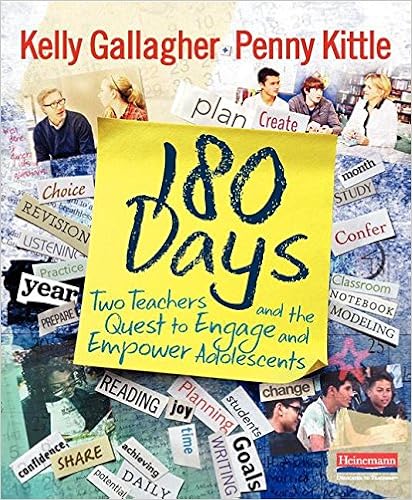
Yesterday, I had the chance to sit down with colleagues and spend some time tentatively mapping out our literacy year.  Inspired by the maps in 180 Days by Penny Kittle and Kelly Gallagher, we thought providing ourselves with an overview of the year meant we would have a better feel for what to plan for.

This map is intended for 45-minute readers workshop followed by a 45-minute writers workshop.  We wanted to make sure that students had two different times to read within the 45 minutes, one chunk of time that was focused on reading for pleasure without any extra “work” attached to it, and one chunk of time where they would be working more on the skills of reading, most often within their own self-chosen texts, but sometimes in a text chosen by us.

We also wanted to make sure that students have time for meaningful embedded grammar instruction, as well as time to free write.

5239614768676864.png

6121185864318976.png

We are a standards-based district and so we have 9 separate ELA standards.  These are not assessed every quarter but are instead assessed at least twice throughout the year so that students can see their own growth.  Here are the standards we have 5327283641122816.png

The students have not started yet, so all of this is aspirational.  I will keep updating it as the year progresses but thought I would share.

There have been a few books that have really shaped my thinking for the upcoming year.  They are

Troublemakers: Lessons in Freedom from Young Children at School by [Shalaby, Carla]

Troublemakers by Carla Shalaby

180 Days by Kelly Gallagher and Penny Kittle

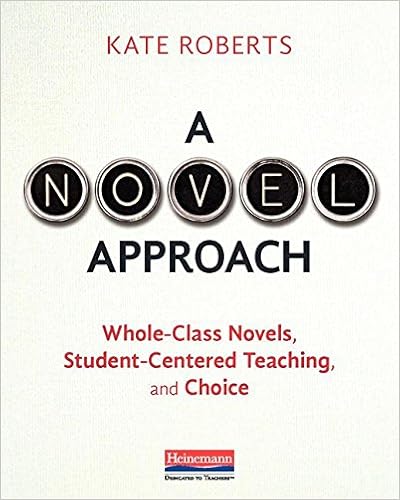
A Novel Approach by Kate Roberts

Being the Change by Sara K. Ahmed

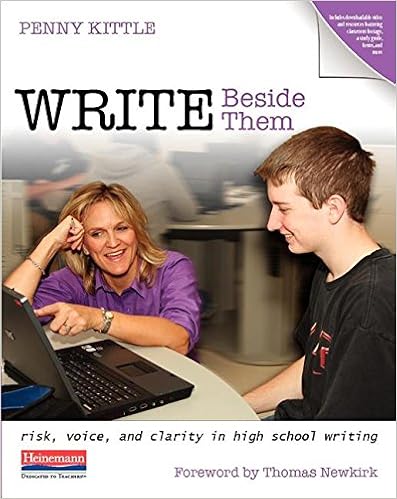
Write Beside Them by Penny Kittle

Image result for mechanically inclined

Mechanically Inclined by Jeff Anderson

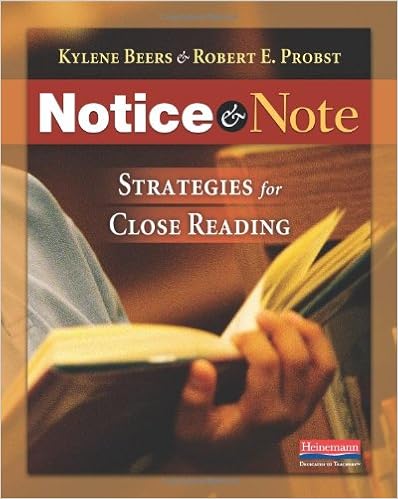
Notice and Note by Kylene Beers and Robert Probst

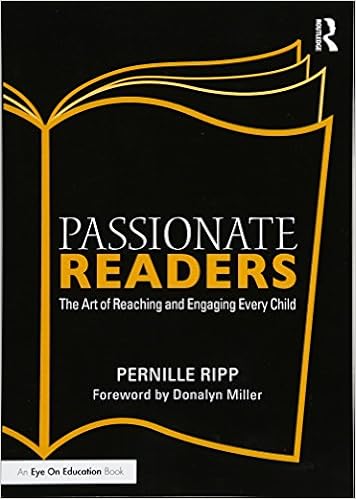
Passionate Readers by myself – weird to say your own book but this book holds my reading beliefs and also my ideas for how to reach our goals.

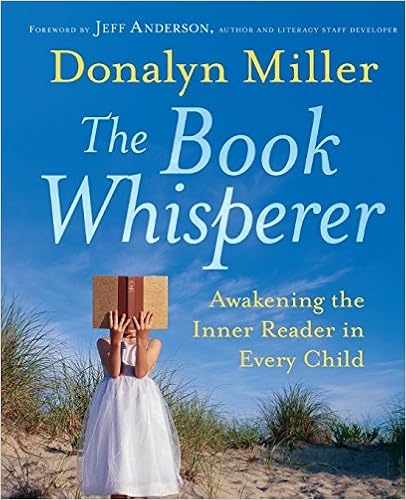
The Book Whisperer by Donalyn Miller

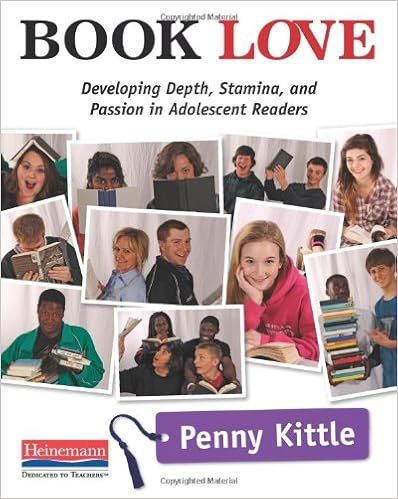
Book Love by Penny Kittle

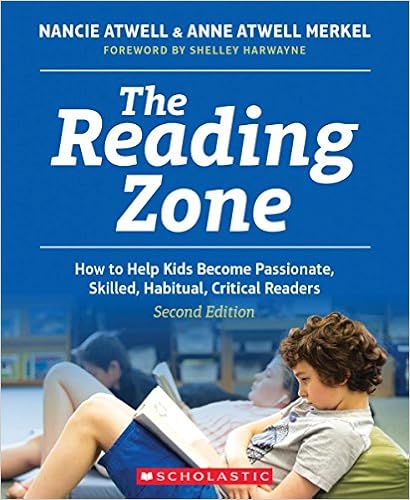
The Reading Zone by Nancie Atwell and Anne Atwell Merkel

If you like what you read here, consider reading my newest book, Passionate Readers – The Art of Reaching and Engaging Every Child.  This book focuses on the five keys we can implement into any reading community to strengthen student reading experiences, even within the 45 minute English block.  If you are looking for solutions and ideas for how to re-engage all of your students consider reading my very first book  Passionate Learners – How to Engage and Empower Your Students.      Also, if you are wondering where I will be in the coming year or would like to have me speak, please see this page.

being a teacher, first day

A True First Day Back

I have been stopping by our classroom, dropping off books, bringing in new yoga balls, rearranging, cleaning, taking the time to do all of those little things that get us started as we think of the year ahead.  As we get excited for the year ahead.  As we plan in our heads, hold on to our dreams, and try to make a path for the year that lies ahead.

I have been thinking about that first day, the almost 80 minutes I will have with each of our new classes as I pour over their names and class lists get settled.  About the type of experience, I want to try to set up for these kids who may be nervous about middle school, who may be excited or not to come back to school.  About that very first day and the first impression that I would like to give these kids.  After all, I want them to feel welcome, I want them to feel safe, I want them to feel challenged, and I want them to want to come back.

That can be a tall order for just a simple first day.

And while there is an abundance of great first day ideas online; puzzles, team building, challenges, no work, no syllabus! I also worry about whether some of these activities set kids up to only disappoint them later.  Do these activities entice kids to think that this year, that our class, will be different than what they are used to – yeah! – but then only to be disappointed the next day when all of the first day “fun” is now gone and the traditional structure of school begins? I guess it depends on the type of classroom we create.  If our class is not one filled with choice, if our class is not one filled with hands-on challenges, if our class is one mostly centered around the teacher but the first day isn’t like that, then what are we trying to make the students believe?

So I think there is a balance to be had.  Yes, of course, get kids excited but at the same time don’t hide the type of class it will be.  Find components that will give students a feel for what they can expect so that they can legitimately start to feel welcome.  Be honest in your expectations and set the groundwork.  Ease back into school but do it through meaningful work.

Besides, it will never truly be about the activities, but always about how the kids end up feeling after being with us.

As for my own first day back?  I am not sure, yet.  There will be picture books, there will be book shopping, there will be choice and there will be conversation.  There will be a chance for us to feel each other out and for students to start to fill in the gaps of what this year may be like.  I still have a few weeks left of summer to dream, we shall see what happens.

If you like what you read here, consider reading my newest book, Passionate Readers – The Art of Reaching and Engaging Every Child.  This book focuses on the five keys we can implement into any reading community to strengthen student reading experiences, even within the 45 minute English block.  If you are looking for solutions and ideas for how to re-engage all of your students consider reading my very first book  Passionate Learners – How to Engage and Empower Your Students.      Also, if you are wondering where I will be in the coming year or would like to have me speak, please see this page.


being a teacher, first day, first week, Reading, Reading Identity

Questions to Assess our Classroom Library Before Back-to-School

I have been spending some time in my classroom these last few weeks. Getting ready,  getting excited.  At the end of last school year, I moved all of our bookshelves, rearranged the furniture, and tried to update this little space that hopefully becomes our space as it is filled with students.  Tried to create some sort of new space that would shape the experiences we are bound to have; places to gather, places to pull away.  Slowly, but surely, it is starting to come together.

The tables stand ready, the ideas are too, but the books? They are not ready.  Not yet. They beckon to be looked at, sorted, re-displayed, and yes, even gotten rid of.  New readers mean new book adventures ahead, new needs arising for the kids I am entrusted with, new relationships waiting to happen.  Weeding through my classroom library is always a must before the beginning of the year.

Books are an extension of our beliefs and so when students enter into our school or classroom libraries, they become the very first indicator of who we are and what we believe in.  They are a direct reflection of which type of reading experience we want o create with our students.  Which type of teacher we are.  What we hold dear, what we value.  This is why book displays cannot and should not be haphazardly put together.  This is why we must look at the books we bring in, the books we offer up for students to experience, and see which experience they are actually creating.

So to go through our classroom library, I ask myself the following questions starting with the fairly simple to the more in-depth.

How do the books look?  Which books are falling apart and need to either be thrown out or replaced?  Which books have really outdated covers that are preventing them from being read?  How about text size and font?  For books that I know would be read but might not be because of “outside” factors, I create a replacement wishlist.

How do the bins look?  Just like the books, some of our bins get fairly beat up, do they need to be replaced?  Relabeled?  Moved around?

How is our overall organization?  Because our library is one based on genres and sub-genres, these are changeable, meaning if I feel like we have a large collection of some books perhaps they need their own sub-genre?  Perhaps a genre is not being read and needs to be reorganized?  That also includes which bookshelves the bins are on, are they being read where they are or do they need to be moved somewhere else?

How is our checkout system?  Ours is a simple one – paperbacks you just grab, hardcovers you give me the dust cover with a post-it with your name on it and I file it away until the book is brought back.  Will this still work for the students I have?

How will I introduce our library?  Students will bookshop on the very first day of school with piles of books awaiting them on the tables but how will they be introduced to our library?  This year, as in past years, it will be an actual lesson on book-shopping, yes, even in 7th grade, and an exploration of different genres as we start our to-be-read list.

Will this book be read more somewhere else?  Sometimes when we have a book abundance problem, books are simply not being discovered.  So looking through and pulling books you wish students were reading but they aren’t and then handing them to another teacher may just get that book back in circulation.  This is also a great way to create space for incoming books in your library because chances are you will be adding more books this year.

Whose stories are being represented in our library?  And whose stories are not?  Where are my book gaps, which genres of books or authors do we not have a lot of?  Can all children find windows, mirrors, and sliding glass doors to quote Dr. Rudine Sims Bishop.

Not just whose,  but how are people’s stories represented?  Are we only representing the Native experience as a thing of the past?  Is the African American experience only represented through slavery, Civil Rights, or police brutality?  Are all the books featuring everyday things featuring white characters?  This is an ongoing assessment that needs to be attended to with every book purchase we make.

Do we have harmful representation?  Back to school is also a good time to be on the lookout for problematic text.  Knowing what is being questioned in the wider literary world is really important and provides us with a chance to learn.  I think about books like Little House on the Prairie or even newer books that come out that may not be healthy to have in our libraries.  I turn to people like Debbie Reese and Edi Campbell to guide me in this work.

Which books are you blessing?  Critically evaluate which books are on display whether it is first in a bin or on an actual shelf.  Whose experiences are you highlighting?  Whose voices are you urging others to read?  I take a lot of time pulling books and displaying to offer our students a varied reading experience from day one.  I want them to see the possibilities in our classroom library of what types of reading experiences they can have and that starts with all of the books enticing them.

As summer winds down and the school year beckons, I am excited to meet the kids that will soon become part of our family.  I am excited to help them have meaningful experiences with text that will help them in their reading lives.  I am excited to see who they are and how they will grow this year.  This work starts in our library, in what is the heart of our classroom, so it needs to be ready for all of the readers that are coming our way.

If you like what you read here, consider reading my newest book, Passionate Readers – The Art of Reaching and Engaging Every Child.  This book focuses on the five keys we can implement into any reading community to strengthen student reading experiences, even within the 45 minute English block.  If you are looking for solutions and ideas for how to re-engage all of your students consider reading my very first book  Passionate Learners – How to Engage and Empower Your Students.      Also, if you are wondering where I will be in the coming year or would like to have me speak, please see this page.

being a teacher, new year

Our Welcome Poster

Last year, I took a quote from a blog post I wrote and made it into a poster.  The quote was simple but a powerful reminder to anyone who walked into our room about the worth of the very kids that showed.  A powerful reminder to me on days where I felt like I was not enough.  A powerful reminder to kids when they felt that perhaps school was not a place for them.  The poster I made was small but hung proudly outside of our room all year.

This year, I needed a bigger poster.  Same message, but larger.  Something that would be harder to miss.  So my husband, who is my partner in everything, made me one.  I shared it on Instagram and Twitter and now others would like to use it.  So here you are

Feel free to use but please give credit.  And then believe it, every day, every kid, even when it is a hard day.  That would be the best gift of all.

Here is the link to the file, I just ordered a poster print through Walgreens.  If you use it, let me know, I would love to see it out in the wild.

being a teacher, books, picture books

Our Favorite First Week of School Picture Books

For the past many years, our first day of school has included a read-aloud of a picture book.  This central part of our classroom journey starts us off right, inviting students in to share a moment of wonder, of laughter.  It starts discussions and sets the tone for the year to come.  This is why selecting the first picture book to read aloud is such a big deal for me; what tone do I want to set?  Which book will help students gain an ounce of trust when it comes to the experience we are about to embark on?  Usually, I have students choose the book they want me to read aloud to them, sometimes I choose for them, but in case you need a few ideas, here are the picture books I love choosing from.

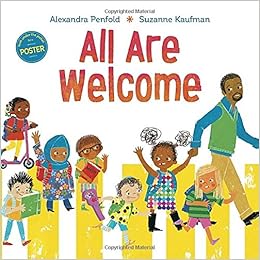
All Are Welcome by Alexandra Penfold and Suzanna Kaufman

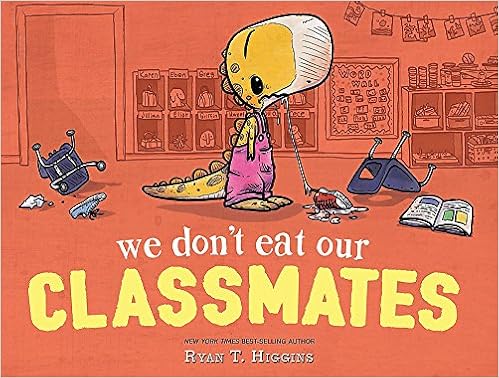
We Don’t Eat Our Classmates by Ryan T. Higgins

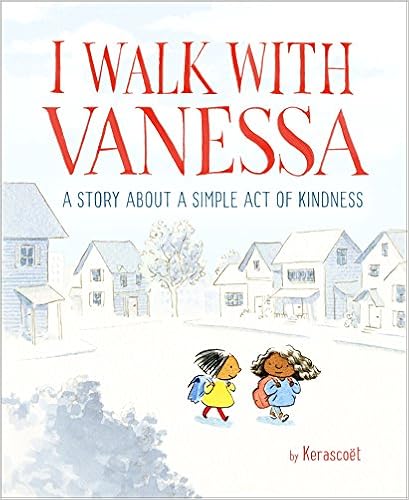
I Walk With Vanessa by Kerascoet

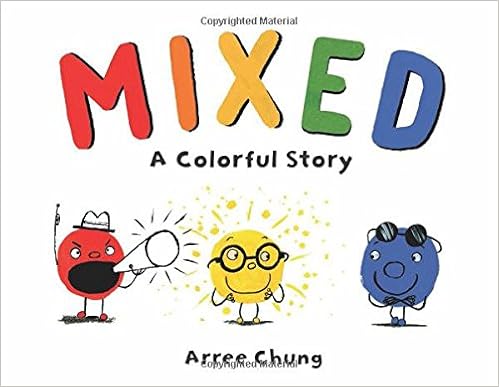
Mixed – A Colorful Story by Arree Chung

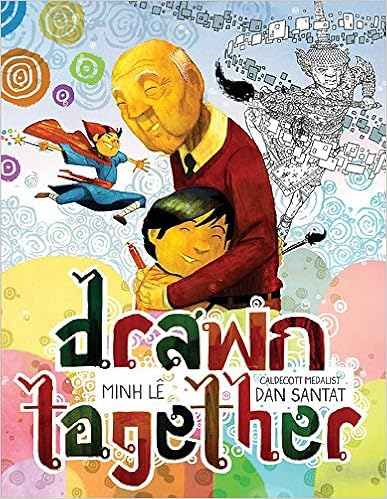
Drawn Together by Minh Le and Dan Santat

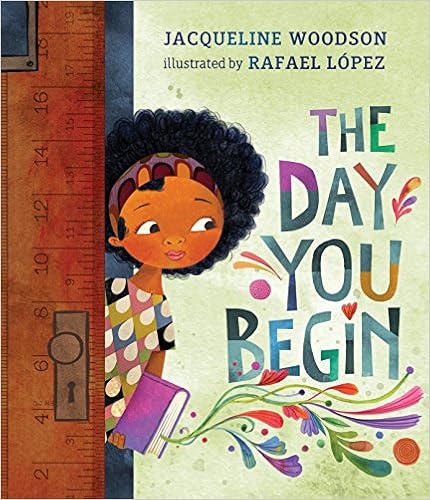
The Day You Begin by Jacqueline Woodson and Rafael Lopez

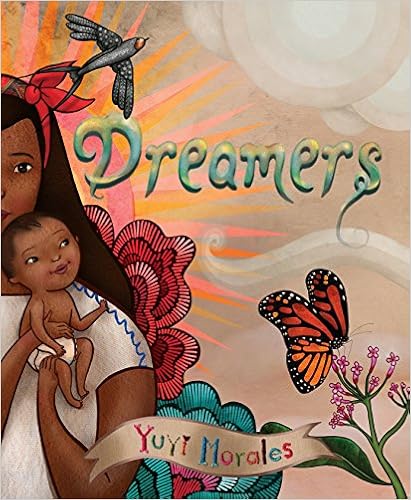
Dreamers by Yuyi Morales

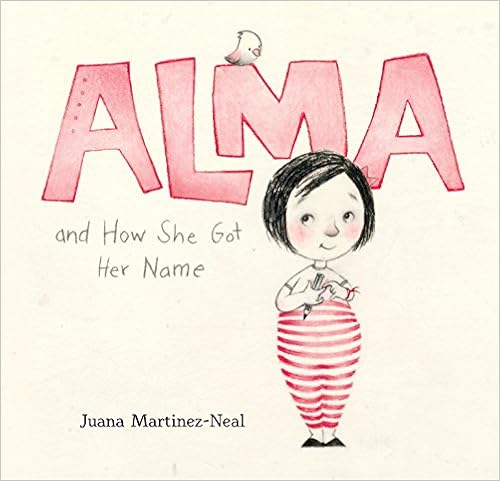
Alma and How She Got Her Name by Juana Martinez-Neal

Image result for what if picturebook

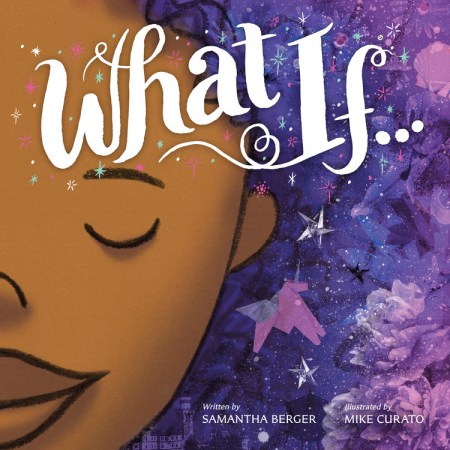
What if by Samantha Berger and Mike Curato


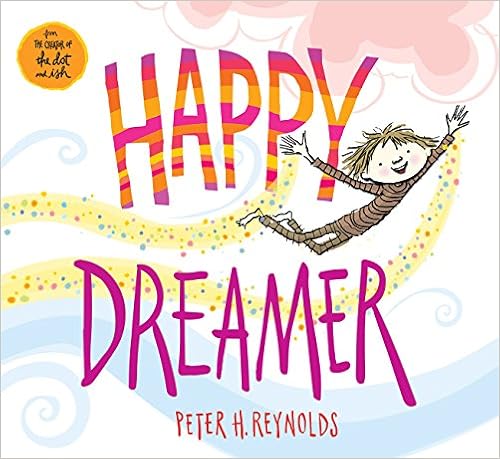
Happy Dreamer by Peter H. Reynolds

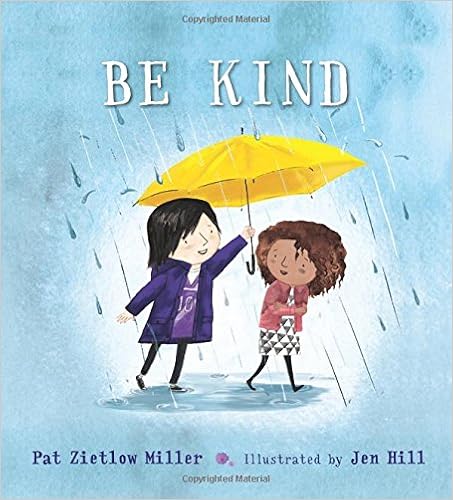
Be Kind by Pat Zietlow Miller and Jen Hill

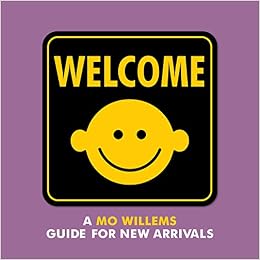
Welcome: A Mo Willems Guide for New Arrivals

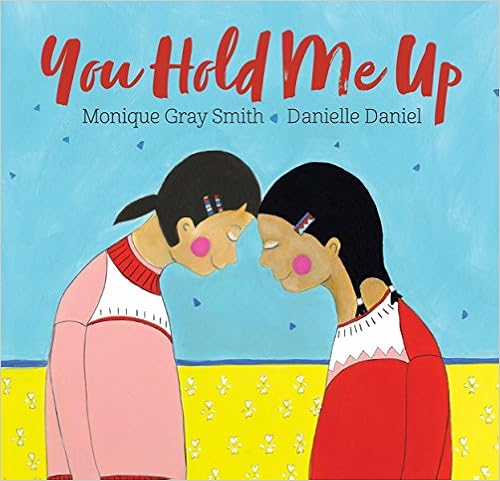
You Hold Me Up by Monique Gray Smith and Danielle Daniel

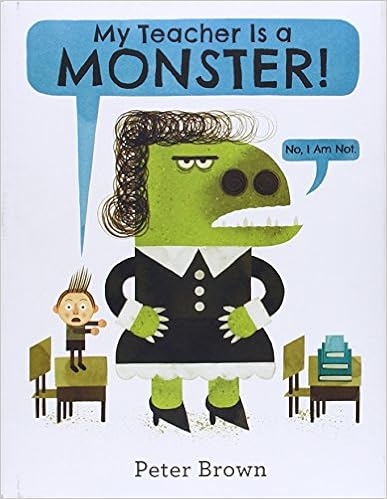
My Teacher is a Monster (No, I am Not) by Peter Brown

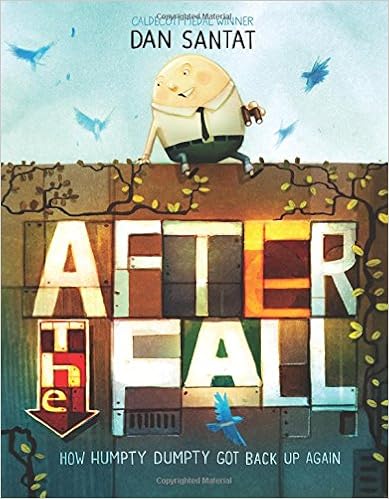
After the Fall by Dan Santat

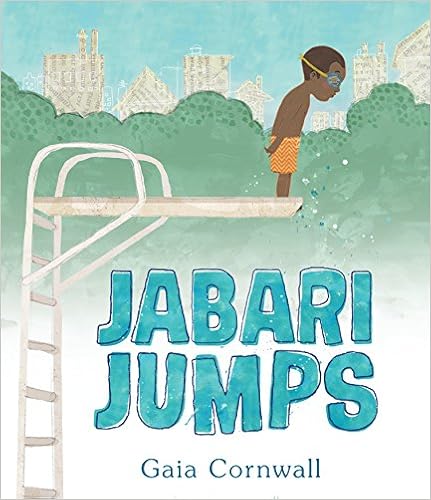
Jabari Jumps by Gaia Cornwall

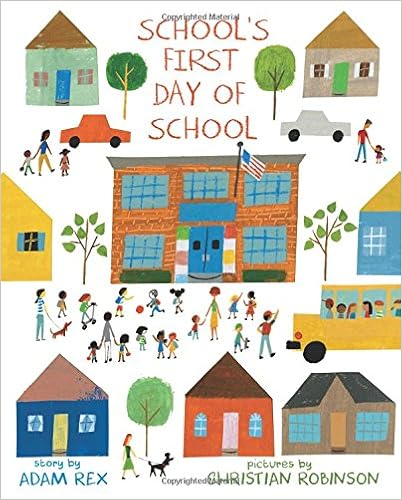
School’s First Day of School written by Adam Rex and illustrated by Christian Robinson

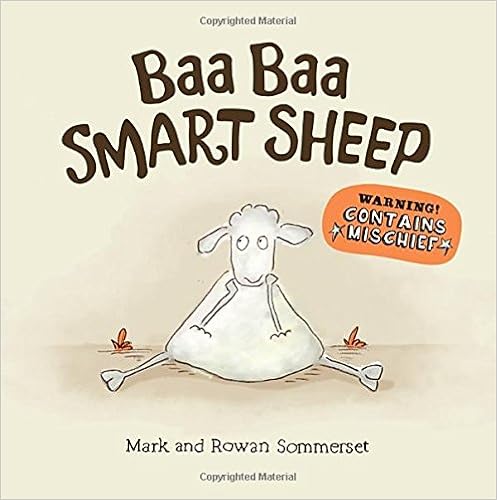
Baa Baa Smart Sheep created by Mark and Rowan Sommerset

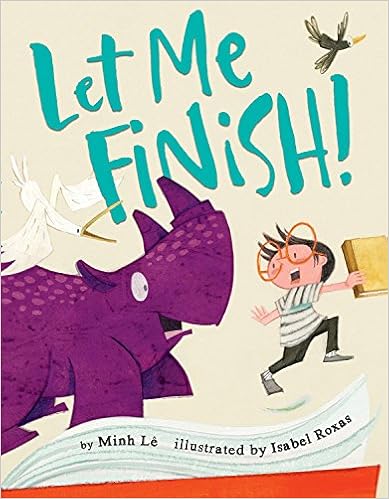
 Let Me Finish written by Minh Le illustrated by Isabel Roxas.


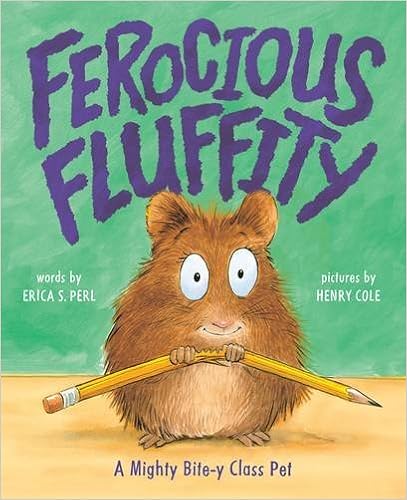
Ferocious Fluffity written by Erica S. Perl and illustrated by Henry Cole

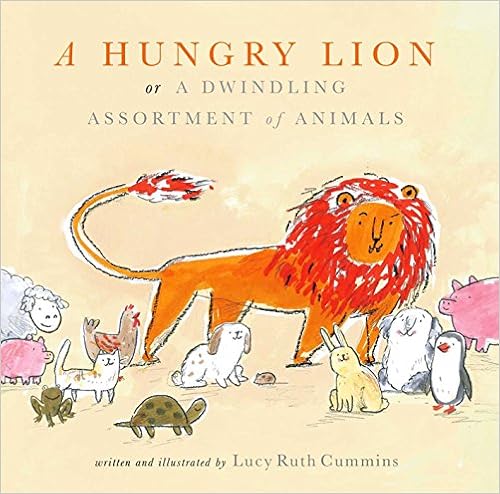
A Hungry Lion or A Dwindling Assortment of Animals by Lucy Ruth Cummins

being a teacher, being me, Reading, Reading Identity

On Not Being a Reader…Yet

35519193_1689581261091480_3868576016733569024_n (1).jpg

She tells me she doesn’t want to go to first grade.  That she no longer wants to be a first grader.

This child who loves school.

This child who loves her teachers.

This child who has been beaming since the day she realized that after kindergarten came first grade, another year to learn, another year to grow.

And yet, here she is, declaring that for her school is no longer where she wants to be.  So I ask, what changed?  Why not?  And she gets a little quiet, sinks a little bit into my body, snuggles up as if the secret is hard to carry and tells me quietly, “I don’t know how to read…”

Because in her mind, all first graders know how to read.  Because in her mind all first graders know how to look at a book and automatically unlock all of its secrets just like that.  And why shouldn’t she?  Hew twin brother, 21 minutes younger, is already deciphering words, putting letters together to uncover the mystery of the page before him.  Asking me what this word means.  How to spell this word.

And yet she sits in front of a page still working through her letter sounds, trying to remember the foundational blocks before she pieces them together.  She sits in front of a page and instead of seeing opportunity she sees something that she cannot conquer, that she has not conquered, despite now being an almost first grader who supposedly should have conquered it.

I realize that once again, our well-meaning intentions, those benchmarks we put in place to ensure every child is a success has claimed another temporary victim whose self-esteem now relies on a part of her that her brain simply isn’t developmentally ready for.  Because that’s it.  There is nothing wrong with her capabilities.  Nothing wrong with her skills.  Nothing wrong with that smart brain of hers, other than that it is not ready.  Not ready right now, no matter how many district mandates tries to say she should be, but she will be.

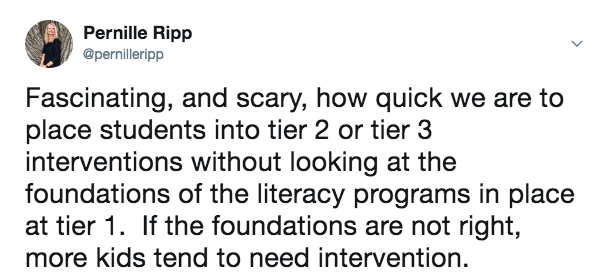
And so I wonder how often do we lose kids within our standards?  How often do we add labels because of a rigid system that tells us not only how each child should learn but also when and then lets us decide that a perfectly fine child is now behind.  How often do we, because of outside forces, lose a child’s place in school because a chart, a book, a system, told us that the child was lost.

I will tell you this, much like I told my Ida, she is a reader.  She is a reader who is figuring it out.  She is a reader who is growing.  But more importantly, she is a child.  A child who will read when she is ready.  Who is ready for first grade despite the benchmarks reminders of what she should be able to do.  She is ready and until the first day of school, and for every day after, we will snuggle into bed together with a book, reading the pages together, developing at the pace that was intended.  Not the one dictated by something that will never know the nuances of my child.

If you like what you read here, consider reading my newest book, Passionate Readers – The Art of Reaching and Engaging Every Child.  This book focuses on the five keys we can implement into any reading community to strengthen student reading experiences, even within the 45 minute English block.  If you are looking for solutions and ideas for how to re-engage all of your students consider reading my very first book  Passionate Learners – How to Engage and Empower Your Students.      Also, if you are wondering where I will be in the coming year or would like to have me speak, please see this page.