being a student, being a teacher, inspiration, Student dreams

What Drives Your Instruction?


http---www.pixteller.com-pdata-t-l-359318Once in awhile I have the honor of having other educators visit our classroom, room 235D.  While it is always nerve-wracking to have strangers watch you teach and ask your students questions, it always leaves me feeling so very grateful for the district I teach in, for the colleagues I have, for the students I teach.   Yesterday was no different as I heard the students explain why we start with reading, why books matter to them, and what learning in this classroom looks like.

Later in conversation, I was asked what drives our instruction?  Having only 45 minutes to teach all of English, what is our ultimate goal?  How do we possibly fit it all in and feel like we are not just getting things done? Before I talked about the standards that shape our choices.  Before I talked about how our quarters are split up on their focus.  Before I talked about the power of choice when it comes to what we teach, before I talked about how we listen to the kids in order to make it about them again, I knew what the answer was.

What drives our instruction?  Helping kids fall in love with reading and writing (again).

Not the Common Core.  Not the standards.  Not covering content or getting-things-done.  Not checklists, nor grades.  Not comprehension or skills.  Not things, nor projects.

Love.

And not just love for reading, for writing, for speaking, but for being immersed in an environment that focuses on learning for human development.  Not for test scores, next year, grades, or honor rolls.  Not for rankings or best of lists.  No.  What drives our instruction is much more simple, yet so much bigger.

Being a teacher isn’t just about teaching things, it is about teaching human beings, and those human beings need to know that what we do is bigger than a skill.  Bigger than a subject.  Bigger than getting through 7th grade.

So what drives your instruction?  What would the students say?

If you are wondering why there seems to be a common thread to so many of my posts as of late, it is because I am working on two separate literacy books.  While the task is daunting and intimidating, it is incredible to once again get to share the phenomenal words of my students as they push me to be a better teacher.  Those books will be published in 2017 hopefully, so until then if you like what you read here, consider reading my book Passionate Learners – How to Engage and Empower Your Students.  Also, if you are wondering where I will be in the coming year or would like to have me speak, please see this page.

being a teacher

Do You Do Global Collaboration with Your Students? Please Take this Survey

As part of my next book , which centers on global collaboration through a literacy lens, I am looking to highlight amazing teachers around the world that are doing just this; creating opportunities for their students to collaborate with others in their literacy instruction.  I am looking for all grade levels anywhere in the world.  The projects can be long or short, cross-curricular or not.

The survey should not take long but would help me showcase just how doing globally collaborative projects with students greatly enhances their learning experience.  Please feel to share this post with others who may be interested.

Thank you from the bottom of my writer’s heart.

Pernille

being a teacher

Why I Taught My Students to Email (And Maybe You Should Too)

I don’t know why it hadn’t hit me before this year; many of our students do not know how to email.  I shouldn’t be surprised.  After all, how many one line emails with little capitalization, no greeting or ending, and usually little specificity must one sit through before they get the message.  And yet, it took me 8 years to realize that most students use email as a way to text and that teachers everywhere must be shaking their heads just like we have.

So this year, on the day back after spring break, we took 20 minutes to learn how to email better.  It was so simple; students logged into their own email accounts and pulled up sent emails to teachers.  A few were willing to share and I then shared a few myself that I had received.  Some students laughed, others winced, but right away they started to see how their message could be read.  How their intent could be misread and how in their endeavor to be efficient had forgotten what it meant to communicate well.

We then discussed how email is not like a text message, that while they may not use email much now except to communicate with their teachers, they really need to know how to write one anyway.  That there is no excuse for being rushed or impolite when we speak to others and that email a conversation, albeit an electronic one.

We then spoke of the 6 steps to write an email:

  1. Specific subject matter to alert the purpose
  2. A greeting where the recipients name is correctly spelled.
  3. A nicety to begin the body of the email; how are you can go a long way to start a pleasant conversation.
  4. Specificity in their request.  Not just “I need help,” but instead “I need help with…” and also including when they are available and would like to meet.
  5. A wrap up sentence thanking for help or time.
  6. An ending with their own name attached.

Students were then asked to email a teacher following the guidelines either asking for help, checking in on an assignment or simply reaching out.  While this is not written anywhere in my standards, I feel that it was time well-spent.  We may not have changed the world today, but as one student wrote today (in his email to me).

“Hi how are you doing, this email assessment is in my opinion is pretty cool. I think this will help with how I write my emails. I used to always do text message like emails with one sentence. Now I think with this new email format you showed us it will help me do better at writing emails to teachers or anyone.

Sincerely,…”

Sometimes it is, truly, the little things…

If you are wondering why there seems to be a common thread to so many of my posts as of late, it is because I am working on two separate literacy books.  While the task is daunting and intimidating, it is incredible to once again get to share the phenomenal words of my students as they push me to be a better teacher.  Those books will be published in 2017 hopefully, so until then if you like what you read here, consider reading my book Passionate Learners – How to Engage and Empower Your Students.  Also, if you are wondering where I will be in the coming year or would like to have me speak, please seethis page.


being a teacher, books, Literacy, picture books

Picture Books that Celebrate Books and Libraries

It is no surprise that my own four children are picture book lovers.  When a package arrives in the mail, they gather around me hoping that within in it will be a book for us to read together.  If there is, we take the books, sit on the floor and read them right away.  They fight me over which books stay at home and which go to my classroom.  They have stacks by their beds, they have stacks in the car, they have stacks in the living room.  We are surrounded by books, but even though we own many, we still love our beautiful public library.  We visit once a week or so and always leave with a stack of books, eager to explore these newfound treasures.  So I am delighted to showcase a list of must read picture books that celebrate books and libraries.

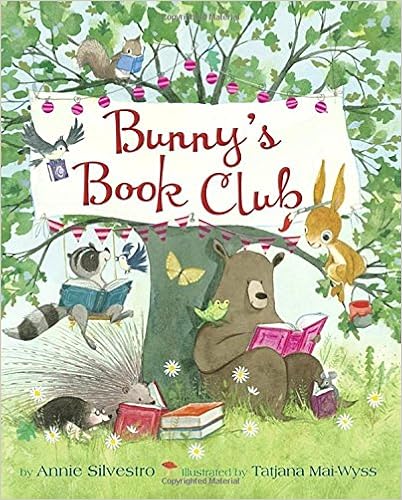
Bunny’s Book Club by Annie Silvestro (Author), Tatjana Mai-Wyss (Illustrator).  I had this book book-talked to me and immediately placed it on my wish list.  Yes please to a bunny that sneaks into the library through the return slot because he needs his books.  Then Annie Silvestro contacted me and asked if I would like a copy of it, of course!  I was not disappointed.  What a great picture book to discuss the importance of library, to talk about book clubs and just to love reading.

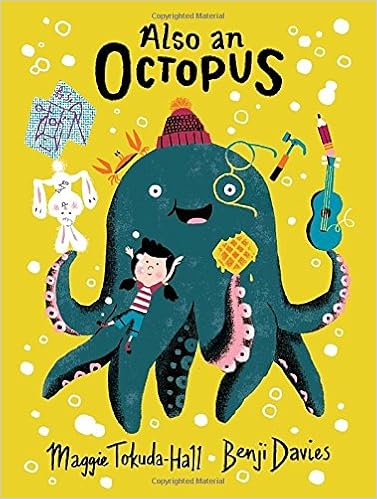
Also an Octopus by Maggie Tokuda-Hall and illustrated by Benji Davis is perfect for thinking of how we craft stories and the elements we need.  The illustrations are playful and the story itself is informational and whimsical.

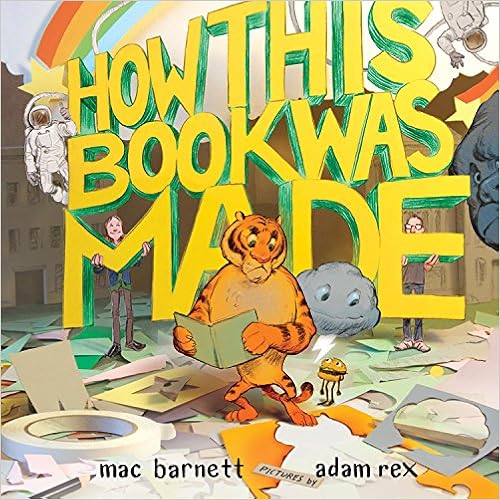
I wonder how many Mac Barnett books I have featured on this blog, his latest How This Book Was Made illustrated by Adam Rex is perfect for discussing writer’s and illustrator’s process.   I am so thankful for their genius.

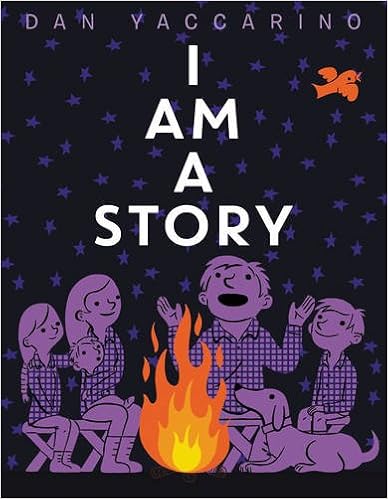
I love how I Am A Story by Dan Yaccarino urges us to think of how far stories have travelled and how they shape our society.  I love the illustrations paired with the unfolding of story, fantastic for setting up writer’s workshop at any age.

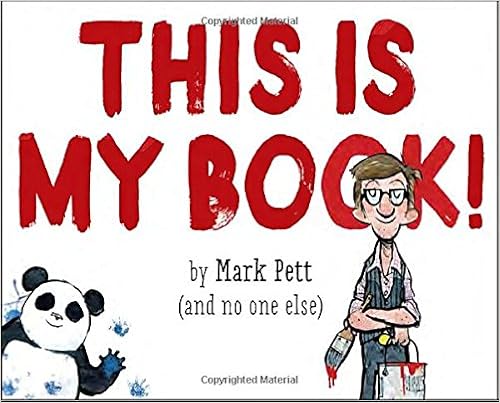
This Is My Book! by Mark Pett (and no one else) is laugh out loud funny.  I especially enjoyed the interplay between the author and the panda.  Kids are sure to appreciate the message but also how well it is portrayed; who really creates the story and how can we co-create?

51A9N2jprZL._SX463_BO1,204,203,200_

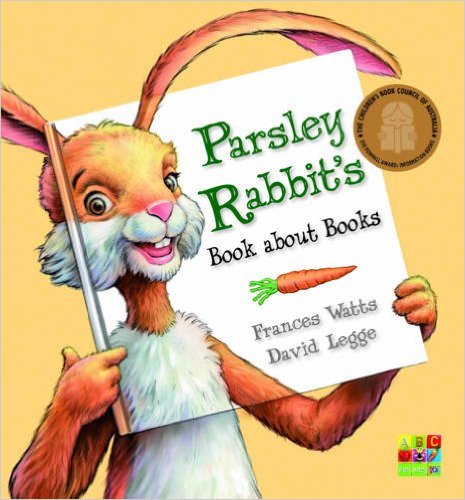
How about a picture books that actually explains the features of a picture book?  Parsley Rabbit’s Book about Books by Frances Watts and David Legge does just that and does it so very well.  While this definitely belongs in the hands of younger children, I plan to show it to my 7th graders too as a way to prompt discussion on creative ideas.

51QTYrPAJBL._SX410_BO1,204,203,200_

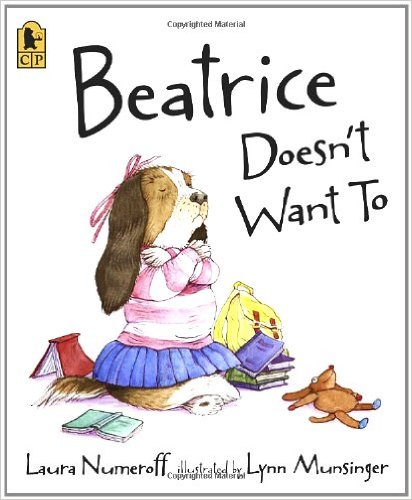
Laura Numeroff is a beloved author in our house so we were delighted to receive Beatrice Doesn’t Want To, a book that is all about a little dog that does not want to go to the library, nor read any books.  I laughed when I thought of how I have seen this play out in my own life.

61stoIMInfL._SX445_BO1,204,203,200_

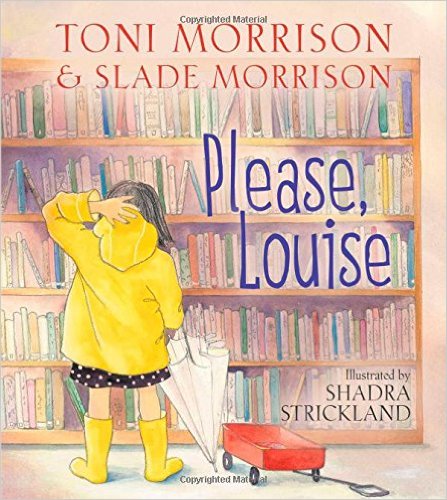
I love that Toni Morrison and Slade Morrison wrote Please, Louise because it illustrates so beautifully how much a trip to the library can change your life.  It truly turns any boring day into one filled with adventure.

6107FZYqVDL._SX496_BO1,204,203,200_

Another great book to illustrate what a library does and what it can do for you is Library Day written by Anne Rockwell and illustrated by Lizzy Rockwell.

51cO2NL+e2L._SX466_BO1,204,203,200_

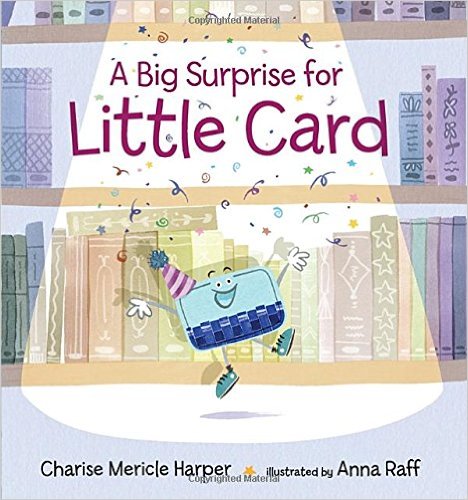
This whimsical tale of a card that doesn’t know its place in the world until it is revealed it is a library card is a wonderful way to celebrate not just the magic of libraries, but also about figuring yourself out and how you can make others happy.  I have a copy of A Big Surprise for Library Card by Charise Mericle Harper and illustrated by Anna Raff both at home and in my classroom because it deserves to be read by many ages.

517CT-RGXEL._SY356_BO1,204,203,200_

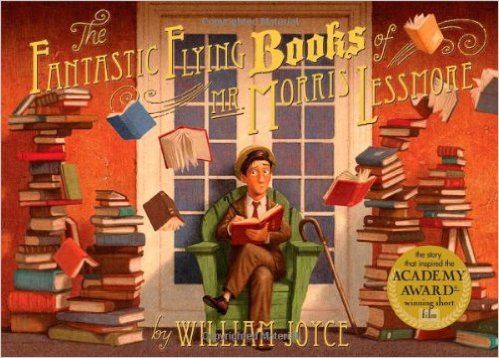
I read The Fantastic Flying Books of Mr. Morris Lessmore by William Joyce aloud every year and every year I get little choked up.  It is an incredibly beautiful story and metaphor for life.  It is also a great picture book to use for theme and inference.

51krIDxSt9L._SX378_BO1,204,203,200_

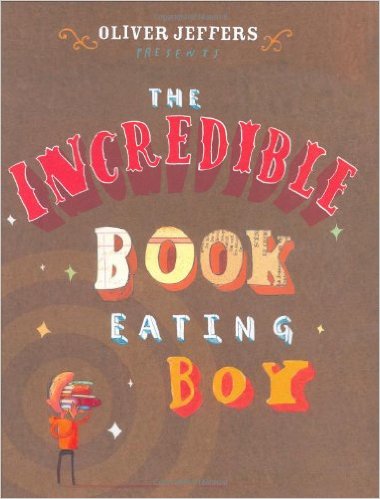
Another incredible picture book that can be used to discuss metaphors and inference is The Incredible Book Eating Boy by Oliver Jeffers.  This book is fun to read aloud and makes students think about the power of a great book.

51Dqp6R3NaL._SX395_BO1,204,203,200_

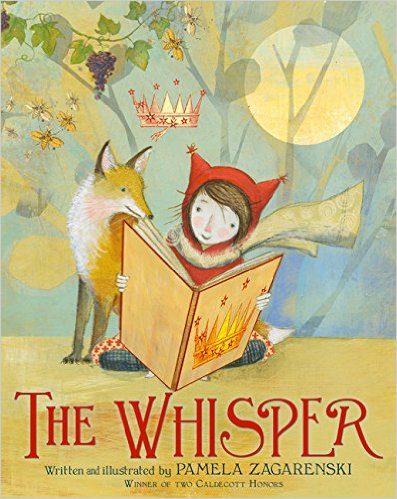
The Whisper by Pamela Zagarenski is beautiful both in text and in the illustrations.  Using a book whose words fall out as a way to discuss imagination is a marvelous way to get students thinking more creatively.

51PQX-rYjrL._SX429_BO1,204,203,200_

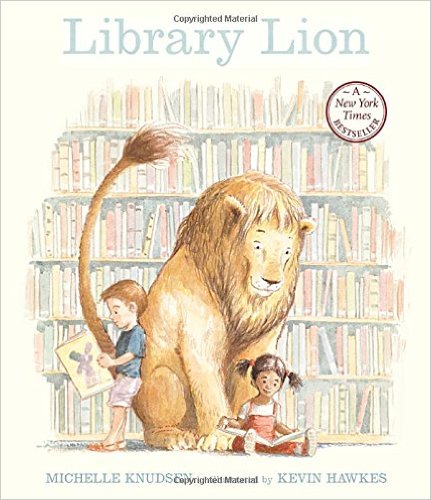
I don’t know how it took me 9 years to discover the story of Library Lion by Michelle Knudson and illustrated by Kevin Hawkes.  The story of a lion who doesn’t quite know to fit into the library yet so wants to be a part of the book community is one that is sure to resonate with many of our readers.

41+KeoMFQ+L._SX388_BO1,204,203,200_

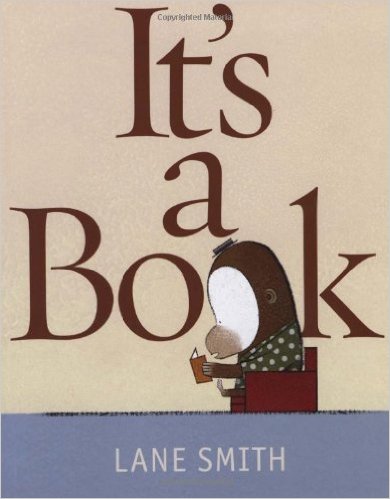
I read It’s a Book by Lane Smith every year to my students and it never fails; they always laugh out loud.  What a great way to start discussing why we read and what books can do for us.

51ryaps-JJL._SX419_BO1,204,203,200_

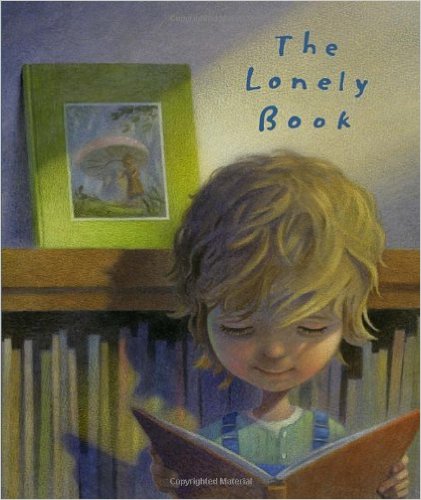
While The Lonely Book by Kate Bernheimer and illustrated by Chris Sheban is the story of a book that sits forgotten, the theme of this story is so powerful for students.  This book also leads to great conversations about which books we carry in our hearts long after we read the, this is therefore a great book to start your book community with.

51zduq4LKsL._SX387_BO1,204,203,200_.jpg

How many times has a child told us they hate reading and there is nothing we can do that will change their mind?  Miss Brooks Loves Books (And I Don’t) by Barbara Bottner and illustrated by Michael Emberley is for all of those kids and the teachers who refuse to give up.

51JGg4dJ12L._SY479_BO1,204,203,200_.jpg

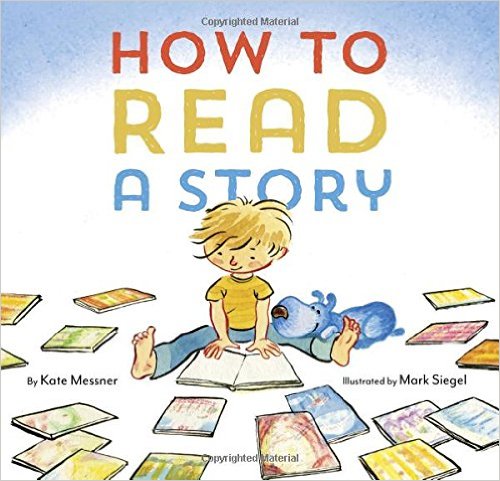
I have been a loud Kate Messner fan since she was a Global Read Aloud author several years ago.  I was therefore thrilled to use one of her latest picture books How to Read A Story with my  7th graders this year as we started to lay the foundation for our reading community.  How to read a story in  our classroom was a great conversation to start the year.

51EHNamczJL._SX375_BO1,204,203,200_

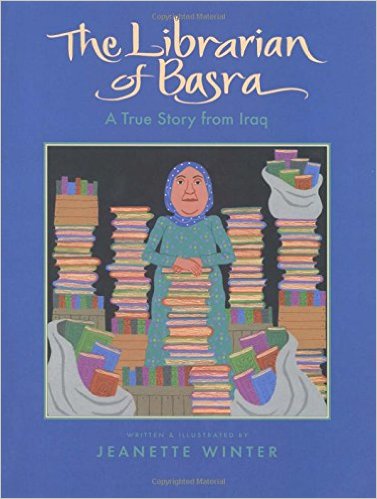
A book I have been meaning to re-purchase is The Librarian of Basra – A True Story from Iraq by Jeanette Winter.  My students could not believe the story when I read it aloud and it worked as perfect spring-board into a discussion of the war in Iraq and what it means to live in a country at war.

This post could feature another 20 books at least but I would rather hear from you.  What are your favorite books about books and libraries?

If you would like to see more of our favorite books, please go here.

If you are wondering why there seems to be a common thread to so many of my posts as of late, it is because I am working on two separate literacy books.  While the task is daunting and intimidating, it is incredible to once again get to share the phenomenal words of my students as they push me to be a better teacher.  Those books will be published in 2017 hopefully, so until then if you like what you read here, consider reading my book Passionate Learners – How to Engage and Empower Your Students.  Also, if you are wondering where I will be in the coming year or would like to have me speak, please seethis page.

being a teacher, Literacy, writing

Are We Creating Writing Communities?

http---www.pixteller.com-pdata-t-l-351749

I swore after Passionate Learners 2nd edition came out that I would not write any more books.  That it would be a long time before I wrote anything else besides on this blog because who did I think I was?  Why did I feel that I had anything at all to write and give to others?  Yet, sometimes opportunities arise that we cannot say no to, where we wake up with this little idea in our head and then all of a sudden it turns into a bigger thought and we find ourselves questioning, and pondering, and then writing in our mind at all times until we know that perhaps there is a book in there somewhere.

I said yes to those ideas and now find myself writing two separate books, with the same deadline of May 30th, within the same realm (literacy), and I have been pulling my hair out trying to find just the right words, to make it worth anyone’s time, to make it fresh, and I must admit; it has been an excruciatingly hard process.  Sleepless nights, frustrations, and imposter syndrome has haunted me for the past few months.  It has not been pretty, and yet, within the process of writing, I have uncovered a few realizations of what our students must face when they write, of how frustrated they must feel at times when we tell them to just write, to just create, to just get something down and do this assignment so we can assess them.  These realizations are causing me to question the very process that we use when we teach writing and ponder how we can make it better.  How we can make it work for every child and not just those that already seem to have figured this writing thing out.  Because I don’t think I am doing enough to really teach real writing, so these are my driving questions.

Do we know who our students are as writers?  Do they?  Is there time within our curriculum to really get to know students, and also for them to get know themselves better, so that what they write is meaningful to them.  And not just when they write a personal narrative, but is there a personal lens of the world present in some way in anything they write?  Can we see the individual in the assignment or are they all the same?  My struggle has been to stay true to myself while still adapting to the purpose, to write a book that feels like my book and not just a poor imitation of other people’s work.  Are we allowing our students to infuse their writing with their own personal essence or do they even know who they are as writers to do this?

Do we allow them ownership over the process?  I do not follow a linear path when I write and never have.  Yet, in our classrooms we often expect students to follow the same path and move along at the same pace.  This does not lead to more authentic writing, nor does it lead to most students even identifying as writers.  So why do we keep doing it?  Do we discover, discuss, and reflect on each other’s writing processes?  Do we find beauty within the varied ways that students create while still exposing them to many styles?

Do students understand the purpose of the writing?  One of my largest struggles has been that my purpose for one book kept shifting, that what started as one idea morphed into another and it shows in the disjointed chapters and unclear thoughts.  Do we allow time for students to just think of what they are trying to create, not just the how? Do we plan time to discuss and dissect the why as a community?  Do we give them time to sketch out or discuss or create in such a way that they are not committing themselves to a product just yet, but instead feel like they can explore various options, even when we have curriculum to teach and content to cover?

Do we edit with kindness?  I have faced reviews and edits where only flaws were discussed, all in the spirit of fixing my mistakes, yet it wears you down.  After a while it plants doubt as to your own writing ability and these doubts can soon create writers block.  When we edit with students do we know what we need to protect?  Do we know what is most important to them?  Do we speak genuinely of their strengths or get right to the parts that need fixing?  Are there parts that we leave alone because in the grand scheme of things it may not be important?

Do we set up time for them to be immersed?  The only reason any book is being written is because I have scheduled it in every single night (30 minutes at least).  I find comfort within the routine and also a determination to finish the draft.  Every night I make progress, even when it is painful, yet in our classrooms we are so dictated by our schedule and timelines that we often push students to create, to produce, just so we can move on. How do we give students time to explore and write every day when we are faced with the constraint of 45 minutes and so much to learn?

Do we encourage writing partnerships?  My mother edits my work and my friends discuss ideas with me.  Writing can be a vulnerable process so do we allow students to self-select writing peers within our community?   Do we give them the time and flexibility to use each other as writing partners, and not in a conscripted way, but in a way that works for them?

Do we create room for their emotions?  There have been nights of wringing my hands over the computer trying to find just the right words where only the assurance of my husband that I am not a fool for trying to write has helped me come back to the dreaded process.  Where I have had to take a deep breath and realize that the reason these books weigh so much in my life is because I care deeply about their message.  That within my emotional reaction to the process is evidence of its importance.  Do we create writing communities where students are encouraged to become emotionally attached to what they create or do we simply not have time?  Do we encourage them to use those emotions as a way to fuel their writing and their own self-discovery?

I still have a hard time calling myself a writer, even with 3 books published and more than 1300 blog posts written.  I still feel like a fraud every time I tell someone that I write, almost as if the title has not been earned just yet, and don’t get me started about considering myself an author, I am long way from that one.  So how do our students feel in our writing communities?  Do we embrace and discover the whole process of what it means to write, to be a writer, and use it as a strength when we develop our craft or do we skip over it as we try to get students to write?  Are we truly creating communities of writers or do we just teach writing?  There is a huge difference.  The choice is ours.

If you are wondering why there seems to be a common thread to so many of my posts as of late, it is because I am working on two separate literacy books.  While the task is daunting and intimidating, it is incredible to once again get to share the phenomenal words of my students as they push me to be a better teacher.  Those books will be published in 2017 hopefully, so until then if you like what you read here, consider reading my book Passionate Learners – How to Engage and Empower Your Students.  Also, if you are wondering where I will be in the coming year or would like to have me speak, please seethis page.

being a teacher, Literacy, Reading, Reading Identity, Student dreams, student driven

I Don’t Read…Thanks

http---www.pixteller.com-pdata-t-l-348828

Before school starts, my school, Oregon Middle School, does two days of locker drop off giving students a chance to bring their supplies in, try their new lock, and even poke around the building.  My first year there, I was at work in my classroom on the first day of this event.  The books were all meticulously displayed.  Brand new picture books lined our whiteboards.  The bean bags were fluffed and ready.  Every bin had a specific book faced out.  My reading poster for the summer was up and I could not wait to see the reaction of my incoming students.  Surely, they would be excited when they saw all of the books waiting for them.  

A mother followed by her son came into the room and introduced themselves.  He was one of my future students and so I eagerly shook his hand and asked him if he liked to read.  As soon as the words left my mouth, his facial expression changed to one of pure disgust.  He looked me straight in the eye and said, “I don’t read… thanks.”  As if I had offered him a particularly disgusting food item.  His mother looked at me and then added, “Yeah, he has not read much the last few years, we are not quite sure what to do.”  I plastered a big smile on my face and told her we would work on it together.  He did not seem impressed by my eagerness and asked if they could go now.  

I left that day wondering once again why I had moved from the incredible oasis that is 5th grade to this new reality of 7th.  What on Earth had possessed me to think that I had any chance in reaching 7th graders?  That I knew anything about getting 12 year olds to read.  There were days my first year that I cried.  Feeling so lost in my mission to make kids like school again.  There were days where I felt like I failed, that every thing I did made little difference and that surely one of these days those kids I taught would call me out as the fraud that I felt like.  But they didn’t.  Instead, they seemed to rally around me, around us, as we figured out how to make English a better class for them.  As we figured out who we were together, who they were as individuals and how their new identities could involve being readers.  I felt the urgency every day to make school better, as do so many of my colleagues, to make reading something worth doing, worth falling in love with.  I still do.  Even if kids still tell me that they don’t do reading, and good luck convincing them otherwise.

At the end of my first year, I had not changed that boy and his dislike of reading.    There was no grand transformation or success story where all of a sudden he read every single night.  That is not teaching.  Teaching would be so much easier if we could see the influence that the learning may have on a child, but most of the time we don’t.  So we can’t expect miracles every day, even if we hope for them, even if we work for them.  Because if we do, we will only see ourselves as failures.  As though we cannot teach well.  Instead, we must hope for small changes that will someday lead to a big transformation.

That boy, he read, once in awhile.  He abandoned books, still.  He had a million excuses for why he did not have a book that day, but not always.  So at the end of the year when he stopped me in the hallway, I would never have guessed the reason why.  “Hey, Mrs. Ripp…have you read Gym Candy?  It’s kind of mature but I really like it.  The librarian found it for me.  You should read it.”  I stood there not quite believing what my ears had just heard.  He recommended a book to me.  Not because I asked him to.  Not because we were in class.  But because within the year we were finishing up he discovered that perhaps he could be a reader after all.  That perhaps there were books for him.  

So whenever a child tells me they do not read.  That books are not for them.  That they hate reading, I always think of the little change that perhaps I can help inspire.  Of the small steps we can take together.  Of how we may not see the transformation but that if we make loving reading an urgent endeavor then perhaps we are planting a seed.  And one day, maybe years later, that child will not feel like they have to say “I don’t read…thanks” but will instead bring a book with them wherever they go because they cannot imagine not doing so.

If you are wondering why there seems to be a common thread to so many of my posts as of late, it is because I am working on two separate literacy books.  While the task is daunting and intimidating, it is incredible to once again get to share the phenomenal words of my students as they push me to be a better teacher.  Those books will be published in 2017 hopefully, so until then if you like what you read here, consider reading my book Passionate Learners – How to Engage and Empower Your Students.  Also, if you are wondering where I will be in the coming year or would like to have me speak, please see this page.