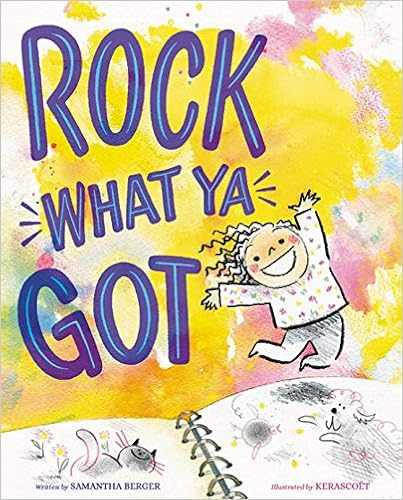
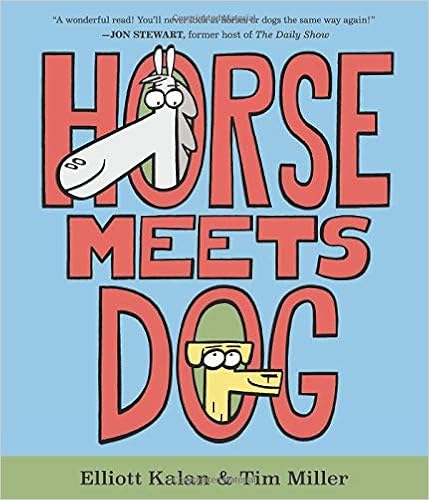
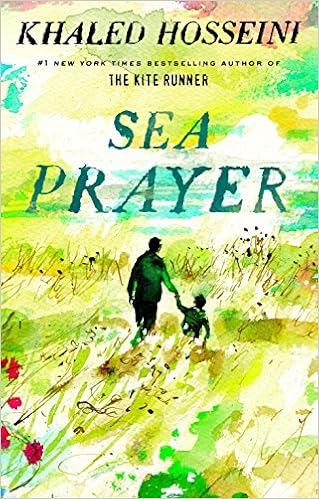
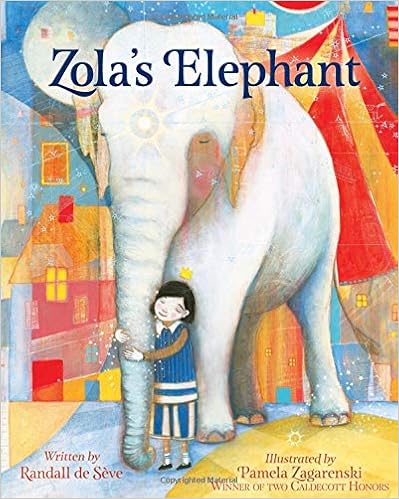
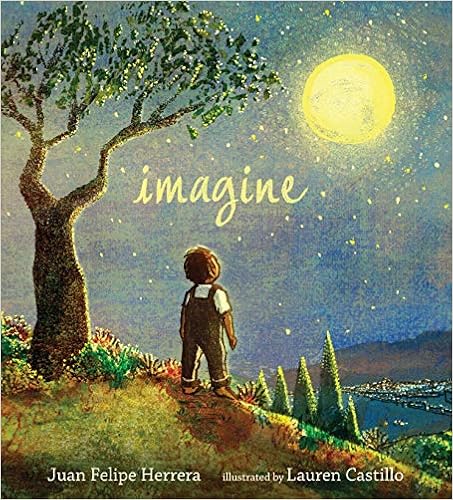
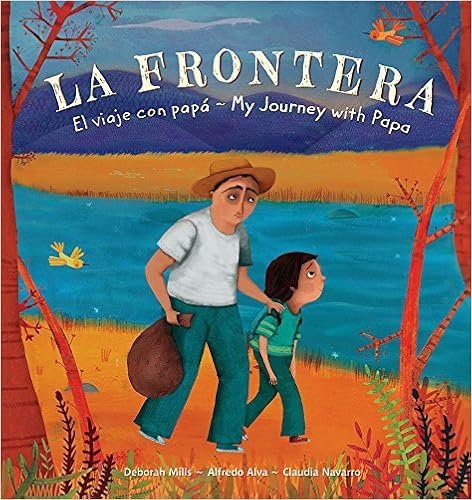
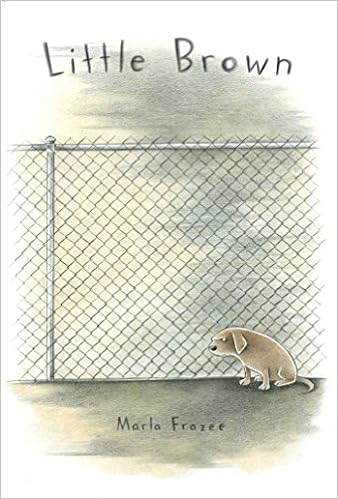
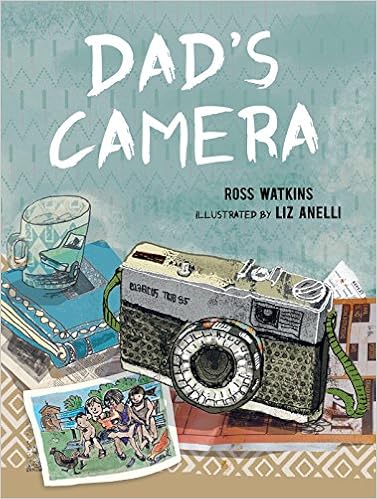
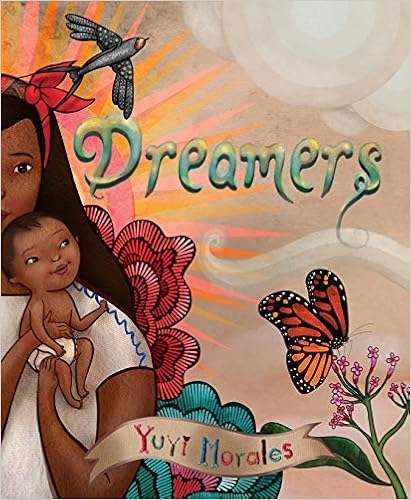
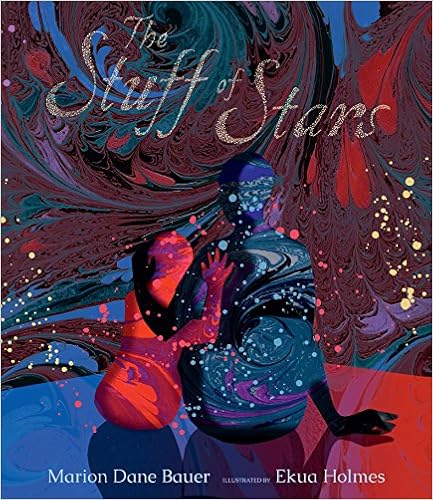
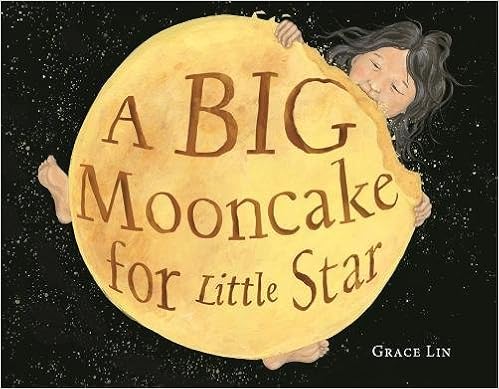
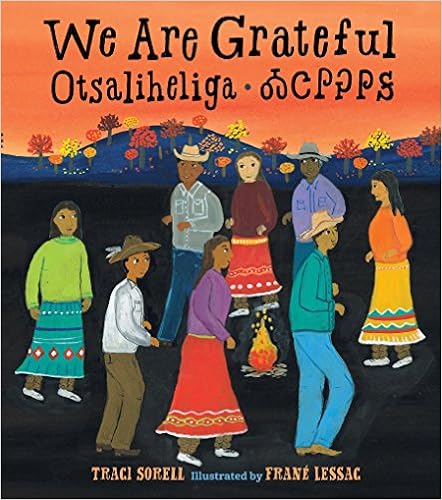
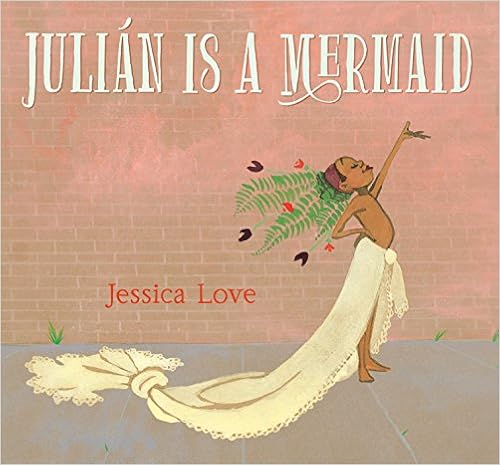
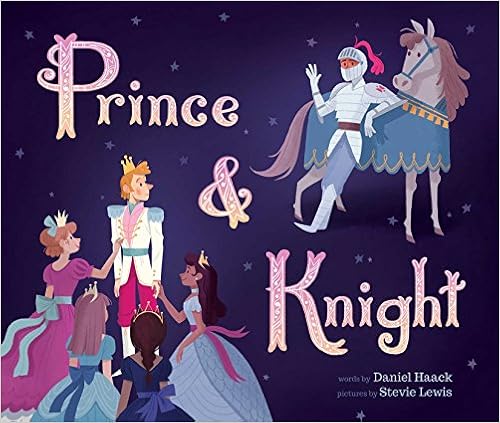
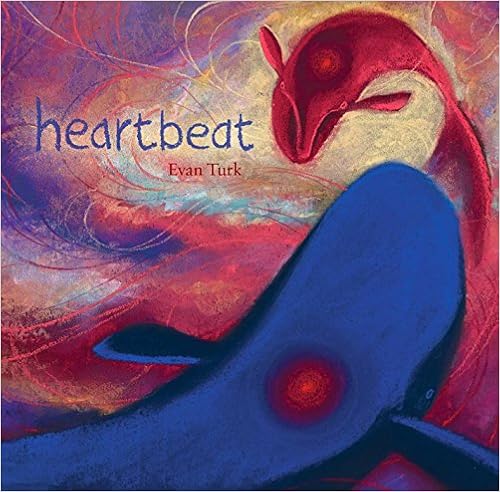
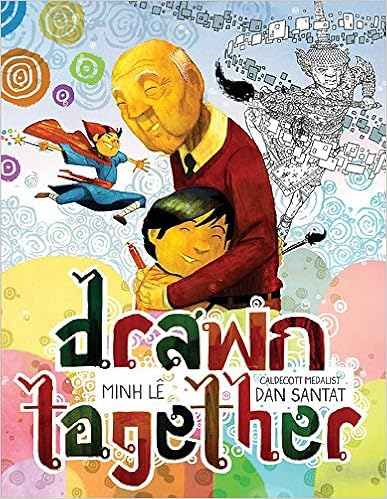
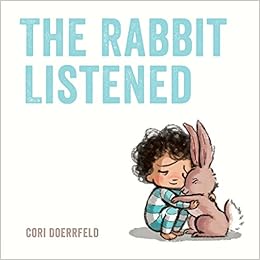
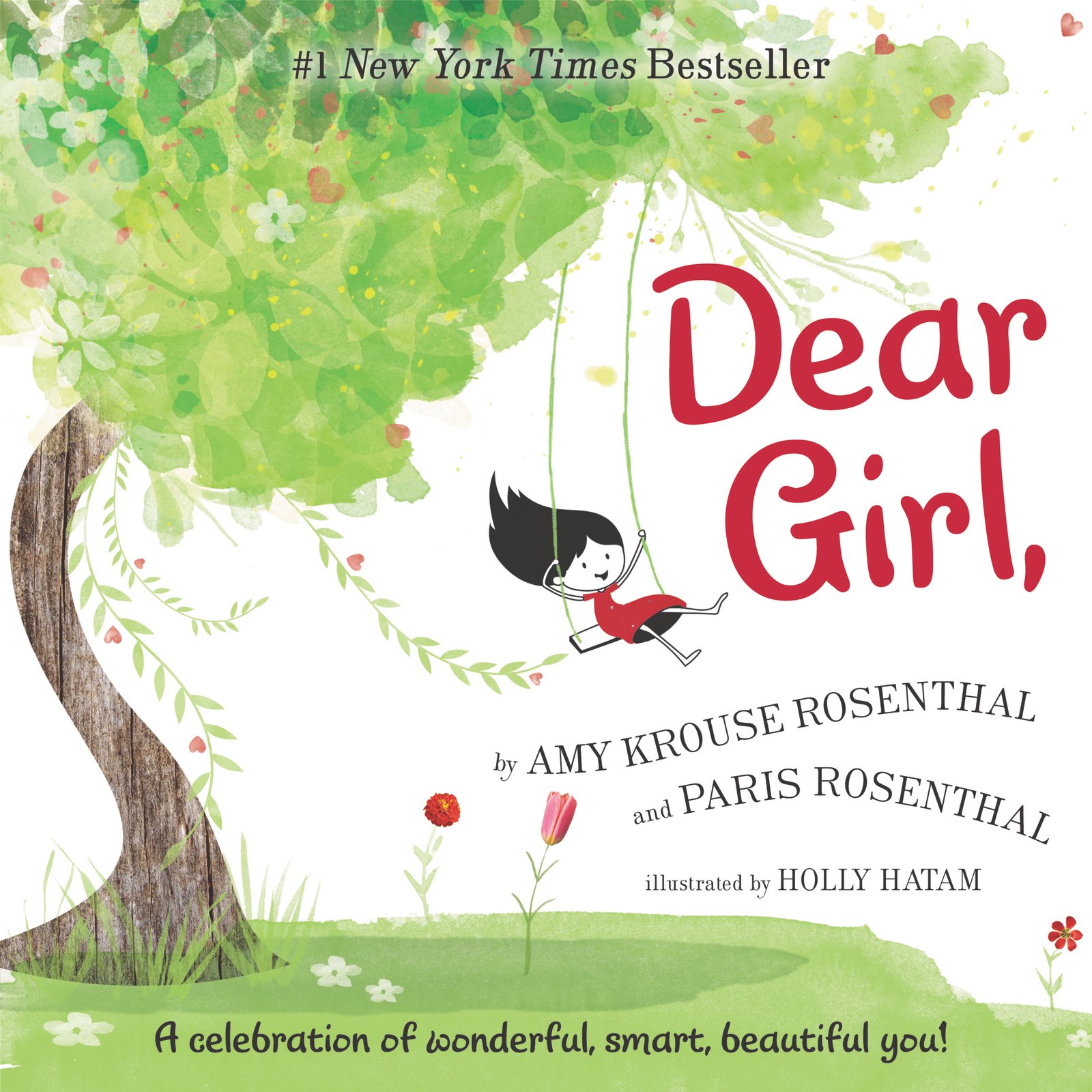
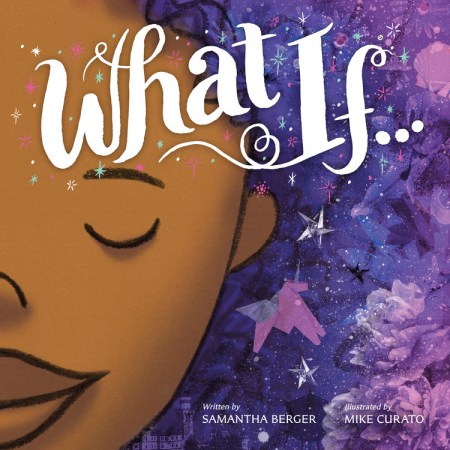
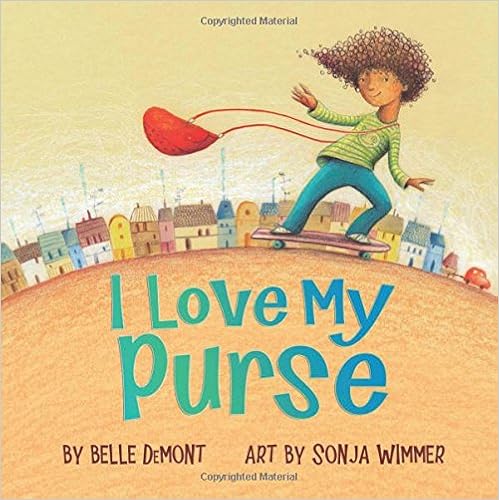
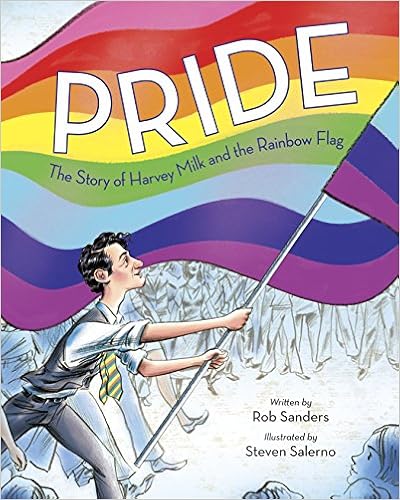
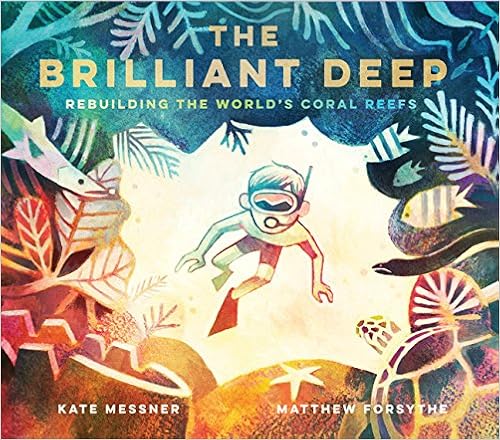
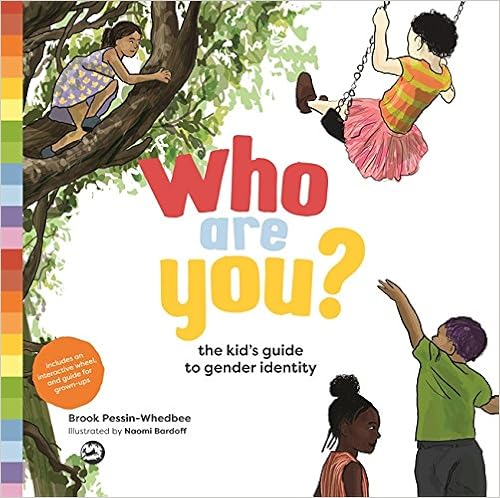
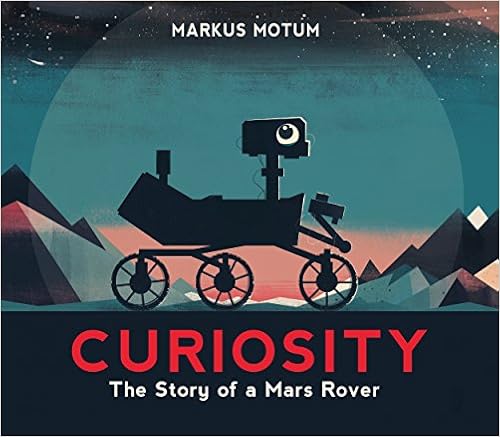
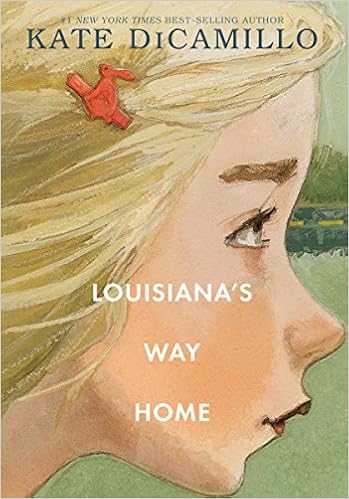
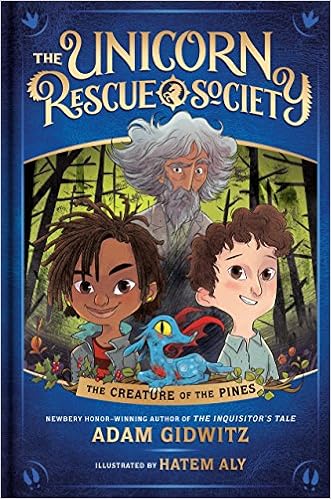
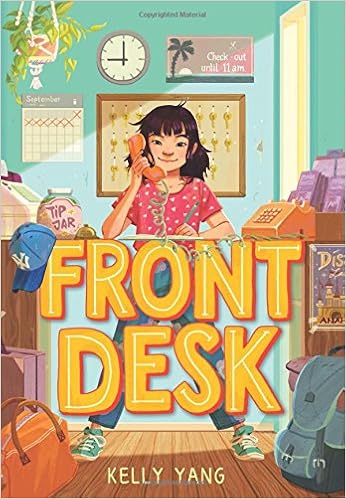
Every year I post an end of the year favorite book list but I thought this year, inspired by Colby Sharp, I thought it would be fun to add the titles as I discovered them. Now, these may have come out in 2018 or simply have been read by me in 2018. So here you are, in no particular order, my favorite picture books of 2018. To follow along with these live follow me on Instagram.
Every year I post an end of the year favorite book list but I thought this year, inspired by Colby Sharp, I thought it would be fun to add the titles as I discovered them. Now, these may have come out in 2018 or simply have been read by me in 2018. So here you are, in no particular order, my favorite books of 2018. To follow along with these live follow me on Instagram.
Ah, summer. Lazy days spent at the pool. Trips and travel. Sleeping in and ice cream. Kid movie nights and dates with my husband. Yet, every educator also knows that summer can mean growth, new ideas, new energy as we unpack the last year and focus on the next one. Sometimes it comes from stepping away, from reflection, from taking a break from all things education. Sometimes it comes in the form of a neatly wrapped package, a new book to help us see our world a little differently. So what am I reading this summer to help me develop my craft?
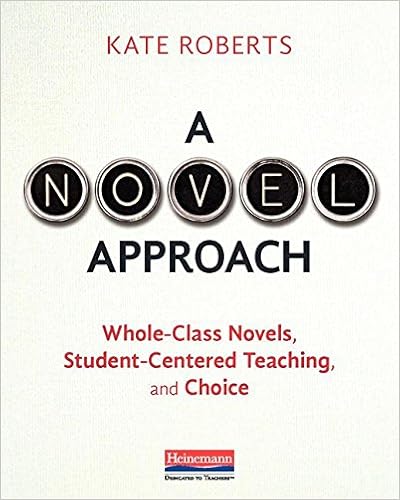
We are toying around with the idea of doing one whole class novel this year so when I saw Kate Roberts’ new book, A Novel Approach – Whole-Class Novels, Student-Centered Teaching, and Choice I knew I had hit the jackpot. But I am going to let you in on a little secret; you don’t have to even be considering whole class novel for this book to apply to you. Kate’s wisdom is for all English teachers and her ideas have already shaped my thoughts for the year ahead.
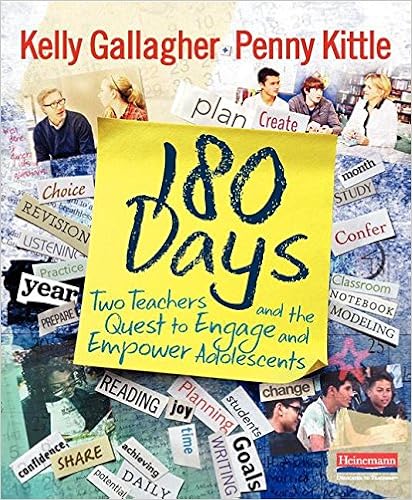
When Penny Kittle and Kelly Gallagher announced to the world that they were working on a book together, I was so excited. After all, I have looked to their work for a long time as a guide for how to grow my practice. Now with the release of 180 Days – Two Teachers and the Quest to Engage and Empower Adolescents the wait is over. I get to present alongside Penny Kittle and Donalyn Miller at NCTE this year – yes, really – so I cannot wait to see her discuss these ideas live!
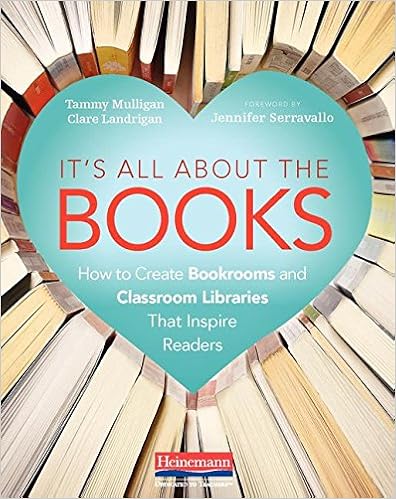
While I love our classroom library and feel like there are a lot of great ideas within it, I am always looking for tips on how to improve it. Enter Tammy Mulligan and Clare Landrigan who with their new book, “It’s All About the Books – How to Create Bookrooms and Classroom Libraries that Inspire Readers” set out to provide us with just that; more practical ideas for how to utilize the books and space we already have to increase student engagement.
I am not good at teaching grammar, there I said it. I know how to teach it within one-to-one conferences, but how do you teach it to the whole class so that it actually transfers into their work? Enter the genius that is Jeff Anderson who had to figure out just that. Lucky for us, he then decided to write a book about it! I have heard nothing but positives about Mechanically Inclined – Building Grammar, Usage, and Style into Writer’s Workshop.
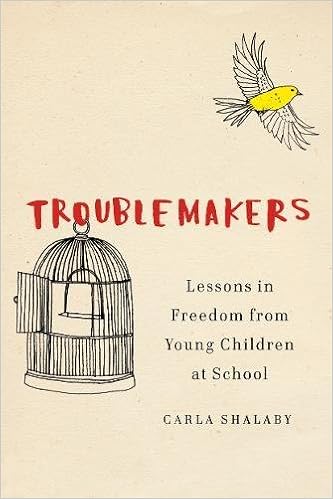
One of my largest areas of growth is centered on equity work and how I can be a better teacher and human being in America today. I am so grateful for the leadership of Valeria Brown and her group #CleartheAir. They have recently announced their book club titles for the upcoming year and are starting with Carla Shalaby’s Troublemakers, Lessons in Freedom from Young Children at School. I cannot wait to unpack this book with them.
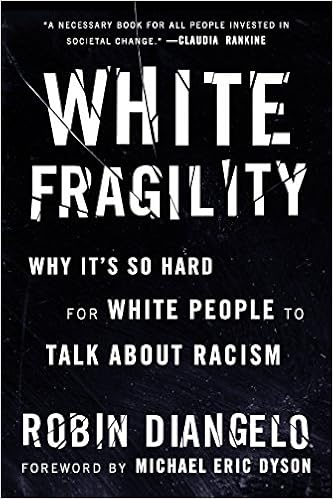
The next book in the #CleartheAir book club is White Fragility – Why It’s So Hard for White People to Talk About Racism by Robin Diangelo. The power of the title alone means I cannot wait for September to come around. There is also an October book, but I am not sure I will have time this summer to read it so I will save that title for a later post. I highly encourage you to join the conversation!
And finally, the book I seem to be recommending the most this summer is still Sara Ahmed’s Being the Change – Lessons and Strategies to Teach Social Comprehension. This book shaped our entire 4th quarter together and it was incredible. This book will continue to shape the lessons I do with my students as we unpack our identities and what it means to view the world through the lens that we view it with.
So there you have it. While I am also reading as many children’s books as I can devour, the growth I need as a teacher is coming from these few titles. I cannot wait to be changed because of these books! What are you reading this summer?
In the spring of 2016, I asked 1,200 students aged eight through thirteen in North America to explain how they felt about book abandonment. I was curious because I had realized that working with my own students, that something as simple as letting go of a book in search of another book was not second nature to them. In fact, many of my students struggled with the notion of letting go of a book even if it meant they were not reading. Even if it meant they avoided the book.
This struggle had prompted me for years to do an actual lesson on abandoning a book. On giving all of our students specific permission to step away from a book they had either indicated they wanted to read or actually started reading. To step away from a book without having to try it for so many pages, for so many days. To step away from a book even if their teacher recommended it. Even if their best friend loved it. Even if they loved it at first.
When I asked those 1,200 students I had an inkling of what they would say and yet I was taken back to see the answers. Out of 1,200 students, more than 400 of them reported feeling guilty and disappointed. That’s 33% of the respondents reporting that something as simple as letting go of a book made them feel bad.
My follow up question was why they felt the way they had felt. There were three main responses. Some children reported feeling like they had disappointed their teacher, after all, it was the teacher that had recommended the book to them in the first place. Other’s reported that they were disappointed in themselves for picking a “bad” book to begin with. And some even reported feeling guilty about not liking the author’s work, as if the author would somehow know that they didn’t like the book.
We know there is a lot of emotion tied up with being a reader, but we should not have guilt be one of them.
Students should rejoice at first when they realize that a book is not for them. They should celebrate this milestone knowledge and be happy that they have uncovered another part of their reading identity. And then they should move to not caring. To simply seeing book abandonment as yet another part of being a reader. Of knowing when to let go. Of knowing when to search for something better.
Now you may think, but what about those serial book abandoners? The kids that never finish a book? That haphazardly pick up a book only to leave it behind seemingly having checked off the reading requirement for a day? They are a conversation waiting to happen; kids who do not know themselves as readers yet. For ideas of how to work with them, please see this post.
And while we need to teach students how to work through challenging text, we also need to give them opportunities to discover what love to read, what they cannot wait to read, what will bring them further into reading. Book abandonment helps us with that if we embrace it as yet another skill that all readers know how to use.
If you like what you read here, consider reading my newest book, Passionate Readers – The Art of Reaching and Engaging Every Child Also consider joining our book club study of it, kicking off June 17th. This book focuses on the five keys we can implement into any reading community to strengthen student reading experiences, even within the 45 minute English block. If you are looking for solutions and ideas for how to re-engage all of your students consider reading my very first book Passionate Learners – How to Engage and Empower Your Students. Also, if you are wondering where I will be in the coming year or would like to have me speak, please see this page.
By far, he is one of the smartest people I know. He can fix anything broken, he can solve any problem. He can dream and plan and build pretty much anything. But reading, in the traditional sense of books, nah… not for him.
When I first met him, I couldn’t figure out how someone as smart as him could not see value in books. How could you live a full life without books? And yet, in the 17 years, we have been together, he has shown me how many facets there are to a full life. But now he has been in school for the past two years, getting his degree as a Tech Ed teacher, and the other day after taking a particularly grueling test, he told me how much he felt like he wasn’t smart enough for the test simply because of his reading pace. You see, the test was timed, and so when the time was almost up, my husband did what many of our students do all of the time; filled in as many unanswered questions with random guesses as he could. Better answered then left blank.
He told me how he knew he could have answered them right had he had the time. He told me how he felt this pressure at all times knowing that he wasn’t going fast enough. He told me that he tried to skim as quickly as he could but then lost meaning and had to read it all over again.
If he had only been a faster reader, he would have been just fine.
It blows my mind still that we equate reading pace with reading comprehension. That we allow standardized tests to teach our children that if they cannot read quickly, they cannot read at all. Which jobs require us to read complicated materials within 90 seconds? But that’s the reality we face and so at the end of our discussion, I gave him my best advice; read more books. It is the one guaranteed way to increase your reading speed. Find books you love. Take the time to read. And you will see, your reading pace will increase.
He told me how he just didn’t like books. How he didn’t mind reading technical stuff (which he devours daily), but that books just had never caught his attention. That they were too slow, too boring, too confusing. That reading was never anything fun or entertaining but always presented as an assignment; read this book, do this work. Rinse, repeat. He sounded exactly like my most resistant readers. The ones we all teach that tell us loudly and proudly that reading is not their thing and we will certainly not convince them otherwise.
And so I did what I do every single day of the year. I handed him a book, Orbiting Jupiter, and told him to try it. To give it a shot and if he didn’t like it, tell me and I would try again.
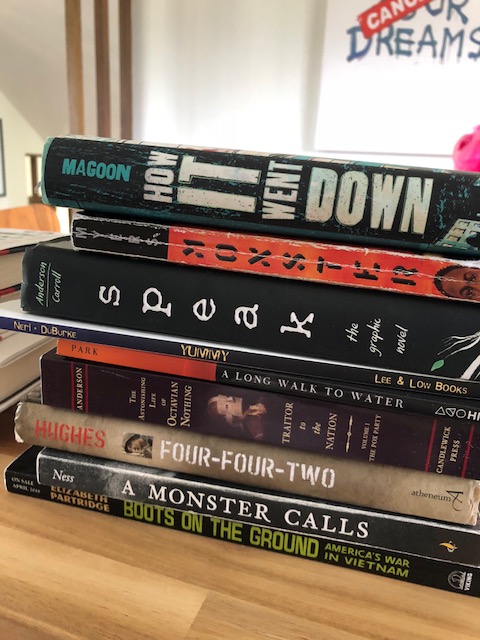
He sat down and read into the night then woke up and finished the book. He finished the book! And then he asked me for another. I handed him How it Went Down. He started to read.
Today we went to my classroom to grab stuff. He went to the bookshelves and started to browse. Grabbed a few books, asked me about others. Together we book-shopped. He was open to whatever but had a few ideas, maybe some war history? Maybe something with a fast pace? Social justice lens?
Brandon’s To Be Read Pile – his first one ever…
I quickly grabbed my tried and true, added them to his pile and realized right in that moment that I was working with him like I would any resistant reader: offer choice, support, time to read, and most importantly communication. At 41 years old, it seems that my husband is finally going properly through the motions of what it means to know yourself as a reader. And I couldn’t be prouder.
So often we focus on these aspects of developing reader identify when students are young. Before they reach middle and high school. Once they come to us older, perhaps more jaded, more stubborn, we sometimes forget to go back to the basics. To treat them as we would any developing reader. To go back to choice, community, access to meaningful books and discovery of who they are as readers. To find the time to actually help them become the reader they can be. Too often the content gets in the way. All of the little things that constitute what teaching sometimes becomes, rather than what it should be. We assume that someone certainly will figure out how to help this child become a reader without realizing that that someone is us. That we are the person who needs to somehow reshape the reading experience that they have had until now so that they do not become adults who do not read.
Today, I was reminded of how it is never too late. How every child that we teach has the potential to see themselves as a reader by the time our year is up. That even the adults that tell us that they are not readers can still become readers. But that they need our help, not our judgment, our know-it-betterness, our confusion of how they could live without books. Instead, they need what every reader needs; choice, books, community, time, personalization, and understanding.
My husband is not a reader, but that doesn’t mean he cannot become one, now.
If you like what you read here, consider reading my newest book, Passionate Readers – The Art of Reaching and Engaging Every Child Also consider joining our book club study of it, kicking off June 17th. This book focuses on the five keys we can implement into any reading community to strengthen student reading experiences, even within the 45 minute English block. If you are looking for solutions and ideas for how to re-engage all of your students consider reading my very first book Passionate Learners – How to Engage and Empower Your Students. Also, if you are wondering where I will be in the coming year or would like to have me speak, please see this page.
If you follow me on social media, you may have seen this post…I know many have and many had questions. So this is my attempt to answer those questions.
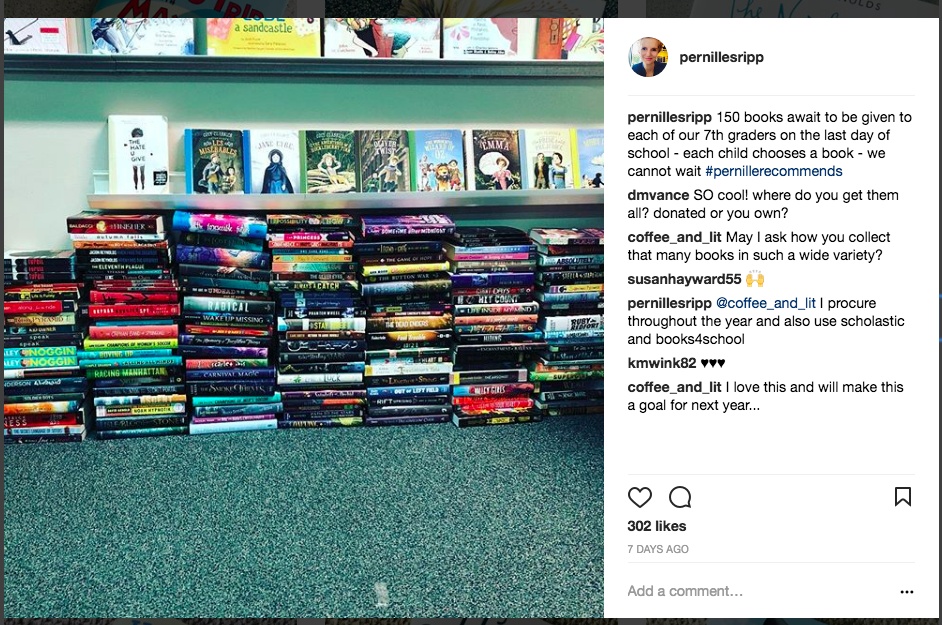
A while back, I realized that if I started collecting books, perhaps, just perhaps, I could give every single one of my literature studies students a book to keep on the last day of school. But that would require 76 individual books. As I pondered the idea, I realized the injustice. Summer slide can happen to any child. Every child we teach on our 7th-grade team could use a book, even if they already live in a book flood. What if we were able to gather up 150 books, one for each student, for the last day of school? Would my team be up for it?
I shouldn’t even have wondered, of course, they were because one of the things I love about working at Oregon Middle School is the dedication of all to joyful literacy experiences. Is the dedication of all staff to help students become or remain readers who like reading. And so we realized that we now needed 150 books. And not old, worn out copies. Not books that no one would want to read, but instead books that would entice. Books that would actually be a possibility for a child to want to read, without a nagging teacher around, with the competition of everything summer holds.
So we started to collect books. I am in the lucky position that some publishers send me books and so I knew I could use a few books from there. But, it wouldn’t be enough. We needed books that would work, not just any old book. My next stop was Scholastic. We knew I would be able to use my bonus points to get more books for the kids. I also spent my own money to add it up to receive bonus books and get more points. Slowly the collection started to grow. Finally, I asked our team for money. Could we take money out of our team fund for this endeavor? Once again, they were onboard and excited for the idea.
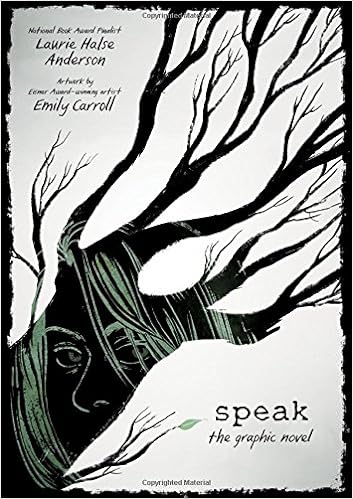
And so we went to Books4School – a warehouse here in Madison, whose owner’s sole mission is to get high-quality books in the hands of children for cheap. He buys up overstock from publishers and then sells them to the public and online for less than $2. Yup, less than $2. Because he is not in it to make a huge profit but instead to ensure that more children have books in their hands. So armed with our team funds, I bookshopped. Filled an entire cart with titles like Speak, Noggin’, Day of Tears, Sunrise over Fallujah, Backlash, and See You at Harry’s. Filled it with books that I knew represented a diverse wide of readers. Books we had loved this year. Books we had loved in the past.
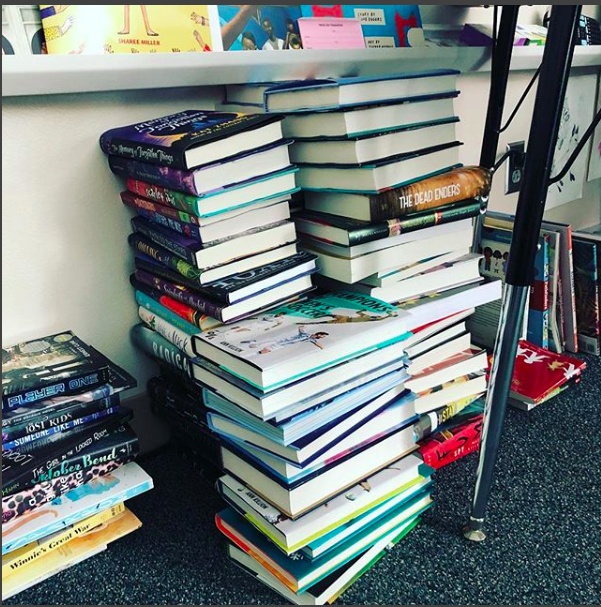
As the pile grew in our classroom, the students were curious. Why may we not bookshop those? What are those for? We held our tongues until the very last day when we gathered them all around for our final team meeting.
Surrounded by books each equipped with a hand-drawn bookmark from Kevin Sylvester, who writes one of our very favorite book series Minrs, we told the students just how thankful we were for them. Just how proud we were. How we would miss them. How we wanted to thank them and we knew just the way.
We then told them to look around because in a moment they were going to have a chance to select whichever book they wanted to keep. To stand up and browse all of the tables and then o please find a great book and read it this summer. That is was the very least we could do.
And then something surprising happened. The students cheered. These sometimes too cool to read kids actually cheered. And there was a mad rush to grab the book they had noticed. There was a mad rush to find just the book they wanted to read. Kids walking around with each other sharing ideas. Pointing out favorites. One child telling me that she grabbed a book she had already read because she knew it was so good she had to read it again. Another child telling me that he had wanted to read this book all year but never had the chance. Almost every single child leaving with a book in their hands.
At the end of the day, I wondered if the students actually cared about the books or whether it was just one more thing we had tried that didn’t really make an impact, yet as I looked around our team area, I only found three books left behind. Three books out of 150. Three books that someone had forgotten. These kids that sometimes could not remeber to bring a pencil a class actually brought their books home.
This morning, I received an email from a parent thanking us for the year. She wrote about the change she had sene in her child this year. How “…he even told me yesterday that before the kids were allowed to pick out their free book, that he purposely sat close to the book he wanted to make sure to get, so he could read it this summer.” This from a child who was not sure that reading was something he cared about before this year.
The mission for us at Oregon Middle School is to create opportunities for kids to love reading, or at the very least like it. Handing them all a book on the last day of school was the very best thing we could have done. It showed our commitment to their future lives as readers. And who knows, perhaps that book will be THE book for that child one day? May every child be given a book on the last day of school.
If you like what you read here, consider reading my newest book, Passionate Readers – The Art of Reaching and Engaging Every Child Also consider joining our book club study of it, kicking off June 17th. This book focuses on the five keys we can implement into any reading community to strengthen student reading experiences, even within the 45 minute English block. If you are looking for solutions and ideas for how to re-engage all of your students consider reading my very first book Passionate Learners – How to Engage and Empower Your Students. Also, if you are wondering where I will be in the coming year or would like to have me speak, please see this page.







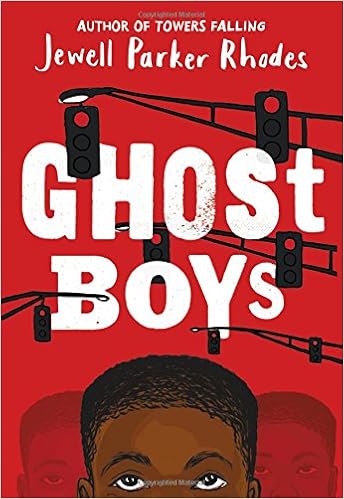

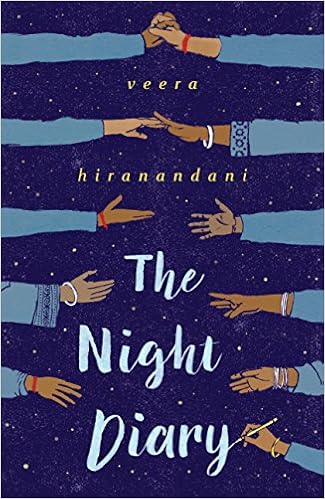
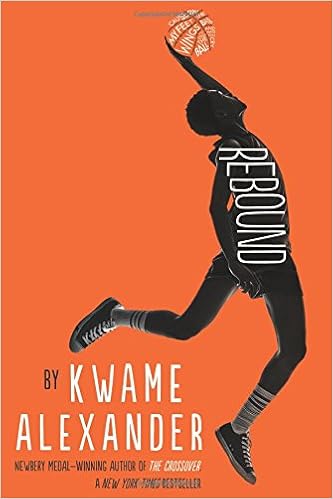
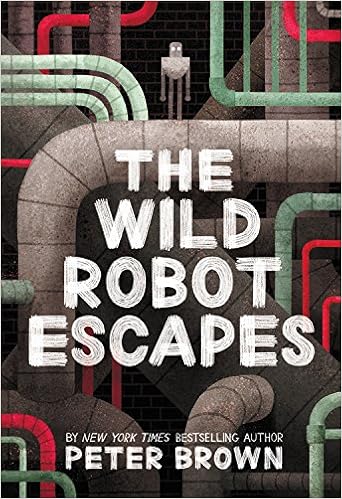






![Ms. Marvel Vol. 1: No Normal (Ms. Marvel Series) by [Wilson, G.]](https://images-na.ssl-images-amazon.com/images/I/51E1eszqrUL.jpg)


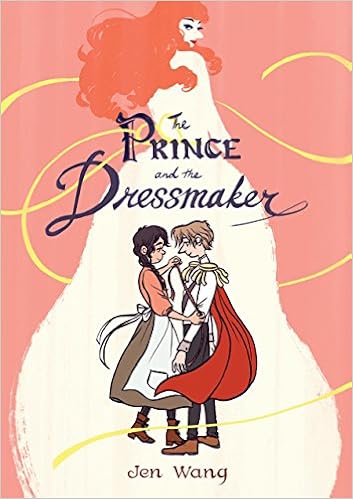

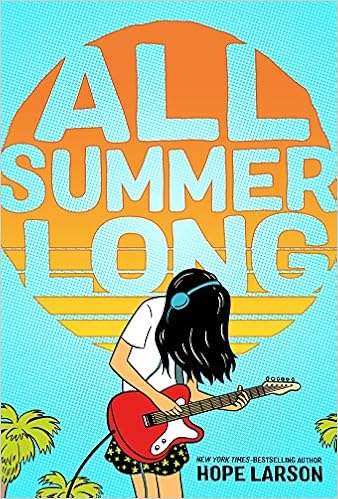



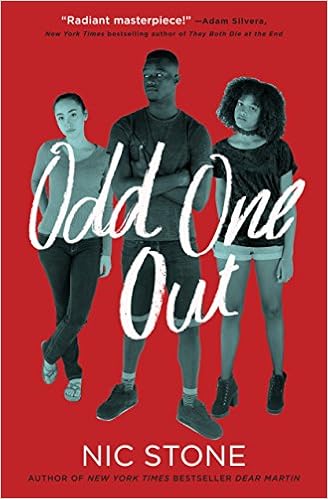

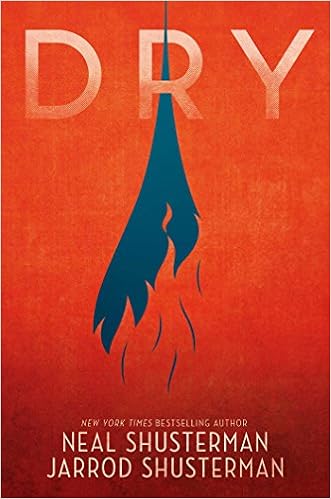












 Pernille Ripp