being a teacher, Literacy, Reading, Reading Identity

Reading Conferences With Students Within the 45 Minute English Class; Yes, It’s Possible

Confession time; I am terrible at conferring with my students.  This once proud foundation of my elementary classroom is now a crumbling pillar in my 7th grade English class.  Call it a victim of the 45 minute I have to teach everything in.  A victim of the so much to do.  A victim of not quite knowing how to make it productive.  Whatever it is, the conferring that I know I should be doing has simply not been getting done.

Yet a few weeks ago, I realized that the one thing I needed the most (besides more time, more books, more knowledge) was the simple conference.  The one to one interaction with every single one of my students if even for just a few minutes.   Because conferring is the one way I can really reach all students.  Is the one way we can connect the best.  Is the one way that I can really see what each child needs.  Conferring is the best way for me to be a better teacher to all of the needs must of us are faced with.   So even within the 45 minute English class, with almost 120 students spread over 5 classes, there had to be a way.  There had to be tweaks that could be made to make it work so an experiment began.

So what has worked and what have I discovered?

Reading conferring happens within the first 10 minutes of class.  Every day we start with 10 minutes of independent reading.  While nothing new, I now am much more purposeful with how I spend the time. So that 10 minutes is a perfect time for me to confer with students., therefore when the bell rings and the timer starts, so does my mission.

That my individual reading conferences focus on reader identity rather than on typical mini-lessons.  There is no way for me at the moment to do one-on-one lessons and still make it to all of my students within about 2 weeks.  So I instead focus on their reading identity and gather clues for what types of mini-lessons I need to create for small groups.  That being said there are exceptions to the rule if I uncover a particular dire situation where a child is then given the full 10 minutes of time.  This purpose for the conferences allows me to do quick check-ins and get to more kids.

That within those 10 minutes of independent reading I can shoot for meeting with 3 students.  I come to the students, equipped with my binder and pen, ready to ask them questions.  By me moving we save time and they can get as much reading time as possible until we meet.

That I need just one question to start every conference.  I used to prepare for all of my conferences by coming up with several questions aimed at a specific child.  Now every conference starts with, “What are you working on as a reader?”  The direction of the conference then is directed by their answer.

That I need a simple system to keep track of notes.  I used to take a lot of notes during my conferring but now find the need really just for three different things; my observations, their answers, and next steps.  Every student therefore has a sheet with three different conferring boxes on it, each class has its own 1-inch binder for me to keep track and I write down only what I need to better teach the child.  That means I am working on writing down only the essentials, in the moment, and still try to think of what to help them with.

So how has it been?  Pretty amazing actually.  The concentrated 10 minute effort means that I am fully attentive to what the students are saying ant thinking of other things.  The short note-taking sheet means that I am ore focused in what I write down as well as what we need to work on next.  The students seem to like it because they are getting more attention and still getting reading time.  And the things I have uncovered?  They are things I would not have uncovered no matter how many reflections I had students do, no matter how many small group lessons I would have conducted.

FullSizeRender (2).jpg

FullSizeRender (1).jpg

So while the 45 minutes of English class will never be ideal, it will never be enough, it will never feel like I can provide each child with the type of learning experience they deserve, it cannot hold us back.  It cannot hold me back.  And I cannot be the only one that is trying to do this.  What has worked for you?

PS:  As far as writing conferring, I use the entire class-time when we write meeting one-on-one with students.  This has proven to be more effective for the students than doing a mini-lesson for the whole class since their needs are so diverse.

If you are wondering why there seems to be a common thread to so many of my posts as of late, it is because I am working on two separate literacy books.  While the task is daunting and intimidating, it is incredible to once again get to share the phenomenal words of my students as they push me to be a better teacher.  Those books will be published in 2017 hopefully, so until then if you like what you read here, consider reading my book Passionate Learners – How to Engage and Empower Your Students.  Also, if you are wondering where I will be in the coming year or would like to have me speak, please see this page.

being a teacher, being me, Literacy, Reading, Reading Identity, student choice

Let My Students Read

My friend John Spencer had shared this on Facebook tonight

As I got ready to share the quote myself, the comment below it caught my eye…

“It’s also the job of the school to push children to read books that challenge them and take them out of their comfort zone.
Diary of a Wimpy Kid, Big Nate, and Captain Underpants are fine for kids to read and enjoy at home, but teachers should not permit them in the classroom. They provide no educational benefit.”

And I knew I couldn’t stay silent.  I knew I had to respond even though I try to not get into it with anyone on Facebook.  Even though I didn’t know the commentator and that I might be opening myself up to an argument I don’t feel like having as I wind down on a Sunday night.  But when something like that is said, I have to say something back.  After all, Diary of a Wimpy Kid, Big Nate, and yes even Captain Underpants all reside in my 7th grade library.  Their covers are torn and tattered, they are often replaced.  They are loved by many, myself included, and not because they are easy to read, but because they make students fall in love with reading.

So I took a deep breath, pushed my snark aside and wrote this reply…

Not true at all, for some students a book like Diary of A Wimpy Kid is the first time they have felt like they were a reader at school. Our job is not to be gatekeepers of which books students read but instead provide them with successful reading experiences in whichever books they choose so that they will continue to read. Then we can help them stretch into more challenging texts.

But what I really meant to say is that we must not censor.

That we must not think we know better when it comes to what a child needs to read any day.

That instead of judging we should support.

That we must create environments where students choice in books will be celebrated and discussed rather than dismissed and banned.

That it is not our job to be the gatekeepers for our students as Teri Lesene has said so many times.

That if a child is choosing to read books like those mentioned then they have a reason for it, even if that reason is that they do not know what else to read.  Our job as teachers is to help them discover why they love the books so much and then expose them to more, just like we would with any book that a child chooses to read.

I speak for the child that this year has read Diary of a Wimpy Kid every chance he got, always turning the page, rereading and laughing every time with joy when he came to beloved sections.  He tells me how long he spends reading, how it is his favorite thing to do, how every time he revisits that same old book, he discovers something new.

I speak for the child that never felt like a reader until Dav Pilkey created Captain Underpants and they finally had a character they could relate to.

I speak for the child that has always reverted back to these books until 2 weeks ago when he asked if he could read All American Boys because he had heard it was so good and now is 40 pages in and tells me it is the best book ever.  Even if he not quite sure what is going on. Even if we had to go back a few pages and get a few things straight.  Diary of a Wimpy Kid may not have been as demanding as All American Boys but those books made him feel safe.  Like he could be a reader in our classroom.  Like he could be a success story, just like everyone else.

It takes a great book to make a child believe that they too can be a reader and for many of our students that great book has been Diary of a Wimpy Kid.  Why anyone would want to take that away from students beats me.

So do not tell me those books do not belong in our classrooms.  Do not tell me that my students should not be allowed to read them in school.  Do not tell me which books do or do not provide an educational benefit.

If my job as a teacher is to get students to read, then by golly those books, and any other books I can think of, will help me do just that.

I did not become a reader when I could read Huckleberry Finn, I became a reader when I chose to read.

So let our students choose to read.  Whatever that may look like.  As good teachers we know what to do.  We know how to challenge them.  How to make them reflect on their journey as readers.  How to help them stretch into harder books and protect them when they get too far out of their comfort zone.  Let our students fall in love with books so that we can help them discover more books.  So that they will leave our classrooms and choose to read, even when they are busy.  Even when life gets hard.  Even when school is over.  Let our students fall in love with reading so that they will choose to be challenged, and not because a teacher forced them to, but because they felt they were ready.

I owe so much to Jeff Kinney, Dav Pilkey and Lincoln Peirce.  I think many of us do.

If you are wondering why there seems to be a common thread to so many of my posts as of late, it is because I am working on two separate literacy books.  While the task is daunting and intimidating, it is incredible to once again get to share the phenomenal words of my students as they push me to be a better teacher.  Those books will be published in 2017 hopefully, so until then if you like what you read here, consider reading my book Passionate Learners – How to Engage and Empower Your Students.  Also, if you are wondering where I will be in the coming year or would like to have me speak, please see this page.


being a teacher, books, Literacy, picture books

Picture Books that Celebrate Books and Libraries

It is no surprise that my own four children are picture book lovers.  When a package arrives in the mail, they gather around me hoping that within in it will be a book for us to read together.  If there is, we take the books, sit on the floor and read them right away.  They fight me over which books stay at home and which go to my classroom.  They have stacks by their beds, they have stacks in the car, they have stacks in the living room.  We are surrounded by books, but even though we own many, we still love our beautiful public library.  We visit once a week or so and always leave with a stack of books, eager to explore these newfound treasures.  So I am delighted to showcase a list of must read picture books that celebrate books and libraries.

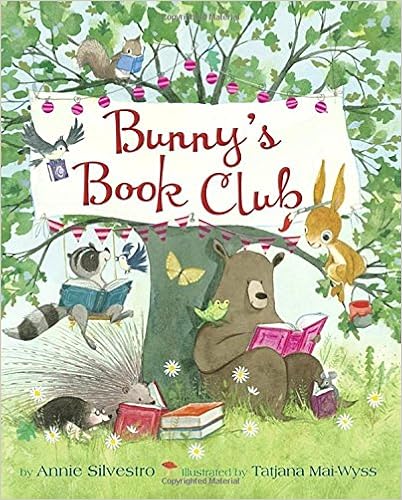
Bunny’s Book Club by Annie Silvestro (Author), Tatjana Mai-Wyss (Illustrator).  I had this book book-talked to me and immediately placed it on my wish list.  Yes please to a bunny that sneaks into the library through the return slot because he needs his books.  Then Annie Silvestro contacted me and asked if I would like a copy of it, of course!  I was not disappointed.  What a great picture book to discuss the importance of library, to talk about book clubs and just to love reading.

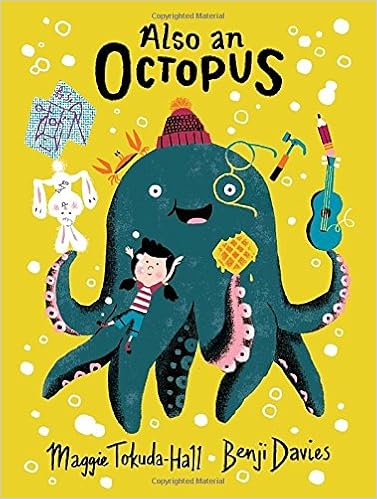
Also an Octopus by Maggie Tokuda-Hall and illustrated by Benji Davis is perfect for thinking of how we craft stories and the elements we need.  The illustrations are playful and the story itself is informational and whimsical.

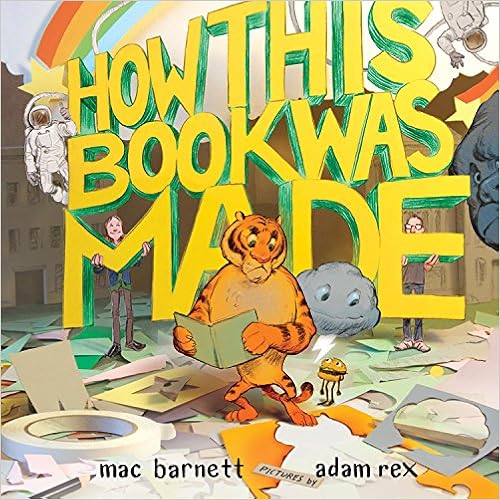
I wonder how many Mac Barnett books I have featured on this blog, his latest How This Book Was Made illustrated by Adam Rex is perfect for discussing writer’s and illustrator’s process.   I am so thankful for their genius.

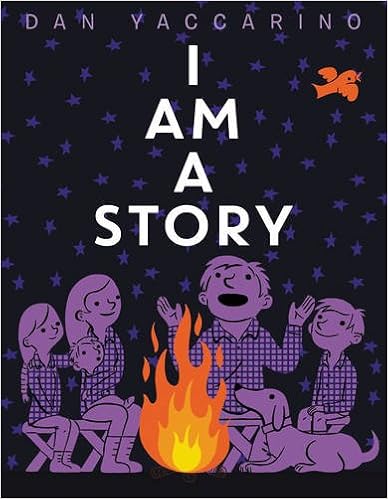
I love how I Am A Story by Dan Yaccarino urges us to think of how far stories have travelled and how they shape our society.  I love the illustrations paired with the unfolding of story, fantastic for setting up writer’s workshop at any age.

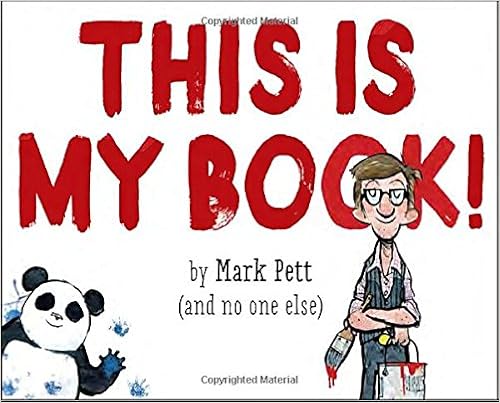
This Is My Book! by Mark Pett (and no one else) is laugh out loud funny.  I especially enjoyed the interplay between the author and the panda.  Kids are sure to appreciate the message but also how well it is portrayed; who really creates the story and how can we co-create?

51A9N2jprZL._SX463_BO1,204,203,200_

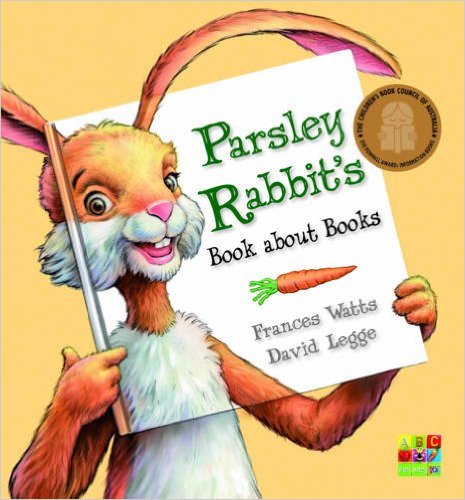
How about a picture books that actually explains the features of a picture book?  Parsley Rabbit’s Book about Books by Frances Watts and David Legge does just that and does it so very well.  While this definitely belongs in the hands of younger children, I plan to show it to my 7th graders too as a way to prompt discussion on creative ideas.

51QTYrPAJBL._SX410_BO1,204,203,200_

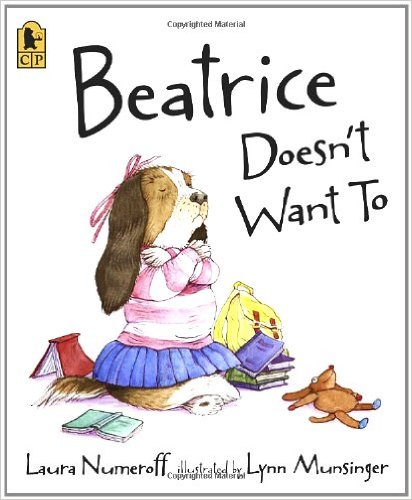
Laura Numeroff is a beloved author in our house so we were delighted to receive Beatrice Doesn’t Want To, a book that is all about a little dog that does not want to go to the library, nor read any books.  I laughed when I thought of how I have seen this play out in my own life.

61stoIMInfL._SX445_BO1,204,203,200_

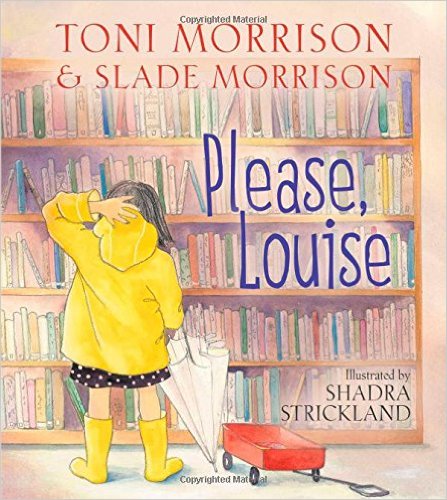
I love that Toni Morrison and Slade Morrison wrote Please, Louise because it illustrates so beautifully how much a trip to the library can change your life.  It truly turns any boring day into one filled with adventure.

6107FZYqVDL._SX496_BO1,204,203,200_

Another great book to illustrate what a library does and what it can do for you is Library Day written by Anne Rockwell and illustrated by Lizzy Rockwell.

51cO2NL+e2L._SX466_BO1,204,203,200_

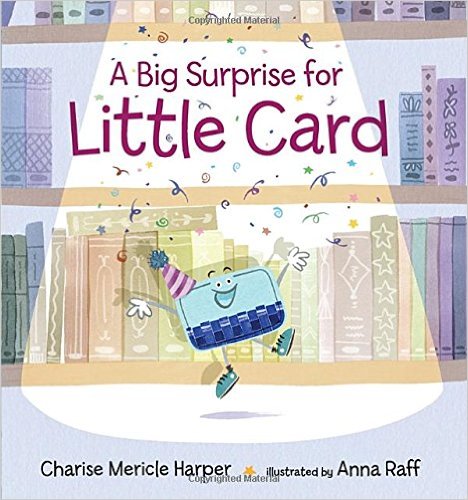
This whimsical tale of a card that doesn’t know its place in the world until it is revealed it is a library card is a wonderful way to celebrate not just the magic of libraries, but also about figuring yourself out and how you can make others happy.  I have a copy of A Big Surprise for Library Card by Charise Mericle Harper and illustrated by Anna Raff both at home and in my classroom because it deserves to be read by many ages.

517CT-RGXEL._SY356_BO1,204,203,200_

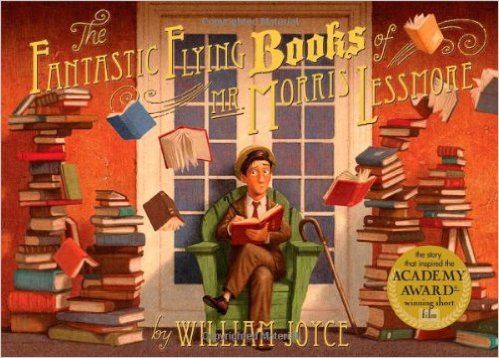
I read The Fantastic Flying Books of Mr. Morris Lessmore by William Joyce aloud every year and every year I get little choked up.  It is an incredibly beautiful story and metaphor for life.  It is also a great picture book to use for theme and inference.

51krIDxSt9L._SX378_BO1,204,203,200_

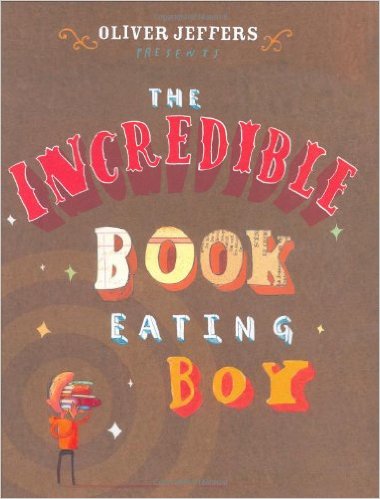
Another incredible picture book that can be used to discuss metaphors and inference is The Incredible Book Eating Boy by Oliver Jeffers.  This book is fun to read aloud and makes students think about the power of a great book.

51Dqp6R3NaL._SX395_BO1,204,203,200_

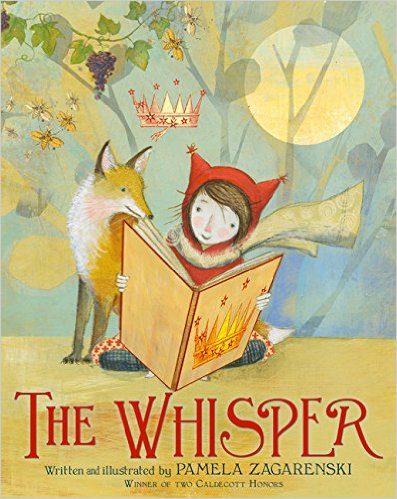
The Whisper by Pamela Zagarenski is beautiful both in text and in the illustrations.  Using a book whose words fall out as a way to discuss imagination is a marvelous way to get students thinking more creatively.

51PQX-rYjrL._SX429_BO1,204,203,200_

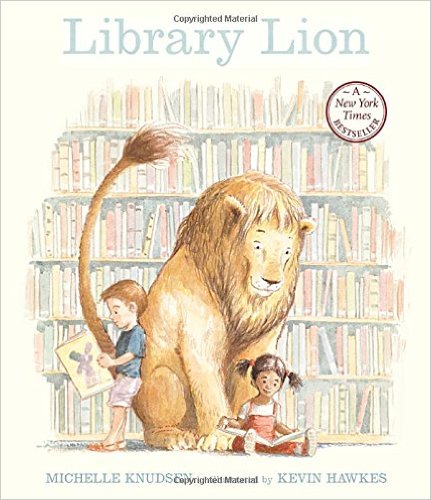
I don’t know how it took me 9 years to discover the story of Library Lion by Michelle Knudson and illustrated by Kevin Hawkes.  The story of a lion who doesn’t quite know to fit into the library yet so wants to be a part of the book community is one that is sure to resonate with many of our readers.

41+KeoMFQ+L._SX388_BO1,204,203,200_

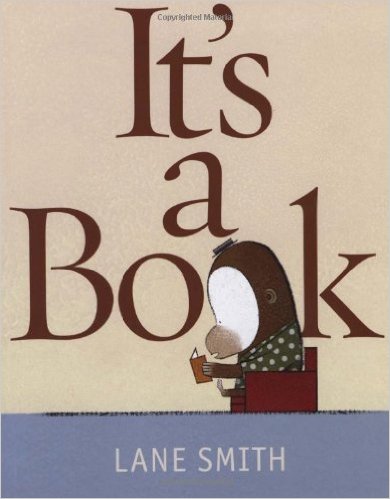
I read It’s a Book by Lane Smith every year to my students and it never fails; they always laugh out loud.  What a great way to start discussing why we read and what books can do for us.

51ryaps-JJL._SX419_BO1,204,203,200_

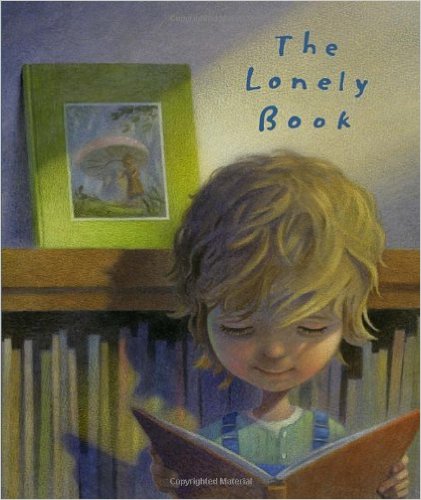
While The Lonely Book by Kate Bernheimer and illustrated by Chris Sheban is the story of a book that sits forgotten, the theme of this story is so powerful for students.  This book also leads to great conversations about which books we carry in our hearts long after we read the, this is therefore a great book to start your book community with.

51zduq4LKsL._SX387_BO1,204,203,200_.jpg

How many times has a child told us they hate reading and there is nothing we can do that will change their mind?  Miss Brooks Loves Books (And I Don’t) by Barbara Bottner and illustrated by Michael Emberley is for all of those kids and the teachers who refuse to give up.

51JGg4dJ12L._SY479_BO1,204,203,200_.jpg

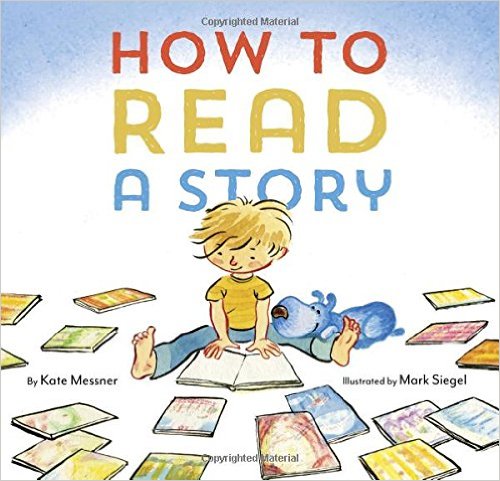
I have been a loud Kate Messner fan since she was a Global Read Aloud author several years ago.  I was therefore thrilled to use one of her latest picture books How to Read A Story with my  7th graders this year as we started to lay the foundation for our reading community.  How to read a story in  our classroom was a great conversation to start the year.

51EHNamczJL._SX375_BO1,204,203,200_

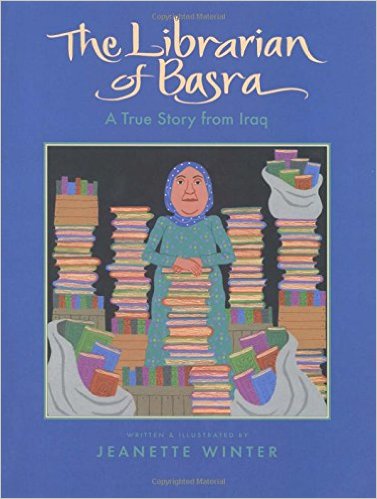
A book I have been meaning to re-purchase is The Librarian of Basra – A True Story from Iraq by Jeanette Winter.  My students could not believe the story when I read it aloud and it worked as perfect spring-board into a discussion of the war in Iraq and what it means to live in a country at war.

This post could feature another 20 books at least but I would rather hear from you.  What are your favorite books about books and libraries?

If you would like to see more of our favorite books, please go here.

If you are wondering why there seems to be a common thread to so many of my posts as of late, it is because I am working on two separate literacy books.  While the task is daunting and intimidating, it is incredible to once again get to share the phenomenal words of my students as they push me to be a better teacher.  Those books will be published in 2017 hopefully, so until then if you like what you read here, consider reading my book Passionate Learners – How to Engage and Empower Your Students.  Also, if you are wondering where I will be in the coming year or would like to have me speak, please seethis page.

being a teacher, Literacy, writing

Are We Creating Writing Communities?

http---www.pixteller.com-pdata-t-l-351749

I swore after Passionate Learners 2nd edition came out that I would not write any more books.  That it would be a long time before I wrote anything else besides on this blog because who did I think I was?  Why did I feel that I had anything at all to write and give to others?  Yet, sometimes opportunities arise that we cannot say no to, where we wake up with this little idea in our head and then all of a sudden it turns into a bigger thought and we find ourselves questioning, and pondering, and then writing in our mind at all times until we know that perhaps there is a book in there somewhere.

I said yes to those ideas and now find myself writing two separate books, with the same deadline of May 30th, within the same realm (literacy), and I have been pulling my hair out trying to find just the right words, to make it worth anyone’s time, to make it fresh, and I must admit; it has been an excruciatingly hard process.  Sleepless nights, frustrations, and imposter syndrome has haunted me for the past few months.  It has not been pretty, and yet, within the process of writing, I have uncovered a few realizations of what our students must face when they write, of how frustrated they must feel at times when we tell them to just write, to just create, to just get something down and do this assignment so we can assess them.  These realizations are causing me to question the very process that we use when we teach writing and ponder how we can make it better.  How we can make it work for every child and not just those that already seem to have figured this writing thing out.  Because I don’t think I am doing enough to really teach real writing, so these are my driving questions.

Do we know who our students are as writers?  Do they?  Is there time within our curriculum to really get to know students, and also for them to get know themselves better, so that what they write is meaningful to them.  And not just when they write a personal narrative, but is there a personal lens of the world present in some way in anything they write?  Can we see the individual in the assignment or are they all the same?  My struggle has been to stay true to myself while still adapting to the purpose, to write a book that feels like my book and not just a poor imitation of other people’s work.  Are we allowing our students to infuse their writing with their own personal essence or do they even know who they are as writers to do this?

Do we allow them ownership over the process?  I do not follow a linear path when I write and never have.  Yet, in our classrooms we often expect students to follow the same path and move along at the same pace.  This does not lead to more authentic writing, nor does it lead to most students even identifying as writers.  So why do we keep doing it?  Do we discover, discuss, and reflect on each other’s writing processes?  Do we find beauty within the varied ways that students create while still exposing them to many styles?

Do students understand the purpose of the writing?  One of my largest struggles has been that my purpose for one book kept shifting, that what started as one idea morphed into another and it shows in the disjointed chapters and unclear thoughts.  Do we allow time for students to just think of what they are trying to create, not just the how? Do we plan time to discuss and dissect the why as a community?  Do we give them time to sketch out or discuss or create in such a way that they are not committing themselves to a product just yet, but instead feel like they can explore various options, even when we have curriculum to teach and content to cover?

Do we edit with kindness?  I have faced reviews and edits where only flaws were discussed, all in the spirit of fixing my mistakes, yet it wears you down.  After a while it plants doubt as to your own writing ability and these doubts can soon create writers block.  When we edit with students do we know what we need to protect?  Do we know what is most important to them?  Do we speak genuinely of their strengths or get right to the parts that need fixing?  Are there parts that we leave alone because in the grand scheme of things it may not be important?

Do we set up time for them to be immersed?  The only reason any book is being written is because I have scheduled it in every single night (30 minutes at least).  I find comfort within the routine and also a determination to finish the draft.  Every night I make progress, even when it is painful, yet in our classrooms we are so dictated by our schedule and timelines that we often push students to create, to produce, just so we can move on. How do we give students time to explore and write every day when we are faced with the constraint of 45 minutes and so much to learn?

Do we encourage writing partnerships?  My mother edits my work and my friends discuss ideas with me.  Writing can be a vulnerable process so do we allow students to self-select writing peers within our community?   Do we give them the time and flexibility to use each other as writing partners, and not in a conscripted way, but in a way that works for them?

Do we create room for their emotions?  There have been nights of wringing my hands over the computer trying to find just the right words where only the assurance of my husband that I am not a fool for trying to write has helped me come back to the dreaded process.  Where I have had to take a deep breath and realize that the reason these books weigh so much in my life is because I care deeply about their message.  That within my emotional reaction to the process is evidence of its importance.  Do we create writing communities where students are encouraged to become emotionally attached to what they create or do we simply not have time?  Do we encourage them to use those emotions as a way to fuel their writing and their own self-discovery?

I still have a hard time calling myself a writer, even with 3 books published and more than 1300 blog posts written.  I still feel like a fraud every time I tell someone that I write, almost as if the title has not been earned just yet, and don’t get me started about considering myself an author, I am long way from that one.  So how do our students feel in our writing communities?  Do we embrace and discover the whole process of what it means to write, to be a writer, and use it as a strength when we develop our craft or do we skip over it as we try to get students to write?  Are we truly creating communities of writers or do we just teach writing?  There is a huge difference.  The choice is ours.

If you are wondering why there seems to be a common thread to so many of my posts as of late, it is because I am working on two separate literacy books.  While the task is daunting and intimidating, it is incredible to once again get to share the phenomenal words of my students as they push me to be a better teacher.  Those books will be published in 2017 hopefully, so until then if you like what you read here, consider reading my book Passionate Learners – How to Engage and Empower Your Students.  Also, if you are wondering where I will be in the coming year or would like to have me speak, please seethis page.

being a teacher, Literacy, Reading, Reading Identity, Student dreams, student driven

I Don’t Read…Thanks

http---www.pixteller.com-pdata-t-l-348828

Before school starts, my school, Oregon Middle School, does two days of locker drop off giving students a chance to bring their supplies in, try their new lock, and even poke around the building.  My first year there, I was at work in my classroom on the first day of this event.  The books were all meticulously displayed.  Brand new picture books lined our whiteboards.  The bean bags were fluffed and ready.  Every bin had a specific book faced out.  My reading poster for the summer was up and I could not wait to see the reaction of my incoming students.  Surely, they would be excited when they saw all of the books waiting for them.  

A mother followed by her son came into the room and introduced themselves.  He was one of my future students and so I eagerly shook his hand and asked him if he liked to read.  As soon as the words left my mouth, his facial expression changed to one of pure disgust.  He looked me straight in the eye and said, “I don’t read… thanks.”  As if I had offered him a particularly disgusting food item.  His mother looked at me and then added, “Yeah, he has not read much the last few years, we are not quite sure what to do.”  I plastered a big smile on my face and told her we would work on it together.  He did not seem impressed by my eagerness and asked if they could go now.  

I left that day wondering once again why I had moved from the incredible oasis that is 5th grade to this new reality of 7th.  What on Earth had possessed me to think that I had any chance in reaching 7th graders?  That I knew anything about getting 12 year olds to read.  There were days my first year that I cried.  Feeling so lost in my mission to make kids like school again.  There were days where I felt like I failed, that every thing I did made little difference and that surely one of these days those kids I taught would call me out as the fraud that I felt like.  But they didn’t.  Instead, they seemed to rally around me, around us, as we figured out how to make English a better class for them.  As we figured out who we were together, who they were as individuals and how their new identities could involve being readers.  I felt the urgency every day to make school better, as do so many of my colleagues, to make reading something worth doing, worth falling in love with.  I still do.  Even if kids still tell me that they don’t do reading, and good luck convincing them otherwise.

At the end of my first year, I had not changed that boy and his dislike of reading.    There was no grand transformation or success story where all of a sudden he read every single night.  That is not teaching.  Teaching would be so much easier if we could see the influence that the learning may have on a child, but most of the time we don’t.  So we can’t expect miracles every day, even if we hope for them, even if we work for them.  Because if we do, we will only see ourselves as failures.  As though we cannot teach well.  Instead, we must hope for small changes that will someday lead to a big transformation.

That boy, he read, once in awhile.  He abandoned books, still.  He had a million excuses for why he did not have a book that day, but not always.  So at the end of the year when he stopped me in the hallway, I would never have guessed the reason why.  “Hey, Mrs. Ripp…have you read Gym Candy?  It’s kind of mature but I really like it.  The librarian found it for me.  You should read it.”  I stood there not quite believing what my ears had just heard.  He recommended a book to me.  Not because I asked him to.  Not because we were in class.  But because within the year we were finishing up he discovered that perhaps he could be a reader after all.  That perhaps there were books for him.  

So whenever a child tells me they do not read.  That books are not for them.  That they hate reading, I always think of the little change that perhaps I can help inspire.  Of the small steps we can take together.  Of how we may not see the transformation but that if we make loving reading an urgent endeavor then perhaps we are planting a seed.  And one day, maybe years later, that child will not feel like they have to say “I don’t read…thanks” but will instead bring a book with them wherever they go because they cannot imagine not doing so.

If you are wondering why there seems to be a common thread to so many of my posts as of late, it is because I am working on two separate literacy books.  While the task is daunting and intimidating, it is incredible to once again get to share the phenomenal words of my students as they push me to be a better teacher.  Those books will be published in 2017 hopefully, so until then if you like what you read here, consider reading my book Passionate Learners – How to Engage and Empower Your Students.  Also, if you are wondering where I will be in the coming year or would like to have me speak, please see this page.

being a teacher, Literacy, Reading, Reading Identity

They Are Not All Struggling Readers

http---www.pixteller.com-pdata-t-l-346801

I think I have finally figured out my hesitance when it comes to the term “Struggling readers.”  It is not that we do not have these types of readers in our midst; children where every word read is a victory in itself, where comprehension is a slow, painful discovery.  Where we count their success not in books, but in pages.  We all have readers who struggle.  Yet, for too long, we have declared all of of our under-performing readers to be struggling.  We have let a label stop us from seeing the whole child.  For too long we have taken this title and applied it to a whole group of students that may not be where they should be.  We have labeled our students and then not gone beyond that, instead sticking to the term and everything it encompasses.  Yet, this is not enough for the very students we teach, for within this term is a myriad of reasons why the students are not reading.  Of why they struggle.   Because the truth is they are not all struggling readers.  There is so much more to them than that.

Some are resistant.  They will fight us every step of the way, not because they can’t read, but because they won’t.  They often start as struggling and in that very struggle is where their new identity comes from; reading is hard and so they will use everything they can to not engage in reading.  They will abandon book after book because they have long since figured out that if they at least look like they are reading, we will not be quite as worried.  They will tell us proudly that they hate reading, offering up the challenge as we start a new year.  Being a kid who dislikes reading is not something they are ashamed of and they wear their hatred with pride daring every teacher to change their mind.

Some are lost.  They used to love reading but lost that love a few years back.  Sometimes through the very choices we have made as teachers, often times through a combination of many factors both within and outside of our control.  It is not that they won’t read, they just don’t know how to fall back into it, how to find a great book that will bring them back to the reading fold.  How to continue to grow as a reader rather than stand still.  How to unslump themselves before their new habits of not reading become a permanent fixture of who they are as a person.

Some are confused.  They think they are doing ok but continue to miss the point of the book.  They struggle with meaning not because they cannot decode but because their mind for some reason cannot hold all of the information needed to make sense of what they are reading.  Some of my most confused readers would tell you they are doing just fine, not because they are trying to trick you but because they truly believe it.  They make as much sense as they can and then move on, wondering why others have not understood the book the same way they have.  They read, even if reading for pleasure makes little sense to them when it is such a tiring process.

Some consider themselves bad readers.  A label they have conjured based on grouping, interventions, or other things that we have used in our classrooms to help them achieve success.  Oftentimes how they self-identify becomes a self-fulfilling prophecy because if you think you are bad at something, well then you become bad at it.  Finding out what is causing them to think this way is a must as we try to help them back to reading.

Some are still a mystery.  We cannot seem to crack the code of why reading is hard and sometimes it is because they do not know themselves.  Sometimes it is because they have so many things working against them that it is hard to know where they start, and yet, we try every trick in our book and we ask as many questions as we can, trying to help them uncover a better reading identity.

There are more facets to reader identity than these, by no means is this an exhaustive list,  because we teach children and children are complicated.  So while I wish there was one direction that could guide my instruction, that could help me make all of the decisions I need to make when I support my readers, there isn’t.  And pretending there is does nothing to help me prepare.  Does nothing to help me create an environment where students have a positive reading experience, no matter their self-identification.

Sure, we could label them all struggling, but it would not be enough to help them, to support them as they have a better reading experience.  We must dig deeper into who they are.  We must ask questions not just about their reading life, but their reading identity.  We must create opportunities where they can re-frame the essence that they carry as a reader.  Our instruction must go past that of “struggling reader” and instead see the bigger reason for why they are where they are.  While our journey to create passionate reading environments sometimes seems like an uphill battle, we must remember this; all children can have a better relationship with reading, all children can become readers.  But they must know themselves first, they must know what helps or hinders, what motivates or what distracts. And so must we.  It is too easy to be satisfied be applying one label to a group of kids, but it is not satisfaction we should be after, we should be after understanding, because through understanding we can teach better.  We owe it to the kids, whether they struggle or not.

If you like what you read here, consider reading my book Passionate Learners – How to Engage and Empower Your Students.  Also, if you are wondering where I will be in the coming year or would like to have me speak, please see this page.