books, Literacy, picture books, Reading

10 Picture Books I Cannot Wait to Share With My Students – 2014

Another summer has passed and in it was the discovery of even more amazing picture books that now beckon my 7th grade students to read them from my shelves.  Some are new and others are just new to me, but all should solicit some sort of reaction when they are read and shared.  (And these are in no particular order).

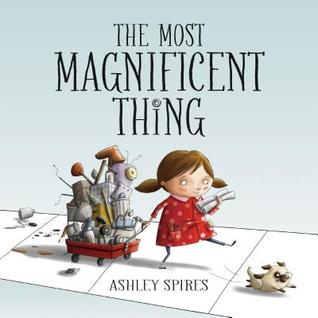
  1. The Most Magnificent Thing by Ashley SpiresI will be using this book to introduce 20% time with my students, thank you Chris Lehman for the recommendation.  I love the message of not giving up but also of finding use in other people’s mistakes.
  2. Froodle by Antionette Portis This seemingly silly book packs a powerful message; everyone should be allowed to experiment with their own voice.  It is one I hope to read at the beginning of the year.
  3. Unicorn Thinks He’s Pretty Great by Bob Shea Thea has this book and I have the book in my classroom as well.  This book has such a great story about not judging, wrapped up in whimsy, and every time I read it aloud I laugh outloud.
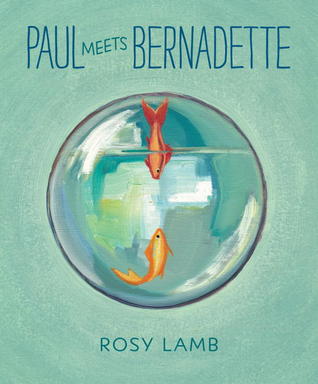
  4. Paul Meets Bernadette by Rosy Lamb Every time I read this book, I think of another way to discuss it’s theme.  Wrapped up in a simple love story it is a great book to discuss perspective and the lens with which we view the world.
  5. My Teacher is a Monster – No, I Am Not by Peter Brown From the title to the illustrations, think of the discussion this book will elicit.  I loved the message, but also the nuance with which it is presented, and let’s face it; many students think their teachers are not quite human and this is a great book to discuss just that.
  6. This Is a Moose by Richard T. Morris The first time I read this book, I didn’t love it as much as I do now.  I thought it was fun but I didn’t stop to think about what it was really trying to say.  Then Thea and I started to talk about it and her 5 year old perspective really made me think.  This book is about being allowed to be whoever you want to be, no matter what others think; what a great message to send to kids.
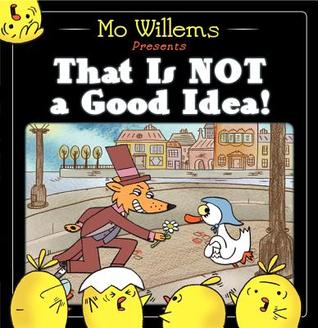
  7. That Is Not a Good Idea by Mo Willems We often think we know the whole story but through the storytelling of the magical Mo Willems, we find can discover how wrong we are.  Even after you know the twist, this is still such a great book to hand to students as they write their own stories.
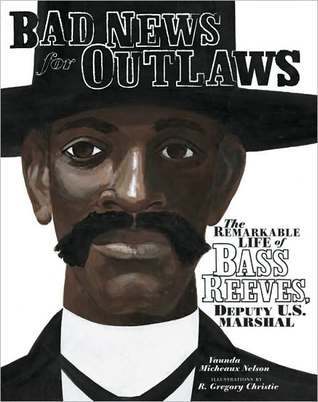
  8. Bad News for Outlaws: The Remarkable Life of Bass Reeves, Deputy U.S. Marshall by Vaunda Micheaux Nelson What an incredible history lesson wrapped up in the pages of this book.  My former librarian Deb told me to get it and boy does she know me well.  Students will marvel at this true story of one person’s character.
  9. Knock, Knock: My Dad’s Dreams for Me by Daniel Beaty So often we need books that mirror the harsh realities some of our students face, this book is one of those books.  Hauntingly written, this is sure to start a discussion on how the boy views his own life.
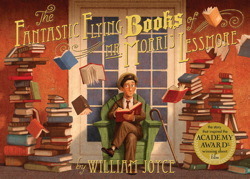
  10. The Fantastic Flying Books of Mr. Morris Lessmore by William Joyce This book is beautiful, magical, and oh so on point for what books do for us.  And even better; there is an Oscar winning short cartoon of it as well.
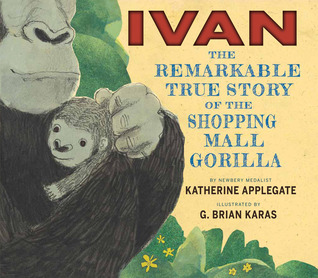
There you have it, a few new ones I cannot wait to share.  However, did you know there is a picture book coming out about the story of Ivan?  I am counting down the days to read this to my students; Ivan: The Remarkable True Story of the Shopping Mall Gorilla by Katherine Applegate
Be the change, being a teacher, new year, parents, reflection, students

Have You Included Parent Voice in Back to School Planning?

image from alexandremdesigns

On Wednesday, Theadora gets to meet her kindergarten teacher.  We get to show up, me with all 4 of the kids, drop off her supplies and asnwer any questions the teacher may have.  You would think I have a mile-long list of questions, but I don’t.  I don’t know what to as at this point, that will come later, once school has started.  And yet,  I do have hopes and dreams for Thea and I hope I get to express that to her teacher.

This realization made me remember that I need to include my 7th grade parents’ voice in my back to school preparation.  That yes, I may be planning awesome things for my first days of schools, and that yes I may be teaching students at an age of more independence from parents.  But parents still need to have a voice in our classroom.

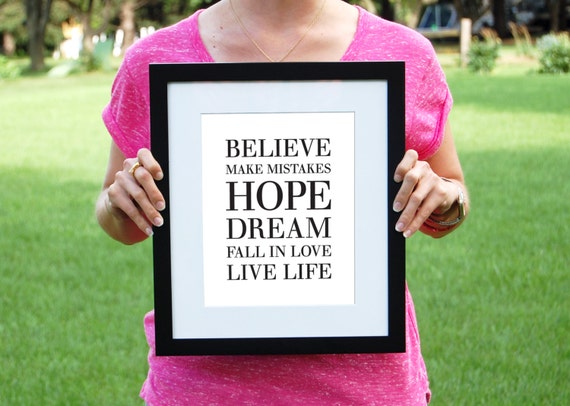
So I created my hopes and dreams survey.  One simple question to get their feedback, to guide me as I prepare.  Don’t forget to tap into parent knowledge.  Don’t forget to reach out, even if you think their child is too old for you to ask.  I don’t think any parent ever stops dreaming for their child, don’t forget to ask.

PS: In 5th grade, I used this

I am a passionate  teacher in Wisconsin, USA,  who has taught 4, 5th, and 7th grade.  Proud techy geek, and mass consumer of incredible books. Creator of the Global Read Aloud Project, Co-founder of EdCamp MadWI, and believer in all children. I have no awards or accolades except for the lightbulbs that go off in my students’ heads every day.  First book “Passionate Learners – Giving Our Classrooms Back to Our Students” can be purchased now from Powerful Learning Press.   Second book“Empowered Schools, Empowered Students – Creating Connected and Invested Learners” can be pre-ordered from Corwin Press now.  Follow me on Twitter @PernilleRipp.

Be the change, being me, new year

Need Some Ideas For Back to School? Win A Copy of My Book

I have done a giveaway at the beginning of summer for my first book and thought I should end this glorious summer with one as well.  So if you feel like you need some ideas for back to school.  If you feel like you know what you are doing but are ready to make some changes.  If you feel like there are things you want to do to give students more voice but not quite sure where to start, then here is the e-book for you.

My first book “Passionate Learners – Giving Our Classrooms Back to Our Students” has been helping new and veteran teachers this summer come up with ideas for change.  It has helped give some the push they needed to give the classroom back to students, or helped them with new ideas for what they were already doing.  I have been excited and humbled by the reviews on Goodreads from educators that are taking the time to read the book such as this one:

In a time when much of education is dictated by curriculum standards and mandated behavior management programs, Pernille offers a fresh perspective on what learning is like from the student perspective. From her asking the question, “would you like being a student in your own classroom?” to her ideas about grading and homework, she offers a vision of truly student-centered education. She does not offer a method or a step-by-step guide to changing one’s teaching. Instead, she empowers teachers to reflect on their experiences, on research, and on their current level of comfort with innovation. After this reflection, teachers are ready to use Pernille’s ideas as a springboard to transform their own classrooms into ones that are truly student-centered.

So what do you have to do to win?  Simple, leave a comment, please leave your email, and let me know what you would like to change this year.  I will only run this contest to Monday night, August 24th at 8 PM CST so that the winner has a chance to read the book soon.

And if you don’t win, consider reading the book anyway.  Wherever you are on your journey, I hope it helps move you forward.

This contest has closed – the winner was….Erin Petley – thank you so much everyone for entering!

being a teacher, being me, new year

Don’t Forget It’s About the Kids

The excitement is palpable.  The rush is on.  Meetings, freshly copied stacks of paper, and endless to-do lists lead to sleepless nights.  North America is headed back to school.  All around our country superintendents, principals, and keynotes speakers are getting ready to deliver words of wisdom, words to start the school year off right.  There is much to cover, much new to unveil, there always is, and yet, I have a plea for you.

Don’t forget to inspire.

Don’t forget to keep it about the kids.

That we are here faced with so many new things, but if we don’t love what we do, and if we don’t love those kids, then new initiatives don’t matter.  Then new ideas will not take off right.  Then a new vision will never take root.

Don’t forget that we have dreams too.  That numbers and data and stacks of information is important but so is the need to dream.  We want to be told that we matter, that our ideas matter, and that we are in it together.

You don’t have to speak for long.  You don’t have to say anything fancy.  But start out with the most important message of them all; we are here for the kids.  And then end with it too.  Sure, show us the data, share the new things, but the kids?  That’s where we need to focus.  Not the new, not the clever, not the vision even, but them.  They are the reason we are here.

H/T to my administration who did just that.

I am a passionate  teacher in Wisconsin, USA,  who has taught 4, 5th, and 7th grade.  Proud techy geek, and mass consumer of incredible books. Creator of the Global Read Aloud Project, Co-founder of EdCamp MadWI, and believer in all children. I have no awards or accolades except for the lightbulbs that go off in my students’ heads every day.  First book “Passionate Learners – Giving Our Classrooms Back to Our Students” can be purchased now from Powerful Learning Press.   Second book“Empowered Schools, Empowered Students – Creating Connected and Invested Learners” can be pre-ordered from Corwin Press now.  Follow me on Twitter @PernilleRipp.

being a teacher, being me, ideas, Literacy, new year, Reading

Small Ideas for Better Readers Workshop

image from icanread

I have been discussing reading and writing almost every day these past few weeks preparing for my new job as a 7th grade English teacher.  I haven’t minded one bit either.  It seems if I am not discussing it, I am thinking about it, and that tends to lead to a blog post or five to get my own thoughts straight.  I started to realize that there are little tweaks that I have been using the past few years to make our conversations deeper and to make it run a bit smoother, couple that with new ideas thanks to my amazing PLN, and I am feeling pretty good about the start of school September 2nd.

So if you want students to actually read…

  • Give them reading time in class, even in middle and high school.  We cannot control what students do outside of our rooms but we can give them the gift of time in our rooms.  So even if you only have 10 minutes like me to give in a 45 minute block, give it to students for independent reading.  Make it sacred and believe in it by not infringing in it.
  • Set up reading routines and expectations from day one.  The students will be coming up with how to get settled into independent reading right away as they come to class, as well as what that looks like/sounds like/feels like.  I am taking the time to build a proper foundation because this is so important for the entire year.  Yes, there is curriculum to cover but it will not be covered well if our routines aren’t in place.
  • Have incredible books.  Don’t just rely on your school library, have an actual library in your classroom.  No, it is not cheap, but the investment we put into getting great books pays off when it hooks a reader.   I also use sites like Donorschoose and Books4Schools to get more books.  And yes, this goes even for middle school and high school.
  • Let students choose their books.  We do book clubs later in the year, but overall books are self-selected, with help when needed.  Students need to develop their own taste in books and need to develop deep reading habits, they have a hard time doing that if we are constantly telling them what to read.  I do not have a leveled library because of this, I don’t want students to feel defined by their level, but rather figure out who they are as readers.  I do whole class books as a read aloud to have a shred experience and a shared text to discuss lessons within.
  • Read yourself.  A very simple idea that pays off tenfold.  If you read and can hand books to students, you set an expectation for continual reading.  It also creates a better reading community because you can really discuss books with your students.
  • Do a challenge of some sort.  I have done my own version of the 40 book challenge with a lot of success; every student read more books than the year before because they were trying to get to 40 books.  This year it will be a 25 book challenge instead, due to the limited independent reading time I can offer students.  There is no prize, nor any competition, but rather an awareness of trying to beat one’s own number of books read.  And no, it is not a public challenge.

So if you want them to develop deeper ideas…

  • Use post-its to mark text and jot down ideas.  Teach students to look for things they want to discuss, not just connections, questions, or unfamiliar words.  Those tend to not to lead to deeper discussion, but rather dead end ones.  
  • Discuss what creates a highway conversation vs a dead-end one.  This is a simple analogy that works well; think of your reading thoughts as a highway.  You are trying to create one where there are many places to go, not on that stops abruptly.  Having students act this out on pre-written post-its can get the point across really well.
  • Re-visit post-its.  This is a great strategy for those students that cannot get past their initial idea.  Have them jot something down and then have them continue reading, at the end of their reading time, have them return to an older post-it and add thoughts to it now.
  • Give students a warning before reading time is over.  I do a 2 minute warning reminding them that they need to take time to think and jot something down for them to discuss with their partner or group.  Everyone knows there is no reason to not have anything written down.
  • Give them cheat sheets.  I am all about scaffolding because asking probing reading questions can be hard eve for teachers.  So we brainstorm cheat sheets that students keep on small rings, these rings also have their monthly reading goals on them (one quantity goal and the other two skills goals) that they write.  
  • Model partner conversations.  Have students guide each other on what they can say or how they can push someone’s thinking.  It is often much more powerful coming from peers than a teacher.
  • Create huge goals for reading.  In our classroom, we don’t read to be better readers, we read to be better people that can carry on conversations by being interested and active listeners and speakers.  Yup, my 5th graders could discuss more than just a book by the end of the year, I was so incredibly proud of them.

So if you want it to be better because something isn’t working…

  • Ask the students their opinion.  I survey them at the beginning of the year for their reading habits, but I also ask them throughout the year what is working for them and what it isn’t.  Sometimes really small things can be the cause of distractions and can be easily fixed but we won’t know that unless we ask.
  • Videotape yourself.  I found out I talk too much and don’t see kids lose interest through video tape.  Film yourself teaching and then watch it with an open mind.  No one is perfect and there is always room for improvement.
  • Ask a colleague to watch you teach.  This can be one of the hardest things for us to do and yet it can be one of the most powerful.  I have an open door policy in my classroom at all times and if people happen to wander in during a reading lesson, I always ask for their opinion.  They always have something valuable to teach me but you won’t know it if you don’t invite people in.

I am a passionate  teacher in Wisconsin, USA,  who has taught 4, 5th, and 7th grade.  Proud techy geek, and mass consumer of incredible books. Creator of the Global Read Aloud Project, Co-founder of EdCamp MadWI, and believer in all children. I have no awards or accolades except for the lightbulbs that go off in my students’ heads every day.  First book “Passionate Learners – Giving Our Classrooms Back to Our Students” can be purchased now from Powerful Learning Press.   Second book“Empowered Schools, Empowered Students – Creating Connected and Invested Learners” can be pre-ordered from Corwin Press now.  Follow me on Twitter @PernilleRipp.

Be the change, being me

A Few Podcasts

I never know what to say on  the podcasts I am invited to, and yet, I always have a great time speaking to the amazing educators, hosts, and just generally nice people that invite me on their shows.  I have I had the chance to join a few wonderful podcasts but often forget to share officially here on the blog.  

So if you feel like listening to me speak about my books, the Global Read Aloud, giving the classroom back to students, our just life in general, please take a listen to these.

Larry Jacob’s EduTalk – What Learning Looks Like

Brian Sztabnik Talks With Teachers 

Joe Sanfelippo and Tony Sinanis (Some of my favorite people in the whole wide world) – BrandEd – Strategies for Connecting Your Students to the World

Todd Nesloney and Chris Kesler at EduAllStars – Session 22

Project Pupil – This is how learning should look like

The Interactive Teacher – Global Read Aloud and Classroom Transformation

I am a passionate  teacher in Wisconsin, USA,  who has taught 4, 5th, and 7th grade.  Proud techy geek, and mass consumer of incredible books. Creator of the Global Read Aloud Project, Co-founder of EdCamp MadWI, and believer in all children. I have no awards or accolades except for the lightbulbs that go off in my students’ heads every day.  First book “Passionate Learners – Giving Our Classrooms Back to Our Students” can be purchased now from Powerful Learning Press.   Second book“Empowered Schools, Empowered Students – Creating Connected and Invested Learners” can be pre-ordered from Corwin Press now.  Follow me on Twitter @PernilleRipp.