being a teacher, being me

Come Teach Again – On Teacher Guilt and the Platitudes that Grows It

For a while, I have been noticing a trend in my Twitter feed, or rather what Twitter wants me to see.  If I ever cross into “Moments” or “Search” it seems that the same white males keep popping up with Twitter telling me that if I follow education then I surely must be interested in their statements.  At times, it is right, many who are no longer in the classroom have fascinating ideas to share, research to ponder, and resources to go through.  And yet, there are times, and seemingly more so recently, that who I am supposed to be learning from in education keeps being the same white, male, non-classroom teachers that keep telling me, this classroom teacher, what I need to do to be the perfect teacher.

I have quietly rolled my eyes.  Seethed a little.  Showed friends how funny it is that it seems to be the same people that others also see when I ask them to cross into that stream.  At times I have been baffled by the statements shared, even if well-meaning, as they seem to be written more with a re-tweet in mind than any actual learning.

This morning, as I leisurely browsed Twitter on my vacation, I came across this statement.

4638031987081216.png

A pretty typical example of the platitudes that are served up daily to all of us educators who spend time on social media.  Often, statements like this get liked thousands of times, retweeted to the nth degree.  Shared as if this is the gospel truth, pushing teachers to finally realize that they should teach as if they actually care about their job.  Seemingly wanting us, in this case, to finally realize that since everything is controlled by teachers, then surely we could create the most engaging student experience if we just worked a little harder.

Can we stop for a moment and unpack this just a little?

I used to lose sleep over how I seemingly failed my students.  How even though I spent hours planning engaging lessons, how even though I brought my very best, how even though I walked so many steps in the classroom checking in with each student that my knees and hips hurt at the end of the day, it didn’t always seem to matter.  That every day there seemed to be at least one kid who was quick to tell me just how bored they were.  How much they didn’t like what we were doing.  How much they wished they were somewhere else.

Despite my planning.

Despite my strategies.

Despite my positive urgency to reach all children.

And so when these supposed thought leaders, who seem to be fairly removed from the day to day experience of what it really means to teach, then tell us that everything our students experience is controllable by us, I cannot help but wonder how many teachers end up feeling like failures just like I did.  Despite all of the work they have done.  Despite everything they are striving to be on a day to day basis.  Despite how much they already pour of themselves into this profession because we know how much it matters.

How is that furthering anything good for educators?  Because the teacher guilt is a real thing.  Because teacher burnout from not feeling like we are enough is a real thing.  Because we already work in a profession that at times is showcased as everything that is wrong with this country.

It is hard to sometimes believe you are of any kind of worth when you are constantly reminded of all the things you should be doing if only you were a great teacher.  In fact, last year, I expressed my regret to students in how I seemed to fail to engage them all during a particular unit and that I wished I was a better teacher for them.  How I was really trying and yet seemed to not live up to the high expectation I had placed for myself.  In that moment of vulnerability, I will never forget what several students told me.

It’s not your fault, Mrs. Ripp, sometimes we just don’t want to.

It’s not your fault, Mrs. Ripp, because we are kids and it is natural that we don’t always like school.

It’s not your fault, Mrs. Ripp, because we need to bring it too…

They need to bring it too.

I love the wisdom of kids.

Because that’s it.  While we, as educators, should bring our very best every single day.  While we, as educators, should plan engaging lessons for all.  While we, as educators, should teach as if every moment matters – because it does – we are not enough.

We have to have a partnership with students when it comes to their engagement.  To their empowerment.  To their investment into our classrooms.  We have to bring our best and expect our students to bring their best as well.  We have to have an agreement with students that we will all try to rise to the occasion together, and that there will be days where that may not happen.  And that does not mean we have failed, but just that we will try again the next day.

My job is not to entertain my students, my job is to teach, and while the two are not mutually exclusive, I have to continually remind myself of what my purpose is as the teacher in the room; to help them become more invested, engaged, and critical participants and creators of their own educational experience.  That does not just rest on my shoulders, but the shoulders of our students as well.  We start conversations about what real learning looks like and then we set the expectation of how we will provide the foundation for them to stand on, but that they must do the building.  Sometimes with us and sometimes without.  That we can only bring our very best but then it is up to them to make it matter.  To make it worth their time.  That for them to have the very best educational experience, they have to invest as well.  Sometimes despite the seemingly insurmountable odds, they face in life.

To think that I, as the teacher in the room, controls all of their attention and levels of engagement is simply false.  It supports the notion that students are mere pawns and not there as active investors in their own learning.  It supports the notion that school is something we do to children rather than something they experience.

So what if instead of listening to some who may have great things to share but are not actually doing it themselves, and haven’t for a really long time, we instead had conversations with students about how we can increase engagement and attention in our classrooms?  How about instead of pretending that everything is under the control of teachers, we actually realized that the very best classrooms are those where students share the control and thus have to invest to actually learn?

Because frankly, I don’t need more people outside of the day-to-day realities of what it means to be in a profession that is constantly attacked for not being enough, telling me how I need to do more.  To that I say; come teach again, then we can discuss it, my students and I have plenty to share.

If you like what you read here, consider reading my newest book, Passionate Readers – The Art of Reaching and Engaging Every Child  Also consider joining our book club study of it, kicking off June 17th.  This book focuses on the five keys we can implement into any reading community to strengthen student reading experiences, even within the 45 minute English block.  If you are looking for solutions and ideas for how to re-engage all of your students consider reading my very first book  Passionate Learners – How to Engage and Empower Your Students.      Also, if you are wondering where I will be in the coming year or would like to have me speak, please see this page.


books, picture books, Reading

My Favorite Picture Books of 2018 (So Far)

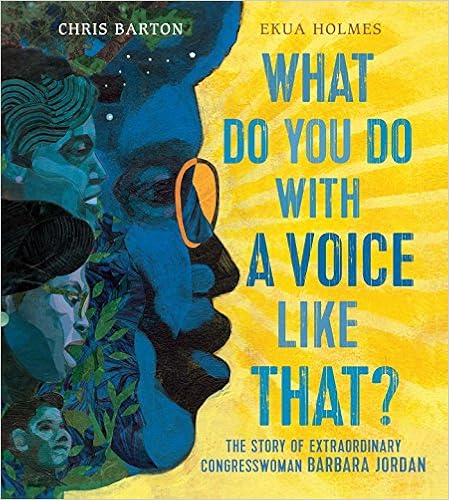
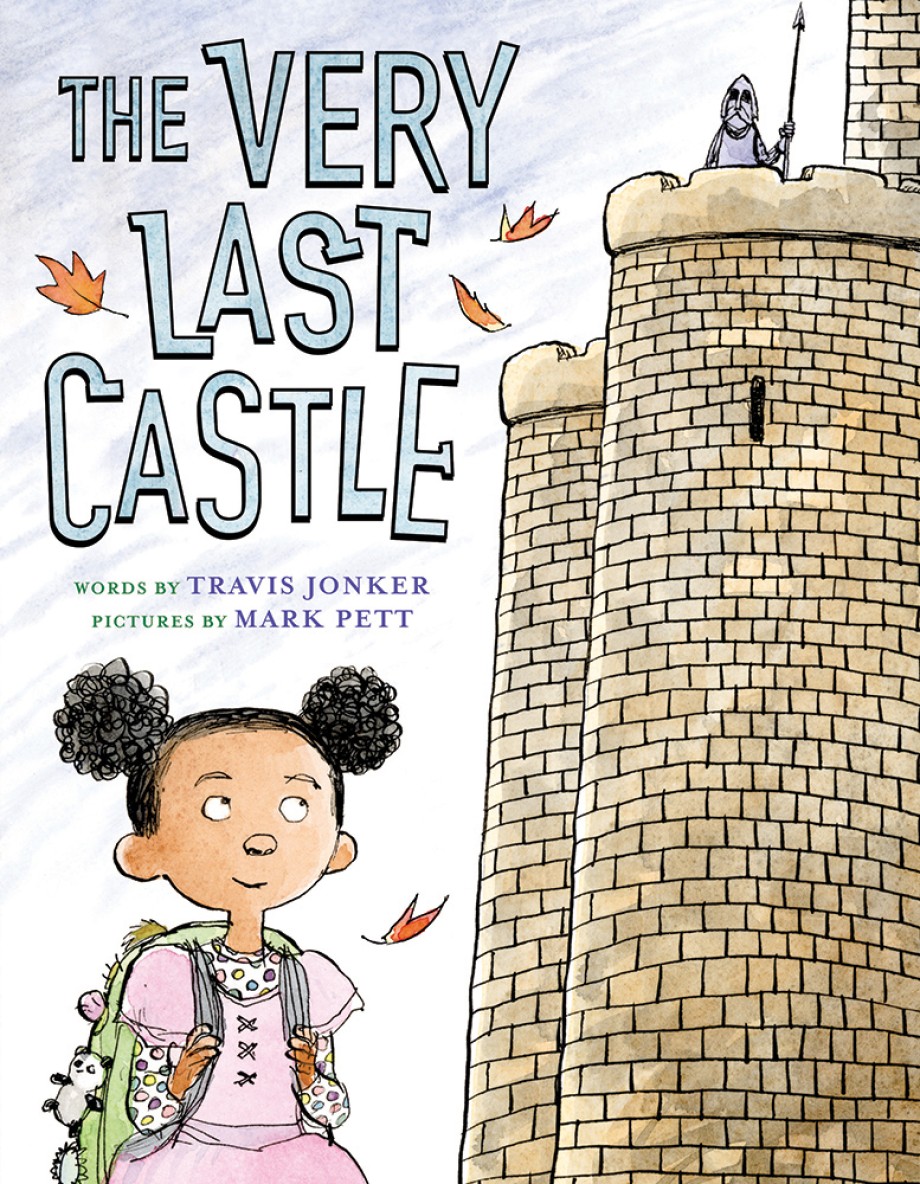
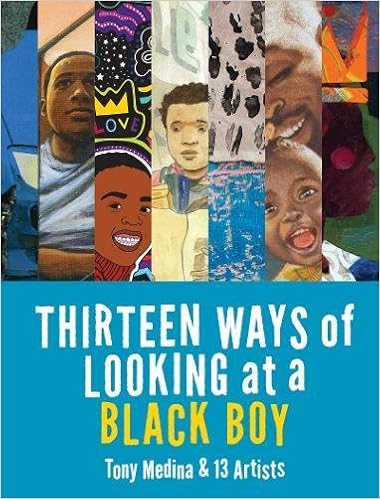
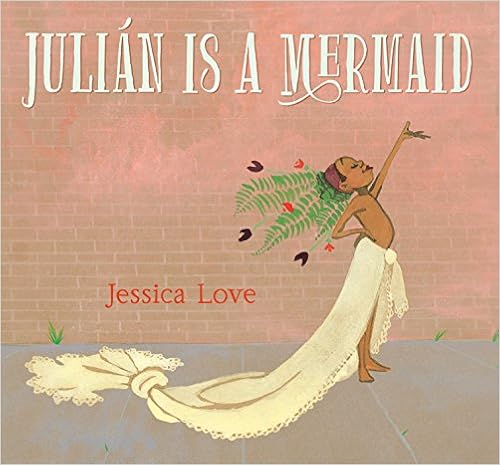
Every year I post an end of the year favorite book list but I thought this year, inspired by Colby Sharp, I thought it would be fun to add the titles as I discovered them.  Now, these may have come out in 2018 or simply have been read by me in 2018.  So here you are, in no particular order, my favorite picture books of 2018.  To follow along with these live follow me on Instagram.

The list of favorite chapter books for 2018, can be found here.

To see all of our favorite books through the years, go here.

Fiction

Image result for the very last castle


Image result for forever or a day

Image result for i am loved nikki giovanni

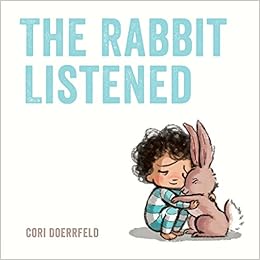
Image result for the rabbit listened

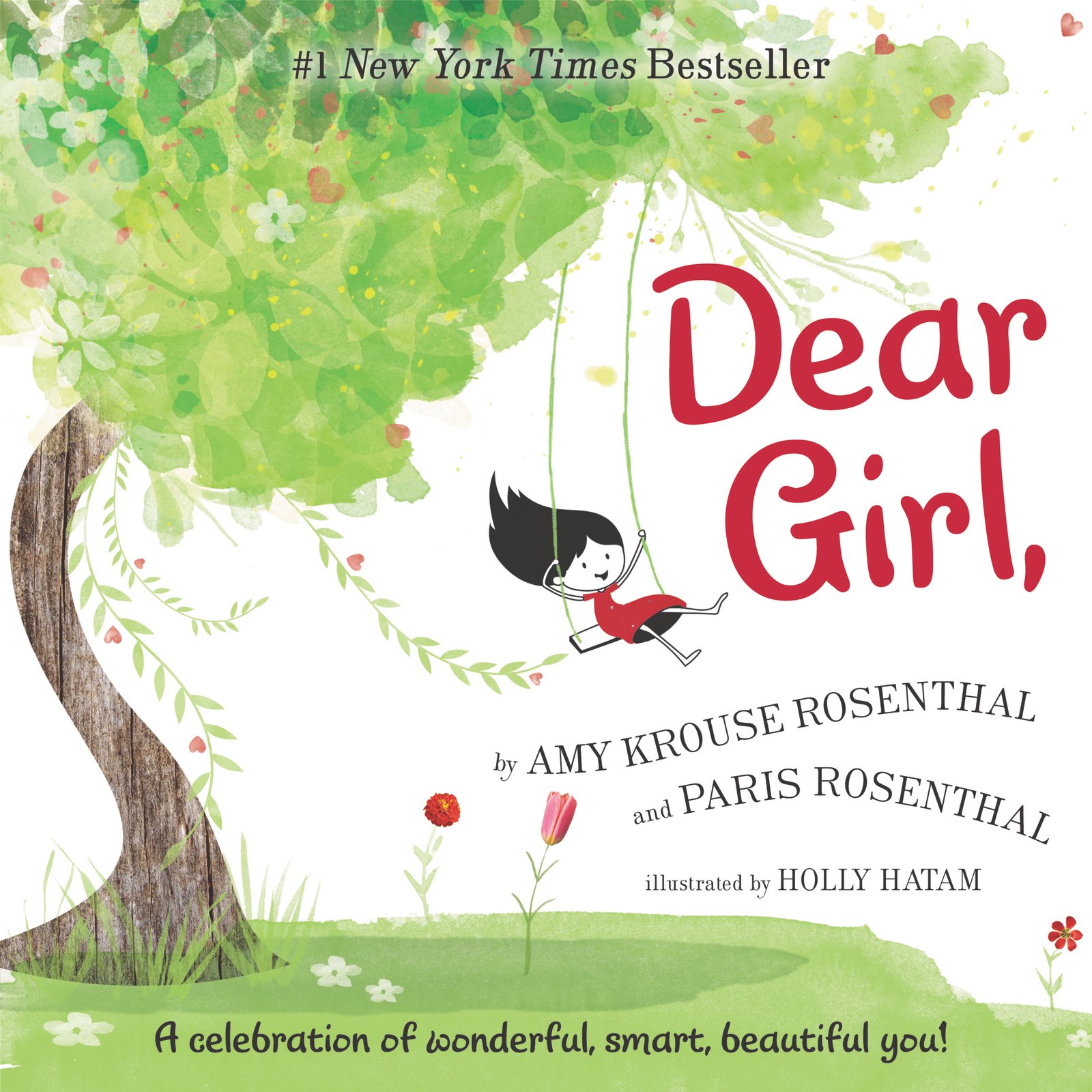
Image result for dear girl

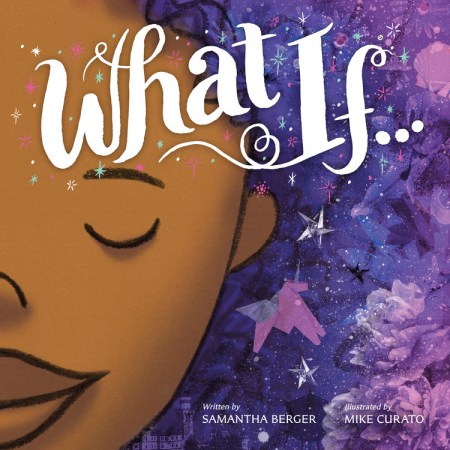
Image result for what if picturebook

Non-Fiction

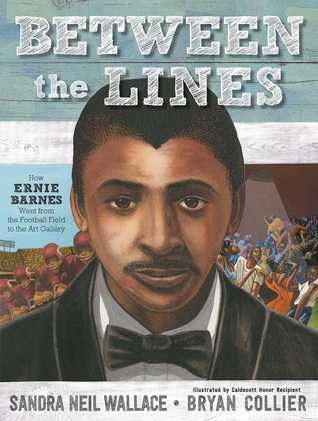
between the lines.jpg

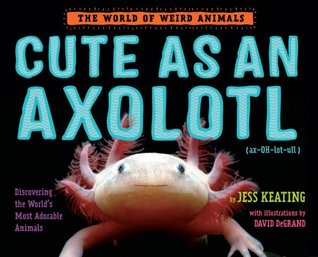
cute.jpg

being a teacher, books, Literacy, Reading

My Favorite Books of 2018

Every year I post an end of the year favorite book list but I thought this year, inspired by Colby Sharp, I thought it would be fun to add the titles as I discovered them.  Now, these may have come out in 2018 or simply have been read by me in 2018.  So here you are, in no particular order, my favorite books of 2018.  To follow along with these live follow me on Instagram.

PS:  My Favorite Picture Books of 2018 can be found here.

Middle Grade or Younger

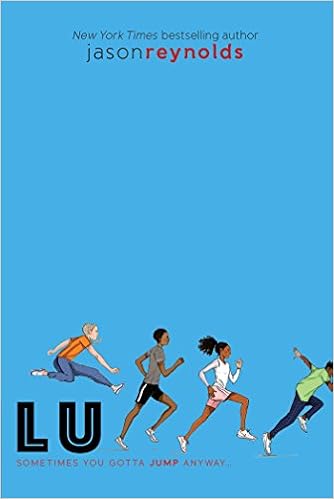
Lu by Jason Reynolds

Wicked Nix by Lena Coakley and illustrated by Jaime Zollars

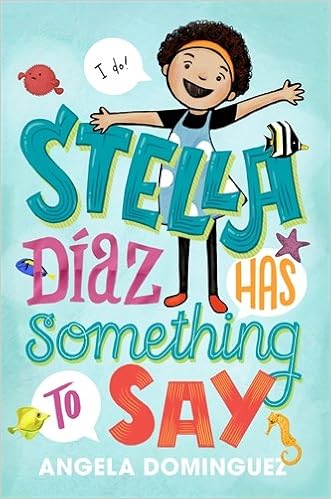
Stella Diaz Has Something to Say by Angela Dominguez

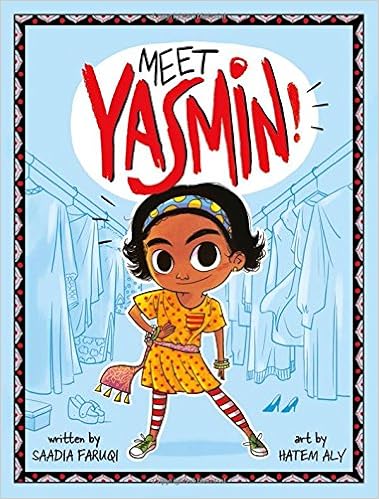
Meet Yasmin! by Saadia Faruqi  (Author), Hatem Aly (Illustrator)

Wonderland by Barbara O’Connor (Author)

The Benefits of Being an Octopus by Ann Braden  (Author)

Courage by Barbara Binns

Minrs 3 by Kevin Sylvester (Final book of the Minrs trilogy)

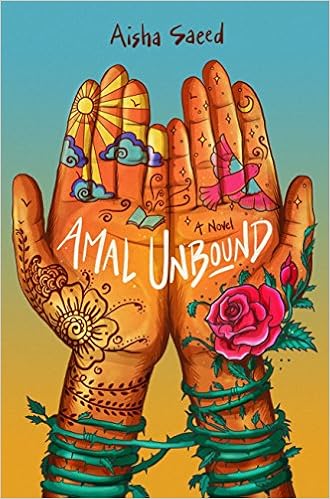
Amal Unbound by Aisha Saeed

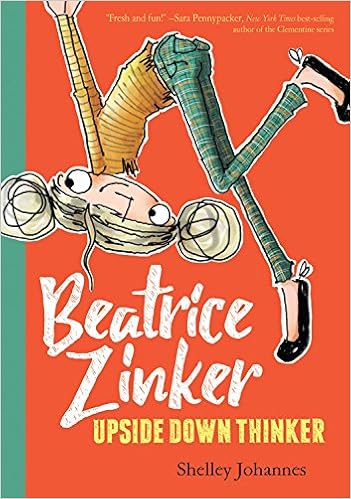
Beatrice Zinker, Upside Down Thinker by Shelley Johannes

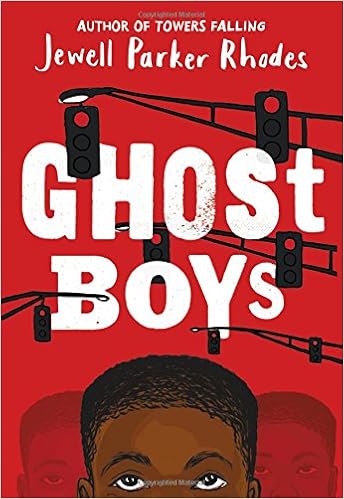
Ghost Boys by Jewell Parker Rhodes 

Greetings from Witness Protection by Jake Burt

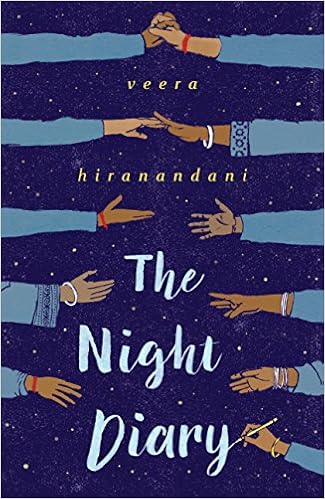
The Night Diary by Veera Hiranandani

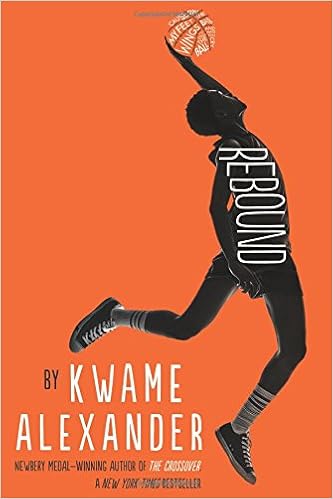
Rebound by Kwame Alexander

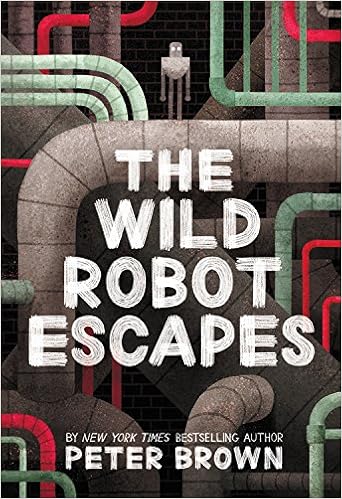
The Wild Robot Escapes by Peter Brown

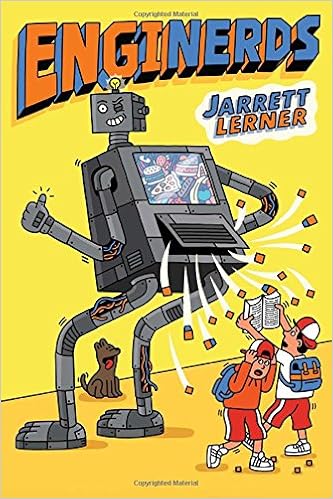
Enginerds by Jarrett Lerner

Winnie’s Great War by Lindsay Mattick and Josh Greenhut, art by Sophie Blackall

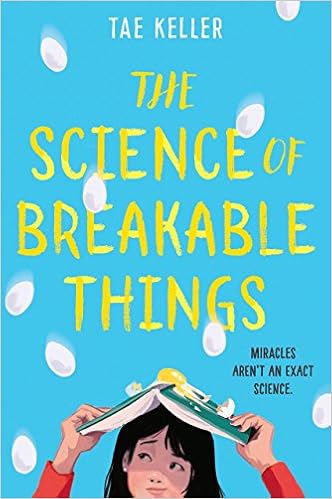
The Science of Breakable Things by Tae Keller

Ivy Aberdeen’s Letter to the World by Ashley Herring Blake

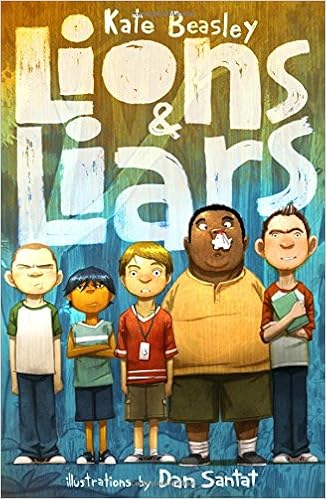
Lions and Liars by Kate Beasley

Tight by Torrey Maldonado

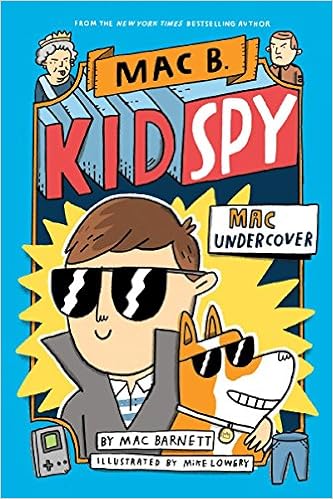
Mac B. Kid Spy  by Mac Barnett illustrated by Mike Lowery

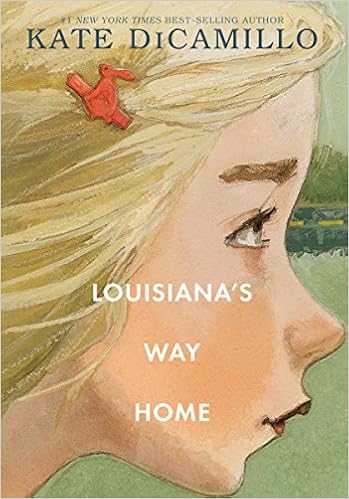
Louisiana’s Way Home by Kate DiCamillo

Harbor Me by Jacqueline Woodson

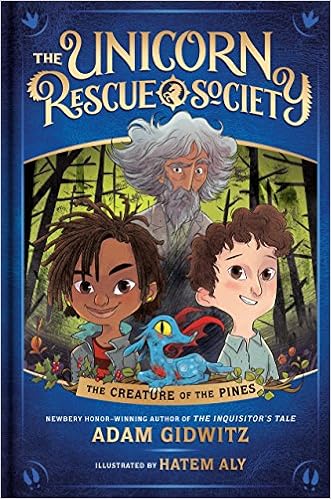
The Unicorn Rescue Society by Adam Gidwitz, illustrated by Hatem Aly

The Endling by Katherine Applegate 

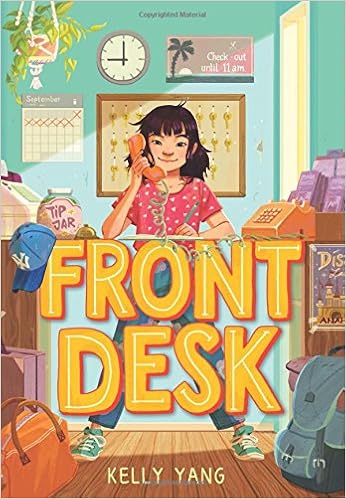
Front Desk by Kelly Yang

Graphic Novels

7 Generations – A Plains Cree Saga by David Alexander Robertson and drawn by Scott A. Henderson

Ms. Marvel Vol. 1: No Normal (Ms. Marvel Series) by [Wilson, G.]

Ms. Marvel by G. Wilson and drawn by Adrian Alphona

Last Pick by Jason Walz

Escape from Syria by Samya Kullab and Jackie Roche

Mary’s Monster by Lita Judge

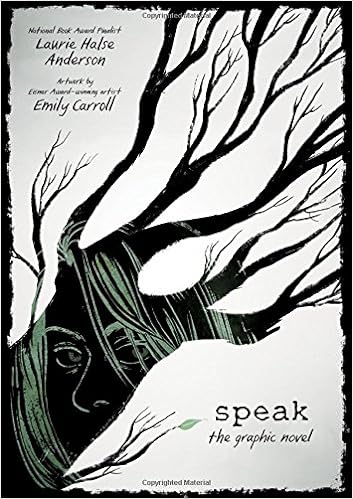
Speak – The Graphic Novel by Laurie Halse Anderson

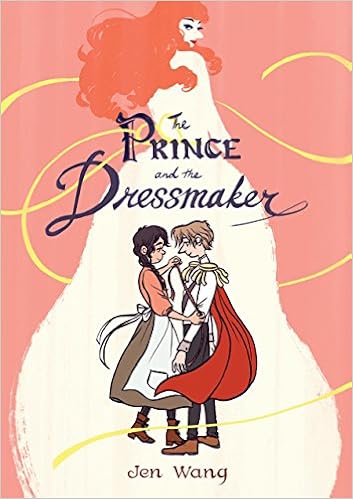
The Prince and the Dressmaker by Jen Wang

Click by Kayla Miller

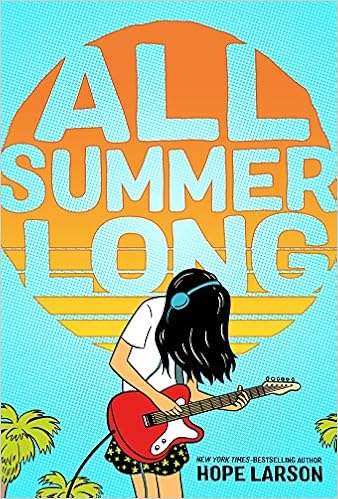
All Summer Long by Hope Larson

Be Prepared by Vera Brosgol

The Unwanted: Stories of the Syrian Refugees


Young Adult

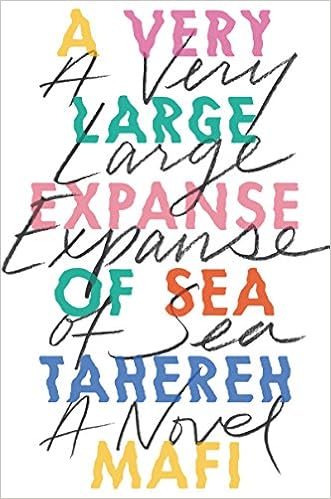
A Very Large Expanse of Sea by Tahereh Mafi

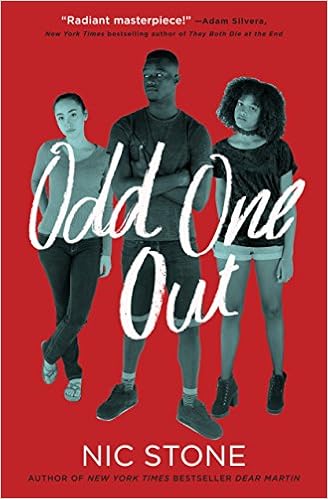
Odd One Out by Nic Stone

Internment by Samira Ahmed – won’t release until March 2019 – must pre-order

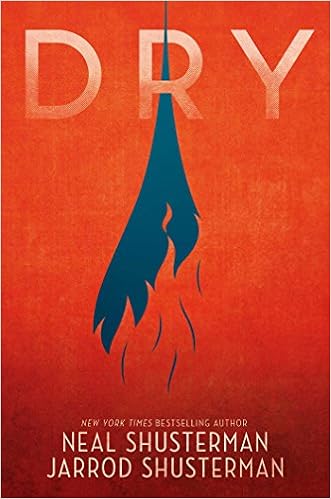
Dry by Jarrod Shusterman and Neal Shusterman

The Skin I’m In by Sharon Flake

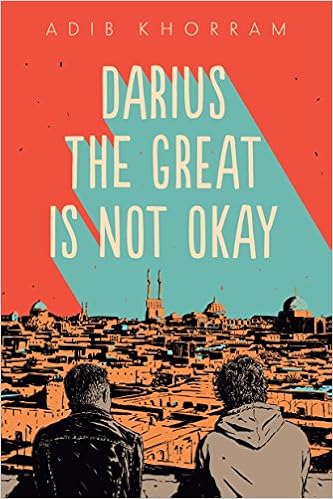
Darius the Great Is Not Okay by Adib Khorram  (Author)

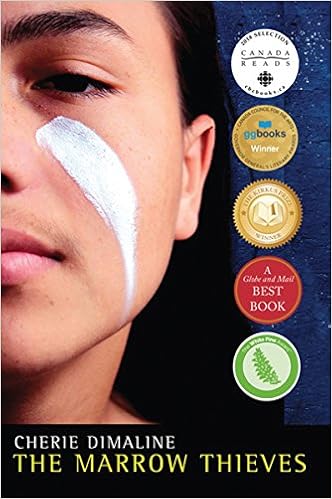
The Marrow Thieves by Cherie Dimaline

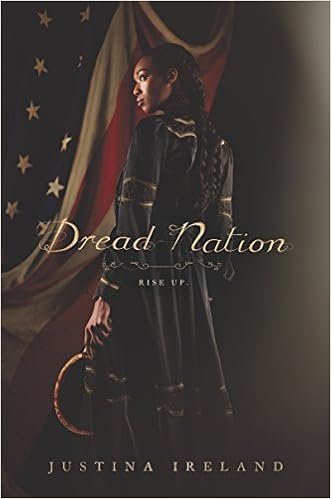
Dread Nation by Justina Ireland

One of Us is Lying by Karen McManus

Love, Hate, and Other Filters by Samira Ahmed

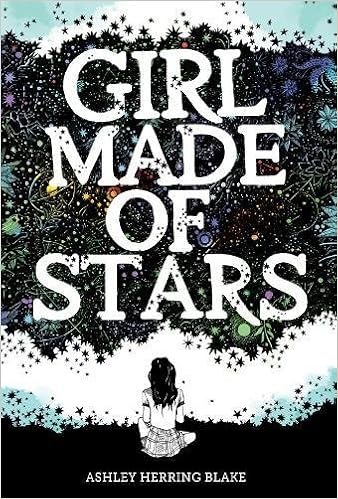
Girl Made of Stars by Ashley Herring Blake

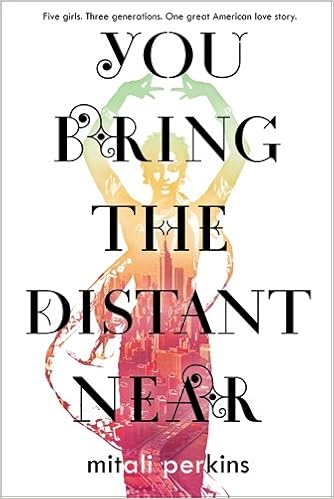
You Bring the Distant Near by Mitali Perkins

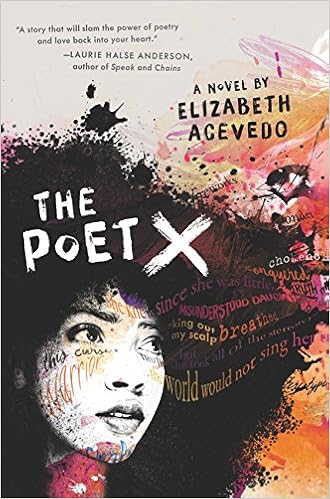
The Poet X by Elizabeth Acevedo

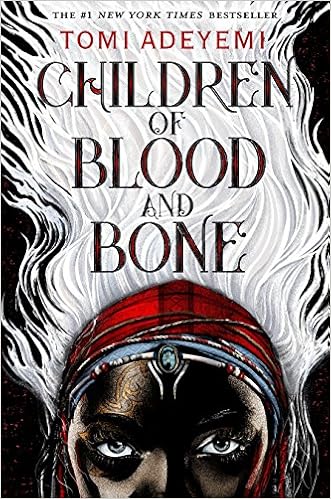
Children of Blood and Bone by Tomi Adeyemi

The Wicked Deep

The Wicked Deep by Shea Ernshaw

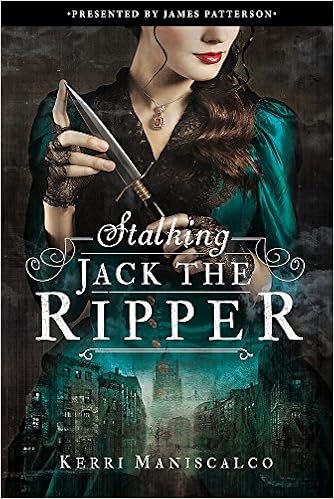
Stalking Jack the Ripper by Kerri Maniscalco

Tradition by Brendan Kiely

Day of Tears by Julius Lester

The Fandom by Anna Day

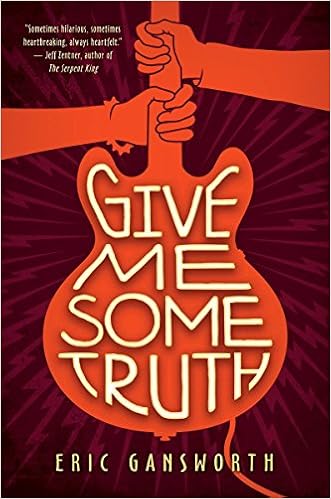
Give Me Some Truth by Eric Gansworth

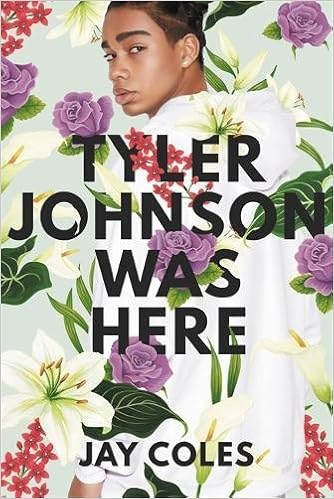
Tyler Johnson Was Here by Jay Coles

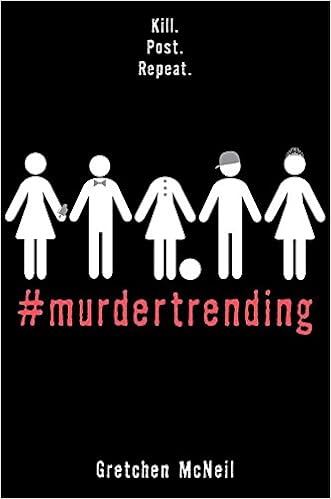
#Murdertrending by Gretchen McNeil

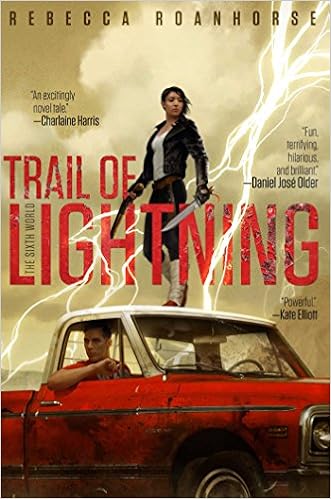
Trail of Lightning by Rebecca Roanhorse


Non-Fiction

First Generation by Sandra Neil Wallace and Rich Wallace, illustrated by Agata Nowicka

Dog Days of History by Sarah Albee

#NotYourPrincess – Voices of Native American Women edited by Lisa Charlieboy and Mary Beth Leatherdale

Hey, Kiddo by Jarrett J. Krosoczka

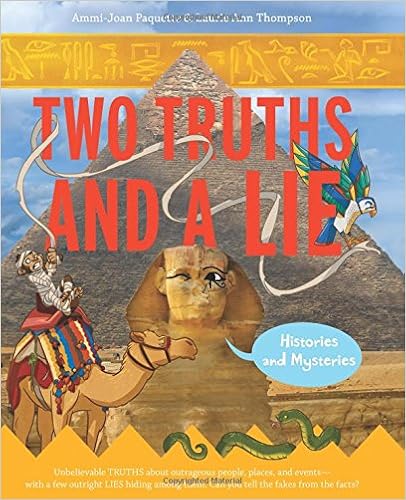
Two Truths and a Lie – Histories and Mysteries by Ammi-Joan Paquette and Laurie Ann Thompson

being a teacher, books

How I Am Growing – A Few Professional Development Books to Boost Your Work

Ah, summer.  Lazy days spent at the pool.  Trips and travel.  Sleeping in and ice cream.  Kid movie nights and dates with my husband.  Yet, every educator also knows that summer can mean growth, new ideas, new energy as we unpack the last year and focus on the next one.  Sometimes it comes from stepping away, from reflection, from taking a break from all things education.  Sometimes it comes in the form of a neatly wrapped package, a new book to help us see our world a little differently.  So what am I reading this summer to help me develop my craft?

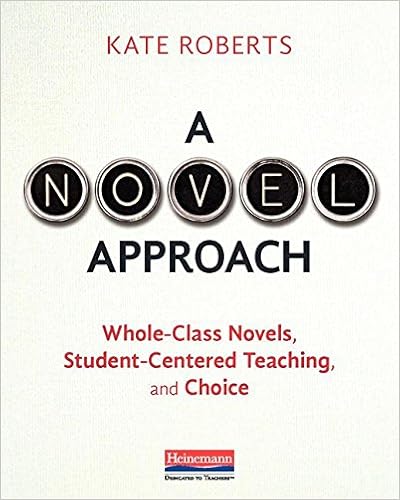
We are toying around with the idea of doing one whole class novel this year so when I saw Kate Roberts’ new book, A Novel Approach – Whole-Class Novels, Student-Centered Teaching, and Choice I knew I had hit the jackpot.  But I am going to let you in on a little secret; you don’t have to even be considering whole class novel for this book to apply to you.  Kate’s wisdom is for all English teachers and her ideas have already shaped my thoughts for the year ahead.

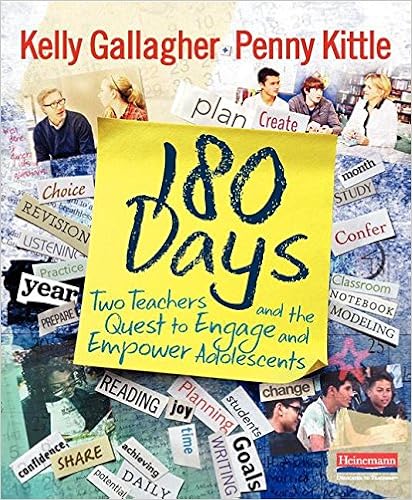
When Penny Kittle and Kelly Gallagher announced to the world that they were working on a book together, I was so excited.  After all, I have looked to their work for a long time as a guide for how to grow my practice.  Now with the release of 180 Days – Two Teachers and the Quest to Engage and Empower Adolescents the wait is over. I get to present alongside Penny Kittle and Donalyn Miller at NCTE this year – yes, really – so I cannot wait to see her discuss these ideas live!

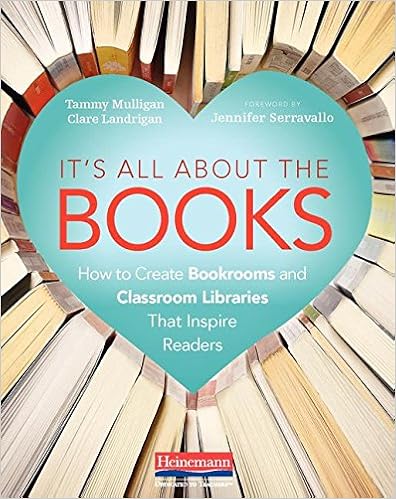
While I love our classroom library and feel like there are a lot of great ideas within it, I am always looking for tips on how to improve it.  Enter Tammy Mulligan and Clare Landrigan who with their new book, “It’s All About the Books – How to Create Bookrooms and Classroom Libraries that Inspire Readers” set out to provide us with just that; more practical ideas for how to utilize the books and space we already have to increase student engagement.

Image result for mechanically inclined

I am not good at teaching grammar, there I said it.  I know how to teach it within one-to-one conferences, but how do you teach it to the whole class so that it actually transfers into their work?  Enter the genius that is Jeff Anderson who had to figure out just that.  Lucky for us, he then decided to write a book about it!  I have heard nothing but positives about Mechanically Inclined – Building Grammar, Usage, and Style into Writer’s Workshop.

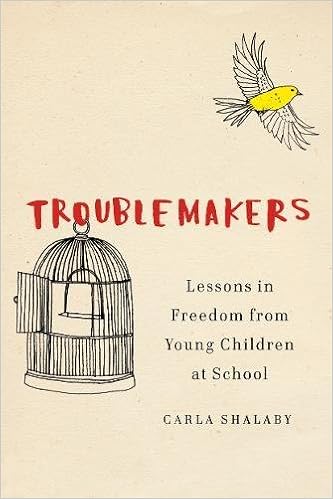
One of my largest areas of growth is centered on equity work and how I can be a better teacher and human being in America today.  I am so grateful for the leadership of Valeria Brown and her group #CleartheAir.  They have recently announced their book club titles for the upcoming year and are starting with Carla Shalaby’s Troublemakers, Lessons in Freedom from Young Children at School.  I cannot wait to unpack this book with them.

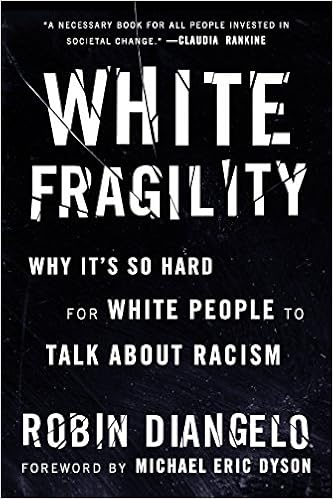
The next book in the #CleartheAir book club is White Fragility – Why It’s So Hard for White People to Talk About Racism by Robin Diangelo.  The power of the title alone means I cannot wait for September to come around.  There is also an October book, but I am not sure I will have time this summer to read it so I will save that title for a later post.  I highly encourage you to join the conversation!

And finally, the book I seem to be recommending the most this summer is still Sara Ahmed’s Being the Change – Lessons and Strategies to Teach Social Comprehension.  This book shaped our entire 4th quarter together and it was incredible.  This book will continue to shape the lessons I do with my students as we unpack our identities and what it means to view the world through the lens that we view it with.

So there you have it.  While I am also reading as many children’s books as I can devour, the growth I need as a teacher is coming from these few titles.  I cannot wait to be changed because of these books!  What are you reading this summer?


being a teacher, being me

In These Divided Times

Yesterday, I was given the opportunity to speak for 5 minutes on the ISTE small stage.  I was given five minutes to share something I am passionate about.  Something I care about.  I knew I wanted to discuss technology.  I knew I wanted to discuss division,  I thought I would discuss the Global Read Aloud, and yet as I started writing I realized the inherent opportunity I had been given to speak about something I am still learning about and growing within.  Something I have spoken about before but not at ISTE, not in a tech space.  So yesterday, I delivered the following Ignite to a full room.  I don’t know if my words will matter, I never do, but I was nervous and proud to speak from the heart.  Hopefully, I didn’t screw it up too much.  And while some told me it was a brave speech, I am not so sure about that, after all, I am pretty protected within my privileged place.   It was truly the least I could do as we continue to work toward a better world for all, not just those of us with privilege. 
PS:  Some of the words were repeated from my NCTE speech but they fit here as well.  I also think a video will be made available at some point and will add a link here.  For now, here is a Periscope version of it.
 

I was clutching the steering wheel.  The red and blue lights behind me flashing.  My heart in my throat. In my head, I kept wondering what I had done.  I knew I had followed the speed limit, used my blinkers. And yet, I was getting pulled over and I was frozen.

As the police officer walked up, I was scared.  Not for fear of a ticket, but because I didn’t have my green card on me.  That little card that grants me the permission to be here as a lawful immigrant.  That little card that I am supposed to carry on me at all times, in case the police, or ICE agents, or even strangers ever question whether I have the right to be in the US.

I didn’t have it.  It was at home. She came up to my window.  “License, registration please, do you know why I’m pulling you over?” My brake light was out.  That was it. Get it fixed or get a ticket – not questioning, not deportation. She thanked me for my time.  And then she walked away.

She never asked about my green card.  She never asked if I was here legally.  She never even thought to ask.

I was raised in Bjerringbro, Denmark, but my mother had a wandering heart and at the age of six, she moved us to inner-city San Francisco.  I navigated not understanding what someone said to me when they spoke. Figuring out how to find the bathroom when you don’t know how to ask to leave, how to make friends when you don’t speak the same language, how to show I was smart even if I couldn’t communicate it.  

And just when I felt like I had mastered this new culture, this new language, this new me,  we went home. Becoming Danish once again, rather than a kid from a foreign country. But when you see me;  Do you see a woman whose first language is not English? Or do you just see my white skin? Hear my American English and assume the rest?  

When I was 18, we moved again.  July 1998, I walked up to the counter in Logan Airport and declared myself an immigrant.  Alone and clutching my sealed papers, the officer took the papers and led me to a small room.  After what felt like forever, he finally handed them back, said; “Welcome to America” as he led me out into what felt like a whole new world.  

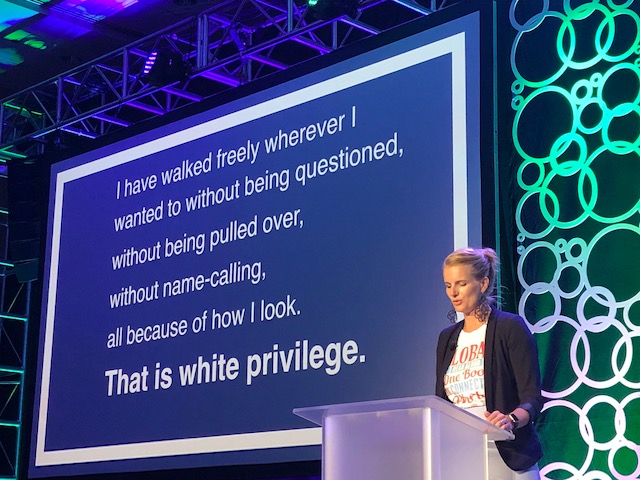
For 20 years no one has ever asked me for my papers again.   I have walked freely wherever I wanted to without being questioned, without being asked where I am from, without anyone asking me where I was born, all because of how I look.  That is white privilege,

When I wrote about how I am never assumed to be an immigrant, someone replied; “Well, that is easy to understand, after all, you look like an American.”

Let’s think about that for a moment.  How can I look like an American when I do not have a single drop of American blood in me? How can I look like an American when my first language is Danish and not English? How can this Danish girl be handed so much privilege – my skin of course.

You see, my family and I are so white we are like a caricature of whiteness, blonde, blue-eyed and tall.  I was born white, it is who I am, but I am on a journey to use my innate privilege to be something more. Not just an ally, but a fighter, and technology is my weapon.

My students and I have taken the curriculum that the world has handed us and tried to figure out where we fit into the world.  We have used books and computers to connect to the world. Web cameras, videos, and apps to not just share our work but to learn more.  

Yet when a student asked what does refugee mean and another child answered, it means the enemy, it was a stark reminder of the work that still needs to be done.    On the urgent need to use technology so that we can make our own decisions based on actual experience and not just hearsay and biased opinions. Use it so that those of us, who live with privilege,  can be a part of the fight for a more just world.

Because let’s face it, I am privileged because I get to be afraid of the type of reaction my teaching may cause if I continue to teach about inequity. If I continue to teach what it means to be privileged.  I get to be afraid for my job and I get to choose whether to have these hard conversations or not. But the truth is, there should be no choice. We, as teachers, are on the front lines of writing the future narrative of this country.  Of this world. Ugliness and all. We are the gatekeepers of truth, so what truth are we bringing into our classrooms?

Where is our courage when it comes to being a part of dismantling the fears that drive us apart because It is not enough to bring in devices, the latest gadgets, without using them to learn about others.  To understand others. To have the tools to dismantle our prejudiced world but then choose to do nothing to change the world that we live in.

We, as people with privilege, must use technology to create more opportunities for the students to do the hard work.   To create an environment where they can discover their own opinion. Where they can explore the world, even when it is ugly so that they can decide which side of history they want to fall on.

So look at the power of the tools you have at your disposal.  Look at what you can do with a camera. With a computer. With your voice and your connections.  Look at whose voices are missing in your classroom. Look at who your students need to meet so that they can change their ideas of others.   

We say we teach all children, but do we teach all stories?  Do we teach the whole truth, and nothing but the truth, or just the sanitized version that will not ruffle any feathers?  I can choose to bring others into our classrooms so that their stories are told by them. I can choose to model what it means to question my own assumptions and correct my own wrongs.

What if the next time a child made a statement that divided rather than united, instead of scolding them, we used a camera, a microphone, and others as a way to start a conversation.  What kind of world could we be? What kind of history would we write?


IMG_4855.JPG

being a teacher, Literacy, Reading, Reading Identity

On Real Reading and the Kids We Teach

I asked our oldest daughter, Theadora, how many books she thought she had read this year.  Crestfallen and quiet she answered four.  Four?  I asked, confused.   How can you only have read four?  She reads all of the time, never without a book, always asking to read just one more page before the lights are turned off.

Don’t you mean real books, mom?

Real books? I said.  What are real books?  I mean all books, graphic novels included.

She lit up.  Fifty, Mom, maybe more, at least fifty though.

Fifty books for a child who didn’t think they would ever be a reader because reading was just too hard.

Fifty books for a child who has been in reading intervention for four years.

Fifty books for a child who wasn’t sure that she would ever get through a whole book on her own, at least not one with a lot of pages.

Thea is a voracious reader, and yet, if you were to believe some adults, all of that reading she does doesn’t really count.  If I were to listen to some adults, some teachers, then all of those graphic novels wouldn’t count as real reading because they had pictures in them.  Because they were too easy.  Because they were silly.

I would have to tell Thea that all of those books she loves aren’t real books and that it is time for her to read something real.  To read something hard.  To grow up a little.

Could you imagine?

Yet, this happens to so many kids in so many schools.  When they come to us proudly bearing their Captain Underpants, their Diary of A Wimpy Kids, their manga, we take one look and tell them that in this school, we need to read real books.  That this year, they need to grow as a reader.  That this year it is time to get serious as a reader.

We tell them it is time to try something else or else they will not really grow.

Thea became a reader because of Dav Pilkey.  Because of Dogman.  Because of finding a book where she could decode the images and then decode the words, synthesize the two and come up with meaning.  I will never forget the look on her face when she declared herself a reader.  Her teachers may not know that, there is so much we don’t know,  and I think of how many teachers do not understand the journey that some kids have been on to finally identify as readers.  That some teachers may not see just how big of a mountain becoming a reader has been to climb.  And so we dismiss their journey in the finality of our words as if real reading is only when a book is devoid of pictures or doesn’t make you laugh.

When we tell a child that the book they are reading is too easy, we have no idea how hard it just might be for them.

When we tell a child that the book they are reading is not challenging them, we have no idea just how much work they may be doing.

When we tell a child that it is time for them to try something else, we have no idea just how much they have tried before they finally had success with the book they are reading.

What if we instead reveled in their success?

What if we instead encouraged them to keep reading “easy” books knowing that at some point they will choose something else?

What if we instead told them how glad we are that they know themselves enough as a reader to know that this book, that this series is a great fit for them.

What if we instead gave them more books?  More time?  More appreciation for the work they are doing so that they could see their own success.

We are so quick to tell kids to challenge themselves.  We are so quick to dismiss their entire reading experiences.  We are so quick to tell them that what real readers do without realizing the damage our words may have.  It has to stop.

Thea is still a vulnerable reader.  A reader who finds comfort, courage, and strength within the pages of a graphic novel.  She grows her confidence in bursts and once in a while she branches into a book with no pictures.  She is on a journey.  My job is to support that journey, not destroy it through my well-meaning intentions.

If you like what you read here, consider reading my newest book, Passionate Readers – The Art of Reaching and Engaging Every Child  Also consider joining our book club study of it, kicking off June 17th.  This book focuses on the five keys we can implement into any reading community to strengthen student reading experiences, even within the 45 minute English block.  If you are looking for solutions and ideas for how to re-engage all of your students consider reading my very first book  Passionate Learners – How to Engage and Empower Your Students.      Also, if you are wondering where I will be in the coming year or would like to have me speak, please see this page.