being a teacher, being me

Perhaps Like Me

I have been meaning to check in on here, to write out words that do not carry the weight of the world within them, and yet every night, as I fall asleep before 9 PM, I am left with no words, no energy, no reason to share what we are doing because all of my energy seems to be centered in merely existing as this year unfolds.

We thought that last year would be hard, and yet this year, with its intangible difficulties, with its ever-present pressure to continue to just figure it out, has snuck up on me and my family in a way I could have not imagined. How do you maintain a sense of family when you barely see each other beyond the dining room table and guiltily still put your own children to bed around 8 PM just so that you can try to catch up on the sleep that seems to never be caught?

Perhaps, you find yourself in a similar situation. Unable to quite explain to others why this year is harder than the last and yet wish that you could so that perhaps someone could you give you an answer of what to do instead? Because you have tried to change the way you teach, you have adapted, differentiated, cut back, raised up, and lessened the load. You have sought out the experts that graciously share their knowledge, eager to give as much as they can even as they don’t have to navigate the everyday realities of teaching during an ongoing pandemic and you wonder how much they really can know. Perhaps, like me, you have read books, listened to podcasts, browsed social media, and stared in awe as others seem to be functioning just fine, and wondered what is wrong with you and this exhaustion that creeps itself into everything you don’t do. Perhaps, like me, you have tried to make space for self-care but realized that even there you run out of time. And so the guilt intensifies because now you cannot even care for yourself well so how are you ever to be trusted with the care of others?

And perhaps like me, you stand in your classroom, surrounded by incredible children, and realize that this is not the root of the exhaustion but everything that waits outside of the door is. That these kids, these brilliant, resilient, vivacious kids, are not the reason for the despair but one of the only things that combat it. That if you are feeling this way then how do the kids feel? And you see it in the dragged footsteps of your own children as you get them out of bed, in their short responses when you ask what homework they have, in their pleas to please stay home just so we can be together. The world changed and yet we are expected to go on as if it hasn’t because we have so much to do.

And the tiredness is pervasive. It shows up when you check your email and see one more helpful tip or additional thing to do. It shows up when you are told of the professional development that must still be completed even though you know that you have developed yourself more in the last 20 months than you ever had before in your teaching career and no official recognition happened for that. It shows up when you are expected to be evaluated this year and it makes you want to laugh because you are certain this year is not the year to think of the future because you can barely keep up with the growth you have already been forced through. And how are administrators supposed to find time for that anyway? It shows up when your community is at odds with schools at the center because of what they say you do or don’t do to indoctrinate children

Yet the world keeps spinning and we are told to not only continue to do the near-impossible; catch them up, fill the gap, change your teaching, change the world, but also to take care of ourselves, to rest, meditate, and go for walks. To consider how every action we do charts our course for the future. And you try, and you fail, and you feel like it will never be enough, and yet you show up the next day and try again. Because that’s what we do. We try again, even if we no longer know what to try or how we can find the energy for again.

And we will do so until we break because that is what the system has trained us to do.

So in this quiet moment of this Saturday without plans, I urge us all to also recognize that the new normal is being shaped right now and that unless we collectively raise our voices and push back on the increased workload, the increased pressure to get back to what was a broken before, this will be the norm. That this feeling that so many of us carry of not being enough, of exhaustion, will be the feelings that shape the teaching professions even more so for years to come. And it wasn’t like teaching was an easy profession to begin with.

So perhaps, like me, you don’t need more to do but less. For someone to remind you that we are doing hard things every day. That the kids in our care are doing hard things every day. Of how we inch by inch are building a new normal and how we need to be in charge of what that normal looks like alongside the kids in our care. That if we do not continually remember how broken the system was to begin with then surely we will try to glue back together the pieces even as the cracks show.

And so I remember how important boundaries are, of how it cannot all be placed on the shoulders of educators because that was never what our job was supposed to be. Of the power of saying no, guilt-free. Of the power of raising your voice and pushing back. Of saying enough. Of recognizing that there is only so much you can do and that does not make you a bad educator but instead a realistic one. Of knowing that every day the biggest gift we can give to the kids in our care is to be fully rested, to be fully present in order to recognize that no, the problem is not just you, it is the very system we reside in, one that we have a chance to shape into something better than it was before but not if we don’t push back on the things being forced upon us now. So rest up and raise your voice when you can. I know I will.

being a teacher, books, picture books, Reading

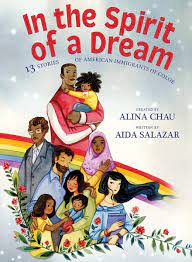
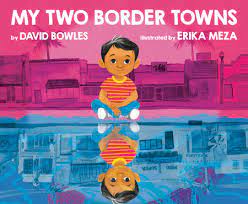
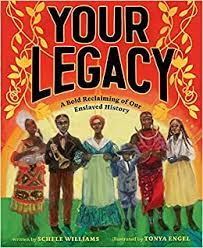
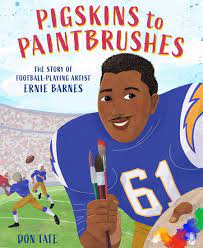
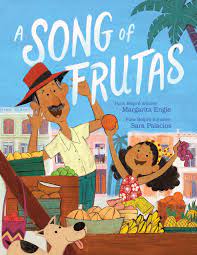
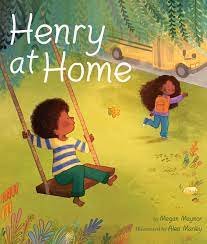
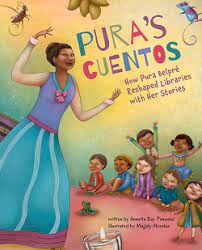
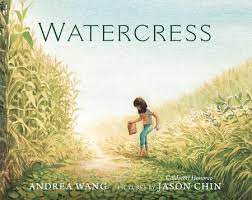
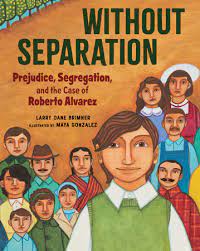
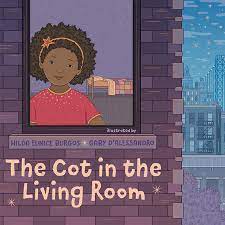
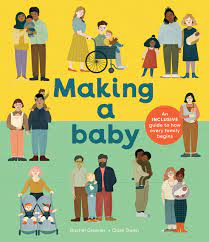
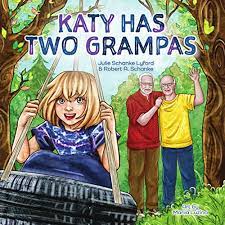
#PernilleRecommends – My Favorite Reads May through September, 2021

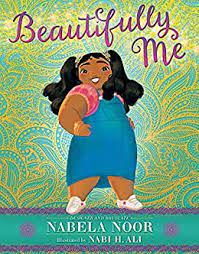
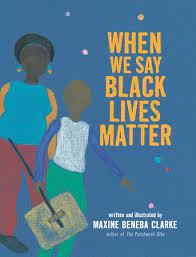
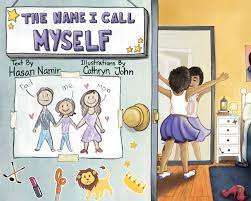
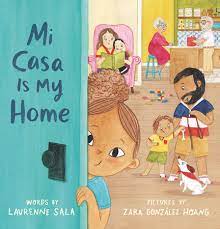
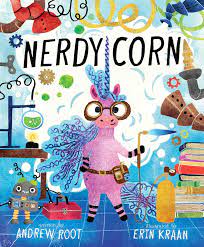
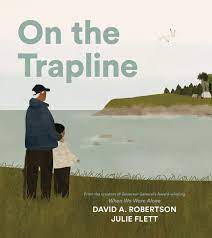
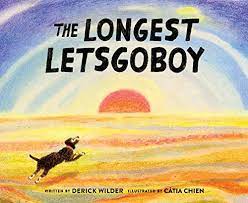
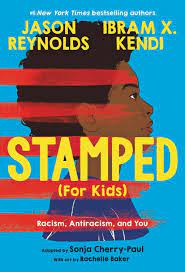
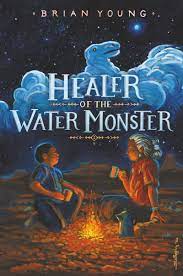
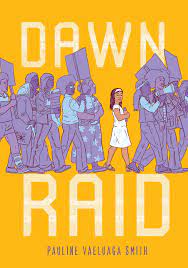
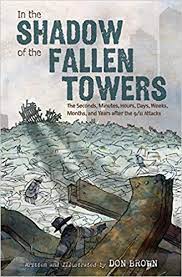
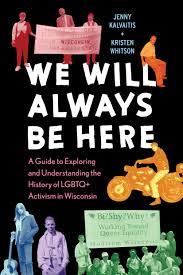
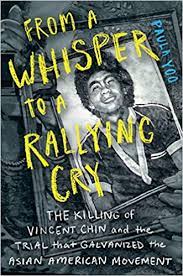
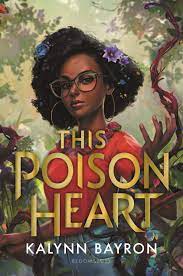
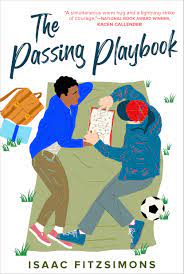
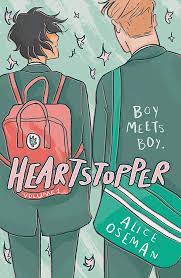
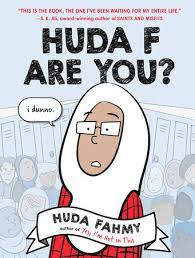
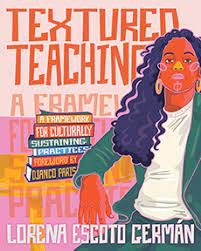
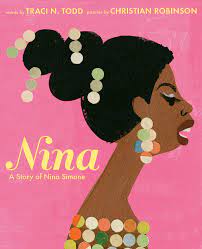
If you follow me on Instagram, you may know that I recommend a lot of books on there, in fact, it is the number one thing I use my account for. Perhaps you follow me there? If you don’t, or if you missed some, I figured a blog post to pull them all together would be helpful. That way you can see what I have read and loved, see what age groups they may work and order some books yourself. I don’t post all of the books I read, just the ones I love so much that I want to share them with others. I use the hashtag #pernillerecommends and they get cross-posted to Twitter as well if you want more than 1,000 book recommendations. Either way, here are the books I loved and shared from May until today!

Picture Books

Early Readers

Middle Grade

Young Adult

Professional Development

Which books have you read and loved? I am already excited to share all of the October reads I am loving over on Instagram. Happy reading!

As always, I am also curating lists on Bookshop.org – a website who partners with independent bookstores to funnel book purchases through them, if you use my link, I get a small affiliate payout.

I am excited to be heading out on the road again to be with other educators in-district or at conferences, while continuing my virtual consulting and speaking as well. If you would like me to be a part of your professional development, please reach out. I am here to help.

being a teacher, being me, Reading, Reading Identity, Student dreams

Spending Time in the Small Moments

I have been spending time in the small moments lately in class. The moments where I get to connect with a student one-on-one, small peeks into who they are, what they are willing to share. I find myself speaking more quietly, smiling bigger so that hopefully my eyes can show how grateful I am for their time, their words, their trust. And we have slowly been building some sort of us, a community pieced together by the stories we share and don’t share.

At the cornerstone of what we do is our reading conference. Not just because these small conversations allow me to get to know my students as readers, but because they allow me to get to know them, period. A greeting, a question about how 7th grade is going and what is happening in their life and then we are off, speaking about who they are as readers, what they are working on and the motivation they have behind the work they are doing. They tell me proudly of successes, sometimes shyly of perceived failures and I reassure as much as I can; it’s okay if you haven’t read any books in a while, it’s okay that you don’t like reading ( we will work on that together), it’s okay if you have never found a book, if your brain is loud when you read, if you just don’t have the energy. It’s okay if you just read graphic novels, if you dislike magical fantasy, if you have yet to find an author that speaks seemingly just to you. It’s okay, it’s okay, it’s okay I repeat as a way to hopefully make them believe it. To help them know that they are who they are and I am so glad they are here in our classroom together. However they showed up, whoever showed up. We are on a journey, a journey!, and wherever you are is where you will start.

I have to remind myself of this journey as I feel the silent urge to move faster. To get further. To teach more. To “catch up.” Who are we supposed to catch up to anyway? I have to remind myself to stay in the small moments, to use my eyes to express what the mask hides. To reach out in all the ways that we have at our fingertips, to assure and to ensure. To share my own stories as an invitation for them to share theirs. To handle their words with the care they deserve, to handle them with care.

And so I write down notes and I ponder how can I serve these kids best? How can I help them pick up their pieces of their reading journey and thread together a new pattern, one that continues the successes that they have, one that mends their perceived shortcomings so that they can see that no matter what they carry into the classroom, they are readers. Because so many of them don’t see that. So many of them have convinced themselves that because they do not like reading, then they are not readers. They dismiss their own habits of consumption of text. They scoff at the one book that they did like, seeing it as fluke rather than a goal that they accomplished. They fail to see their own journey as readers as the testament to their own determination that it really is. These kids, our kids, who see themselves as kids who hate reading don’t even recognize their own strength. How still showing up into a space filled with books, how still book shopping despite the many books they have tried, how still trying just one more book is nothing but resilience on display. Is everything I hope every reader has; perseverance to keep trying despite how awful it might have been. To have hope in books. To have hope in themselves. To have hope in our year together.

And so I will stay in the small moments, in weighing how I speak, how I read the room. How I am paying attention to the subtle shifts in dynamics and the subtle shifts in trust. In finding time for all of the conversations, not just for me but for them as well as we build this year together. Their words are gifts, no matter how they are spoken. These kids are gifts, no matter how they show up. Read on. Speak on. Dream on.

I am excited to be heading out on the road again to be with other educators in-district or at conferences, while continuing my virtual consulting and speaking as well. If you would like me to be a part of your professional development, please reach out. I am here to help.

being a teacher

Where Am I Sharing Ideas These Days?

You may have noticed that I have not been sharing as much on this blog as of late. While there is a variety of reasons for it including the death of my father, the school year planning starting, and just trying to not work as much as I have in previous years, I am still actively sharing ideas, just in other formats.

So where can you find more ideas from me these days?

Conferences – I am so excited to be back out with school districts, professional organizations and conferences, whether in-person or virtual. While I continue to teach fulltime in 7th grade and have no plans for changing that, I am able to take some time to go and coach other educators and also speak on any of the work we do. In the next few months, I will be with educators in New Jersey, Michigan, Illinois, Ohio, and Iceland. If you would like me to be a part of your professional development, please just reach out.

Instagram – I use this platform almost every single day, whether it is to share book recommendations under #PernilleRecommends, snapshots from my classroom or sometimes personal life, or even questions to think about the practices we uphold. This is where I share the most and where you will find the most peeks into the teaching I do. To follow me there, go here.

Twitter – I continue to use Twitter to share questions, share ideas, and also have my posts crossposted from Instagram. This is where you will see longer threads of thoughts as well as links to other incredible resources shared by others. To follow me there, go here.

Facebook – I have a like/hate relationship with this platform but I do love the groups I have created on there for the massive ideas that are shared. Whether it is for the Global Read Aloud or for the Passionate Readers Facebook group, I share classroom documents and unit plans here for the most parts as well as post questions. There are thousands of people in these groups willing to share, join us if you want.

My books – I have written four education books since 2015 and many of my ideas can be found detailed in there. I am currently writing a fifth book as well, which is also taking up a lot of my time when the space is there for it. It is so exciting to dive back into the world of book writing and to get longer ideas down when thinking about how to build reading identity as part of a child’s personal journey. We shall see when it and if it comes out.

Of course, the blog will continue, however, only when I feel the need to write. So until the next idea comes in, see you in the other spaces!

new year, Reading, Reading Identity

One Year Later: My Digital Reading Notebook

A year ago, I shared a digital reading notebook that I would be using with my 7th graders as I prepared for a year of pandemic teaching. The work we normally did by hand would need to find a home digitally as I had no idea just how long I would be teaching virtually, and so I created a collection of tools for students to use in order to continue our work furthering and centering their identity as readers, even as we were far apart.

Now a year later, I was asked whether I would be using the tool with my students again or whether it had been changed, and this post is the answer.

I did update the tool in September of last year as students started using it to streamline it a bit. Here is the updated version. It streamlined some of the pages and cut down the size a bit which helped a lot. I still love the tool, just wish there was a way to use it without it clogging down their computers.

So as of right now, because let’s face it things change all of the time, I will not be using the digital tool in this iteration again, for a few reasons, but the main one being that I am (right now anyway) scheduled to be in person fully with my 7th graders. This means that instead of having a digital tool like this, we can create sections in our notebooks for this work that they can can be shared when needed. This has in the past been easier for students rather than needing to log onto their chromebooks, then wait for the tool to load, then get to the right page etc. Another reason for stepping back to paper is because scrolling through the tool on chromebooks was unwieldy and slowed down our work. Many students wanted to do the work but their computers froze trying to open it up.

However, the work within the pages will still be going on in 7th grade. Everything within this notebook is important to the work we do as we dive into our reading identities and how the emotions and experiences we carry surrounding that shapes the decisions we make with our reading lives. I will just go back to stand alone forms, gathered in their notebooks or in my binder depending on the purpose of it, to do the work.

So where can you find some of these forms as a stand alone form? Their to-be-read list is just the first few pages in their notebook, they write down author, title, and genre so that they can find the book later. I usually have them set aside 4 pages for this. Others can be found via the links below.

The beginning of the year reading survey here can be found here

The initial reading goal and reflection sheet can be found here.

The work surrounding “Who Am I as a reader” can be found here. (Google Slides or paper copy)

While these first few surveys and goal exercises are just the beginning, they provide me with an invitation into a conversation even if they don’t write much because if a child writes “IDK” for most answers, that tells me something about them as a reader, if a child doesn’t want to share anything that tells me something about them as a reader.

As I dream about the school year to come, I am excited to continue our work surrounding reading identity and hopefully help students protect or cement a positive relationship to reading. I have seen the difference this work does, I have seen it impact kids in thoughtful ways as they start to understand and work with the experiences they have had as a readers and chart new courses. Not just because of these forms or the survey questions I ask, but because of the conversations and subsequent actions that they lead to.

To see more about the reading conferring I do with students, please see this post.

I am excited to be heading out on the road again to be with other educators in-district or at conferences, while continuing my virtual consulting and speaking as well. If you would like me to be a part of your professional development, please reach out. I am here to help.

being a student, Reading, Reading Identity, student choice, student driven, student voice

Our Reading Conferring Sheet

One of my most successful ways in establishing trust and urgency with my 7th grade students and their reading choices is through our one-one-one conferring time. This established time happens during our independent reading time, every day for 20 minutes we start class with this self-selected reading time where every child is invited to fall into the pages of a book. It is the cornerstone of much of our continued work together and allows me a peek into who how they see themselves as readers, as well as the work they want to undertake.

Every conference is five to seven or less minutes after the initial one, that means that I usually can meet with three students every day. With class sizes ranging between 25 and 29 kids, this gives me a chance to meet with every student once every three to four weeks depending on what else I might need to help with during their independent reading time. When I taught 45 minute classes, it took longer as we only had 10 minutes of self-selected reading to start the class with.

I always take notes while I meet with them, it is to help me remember what we discussed, help me support their pathway and also keep track of who I am meeting with, I usually meet with them alphabetically because every child deserves a reading conversation and they can always see what I write down. I don’t want any child to wonder what notes I am taking and worry about that for some reason.

The conferring note-taking sheet I use changes as I think about its use further every year, so if you like this current version make sure you make a copy of it because inevitably it will change.

The whole sheet

The top portion of the sheet is dedicated to when we meet for the very first time, while my students fill in an initial reading survey which offers me a glimpse into their thoughts of who they are as readers, it is really not until I sit down with them and get to know them that we start the work. After all a survey is just an invitation but a conversation is where we can start to explore their identity if they feel comfortable to do so.

The top portion

The different components mean…

  • Confer by me or them – where would they like to have these conversations? I want to respect their boundaries and make them feel as comfortable as I can as we work to establish trust.
  • Book reading and rank – What’s the title of their current book and how would they rank the current book they are reading on a scale form 1 to 10.
  • Goal – What is the initial goal they have set for themselves as readers in the 7th grade reading challenge?
  • Why – Why have they set this goal, this is an important conversation to have because many of my students set a goal to just make the teacher happy, not a goal that they actually care about.
  • Last Year – What did their reading lives look like the previous year?
  • Progress – By the time we meet they have been working on their goal for a few days, how has it been going?
  • Hard about reading – what do they find difficult about reading?

The subsequent sections are shorter, I take fewer notes in order to be able to meet with students more frequently. Of course, if a child needs more time then we take it.

Subsequent sections

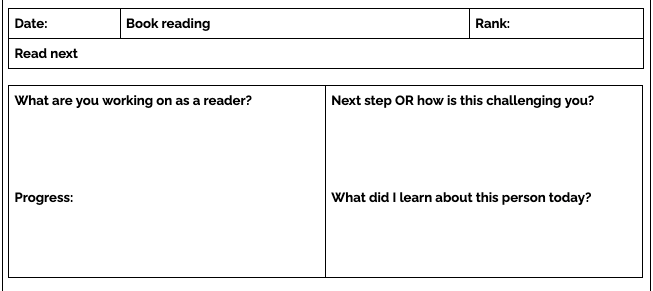
Some of the components remain the same, but the new ones are…

  • Read next – Do they have ideas of what to read next? I so often find that the vulnerable readers I teach have few ideas for what to read next and then spend an extraordinary amount of time trying to find a new read, this question will allow me a peek into their process and help them start book shopping before they finish or abandon their current book.
  • What are you working on as a reader – what is the goal they have been working on?
  • Progress – How has it been going?
  • Next step OR how is this challenging you – What are next steps they can take, what are next steps I can help them with and/or how does their current reading goal challenge them?
  • What did I learn about this person today? It is vital to me that I leave with a deeper understanding of who they are as a person and not just about reading, this question reminds me of that.

While this conferring sheet is only a small sliver of the work that happens all year as they explore and develop their reading identity further, it serves as a conversational touchpoint that reminds us of the goals we have, the work we need to do, and who we are as human beings in our classroom. While some kids are eager to share their journey as readers, others are much more hesitant or fully unwilling and I respect that as well. After all, they don’t know me yet so they have no reason to trust me. We then take the time needed to develop our relationship and continually invite them into this conversation. It takes patience and dedication but every child is worth it.

I am excited to be heading out on the road again to be with other educators in-district or at conferences, while continuing my virtual consulting and speaking as well. If you would like me to be a part of your professional development, please reach out. I am here to help.