being a teacher, being me, Literacy, making a difference, notice and note, Reading

Great Picture Books to Use for Contrast & Contradictions – Notice and Note

One of the main texts we use to guide our reading instruction is the amazing Notice and Note: Strategies for Close Reading by Kylene Beers and Robert Probst.  This book provides us with the foundation for having deeper reading conversations and a common language as we develop our thoughts.  While the book has excellent text ideas to use as mentor texts, I thought it would be nice for my students to use picture books on the very first day of a new strategy before we delve into the longer text excerpts.  I have therefore looked for picture books I could use with the different strategies and will publish posts as I have them for the 6 different strategies since I cannot be the only one looking for ideas.

First up, “Contrast & Contradictions.”  Here are a few picture books I have used or will use with the kids.
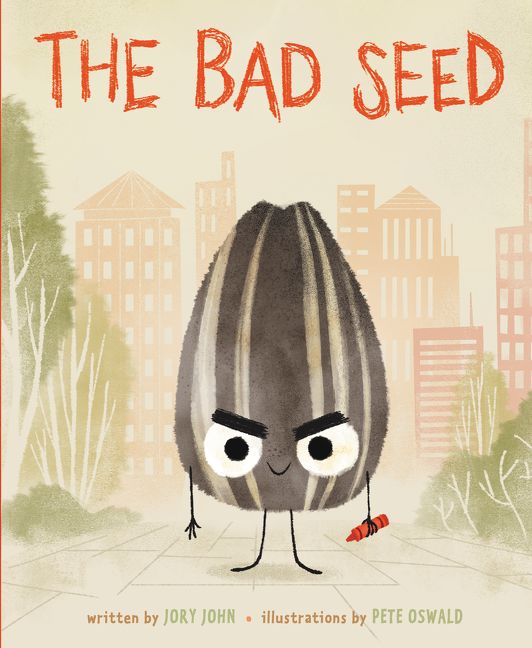
It’s like this picture book was written just for this lesson.  The Bad Seed by Jory John and illustrated by Pete Oswald features two changes in character and also a powerful message about trauma and what can happen to you even after bad things happen.
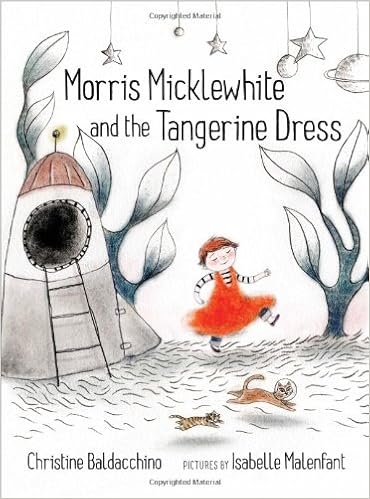
In Morris Micklewhite and the Tangerine Dress by Christine Baldacchino and Isabelle Malenfant, Morris goes from being sad and timid, unsure of his choice to wear a tangerine dress.  As the book progresses he changes as he realizes that he wants to be himself.
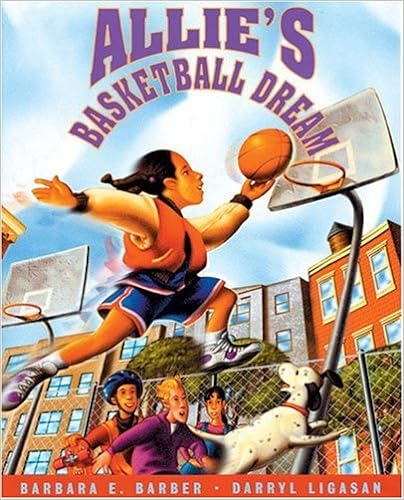
According to the boys watching Allie play, girls can’t play basketball.
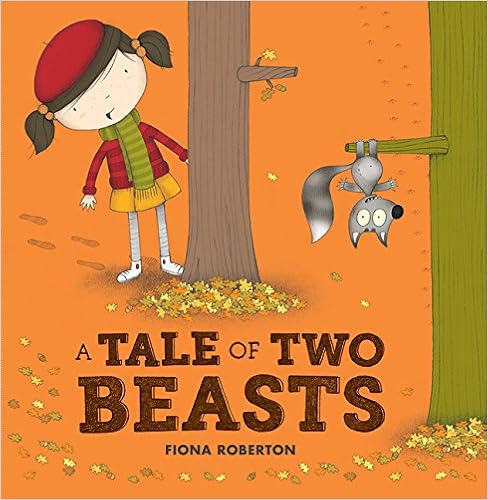
In A Tale of Two Beasts by Fiona Robertson, the C&C is how the two sides view the story.
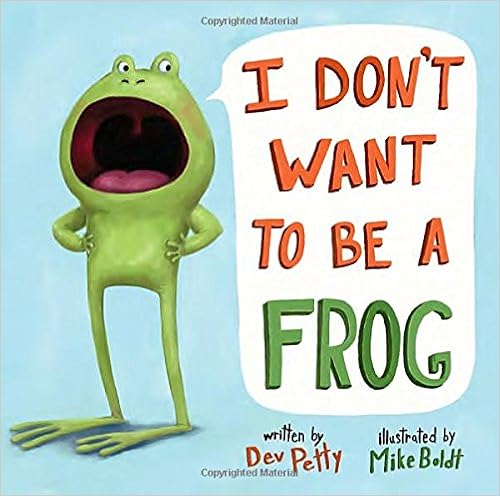
I Don’t Want to Be a Frog by Dev Petty and illustrated by Mike Boldt is C&C throughout.  The main character does not want to be what he is supposed to be and protests it every way he can.
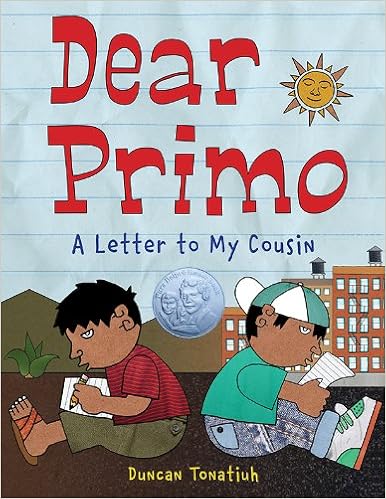
As two cousins write to each other, we see the contrast (and similarities) between their lives.

Tuesday by David Wiesner started us off in our discussions about contrasts and contradictions.  This fantastic nearly wordless picture book is an easy entry into this discussion as it allows students to easily see how the magical event with the toads floating is in contrast to what frogs normally do.


With one of my classes I also used Rules of Summer by Shaun Tan, where the contrast lies in the rules being shared and the images.  While this one was a little more advanced for the students, they greatly enjoyed the illustrations and discussing what they might mean.

Another contrast and contradiction text between self and society in Mr. Tiger Goes Wild by Peter Brown where Mr. Tiger just will not conform.  When he tries to change his ways, he loses his real identity.

This Is A Moose by Richard T. Morris and Tom Lichtenheld is a great example of the contrast between what a moose is supposed to be like and what they really are.

The Story of Fish & Snail by Deborah Freedman is a wonderful example about change in a character as Snail is too scared to follow Fish on a new adventure.

That Is Not A Good Idea by Mo Willems is another great example of a character changing and acting in a different way than we would expect.  I do love this devious little tale.

What I love about Gaston by Kelly DiPucchio, illustrated by Christian Robinson, is that most of my students can relate to its message about being expected to fit in in a certain way.  The contrast lies between the characters and how their upbringing has shaped them.

Any day I can use Pete and Pickles by Berkeley Breathed is a good day in our room.  Here, we focus on the change that Pete the pig goes through as he meets Pickles.  Great book also to use for character development and inferring.
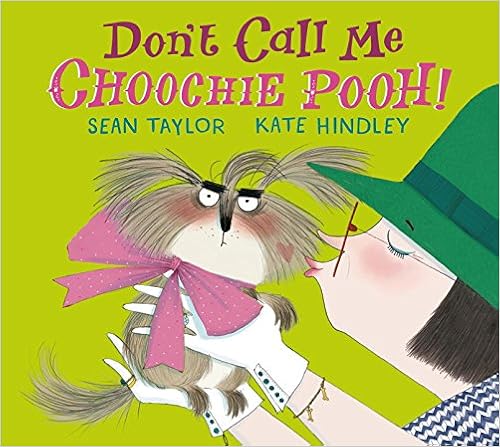
Don’t Call Me Choocie Pooh by Sean Taylor and Kate Hindley follow the story of a dog that does not want to be treated in a certain way afraid of what the other dogs will think.  Great ending that shows the change in the character.
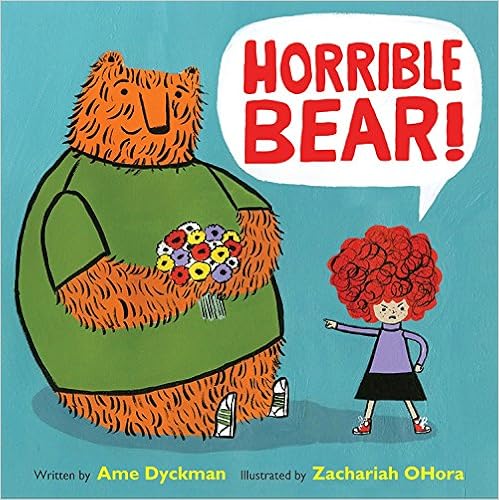
Horrible Bear written by Ame Dyckman and illustrated by Zachariah O’Hora is a lovely picture book that shows what happens when you don’t do what is expected.
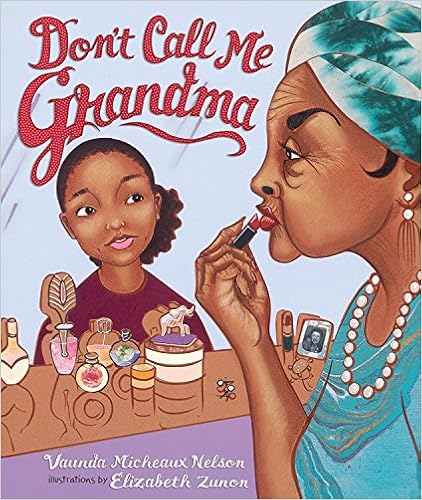
Don’t Call Me Grandma by Vaunda Micheaux Nelson and illustrated by Elizabeth Zunon is a perfect example of a character that does not fit the stereotype.  Great-Grandmother Nell isn’t anything but warm and fuzzy and as the great-grand daughter starts to understand why, we see a great slice of history as well.
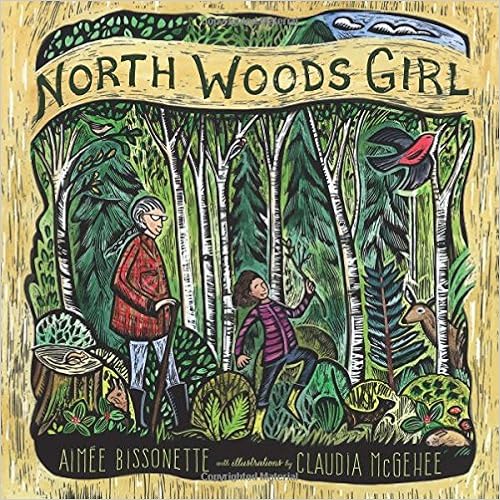
North Woods Girl written by Aimee Bissonette and illustrated by Claudia McGehee is also about a grandma that doesn’t quite fit the mold.
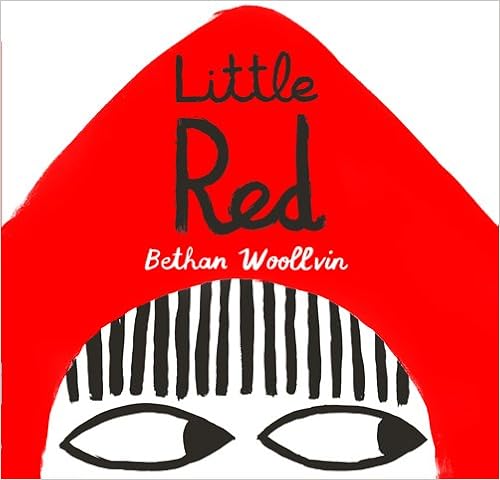
Little Red by Bethan Woolvin is wickedly funny, it follows the path of the regular story but with a twist at the end and it is that twist that provides our contract and contradiction.

Which books have you used for contrast and contradictions?

If you like what you read here, consider reading my book Passionate Learners – How to Engage and Empower Your Students.  The 2nd edition and actual book-book (not just e-book!) comes out September 22nd from Routledge, but rumor has it that it is out on Kindle already!

being a teacher, books, ideas, Literacy, MIEExpert15, Passion, picture books

But How Do You Really Teach With Picture Books?

recite-bmyi0f

2 days into the year and already we have shared 5 picture books.  Today I read How to Read A Story by the amazing Kate Messner 5 times as we discussed what we love and hate about reading.  As we discussed what makes a great reading experience.  As I invited my students to come on over, one boy clapped his hands, “Story time!” he said.  And not in a sarcastic 7th grade too-cool-for-school kind of way, but in the way that little kids say  it; excited to hear the story.   Excited to share in this moment.  No one laughed at him, instead others joined in, murmuring their appreciation as well.  Story time began as we sat around the rocking chair.

So I read aloud, and we added one more book to our “How many picture books in a year” bulletin board and my students left feeling like there was absolutely nothing wrong with doing just this; sharing a picture book even though now they are in middle school and maybe too old for some things.

I am often asked why picture books?  Why spend the money on these seemingly simple books?  Do I really teach with them or is it just for fun?  And sure, sometimes it is just for fun, but most of the time?  Picture books are serious business in our classroom.

I don’t just buy picture books because they look fun.  A lot goes into the selection process.  These are sacred texts we are bringing in, ones that will build our community, inspire us, and make us better readers and writers.  That is something I take very seriously.

Selecting one to be read aloud is not done lightly either.  At the moment I am contemplating whether to use The Day I Lost My Superpowers by Michael Escoffier or Wolfie the Bunny by Ame Dyckman as we get ready to discuss how we stop identifying ourselves as readers or writers tomorrow.  I use them as a way to bridge a conversation that otherwise might be hard for some of my students to start.  I use them as a way to access topics that sometimes my students cannot speak about because they are afraid of how others will react.  Yet, when a character in a picture book goes through a situation that resonates with them then it becomes a safe conversation for them to have as well.  You want to speak about loneliness in your classrooms?  Read The Invisible Boy by Trudy Ludwig or To the Sea by Cale Atkinson.

I use picture books as mentor texts, guiding us as we hone our own craft as readers, writers, and speakers.  We read them once to find out the story, and then later I bring them back as we look at writers craft.  We use them to figure out how to tell our message in a powerful way, such as by studying the careful word choice of Each Kindness by Jacqueline Woodson.  We use them for setting up plot while still leaving our reader in suspense such as the storytelling found in The Skunk by Mac Barnett.  We use them for when we are seemingly stuck for topics to write about and forget how extraordinary something simple can be such as the stories shared in Float by Daniel Miyares and Something Extraordinary by Ben Clanton.

Picture books are not just something we read, we write them ourselves in our epic nonfiction picture book project.  We study them.  We speak about them.   We get ideas and inspiration from them.  We carefully protect the time we have to read them.  They are the mentor texts we shape our instruction around.

They become part of the tapestry of our room and something the students search out for solace when they need to feel like they are readers again. As one child told me yesterday after I had shared our very first picture book, “Picture books make you remember your imagination again.”  And I knew that these kids got it.  That they knew that this wasn’t just me having some fun, but that picture books will teach us some of the largest lesson this year.  That picture books are not just for little kids and laughter.  They are for readers of all ages, and in particular, those who have gotten lost.

PS:  If you want to know which picture books, or at least a small sample of which I have in our room, see these lists.

If you like what you read here, consider reading my book Passionate Learners – How to Engage and Empower Your Students.  The 2nd edition and actual book-book (not just e-book!) comes out September 22nd from Routledge, but rumor has it that it is out on Kindle already!

books, Literacy, Passion, picture books

My Final List of Favorite Picture Books for the Coming Year

A final post on some new favorite picture books before the year kicks off officially tomorrow.  I just received my final batch due to a grant from the Meemic Foundation who thought it was a delightful idea to purchase picture books for 7th graders.  (They have a ton of grants that are easy to write, you should totally check them out).  So without further ado, what shall we be exploring together in the coming weeks and months.

I have long been a loud fan of Bob Shea’s for a long time.  After all, he is the genius that wrote Unicorn Thinks He’s Pretty Great so I had to get Ballet Cat The Totally Secret Secret.  It is laugh out loud funny.  And the best part is that I can completely relate to the story and so will my students.  Plus this will be perfect for acting out when we act out picture books at the end of the year.  Is it bad if I have started the countdown for the next book to come out in February?

We are the shark team at our school so when a fellow picture book lover suggested I get this non-fiction picture book called Neighborhood Sharks by Katherine Roy I was sold.  Warning; this is a real book about sharks, and they eat seals, so your 6 year old may be slightly terrified.  I love the set up of this book and like I said, the illustrations are magnificent.  What an amazing way to marry facts and picture book.

I can always count on Jillian Heise for having great recommendations for picture books and this one was one of them.  Marilyn’s Monster by Michelle Knudsen is one I think many of my students will gravitate toward with its quiet message.  I know I will e using it to facilitate deeper conversations about finding our own path in the world.

Another great recommendation from fellow picture book lovers was Shaun Tan’s Rules of Summer.  This is one of those picture books I cannot wait for my students to read because I want to see their interpretation of it.  The illustrations and the text beckon you to wonder, and that is a great thing indeed.

Wild About Us by Karen Beaumont is a beautiful book in many ways.  The illustrations done by Janet Stevens pop off the page and catch your eye, but the message of the book is what really got me.  We all have things that we can pick apart, but what we do with those things is what matters.

Just finding the image of the cover of I’m Trying to Love Spiders by Bethany Barton makes me laugh.  Again an incredible non-fiction picture book that doesn’t scream non-fiction (not that there is anything wrong with non-fiction).  We read this a few times at home and then told everyone about it.  I cannot wait to see my students reaction to this book because you have to allow yourself to get a little bit silly.

Much to my surprise I was able to pick up a copy of Elwood Bigfoot Wanted:  Birdie Friends by Jill Esbaum before its supposed release date.  I love this message of the story, especially as a way to discuss with kids about what we do to try to fit in.  And let’s admit it; Elwood is a really cute and funny Bigfoot.

Boats for Papa by Jessica Bagley is one that I am looking forward to reading and sharing with my students.  The simple story is one that many of my students can relate to as well as the ambiguity of the situation.  I love how this will help us discuss and understand that there are many correct interpretations of a story.

I happen to be a fan of both Mac Barnett and Patrick McDonnell so it was only natural that I added The Skunk to our collection.  I cannot wait for the discussion of how we make decisions and how little things can affect our life in a big way.

To see the lists from this summer and other years, make sure you go here.

If you like what you read here, consider reading my book Passionate Learners – How to Engage and Empower Your Students.  The 2nd edition and actual book-book (not just e-book!) comes out September 22nd from Routledge, but rumor has it that it is out on Kindle already!

being a teacher, books, community, inspiration, Literacy, Passion

How I Select A Picture Book For Our Classroom

Yesterday a new student wandered into our classroom with his parent and younger siblings; locker drop off was happening in preparation for the first day of school.  As I looked up something for him, I heard them excitedly talk about the books in our room.  “Here’s that one that you wanted to read…Oh, do you remember this series….”  And then they saw the picture books.  After all, they are hard to miss.  Right away the comments came, “Oh, I loved this one…”  “Have you seen this one, that looks fun…”  And so forth and I smiled ever so wide, because picture books once again have proven to be a way to connect in our classroom.

But how do you pick the right ones for your classroom?  How do you know which ones to get?  I make lists, as do many others, but how do I even know which to put on the list?  I thought a few helpful tips may be in order.

I am connected.  I am a proud member of the Nerdy Book Club and through Twitter  I am connected to many picture book loving people; teachers, librarians, parents, and all of the other amazing people out there.  I follow hashtags like #Titletalk, #pb10for10 and #nerdybookclub to stay in the know.  And I tweet out asking for recommendations all of the time.

I keep a written list handy.  I have a journal book with me at all times, and while I often add books to my wishlist on Amazon, I like having the list in my bag.  I am always adding to it and will cross out as I either purchase or reject.  This also makes it easy for me to recommend books to others that they may not know about.

I read them beforehand, most of the time.  Many times we will wander to the nearest book store so that I can  browse the books before purchasing them.  How do I know that this will be a great one for our room, well there are few things I look for…

Do I react to it in any way?  A picture book doesn’t always have to have a deep message for me to react to it; was it funny, did it make me think, did it leave me with questions?  All of these are things that I look for.

Is it easy to follow?  Sometimes it takes more than one read to really get a book and while I love those books too, most of the time, I am looking for a book that my students will get rather quickly.  At least most of them.  However, I do purchase picture books to use with smaller groups that have layers we can peel away.

Is the language accessible?  Yes, I teach 7th graders but their reading development levels ranges from 2nd grade to high school, so can all students access the text or will I need to “translate” it?

What purpose does it have?  I often look for picture books that can be used as community builders, self connections, or conversation starters.  We also use them as mentor texts as we develop as readers and writers throughout the year.  But I also look for picture books that will make my students laugh, make them reconnect with being a little kid again, or help them get out of a bad mood.  I try to get a balance of all of these types of books in the hands of students.

Will we read it more than once?  Because I buy most of the picture books in my classroom, I look for enduring books that we will return to again and again.  Different things make books repeat reads; the illustrations, the phrasing, the story.  Bottom-line: it is a gut feeling most of the time.

Do we have other works by the author?  My students feel closely connected to the picture book authors and illustrators whose books we love so I try to expand our favorite collections as often as possible.  Some of our favorites are Mo Willems, Peter H. Reynolds, Ame Dyckman, Jon Klassen, and Amy Krouse Rosenthal.

Sometimes I just take a chance on a book.  Sometimes I have no rhyme or reason for  what I bring in other than a small feeling that some kid at some point will connect with it.  I never know which picture book my students will love, so sometimes I just sit back and let them explore and then pay closely attention.  Then I go out and get more of those.

And, of course, I cannot write a post discussing picture books without sharing a few of my new favorites or ones that I cannot wait to get.

Laugh out loud funny, The Pretty, Pretty Bunny by Dave Horowitz is in my first day pile for kids to choose from.

The Promise by Nicola Davies is a beautiful tale of making a difference.  This would also be great for a science classroom.

I cannot wait to get Finding Winnie – The True Story of the World’s Most Famous Bear by Lindsay Mattick.  I wonder how many students will love this tale of the real Winnie the Pooh.

Why do I have a feeling that Elwood Bigfoot: Wanted: Birdie Friends by Jill Esbaum will become a favorite of my students?

Picture books are a part of our tapestry and something that I am proud we use in our middle school.  I hope being vocal about the benefit of using picture books with older students will help others take the jump.  I got to discuss more of this in this article here.  

If you like what you read here, consider reading my book Passionate Learners – How to Engage and Empower Your Students.  The 2nd edition and actual book-book (not just e-book!) comes out September 22nd from Routledge.

being a teacher, books, Literacy

My Favorite Reads of the Summer – Part 2

I have a week left of vacation; a week left to read as many books as possible.  A week left to try to get through my ever growing to-be-read pile.  This afternoon, I made a list for my best friend’s 7th grader of books he had to read, and I once again realized how lucky we are that we get to help students find amazing books.  And how lucky we are that authors continue to write such incredible tales.  So what are some more favorites from this summer?

51Q4vETjGEL._SX342_BO1,204,203,200_

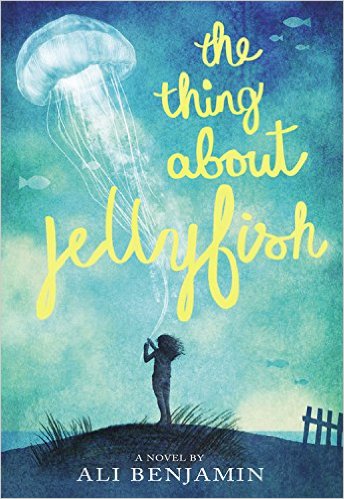
Thanks to Netgalley I just finished reading the wonderful The Thing About Jellyfish by Ali Benjamin.  I love the science woven into this thoughtful story about grief and trying to find your place in a world that seems hellbent on making it hard for you.  This is a Global Read Aloud 2016 contender.

When I Was the Greatest by Jason Reynolds has been in my TBR pile for a long time, but since it had a gun on the cover in a way I had kind if dismissed the book as being suitable for my 7th grade classroom.  Folks, do not let the cover stop you from reading this book, it is incredible, and do not let the cover stop you from adding this to your  middle school classroom, you need to read it, discuss it, and then share it with students.  The Boy in the Black Suit also by Jason Reynolds is another of my favorites and he is quickly becoming one of my favorite writers out there.  This is another Global Read Aloud 2016 contender.

Ruta Sepetys is a master story teller who proved her staying power with Between Shades of Gray.  She has done it again with Salt to the Sea.  This historical fiction novel based on one of the largest maritime disasters during WWII is full of suspense as well as well-developed characters and a story that keeps you turning pages.  Note, this book is for pre-order only right now, I was given an ARC at ILA.

Another magnificent historical fiction novel about Ada and the seemingly impossible odds she is trying to overcome during the evacuation of children from London during WWII.  The War that Saved My Life by Kimberly Brubaker Bradley is one to add to your classroom library from 4th grade and up.

Joelle Charbonneau, author of the great science fiction series The Testing, is back in full-force with this realistic fiction novel Need.  This was a page turner of the truest kind, so much so that I stayed up into the night so I could finish reading it.  Once again, this is more mature, and also only available for pre-order at the moment.  Since I read it on Netgalley, I have already placed my pre-order, this will be a huge hit in November with my 7th graders.

I have admire Holly Black’s vivid imagination ever since the incredible and terrifying The Coldest Girl in Coldtown.  That is why I was surprised that it took me such a long time to read her newer one The Darkest Part of the Forest.  It is so good, again, I read it one night. Scary and with some relationship stuff in it, but nothing too graphic, I had to read just one more page to see how it all would turn out.  This is one of those books that makes you admire writers even more because how do they ever come up with such amazing ideas?

So there you have it for now.  A few new favorites to add to your library, a few new favorites to share with students.  Happy reading everyone!

If you like what you read here, consider reading my book Passionate Learners – How to Engage and Empower Your Students.  The 2nd edition and actual book-book (not just e-book!) comes out September 22nd from Routledge.

being a teacher, being me, books, Literacy, Passion, student choice

On Hating Reading

recite-1ewom0k

I have loved reading as many years as I have lived.  Reading wove its threads throughout my life, from my mother reading aloud to me every night, to learning to read English books in the lap of my now-father, biking to our public library with a plastic bag empty waiting for the books that would fill it, and now passing my love on to my own children as they beg for just one more book, every single night.

I have brought my love of reading into the classroom, cementing that in this room we are all readers.  We all spend time finding those books that will transform us.  Finding those moments where we beg for just one more page, one more minute, and hope that the teacher will give it to us.

I love reading, but I do not ask all of my students to love reading.  I do not expect them to fall as madly in love with reading as I have, because if I did then I would ask them to accept the identity I have shaped for myself.  I would ask them to sometimes do something impossible.

Instead, I ask them to like it more.  To give it another chance, even if their hatred has been cemented in years of torturous reading experiences.  I make them promise me to give it a chance, a proper one, to keep their minds open as we grow throughout the year.  There are some students who will never love reading.  Who will never feel like reading is the one thing they must do every day to sustain their souls.  And yes, that makes me sad, but I also need to make sure that our classroom welcomes all students.  Even those that identify as reading haters.

So we should carry our torch for the love of reading wherever we go.  We should exude passion.  We should help each child believe that they are readers.  That books are for them.  That they too can immerse themselves in something so deeply that they almost forget to breathe.  Yet, I must remember, that if I tell a child that they must love reading, some children will rebel simply on principal.  Some children will find every reason to hate it more.  So I do not assume that all children will love reading.  I assume instead that within our short time together, I can make them hate it less.  I can change their minds, if even just a little bit.  After all, our classrooms are created by the true personalities of our students.  We must meet them where they are and help them grow on their journey.

I will never stop loving reading.  I will never stop telling my students that they are readers every single day.  Even those that don’t believe they are.  I will never stop sharing my own love of reading, but I will allow students to figure out where their emotions fall and then help them move from there.  I will see my students for who they are, even if they do not love reading. Even if I will never understand how you cannot.

If you like what you read here, consider reading my book Passionate Learners – How to Engage and Empower Your Students.  The 2nd edition and actual book-book (not just e-book!) comes out September 22nd from Routledge.