Cross-posted from my Patreon community where I post min-pd videos, specific unit plans, and also do livestreams once a month.
I started compiling my pile of great picture books to read for the first day of school and then…the list grew. A lot. Because so much of what we do on that first day of school depends on the type of mood we are trying to invite, the focus we choose to have, and of course, the age of our students.
So, the link shared here will show you more than 50 great picture books you could use, 20 that I love personally, and then another 30 some suggested by other educators. Some are new, some are old, and all serve a great purpose of discussing norms, modeling fluency, opening up discussions, creating memories, and focusing on reading as an act of community creation.
Reading a picture book aloud has been a personal first-day must for many years in our classroom. I want kids to see that we will spend valuable class time on reading, that read-aloud is not just for younger children, and that their voices get the space they deserve in our time together.
I know I missed amazing titles, which would you add to this resource?
I am excited to be heading out on the road again to be with other educators in-district or at conferences while continuing my virtual consulting and speaking as well. Whereas I am physically located in Denmark now, I can still offer virtual and in-person work. If you would like me to be a part of your professional development, please reach out. I am here to help.For a lot more posts, resources, live and recorded professional development, please join my Patreon community where most of my sharing takes place these days.
Looking for a few end-of-year picture book read-aloud ideas – here are 30+ texts you could use. The list is always growing as new amazing books are published even if I have a few perpetual favorites on here.
I always end our year with a final read-aloud, yes, even with 7th graders, and it allows us to just sit together in community one final time. It is a beautiful way to say goodbye and one that I highly recommend.
One of the most popular requests in our 7th-grade classroom this year has been for the “short” book, in fact, just this morning a student asked me for another short amazing read. The book that manages to suck us in and keep us enthralled in less or around 200 pages. The books that are getting passed around from kid to kid as fast as I can book talk them. And don’t be fooled by their “shorter” page count; these books carry a punch. Perhaps like me, you also have younger teens who are requesting these books, so I thought pulling a list together might be helpful. I have purposefully left graphic novels off of here because they deserve their own list, frankly. So here are some of the many incredible books that my 7th graders keep passing around for reading and also that were recommended by people online. You will notice that a few are a little bit longer, I ran this list by my students, of course, and they insisted that some of these books deserved to be on it despite their length because they didn’t “feel or read long.”
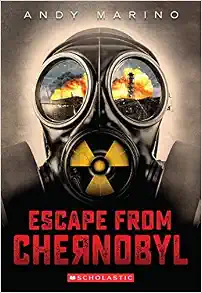
Alina & Lev are two siblings living in Pripyat, one of the Soviet Union’s proud nuclear cities. Both are asleep in their beds.
Their cousin, Yuri, is a custodian at the Chernobyl Nuclear Power Plant, where he’s fiercely attacking a spill in the hallway with a mop.
Alina’s best friend, Sofiya, sleeps just a few doors down. Her father is an engineer at the plant, a fact that has always filled her with pride.
In five minutes, Reactor No. 4 will explode in a ball of fire. It will expel radiation across their town for nine days before it’s finally contained. For the people of Pripyat, it will be far too late.
Two young siblings flee the Chernobyl disaster with their parents, but the Communist party is on their heels. Meanwhile, the friends and family they were forced to leave behind must contend with a disinformation campaign that’s determined to pretend nothing is wrong-even as deadly radiation spills into the air.
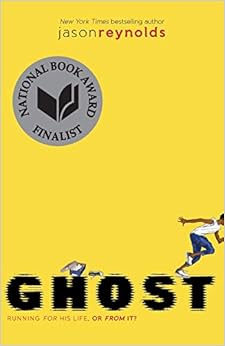
Ghost. Lu. Patina. Sunny. Four kids from wildly different backgrounds with personalities that are explosive when they clash. But they are also four kids chosen for an elite middle school track team—a team that could qualify them for the Junior Olympics if they can get their acts together. They all have a lot to lose, but they also have a lot to prove, not only to each other, but to themselves.
Running. That’s all Ghost (real name Castle Cranshaw) has ever known. But Ghost has been running for the wrong reasons—it all started with running away from his father, who, when Ghost was a very little boy, chased him and his mother through their apartment, then down the street, with a loaded gun, aiming to kill. Since then, Ghost has been the one causing problems—and running away from them—until he meets Coach, an ex-Olympic Medalist who sees something in Ghost: crazy natural talent. If Ghost can stay on track, literally and figuratively, he could be the best sprinter in the city. Can Ghost harness his raw talent for speed, or will his past finally catch up to him?
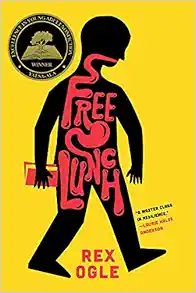
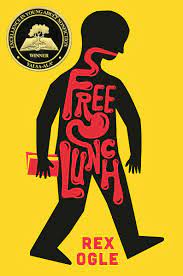
Instead of giving him lunch money, Rex’s mom has signed him up for free meals. As a poor kid in a wealthy school district, better-off kids crowd impatiently behind him as he tries to explain to the cashier that he’s on the free meal program. The lunch lady is hard of hearing, so Rex has to shout.
Free Lunch is the story of Rex’s efforts to navigate his first semester of sixth grade―who to sit with, not being able to join the football team, Halloween in a handmade costume, classmates and a teacher who take one look at him and decide he’s trouble―all while wearing secondhand clothes and being hungry. His mom and her boyfriend are out of work, and life at home is punctuated by outbursts of violence. Halfway through the semester, his family is evicted and ends up in government-subsidized housing in view of the school. Rex lingers at the end of last period every day until the buses have left, so no one will see where he lives.
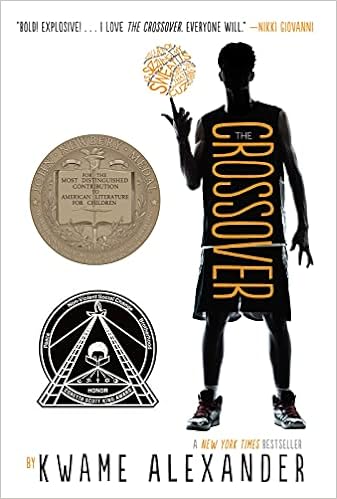
Description: “With a bolt of lightning on my kicks . . .The court is SIZZLING. My sweat is DRIZZLING. Stop all that quivering. Cuz tonight I’m delivering,” announces dread-locked, 12-year old Josh Bell. He and his twin brother Jordan are awesome on the court. But Josh has more than basketball in his blood, he’s got mad beats, too, that tell his family’s story in verse, in this fast and furious middle grade novel of family and brotherhood from Kwame Alexander. Josh and Jordan must come to grips with growing up on and off the court to realize breaking the rules comes at a terrible price, as their story’s heart-stopping climax proves a game-changer for the entire family.
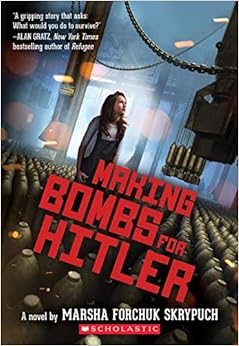
Lida thought she was safe. Her neighbors wearing the yellow star were all taken away, but Lida is not Jewish. She will be fine, won’t she?But she cannot escape the horrors of World War II.Lida’s parents are ripped away from her and she is separated from her beloved sister, Larissa. The Nazis take Lida to a brutal work camp, where she and other Ukrainian children are forced into backbreaking labor. Starving and terrified, Lida bonds with her fellow prisoners, but none of them know if they’ll live to see tomorrow.When Lida and her friends are assigned to make bombs for the German army, Lida cannot stand the thought of helping the enemy. Then she has an idea. What if she sabotaged the bombs… and the Nazis? Can she do so without getting caught?And if she’s freed, will she ever find her sister again?This pulse-pounding novel of survival, courage, and hope shows us a lesser-known piece of history — and is sure to keep readers captivated until the last page.
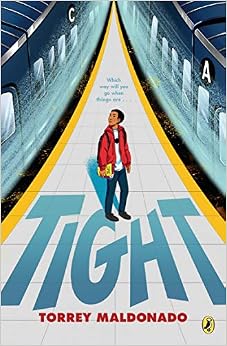
Tight: Lately Bryan’s been feeling it in all kinds of ways. He knows what’s tight for him in a good way–reading comics, drawing superheroes, and hanging out with no drama. But drama’s hard to escape where he’s from, and that gets him wound up tight.
And now Bryan’s new friend Mike is challenging him to have fun in ways that are crazy risky. At first, it’s a rush following Mike, hopping turnstiles, subway surfing, and getting into all kinds of trouble. But Bryan never feels right acting wrong. So which way will he go when he understands that drama is so not his style? Fortunately his favorite comic heroes shed light on his dilemma, reminding him that he has power–the power to choose his friends and to stand up for what he believes is right . . .
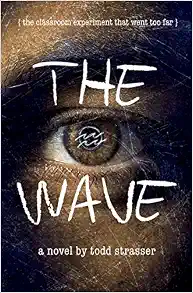
This novel dramatizes an incident that took place in a California school in 1969. A teacher creates an experimental movement in his class to help students understand how people could have followed Hitler. The results are astounding. The highly disciplined group, modeled on the principles of the Hilter Youth, has its own salute, chants, and special ways of acting as a unit and sweeps beyond the class and throughout the school, evolving into a society willing to give up freedom for regimentation and blind obedience to their leader. All will learn a lesson that will never be forgotten.
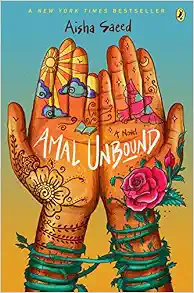
Amal has big dreams, until a nightmarish encounter . . .
Twelve-year-old Amal’s dream of becoming a teacher one day is dashed in an instant when she accidentally insults a member of her Pakistani village’s ruling family. As punishment for her behavior, she is forced to leave her heartbroken family behind and go work at their estate.
Amal is distraught but has faced setbacks before. So she summons her courage and begins navigating the complex rules of life as a servant, with all its attendant jealousies and pecking-order woes. Most troubling, though, is Amal’s increasing awareness of the deadly measures the Khan family will go to in order to stay in control. It’s clear that their hold over her village will never loosen as long as everyone is too afraid to challenge them–so if Amal is to have any chance of ensuring her loved ones’ safety and winning back her freedom, she must find a way to work with the other servants to make it happen.
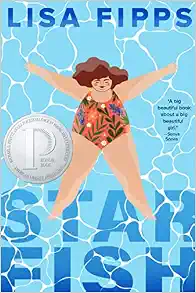
Ever since Ellie wore a whale swimsuit and made a big splash at her fifth birthday party, she’s been bullied about her weight. To cope, she tries to live by the Fat Girl Rules—like “no making waves,” “avoid eating in public,” and “don’t move so fast that your body jiggles.” And she’s found her safe space—her swimming pool—where she feels weightless in a fat-obsessed world. In the water, she can stretch herself out like a starfish and take up all the room she wants. It’s also where she can get away from her pushy mom, who thinks criticizing Ellie’s weight will motivate her to diet. Fortunately, Ellie has allies in her dad, her therapist, and her new neighbor, Catalina, who loves Ellie for who she is. With this support buoying her, Ellie might finally be able to cast aside the Fat Girl Rules and starfish in real life–by unapologetically being her own fabulous self.
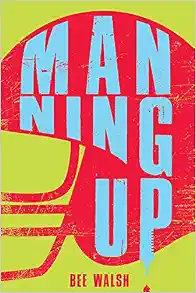
Jack is at the top of his game. He’s a senior running back on the football team, dominating every opponent in his way. To everyone else, Jack is totally in control. In reality, he struggles with an eating disorder that controls every aspect of his daily life. When Jack starts using steroids, he feels invincible, but will the steroids help him win the big game, or will he lose everything he’s ever worked for?
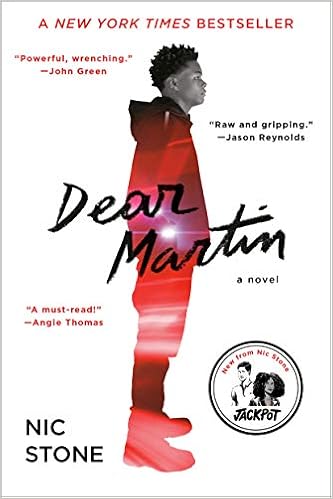
Justyce McAllister is a good kid, an honor student, and always there to help a friend—but none of that matters to the police officer who just put him in handcuffs. Despite leaving his rough neighborhood behind, he can’t escape the scorn of his former peers or the ridicule of his new classmates.
Justyce looks to the teachings of Dr. Martin Luther King Jr. for answers. But do they hold up anymore? He starts a journal to Dr. King to find out.
Then comes the day Justyce goes driving with his best friend, Manny, windows rolled down, music turned up—way up, sparking the fury of a white off-duty cop beside them. Words fly. Shots are fired. Justyce and Manny are caught in the crosshairs. In the media fallout, it’s Justyce who is under attack.
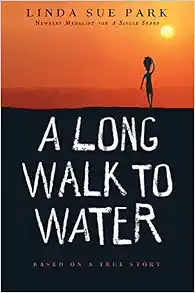
A Long Walk to Water begins as two stories, told in alternating sections, about two eleven-year-olds in Sudan, a girl in 2008 and a boy in 1985. The girl, Nya, is fetching water from a pond that is two hours’ walk from her home: she makes two trips to the pond every day. The boy, Salva, becomes one of the “lost boys” of Sudan, refugees who cover the African continent on foot as they search for their families and for a safe place to stay. Enduring every hardship from loneliness to attack by armed rebels to contact with killer lions and crocodiles, Salva is a survivor, and his story goes on to intersect with Nya’s in an astonishing and moving way. Includes an afterword by author Linda Sue Park and the real-life Salva Dut, on whom the novel is based, and who went on to found Water for South Sudan.
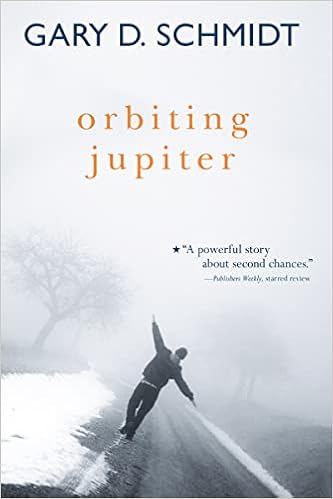
The two-time Newbery Honor winner Gary D. Schmidt delivers the shattering story of Joseph, a father at thirteen, who has never seen his daughter, Jupiter. After spending time in a juvenile facility, he’s placed with a foster family on a farm in rural Maine. Here Joseph, damaged and withdrawn, meets twelve-year-old Jack, who narrates the account of the troubled, passionate teen who wants to find his baby at any cost. In this riveting novel, two boys discover the true meaning of family and the sacrifices it requires.
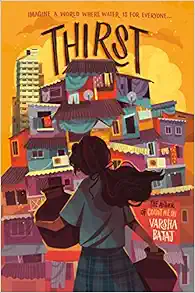
Minni lives in the poorest part of Mumbai, where access to water is limited to a few hours a day and the communal taps have long lines. Lately, though, even that access is threatened by severe water shortages and thieves who are stealing this precious commodity—an act that Minni accidentally witnesses one night. Meanwhile, in the high-rise building where she just started to work, she discovers that water streams out of every faucet and there’s even a rooftop swimming pool. What Minni also discovers there is one of the water mafia bosses. Now she must decide whether to expose him and risk her job and maybe her life. How did something as simple as access to water get so complicated?
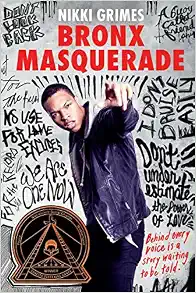
When Wesley Boone writes a poem for his high school English class, some of his classmates clamor to read their poems aloud too. Soon they’re having weekly poetry sessions and, one by one, the eighteen students are opening up and taking on the risky challenge of self-revelation. There’s Lupe Alvarin, desperate to have a baby so she will feel loved. Raynard Patterson, hiding a secret behind his silence. Porscha Johnson, needing an outlet for her anger after her mother OD’s. Through the poetry they share and narratives in which they reveal their most intimate thoughts about themselves and one another, their words and lives show what lies beneath the skin, behind the eyes, beyond the masquerade.
For as long as ZJ can remember, his dad has been everyone’s hero. As a charming, talented pro football star, he’s as beloved to the neighborhood kids he plays with as he is to his millions of adoring sports fans. But lately life at ZJ’s house is anything but charming. His dad is having trouble remembering things and seems to be angry all the time. ZJ’s mom explains it’s because of all the head injuries his dad sustained during his career. ZJ can understand that–but it doesn’t make the sting any less real when his own father forgets his name. As ZJ contemplates his new reality, he has to figure out how to hold on tight to family traditions and recollections of the glory days, all the while wondering what their past amounts to if his father can’t remember it. And most importantly, can those happy feelings ever be reclaimed when they are all so busy aching for the past?
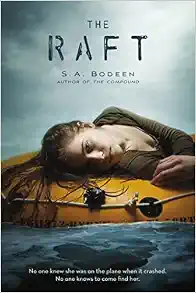
Robie is an experienced traveler. She’s taken the flight from Honolulu to the Midway Atoll, a group of Pacific islands where her parents live, many times. When she has to get to Midway in a hurry after a visit with her aunt in Hawaii, she gets on the next cargo flight at the last minute. She knows the pilot, but on this flight, there’s a new co-pilot named Max. All systems are go until a storm hits during the flight. The only passenger, Robie doesn’t panic until the engine suddenly cuts out and Max shouts at her to put on a life jacket. They are over miles of Pacific Ocean. She sees Max struggle with a raft.
And then . . . she’s in the water. Fighting for her life. Max pulls her onto the raft, and that’s when the real terror begins. They have no water. Their only food is a bag of Skittles. There are sharks. There is an island. But there’s no sign of help on the way.
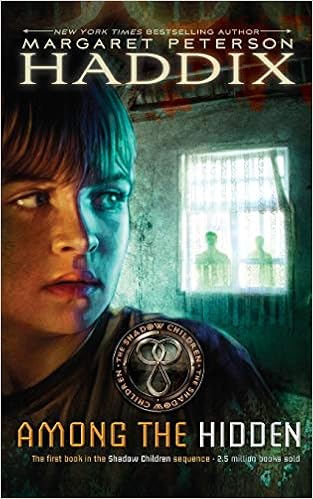
In a future where the Population Police enforce the law limiting a family to only two children, Luke, an illegal third child, has lived all his twelve years in isolation and fear on his family’s farm in this start to the Shadow Children series from Margaret Peterson Haddix.
Luke has never been to school. He’s never had a birthday party, or gone to a friend’s house for an overnight. In fact, Luke has never had a friend.
Luke is one of the shadow children, a third child forbidden by the Population Police. He’s lived his entire life in hiding, and now, with a new housing development replacing the woods next to his family’s farm, he is no longer even allowed to go outside.
Then, one day Luke sees a girl’s face in the window of a house where he knows two other children already live. Finally, he’s met a shadow child like himself. Jen is willing to risk everything to come out of the shadows — does Luke dare to become involved in her dangerous plan? Can he afford not to?
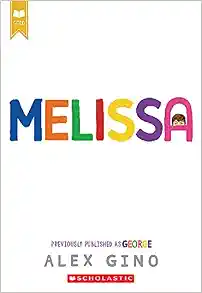
When people look at Melissa, they think they see a boy named George. But she knows she’s not a boy. She knows she’s a girl.
Melissa thinks she’ll have to keep this a secret forever. Then her teacher announces that their class play is going to be Charlotte’s Web. Melissa really, really, REALLY wants to play Charlotte. But the teacher says she can’t even try out for the part… because she’s a boy.
With the help of her best friend, Kelly, Melissa comes up with a plan. Not just so she can be Charlotte — but so everyone can know who she is, once and for all.
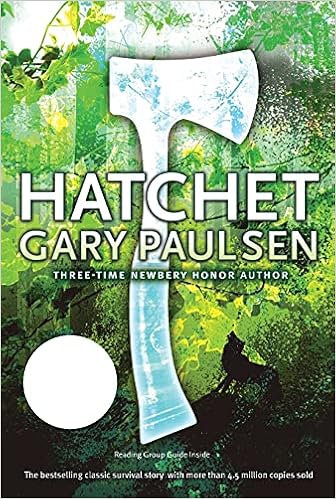
Thirteen-year-old Brian Robeson, haunted by his secret knowledge of his mother’s infidelity, is traveling by single-engine plane to visit his father for the first time since the divorce. When the plane crashes, killing the pilot, the sole survivor is Brian. He is alone in the Canadian wilderness with nothing but his clothing, a tattered windbreaker, and the hatchet his mother had given him as a present.
At first consumed by despair and self-pity, Brian slowly learns survival skills—how to make a shelter for himself, how to hunt and fish and forage for food, how to make a fire—and even finds the courage to start over from scratch when a tornado ravages his campsite. When Brian is finally rescued after fifty-four days in the wild, he emerges from his ordeal with new patience and maturity, and a greater understanding of himself and his parents.
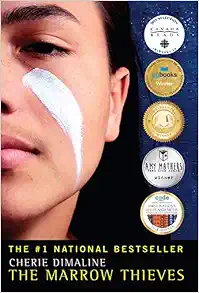
Just when you think you have nothing left to lose, they come for your dreams.
Humanity has nearly destroyed its world through global warming, but now an even greater evil lurks. The Indigenous people of North America are being hunted and harvested for their bone marrow, which carries the key to recovering something the rest of the population has lost: the ability to dream. In this dark world, Frenchie and his companions struggle to survive as they make their way up north to the old lands. For now, survival means staying hidden – but what they don’t know is that one of them holds the secret to defeating the marrow thieves.
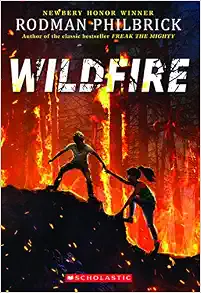
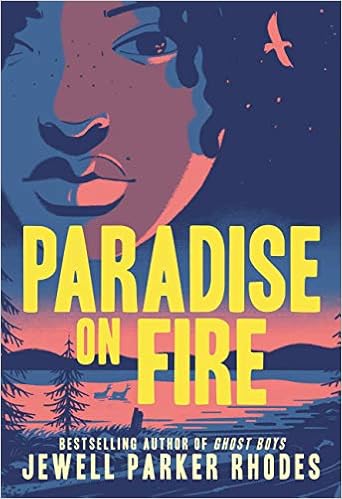
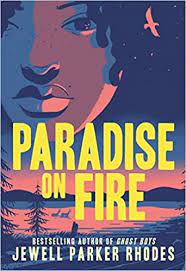
Flames race toward Sam Castine’s summer camp as evacuation buses are loading, but Sam runs back to get his phone. Suddenly, a flash of heat blasts him as pine trees explode. Now a wall of fire separates Sam from his bus, and there’s only one thing to do: Run for his life. Run or die.
Lungs burning, Sam’s only goal is to keep moving. Drought has made the forest a tinderbox, and Sam struggles to remember survival tricks he learned from his late father. Then, when he least expects it, he encounters Delphy, an older girl who is also lost. Their unlikely friendship grows as they join forces to find civilization.
The pace never slows, and eventually flames surround Sam and Delphy on all sides. A powerful bond is forged that can only grow out of true hardship — as two true friends beat all odds and outwit one of the deadliest fires ever.
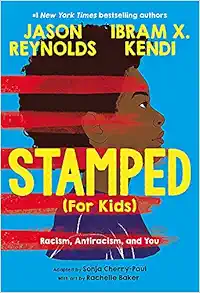
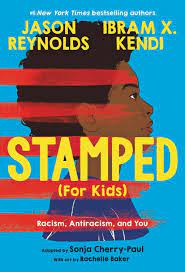
RACE. Uh-oh. The R-word. But actually talking about race is one of the most important things to learn how to do.
Adapted from the award-winning, bestselling Stamped: Racism, Antiracism, and You, this book takes readers on a journey from present to past and back again. Kids will discover where racist ideas came from, identify how they impact America today, and meet those who have fought racism with antiracism. Along the way, they’ll learn how to identify and stamp out racist thoughts in their own lives.
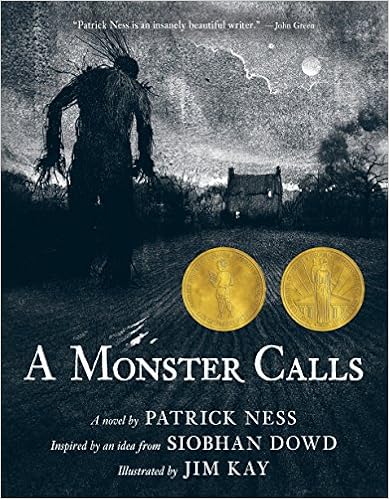
The monster in Conor’s backyard is not the one he’s been expecting — the one from the nightmare he’s had every night since his mother started her treatments. This monster is ancient. And wild. And it wants something from Conor. Something terrible and dangerous. It wants the truth. From the final idea of award-winning author Siobhan Dowd — whose premature death from cancer prevented her from writing it herself — Patrick Ness has spun a haunting and darkly funny novel of mischief, loss, and monsters both real and imagined.
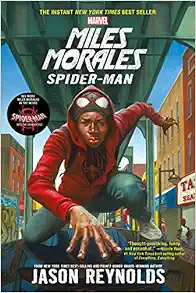
Miles Morales is just your average teenager. Dinner every Sunday with his parents, chilling out playing old-school video games with his best friend, Ganke, crushing on brainy, beautiful poet Alicia. He’s even got a scholarship spot at the prestigious Brooklyn Visions Academy. Oh yeah, and he’s Spider Man.
But lately, Miles’s spidey-sense has been on the fritz. When a misunderstanding leads to his suspension from school, Miles begins to question his abilities. After all, his dad and uncle were Brooklyn jack-boys with criminal records. Maybe kids like Miles aren’t meant to be superheroes. Maybe Miles should take his dad’s advice and focus on saving himself.
As Miles tries to get his school life back on track, he can’t shake the vivid nightmares that continue to haunt him. Nor can he avoid the relentless buzz of his spidey-sense every day in history class, amidst his teacher’s lectures on the historical benefits of slavery and the modern-day prison system. But after his scholarship is threatened, Miles uncovers a chilling plot, one that puts his friends, his neighborhood, and himself at risk.
It’s time for Miles to suit up.
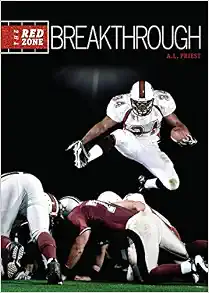
Breakthrough – The Red Zone series – by A.L.Priest
Page count: 104
Description:
Efram is new to Troy, Ohio, a town where football is everything. And as soon as he sets foot in Troy Central High, the school’s head coach takes notice of Efram’s perfect football build. Suddenly Efram is gearing up for practice―even though he has never played the game.
Flick is too small to run for a touchdown or sack a quarterback. And with his mohawk and outsider attitude, he’s not exactly a team player. But he notices things on the football field that most people can’t see. When Flick and Efram team up, they’ll show Troy Central High a whole new way to win.
Addy is haunted by the tragic fire that killed her parents, leaving her to be raised by her grandmother. Years later, Addy’s grandmother has enrolled her in a summer wilderness program. There, Addy joins five other Black city kids—each with their own troubles—to spend a summer out west.
Deep in the forest the kids learn new (and to them) strange skills: camping, hiking, rock climbing, and how to start and safely put out campfires. Most important, they learn to depend upon each other for companionship and survival. But then comes a devastating forest fire…
Addy is face-to-face with her destiny and haunting past. Developing her courage and resiliency against the raging fire, it’s up to Addy to lead her friends to safety. Not all are saved. But remembering her origins and grandmother’s teachings, she’s able to use street smarts, wilderness skills, and her spiritual intuition to survive.
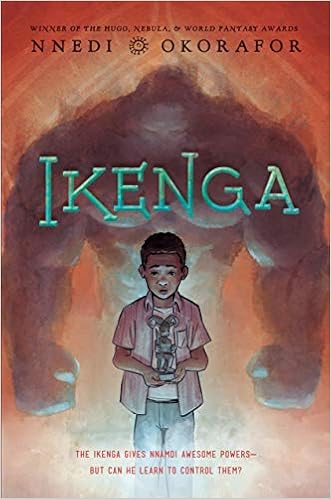
Nnamdi’s father was a good chief of police, perhaps the best Kalaria had ever had. He was determined to root out the criminals that had invaded the town. But then he was murdered, and most people believed the Chief of Chiefs, most powerful of the criminals, was responsible. Nnamdi has vowed to avenge his father, but he wonders what a twelve-year-old boy can do. Until a mysterious nighttime meeting, the gift of a magical object that enables super powers, and a charge to use those powers for good changes his life forever. How can he fulfill his mission? How will he learn to control his newfound powers?
Page count: 331 – novel in verse – but my students told me I had to add it
Description:
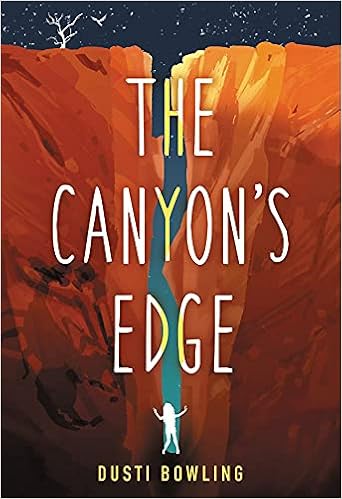
One year after a random shooting changed their family forever, Nora and her father are exploring a slot canyon deep in the Arizona desert, hoping it will help them find peace. Nora longs for things to go back to normal, like they were when her mother was still alive, while her father keeps them isolated in fear of other people. But when they reach the bottom of the canyon, the unthinkable happens: A flash flood rips across their path, sweeping away Nora’s father and all of their supplies.
Suddenly, Nora finds herself lost and alone in the desert, facing dehydration, venomous scorpions, deadly snakes, and, worst of all, the Beast who has terrorized her dreams for the past year. If Nora is going to save herself and her father, she must conquer her fears, defeat the Beast, and find the courage to live her new life.
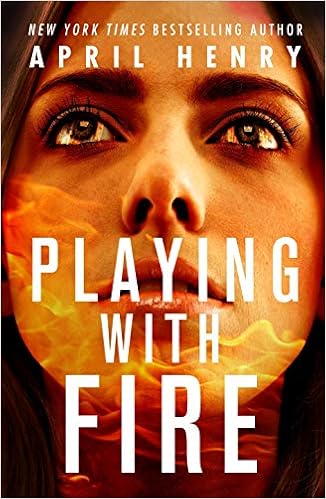
Playing with Fire by April Henry (and many other April Henry books!)
Page count: 240
Description:
Natalia is not the kind of girl who takes risks. Six years ago, she barely survived the house fire that killed her baby brother. Now she is cautious and always plays it safe. For months, her co-worker Wyatt has begged her to come hiking with him, and Natalia finally agrees.
But when a wildfire breaks out, blocking the trail back, a perfect sunny day quickly morphs into a nightmare. With no cell service, few supplies, and no clear way out of the burning forest, a group of strangers will have to become allies if they’re going to survive. Hiking in the dark, they must deal with injuries, wild animals and even a criminal on the lam―before the fire catches them.
Page count: 320 – novel in verse – my students told me to add it
Description:
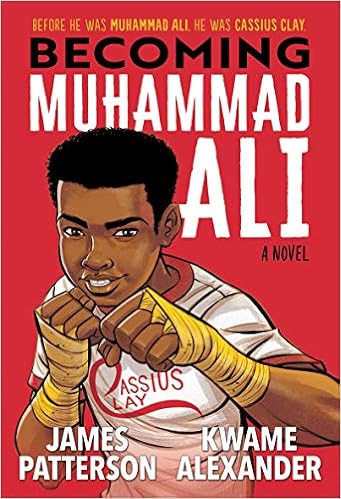
Before he was a household name, Cassius Clay was a kid with struggles like any other. Kwame Alexander and James Patterson join forces to vividly depict his life up to age seventeen in both prose and verse, including his childhood friends, struggles in school, the racism he faced, and his discovery of boxing. Readers will learn about Cassius’ family and neighbors in Louisville, Kentucky, and how, after a thief stole his bike, Cassius began training as an amateur boxer at age twelve. Before long, he won his first Golden Gloves bout and began his transformation into the unrivaled Muhammad Ali.
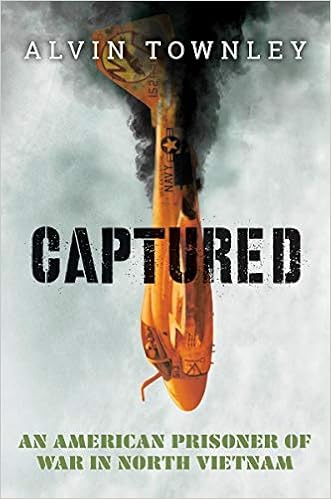
Alvin Townley, a critically acclaimed author of adult nonfiction, delivers a searing YA debut about American POWs during the Vietnam War.Naval aviator Jeremiah Denton was shot down and captured in North Vietnam in 1965. As a POW, Jerry Denton led a group of fellow American prisoners in withstanding gruesome conditions behind enemy lines. They developed a system of secret codes and covert communications to keep up their spirits. Later, he would endure torture and long periods of solitary confinement. Always, Jerry told his fellow POWs that they would one day return home together. Although Jerry spent seven and a half years as a POW, he did finally return home in 1973 after the longest and harshest deployment in US history
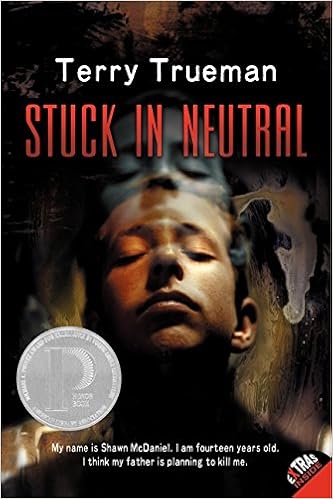
Shawn McDaniel’s life is not what it may seem to anyone looking at him. He is glued to his wheelchair, unable to voluntarily move a muscle—he can’t even move his eyes. For all Shawn’s father knows, his son may be suffering. Shawn may want a release. And as long as he is unable to communicate his true feelings to his father, Shawn’s life is in danger.
To the world, Shawn’s senses seem dead. Within these pages, however, we meet a side of him that no one else has seen—a spirit that is rich beyond imagining, breathing life.
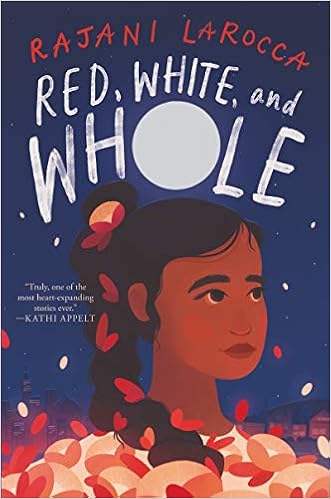
Reha feels torn between two worlds: school, where she’s the only Indian American student, and home, with her family’s traditions and holidays. But Reha’s parents don’t understand why she’s conflicted—they only notice when Reha doesn’t meet their strict expectations. Reha feels disconnected from her mother, or Amma, although their names are linked—Reha means “star” and Punam means “moon”—but they are a universe apart.
Then Reha finds out that her Amma is sick. Really sick.
Reha, who dreams of becoming a doctor even though she can’t stomach the sight of blood, is determined to make her Amma well again. She’ll be the perfect daughter, if it means saving her Amma’s life.
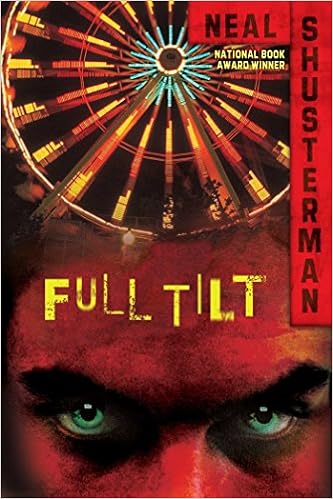
Sixteen-year-old Blake has always been the responsible one in his dysfunctional family — the one who drives safely, gets good grades, and looks after his wild younger brother, Quinn. Quinn is his brother’s opposite — a thrill-seeker who’s always chasing the next scary rush, no matter what the cost. But Quinn and Blake are in for the surprise of their lives when they’re thrust into the world of a bizarre phantom carnival — and their souls are the price of admission.
In order to save his brother, and himself, Blake must survive seven different carnival rides before dawn. Seven rides…it sounds easy. But each ride is full of unexpected dangers, because each ride is a reflection of one of Blake’s deepest fears. And the last ride is the worst one of all. Because that’s the one that confronts Blake with a terrifying secret from his past — a secret he’s been running from for years
For more recommendations, consider following me on Instagram where I share what I read all the time using the hashtag #pernillerecommends.
If you are wondering where I will be in the coming year or would like to have me coach, collaborate with your teachers, or speak at your conference, please see this page.. If you like what you read here, consider reading my latest book, Passionate Readers – The Art of Reaching and Engaging Every Child. This book focuses on the five keys we can implement into any reading community to strengthen student reading experiences, even within the 45 minute English block. If you are looking for solutions and ideas for how to re-engage all of your students consider reading my very first book Passionate Learners – How to Engage and Empower Your Students.
When I first moved to 7th grade eight years ago, one of the first projects we created was the writing of a nonfiction picture book. We wanted a project that was filled with choice, accessible for many developmental stages, that connected us with the world, and also honored students’ creative desires and voices. We did it for a few years, then our curriculum changed and we moved from this to TED talks instead, a project I still love. But this year, it felt right to bring it back and after conferring with my students, they agreed. They told me they would love to have a chance to express themselves creatively to audiences around the world, to explore topics of their choosing, and also play with formatting, rather than write another speech.
The entire unit lesson plan for the project can be found here but note that updating it is still a work in progress.
The goal of the project is rather simple; create a 25 to 35 slide/page nonfiction picture book meant for a 1st or 2nd-grade audience on anything nonfiction you wish to write about. Throughout this project we have been able to successfully marry tech tools with writing, as well as use Google Meet, Padlet, Twitter, and other interactive tools.
Why this project? Because within it we have been able to work on:
How to take organized notes in a way that works for them. Students develop their own note taking tools, with help from me, rather than be forced to take notes one signle way.
How to write a paragraph and all of the myriads of lessons that are attached to that.
Grammar! Spelling! Punctuation!
How to find legal images.
How to cite sources, including images, books, and websites.
How to uncover reliable sources (yes, there is a place for Wikipedia in our research) and discuss why somethng may or not be reliable.
How to consider bias and tie that in with reliability.
How to search the internet better.
How to conduct market research using Google Meet to ask the intended audience what they want to read and how they want to read it.
How to rewrite research in our own words, quote, paraphrase and summarize.
How to do design and layout on a page to make it inviting.
How to create good questions.
Exploring our own interests.
How to write assessment rubrics.
How to work as a peer mentor group.
How to monitor self-engagement.
So a few details about the project:
This is a 3-week long project, anchored by a 10 or so minute mini-lessons every day and then work time the rest of class.
Mini-lessons have centered around features of nonfiction, how to take notes ( I showed them several different ways as well as had examples of how actual acthors take their notes), how to research in a way that works for your project, how to find reliable sources (review) and discuss why they might be reliable, how to write paragraphs, how to rewrite information, and anything else we have had to address.
Students were able to ask questions to 1st and 2nd graders via Google Meet to do market research, and incorporate that feedback into their project. This was vital because it changed a lot of kids’ interesest, topics, and also their process. Shout out to the 4 awesome classroom who gave up their time!
I am using this blog and Facebook to find classrooms that will assess the final product. If you would like to be one, please fill out this Google form. Your class can read as many as you have time for and leave us feedback via a very simple Google form.
Students create their books in Google Slides for easy access for all , as well as easy design and layout. They are also given the option to use WriteReader if they would like it to look more like a traditional book.
Changes for this year:
Studying Nonfiction Before we Dive In
I am grateful for the work of Melissa Stewart and other nonfiction authors, who have graciously shared phenomenal work when it comes to understanding, appreciating, and creating this genre of books. Using read aloud and student exploration of texts allowed us to make broad decisions about the type of book we want to write, and also have a common foundation that we can refer to. I cannot speak enough to the power of mentor texts, shared reading experiences, and also finding yet another way to broaden the historical world knowledge students have.
The Peer Mentor Group.
Students have been in their peer mentor groups for a week now. They chose one partner and I then partnered up with another partnership where necessary. Groups are between 2 and 4 people are used extensively throughout the project both formally and informally. We know that writing carries a lot of emotions and so it is important for kids to get to choose who sees their writing and helps them through the messy draft stages. While I have formal things they do together as a group embedded throughout our time, many kids also sit with their groups and work alongside each other as the days go by.
A Dedicated Mentor Text
Every student has selected a nonfiction picture book whose flow and design they want to emulate. Having a physical text to glance through as they think of their own creative decisions has made the project more tangible and manageable for many because they can see what they can do. I also have my own sample picture book that they can glance through.
Inquiry Questions
We have been focused on different inquiry questions throughout the year and this unit is no different. We have three for this unit that we are trying to answer:
How do we engage a reader?
How do we write engaging nonfiction?
How do we pass information onto younger people?
Mentor Texts:
I was asked if I would share a list of mentor texts we are using and while I don’t mind pulling one together at all, the most important part for me has been to pull as many types of nonfiction picture books as possible. So not only do we have amazing narrative nonfiction, but also books that fall under the other four categories of nonfiction as explained by Melissa Stewart. Our awesome library aide pulled me fun recipe books, how-to books, traditional nonfiction books too so don’t forget to partner (again!) with your librarian staff.
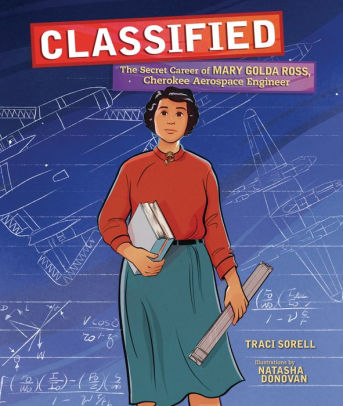
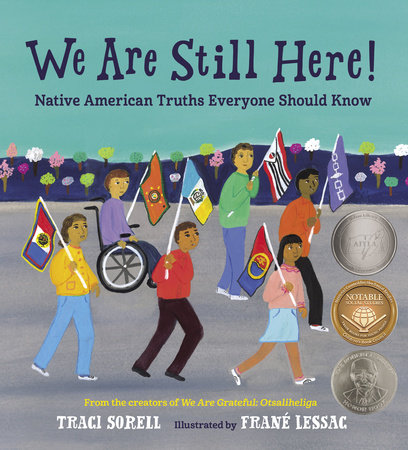
We used two amazing books by Traci Sorrell as our mentor texts in our continued focus on Indigenous Peoples in our year together. We read these together, discussed text features, and also look at how facts were embedded throughout. Take some time to carefully select which books you want to center in your instruction as this is another way to bring in conversations about power, privilege, and structures meant to keep people in place, as well as often overlooked history.
Be Our Readers! (Please)
If you would like to receive some of our finished picture books to give feedback on and you teach 3rd grade or younger, please fill out the form. Picture books will be shared in a few weeks via email and links to our folders and you will have a few weeks to provide the feedback. Feedback consists of filling in a Google form.
The entire unit lesson plan for the project can be found here but note that updating it is still a work in progress.
If you are wondering where I will be in the coming year or would like to have me coach, collaborate with your teachers, or speak at your conference, please see this page.. If you like what you read here, consider reading my latest book, Passionate Readers – The Art of Reaching and Engaging Every Child. This book focuses on the five keys we can implement into any reading community to strengthen student reading experiences, even within the 45 minute English block. If you are looking for solutions and ideas for how to re-engage all of your students consider reading my very first book Passionate Learners – How to Engage and Empower Your Students.
For the past 6 years, I have done a Mock Caldecott unit with students as we come back to school in January. The year is quietly winding down which means the reflection begins on which illustrations took my breath away. And there were many. Last year, I didn’t get to do this unit with my students due to virtual teaching so I am so excited to bring it back to us. Over the years, I have made a few tweaks to make it more manageable and enjoyable for kids.
One, I am reading all of these books aloud during our unit. While the students will still read them in their group, they will have experienced the full text with us all first.
Two, I am limiting our choices to 11. That way we can leisurely work through the unit, savor the illustrations, and give it the time it needs rather than skim through pages in order to come up with a winner.
Three, each group will pick their winner. Every year we have had a vote for class pick, but I switched it two years by letting each group select and root for their individual winners. We will, however, vote for an overall winner in all of my English classes combined.
The lessons will not change much; I use previous winners to discuss the different components of the award and then students grab the books they will discuss that day and rank. Each group gets a packet with the titles and a voting sheet. The slides I use are here and are pretty straightforward. The voting packet will be modified this year to make it shorter, and students will still do a persuasive speech at the end to try to convince their classmates that their choice is, of course, the best one.
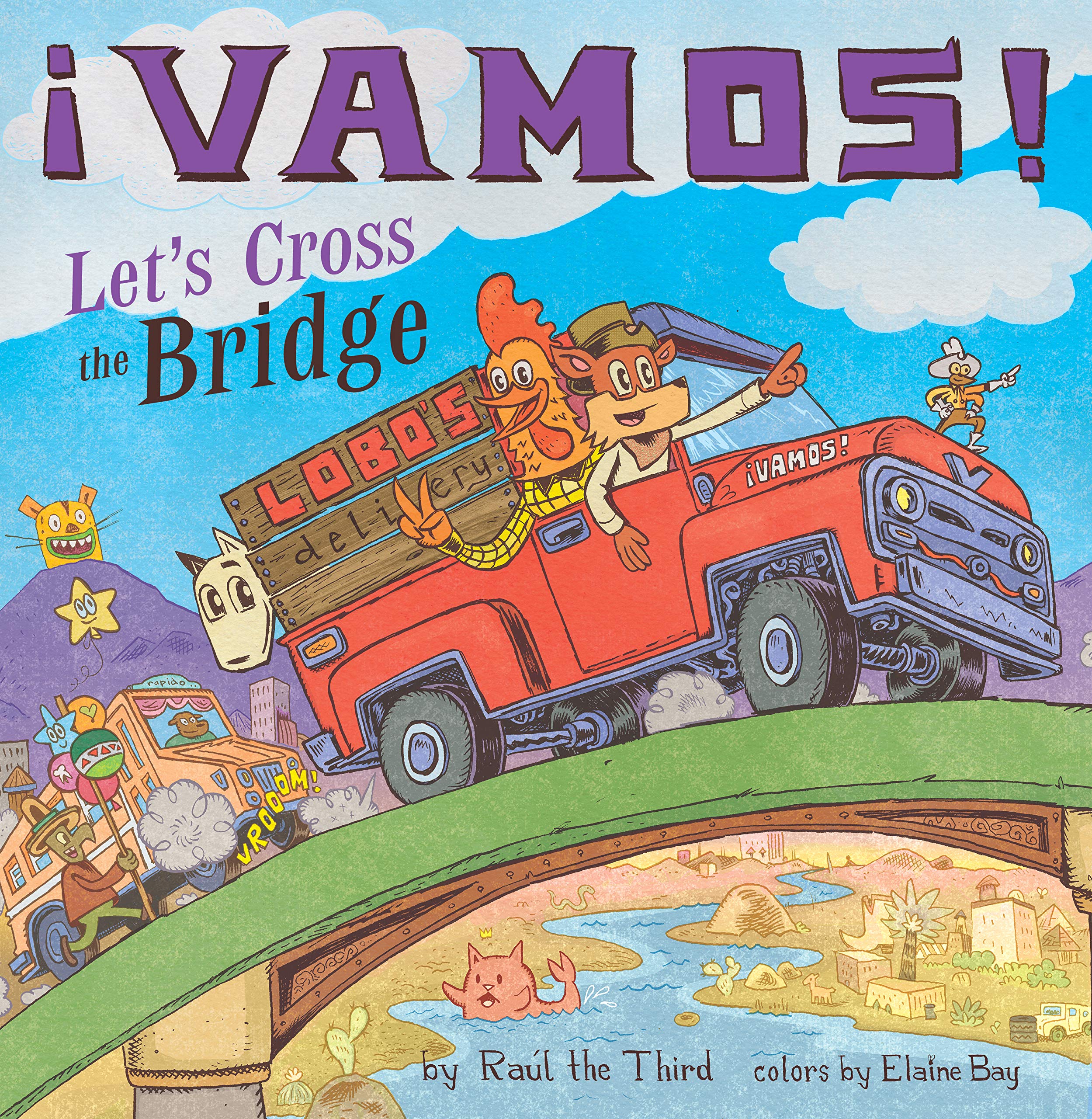
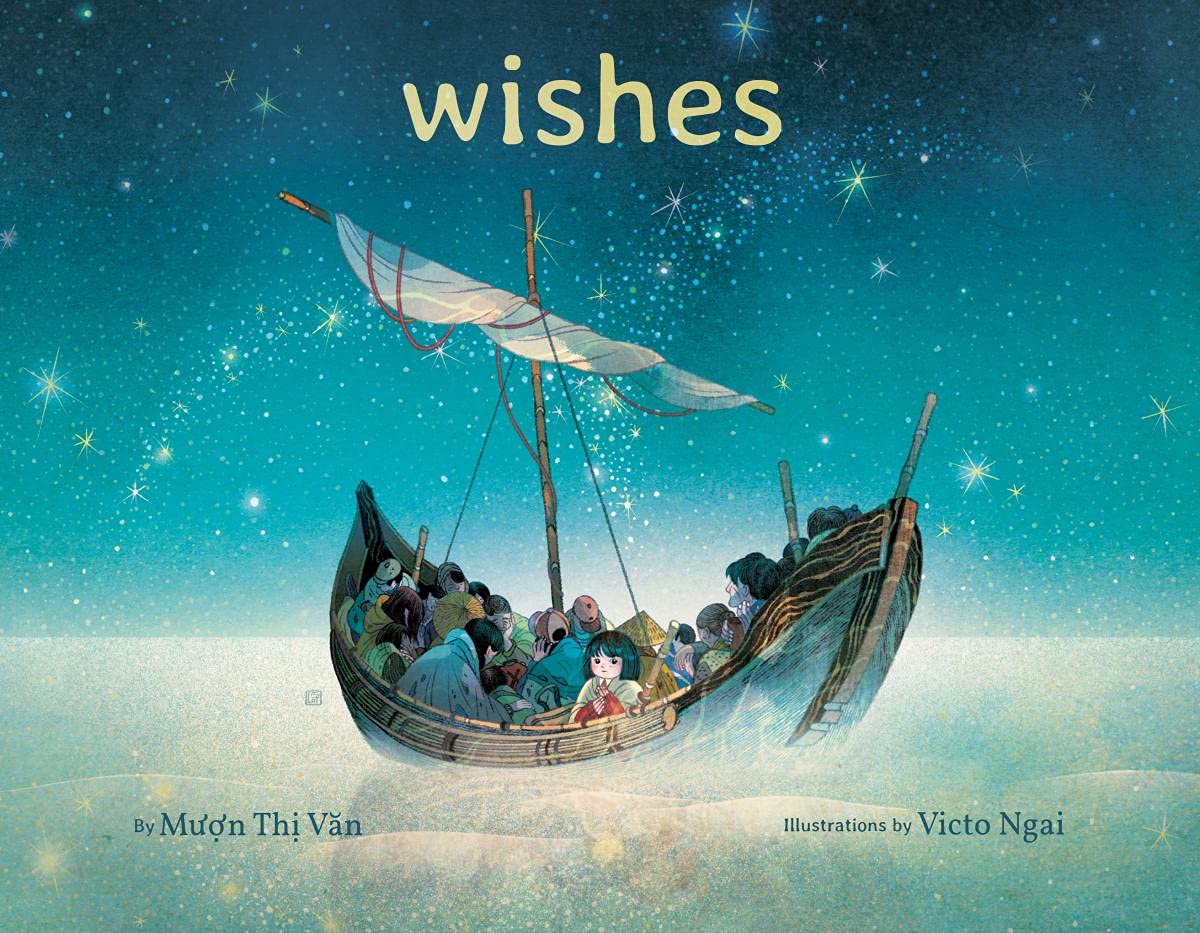
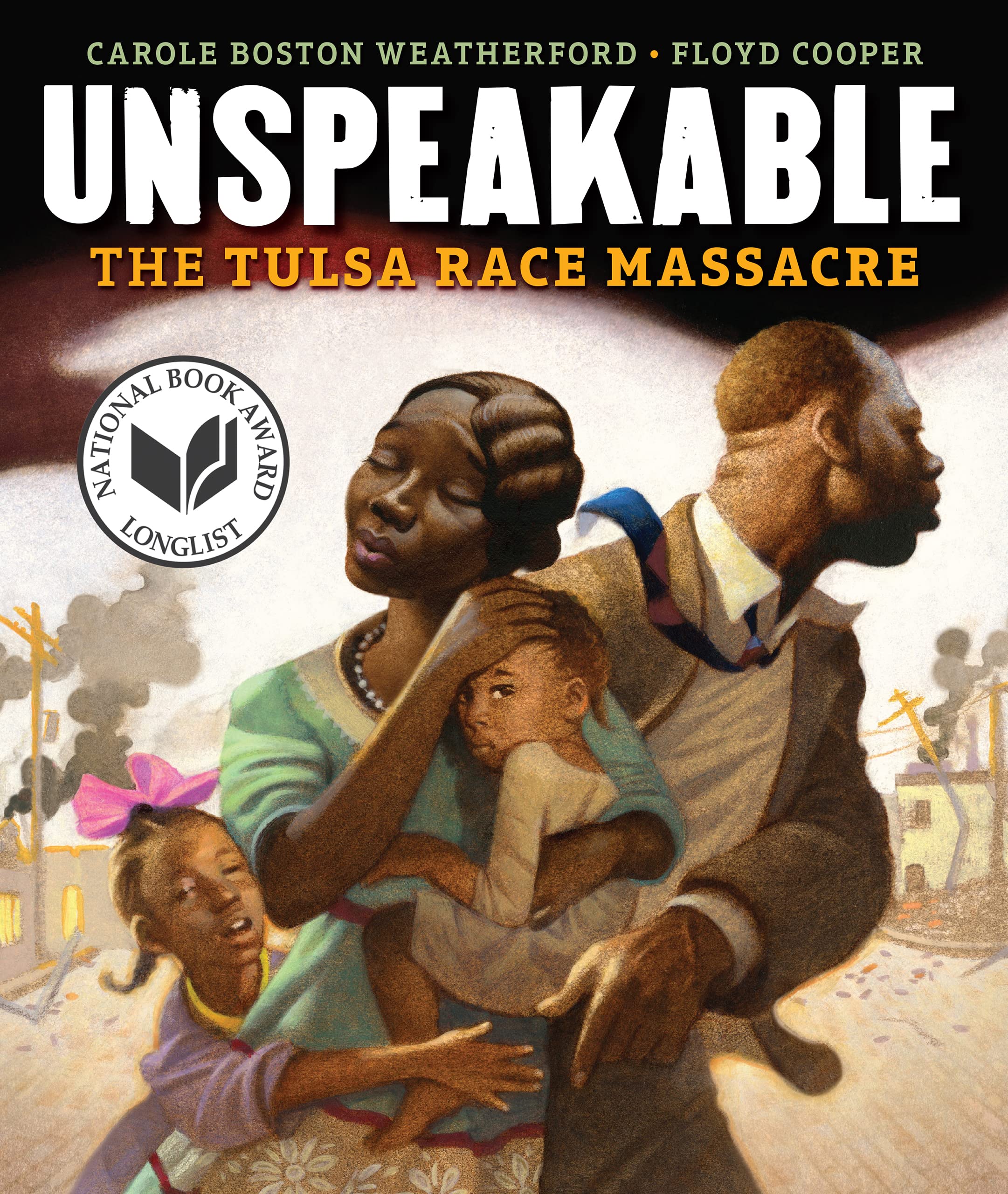
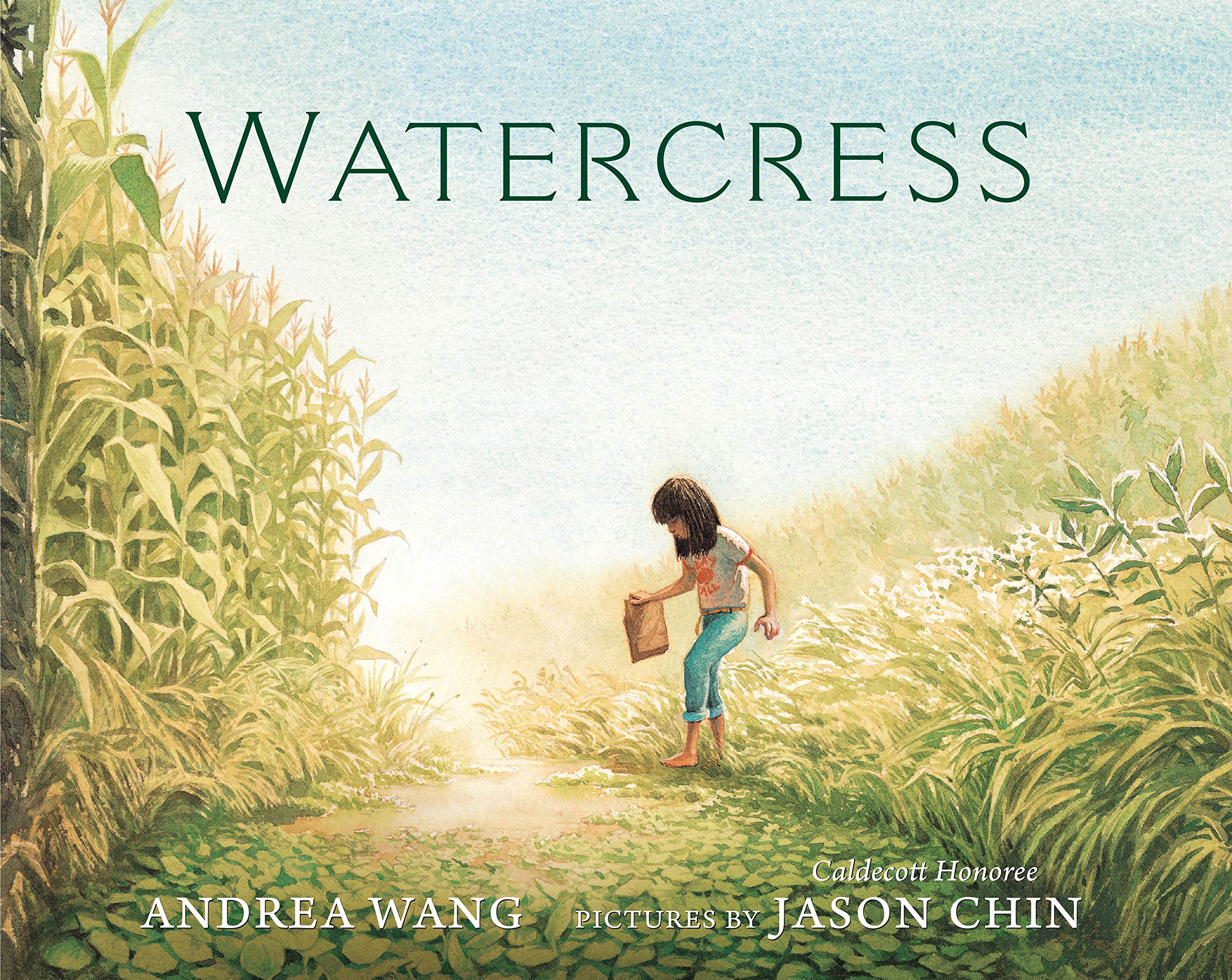
So which books have I chosen for the year? (Not that it matters because we almost never pick the winner, ha, but we did in 2020!)
If you are wondering where I will be in the coming year or would like to have me speak, please see this page.. If you like what you read here, consider reading my latest book, Passionate Readers – The Art of Reaching and Engaging Every Child. This book focuses on the five keys we can implement into any reading community to strengthen student reading experiences, even within the 45 minute English block. If you are looking for solutions and ideas for how to re-engage all of your students consider reading my very first book Passionate Learners – How to Engage and Empower Your Students.
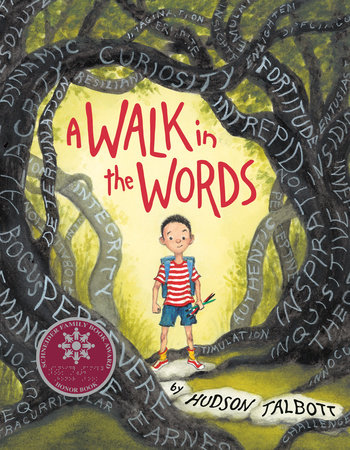
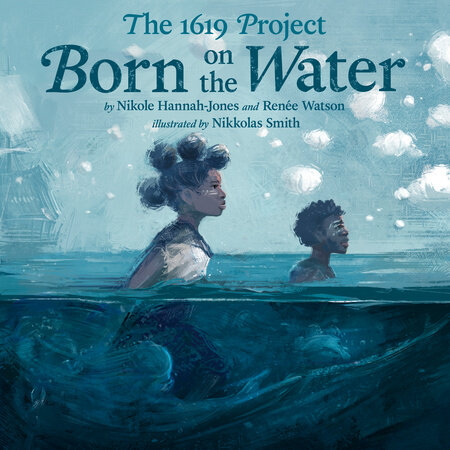
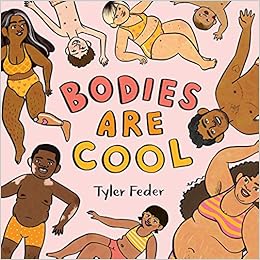
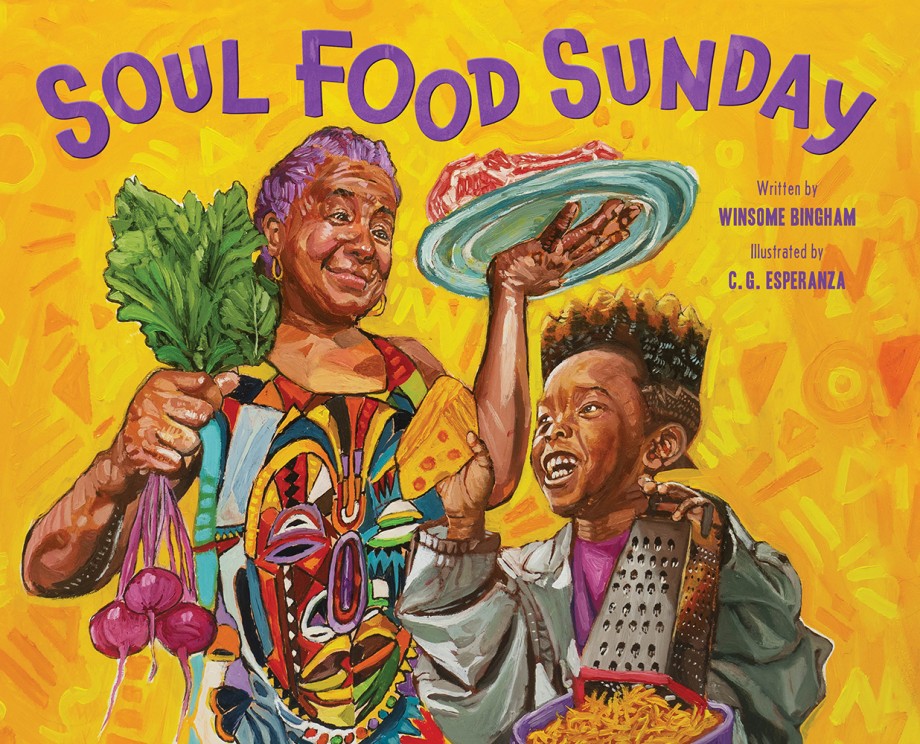
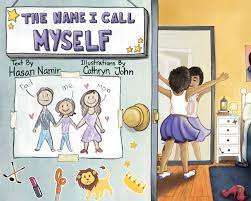
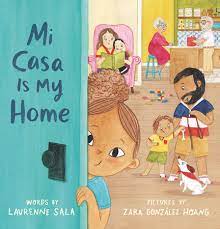
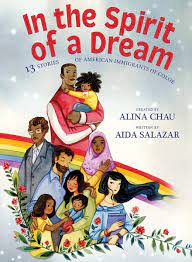
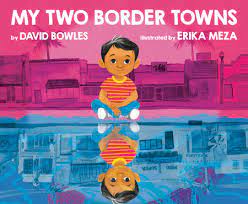
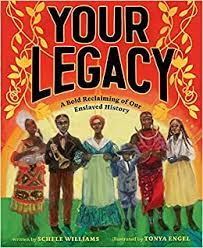
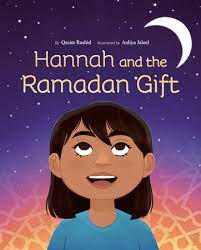
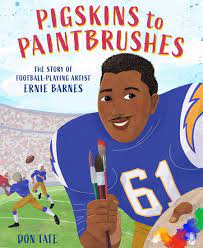
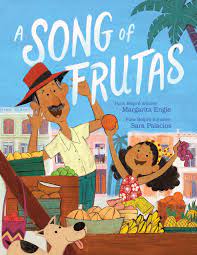
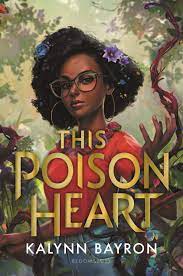
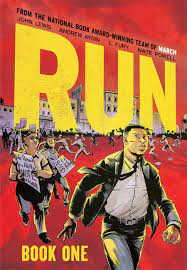
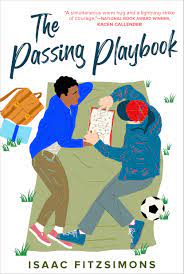
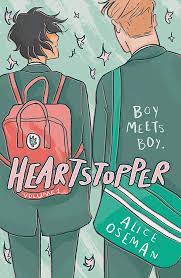
If you follow me on Instagram, you may know that I recommend a lot of books on there, in fact, it is the number one thing I use my account for. Perhaps you follow me there? If you don’t, or if you missed some, I figured a blog post to pull them all together would be helpful. That way you can see what I have read and loved, see what age groups they may work and order some books yourself. I don’t post all of the books I read, just the ones I love so much that I want to share them with others. I use the hashtag #pernillerecommends and they get cross-posted to Twitter as well if you want more than 1,000 book recommendations. Either way, here are the books I loved and shared from May until today!
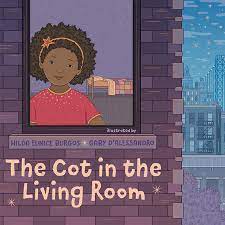
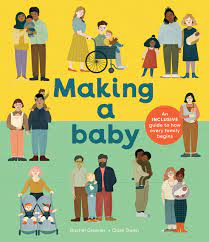
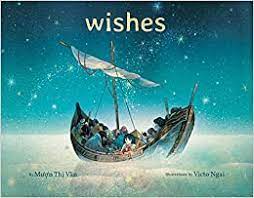
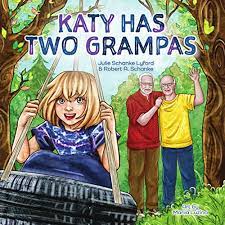
Picture Books
Early Readers
Middle Grade
Young Adult
Professional Development
Which books have you read and loved? I am already excited to share all of the October reads I am loving over on Instagram. Happy reading!
As always, I am also curating lists on Bookshop.org – a website who partners with independent bookstores to funnel book purchases through them, if you use my link, I get a small affiliate payout.








































 Pernille Ripp