parents, Reading

Parents: Creating Joyful Reading Routines at Home

We sit together with a book between us carefully piecing the words together. Sometimes they come haltingly. Sometimes they flow. Learning to read is hard work, but loving to read is not, not right now, not for most of our kids. We are a household of readers, all on a separate journey. All growing, exploring and learning, some more quickly than others. I am one of several bookworms in our household with books wherever we go, with a to-be-read pile bigger than we have hours in the day. We are a household of readers, and yet, even for us, in the hustle and bustle of the holidays, we haven’t done much reading lately. Not planned anyway, I know we cannot be alone.

So how do we keep reading front and center, even when life gets really busy? How do we try to create joyful reading experiences at home? It turns out, that many of the same things we do in our classrooms to create passionate readers also work at home.

Flood your home with books if possible. To be readers we need things to read. There has been a lot of research on the harmful effects of students living in book deserts and what the unintended consequences are when kids don’t have access to books. This is why book ownership is so important, kids who own books are 15 times more likely to read above the level they are expected to be at according to the National Literacy Trust. And more importantly, it sets the tone; reading is valued at home, reading is something we believe in by spending our money or procuring reading material somehow. However, this is also an equity issue, it is easy for someone to say; buy books for your kids, but if you don’t have disposable income, then that can become a challenge. Yet, finding books and other reading material for kids to have where they live is vital in creating readers. So if you have the money; buy books and other reading materials. If you do not, reach out to your child’s school, visit a little free library if possible, visit a public library if possible, or get connected with a book charity. Here in Madison, we have the Madison Reading Project whose mission is to get books in the hands of kids – what do you have where you live? (A great book to read on book access and how it helps students become readers is the book Game Changer – Book Access for All Kids by Donalyn Miller and Colby Sharp).

Leave reading materials everywhere. We have books everywhere at our house, which is a privilege in itself. Books are in our kitchen, bathroom, living rooms, cars, and, of course, bedrooms. But not just books, magazines, newspapers and other fun things to read. Lately, we have been loving MAD magazine which I grew up on in Denmark. Our kids gravitate toward the books, picture books and everything else because they are visible. So if you can leave books wherever your kids are: the car, the bathroom, the living room, their rooms.   If you do not have access to a lot of books ask their school for help, scour garage sales, or visit the library if possible.

Sneak in more reading. Because we remind our kids to bring books in the car, to family gatherings, to appointments, grocery shopping, and yes, even sometimes to lunch, we sneak in a lot of reading. Our kids don’t sit on iPads or phones on a regular basis, they sit with books. In fact, this has been one of aha moments, every time we pull out our phone to check Reddit (#ThereWasAnAttempt) or other social media, we could be pulling out a book. I am often asked how I read so much in a year, this is one of the ways. While we love sitting down for long chunks of time to read, there is a lot of value in the minutes that can be snuck in, and those minutes add up.

Create a reading routine.  One of the biggest things I discuss with those at home is to find a routine for reading and not leaving it to chance.  Is it that everybody reads before getting out of bed? Is it the last thing that happens at the end of the day? Find a time, space, and then make it an expectation. We have the kids read after school with us when I get home, on the weekends we have them read before TV. This isn’t because it is a punishment but because it shows importance. Create a drop-everything-and-read time and then abide by your own decisions and join in with your own books, because we know that children who see adults read, read more themselves, thanks Stephen Krashen.

Read yourself. This is an often missed step where we, adults, claim that we do not have time to read. I cannot tell you how many parents have sheepishly admitted that they do not read themselves and then wonder how they can best help their own kids become readers. My advice always; read with your kids. Go on your own quest to find incredible books. Abandon books that don’t work. Set yourself up to have incredible reading experiences just like you would hope your kid(s) would. Be a reading role model because kids need to see what real adult reading looks like. Read in front of them. While Brandon, my husband, has been a slow convert to reading for pleasure, he has been very deliberate in sharing his reading journey with our kids. I think it is incredibly powerful for kids to see their parents or caregivers start to embrace reading for pleasure finally as adults.

Visit places where books are present.  Build visits into the library, bookstores or even friends’ houses where there are books visible into your reading lives.  Seeing books within reach often entices reading and there is something about the promise of a brand-new crisp book that cannot help but be exciting.  And browse online as well. What are people sharing on the #BookADay thread? Which books are being shared on Instagram under hashtags like the one I use (#pernillerecommends)?

Give books. Despite the abundance of books that our kids already have we still give books at Christmas and birthdays. We make it a big deal; which book do you wish for? What is the one special book you would love right now? We go to the bookstore so they can browse and then we secretly buy them the book only to be wrapped and handed as a gift. We also have book giving traditions in our family, on lille juleaften (Little Christmas Eve) we host our family at our house for aebleskiver and instead of a nameplate, each guest is gifted with a brand-new book handpicked for them. And yes, even I get books. This year I was lucke enough to get Becoming and Art Matters (Signed by Neil Gaiman – argh!) as well as a few others.

Build excitement through book shopping. Go book shopping with your kids at your local bookstore, browse the displays at the library, look up the bestseller lists to see what is hot in literature right now, order from the book catalog that comes home (i get as excited as the kids).  Countdown the days together for that sequel or an amazing new book to be released, order it if you can or go to the bookstore on its release date. Build excitement for the act of reading together much like you would the release of a movie. If you need ideas for release dates, see Mr. Schu’s calendar of book releases.

Have your own to-be-read list.  I get super excited when new books show up or when we go to a bookstore together and my kids know that my to-be-read pile (or bookshelf because let’s be honest here…) is a neverending quest of great reading experiences waiting to happen. They see how big it gets, they see how I have piles in different places, I discuss how I pick a book at times if it comes up and I encourage them to have their own. What will they be reading next?

Embrace audiobooks.  We do a lot of driving as I travel to speak and as we visit others, so audiobooks from the local library are a constant companion. The kids select the text or we do when we know a book may be a great discussion for our family. This is also a great way to start conversations about social justice topics, such as when we listened to George by Alex Gino and we discussed gender identity, yes, even with our youngest.  Overall, audiobooks cut down on our kids arguing, creates conversation, and become a part of our reading memories.

Embrace real choice.  So your child wants to read the same book all the time?  Ok. So your child wants to read super “easy” books all the time?  Ok. So your child wants to read only one type of book all the time?  Ok. Reading at home is for great reading experiences, for having fun with your reading, for keeping the joy of reading alive.  We can recommend, we can purchase, we can entice, but I would never force certain texts on kids. I have seen too many kids stop their reading or fake it because of forced choice, usually through the eagerness of parents to share their favorite classic texts with their kids. While I love the sentiment of that, I am not always sure it is done well and can end up doing more harm than good. Perhaps, our focus instead should be to discover new classics instead such as The Poet X by Elizabeth Acevedo or The One and Only Ivan by Katherine Applegate.

Be invested and interested.  Ask genuine questions about their reading experiences.  Share your own. Embrace your reading slumps together and do something about them together.  Ask questions about what they plan on reading, whether they like the book or not, or what made them pick that book.  Keep it light but keep it constant.

Keep it joyful.  When kids come home from school, they are often tired and ready to do everything but read. I get it, after being at a conference all day or even teaching, reading is pretty far from my mind as well. We often lose readers at home because we see it as one more thing to do, rather than an experience waiting to happen. So keep it light, keep it fun.  Don’t assign journal prompts or summaries to go with it. Don’t make it homework, but instead revel in the joyful experience that reading a great book can be. Read aloud to your kids, even if they are older, this is one of the things many students report they miss the most with their parents. Celebrate new books, celebrate finishing books, celebrate abandoning books.

Fight for your child’s rights as a reader. While this will inevitably be a whole other post one of these days, I think it is vital, that we as parents/caregivers know what is happening to our children in their reading instruction at school. What are they making kids DO as readers? And what is that work DOING to your child as a reader? I can tell you that there are not many swords I care to fall on as “that” parent but reading logs and computerized programs to teach kids reading are two such swords. I have seen the damage done, and I refuse to sit idly by while decisions implemented at school harm our children’s reading lives, So know what their instruction looks like and what they are expected to do. Become an advocate for change if you need to or become an advocate for those who are using best practices, they often need our support as well. Don’t just trust schools to make the best instructional decisions, this is not always the case.

There is so much we can do to support our children as readers, and while it may seem like a lot of work, it isn’t. It is a chance for us to sit down with our kids, with something to read, and to create memories. But it starts with routines. With decisions that will support and not hinder. And with being readers ourselves.

If you like what you read here, consider reading my book, Passionate Readers – The Art of Reaching and Engaging Every Child.  This book focuses on the five keys we can implement into any reading community to strengthen student reading experiences, even within the 45 minute English block.  If you are looking for solutions and ideas for how to re-engage all of your students consider reading my very first book  Passionate Learners – How to Engage and Empower Your Students.      Also, if you are wondering where I will be in the coming year or would like to have me speak, please see this page.
Book Clubs, Reading, Student-Led

Partner Feedback Groups – A Tip for Better Book Clubs

In room 235D, we have been immersed in our dystopian book clubs.  These past two weeks kids have been quietly reading, and loving, their self-chosen texts, using strategies that they have been taught previously, as well as the ones introduced each day, to gain a deeper understanding of the text.  Navigating these books as they try to figure out how they will discuss what they have uncovered, how they will prepare for their own student-led discussions.    Every day, these kids and their thoughts are reaching new heights.  Each day, we get to sit and listen to them discuss without dictated questions, without packets, without us constantly holding their hand.  It is a brilliant thing to see.  

While we have loved seeing the growth in student discussions every year, we wanted to give students another chance to learn from each other and to also be exposed to great conversations.  Enter my brilliant colleague, Reidun, who came up with the following idea and template.  Introducing the partner feedback groups.

The idea is simple:  Students are matched up with a partner group.  Every time the group discusses, the partner group gives feedback to them using the following form.

The sheet is printed and handed to each student

We introduced this tool individually with each discussion group rather than as a group fishbowl.  This was for time’s sake and also helped everyone ask questions and ward off confusion.  While all kids give feedback, not all groups are matched, only because some groups have expressed anxiety over the extra audience and we wanted to respect that.  we are hoping that in the spring when we do our next round of book groups, all groups will be ready to be matched.

Each child is assigned the same person to follow and they take turns coaching each other.  They are not evaluating, but merely paying attention to what is actually happening in the conversation.  It works quite easily.  Let’s say Sam is evaluating Marcus.  Every time Marcus adds to the conversation, depending on what is said, she gives him a tally mark.  So if Markus brings up a new idea to discuss – i.e. the main character fits the villain archetype – she would put a tally in the “Brought up a new idea” box.  She could also write “Villain archetype” under specific example.  She categorizes everything Markus says in order to give him feedback at the end.

Once the discussion is over, they usually last between 10 and 15 minutes, I ask the discussion group, “What went well?”  After they reflect on this, then I ask them, “What do you need to work on? ”  They reflect on that and then it is their partner’s turn to give them feedback.  In our example of Sam and Marcus, she may let him know that while he did well in bringing up new ideas and also responding to other people, he didn’t use a lot of text evidence to back up his thinking.  This is then something he can work on for the following discussion.  After each feedback partner has gone, they are dismissed so that I can speak privately with their group about their actual evaluation.

What we have noticed since implementing this last week is the keen observational skills of our students.  They notice things that we miss and also have been providing spot-on coaching tips.  Just today a student stated how impressed she was with the growth of the member since the last discussion and all of the things she noticed they had worked on.  This tool is offering our students a way to give each other feedback that is constructive and without judgment.  They are merely stating their observations, not offering up a grade.  

In the long run, we hope this help students become better givers of valid and productive feedback.  For many years we have been stuck in a rut when it comes to kids helping each other grow more pointedly.  They often say that things are great when really they need work or simply don’t know what to say.  This little tool has helped them focus on what the tangible skills are and how they can be improved while also providing them with models of effective discussions.  An added bonus has been the excitement over each other’s books as well, and how some kids now want to read the books that other groups are reading.

So there you have, a small idea, shared by a great friend and colleague that has been making a difference in our book club discussions.  To see what else w do to make our book clubs better, go here.

If you like what you read here, consider reading my book, Passionate Readers – The Art of Reaching and Engaging Every Child.  This book focuses on the five keys we can implement into any reading community to strengthen student reading experiences, even within the 45 minute English block.  If you are looking for solutions and ideas for how to re-engage all of your students consider reading my very first book  Passionate Learners – How to Engage and Empower Your Students.      Also, if you are wondering where I will be in the coming year or would like to have me speak, please see this page.
being a teacher, Literacy, picture books, Reading

Our Mock Caldecott List 2019

After winter break, we welcome our students back with one of our favorite units of the year; our Mock Caldecott unit.  And while I have blogged about the process before, I see this as a great opportunity for students to not only immerse themselves in incredible works of art but also to think about how to read complex imagery while building community.  But to do this incredible work, we need to have the books whose images will draw us on, hopefully, mesmerize us, move us, and make us invested when the awards are broadcast live on Monday, January 28th.

Here is my lesson plan for the unit

In no particular order, here are the books (I think) our students will judge this year.

Limitless: 24 Remarkable American Women of Vision, Grit, and Guts by Leah Tinari (Author, Illustrator)

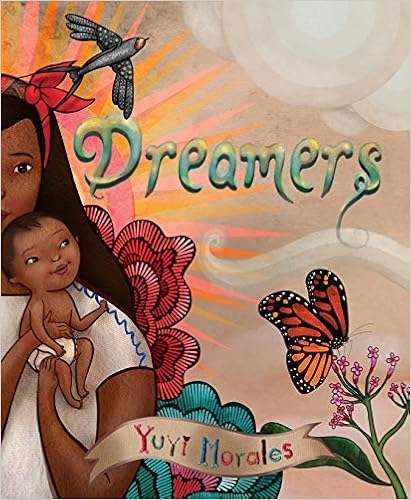
Dreamers by Yuyi Morales 

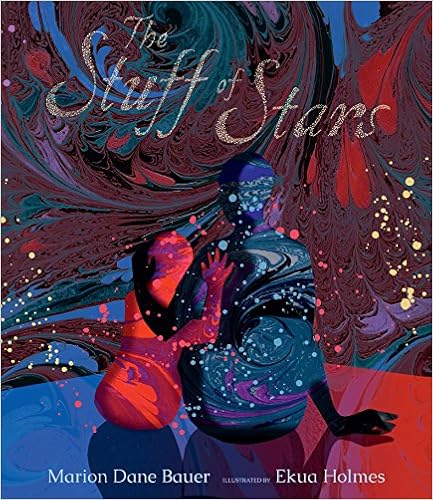
The Stuff of Stars by Marion Dane Bauer illustrated by Ekua Holmes

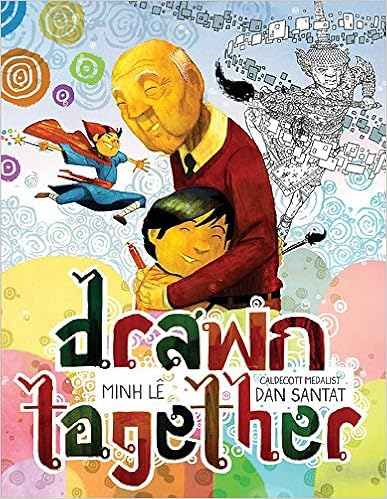
Drawn Together by Minh Le and illustrated by Dan Santat 

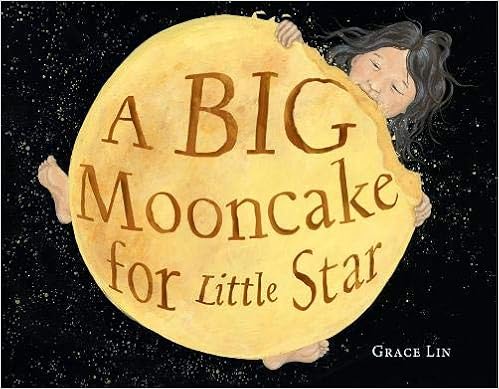
A Big Mooncake for Little Star by Grace Lin 

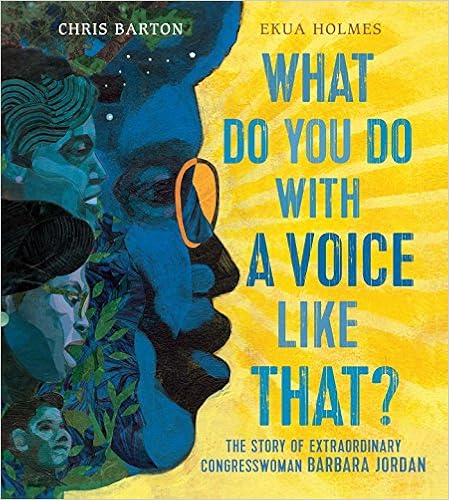
What Do You Do With a Voice Like That? By Chris Barton and illustrated by Ekua Holmes

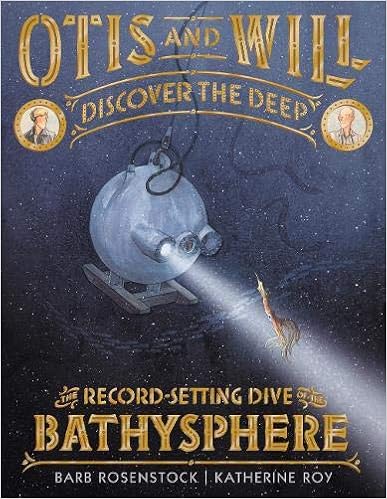
Otis and Will Discover the Deep by Barb Rosenstock and illustrated by Katherine Roy

The Prince and the Dressmaker by [Wang, Jen]

The Prince and the Dressmaker by Jen Wang

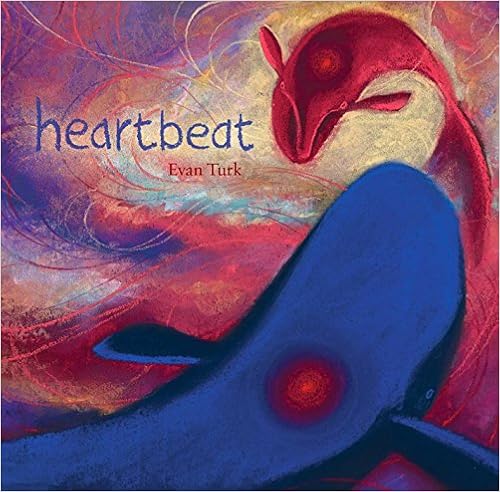
Heartbeat by Evan Turk

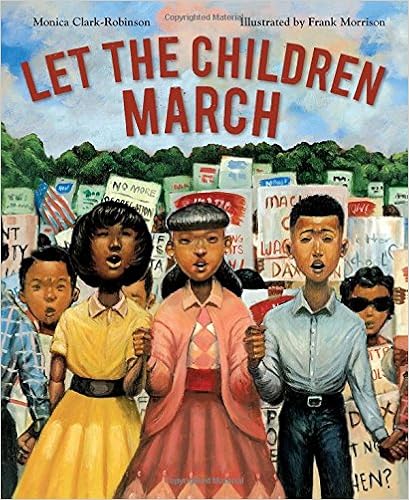
Let the Children March by Monica Clark-Robinson and illustrated by Frank Morrison

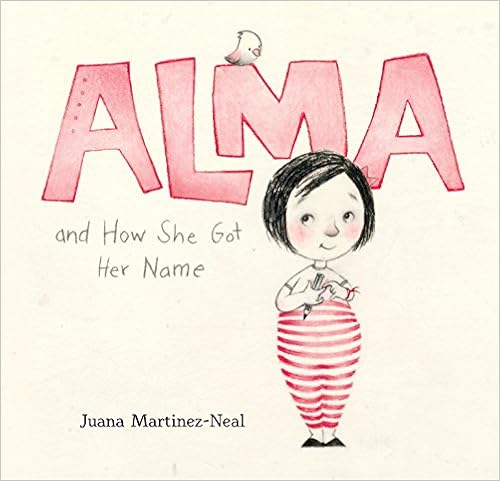
Alma and How She Got Her Name by Juana Martinez-Neal

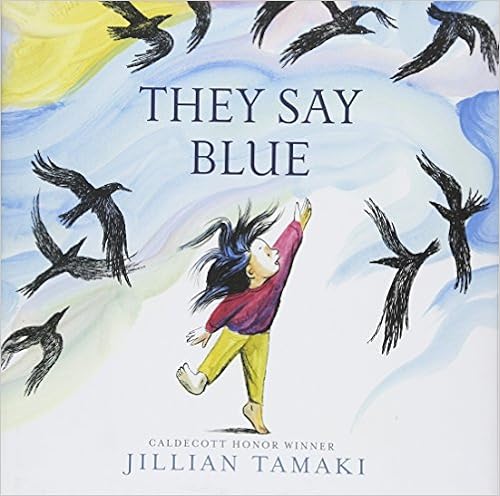
They Say Blue by Jillian Tamaki

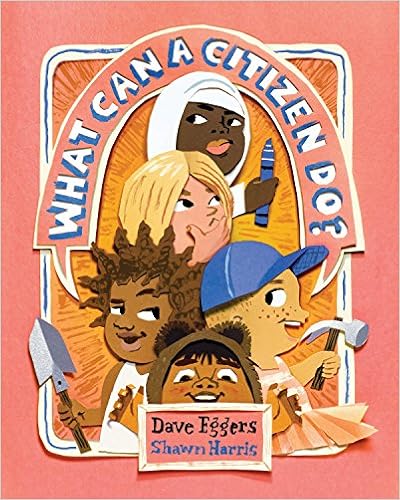
What Can A Citizen Do by Dave Eggers and Shawn Harris

Image result for the day you begin

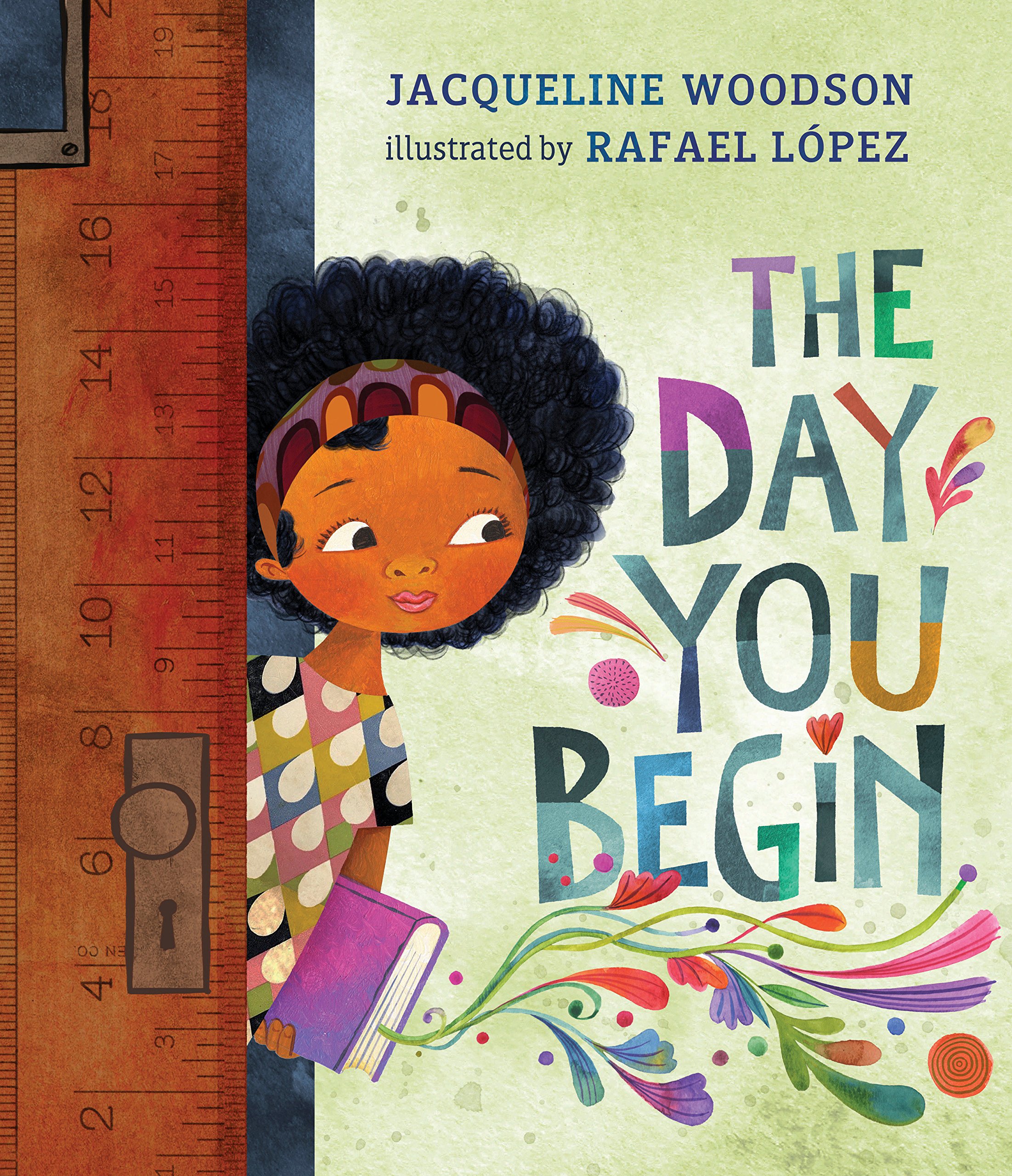
The Day You Begin by Jacqueline Woodson and illustrated by Rafael Lopez

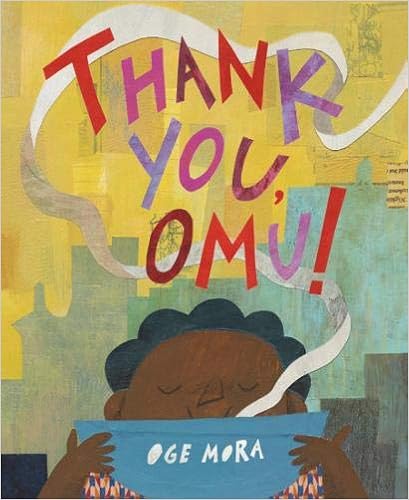
Thank you, Omu! by Oge Mora

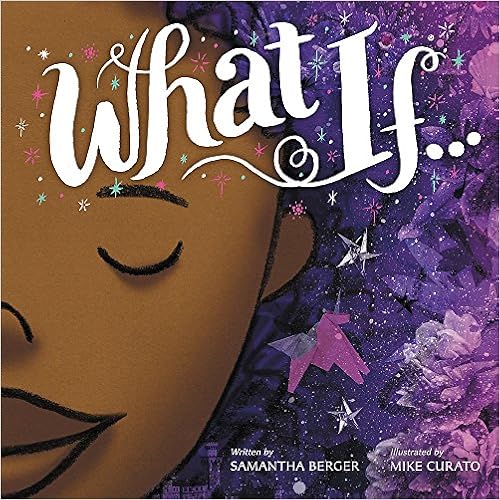
What If…by Samantha Berger and illustrated by Mike Curato

Possible Additions that I am Still Pondering:

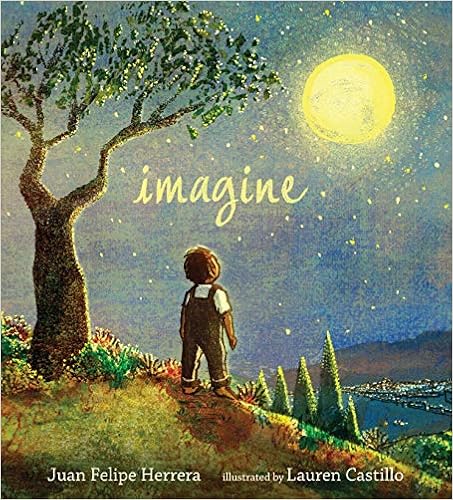
Imagine by Juan Felipe Herrera illustrated by Lauren Castillo

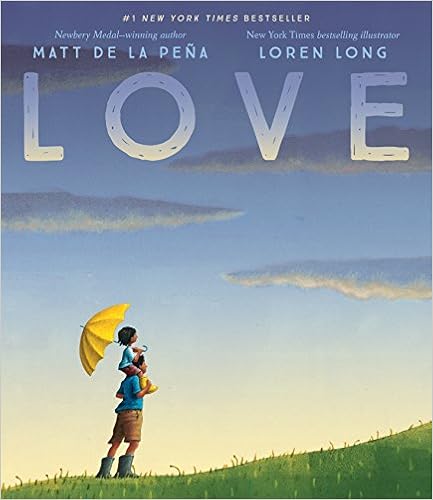
Love by Matt de la Pena and illustrated by Loren Long

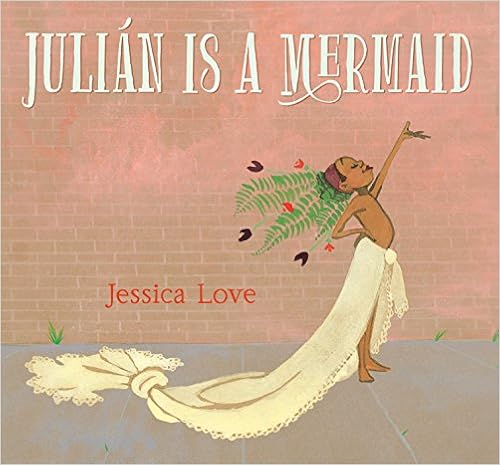
Julian is a Mermaid by Jessica Love

Adrian Simcox Does Not Have a Horse by Marcy Campbell and Corinna Luyken

being a teacher, Book Clubs, books, Reading

Great Books for Dystopian Book Clubs

We kicked off our dystopian book clubs this week and the students are pretty excited.  This genre of books is my favorite, and the favorites of many students, and yet there are also some who have never experienced it.  For the past month, we have been actively searching for the titles we would offer up to kids, needing as many perspectives as we could find, as well as text challenges.   One thing we ran into early on was the seemingly lack of inclusive dystopian science fiction, not because it is isn’t out there but because on list after list it didn’t seem to be highlighted.   So this list is our starting point, we will be continuing our curating of finding more inclusive books that are not centered around a white main character.   And if you have suggestions, please share them in the comments!  (And yes, some of these are borderline dystopian, but we are navigating that with the students).

The Marrow Thieves

The Marrow Thieves by Cherie Dimaline (Author)

Humanity has nearly destroyed its world through global warming, but now an even greater evil lurks. The indigenous people of North America are being hunted and harvested for their bone marrow, which carries the key to recovering something the rest of the population has lost: the ability to dream. In this dark world, Frenchie and his companions struggle to survive as they make their way up north to the old lands. For now, survival means staying hidden—but what they don’t know is that one of them holds the secret to defeating the marrow thieves.

The Interrogation of Ashala Wolf (The Tribe #1)

The Interrogation of Ashala Wolf by Ambelin Kwaymullina

They’re known as Firestarters. Boomers. Skychangers. The government calls them Illegals — children with inexplicable abilities — and detains them in menacing facilities so that society is kept out of harm’s way. Ashala Wolf and her Tribe of fellow Illegals have taken refuge in the Firstwood, a forest eerily conscious of its inhabitants, where they do their best to survive and where they are free to practice their abilities. But when Ashala is compelled to venture outside her territory, she is betrayed by a friend and captured by an enemy. Injured and vulnerable, with her own Sleepwalker ability blocked, Ashala is forced to succumb to a machine that will pull secrets from her mind. It’s only a matter of time before the machine ferrets out the location of the Tribe. Her betrayer, Justin Connor, is ever-present, saving her life when she wishes to die and watching her every move. Will the Tribe survive the interrogation of Ashala Wolf?

The Giver

The Giver by Lois Lowry

The Giver, the 1994 Newbery Medal winner, has become one of the most influential novels of our time. The haunting story centers on twelve-year-old Jonas, who lives in a seemingly ideal, if colorless, world of conformity and contentment. Not until he is given his life assignment as the Receiver of Memory does he begin to understand the dark, complex secrets behind his fragile community

In the year 2044, reality is an ugly place. The only time teenage Wade Watts really feels alive is when he’s jacked into the virtual utopia known as the OASIS. Wade’s devoted his life to studying the puzzles hidden within this world’s digital confines—puzzles that are based on their creator’s obsession with the pop culture of decades past and that promise massive power and fortune to whoever can unlock them.
But when Wade stumbles upon the first clue, he finds himself beset by players willing to kill to take this ultimate prize. The race is on, and if Wade’s going to survive, he’ll have to win—and confront the real world he’s always been so desperate to escape.

Divergent by Veronica Roth

One choice can transform you. Beatrice Prior’s society is divided into five factions—Candor (the honest), Abnegation (the selfless), Dauntless (the brave), Amity (the peaceful), and Erudite (the intelligent). Beatrice must choose between staying with her Abnegation family and transferring factions. Her choice will shock her community and herself. But the newly christened Tris also has a secret, one she’s determined to keep hidden, because in this world, what makes you different makes you dangerous.

MiNRS by Kevin Sylvester – 3rd year on this list!

A boy and his friends must find a way to survive in the mining tunnels after their new space colony is attacked in this gritty action-adventure novel, which School Library Journal called “a solid survival story.”

In space. Underground. And out of time.

Christopher Nichols and his family live on a new planet, Perses, as colonists of Melming Mining’s Great Mission to save the earth. Dozens of families like Christopher’s have relocated, too, like his best friend Elena Rosales.

A communications blackout with Earth hits, and all of Perses is on its own for three months. It’s okay, though, because the colonists have prepared, stockpiling food and resources to survive. But they never prepared for an attack.

Landers, as the attackers are called, obliterate the colony to steal the metal and raw ore. Now in a race against time, Christopher, along with a small group of survivors, are forced into the maze of mining tunnels. The kids run. They hide. But can they survive?

Scythe by Neal Shusterman

A world with no hunger, no disease, no war, no misery: humanity has conquered all those things, and has even conquered death. Now Scythes are the only ones who can end life—and they are commanded to do so, in order to keep the size of the population under control.

Citra and Rowan are chosen to apprentice to a scythe—a role that neither wants. These teens must master the “art” of taking life, knowing that the consequence of failure could mean losing their own.

Matched by Ally Condie

Cassia has always trusted the Society to make the right choices for her: what to read, what to watch, what to believe. So when Xander’s face appears on-screen at her Matching ceremony, Cassia knows he is her ideal mate . . . until she sees Ky Markham’s face flash for an instant before the screen fades to black. The Society tells her it’s a glitch, a rare malfunction, and that she should focus on the happy life she’s destined to lead with Xander. But Cassia can’t stop thinking about Ky, and as they slowly fall in love, Cassia begins to doubt the Society’s infallibility and is faced with an impossible choice: between Xander and Ky, between the only life she’s known and a path that no one else has dared to follow.

Legend (Legend, #1)

Legend by Marie Lu

What was once the western United States is now home to the Republic, a nation perpetually at war with its neighbors. Born into an elite family in one of the Republic’s wealthiest districts, fifteen-year-old June is a prodigy being groomed for success in the Republic’s highest military circles. Born into the slums, fifteen-year-old Day is the country’s most wanted criminal. But his motives may not be as malicious as they seem.

From very different worlds, June and Day have no reason to cross paths – until the day June’s brother, Metias, is murdered and Day becomes the prime suspect. Caught in the ultimate game of cat and mouse, Day is in a race for his family’s survival, while June seeks to avenge Metias’s death. But in a shocking turn of events, the two uncover the truth of what has really brought them together, and the sinister lengths their country will go to keep its secrets.

Cinder (The Lunar Chronicles, #1)

Cinder by Marissa Meyer

Humans and androids crowd the raucous streets of New Beijing. A deadly plague ravages the population. From space, a ruthless lunar people watch, waiting to make their move. No one knows that Earth’s fate hinges on one girl. . . .

Cinder, a gifted mechanic, is a cyborg. She’s a second-class citizen with a mysterious past, reviled by her stepmother and blamed for her stepsister’s illness. But when her life becomes intertwined with the handsome Prince Kai’s, she suddenly finds herself at the center of an intergalactic struggle, and a forbidden attraction. Caught between duty and freedom, loyalty and betrayal, she must uncover secrets about her past in order to protect her world’s future.

Among the Hidden by Margaret Peterson Haddix

In a future where the Population Police enforce the law limiting a family to only two children, Luke, an illegal third child, has lived all his twelve years in isolation and fear on his family’s farm in this start to the Shadow Children series from Margaret Peterson Haddix.

Luke has never been to school. He’s never had a birthday party, or gone to a friend’s house for an overnight. In fact, Luke has never had a friend.

Luke is one of the shadow children, a third child forbidden by the Population Police. He’s lived his entire life in hiding, and now, with a new housing development replacing the woods next to his family’s farm, he is no longer even allowed to go outside.

Then, one day Luke sees a girl’s face in the window of a house where he knows two other children already live. Finally, he’s met a shadow child like himself. Jen is willing to risk everything to come out of the shadows — does Luke dare to become involved in her dangerous plan? Can he afford not to?

The Hunger Games (The Hunger Games, #1)

The Hunger Games by Suzanne Collins

In the ruins of a place once known as North America lies the nation of Panem, a shining Capitol surrounded by twelve outlying districts. Long ago the districts waged war on the Capitol and were defeated. As part of the surrender terms, each district agreed to send one boy and one girl to appear in an annual televised event called, “The Hunger Games,” a fight to the death on live TV. Sixteen-year-old Katniss Everdeen, who lives alone with her mother and younger sister, regards it as a death sentence when she is forced to represent her district in the Games. The terrain, rules, and level of audience participation may change but one thing is constant: kill or be killed.

The Maze Runner by James Dashner

From Amazon:

If you ain’t scared, you ain’t human.
 
When Thomas wakes up in the lift, the only thing he can remember is his name. He’s surrounded by strangers—boys whose memories are also gone.
 
Nice to meet ya, shank. Welcome to the Glade.
 
Outside the towering stone walls that surround the Glade is a limitless, ever-changing maze. It’s the only way out—and no one’s ever made it through alive.
 
Everything is going to change.
 
Then a girl arrives. The first girl ever. And the message she delivers is terrifying.
 
Remember. Survive. Run.

The City of Ember by Jeanne DuPrau

The city of Ember was built as a last refuge for the human race. Two hundred years later, the great lamps that light the city are beginning to flicker. When Lina finds part of an ancient message, she’s sure it holds a secret that will save the city. She and her friend Doon must race to figure out the clues before the lights go out on Ember forever!

Icebreaker by Lian Tanner

Twelve-year-old Petrel is an outcast, living on an ancient icebreaker that has been following the same ocean course for three hundred years. The ship’s crew has forgotten its original purpose and has broken into three warring tribes. Everyone has a tribe except Petrel, whose parents were thrown overboard for alleged crimes. She has survived by living in the dark corners of the ship, and speaking to no one except two large rats, Mister Smoke and Mrs. Slink.

When a boy is discovered on a frozen iceberg, the crew is immediately on alert. Petrel hides him on board, hoping he’ll be her friend. What she doesn’t know is that the ship guards a secret, held down deep in its belly, and the boy has been sent to seek and destroy it.

Imposters by Scott Westerfield

Frey and Rafi are inseparable . . . two edges of the same knife. But Frey’s very existence is a secret.

Frey is Rafi’s twin sister—and her body double. Their powerful father has many enemies, and the world has grown dangerous as the old order falls apart. So while Rafi was raised to be the perfect daughter, Frey has been taught to kill. Her only purpose is to protect her sister, to sacrifice herself for Rafi if she must.

When her father sends Frey in Rafi’s place as collateral in a precarious deal, she becomes the perfect impostor—as poised and charming as her sister. But Col, the son of a rival leader, is getting close enough to spot the killer inside her. As the deal starts to crumble, Frey must decide if she can trust him with the truth . . . and if she can risk becoming her own person.

Life as We Knew It by Susan Beth Pfeffer

I guess I always felt even if the world came to an end, McDonald’s still would be open.

High school sophomore Miranda’s disbelief turns to fear in a split second when an asteroid knocks the moon closer to Earth, like “one marble hits another.” The result is catastrophic. How can her family prepare for the future when worldwide tsunamis are wiping out the coasts, earthquakes are rocking the continents, and volcanic ash is blocking out the sun? As August turns dark and wintery in northeastern Pennsylvania, Miranda, her two brothers, and their mother retreat to the unexpected safe haven of their sunroom, where they subsist on stockpiled food and limited water in the warmth of a wood-burning stove.

Told in a year’s worth of journal entries, this heart-pounding story chronicles Miranda’s struggle to hold on to the most important resource of all—hope—in an increasingly desperate and unfamiliar world. An extraordinary series debut!

Nyxia by Scott Reintgen

What would you be willing to risk for a lifetime of fortune?

Emmett Atwater isn’t just leaving Detroit; he’s leaving Earth. Why the Babel Corporation recruited him is a mystery, but the number of zeroes on their contract has him boarding their lightship and hoping to return to Earth with enough money to take care of his family.

Forever.

Before long, Emmett discovers that he is one of ten recruits, all of whom have troubled pasts and are a long way from home. Now each recruit must earn the right to travel down to the planet of Eden—a planet that Babel has kept hidden—where they will mine a substance called Nyxia that has quietly become the most valuable material in the universe.

But Babel’s ship is full of secrets. And Emmett will face the ultimate choice: win the fortune at any cost, or find a way to fight that won’t forever compromise what it means to be human.

Shatter Me by Tahereh Mafi

One touch is all it takes. One touch, and Juliette Ferrars can leave a fully grown man gasping for air. One touch, and she can kill.

No one knows why Juliette has such incredible power. It feels like a curse, a burden that one person alone could never bear. But The Reestablishment sees it as a gift, sees her as an opportunity. An opportunity for a deadly weapon.

Juliette has never fought for herself before. But when she’s reunited with the one person who ever cared about her, she finds a strength she never knew she had.

The Selection by Kiera Cass

For thirty-five girls, the Selection is the chance of a lifetime. The opportunity to escape a rigid caste system, live in a palace, and compete for the heart of gorgeous Prince Maxon. But for America Singer, being Selected is a nightmare. It means turning her back on her secret love with Aspen, who is a caste below her, and competing for a crown she doesn’t want.

Then America meets Prince Maxon—and realizes that the life she’s always dreamed of may not compare to a future she never imagined.

The Testing by Joelle Charbonneau

It’s graduation day for sixteen-year-old Malencia Vale, and the entire Five Lakes Colony (the former Great Lakes) is celebrating. All Cia can think about—hope for—is whether she’ll be chosen for The Testing, a United Commonwealth program that selects the best and brightest new graduates to become possible leaders of the slowly revitalizing post-war civilization. When Cia is chosen, her father finally tells her about his own nightmarish half-memories of The Testing. Armed with his dire warnings (”Cia, trust no one”), she bravely heads off to Tosu City, far away from friends and family, perhaps forever. Danger, romance—and sheer terror—await.

Uglies by Scott Westerfield

Tally is about to turn sixteen, and she can’t wait. In just a few weeks she’ll have the operation that will turn her from a repellent ugly into a stunningly attractive pretty. And as a pretty, she’ll be catapulted into a high-tech paradise where her only job is to have fun.

But Tally’s new friend Shay isn’t sure she wants to become a pretty. When Shay runs away, Tally learns about a whole new side of the pretty world—and it isn’t very pretty. The authorities offer Tally a choice: find her friend and turn her in, or never turn pretty at all. Tally’s choice will change her world forever.

Unwind by Neal Shusterman

In America after the Second Civil War, the Pro-Choice and Pro-Life armies came to an agreement: The Bill of Life states that human life may not be touched from the moment of conception until a child reaches the age of thirteen. Between the ages of thirteen and eighteen, however, a parent may choose to retroactively get rid of a child through a process called “unwinding.” Unwinding ensures that the child’s life doesn’t “technically” end by transplanting all the organs in the child’s body to various recipients. Now a common and accepted practice in society, troublesome or unwanted teens are able to easily be unwound.

Want by Cindy Pon

Jason Zhou survives in a divided society where the elite use their wealth to buy longer lives. The rich wear special suits, protecting them from the pollution and viruses that plague the city, while those without suffer illness and early deaths. Frustrated by his city’s corruption and still grieving the loss of his mother who died as a result of it, Zhou is determined to change things, no matter the cost.

With the help of his friends, Zhou infiltrates the lives of the wealthy in hopes of destroying the international Jin Corporation from within. Jin Corp not only manufactures the special suits the rich rely on, but they may also be manufacturing the pollution that makes them necessary.

Yet the deeper Zhou delves into this new world of excess and wealth, the more muddled his plans become. And against his better judgment, Zhou finds himself falling for Daiyu, the daughter of Jin Corp’s CEO. Can Zhou save his city without compromising who he is, or destroying his own heart?

Warcross by Marie Lu

For the millions who log in every day, Warcross isn’t just a game—it’s a way of life. The obsession started ten years ago and its fan base now spans the globe, some eager to escape from reality and others hoping to make a profit. Struggling to make ends meet, teenage hacker Emika Chen works as a bounty hunter, tracking down Warcross players who bet on the game illegally. But the bounty-hunting world is a competitive one, and survival has not been easy. To make some quick cash, Emika takes a risk and hacks into the opening game of the international Warcross Championships—only to accidentally glitch herself into the action and become an overnight sensation.

Convinced she’s going to be arrested, Emika is shocked when instead she gets a call from the game’s creator, the elusive young billionaire Hideo Tanaka, with an irresistible offer. He needs a spy on the inside of this year’s tournament in order to uncover a security problem . . . and he wants Emika for the job. With no time to lose, Emika’s whisked off to Tokyo and thrust into a world of fame and fortune that she’s only dreamed of. But soon her investigation uncovers a sinister plot, with major consequences for the entire Warcross empire.

Freakling by Lana Krumwiede

In twelve-year-old Taemon’s city, everyone has a power called psi — the ability to move and manipulate objects with their minds. When Taemon loses his psi in a traumatic accident, he must hide his lack of power by any means possible. But a humiliating incident at a sports tournament exposes his disability, and Taemon is exiled to the powerless colony. The “dud farm” is not what Taemon expected, though: people are kind and open, and they actually seem to enjoy using their hands to work and play and even comfort their children. Taemon adjusts to his new life quickly, making friends and finding unconditional acceptance. But gradually he discovers that for all its openness, there are mysteries at the colony, too — dangerous secrets that would give unchecked power to psi wielders if discovered. When Taemon unwittingly leaks one of these secrets, will he have the courage to repair the damage — even if it means returning to the city and facing the very people who exiled him?

The Belles by Dhonielle Clayton

Camellia Beauregard is a Belle. In the opulent world of Orleans, Belles are revered, for they control Beauty, and Beauty is a commodity coveted above all else. In Orleans, the people are born gray, they are born damned, and only with the help of a Belle and her talents can they transform and be made beautiful.

But it’s not enough for Camellia to be just a Belle. She wants to be the favorite, the Belle chosen by the Queen of Orleans to live in the royal palace, to tend to the royal family and their court, to be recognized as the most talented Belle in the land.

But once Camellia and her Belle sisters arrive at court, it becomes clear that being the favorite is not everything she always dreamed it would be. Behind the gilded palace walls live dark secrets, and Camellia soon learns that the very essence of her existence is a lie, that her powers are far greater, and could be more dangerous, than she ever imagined. And when the queen asks Camellia to risk her own life and help the ailing princess by using Belle powers in unintended ways, Camellia now faces an impossible decision.

With the future of Orleans and its people at stake, Camellia must decide: save herself and her sisters and the way of the Belles, or resuscitate the princess, risk her own life, and change the ways of her world forever.

Rebel Seoul by Axie Oh

EAST ASIA, 2199. After a great war, the East Pacific is in ruins. In brutal Neo Seoul, where status comes from success in combat, ex-gang member Lee Jaewon is a talented pilot rising in the academy’s ranks. Abandoned as a child in the slums of Old Seoul by his rebel father, Jaewon desires only to escape his past.

When Jaewon is recruited into the most lucrative weapons development division in Neo Seoul, he is eager to claim his best shot at military glory. But the mission becomes more complicated when he meets Tera, a test subject in the government’s supersoldier project. Tera was trained for one purpose: to pilot one of the lethal God Machines, massive robots for a never-ending war.

With secret orders to report on Tera, Jaewon becomes Tera’s partner, earning her reluctant respect. But as respect turns to love, Jaewon begins to question his loyalty to an oppressive regime that creates weapons out of humans. As the project prepares to go public amidst rumors of a rebellion, Jaewon must decide where he stands–as a soldier of the Republic, or a rebel of the people.

Diverse Energies edited by Tobias S. Buckell and Joe Monti 

A collection of dystopian short stories featuring diverse main characters and by authors of color.  We are using this for short stories and mentor texts.

A more comprehensive list of fantasy and science fiction books that feature protagonists of color can be found here.

Lee and Low also has this post, it is from 2013 though.

Please share more book ideas!

being a teacher, contest, Reading

Win A Copy of Game Changer

Thank you to the more than 750 people who entered – the two winners were randomly drawn and have been notified.  I highly encourage you to purchase your own copy.


This morning as I stand in my kitchen making waffles for my four ravenous children, I have also been sneaking some reading in.  After all, isn’t this multitasking at its finest?  The book that keeps pulling me away from the wafflemaker?  It is the new book Game Changer! Book Access for All Kids by the fantastic Donalyn Miller and Colby Sharp.

With its inviting layout, straightforward language, and research-based best practices, this is a must add for any educator who works within literacy.  The book features tried and true fantastic ideas for increasing the access to books for all kids, and not just in the traditional sense of placing books in the hands of children, but also how to help students develop or maintain a positive relationship with reading.  As someone who spends much of my time immersed in the same world of advocacy, I love the realness of the book, its no holds barred advocacy for all kids to have meaningful and personal relationships with books, as well as all of the research cited.  (I geek out on research).

In order to celebrate its release, I am therefore giving away two copies of the book.  This contest is open to the world, so no matter where you are you can read the book.  All you have to do is enter on the form below.  I will pull a winner tomorrow night, Sunday the 11th of November.  If you do not win, please consider purchasing this book on your own, you won’t regret it.

Be the change, being a teacher, Reading, Reading Identity

Let’s Talk About Reading Logs Again

http---www.pixteller.com-pdata-t-l-252897.jpg

Let’s talk about reading logs for a moment.  Yes, I know I have gone down this path before, but it bears repeating because not a week goes by without someone asking about them.  Asking how they can speak to their child’s teacher about the reading log they have now been assigned.  Asking how they can convince their colleagues that they are not needed.  Asking how they can change their own practices.

As someone who used to believe in reading logs and assigned them myself, I get the draw.  A way to check to see if kids are really reading outside of our classrooms – sign me up.  We veil it in reasons such as to become a lifelong reader you need to read for pleasure.  If I am not around to see that then I need proof.  And yet, reading logs is every single year one of the top reasons that my students hate reading.

As a parent, I have seen the damage firsthand.  When presented with a reading log one year, Thea quickly informed me that ALL she had to read was the 20 minutes that it said, after that, she was done.  It didn’t matter how much I told her that it was not just 20 minutes that she needed to read because the piece of paper told her so.  And the paper trumped my insistence to simply read.

We have been lucky in that every time a reading log has been sent home for our kids to do, three times and counting so far, we have had incredible teachers who have been fine with us not doing them.  We explain that we read every night, that the log changes our carefully protected reading habits, and ask whether they will simply trust us when we say that our child reads.  But this is not always the case, sometimes teachers insist that they are done, that they use them for grading purposes, that they are not an option.  They attach rewards, punishments, special treatment to those who either do or don’t do the logs.  As if parents signing a piece of paper tells us anything about a child’s reading habits.  Because I am here to share a secret; as a parent, I lie on reading logs.  I don’t always know which specific books my child just spent the last 30 minutes devouring.  Sometimes I do, but not always.  I can’t tell you the exact minutes of reading because we don’t keep track.  Sometimes we simply forget to sign because life is busy.  It reminds me of what Donalyn Miller says that the only thing a reading log proves is which parents have a pen on Friday morning.

I write this post not to shun, not to rage, and not to put down. I write this post not to say what is right or wrong, but instead to add a little tiny piece to the ongoing discussion of where reading logs may or may not fit into our classrooms.  Of the damage and the usefulness of reading logs.  This is not a post with absolutes, or at least, I don’t think it will be.  Instead, it is a post meant for discussion.

How I Know My Students Are Reading

One of the biggest reasons I know teachers use reading logs is the accountability piece, if students fill out a reading log then I can see their outside reading lives, and while that is sometimes true (remember, parents lie) there are better ways to do it that don’t involve the traveling of paper back and forth.  How do I know my students are reading if I don’t check their reading log?  How do I know that at some point their eyes meet a text?  There are many ways actually.

  • They sign in with their page number.  On our whiteboard hangs a simple sheet that allows kids to put down the page they are currently on in whichever book they are reading.  At the end of a week, I do an average tally for each kid.  They have individual reading goals (set by them) that they keep track of in their notebooks and they also enter in their page numbers in a reading data sheet.  This allows kids to see their own patterns of reading, as well as to reflect on their growth.  I can quickly glance and see who is reading or not.
  • I watch their reaction.  Kids who read want independent reading time.  Kids who are in a great part of a book want time to find out what will happen next.  Kids who slowly get settled into their book, who distract others on the way; those are the kids I need to check in with and help.
  • I keep an eye on their to-be-read list.  As I confer with kids, I glance at their to-be-read list, it should be messy, with titles added and sometimes crossed out.  I know which books have been book-talked so I can see when kids are using it.
  • I kept an eye on their book bins.  A whole bookshelf in my room used to be the proof that my students read.  Periodically I would look through their bins, noting which books a kid has and whether those books had changed.  If they hadn’t, I checked in with that child.
  • We recommend.  Another favorite in our room is the speed book dating.  We quickly rattle off a book we love and why it should be read while the listener has their “I can’t wait to read ” list in their hand.
  • We show off our reading.  I have my reading door outside of the room so that my students always know what I am reading and my students can recommend books to their peers on a book tree.  This makes our reading is visible.
  • We discuss.  Reading should not be a solitary endeavor so we make time to discuss our books and why they are the best or the worst book ever.
  • I kid watch.  If I want to know whether kids are reading, I watch them.  Sometimes instead of conferring, I just sit back and pay attention.  This is one of our great superpowers as teachers, don’t forget that.
  • We reflect.  I often ask students to tie in today’s teaching point with whatever they are reading right now.  Whether it is on a notecard or through conversation, students take a moment to think and apply and once again lets me see what they are reading.
  • We do monthly reading reflections.  This year I really wanted to have a open dialogue with the students in regard to their reading life and although I do constant one on one or small group instruction, I wanted something more formal that I could file away and look at when needed.  My students know they are not judged on what they write but rather that I use it as a way to start a conversation with them.  I always appreciate their honesty and my actions show that.  The surveys are quick and to the point.
  • We have great books.  If you want kids to read, have great books.  I do not know how much money I spend a year on books, I know it is a lot, but every time I am able to book talk a book and see the reaction in my kids, it is worth it.  Couple that with an incredible librarian and my students are pretty lucky in the book department.
  • I lose a lot of books.  Because I encourage my students to take our books home to read, I inevitably lose a lot of books.  While it is hard to think of it from a financial standpoint, I also know that hose books are being read by someone.  So yes, it is hard to constantly replace books (and expensive) but it is something that goes along with being a reading classroom.

If You Have to Use Reading Logs

I have written before on my complicated relationship with reading logs; from being a teacher who demanded all students fill them out, to a teacher who threw them out, to a teacher who was asked to use them as part of their teaching, to a teacher whose students asked them to stop, to a parent who has signed them.  But I have never written about how to use them better.  Because I don’t like reading logs, there I said it, but at the same time, there are so many teachers that do, great teachers that care about children’s love of reading, and there are even teachers that have to use them.  And I don’t feel that shaming others will further the conversations.

My biggest issue with reading logs comes from the inherent lack of trust that they communicate; we do not trust you to read every night, we do not trust you to read long enough, nor do we trust you to grow as a reader, so fill out this paper instead.  And while I could write a whole post on that, I think Jessica Lifshitz did a much better job on it than I ever will.

And yet, I also see the value in getting a window into the reading lives of a student.  I see the value of having students understand their own reading habits so they can figure out how to grow.  To mine their own data so to speak in order for them to discover new patterns and new goals.  So what can we do, if we have to use reading logs (or we want to) to make them better for students?

Ask the students.  Ask the students their feelings on reading logs and consider their feedback carefully.  If most of your students think this tool will help them become stronger readers then work one out with them.  For those that are opposed to them, figure something else out.  If we truly want students to fully embrace the opportunities that we say can be found within a reading log then we need to make sure they have buy in as well.  Create reading logs that are meaningful to the students, which means that they will probably look different from year to year, based on the students we teach.

Ask the parents.  I will flat out tell you that I will sign whatever I have to from school.  I will not count the minutes, I hate writing down titles because we read a lot, and I do not see much value in her logging her reading every night.  If you want proof, ask me in an email or in conversations, but do not make me sign a piece of paper.  If some parents like reading logs then by all means work out a system with them, but exempt the other parents since more than likely they will probably not be invested anyway.

Differentiate.  For the kids that do want a reading log, find out what it is they would like to gain from it.  I have a few students that love coming in every Monday and writing down the titles of the books they read or abandoned over the weekend (that is all they keep track of plus a rating).  For those kids their record keeping is a way for them to remember what they have read and whether they liked it or not.  They do not keep track of minutes or anything like that, we discuss that in our written reading reflections that we do once in a while or face to face.  So find out what it is that the students like about logging their reading, if it is the reward that is attached to it then that should be a huge warning sign.

Keep it in class.  When I had to do a reading log in my former district, we kept it in class.  Students were asked to write down the title and for how long they were focused on the book right after independent reading.  That way, organization and parent follow up were removed from the equation and all kids (and me) were following the district expectation.

Stop rewarding.  If reading logs really are meant as a way to investigate ones’ own reading habits then stop tying in rewards with them.  The reward is in the reading, not the ticket, not the pizza, not the trinket.  Ever.

Stop punishing.  When we punish kids who do not turn in their reading logs, we forget our bigger purpose; to establish lifelong readers, instead investigate.  Why was it not turned in?  What happened?  And for the sake of everything good; do not force a child to then miss recess to make up for the lost time in reading.  You do not want to equate reading with punishment, ever.

Make it an experiment.  If you like using reading logs to find out student habits, then do it as a 2-week experiment with all students.  Have them for 2 weeks keep track of when, where, what, and how much they read and then have daily or weekly conversations and reflections on what they discover.  Set tangible goals from that.  Do it periodically throughout the year if you really want this to be seen as a learning opportunity, that way students can see a value in tracking their reading life this way.  If you have them do it all year, most students lose interest and will not see it as an opportunity to grow but just as one more thing to do.

Leave time for reflection.  Rather than log, we reflect.  My students set monthly reading goals and then at the end of the month they reflect on how they did through a survey.  The students and I will meet and discuss formally and informally and this is what I use for my vantage point into their reading life.  I ask them to tell me what they are working on and they do.

Don’t forget the purpose of reading logs.  If the purpose is to help students grow as readers then make sure that the very act of filling out a reading log, with or without parent signature, is not damaging that purpose.  It is often when we set up more processes for students in order to help them read better that we lose them as readers.  When kids spend more time doing things attached to reading, rather than the act of reading we have a problem.

In the end, in our pursuit to establish classrooms filled with passionate readers, we must make sure that the things we do, even little parts of our day like reading logs, do not do more harm than good.  That we fit our processes around our students, rather than the other way around.  That we continue to debate, question and consider as we decide what to invest our time in.  And that we always, and I mean always, ask the students what they think.  Even the little ones, they have a voice that matters too.

For all my ramblings on reading logs, here is where to start.

If you like what you read here, consider reading my newest book, Passionate Readers – The Art of Reaching and Engaging Every Child.  This book focuses on the five keys we can implement into any reading community to strengthen student reading experiences, even within the 45 minute English block.  If you are looking for solutions and ideas for how to re-engage all of your students consider reading my very first book  Passionate Learners – How to Engage and Empower Your Students.      Also, if you are wondering where I will be in the coming year or would like to have me speak, please see this page.