Be the change, being a teacher, Literacy, Reading, students choice, students teach me

How Do You Reach Your Vulnerable Readers?

This morning I was asked what we do for our most vulnerable readers to help them be successful.  As I took a moment to ponder this question, I realized a big thing;  what we do for the most vulnerable is also what we do for all of our readers.

We have fidelity to our students, not to our programs.

I work in a district that believes in fidelity to the students and not to the program.  Think about that for a second.  Oregon School District believes in staying true to what the children need and not what an outside purchased program, no matter how research-based it is, tells us what to do.  We use components from incredible programs, but they do not dictate our decisions; our students do.

We place them with amazing teachers.

We give them the best teachers we have to work on interventions.  These teachers know their research and use best practices.  They are given longer books, they have choice, they do meaningful work.  We make sure they work on stamina in books, not chopped up passages to just check their skills.

And we do not put them in front of computer programs.  We need our students to read, to think, to work through a text and then come out on the other side with a deeper understanding.  We need face-to-face interactions to gauge what they really know, not what a computer may think.  There is no replacement for a qualified teacher and so every child deserves one, especially those who are not where we would hope they would be.

We have them surrounded by books. 

We have a beautiful school library, staffed by a fully certified librarian, and we also promote classroom libraries.  As Neumann researched, having a classroom library can increase reading up to 60% and so we believe in the power of great books within their reach at all times.  As one student told me Friday, “Mrs. Ripp, I love that we have great books right here, I never have to go far to find my next read.”

We are also mindful of the books we surround them with.  Inspired by the work of Dr. Simms Bishop, Chad Everett, Nerdy Book Club, and so many other passionate advocates for better library experiences, we think of how our library shapes our students’ identities.  Can they see themselves?  Can they see others?  Who is represented, how are they represented, and who is not?  All of this pushes us forward as we purchase more and better books.

We are careful with our language. 

I flinch a little whenever I hear the term “struggling readers.”  As Donalyn Miller has taught me, there is little hope in that term.  How about vulnerable?  How about careful?  How about developing?  How about just readers?  Our language promotes a growth mindset so we have to be aware of what our language does to shape their self-image.  How do we speak about our readers when they are around or not around?

We cultivate patience.

It is really hard to not lose hope when you have implemented best practices (choice, time, books, and a reading community) and then see little results.  And yet, sometimes we are working against years of a negative reading identity.  We are working on catching up years of stalled reading experiences.  We are working against unseen forces that derail us any chance they get.  So we must be patient.  Patient with the child who is trying.  Patient as the teacher hoping for results.  I have said it before and will say it again; sometimes we are just the tourniquet that stops the growth of the hatred of reading or the negative reading experiences, not the teacher that will see the actual seeds of change grow and bloom.

We balance our purchasing decisions.

While we may be going one to one with Chromebooks, my principal will also tell you that she always has money to purchase books.  Our literacy coach asks us if we want more books because if we do then she will get us some.  This speaks volumes because if a district is spending money on technology without spending money on books there is a serious imbalance in priorities.   And if that is the case, a conversation needs to be started about what is more important?

So when I think of what we do for our vulnerable readers, I once again see the thread that runs through our entire school community; every child a reader, every single day.  Every child deserves the best chance.  Every child deserves the best teachers.  The best experiences.  The best, period.

If you like what you read here, consider reading my newest book, Passionate Readers – The Art of Reaching and Engaging Every Child, out August 2017.  This book focuses on the five keys we can implement into any reading community to strengthen student reading experiences, even within the 45 minute English block.  If you are looking for solutions and ideas for how to re-engage all of your students consider reading my very first book  Passionate Learners – How to Engage and Empower Your Students.      Also, if you are wondering where I will be in the coming year or would like to have me speak, please see this page.

being a teacher, books, Literacy, Reading, Reading Identity

Small Ideas For Creating Visible Book Buzz

I start thinking of summer on the very first day of school.   As I greet my new students, I cannot help but wonder; who will leave us a reader?  Who will include books in their summer plans?

With this in mind, I teach with a sense of urgency as so many of us do.  I am not just teaching for the now, I am teaching for the after.  After the bell rings.  After Friday afternoon.  After the day before break. After the school year is over.

I teach for the kids who come to me loving reading; my job is to protect that love with all I have.

I teach for the kids who see no point in books.  Who scorn every day when I ask them to settle in, settle down, get to reading.  For the kids who would rather sit in silence and pretend to read than actually read a book.

And I hope that this year, this time in our classroom, perhaps a seed will be planted.  Perhaps an idea will form that reading is not the slow, quiet torture that they have decided it is and that perhaps there is indeed books out there for them.

And so in those very first days, we make reading visible.  I book talk a book on the second day of school.  This year it was Dear Martin by Nic Stone.  I make it the expectation that books are shared, discussed, rated, and abandoned when needed.  We speak books as our primary language, immersed in everything else we have to do.  The book buzz builds and at the end of the year when I ask what made the biggest difference, there it is, nestled in with time to read, a community of readers, a classroom library; recommendations. But what does that look like?  Here are the simple, yet powerful components, plus a few extra ideas that we use to create a visible book buzz.

What Mrs. Ripp Read over the Summer Display

This year, I didn’t just portray the covers, I made a display of the physical books that I had read and wanted to share from the summer.  On the second day of school, I pointed to the tree and told them that these were books that I would highly recommend.  That this tree would soon be overtaken by their favorite reads, but for now it showcased mine.

What is Mrs. Ripp Reading Display

Throughout our school, you can see a variety of staff reading displays.  I chose to not just display what I had just read but keep a visual record of all of the book covers for the year.  My students know that my goal is 90 books for a year and so this also keeps a visual track of that.  This hangs by our door so it is the last thing they see as they leave.

IMG_2690.JPG

Our Favorite Books Tree

Within the first few weeks of the year, the tree I used to display my summer reads turns into the students’ favorite reads instead.  If books are in high demand this is where they go, if a student loved a book, this is where they can place it to be read by others.  This tree is many of our student’s first stop to bookshop.  Hat tip to Nancie Atwell for this genius idea.

IMG_2397.JPG

A To-Be-Read List in the room

Our someday list, wish list of books, books I cannot wait to read.  Whatever you call it, I am grateful that advocates like Teri Lesene, Nancie Atwell, Donalyn Miller, and Penny Kittle remind us that students need to have reading plans and that includes having ideas for what they want to read next.  In our reading notebook, we have a few pages dedicated to just this, or students can choose to use their devices and Goodreads for example.  Whenever a book talk is underway, students are reminded to write down any titles that catch their eye.  At the end of the year, we take a picture of the list and send it home to parents/caregivers so they have ideas for summer reading.

A daily book talk.

After our ten minutes of independent reading, I try to start the day with a book talk.  Usually, it is a book I have just finished or an old favorite.  The book talk is short and sweet; what’s the book about, why did I like it and why might others’ like it.  Students have their to-be-read list out and ready to add titles to it.

30-second book talks. 

The day we came back from break, I asked my students to write down a 30-second book talk on a notecard.  They had to write the title, the author, a little about the book and then why others may like it.  It took us about 5 minutes.  I then collected the cards and now pick three cards every day for students to do their book talks.  The students experience little stress by it because the work is already done and I get to have the book cover ready to display for students to see while they speak.

IMG_2685.JPG

Book speed dating.

Another take on short book talks is when students split into two equal groups; one with a favorite book in hand, the other with their to-be-read list.  Students then line up in front of each other and when I say go, they have 45 seconds to book talk the book in their hand.  When the time is up, every child on one side takes steps to the side, thus standing in front of a new child.  We do this five or six times in a row.  The next day, the roles switch.

Book group book talks.

Once in a while, I will book talk an entire group of books centered around a format, theme, or author.  This way students are given multiple ideas for what to read next if they like one of the books.  Recently I did this with free-verse books, one of the most popular formats in our classroom, and the books have been flying off the shelves since.

IMG_2432.JPG

Book shopping 

We book shop every three to four weeks in our classroom.  It is a community event and one that we discuss how to do well.  The goal for every child is to walk away from the book shopping experience with at least a few new titles they want to read.  I have written more extensively about our process, right here.

Sharing on Instagram

I resisted Instagram for a long time as I didn’t want to share more aspects of my life, and yet, I needed a quick and easy way to recommend books without having to write an entire review.  Enter Instagram.  The bonus to sharing “live” recommendations of books on here has been that some of my students follow me on there to get recommendations.  As I only use Instagram for book-related things, I don’t have any hesitations with students following my account.  To follow my account, go here

There are more ways to build book buzz, but these are a few that work.  Other ways include book abandonment, creating enticing book displays, acknowledging our own reading gaps, involving the school librarian and other reading adults, and speaking books to all students.  I wrote about all of these and more in my book Passionate Readers, a book MiddleWeb has said should be required reading in all Reading Methods Classes.  While those are huge words to live up to, I think it once again speaks to the power of all of the little things we do to create passionate reading environments.

If you like what you read here, consider reading my newest book, Passionate Readers – The Art of Reaching and Engaging Every Child, out August 2017.  This book focuses on the five keys we can implement into any reading community to strengthen student reading experiences, even within the 45 minute English block.  If you are looking for solutions and ideas for how to re-engage all of your students consider reading my very first book  Passionate Learners – How to Engage and Empower Your Students.      Also, if you are wondering where I will be in the coming year or would like to have me speak, please see this page.
being a teacher, books, Reading

My Favorite Chapter Books of 2017

I wasn’t going to write this post.  After all, how can I possibly whittle down the amazing reading experiences I have had in 2017 to just a few books?  And yet in the more than 180 books, I managed to read this year these books are the ones I keep recommending, these are the ones that have an extra special place in my heart and perhaps this little post will help others discover them as well.

Why not picture books as well?  Because there are simply too many.  To see some of our favorites in room 235D, go here or follow me on Instagram for live recommendations.

What a year of reading it has been.  What a year of reading 2018 promises to be. I cannot wait to turn the page.

Middle Grade-ish

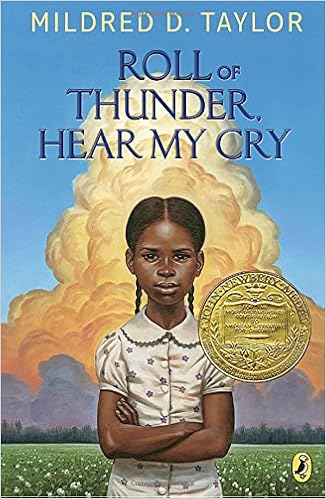
Roll of Thunder, Hear My Cry by Mildred D. Taylor 

Yes, I am aware that this book was originally released in 1976 and subsequently won the Newbery.  It is by no stretch of the imagination a “new” book, but it was for me.  As part of our reading identity challenge, I wanted to close some of my classic American children’s literature gaps (growing up in Denmark, there are just some books I have never read), and so I chose this amazing book.  I am glad I did.

How do you tell others to read a book about child abuse knowing that it will probably make them cry?  You just do.  The Summer of Owen Todd by Tony Abbott comes out October 17th and is a must add for middle school classrooms and up.  While the topic may be harrowing this is one of those books that could actually save a life.

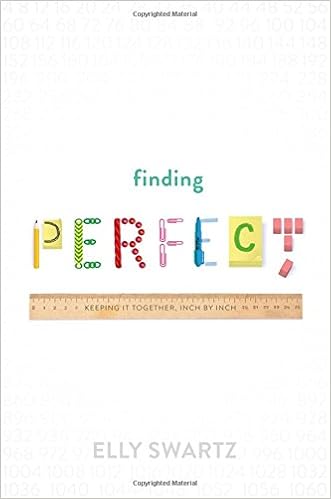
It is not often that a middle-grade novel about a girl who suffers from OCD is this well-written.  I simply loved Finding Perfect by Elly Swartz for its lack of sugar coating, for its brutal portrayal of a girl who realizes what she is doing is not normal and yet cannot stop herself, for the story.  OCD is sometimes portrayed almost as a gimmick, but not in this book.  It was heart-wrenching, to say the least, and written in a way to bring all readers in.  
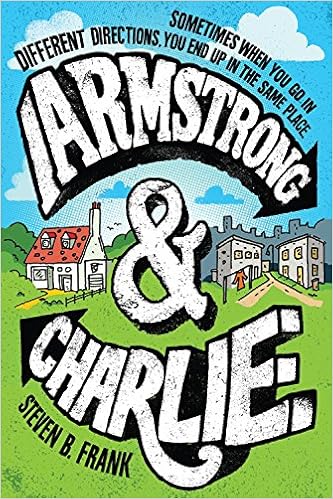
I grabbed  Armstrong and Charlie by Steven B. Frank  is one of those books that delivers every time I need it to.  from my ARC book pile on a whim.   I love this middle-grade novel for all of its nuances when it comes to sharing the story of one school’s integration in the 1970’s and so will you.

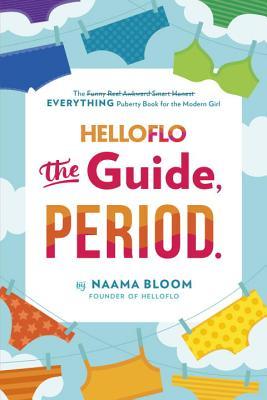
A book about periods?  Yup!  Well written, humorous and very informational, how many girls wish we had books like this in our libraries when they first enter puberty? Helloflo, The Guide, Period is a book I wish would be in every library.

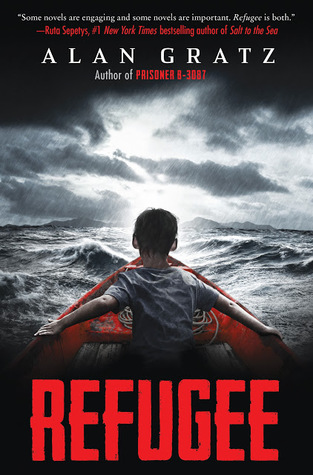
Refugee by Alan Gratz is one of my three must-read books for 2017.  It was a bad idea reading this on an airplane, as this book kicks you right in the heart.  5th grade and up.

I don’t know how I have been a teacher and never read a Gordon Korman book before?  I am so glad that has now been remedied with Restart.  This middle-grade book is sure to pull in those kids who identify as not liking reading and is also a Global Read Aloud 2018 contender.

A book about a boy who loves a skunk and will do anything in his power to keep it.  A book about a boy who just happens to seem different from others but without being about that.  A Boy Called Bat is another Global Read Aloud contender for 2018, 3rd grade and up.

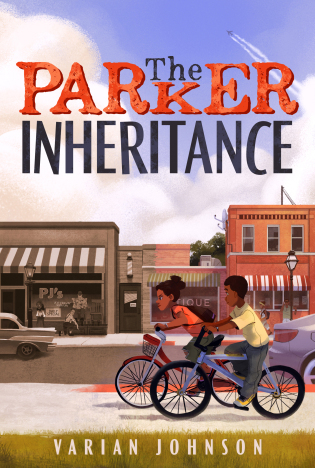
I always feel bad putting books on here which are not out yet, but The Parker Inheritance by Varian Johnson has to be one of the best middle grade reads for me this year.  Coming out in March, this story that on the surface is a child detective mystery book has so many layers to it, I found myself reading passages aloud to my husband just so he could understand the reading experience I was having.  This is a must pre-order.

Another book that is not out yet but so worth a pre-order is the first book in a new series, The Unicorn Rescue Society by Adam Gidwitz and illustrated by Hatem Aly.  This book is everything I would want in an early reader chapter book – fantasy, mystery, great characters, and not a unicorn in sight.  This book set out to fill a true gap; longer books that are fun to read but easy to read and I am so grateful for it.

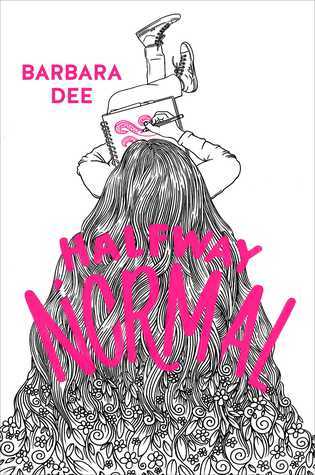
As an adult, I needed to read Halfway Normal by Barbara Dee, the story of a girl who returns to school after battling cancer.  All she wants to for normalcy to return and yet those around her, including her teachers, keep seeing her as a single story.  Fantastic story and reminder to us all of how we view others.

I was lucky enough to read Escape from Aleppo by N.H. Senzai before its arrival in the world on January 2nd, 2018. It is one of those books that leaves you grateful for what you have but also wondering how you can do more for others.

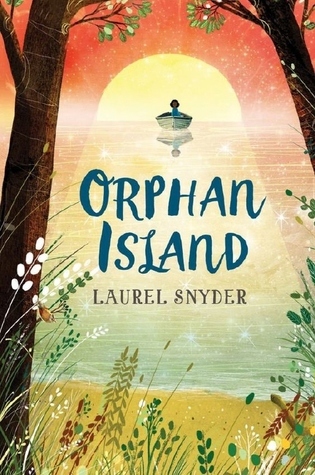
This list would be woefully incomplete without the stunning Orphan Island by Laurel Snyder.  How she managed to pack such a story into a middle-grade book is beyond me.  This is one of those books that kids always want to talk about after.

YA-ish

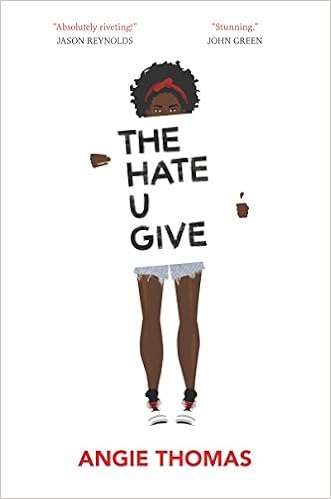
The book landscape continued to change this year and one of the reasons for this positive change was the release of  The Hate U Give by Angie Thomas.  This book is desperately needed in our classrooms but not just to be read by students, no, it also needs to be read by us adults.  And then we need to sit with them for a long time and take a long hard look at ourselves and see where we need to start our work with checking our privilege and our bias.

If this post was a list in order of favorites, Dear Martin by Nic Stone would be very close to the top.  In fact, this begs for a re-read as I want to continue to think about this book, another Global Read Aloud 2018 contender.  7th grade and up.

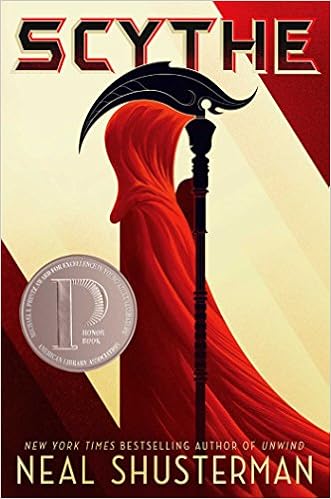
I read  Scythe (Arc of a Scythe) by Neal Shusterman in two nights and then handed it to one of my students.  A week later she handed it back and said, “This is the best book I have read all year.”  Enough said, this is PG13, but a must add and read.  (Thunderhead, the sequel, is even better which I thought would be impossible!).
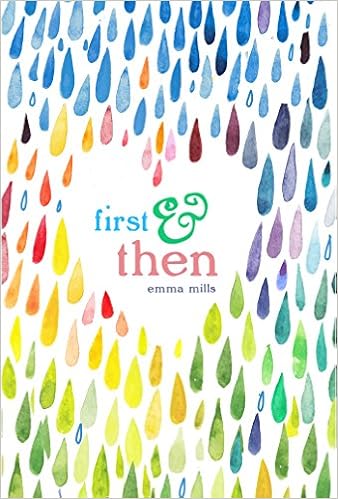
Yes please to a YA book where the female lead character doesn’t need to be saved, isn’t waiting to be changed by the boy she falls in love with, has a family that actually is functional, and is also not a hopeless mess.  I am a fan of First & Then by Emma Mills .

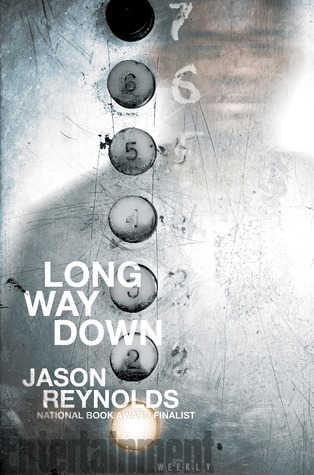
Masterful, heartbreaking, gut-wrenching, and stays with you long after that last page.  Long Way Down is another absolute must-read of 2017.  Global Read Aloud contender 2018, 7th grade and up.

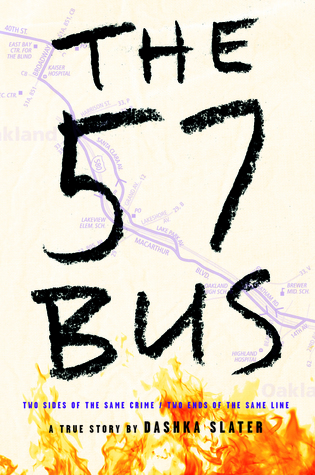
I have been recommending this book to anyone I can think of.  The 57 Bus by Dashka Slater follows two teenagers as their lives become intertwined in the worst of ways in Oakland, CA.  This is the true account of what happened that fateful day on The 57 Bus.

Story told through graphic novels still rule our classroom and I Am Alfonso Jones by Tony Medina is one that is sure to make an impression.  This fictionalized account of an all too familiar story of a young black boy getting shot and killed by a white police officer delves into the history of these shootings and the Black Lives Matter Movement.  Powerful and unforgettable.

Another not-new but new to me book I am glad I discovered this year is Bronx Masquerade by the Great Nikki Grimes.  Set in a high school classroom in the Bronx, it makes poetry come alive for us, the readers, as it does for the kids in the book.

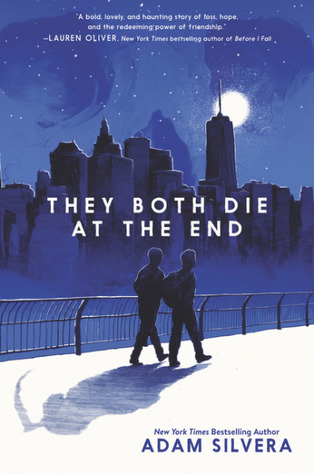
I was not sure what to expect in Adam Silvera’s They Both Die at the End and yet it didn’t matter.  This story of two young boys who are told that today is their last day to live sat with me for a long time.  It turns out that sometimes we don’t need a long life to truly live.

It is not often I get to read a book featuring a geeky strong girl who is not looking to change who she is for others, but that is exactly what I discovered in When Dimple Met Rishi by Sandhya Menon.  What a great book for all of our teenagers to read.


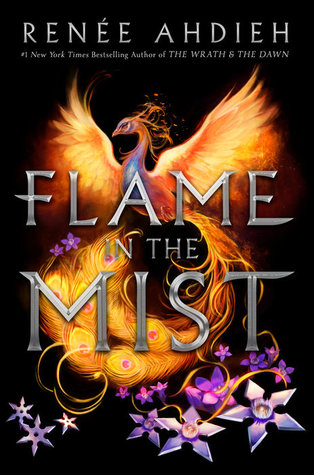
A fantasy book set in feudal Japan that featured samurai is not my typical reading choice, but I am so glad that this beautiful cover called to me as loudly as it did.  A powerful female character who decides to change her fate, coupled with action and magic, yes, please to Flame in the Mist by Renee Ahdieh.

Haunting.  This graphic novel depicting the story of a residential school survivor is just a book we all need to have in our libraries so that our students can understand what happens when we refuse to treat others like fellow human beings.  I am so glad David Alexander Robertson wrote this (Bonus; all of his books are amazing!).

Books that Changed Me:

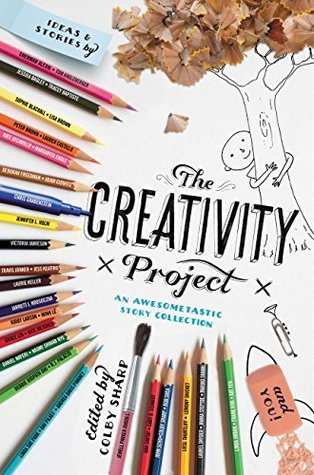
Ok, so The Creativity Project by Colby Sharp and many amazing creators is neither YA, MG or a chapter book, but I truly think it is a game changer for us as teachers of writing and helping kids connect with their own creativity.  This book comes out March 13th, the day before my birthday, and I truly feel like it would be the best birthday present for any educator.

I was sick for two full months this year and ended up with pneumonia feeling absolutely awful.  My good friend, Reidun, told me to read this book to help me get back in control of what mattered the most to me.  I can tell you, Essentialism by Greg McKeown was exactly what I needed as I reframed my priorities and got healthy again.  I wrote this blog post for other educators who may need some balance in their lives as well.

It feels weird to put my own book on the list but the release of Passionate Readers this summer has truly changed me.  It is daunting to write a book about better reading instruction within the confinement of our current educational practices and yet to hear from others that something I wrote, along with my students, is helping them change their reading instruction is incredible.

There you have it, my favorite books of 2017, I know there are more but this will do.  Which books changed your world for the better this year?

If you like what you read here, consider reading my newest book, Passionate Readers – The Art of Reaching and Engaging Every Child, out August 2017.  This book focuses on the five keys we can implement into any reading community to strengthen student reading experiences, even within the 45 minute English block.  If you are looking for solutions and ideas for how to re-engage all of your students consider reading my very first book  Passionate Learners – How to Engage and Empower Your Students.      Also, if you are wondering where I will be in the coming year or would like to have me speak, please see this page.

being a teacher, Literacy, picture books, Reading

Using Picture Books in the Middle School Classroom

Image result for there is no too old for picture books pernille ripp

We have hundreds of picture books in our classroom.  Ranging from board books, yes, books meant to be handled by babies, to beautifully illustrated picture book versions of classic stories; ours is a picture book classroom.  And while I have written extensively about the power of picture books and how it can be used to hook resistant readers, to build a reading community, and all of the other incredible benefits of having them as part of our reading community, I have not really written about the usage of picture books as mentor texts.  That is, until now, so here you are, some of the ways we use picture books to teach different concepts.

Thematic statements

Using a picture book as an example, see my list here, we read one aloud and work through the example together.  While many of my students can easily pick up on the theme “word” (Death, love, freedom), they have a much harder stretching that into an actual thematic statement.  So rather than just death, they have to write something along the lines of “In the picture book, Ida Always, the text is used to illustrate that the fear of death should not stand in the way of creating lasting bonds.”  While this may seem hard at first, the idea of doing this work with a picture book, rather than a longer book, alleviates some of the stress that my students have with the analytical work being done.  After we write our thematic statement and turn it into a full paragraph, the students are then given a stack of picture books to choose from to practice on their own.  This is, therefore, a way to assess their understanding without having to use a common text.  Students can then either hand in their thoughts as a written piece of work or choose to discuss it with me or record it using their device.

Writers Craft

The writing skills used in a great picture book are worthy of our close analysis.  I love finding a stack of small moment picture books and then having students really take the writing apart.  How did the author move the story along with such few pages?  If we were to remove the images would the story still stand on its own?  Why?  Other questions can be:

  • How does the author transition time or setting?
  • How the author situates us?
  • How is the character described?
  • How are the words further explained through the illustrations?

These are just a few examples of separate lessons that can be done through a lense of writer’s craft.

Non-Fiction Focus

We have written nonfiction picture books in the past and one of my greatest joys is to get students read some of the incredible nonfiction picture books we have in our collection.  I think of books like Pink is for Blobfish, Growing Up Pedro, Gorillas, Giant Squid, or How to Be an Elephant.  These authors breathe life into their nonfiction texts and so I ask my students to study their craft.  How did they take all of this research and create something so accessible yet information-filled?  It is wondrous to see the lightbulb go off for my students when they can see what I mean right in the text.

Fluency and Expression

One of our favorite units of the year is when all of our students perform plays based on Mo Willem’s Elephant & Piggie books.  It is incredible to see these sometimes very cool 7th graders, truly connect with their silly side and go for it in their performance.  Reading aloud picture books, performing them, and putting your heart into it helps with all public speaking skills.

Introductory texts. 

In order for us to go deeper with text analysis and discussion, I need my students to sometimes gain some confidence.  Picture books are not scary.  They are inviting to kids.  So as we begin the year with an introduction or reminder of the signposts as discussed in the book Notice and Note, I use picture books to introduce every single signpost.  (To see the lists go here).  It helps me break it down simply for kids, to give them confidence, and then also to be able to transfer it into their own reading.

Inferring.

One of my biggest tools for boosting inference skills is to use wordless picture books.  After all, it is hard to read books like Unspoken or The Whale and not have an opinion on what just happened.  Another reason I love wordless picture books is that it levels the playing field for a lot of our kids.  They don’t have to decode the words to get to the story but instead have to decode the images.  I have found that some of my most vulnerable readers are incredibly good at this as this is one of the reading survival strategies they use daily.

As you can see, picture books are not just for show, and yet, even if they were, I would be ok with that.  After all, how many times does a child just need to fall into the pages of a picture book to remember the magic that reading itself?  What an incredible gift all of these authors and illustrators give us when they decide to spill their ideas into a picture book.

To see all of our favorite picture books, go here or follow me on Instagram for “live” recommendations of books.

If you like what you read here, consider reading my newest book, Passionate Readers – The Art of Reaching and Engaging Every Child, out August 2017.  This book focuses on the five keys we can implement into any reading community to strengthen student reading experiences, even within the 45 minute English block.  If you are looking for solutions and ideas for how to re-engage all of your students consider reading my very first book  Passionate Learners – How to Engage and Empower Your Students.      Also, if you are wondering where I will be in the coming year or would like to have me speak, please see this page.
being a teacher, Literacy, picture books, Reading

Great Picture Books for Small Moment Stories

As we dive into our first fictional writing unit, I am reminded that sometimes kids don’t know how to move their story along.  So of course, what better time than to read some more picture books to remind them of the amount of action needed for a short story.  I dug through my shelves today and pulled a few favorites.  Here they are.


Product Details

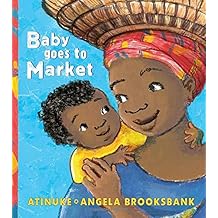
Baby Goes to Market by Atinuke and Angela Brooksbank.

Plot Description:

Market is very crowded.
Mama is very busy.
Baby is very curious.
When Baby and Mama go to the market, Baby is so adorable that the banana seller gives him six bananas. Baby eats one and puts five in the basket, but Mama doesn’t notice. As Mama and Baby wend their way through the stalls, cheeky Baby collects five oranges, four biscuits, three ears of sweet corn, two pieces of coconut . . . until Mama notices that her basket is getting very heavy! Poor Baby, she thinks, he must be very hungry by now!


Product Details

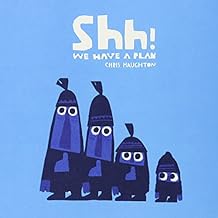
Shhh!  We have a Plan by Chris Haughton

Four friends creep through the woods, and what do they spot? An exquisite bird high in a tree! “Hello birdie,” waves one. “Shh! We have a plan,” hush the others. They stealthily make their advance, nets in the air. Ready one, ready two, ready three, and go! But as one comically foiled plan follows another, it soon becomes clear that their quiet, observant companion, hand outstretched, has a far better idea.

Product Details

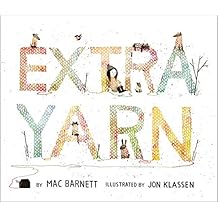
Extra Yarn by Mac Barnett and Jon Klassen

This is an extraordinary new picture book about a little girl who cocoons her cold, grey town in joy and warmth…and brightly coloured yarn! On a cold, dark day in a dull, grey town, little Annabelle discovers a box of brightly coloured yarn. She knits a cosy jumper to keep herself nice and toasty warm and finds, to her surprise, that she still has yarn left over. So she decides to knit her dog a jumper too but – hang on a second – she STILL has extra yarn! Annabelle knits and knits and, soon, she’s blanketed the entire town in a rainbow of colour, knitting away the dreary iciness that grips it. Her prodigious status spreads far and wide. It doesn’t take long for the evil Archduke to set his beady eyes upon Annabelle’s magical box of yarn but, little does he know, you have to have a little bit of magic inside your heart for it to work..

Product Details

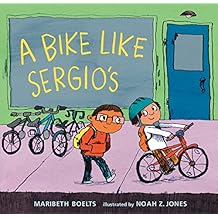
A Bike Like Sergio’s by Marybeth Boelts and Noah Z. Jones

Ruben feels like he is the only kid without a bike. His friend Sergio reminds him that his birthday is coming, but Ruben knows that the kinds of birthday gifts he and Sergio receive are not the same. After all, when Ruben’s mom sends him to Sonny’s corner store for groceries, sometimes she doesn’t have enough money for everything on the list. So when Ruben sees a dollar bill fall out of someone’s purse, he picks it up and puts it in his pocket. But when he gets home, he discovers it’s not one dollar or even five or ten—it’s a hundred-dollar bill, more than enough for a new bike just like Sergio’s! But what about the crossed-off groceries? And what about the woman who lost her money?


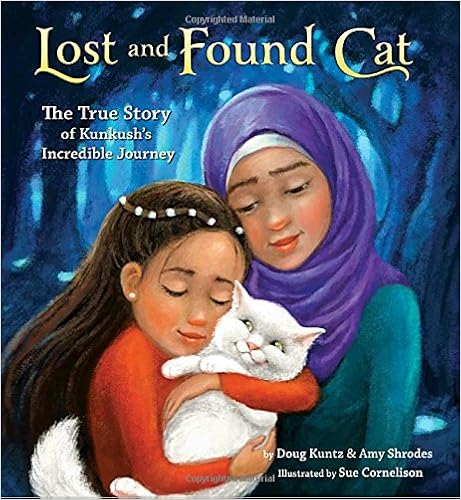
When an Iraqi family is forced to flee their home, they can’t bear to leave their beloved cat, Kunkush, behind. So they carry him with them from Iraq to Greece, keeping their secret passenger hidden away.

But during the crowded boat crossing to Greece, his carrier breaks and the frightened cat runs from the chaos. In one moment, he is gone. After an unsuccessful search, his family has to continue their journey, leaving brokenhearted.

A few days later, aid workers in Greece find the lost cat. Knowing how much his family has sacrificed already, they are desperate to reunite them with the cat they love so much. A worldwide community comes together to spread the word on the Internet and in the news media, and after several months the impossible happens—Kunkush’s family is found, and they finally get their happy ending in their new home.


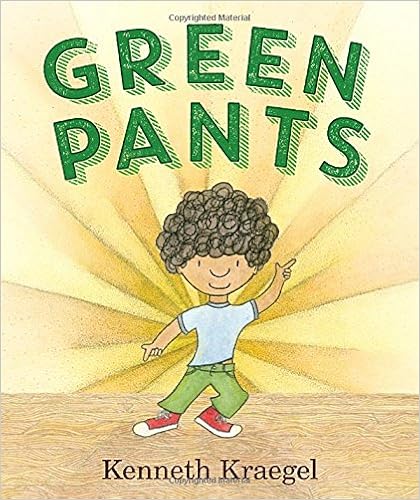
Jameson only ever wears green pants. When he wears green pants, he can do anything. But if he wants to be in his cousin’s wedding, he’s going to have to wear a tuxedo, and that means black pants. It’s an impossible decision: Jameson would love nothing more than to be in his cousin’s wedding, but how can he not wear green pants? Will Jameson turn down this big honor, or will he find a way to make everyone happy, including himself?
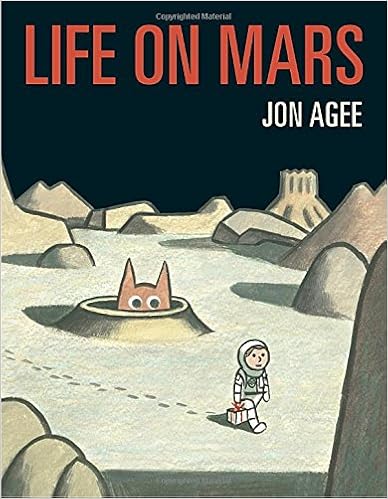
A young astronaut is absolutely sure there is life to be found on Mars. He sets off on a solitary mission, determined to prove the naysayers wrong. But when he arrives, equipped with a package of cupcakes as a gift, he sees nothing but a nearly barren planet. Finally, he spies a single flower and packs it away to take back to Earth as proof that there is indeed life on Mars. But as he settles in for the journey home, he cracks open his cupcakes—only to discover that someone has eaten them all!
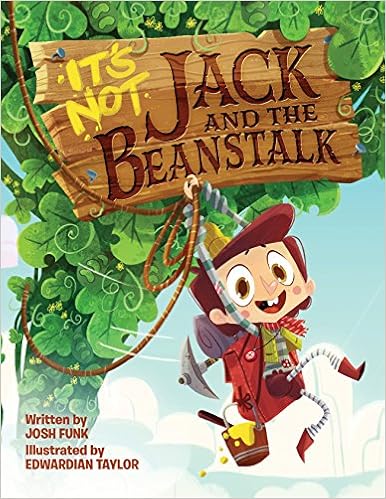
Jack is not fond of the bossy narrator of his fairy tale! When Jack is told to trade his beloved cow Bessie for some magic beans, throw the beans out the window, climb the ENORMOUS beanstalk that sprouts overnight, and steal from a GIANT, he decides this fairy tale is getting out of control. In fact, he doesn’t want to follow the story line at all. Who says Jack needs to enter a life of daring, thievery, and giant trickery? He takes his story into his own hands—and you’ll never guess what happens next!
Jabari is definitely ready to jump off the diving board. He’s finished his swimming lessons and passed his swim test, and he’s a great jumper, so he’s not scared at all. “Looks easy,” says Jabari, watching the other kids take their turns. But when his dad squeezes his hand, Jabari squeezes back. He needs to figure out what kind of special jump to do anyway, and he should probably do some stretches before climbing up onto the diving board.

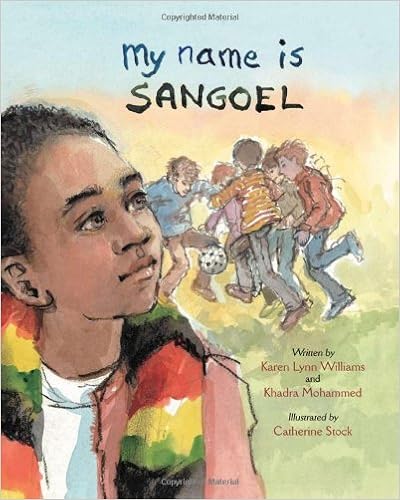
Sangoel is a refugee. Leaving behind his homeland of Sudan, where his father died in the war, he has little to call his own other than his name, a Dinka name handed down proudly from his father and grandfather before him.

When Sangoel and his mother and sister arrive in the United States, everything seems very strange and unlike home. In this busy, noisy place, with its escalators and television sets and traffic and snow, Sangoel quietly endures the fact that no one is able to pronounce his name. Lonely and homesick, he finally comes up with an ingenious solution to this problem, and in the process he at last begins to feel at home.

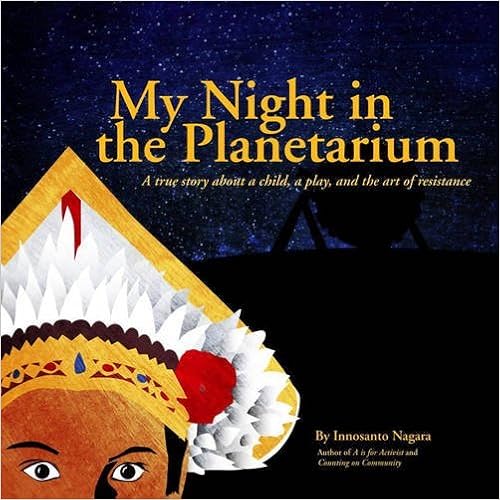
Seven year-oldInnosanto’s father, a famous Indonesian playwright, is in trouble with the government for his newest play’s unfavorable portrayal of governmental power and corruption. After a rousing performance at a large theater complex which also houses the Jakarta Planetarium, Innosanto’s father manages to sneak out of town to avoid arrest while Innosanto and his mother spend an exciting night sleeping under the stars in the Jakarta Planetarium.

 Ida, Always by Caron Lewis and Charles Santoso.

Gus lives in a big park in the middle of an even bigger city, and he spends his days with Ida. Ida is right there. Always.

Then one sad day, Gus learns that Ida is very sick, and she isn’t going to get better. The friends help each other face the difficult news with whispers, sniffles, cuddles, and even laughs. Slowly Gus realizes that even after Ida is gone, she will still be with him—through the sounds of their city, and the memories that live in their favorite spots.

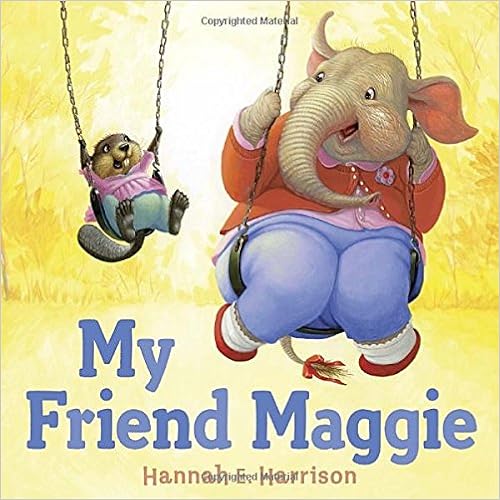
My Friend Maggie by Hannah E. Harrison.

Paula and Maggie have been friends forever. Paula thinks Maggie is the best—until mean girl Veronica says otherwise. Suddenly, Paula starts to notice that Maggie is big and clumsy, and her clothes are sort of snuggish. Rather than sticking up for Maggie, Paula ignores her old friend and plays with Veronica instead. Luckily, when Veronica turns on Paula, Maggie’s true colors shine through.

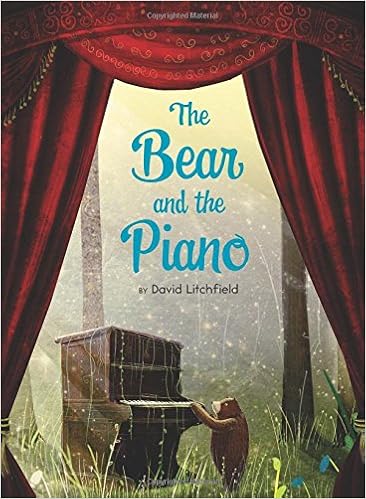
The Bear and the Piano by David Lichtfield

One day, a bear cub finds something strange and wonderful in the forest. When he touches the keys, they make a horrible noise. Yet he is drawn back again and again. Eventually, he learns to play beautiful sounds, delighting his woodland friends.
Then the bear is invited to share his sounds with new friends in the city. He longs to explore the world beyond his home, and to play bigger and better than before. But he knows that if he leaves, the other bears will be very sad . . .

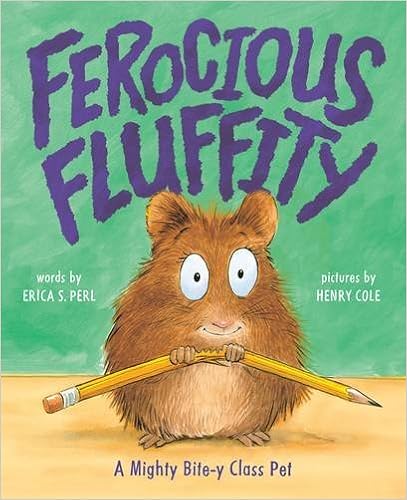
Ferocious Fluffity written by Erica S. Perl and illustrated by Henry Cole

Mr. Drake’s second grade class has a new class pet. Fluffity appears to be a cute and docile hamster—but the kids soon discover that she is not the cuddly pet they expected. From the moment her cage door opens, Fluffity becomes FEROCIOUS—biting and chasing everyone down the hall and into the library! Will the class be able to tame this beast and bring peace back to their school?

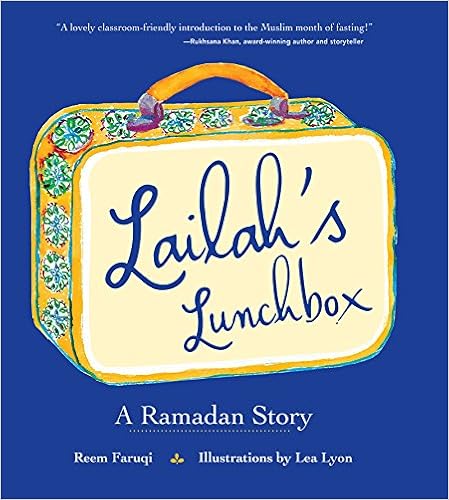
Lailah is in a new school in a new country, thousands of miles from her old home, and missing her old friends. When Ramadan begins, she is excited that she is finally old enough to participate in the fasting but worried that her classmates won’t understand why she doesn’t join them in the lunchroom.

Lailah solves her problem with help from the school librarian and her teacher and in doing so learns that she can make new friends who respect her beliefs.


Jacob’s New Dress by Sarah and Ian Hoffman, illustrated by Chris Case.  being yourself can be hard when you society will judge you but this book is a must add for any classroom.

Jacob loves playing dress-up, when he can be anything he wants to be. Some kids at school say he can’t wear “girl” clothes, but Jacob wants to wear a dress to school. Can he convince his parents to let him wear what he wants?


Product Details

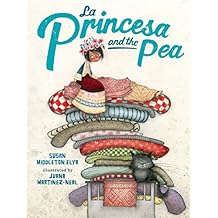
La Princesa and the Pea by Susan Middleton Elya and Juana Martinez-Neal

El príncipe knows this girl is the one for him, but, as usual, his mother doesn’t agree.

The queen has a secret test in mind to see if this girl is really a princesa.

But the prince might just have a sneaky plan, too . . .


Product Details

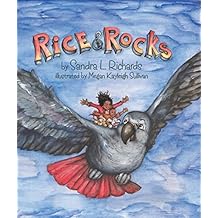
Rice and Rocks by Sandra L. Richards and Megan Kayleigh Sullivan 

Giovanni’s friends are coming over for Sunday dinner, and his grandmother is serving rice and beans. Giovanni is embarrassed he does not like ‘rice and rocks’ and worries his friends will think the traditional Jamaican dish is weird. But his favorite Auntie comes to the rescue. She and Giovanni’s pet parrot, Jasper, take him on a magical journey across the globe, visiting places where people eat rice and rocks.


Product Details

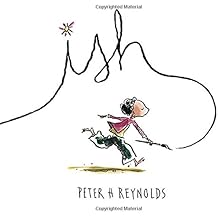
Ish by Peter Reynolds

Ramon loved to draw. Anytime. Anything. Anywhere.

Drawing is what Ramon does. It�s what makes him happy. But in one split second, all that changes. A single reckless remark by Ramon’s older brother, Leon, turns Ramon’s carefree sketches into joyless struggles. Luckily for Ramon, though, his little sister, Marisol, sees the world differently. She opens his eyes to something a lot more valuable than getting things just “right.”


Product Details

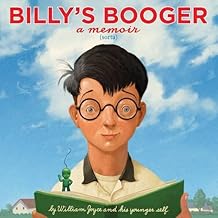
Billy’s Booger by William Joyce 

Billy loves to draw. He draws on books and on his homework and even on his math tests—he might not get the answer right, but doesn’t it look swell sitting in a boat at sea? His teacher doesn’t think so, and neither does the principal. But the librarian has an idea that just might help Billy better direct his illustrative energies: a book-making contest!

Billy gets right to work, reading everything he can about meteors, mythology, space travel, and…mucus? Yep, his book is going to be about the world’s smartest booger, who stays tucked away until needed—say, to solve multiplication problems, or answer questions from the President. Billy’s sure his story is a winner. But being a winner doesn’t mean you always win.

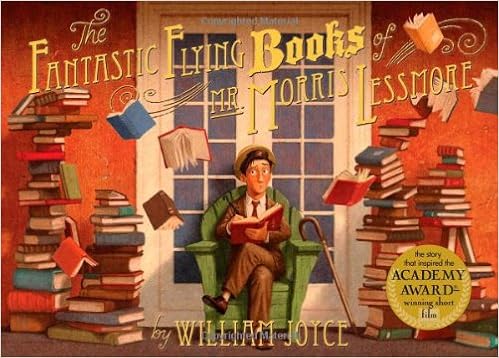
The Fantastic Flying Books of Mr. Morris Lessmore by William Joyce

Morris Lessmore loved words.
He loved stories.
He loved books.
But every story has its upsets.
Everything in Morris Lessmore’s life, including his own story, is scattered to the winds.
But the power of story will save the day.


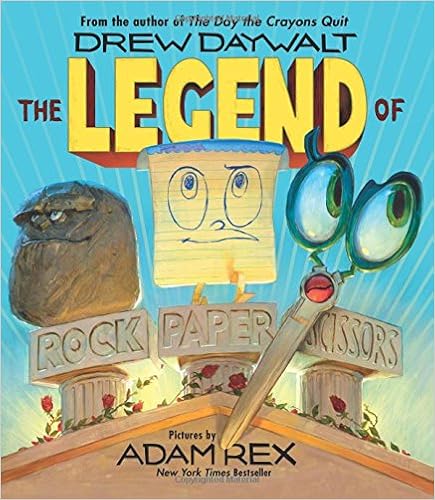
Ever wonder where this game comes from?  Here is the origin story.
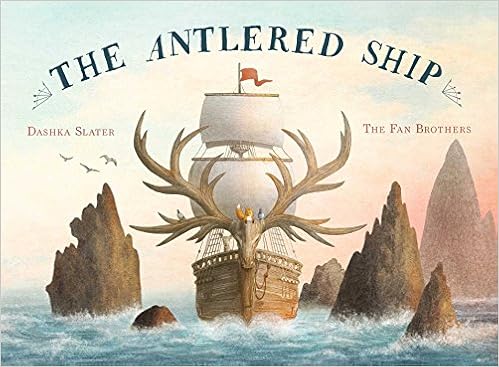
An inquisitive fox sets off on a seafaring voyage with a crew of deer and pigeons in this enchanting tale of friendship and adventure.

Marco the fox has a lot of questions, like: how deep does the sun go when it sinks into the sea? And why do birds have such lizardy feet? But none of the other foxes share his curiosity. So when a magnificent ship adorned with antlers and with a deer for a captain arrives at the dock looking for a crew, Marco volunteers, hoping to find foxes who are as inquisitive as he is that can answer his questions. The crew finds adventure and intrigue on their journey. And, at last, Marco finds the answer to his most important question of all: What’s the best way to find a friend you can talk to?

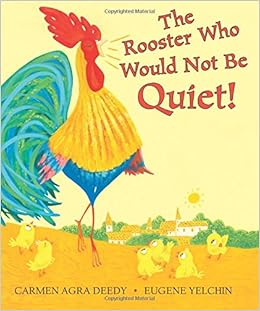
La Paz is a happy, but noisy village. A little peace and quiet would make it just right.
So the villagers elect the bossy Don Pepe as their mayor. Before long, singing of any kind is outlawed. Even the teakettle is afraid to whistle!

But there is one noisy rooster who doesn’t give two mangos about this mayor’s silly rules. Instead, he does what roosters were born to do.

He sings:
“Kee-kee-ree-KEE!”

There are many more, but I thought I would share a few.  happy reading and if you are looking for more of our favorite books, go here. 
If you like what you read here, consider reading my newest book, Passionate Readers – The Art of Reaching and Engaging Every Child, out August 2017.  This book focuses on the five keys we can implement into any reading community to strengthen student reading experiences, even within the 45 minute English block.  If you are looking for solutions and ideas for how to re-engage all of your students consider reading my very first book  Passionate Learners – How to Engage and Empower Your Students.      Also, if you are wondering where I will be in the coming year or would like to have me speak, please see this page.
being a teacher, Literacy, Reading

Some Little Things that Grow Our Readers

now-PixTeller-169915.jpg

Who are you as a reader is a question that shapes our experience together in room 235D.

At first, their answers are typically short. ..

I am a reader because I like to read.

I hate reading.

I only read because I am told to.

As the year progresses so do their thoughts.  They start to realize the parts that were there all along and that they are discovering and so gradually their answers change.
I am a reader who only reads a certain type of book.

I read because it takes me away.

I am a picky reader who loves to read but struggles with finding the next great book.

As their identities develop, the responsibility shifts from me to them.  They set the goals at the beginning of the year, I make sure they revisit them, but I also ask them, “Now what?” when they say they don’t like reading.

I ask them, “Then what?” when they say they cannot find a book.

I ask them, “How can I help?” when they tell me they don’t know what to do as readers.

These questions subtly change the power of the room, the control of the learning.  they may seem insignificant but they add up.

As the year progresses, our conversations shift.  No longer a focus on what I need to do but rather on what they need to do. But this doesn’t just happen, I ask them to take responsibility, to figure out their own part so that I can help guide them rather than lead them.

Today, as we settled back after a long weekend break, I asked them to tell a partner who they were as readers.  I modeled it and then let them loose.

Their words surrounded us for a few minutes and then they turned their eyes on this reflection.
Only four questions, but again, such a simple reflection of the thinking that needs to happen.  The ownership that needs to be taken and honed.

I read their answers and am reminded once again how such a small assignment can help me grow so much.

They need my help still with book shopping.

They want more time to read.

They have grown but are still not sure that reading is for them.

They ask me to speak to them more about their reading.

And they see their own role in what it means to be a reader.  As one child writes, “Ms. Ripp doesn’t have to do anything to help me. I think that this is something I need to work on myself.”

So much growth, all from the little things we can do that go beyond handing a child a book and giving them time to read.