being a teacher, being me, MIEExpert15, Passion, Reading, student choice, student voice

Enough…

My love of reading never had to survive my childhood.  My love of reading never had to survive well-meaning teachers, at least not when I was young.  When I grew up, teachers weren’t really that bothered with what we read, or how much we read every night, just that we read.  That we grew.  That we became better.  They didn’t ask us to keep logs, to record minutes, to stick post-it notes whenever we had a thought.  They didn’t tell us which box to pick from or give us a label.  Instead, they gave us a book, pointed to a chair, and they told us to read.  Come up for air when you are done.

Some may shudder at the lack of instruction that I was put through as a young child, after all, where was all of the teaching?  And yet within this brutally simplistic approach; read, read, read and then please read some more, was an immense amount of wisdom.  Kids need time to read.  Kids need choice.  Kids need to be allowed to self-select books and then when they are done reading they should be asked to get another book.  So if we hold these truths to be self-evident, I wonder, how has so much of our reading instruction gotten so far off track?

I think we teachers are part of the problem.  I think our silence while we seethe inside at the new initiatives being dictated to us means that we are now complicit in the killing of the love of reading.  I think we have sat idly by for too long as others have told us that students will love reading more if we limit them further and guide them more.   We have held our tongue while practices have been marched into our classrooms disguised by words like research-based, rigorous, and common-core aligned.  We have held our tight smiles as so called experts sold our districts more curriculum, more things to do, more interventions, more repetitions.  We have stayed silent because we were afraid of how our words would be met, and I cannot blame any of us.  Standing up and speaking out is terrifying, especially if you are speaking out against something within your own district.  But we cannot afford to stay silent any more.  With the onslaught of more levels, more logs, more things to do with what they read all in the name of deeper understanding, we have to speak up.  Reading is about time to read first.  Not all of the other things.  And if we are sacrificing time to read to instead teach children more strategies,, then we are truly missing the point of what we we should be doing.

So I declare myself a reading warrior, and I believe you should as well.  No more reading logs to check whether kids are reading.  No more levels used to stop children from self-selecting books they actually want to read.   No more timed standardized tests to check for comprehension.  Being a fast reader does not mean you comprehend more. No more reading projects that have nothing to do with reading.  No more reading packets to produce a grade that stops students from talking about books.  No more rewards; prizes, stickers, lunches with the principal.  We cannot measure a great reader by how many pages a school has read, so stop publishing it.  Don’t publish your test scores.  Don’t publish your AR levels.  Publish instead how many children have fallen in love with a book.  How many recommendations have been made from student to student.  Publish how many books have needed to be replaced because of worn pages.  Publish that, and be proud of the teachers that dare to speak up to protect the very thing we say we hold sacred.

Be a reading warrior, because for too long we have hoped that the decisions being made are always in the best interest of a child when we know at times they are not.  No child is helped when we protest in silence, when we protest in the teacher lounge, or in our homes.  We have to find the courage to speak up for the very students we serve.   We have to practice being brave.  We have to allow students to read books that they choose, to give them time to talk about their books rather than fill out a packet, and to allow them to self-monitor how much reading they are doing and then believing them when they tell us their truth.  It is time for us to stand up and speak up.  It is time to take back our reading instruction and truly make it about what the kids need and not what others tell us that they need.  One voice can be a whisper or a protest, we make the choice when we decide to make a difference.  Are you with me?

I am a passionate teacher in Oregon, Wisconsin, USA but originally from Denmark,  who has taught 4th, 5th, and 7th grade.  Proud techy geek, and mass consumer of incredible books. Creator of the Global Read Aloud Project, Co-founder of EdCamp MadWI, and believer in all children.  The second edition of my first book Passionate Learners – How to Engage and Empower Your Students” is available for pre-order now.   Second book“Empowered Schools, Empowered Students – Creating Connected and Invested Learners” is out now from Corwin Press.  Join our Passionate Learners community on Facebook and follow me on Twitter @PernilleRipp.

being me, books, inspiration, Passion, Reading, students

10 + 1 Picture Books that Spark Creativity

It is well-known that picture books are my favorite secret weapon when it comes to teaching pretty much anything.  Within the pages of these incredible books we can find the courage to be better, to be friends, and to be creative.  While there are many to choose from, here are my 10 favorite picture books to inspire more creativity for us and for students.

The Most Magnificent Thing by Ashley Spires continues to be a crowd favorite in my classroom.  I love when students pick out the details that are in the illustration and we refer to it often when we create ourselves.  Leave this book and watch conversations unfold.

Something Extraordinary by Ben Clanton arrived in my mailbox today and is actually the book that inspired this post.  As I read it with Thea, my oldest daughter, I saw her eagerly turn the pages to see what would happen and then declared that she wished for many things as well.  What a marvelous book to inspire a more creative world.

Peter H. Reynolds is a creative genius and his books provide me with that needed starting point to have many conversations with my students.  While his more famous book The Dot is more often the one highlighted and read to students, I have found that Sky Color should have its rightful place next to The Dot.

On my daughter’s 6th birthday she was gifted Beautiful Oops by Barney Saltzberg.  I took one look at it and then bought a copy for my classroom.  Students are so quick to dismiss their own mistakes, but this book with its simple show of what you can do with those “oops” is sure to inspire a moment to re-thing and re-draw before a supposed mistake is discarded.

I am sure I was not the only one jumping up and down when the Caldecott award was announced this year and The Adventures of Beekle – The Unimaginary Friend was the big winner.  I have cherished this book in the classroom for its simple message about imagination and taking control of ones own destiny.  The illustrations are divine in the book and have inspired many students to draw their own imaginary friends.

I love the giggles that students, yes even 7th graders, get whenever I read aloud Froodle by Antoinette Portis.  The message to embrace their uniqueness and let their true personality shine is not one that is lost on them.

Oh Chalk by Bill Thomson, I adore thee.  This inspiring wordless picture book has been inspiring my students to let their imagination run wild.  It is a great book to inspire realistic fantasy stories (I may have just made up that term) where students base a fantasy story in their own world.

I have used Meanwhile by Jules Feiffer for a few years to inspire creative writing in my classroom. Students love the fast+paced action and the way it reads like a graphic novel.  It may technically not be a picture book, but it is a book with pictures and it deserves to be on this list.

What Do You Do With An Idea by Kobi Yamada has been a great read aloud in our classroom, but more importantly, I have seen kids reach for it when they are stuck and not quite sure what to do.  I think sometimes simply being able to find yourself within the pages of a book is a powerful thing for a person.  And especially if you are not quite sure to ask someone else fpr help just yet.

Thea and I were lucky enough to attend an author reading of Open This Little Book by Jesse Klausmeier and that afternoon Thea asked me to make her a little book for her writing.  The simple ingenuity of the story within the story has inspired many of my students to create, bith in writing but also in what they read,

My plus one has to be Extra Yarn by Mac Barnett.  I have loved using this book to discuss theme with students but I also love how it shows that you can take something simple that you can do and turn it into something extraordinary.  Often this is the biggest aha moment that students get from this book.

So there you have it, a few picture books to spark creativity in the classroom.  Which would you add?

PS:  Some times great minds think alike, check out John T. Spencer’s post on his Favorite Fifty Books on Creativity.

I have loved seeing the suggestions roll in from Twitter as well, so I have added them as they come in:

Not a Box and Not a Stick by Antoinette Portis – yes, the same author that brought us Froodle.

Rosie Revere Engineer and Iggy Peck Architect by Andrea Beaty

Violet the Pilot by Steve Breen.

I am a passionate teacher in Oregon, Wisconsin, USA but originally from Denmark,  who has taught 4th, 5th, and 7th grade.  Proud techy geek, and mass consumer of incredible books. Creator of the Global Read Aloud Project, Co-founder of EdCamp MadWI, and believer in all children.  The second edition of my first book Passionate Learners – How to Engage and Empower Your Students” is available for pre-order now.   Second book“Empowered Schools, Empowered Students – Creating Connected and Invested Learners” is out now from Corwin Press.  Join our Passionate Learners community on Facebook and follow me on Twitter @PernilleRipp.

being me, Passion, PD, Reading

Summer Literacy Academy For Teachers in Wisconsin

I am proud to be a part of a district that takes their literacy training very serious and also taps into their own experts, while focusing on what is best for all kids.  Since this is open to the public but has not been advertised much, I thought I would use my blog to offer more people this opportunity because I think it is going to be amazing and is one of the cheapest professional development opportunities I have seen in a long while.  As part of  working for the district,  I do get to be the keynote speaker for it and also head a few of the training sessions.

Oregon School District Summer Academy – June 17-19, 2015

The Academy, co-sponsored by CESA 2, focuses on literacy best practice and current hot topics within English language arts. The Academy will kick off with keynote speaker Pernille Ripp, OSD teacher and author of Passionate Learners: How to Engage and Empower Your Students. Oregon District staff, CESA 5 Literacy Consultant Heidi Walter and the Cooperative Children’s Book Center are just some of the experts that will be presenting a variety of sessions in the areas of reading, writing, speaking, and listening.

Need course credit? Registrants of Friday’s full day option “Need a Writing Intervention for RTI? SRSD to the Rescue” presented by Heidi Walters may be eligible for 1 graduate credit through Edgewood College (1 credit/$165). Registration is $25 for a single day or $50 for two or more days. To review session options and register please use the links below. We hope you will join us, be engaged and leave with a passion to put what you learn into practice!

For more information on Sessions: https://docs.google.com/document/d/1GaSiu6Mz-_YweqTk3oF7K9kHC9jcyv0KukR1amnrEyM/edit?usp=sharing

To Register: https://docs.google.com/a/oregonsd.net/forms/d/1H8DFbcdJpiR8f7YrgeLZMU-lUKRrq9szOZPlye0hvzE/viewform
All Questions to Oregon School District Contact:
Sheryl Helmkamp | sah@oregonsd.net | (608) 835-4007

being me, global read aloud, Reading

Some Favorite Reads From The Year

Cross-posted from my reading review blog, Mrs. Ripp Reads.

I read 80 books this school year.  A goal I was not sure I would meet, and yet with two days to go, I have started my 81st book and am feeling pretty good.  But that doesn’t mean I am done reading, no way!  My massive to-be-read pile is practically screaming at me to start.  But before I fall in love with some new books, how about a sampling of a few books I loved this year?

All of the summaries have been taken from Goodreads, by the way.
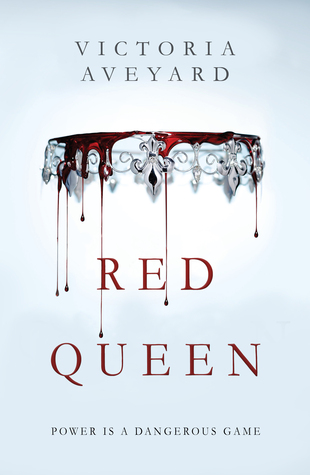
Red Queen (Red Queen, #1)

My opinion:

Red Queen is amazing, couldn’t put it down even if drew a lot of resemblance to many other amazing books.  I cannot wait for the 2nd book to come out.  And I cannot wait to hand this to as many students as I possibly can!

Age Range:  5th grade and up.

Summary:

The poverty stricken Reds are commoners, living under the rule of the Silvers, elite warriors with god-like powers.

To Mare Barrow, a 17-year-old Red girl from The Stilts, it looks like nothing will ever change.

Mare finds herself working in the Silver Palace, at the centre of
those she hates the most. She quickly discovers that, despite her red blood, she possesses a deadly power of her own. One that threatens to destroy Silver control.

But power is a dangerous game. And in this world divided by blood, who will win?
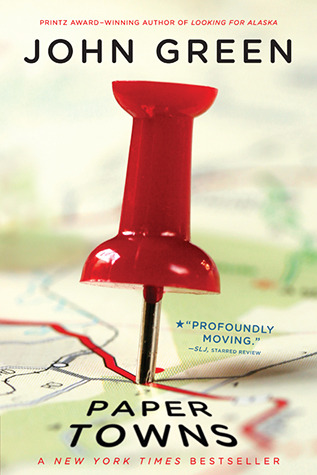
Paper Towns

My Opinion:  A student recommended Paper Towns to me and I read it over two nights.  I, of course, wanted to see what happened, but also enjoyed the memory of what it meant to be 18 and graduating with life awaiting.

Age Range:  7th grade and up with some mature language and high school scenes.

Summary:

Quentin Jacobsen has spent a lifetime loving the magnificently adventurous Margo Roth Spiegelman from afar. So when she cracks open a window and climbs into his life—dressed like a ninja and summoning him for an ingenious campaign of revenge—he follows. After their all-nighter ends, and a new day breaks, Q arrives at school to discover that Margo, always an enigma, has now become a mystery. But Q soon learns that there are clues—and they’re for him. Urged down a disconnected path, the closer he gets, the less Q sees the girl he thought he knew…
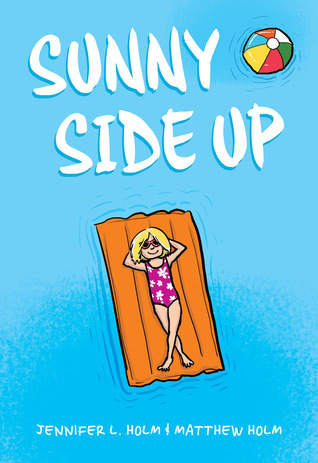
Sunny Side Up

My Opinion:  Oh Sunny Side Up, I adore you.  An incredible example of why graphic novels can be so powerful.  I know many, many kids who will love this book.

Age Range:  4th and up.

Summary:

Following the lives of kids whose older brother’s delinquent behavior has thrown their family into chaos, Sunny Side Up is at once a compelling “problem” story and a love letter to the comic books that help the protagonist make sense of her world.
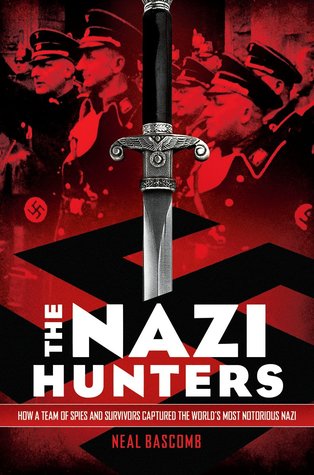
The Nazi Hunters: How a Team of Spies and Survivors Captured the World's Most Notorious Nazi

My Opinion:  Growing up in Denmark, we are surrounded by the Holocaust and WWII, yet this true story, The Nazi Hunters,  I had never heard.  Once I gave up on keeping all of the names straight, I was able to just enjoy this thrilling story and be awed at the true events that happened so many years ago.

Age Range:  4th and up, it does discuss some details of the Holocaust though.

Summary:

In 1945, at the end of World War II, Adolf Eichmann, the head of operations for the Nazis’ Final Solution, walked into the mountains of Germany and vanished from view. Sixteen years later, an elite team of spies captured him at a bus stop in Argentina and smuggled him to Israel, resulting in one of the century’s most important trials — one that cemented the Holocaust in the public imagination.
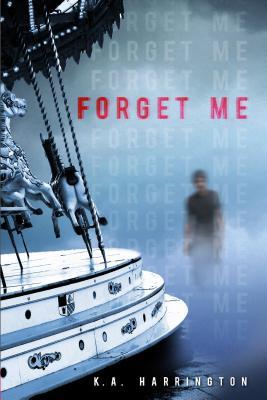
Forget Me

My Opinion:  I was surprised at how much I enjoyed Forget Me, it was another page turner that many of my students enjoyed.  This one won’t stay with you for a long time but ti will envelop you while you read it.

Age Range:  5th and up.

Summary:

On the three-month anniversary of her boyfriend Flynn’s death, Morgan uploads her only photo of him to FriendShare to get some closure—but she’s shocked when the facial recognition software suggests she tag him as “Evan Murphy.” She’s never heard of Evan, but a quick search tells her that he lives in a nearby town and looks exactly like Flynn. Only this boy is very much alive.

Digging through layers of secrets and lies, Morgan is left questioning everything she thought she knew about her boyfriend, her town, and even her parents’ involvement in this massive web of lies.
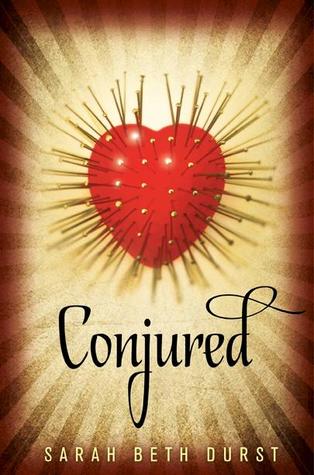
Conjured

My Opinion:  Oh this book, Conjured, freaked me out but in a good way.  Terrifying, confusing, and yet it sucks you right in.  This book made me remember why I used to love reading Stephen King books and that is not a bad thing.

Age Range:  7th and up.

Summary: 

Eve has a new home, a new face, and a new name—but no memories of her past. She’s been told that she’s in a witness protection program. That she escaped a dangerous magic-wielding serial killer who still hunts her. The only thing she knows for sure is that there is something horrifying in her memories the people hiding her want to access—and there is nothing they won’t say—or do—to her to get her to remember.

At night she dreams of a tattered carnival tent and buttons being sewn into her skin. But during the day, she shelves books at the local library, trying to not let anyone know that she can do things—things like change the color of her eyes or walk through walls. When she does use her strange powers, she blacks out and is drawn into terrifying visions, returning to find that days or weeks have passed—and she’s lost all short-term memories. Eve must find out who and what she really is before the killer finds her—but the truth may be more dangerous than anyone could have ever imagined.
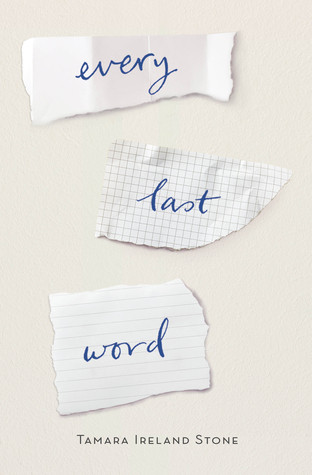
Every Last Word

My Opinion:  The only thing I hated about Every Last Word is that it doesn’t come out until June 16th, which means my current 7th graders do not have access to it.  And I wish they did.  I still told a few of them about this book and told them to come see me at the beginning of the year so they can read it.  I know it will speak to them as it spoke to me.

Age Range:  6th and up.  Slightly mature relationship but tactfully handled.

Summary:

Samantha McAllister looks just like the rest of the popular girls in her junior class. But hidden beneath the straightened hair and expertly applied makeup is a secret that her friends would never understand: Sam has Purely-Obsessional OCD and is consumed by a stream of dark thoughts and worries that she can’t turn off.

Second-guessing every move, thought, and word makes daily life a struggle, and it doesn’t help that her lifelong friends will turn toxic at the first sign of a wrong outfit, wrong lunch, or wrong crush. Yet Sam knows she’d be truly crazy to leave the protection of the most popular girls in school. So when Sam meets Caroline, she has to keep her new friend with a refreshing sense of humor and no style a secret, right up there with Sam’s weekly visits to her psychiatrist.

Caroline introduces Sam to Poet’s Corner, a hidden room and a tight-knit group of misfits who have been ignored by the school at large. Sam is drawn to them immediately, especially a guitar-playing guy with a talent for verse, and starts to discover a whole new side of herself. Slowly, she begins to feel more “normal” than she ever has as part of the popular crowd . . . until she finds a new reason to question her sanity and all she holds dear.
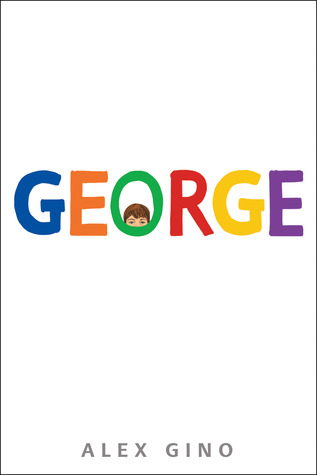
George

My Opinion:  George is finally available August 25th and is a must add to any classroom, 4th grade and up.  When we say we need diverse books, it is a book like this that we need to have in our classrooms.

Age Range:  4th and up.

Summary:

When people look at George, they think they see a boy. But she knows she’s not a boy. She knows she’s a girl.

George thinks she’ll have to keep this a secret forever. Then her teacher announces that their class play is going to be Charlotte’s Web. George really, really, REALLY wants to play Charlotte. But the teacher says she can’t even try out for the part . . . because she’s a boy.

With the help of her best friend, Kelly, George comes up with a plan. Not just so she can be Charlotte — but so everyone can know who she is, once and for all.

Goodbye Stranger

My Opinion:  I have loved Rebecca Stead’s books since When You Reach Me and this one Goodbye Stranger  is right up there.  While this won’t be out until August 4th I already have it pre-ordered so I can book talk it the first week of school.

Age Range:  5th and up.

Summary:

Bridge is an accident survivor who’s wondering why she’s still alive. Emily has new curves and an almost-boyfriend who wants a certain kind of picture. Tabitha sees through everybody’s games–or so she tells the world. The three girls are best friends with one rule: No fighting. Can it get them through seventh grade?
This year everything is different for Sherm Russo as he gets to know Bridge Barsamian. What does it mean to fall for a girl–as a friend?
On Valentine’s Day, an unnamed high school girl struggles with a betrayal. How long can she hide in plain sight?

Circus Mirandus

My Opinion:  Along with Fish In A Tree, Circus Mirandus  is a must-read book of the year.  Amazing, fantastic, spellbinding, and any other gushy word I can think of.  This is a modern day classic.

Age Range:  3rd and up if high reader.

Summary:

Do you believe in magic?
Micah Tuttle does.

Even though his awful Great-Aunt Gertrudis doesn’t approve, Micah believes in the stories his dying Grandpa Ephraim tells him of the magical Circus Mirandus: the invisible tiger guarding the gates, the beautiful flying birdwoman, and the magician more powerful than any other—the Man Who Bends Light. Finally, Grandpa Ephraim offers proof. The Circus is real. And the Lightbender owes Ephraim a miracle. With his friend Jenny Mendoza in tow, Micah sets out to find the Circus and the man he believes will save his grandfather.

The only problem is, the Lightbender doesn’t want to keep his promise. And now it’s up to Micah to get the miracle he came for.

Bone Gap

My Opinion:  Bone Gap both kept me guessing and frustrated me.  This tale it spun was confusing, yet magical ad I read it in one night.  Sadly I chose to leave it at home because I felt it was a touch mature for most of my 7th graders.

Age Range:  8th and up or high school due to relationship things.

Summary:

Everyone knows Bone Gap is full of gaps—gaps to trip you up, gaps to slide through so you can disappear forever. So when young, beautiful Roza went missing, the people of Bone Gap weren’t surprised. After all, it wasn’t the first time that someone had slipped away and left Finn and Sean O’Sullivan on their own. Just a few years before, their mother had high-tailed it to Oregon for a brand new guy, a brand new life. That’s just how things go, the people said. Who are you going to blame?

Finn knows that’s not what happened with Roza. He knows she was kidnapped, ripped from the cornfields by a dangerous man whose face he cannot remember. But the searches turned up nothing, and no one believes him anymore. Not even Sean, who has more reason to find Roza than anyone, and every reason to blame Finn for letting her go.

As we follow the stories of Finn, Roza, and the people of Bone Gap—their melancholy pasts, their terrifying presents, their uncertain futures—acclaimed author Laura Ruby weaves a heartbreaking tale of love and loss, magic and mystery, regret and forgiveness—a story about how the face the world sees is never the sum of who we are.

Read Between the Lines

My Opinion:   Jo Knowles is one of the few writers where I have all of their books.  I loved the story-telling of Read Between the Lines , and I loved searching for clues as to how it would end up.

Age Range:  6th and up depending on the maturity of the reader.

Summary:

Thanks to a bully in gym class, unpopular Nate suffers a broken finger—the middle one, splinted to flip off the world. It won’t be the last time a middle finger is raised on this day. Dreamer Claire envisions herself sitting in an artsy café, filling a journal, but fate has other plans. One cheerleader dates a closeted basketball star; another questions just how, as a “big girl,” she fits in. A group of boys scam drivers for beer money without remorse—or so it seems. Over the course of a single day, these voices and others speak loud and clear about the complex dance that is life in a small town. They resonate in a gritty and unflinching portrayal of a day like any other, with ordinary traumas, heartbreak, and revenge. But on any given day, the line where presentation and perception meet is a tenuous one, so hard to discern. Unless, of course, one looks a little closer—and reads between the lines.
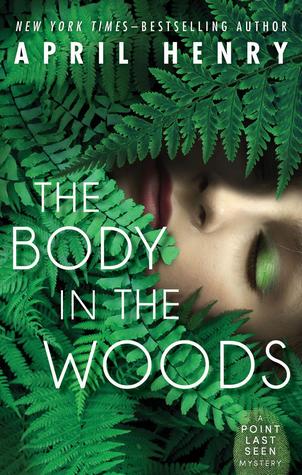
The Body in the Woods (Point Last Seen, #1)

My Opinion:  This is the epitome of page turner to me, quick, fast, and easy to digest, April Henry knows how to crank them out, leaving us at the edge of our seats.  All of her books look very worn this year but The Body in the Woods was probably one of the most read.  Best part is that this is the first book of a series.

Age Range:  5th grade and up but it does have a killer in it.

Summary:

Alexis, Nick, and Ruby have very different backgrounds: Alexis has spent her life covering for her mom’s mental illness, Nick’s bravado hides his fear of not being good enough, and Ruby just wants to pursue her eccentric interests in a world that doesn’t understand her. When the three teens join Portland County Sheriff’s Search and Rescue, they are teamed up to search for a autistic man lost in the woods. What they find instead is a dead body. In a friendship that will be forged in danger, fear, and courage, the three team up to find the girl’s killer—before he can strike one of their own.
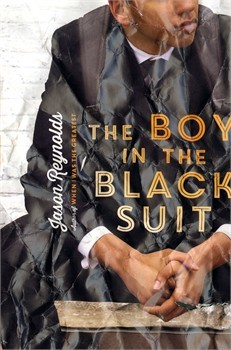
The Boy in the Black Suit

My Opinion:    I loved how much The Boy in the Black Suit with its moving story spoke to so many different students and myself.  Jason Reynolds is a master storyteller and draws the reader in with this simple, yet compelling story.

Age Range:  5th and up.

Summary:

Just when seventeen-year-old Matt thinks he can’t handle one more piece of terrible news, he meets a girl who’s dealt with a lot more—and who just might be able to clue him in on how to rise up when life keeps knocking him down—in this wry, gritty novel from the author of When I Was the Greatest.

Matt wears a black suit every day. No, not because his mom died—although she did, and it sucks. But he wears the suit for his gig at the local funeral home, which pays way better than the Cluck Bucket, and he needs the income since his dad can’t handle the bills (or anything, really) on his own. So while Dad’s snagging bottles of whiskey, Matt’s snagging fifteen bucks an hour. Not bad. But everything else? Not good. Then Matt meets Lovey. She’s got a crazy name, and she’s been through more crazy than he can imagine. Yet Lovey never cries. She’s tough. Really tough. Tough in the way Matt wishes he could be. Which is maybe why he’s drawn to her, and definitely why he can’t seem to shake her. Because there’s nothing more hopeful than finding a person who understands your loneliness—and who can maybe even help take it away.
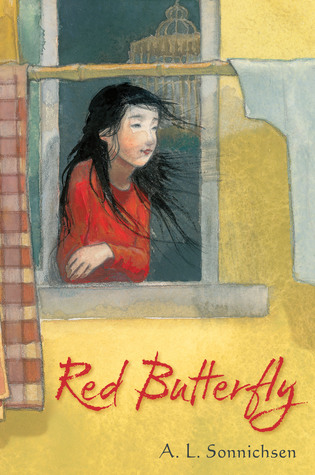
Red Butterfly

My Opinion:  I was surprised t how much I liked Red Butterfly, I loved the twists and turns and found myself personally invested in it.  With its poetic narration of an unbelievable story, you have to just read one more page to see what happens.

Age Range:  4th and up.

Summary:

Kara never met her birth mother. Abandoned as an infant, she was taken in by an elderly American woman living in China. Now eleven, Kara spends most of her time in their apartment, wondering why she and Mama cannot leave the city of Tianjin and go live with Daddy in Montana. Mama tells Kara to be content with what she has … but what if Kara secretly wants more?

Locomotion

My Opinion:  The stark beauty of the words of Locomotion left me silent for a long time.  I used several excerpts with students as well, which lead to them reading the book.

Age Range:  5th and up.

Summary:

When Lonnie Collins Motion “Locomotion” was seven years old, his life changed forever. Now he’s eleven, and his life is about to change again. His teacher, Ms. Marcus, is showing him ways to put his jumbled feelings on paper. And suddenly, Lonnie has a whole new way to tell the world about his life, his friends, his little sister Lili, and even his foster mom, Miss Edna, who started out crabby but isn’t so bad after all. Jacqueline Woodson’s novel-in-poems is humorous, heartbreaking . . . a triumph.
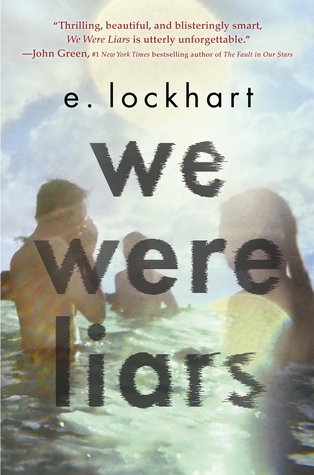
We Were Liars

My Opinion:  Incredible book that leaves you turning every page so you can see how it ends.  This was passed around my classroom quite a bit, never quite settling in on our shelves.  We Were Liars was a must read for many students and teachers this year.

Age Range: 7th and up due to mature language and subjects.

Summary:

A beautiful and distinguished family.
A private island.
A brilliant, damaged girl; a passionate, political boy.
A group of four friends—the Liars—whose friendship turns destructive.
A revolution. An accident. A secret.
Lies upon lies.
True love.
The truth.
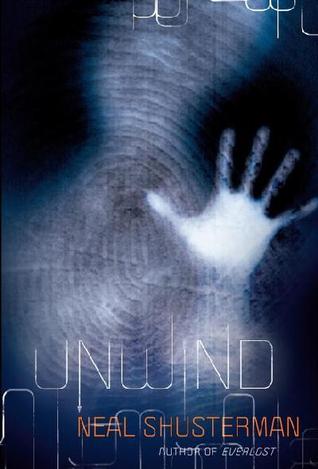
Unwind (Unwind, #1)

My Opinion:  A fantastic sci-fi series which I cannot wait to continue reading.  I used Unwind for a book club group as well and they loved it.

Age Range:  6th and up.

Summary:

The Second Civil War was fought over reproductive rights. The chilling resolution: Life is inviolable from the moment of conception until age thirteen. Between the ages of thirteen and eighteen, however, parents can have their child “unwound,” whereby all of the child’s organs are transplanted into different donors, so life doesn’t technically end. Connor is too difficult for his parents to control. Risa, a ward of the state, is not enough to be kept alive. And Lev is a tithe, a child conceived and raised to be unwound. Together, they may have a chance to escape and to survive.

Reality Boy

My Opinion:  I loved Reality Boy for its brutal betrayal of what being angry can mean for your life.  This book resonated with me and a few males students because they could relate to Gerald’s life.

Age Range:  7th and up – it has mature language and mature subject matter.

Summary:

Gerald Faust knows exactly when he started feeling angry: the day his mother invited a reality television crew into his five-year-old life. Twelve years later, he’s still haunted by his rage-filled youth—which the entire world got to watch from every imaginable angle—and his anger issues have resulted in violent outbursts, zero friends, and clueless adults dumping him in the special education room at school.

Nothing is ever going to change. No one cares that he’s tried to learn to control himself, and the girl he likes has no idea who he really is. Everyone’s just waiting for him to snap…and he’s starting to feel dangerously close to doing just that.
being me, hopes, Passion, Reading, student voice

My Students Still Hate Book Clubs, So Now What?

I knew I was up against some pretty deep-seated negative notions, but I guess I didn’t know how deep they really ran until yesterday when I started to read my end-of-year surveys.  One questions asked, “What is the one thing Mrs. Ripp should never have 7th graders do?” Usually answers are varied, spread across an entire year of trying to meet every child’s need and invariably always upsetting someone else.  But not this year; this year there was a clear winner; book clubs.  This awesome way to create a reading community was one of the most hated things by far we did all year.  And I am stumped

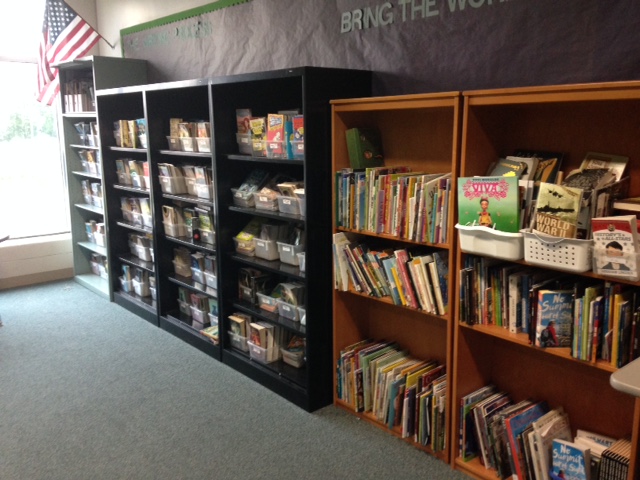
You see, we didn’t do book clubs the traditional way.  Students self-selected their books from more than 50 choices (we even involved the library for some groups that didn’t like the 50 presented to them).  Students set their own rules, reading pace, and expectations.  They were given 3 weeks to read the books and ample time to do so in class, so that it wouldn’t become another homework assignment.  I asked them to try to speak about the books for no more than 10 minutes, keeping their conversations focused and to the point.  I encouraged them to write down things they wanted to discuss and we also brainstormed guiding questions that they were then given on bookmarks to help start their conversations.  Their final product was a book talk with a small 5 slide presentation to use a backdrop for their conversation; and again, they were given time in class.  Yet, they hated it.

They hated having to read at the pace of someone else.  They hated the stilted conversations.  They hated that I was even asking them to have a shared reading conversation, often carrying resentment that I had shaped their groups.  We had discussed why I had made the groups, and some ended up loving theirs, and yet, others said it was the worst experience I could have forced them to do.  It wasn’t that they didn’t want to talk about books, they just didn’t want to go deeper with them, not in that way, not with those people.

So as I sit and dream of next year, because isn’t that what we do over the summer, I cannot help but think what else I can do to make book clubs an enjoyable part?  Should I abandon them altogether?  We do read aloud where we discuss text, so we still have a shared reading conversation where we interpret, experience, and try to figure out the book together.  Should I make it book partnerships where they interview three potential partners, one recommended by me, and they pick another person or two to read the same book with but perhaps with final approval from me?

Is there even a purpose for book clubs or are they a left over notion from when we were doing literature circles and felt we had to be in more control?  How do we rescue something that most of my students hated, but I still see value in?  Do I continue to just force it on them, trying to listen, or do we change our ways?  Are book clubs even necessary for developing readers?  I would love to hear your thoughts…

For more behind the scenes information on ideas for book clubs, both good and bad, please go here 

I am a passionate teacher in Oregon, Wisconsin, USA but originally from Denmark,  who has taught 4th, 5th, and 7th grade.  Proud techy geek, and mass consumer of incredible books. Creator of the Global Read Aloud Project, Co-founder of EdCamp MadWI, and believer in all children.  The second edition of my first book Passionate Learners – How to Engage and Empower Your Students” is available for pre-order now.   Second book“Empowered Schools, Empowered Students – Creating Connected and Invested Learners” is out now from Corwin Press.  Join our Passionate Learners community on Facebook and follow me on Twitter@PernilleRipp.

aha moment, authentic learning, being a teacher, being me, life choices, Reading, student choice

When Your Child Hates Reading- Some Advice From Those of Us Who Try

Note with content: When your child hates reading

One of the top questions I work through with friends, family, parents of my students, and even my own children is what to do when a child doesn’t want to read.  Or  I am asked for ideas for how to increase a child’s desire to read.  This is not a question I take lightly, nor one that I have a magical solution to.  I wish.  But I do have a few ideas that may help a reluctant reader get more interested in reading taken from my own experience as a teacher and parent.

First of all; be a reader yourself.  Nothing speaks louder to a child than having reading role models.  Read as much as you can, discuss your reading, share your reading, and read widely.  Switch it up to showcase that reading is not just one thing to you, but can consists of many types of books and genres.  I always have a book in my purse, backpack, and in my house.  I read when I am waiting for people, when we sit a traffic lights, whenever we have an errand to run and I stay back in the car.  Be a reader yourself so that the children in your life can see the value of it, not just hear about it.  Also pass books on in front of your children, I often hand books to others and discuss why they might love it.  My children and students have started doing the same.

Secondly, keep reading aloud.  We read aloud to all four of our children every single night.  They pick the books and we gladly comply.  It is a perfect way to end the day and allows a moment to create a shared experience.  This goes for older children as well.  Several of my students have reported sharing a book with a parent and I can tell you; it makes a huge difference to them.  I also cherish the read aloud time we have in class, much too little of it unfortunately, but again it allows us to have a shared experience that will shape future conversations about books.  (One tip:  Read the first book in a series aloud to ensure students get hooked and have more books to read).  Create a shared read aloud experience with the world by joining The Global Read Aloud or other shared read aloud projects.  This helps students connect with the world and also gets them excited about incredible books.

Third, take them to the book store.  Yes, I love a great library but there seems to be a stigma to some kids about “those old books” that they can find in the library versus the new and shiny ones they can see in a book store.  My trick, so that I don’t go bankrupt is to take my own children to the book store first , let them select all of the amazing books they cannot wait to read, write them all down, and then head straight to the library to get them from there.  Once in a while they get to select a book to purchase from the book store and we make a big deal out of it.

Fourth, keep handing them books.  Be specific with why you are handing it to them.  “I read this book and think you might like it because…” and keep doing it every chance you have.  Don’t be offended when they don’t want to read it.  I tell my students all of the time that even if I think a book is great they may hate it, which always turns into a great discussion of taste.  Children need chances to develop their own taste and in order to do that they need to be presented with a lot of books to choose from.  (This is also why I have a large classroom library and many books at my house).  And don’t just hand them the Classics, or whatever you think they should read, if they express interest in something hand that to them.  My mother never limited what I read even if she felt something was too hard or outside of my interest, she just let me read.  When we micromanage we stop children from discovering themselves as readers.

Fifth, don’t let your own ideas of what great reading looks like ruin great readings for others.  I think we are all super guilty of thinking we know what great reading looks like.  Whether it is reading a certain book or genre, whether it is reading in a certain type of environment or noise level, whatever we prefer is what we assume must be best for all.  Just don’t.  I have had students get deep into the reading zone while listening to soft music.  I have had students only want to read one certain genre and nothing else no matter what I presented them with.  I have had students swear that the best reading they can do is when they walk around the room.  Yes, really!  And guess what?  They were right.  Their best reading is their best reading, not the silent lying on the couch method I prefer. But you should have the conversation with them, ask them what it looks like and then have them cultivate that.  Discuss your own reading preference so they can find their style as well.

Sixth, don’t do rewards.  Ever.  Reading is its own reward.  The minute we start to tie reading with a tangible reward, we remove the intrinsic pleasure we hope our readers discover.  Although reading for a reward can offer a short-term solution to get a child reading, it will set a long-term precedent of what reading is for.  It is not worth it.  It will almost never lead to some sort of revelation of how pleasurable reading is and instead you have created a new bad habit; the “give-me” monster whose outstretched hand will only read when there is a tangible prize at the end.  So don’t start, even if it seem  like it might help a little, the damage it will do will not be worth it in the end.

Seven, give it a break.  I can be a high-strung reading parent, particularly because reading has not come super easy for one of my own children.  When we saw her struggle, my immediate reaction was to want her to read for longer periods of time in order to practice more.  My husband intervened, thankfully, and reminded me that when she does read it is hard, concentrated work and so we want to keep it short and sweet.  Make it a pleasurable experience, not a drill sergeant moment.  So if your child is really fighting you on reading, or struggling, don’t force them to read for a long period of time every day, keep it short, pleasant, and predictable.   Let them browse books, read a bit and support them throughout. They will get there, it may just take time and that one great book, but making something already difficult or hated into a long battle is not going to change their mind or help them love reading.

Eight, talk about reading but in a non-threatening way.  My daughter and I invent stories a lot on our drive home, sometimes based off of read alouds we have done.  My students and I discuss movies all of the time, particularly if they are based on a book and we need to compare it.  I show book trailers, I do impromptu picture book read alouds, and I get very, very excited about new books that I am reading.  Books are a constant undercurrent of my life and I do my best to bring it to the attention of the children I am surrounded by, but in a non-obvious way.  So go to author talks and signings, do read alouds, go to movies based on books, leave books out, listen to audio books on road trips, be excited about being a reader and don’t give up.  You never know at what moment a child will start to love reading.

Nine, realize it’s ok if they don’t love reading.  I can’t believe I just write that but it is true.  Yes, we should make opportunities for all children to love reading but we also need to be ok with a child if they don’t.  My mother raised my 4 siblings and I to love reading (I really have 11 siblings but these were the ones at my mom’s house) and 4 out of the 5 kids love it more than anything.  My one brother… not so much.  He is a great reader and once in a while will fall in love with a book series, but most of the time he is busy doing other things.  His life is not less full or less pleasurable than mine.  So we need to be ok with having a child that doesn’t love reading as much as we do…That doesn’t mean we stop, but it means we stop judging them on it.

What did I miss?  What ideas do you have to share?  I know many of us struggle with this.

I am a passionate teacher in Oregon, Wisconsin, USA but originally from Denmark,  who has taught 4th, 5th, and 7th grade.  Proud techy geek, and mass consumer of incredible books. Creator of the Global Read Aloud Project, Co-founder of EdCamp MadWI, and believer in all children.  The second edition of my first book Passionate Learners – How to Engage and Empower Your Students” is available for pre-order now.   Second book“Empowered Schools, Empowered Students – Creating Connected and Invested Learners” is out now from Corwin Press.  Join our Passionate Learners community on Facebook and follow me on Twitter @PernilleRipp.