being a teacher, first day, first week, Reading, Reading Identity

Questions to Assess our Classroom Library Before Back-to-School

I have been spending some time in my classroom these last few weeks. Getting ready,  getting excited.  At the end of last school year, I moved all of our bookshelves, rearranged the furniture, and tried to update this little space that hopefully becomes our space as it is filled with students.  Tried to create some sort of new space that would shape the experiences we are bound to have; places to gather, places to pull away.  Slowly, but surely, it is starting to come together.

The tables stand ready, the ideas are too, but the books? They are not ready.  Not yet. They beckon to be looked at, sorted, re-displayed, and yes, even gotten rid of.  New readers mean new book adventures ahead, new needs arising for the kids I am entrusted with, new relationships waiting to happen.  Weeding through my classroom library is always a must before the beginning of the year.

Books are an extension of our beliefs and so when students enter into our school or classroom libraries, they become the very first indicator of who we are and what we believe in.  They are a direct reflection of which type of reading experience we want o create with our students.  Which type of teacher we are.  What we hold dear, what we value.  This is why book displays cannot and should not be haphazardly put together.  This is why we must look at the books we bring in, the books we offer up for students to experience, and see which experience they are actually creating.

So to go through our classroom library, I ask myself the following questions starting with the fairly simple to the more in-depth.

How do the books look?  Which books are falling apart and need to either be thrown out or replaced?  Which books have really outdated covers that are preventing them from being read?  How about text size and font?  For books that I know would be read but might not be because of “outside” factors, I create a replacement wishlist.

How do the bins look?  Just like the books, some of our bins get fairly beat up, do they need to be replaced?  Relabeled?  Moved around?

How is our overall organization?  Because our library is one based on genres and sub-genres, these are changeable, meaning if I feel like we have a large collection of some books perhaps they need their own sub-genre?  Perhaps a genre is not being read and needs to be reorganized?  That also includes which bookshelves the bins are on, are they being read where they are or do they need to be moved somewhere else?

How is our checkout system?  Ours is a simple one – paperbacks you just grab, hardcovers you give me the dust cover with a post-it with your name on it and I file it away until the book is brought back.  Will this still work for the students I have?

How will I introduce our library?  Students will bookshop on the very first day of school with piles of books awaiting them on the tables but how will they be introduced to our library?  This year, as in past years, it will be an actual lesson on book-shopping, yes, even in 7th grade, and an exploration of different genres as we start our to-be-read list.

Will this book be read more somewhere else?  Sometimes when we have a book abundance problem, books are simply not being discovered.  So looking through and pulling books you wish students were reading but they aren’t and then handing them to another teacher may just get that book back in circulation.  This is also a great way to create space for incoming books in your library because chances are you will be adding more books this year.

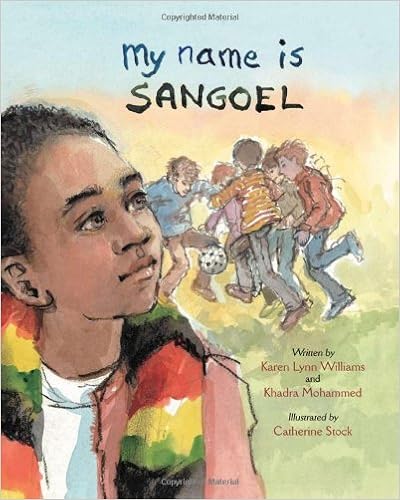
Whose stories are being represented in our library?  And whose stories are not?  Where are my book gaps, which genres of books or authors do we not have a lot of?  Can all children find windows, mirrors, and sliding glass doors to quote Dr. Rudine Sims Bishop.

Not just whose,  but how are people’s stories represented?  Are we only representing the Native experience as a thing of the past?  Is the African American experience only represented through slavery, Civil Rights, or police brutality?  Are all the books featuring everyday things featuring white characters?  This is an ongoing assessment that needs to be attended to with every book purchase we make.

Do we have harmful representation?  Back to school is also a good time to be on the lookout for problematic text.  Knowing what is being questioned in the wider literary world is really important and provides us with a chance to learn.  I think about books like Little House on the Prairie or even newer books that come out that may not be healthy to have in our libraries.  I turn to people like Debbie Reese and Edi Campbell to guide me in this work.

Which books are you blessing?  Critically evaluate which books are on display whether it is first in a bin or on an actual shelf.  Whose experiences are you highlighting?  Whose voices are you urging others to read?  I take a lot of time pulling books and displaying to offer our students a varied reading experience from day one.  I want them to see the possibilities in our classroom library of what types of reading experiences they can have and that starts with all of the books enticing them.

As summer winds down and the school year beckons, I am excited to meet the kids that will soon become part of our family.  I am excited to help them have meaningful experiences with text that will help them in their reading lives.  I am excited to see who they are and how they will grow this year.  This work starts in our library, in what is the heart of our classroom, so it needs to be ready for all of the readers that are coming our way.

If you like what you read here, consider reading my newest book, Passionate Readers – The Art of Reaching and Engaging Every Child.  This book focuses on the five keys we can implement into any reading community to strengthen student reading experiences, even within the 45 minute English block.  If you are looking for solutions and ideas for how to re-engage all of your students consider reading my very first book  Passionate Learners – How to Engage and Empower Your Students.      Also, if you are wondering where I will be in the coming year or would like to have me speak, please see this page.
being a teacher, new year

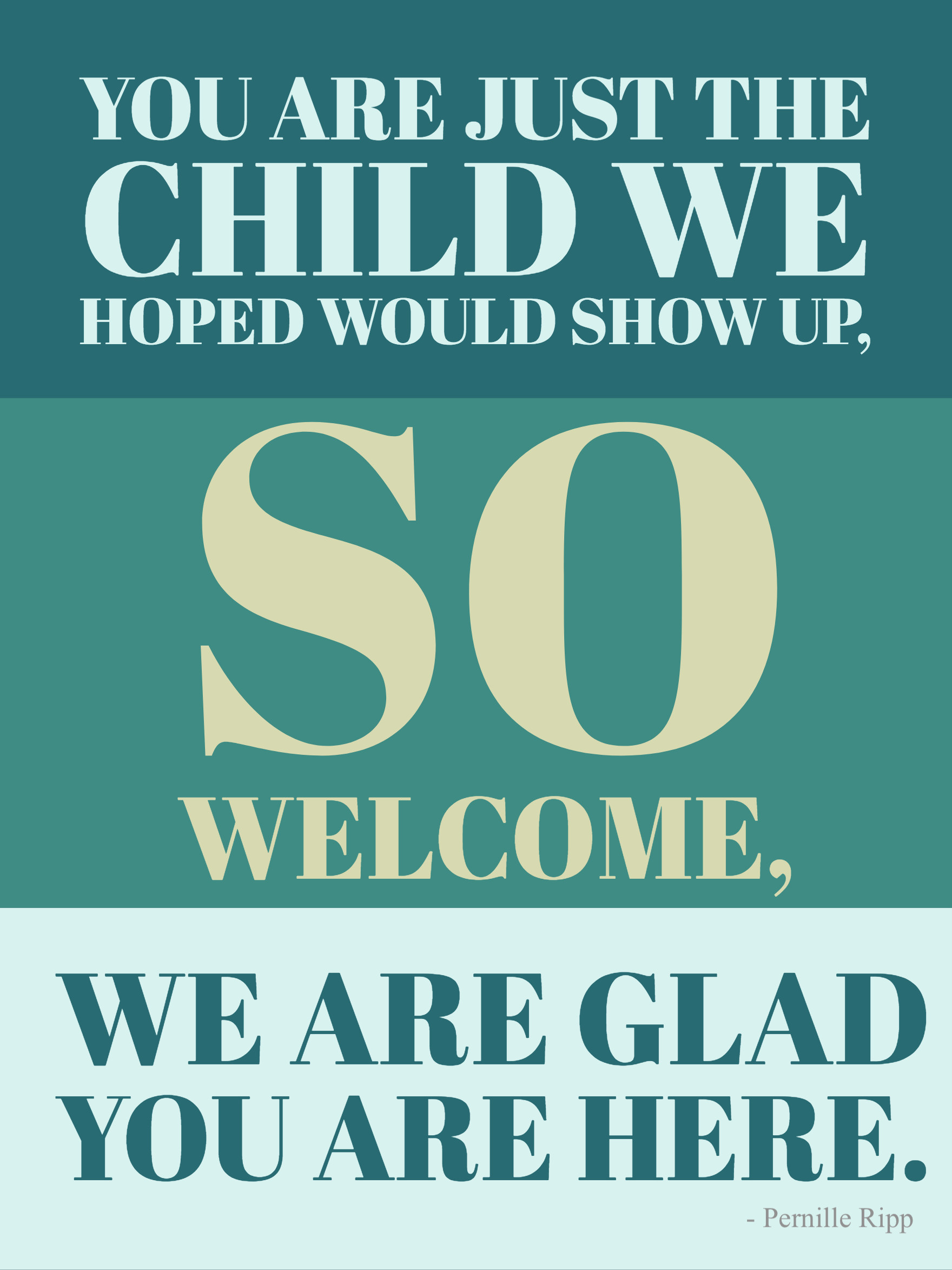
Our Welcome Poster

Last year, I took a quote from a blog post I wrote and made it into a poster.  The quote was simple but a powerful reminder to anyone who walked into our room about the worth of the very kids that showed.  A powerful reminder to me on days where I felt like I was not enough.  A powerful reminder to kids when they felt that perhaps school was not a place for them.  The poster I made was small but hung proudly outside of our room all year.

This year, I needed a bigger poster.  Same message, but larger.  Something that would be harder to miss.  So my husband, who is my partner in everything, made me one.  I shared it on Instagram and Twitter and now others would like to use it.  So here you are

Feel free to use but please give credit.  And then believe it, every day, every kid, even when it is a hard day.  That would be the best gift of all.

Here is the link to the file, I just ordered a poster print through Walgreens.  If you use it, let me know, I would love to see it out in the wild.

being a teacher, books, picture books

Our Favorite First Week of School Picture Books

For the past many years, our first day of school has included a read-aloud of a picture book.  This central part of our classroom journey starts us off right, inviting students in to share a moment of wonder, of laughter.  It starts discussions and sets the tone for the year to come.  This is why selecting the first picture book to read aloud is such a big deal for me; what tone do I want to set?  Which book will help students gain an ounce of trust when it comes to the experience we are about to embark on?  Usually, I have students choose the book they want me to read aloud to them, sometimes I choose for them, but in case you need a few ideas, here are the picture books I love choosing from.

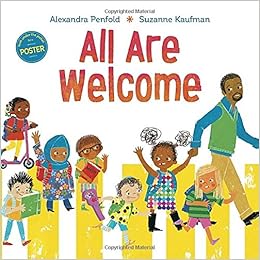
All Are Welcome by Alexandra Penfold and Suzanna Kaufman

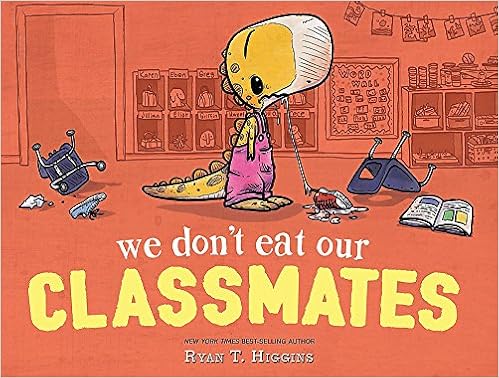
We Don’t Eat Our Classmates by Ryan T. Higgins

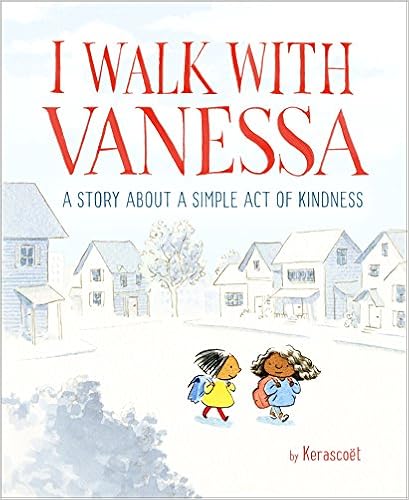
I Walk With Vanessa by Kerascoet

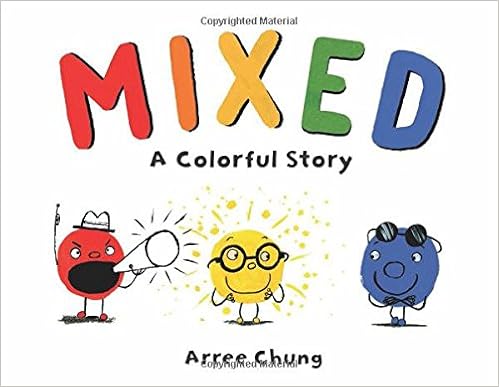
Mixed – A Colorful Story by Arree Chung

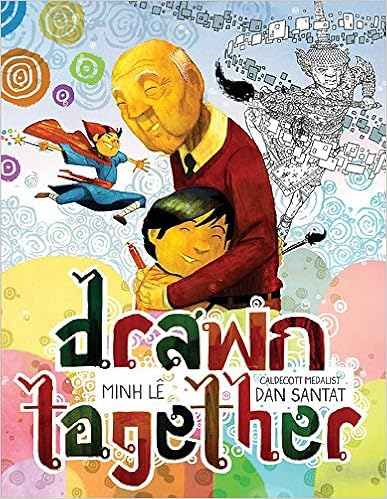
Drawn Together by Minh Le and Dan Santat

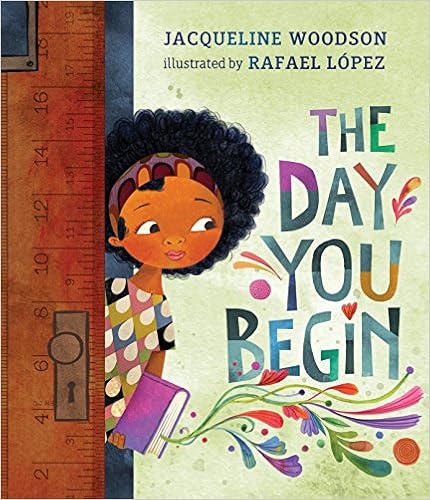
The Day You Begin by Jacqueline Woodson and Rafael Lopez

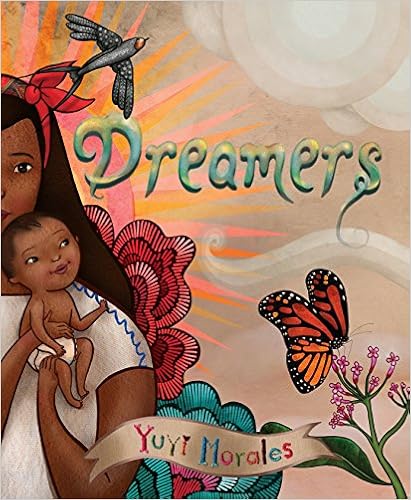
Dreamers by Yuyi Morales

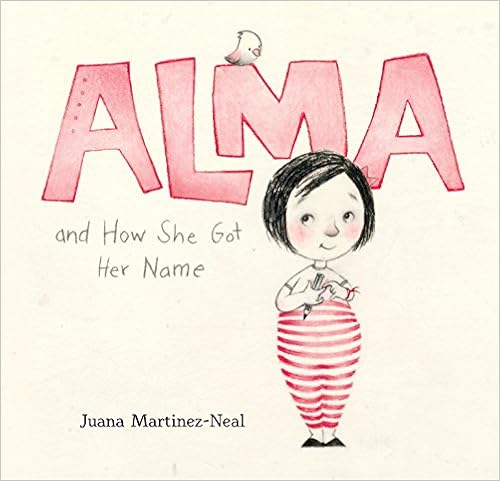
Alma and How She Got Her Name by Juana Martinez-Neal

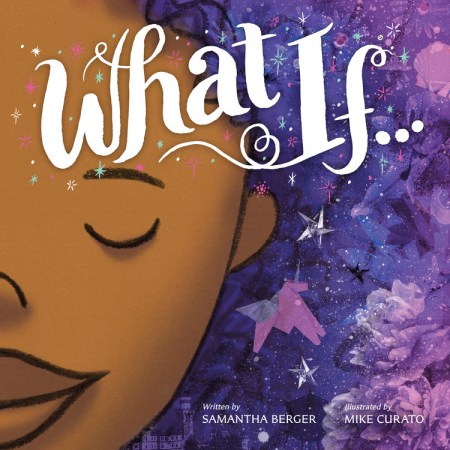
Image result for what if picturebook

What if by Samantha Berger and Mike Curato


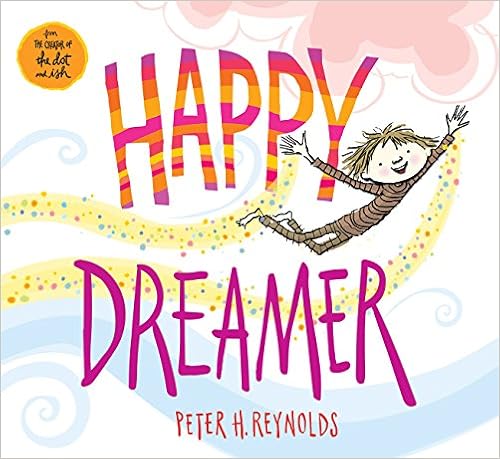
Happy Dreamer by Peter H. Reynolds

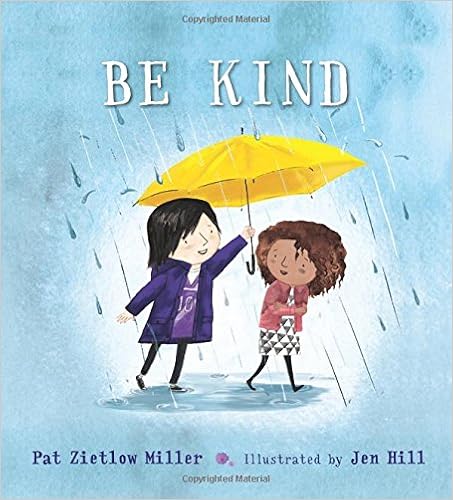
Be Kind by Pat Zietlow Miller and Jen Hill

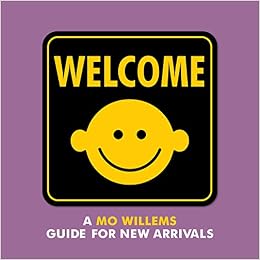
Welcome: A Mo Willems Guide for New Arrivals

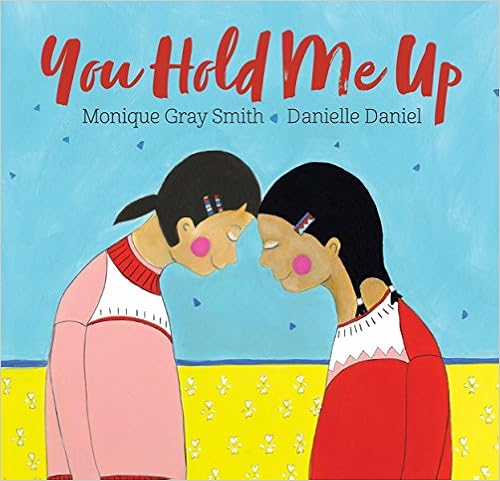
You Hold Me Up by Monique Gray Smith and Danielle Daniel

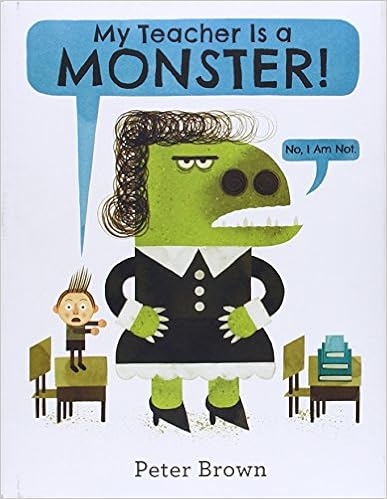
My Teacher is a Monster (No, I am Not) by Peter Brown

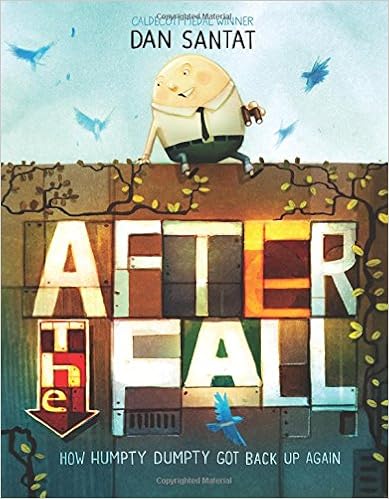
After the Fall by Dan Santat

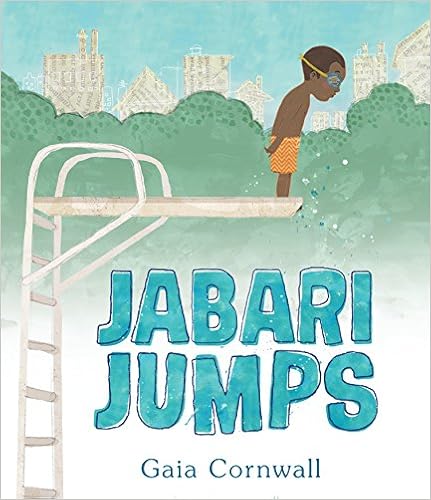
Jabari Jumps by Gaia Cornwall

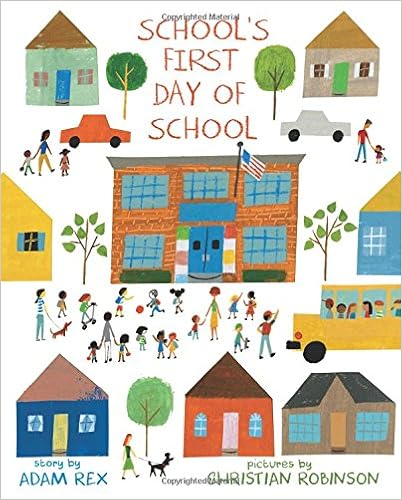
School’s First Day of School written by Adam Rex and illustrated by Christian Robinson

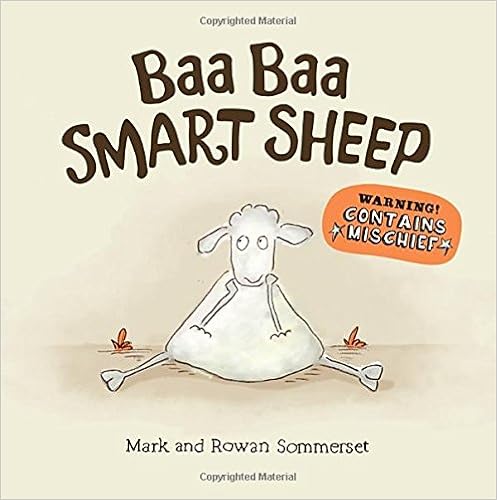
Baa Baa Smart Sheep created by Mark and Rowan Sommerset

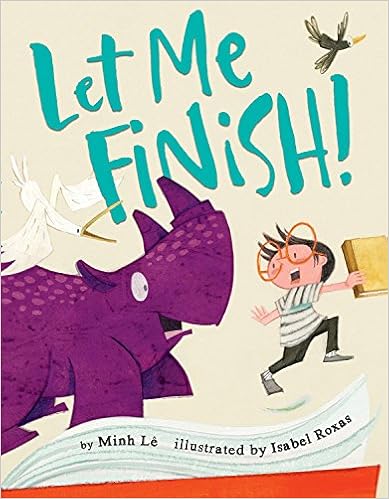
 Let Me Finish written by Minh Le illustrated by Isabel Roxas.


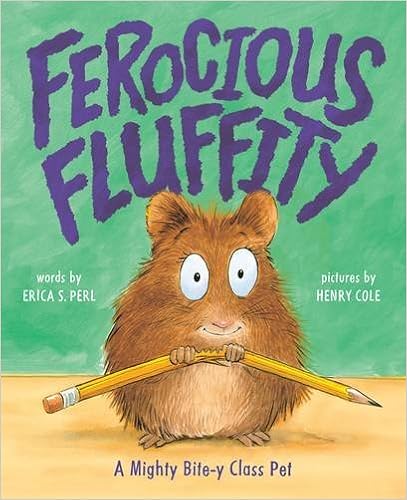
Ferocious Fluffity written by Erica S. Perl and illustrated by Henry Cole

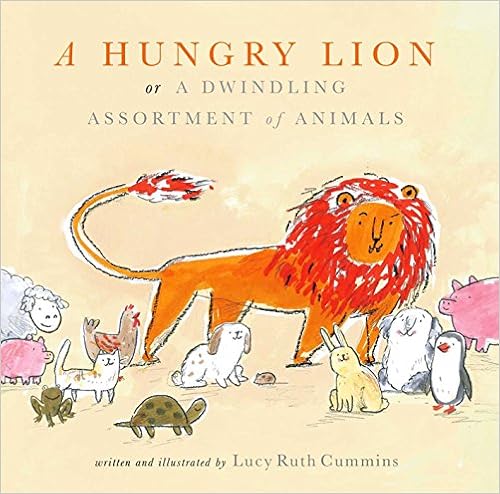
A Hungry Lion or A Dwindling Assortment of Animals by Lucy Ruth Cummins

being a teacher, being me, Reading, Reading Identity

On Not Being a Reader…Yet

35519193_1689581261091480_3868576016733569024_n (1).jpg

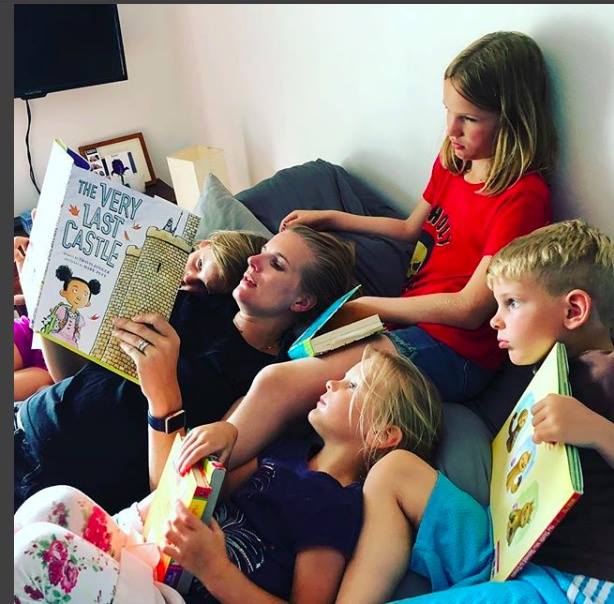
She tells me she doesn’t want to go to first grade.  That she no longer wants to be a first grader.

This child who loves school.

This child who loves her teachers.

This child who has been beaming since the day she realized that after kindergarten came first grade, another year to learn, another year to grow.

And yet, here she is, declaring that for her school is no longer where she wants to be.  So I ask, what changed?  Why not?  And she gets a little quiet, sinks a little bit into my body, snuggles up as if the secret is hard to carry and tells me quietly, “I don’t know how to read…”

Because in her mind, all first graders know how to read.  Because in her mind all first graders know how to look at a book and automatically unlock all of its secrets just like that.  And why shouldn’t she?  Hew twin brother, 21 minutes younger, is already deciphering words, putting letters together to uncover the mystery of the page before him.  Asking me what this word means.  How to spell this word.

And yet she sits in front of a page still working through her letter sounds, trying to remember the foundational blocks before she pieces them together.  She sits in front of a page and instead of seeing opportunity she sees something that she cannot conquer, that she has not conquered, despite now being an almost first grader who supposedly should have conquered it.

I realize that once again, our well-meaning intentions, those benchmarks we put in place to ensure every child is a success has claimed another temporary victim whose self-esteem now relies on a part of her that her brain simply isn’t developmentally ready for.  Because that’s it.  There is nothing wrong with her capabilities.  Nothing wrong with her skills.  Nothing wrong with that smart brain of hers, other than that it is not ready.  Not ready right now, no matter how many district mandates tries to say she should be, but she will be.

And so I wonder how often do we lose kids within our standards?  How often do we add labels because of a rigid system that tells us not only how each child should learn but also when and then lets us decide that a perfectly fine child is now behind.  How often do we, because of outside forces, lose a child’s place in school because a chart, a book, a system, told us that the child was lost.

I will tell you this, much like I told my Ida, she is a reader.  She is a reader who is figuring it out.  She is a reader who is growing.  But more importantly, she is a child.  A child who will read when she is ready.  Who is ready for first grade despite the benchmarks reminders of what she should be able to do.  She is ready and until the first day of school, and for every day after, we will snuggle into bed together with a book, reading the pages together, developing at the pace that was intended.  Not the one dictated by something that will never know the nuances of my child.

If you like what you read here, consider reading my newest book, Passionate Readers – The Art of Reaching and Engaging Every Child.  This book focuses on the five keys we can implement into any reading community to strengthen student reading experiences, even within the 45 minute English block.  If you are looking for solutions and ideas for how to re-engage all of your students consider reading my very first book  Passionate Learners – How to Engage and Empower Your Students.      Also, if you are wondering where I will be in the coming year or would like to have me speak, please see this page.
Be the change, being a student, being a teacher, books, Literacy, Reading Identity

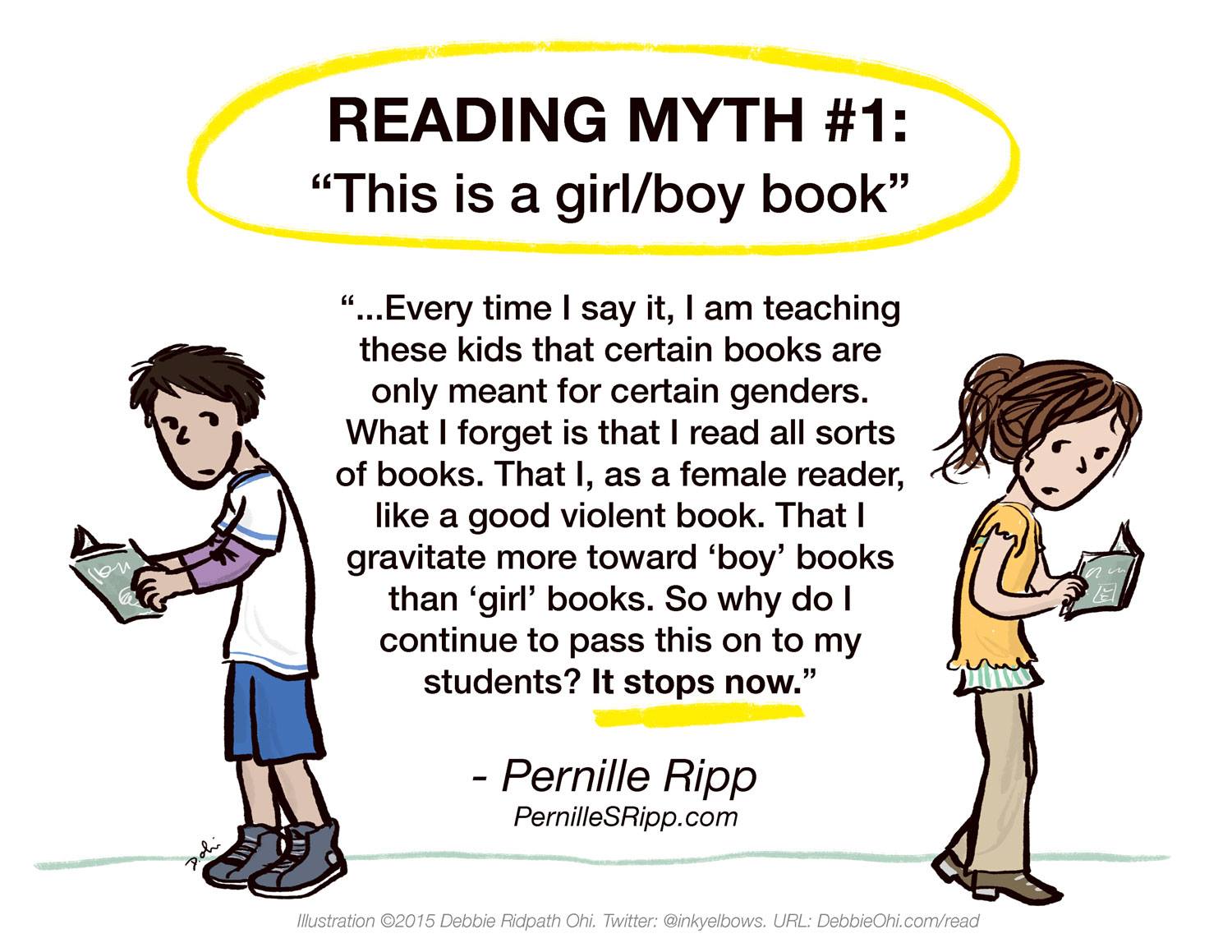
On Boy Books and Girl Books

Image result for pernille ripp boy books

I get asked for a lot of book recommendations, I think it comes with the territory when you share the love of books.  And while I love pairing books with potential readers, I have also noticed a pattern that causes me to pause, that should cause all of us to pause.

I get asked for a lot of books featuring male lead characters for male readers.

When I ask why the need for a male lead, I am often told that “they” just don’t think a boy will read a “girl book.”  That a boy will not like a book about feelings.  That a boy only wants books that have action.  That have other boys in it.  That feature characters that look just like them or at the very least think like them.

As if every single boy thinks alike.

When written like this it is easy to see the problem; when we assume that there is such a thing as books for girls and books for boys, we are continuing a tired and sexist narrative that has only furthered the power inequity that already exists within our society.  We are creating a new generation of mansplaining, of groupthink, of toxic masculinity.  Of girls only liking one thing, and boys liking another.  Of men and women being from different planets.  Of readers being shaped more by their assigned gender than their actual interests.

We are furthering the stereotype that boys don’t like to read about girls because they see little value in what girls do.

We are furthering the stereotype that boys don’t like to read about feelings because they are somehow above all of that.

We are furthering the stereotype of what it means to be a boy which translates into what it means to be a man and not seeing the incredible harm in that.

Because what about the boys that love a good tearjerker?  What about the boys that don’t like sports?  What about the boys that love to experience the emotional development of a character?  What about the boys that love a great female lead character?  What about the girls who don’t fit into the opposite boxes?  Do they not deserve to have books suggested to them, no matter the gender of the protagonist?

And I think of my own children, my three girls and one boy, whose reading interests are as varied as their personalities.  Sure there are Minecraft books being read by Oskar, but not until Thea reads them first.  Sure there are unicorn books with pink sparkly covers being read by Augustine but not until Oskar sees if the unicorn gets rescued first.  I would hate for anyone to assume that they knew who they were as readers based only on their gender.

So when we claim that a read-aloud featuring a female protagonist will likely not catch the attention of our boy readers, we have whittled the male reading identity down to practically nothing.  Males – good.  Sports – good.  Action – good. We have diminished what it means to be a reader who develops with the books they read.  We have diminished what it means to identify as male.  We have diminished their chance to learn from a perspective that may at first seem foreign but in the end may just be more similar than they ever thought.  We have effectively boxed our boys in only to then wonder why they may act a certain way.

How often does this thinking then translate into the very books we recommend to the boys we teach?  To the girls?  How often do our assumptions about their needs as a reader surpass what they actually need?  How often does this translate into the read alouds we choose?  The texts we bless by spending our time on them as a community?

And I realize that I don’t get asked the opposite very often.  That often when I am asked for a recommendation for a female reader, the gender of the protagonist is hardly ever brought up.  That instead the most common descriptor is a strong story development, a story that will hold their attention.  Why do our boys not deserve the same?

So I am wondering if we for once and for all, can we all agree that there is no such thing as a girl or a boy book?  That kids need to be exposed to characters that inspire them, no matter their gender.  That kids need to be exposed to characters that will expand their worldviews and invite them into new worlds that they knew little of before, no matter their gender.  That kids need to be exposed to great books, without us adults thinking that they will only read a certain type of book based on what we see in front of us.

We must give them a chance to experience more than what they are.  Books allow us to do just that, but not if they never read them.  Not if we never recommend them.  That’s on us, which means we can change it, so let’s do that starting now.

If you like what you read here, consider reading my newest book, Passionate Readers – The Art of Reaching and Engaging Every Child.  This book focuses on the five keys we can implement into any reading community to strengthen student reading experiences, even within the 45 minute English block.  If you are looking for solutions and ideas for how to re-engage all of your students consider reading my very first book  Passionate Learners – How to Engage and Empower Your Students.      Also, if you are wondering where I will be in the coming year or would like to have me speak, please see this page.
being a teacher, first day, students

On the First Day of School

White, Black,  Free Image

Sitting next to the ocean on vacation with three feverish children has given me a lot of time to think.  To relax.  To lay puzzles.  Read books.  Take walks.  Recharge.  I wish everyone could have a quiet time like this.

In the quiet, the new school year sneaks in.  Thoughts and ideas spring forth, the excitement starts to build.  There are changes this year once again; only three classes to teach, each 90 minutes long.  New focuses brought in.  New ideas to try.  A sense of urgency that cannot be replicated.  I cannot wait.

And so I think about the very first day of school.  Of the experience, we will have.  Of the things, we will do together.  But most importantly, how I want our students to feel after they leave our classroom experience together. How I would love for them to feel at the end of the day.  Hopefully excited, hopefully intrigued.  Hopefully safe.  Hopefully accepted. Hopefully wanting to come back.

Because when we plan for the first day of school, that’s what we should be planning for; how they feel after they leave us.

Not just all of the things we need to do, but the very tone we set.  Not just all we have to cover,  but the beginnings of the relationships we will create.

And so I plan for a picture book read aloud.  I plan for book shopping.  I plan for conversation, for the beginning moments of community.  I plan for laughter.  I plan for fun.

The stuff?  The projects?  The nuts and bolts of our year together?  That will come.  But on that very first day, it is not what is most important; our beginning relationship as a community is.  And so that’s what we focus on.

Everything else can wait.

How do you want your students to feel after the first day of school?

If you like what you read here, consider reading my newest book, Passionate Readers – The Art of Reaching and Engaging Every Child.  This book focuses on the five keys we can implement into any reading community to strengthen student reading experiences, even within the 45 minute English block.  If you are looking for solutions and ideas for how to re-engage all of your students consider reading my very first book  Passionate Learners – How to Engage and Empower Your Students.      Also, if you are wondering where I will be in the coming year or would like to have me speak, please see this page.