books, Literacy, picture books, Reading

A Few Picture Books to Celebrate Women’s History Month

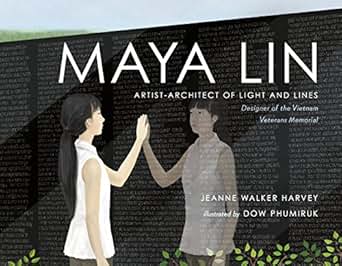
Last week, before the calendar switched to March, I changed our book displays in our classroom. Not because we stop celebrating Black history and excellence but because we wanted to add the component of females in history.

I was asked if I would share my list here, and while I don’t mind sharing it, I will say that it has holes. While I wanted to showcase an inclusive mix of picture books, I am still adding picture books that go beyond the well-known stories. I feel like there are many unknown women whose picture books are not on our shelves at the moment, so I am working on finding these for the future. I also want to continue to work on including more indigenous or First Nation stories, as well as stories of women who defy the narrow definition of their gender.

So what is gracing our shelves right now?

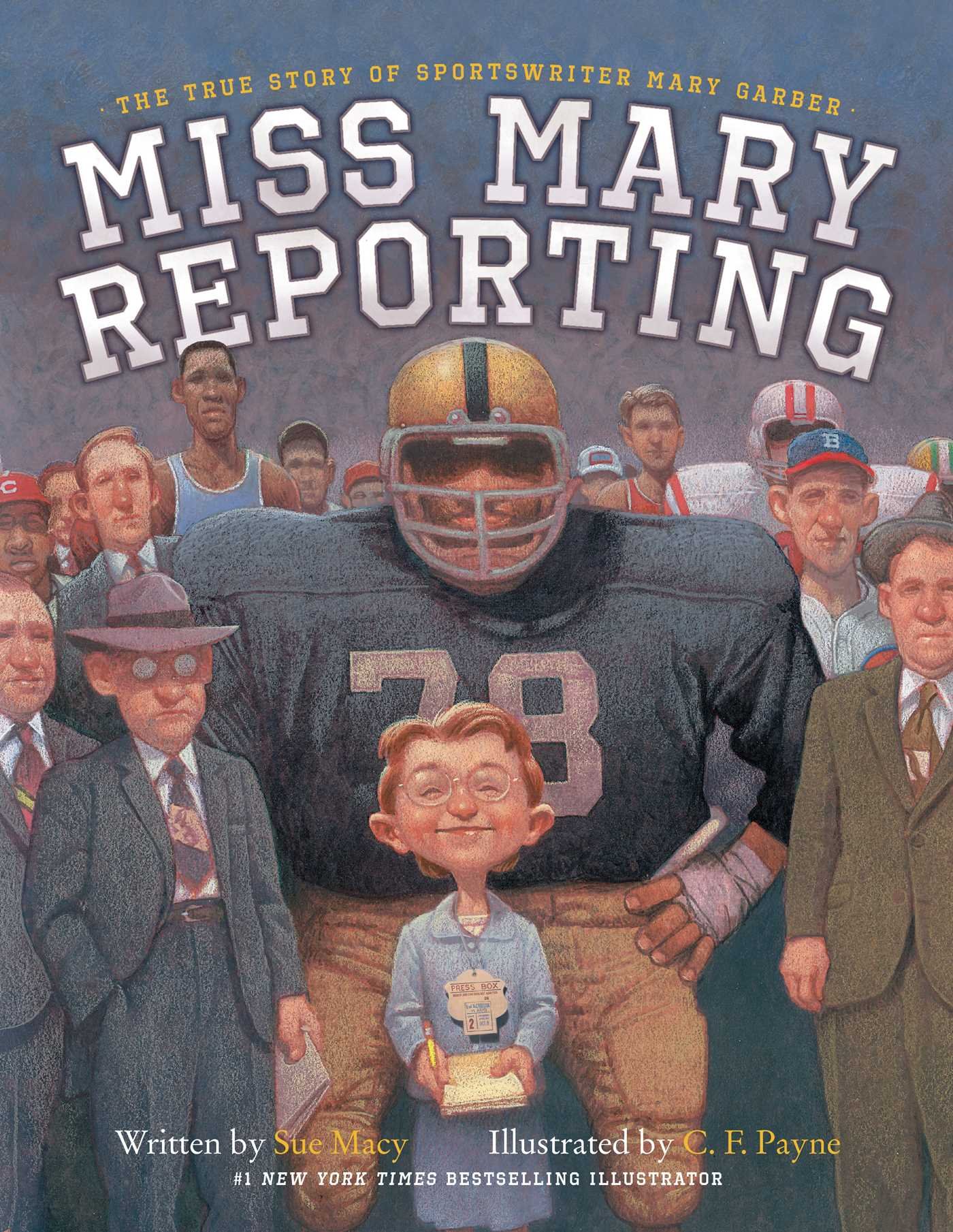
Image result for miss mary reporting
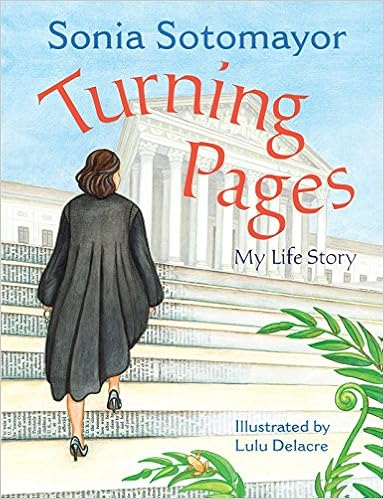
Image result for turning pages
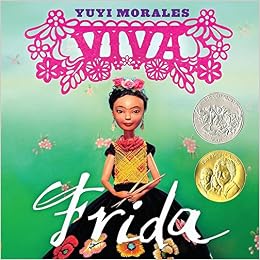
Image result for viva frida
Image result for game changers picture book
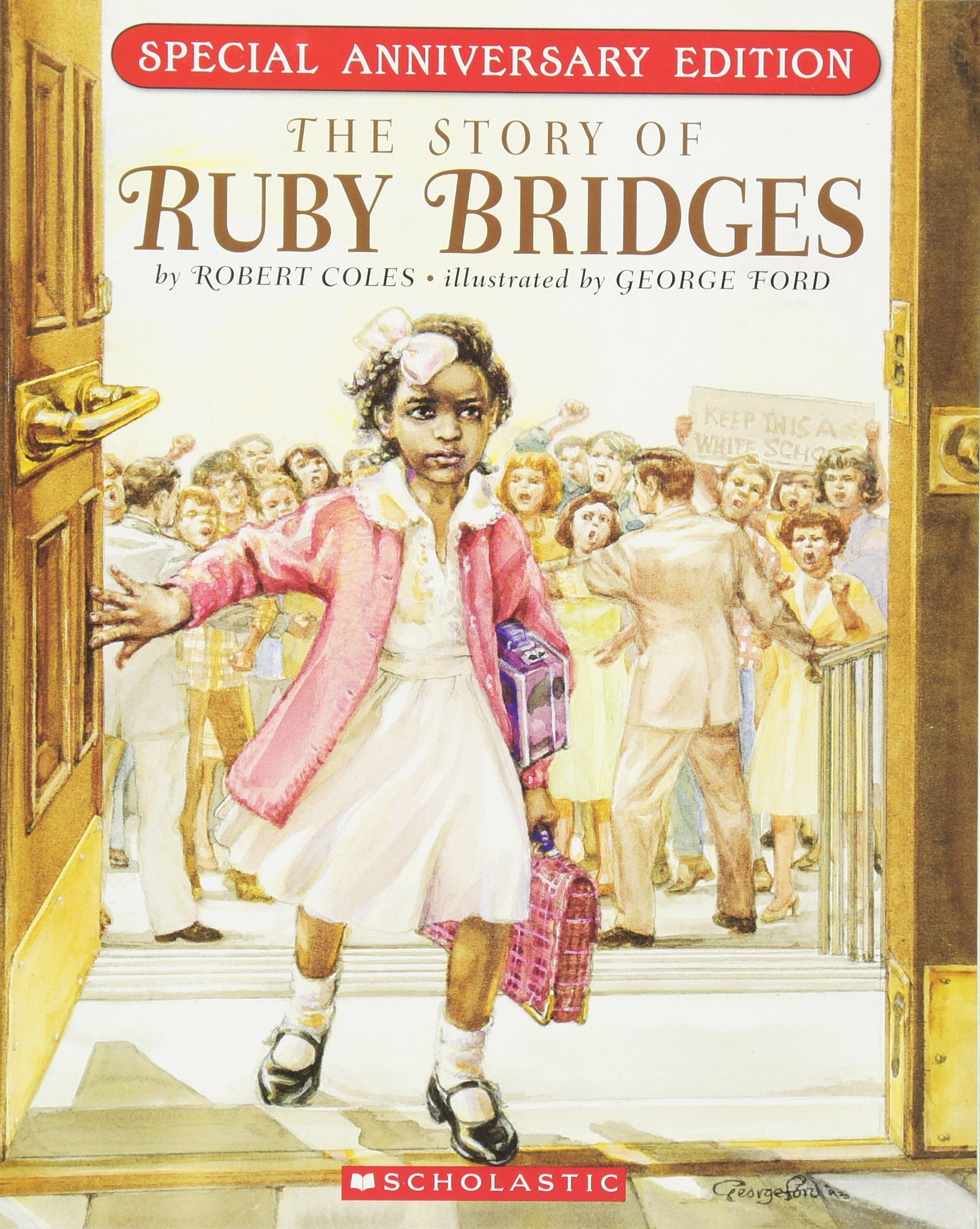
Image result for ruby bridges book
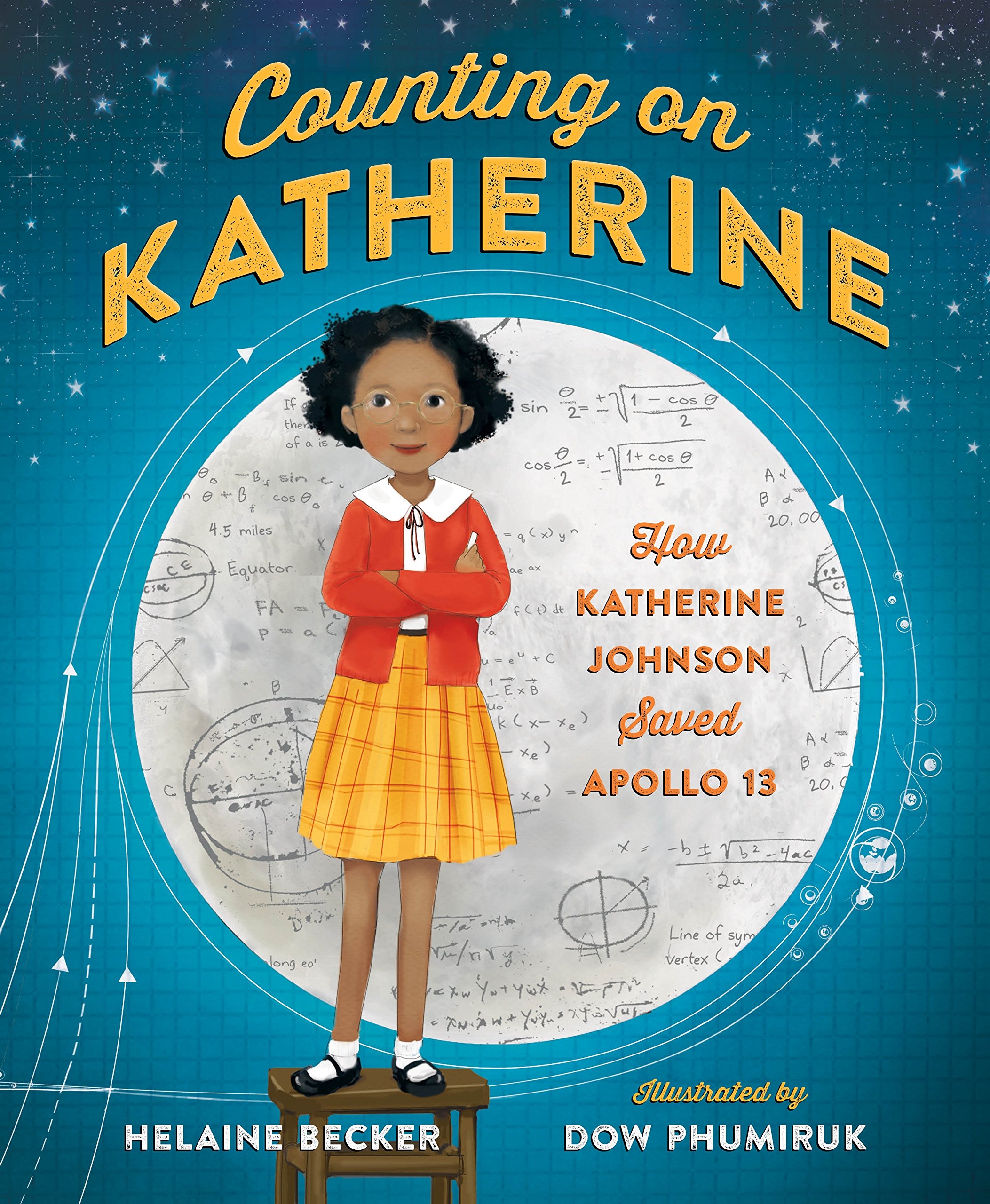
Image result for counting on katherine
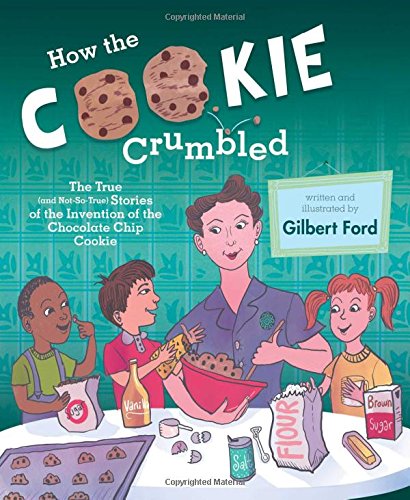
Image result for how the cookie crumbles
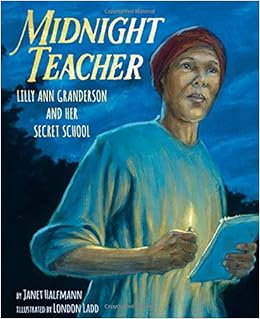
Image result for midnight teacher
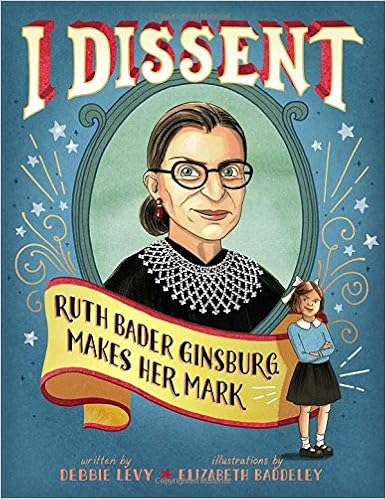
Image result for i dissent
Image result for so tall within
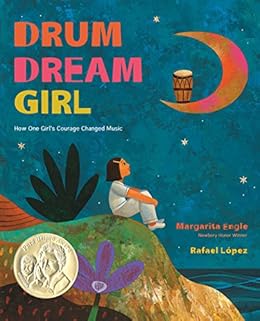
Image result for drum dream girl
Image result for one plastic bag
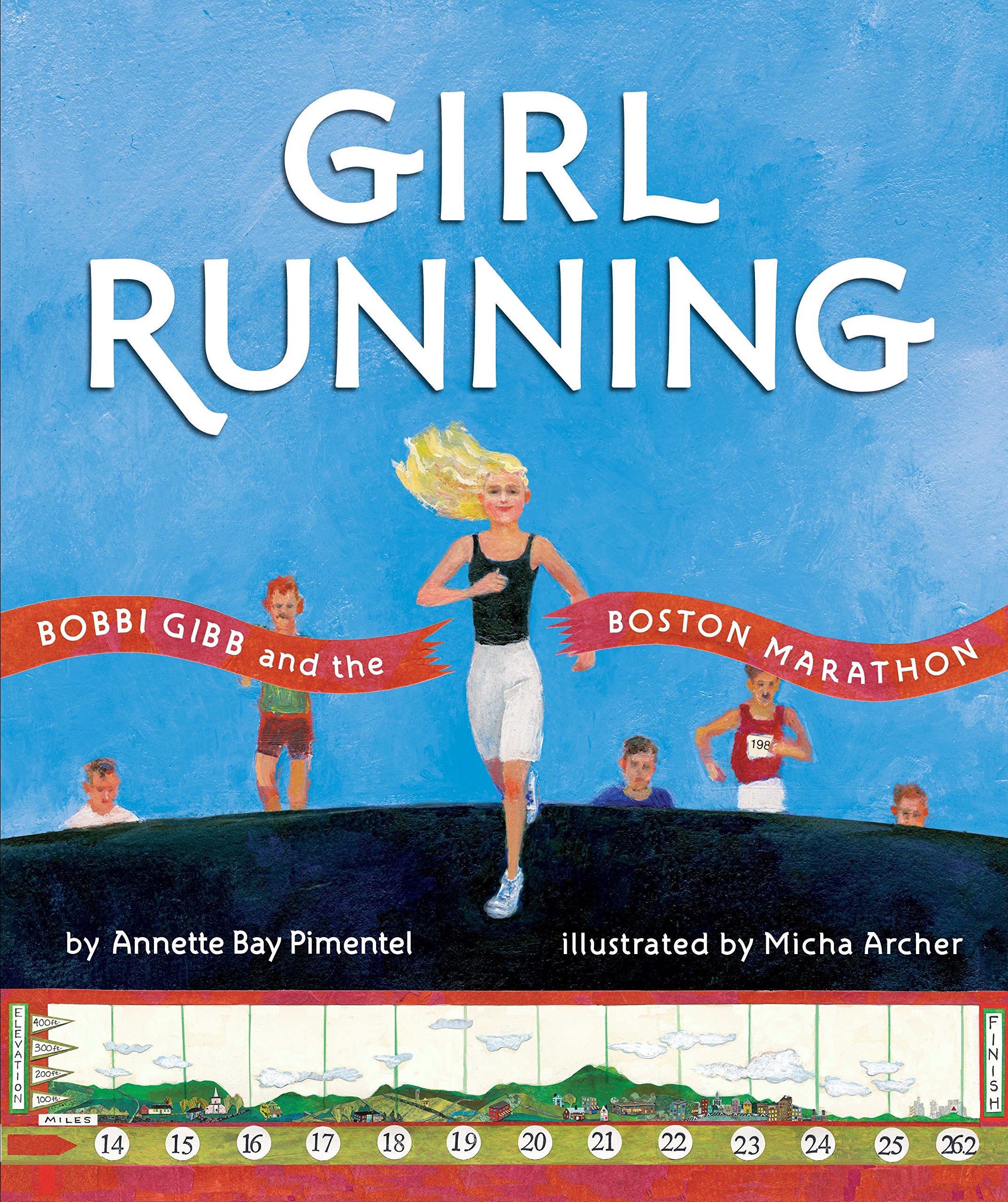
Image result for girl running picture book
Image result for danza picture book
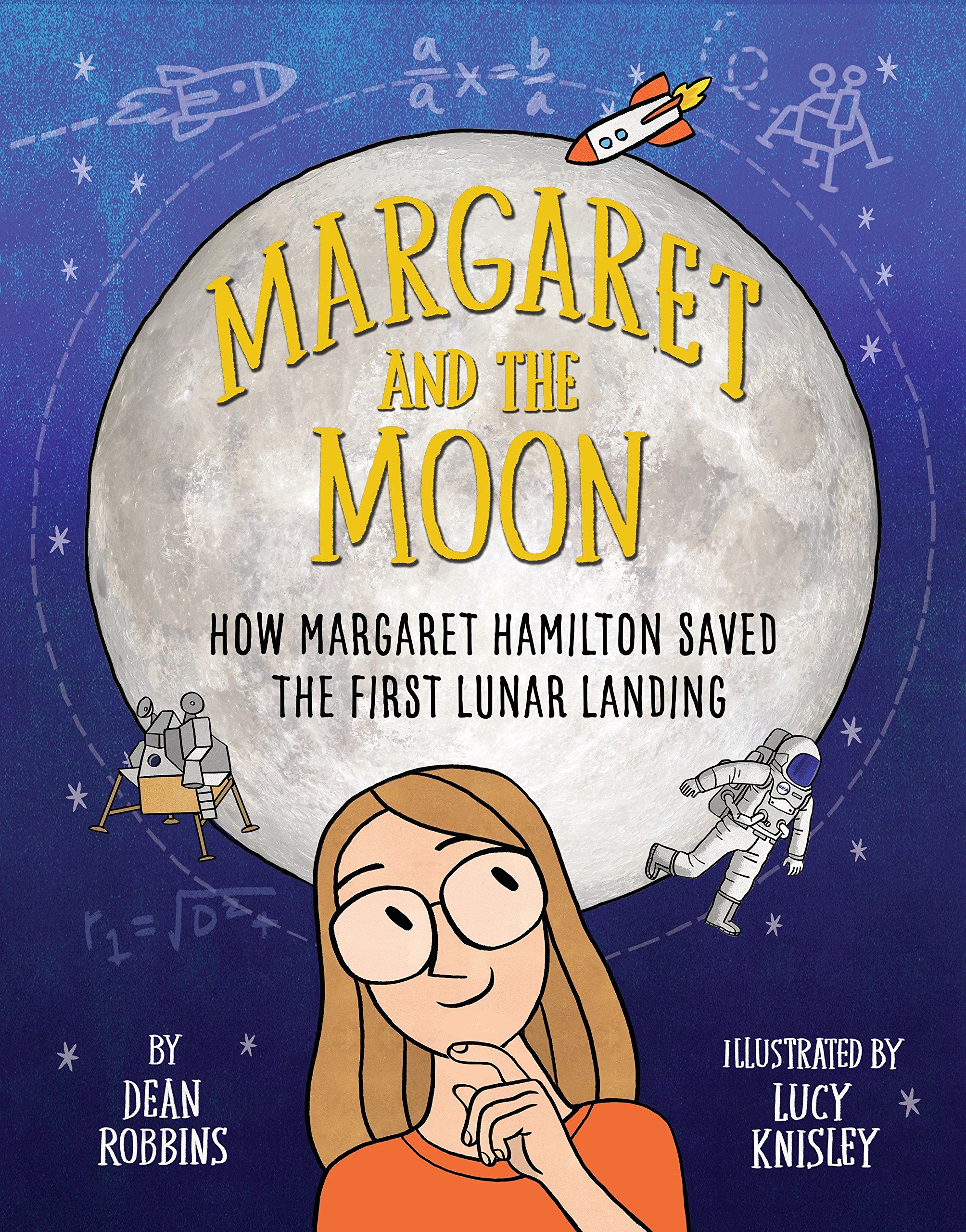
Image result for margaret and the moon
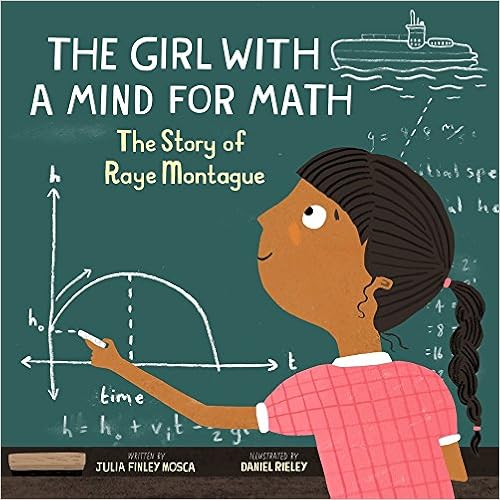
Image result for a computer called katherine
Yup – two books about the incredible Katherine Johnson
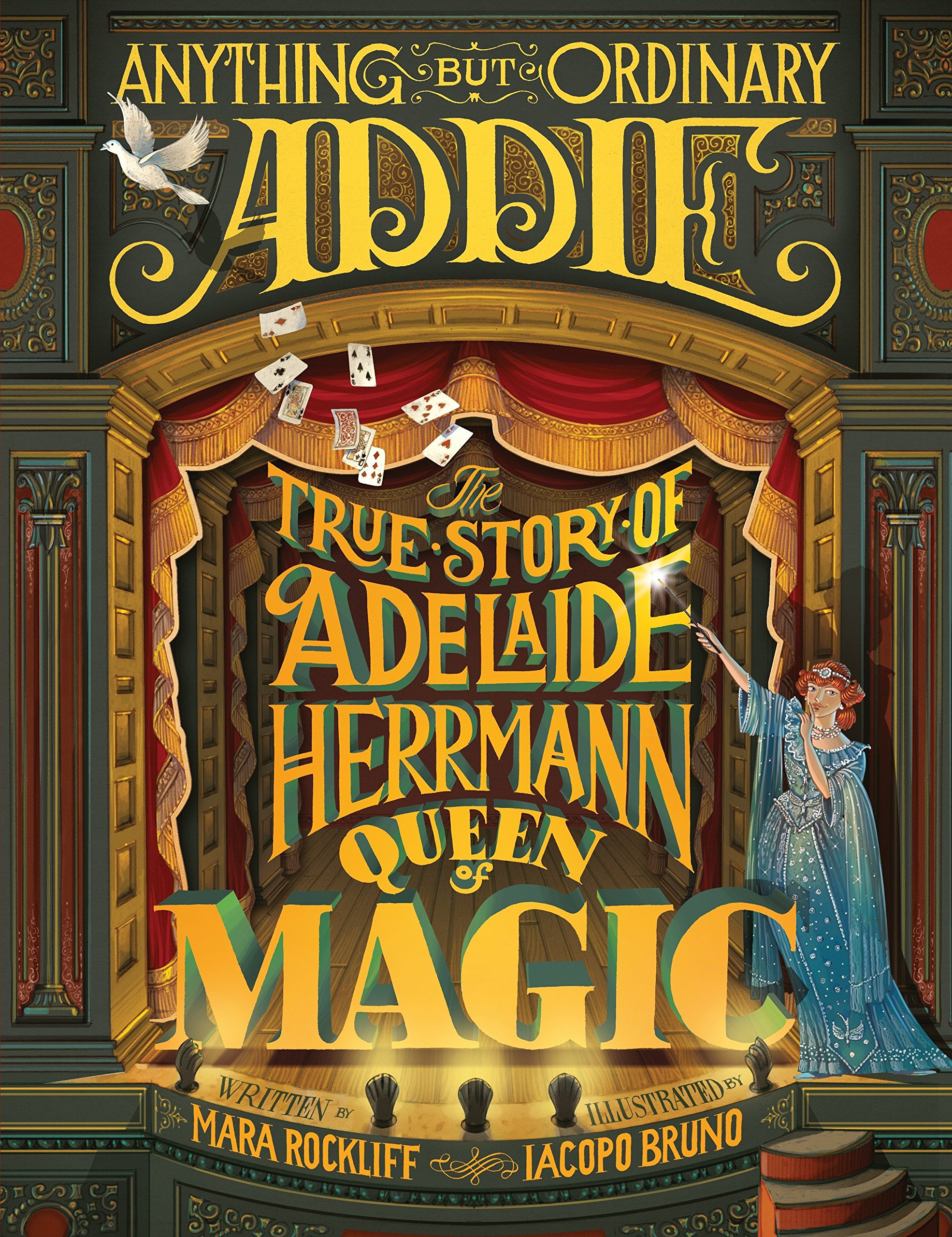
Image result for anything but ordinary addie
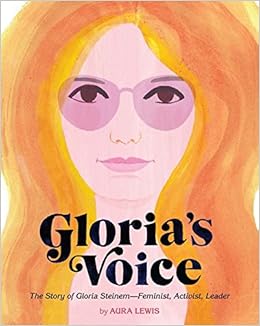
Image result for gloria's voice
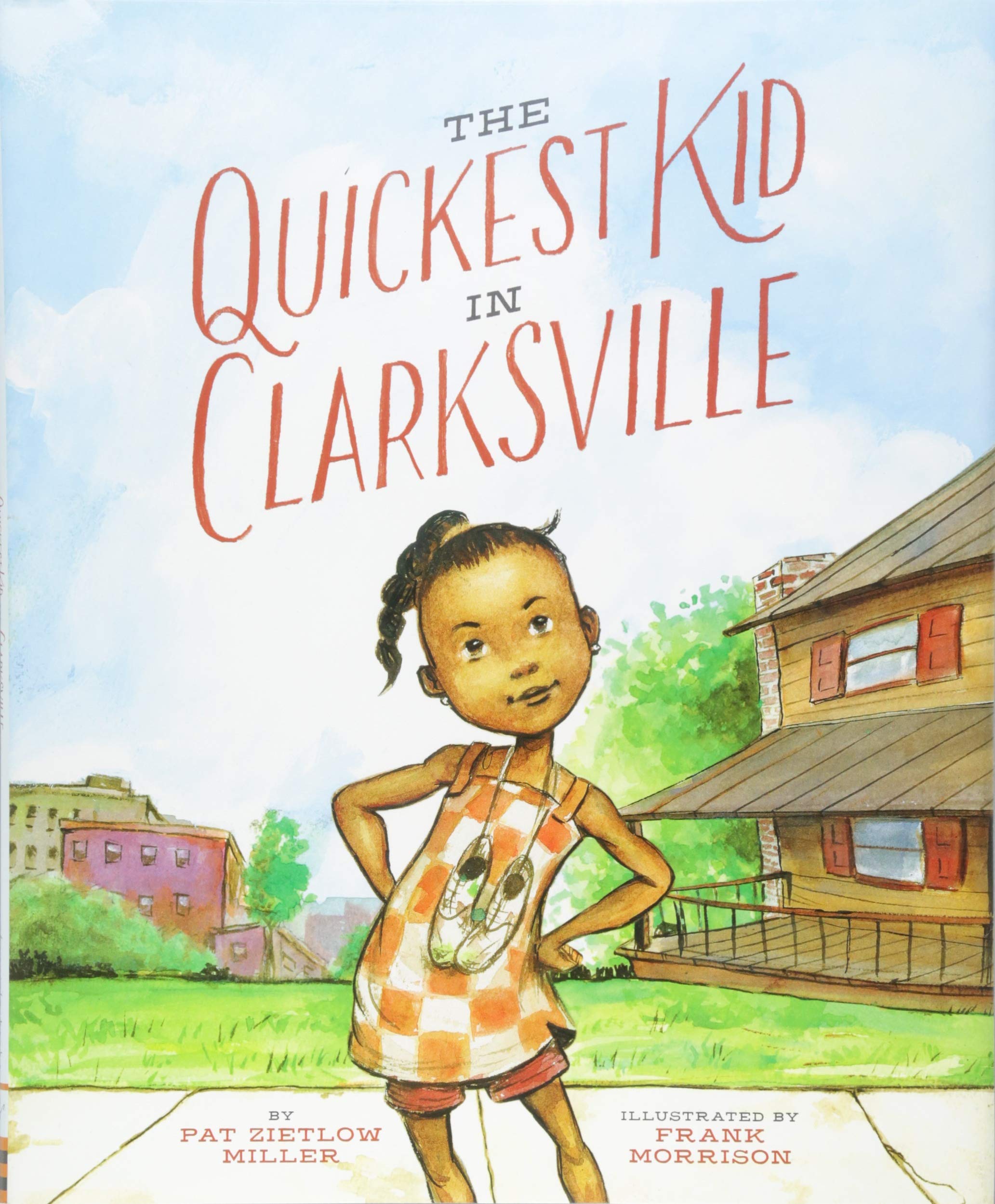
Image result for the quickest kid in clarksville
Technically not nonfiction but it introduces/reminds students to Wilma Rudolph
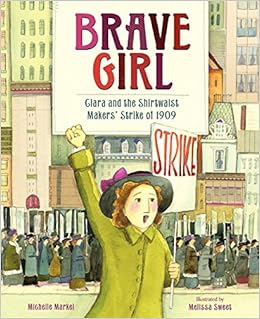
Image result for brave girl
Image result for the world is not a rectangle
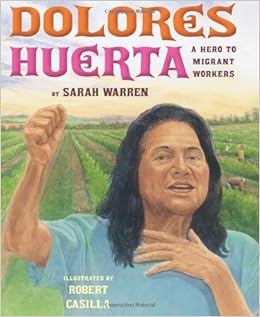
Image result for dolores huerta picture book
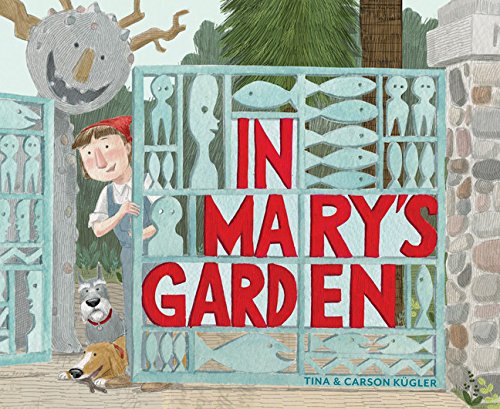
Image result for in mary's garden
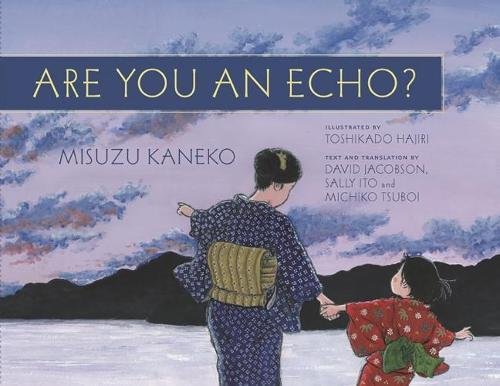
Image result for are you an echo


Image result for wilma's way home
Image result for mama africa picture book
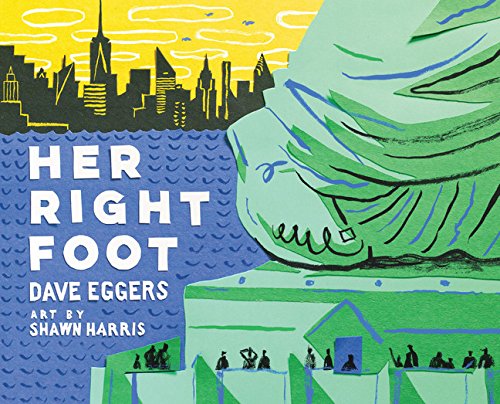
Image result for her right foot
Technically not a person
Related image
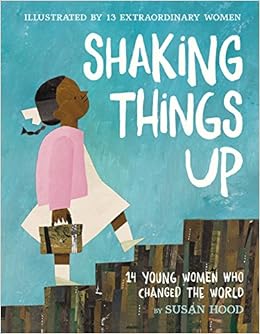
Image result for shaking things up
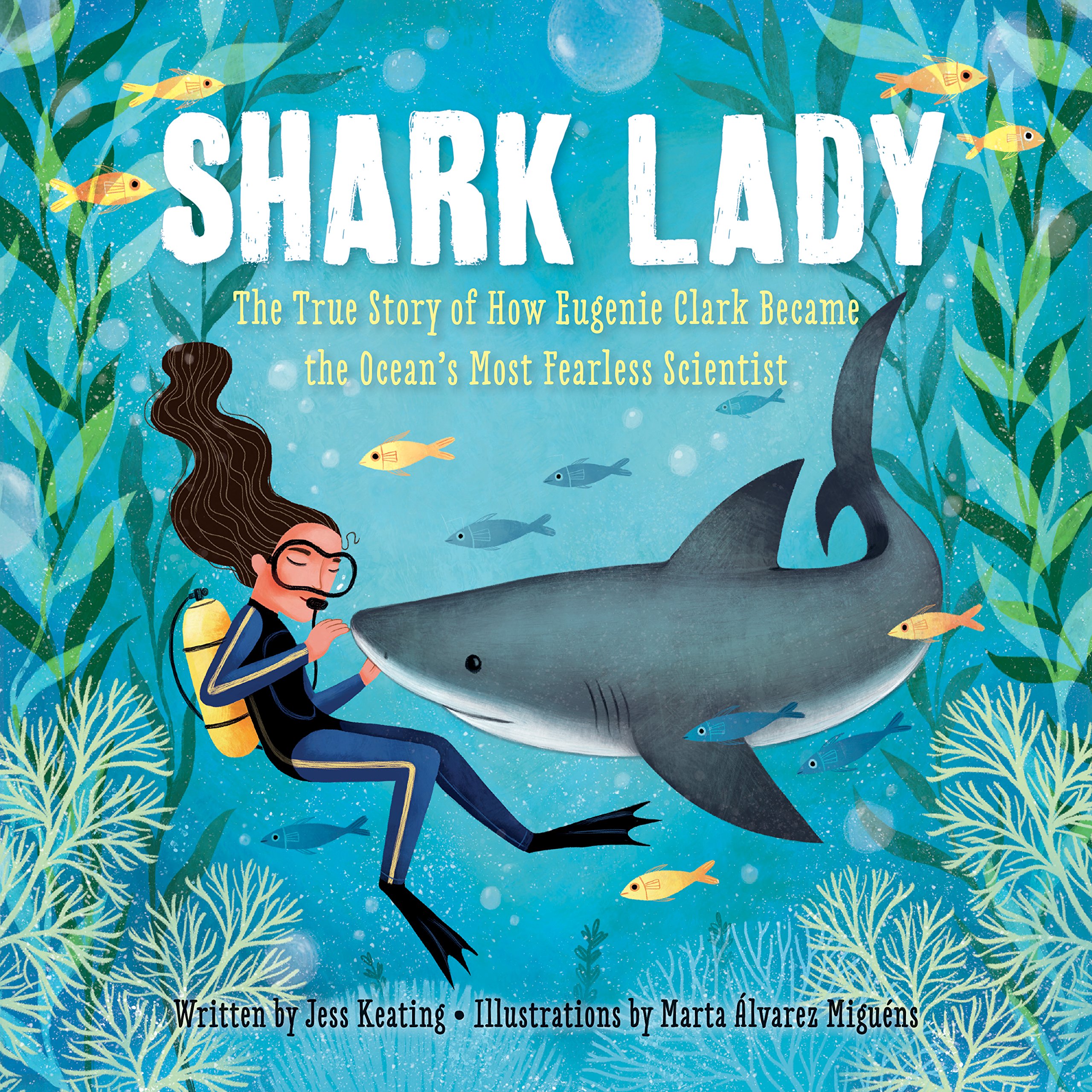
Image result for shark lady picture book
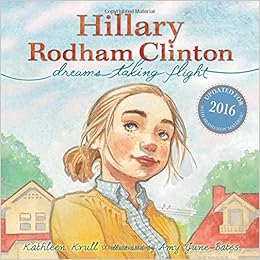
Image result for hillary rodham clinton picture book
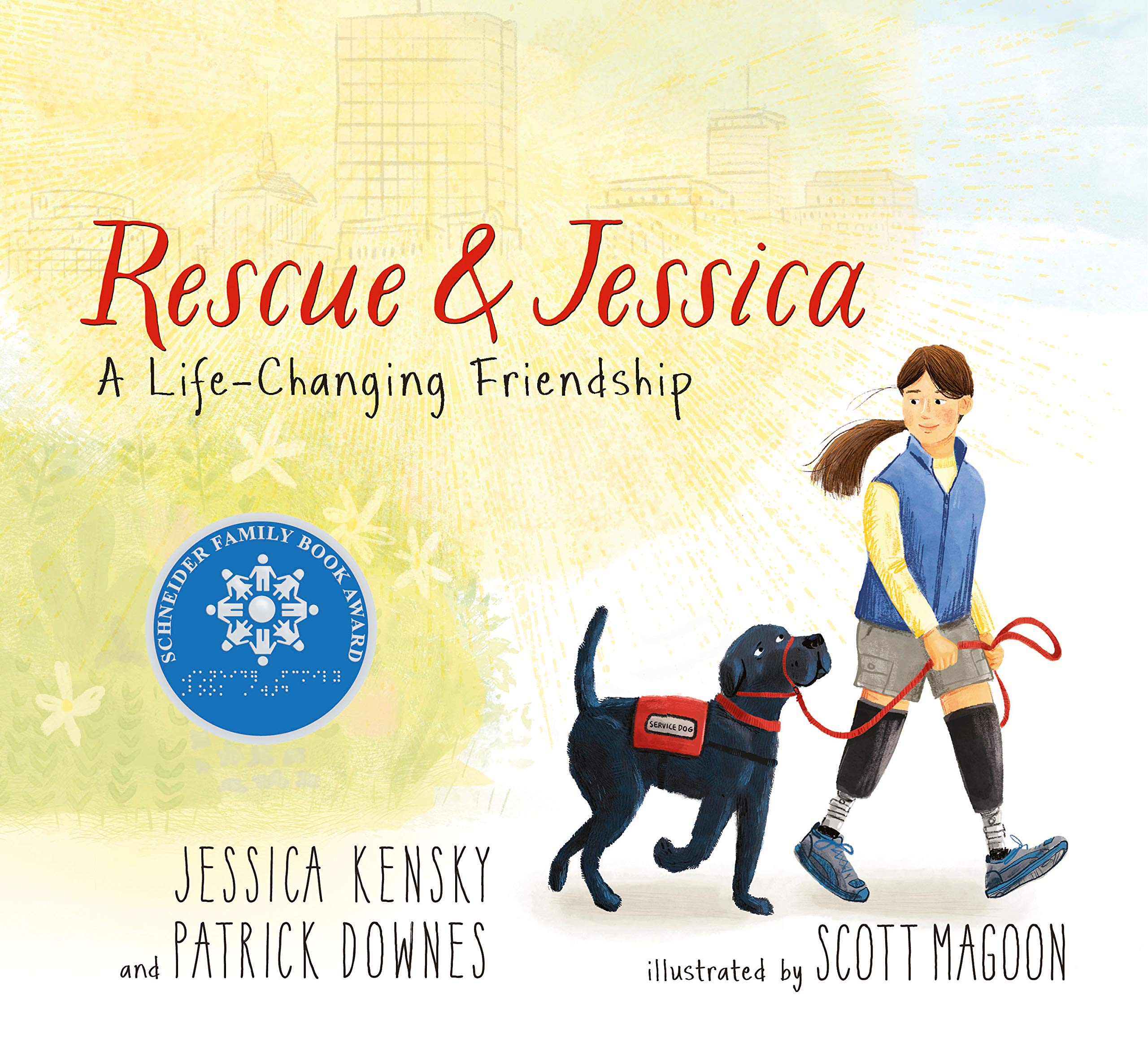
Image result for rescue and jessica
Image result for heather has two mommies
Technically not nonfiction but representation matters as far as stories
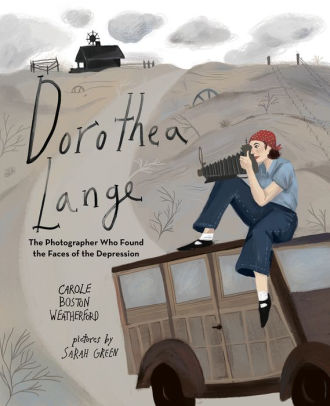
Dorothea Lange: The Photographer Who Found the Faces of the Depression
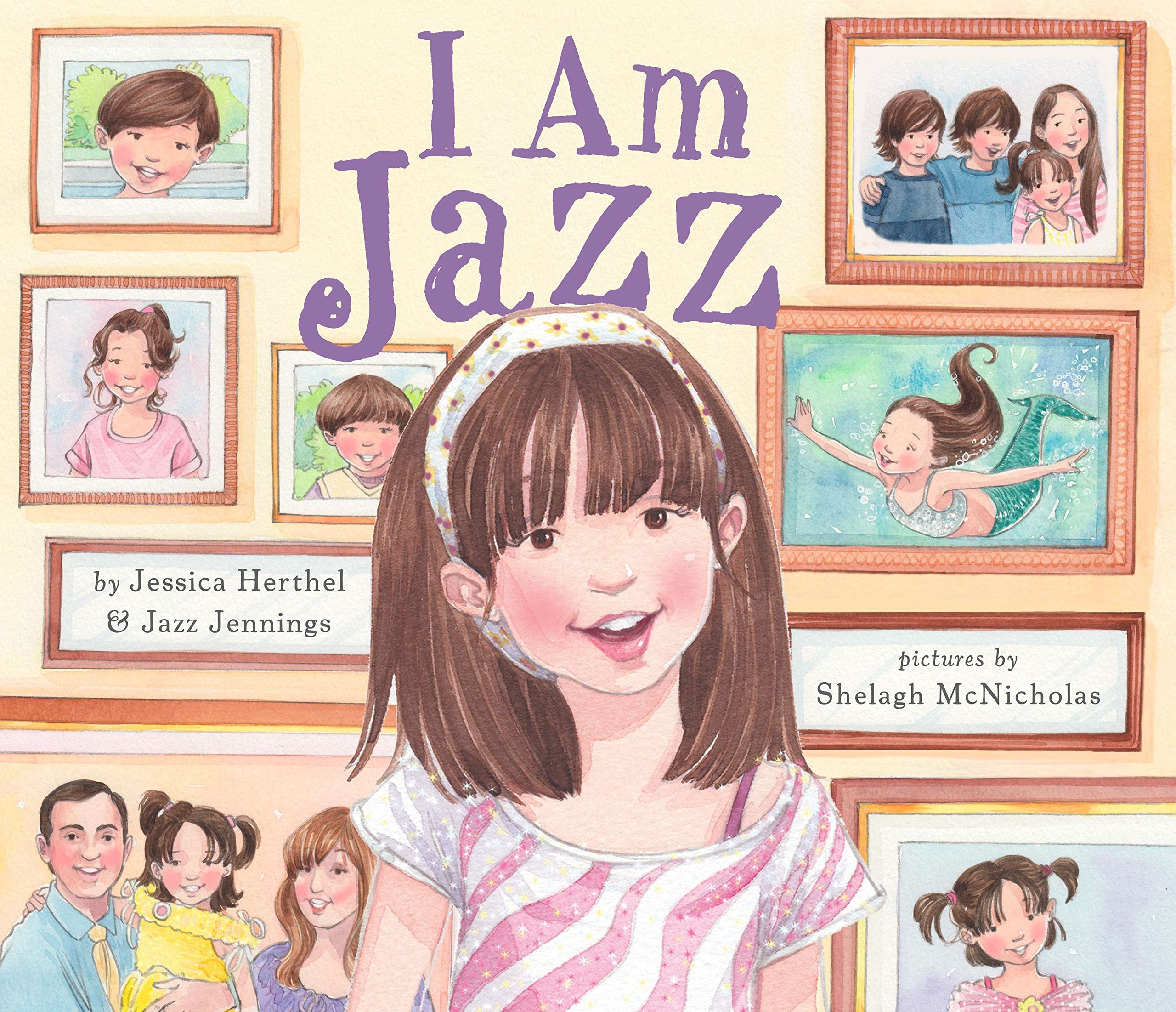
Image result for i am jazz picture book
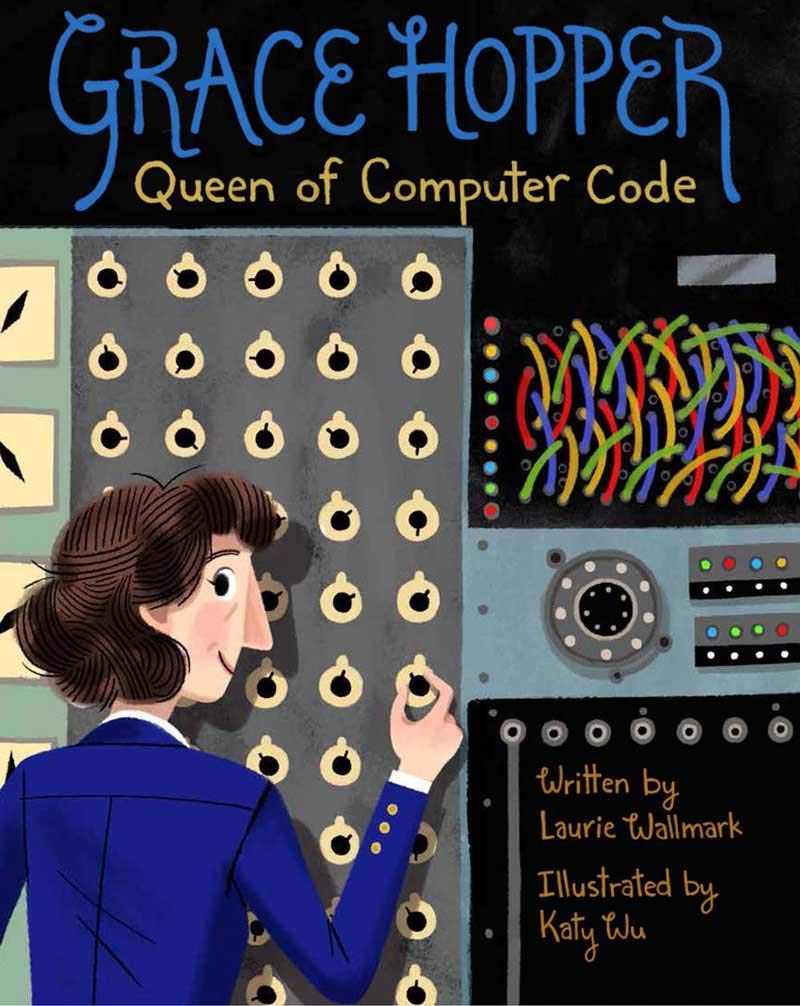
Image result for grace hopper picture book
Image result for malala picture book
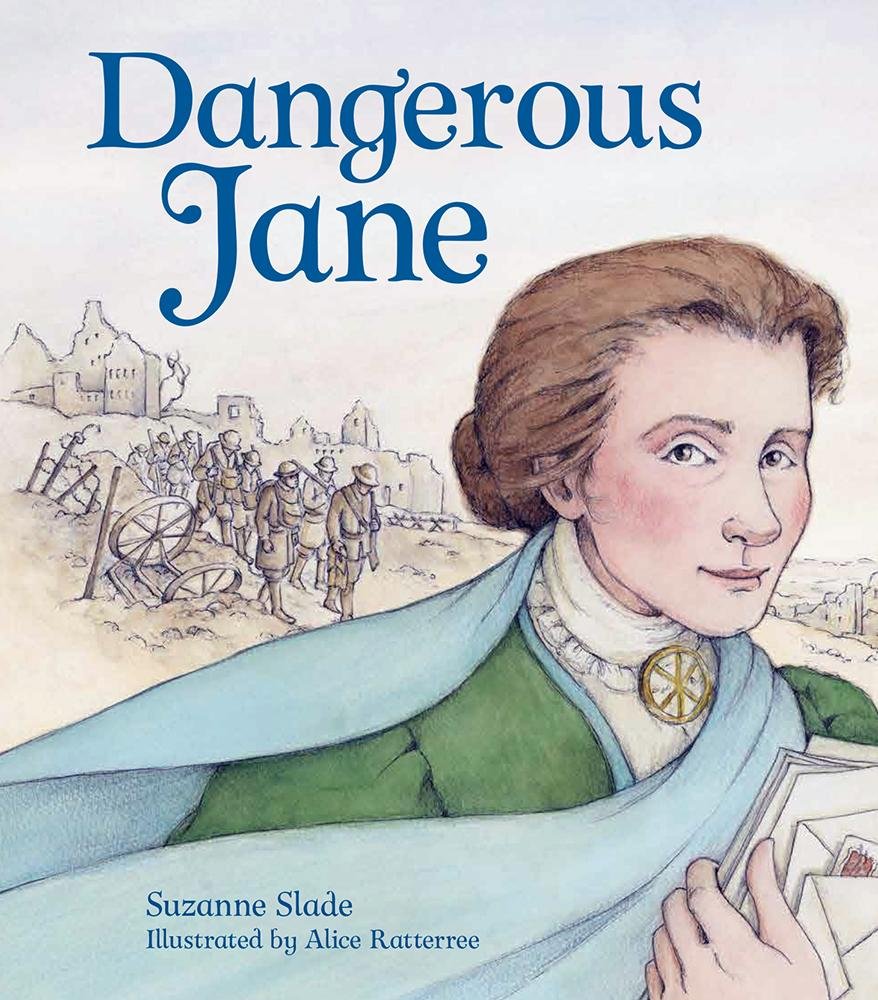
Image result for dangerous jane
Image result for ada lovelace poet of science
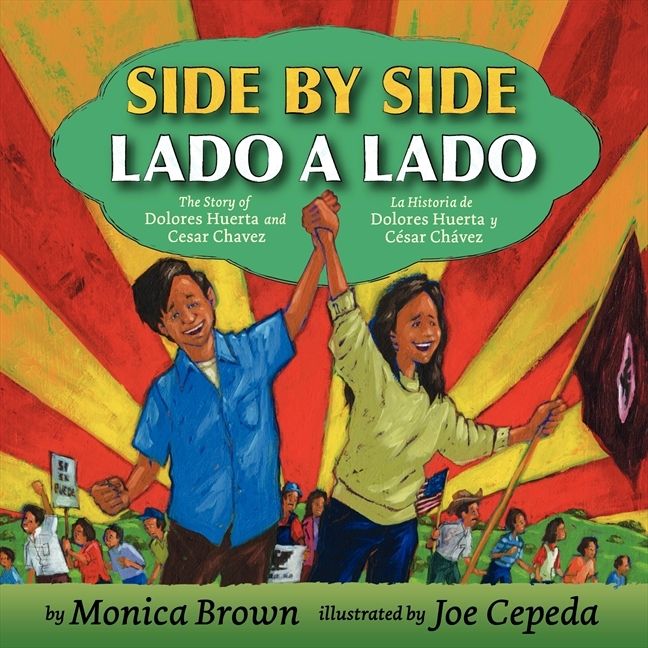
Image result for side by side lado a lado
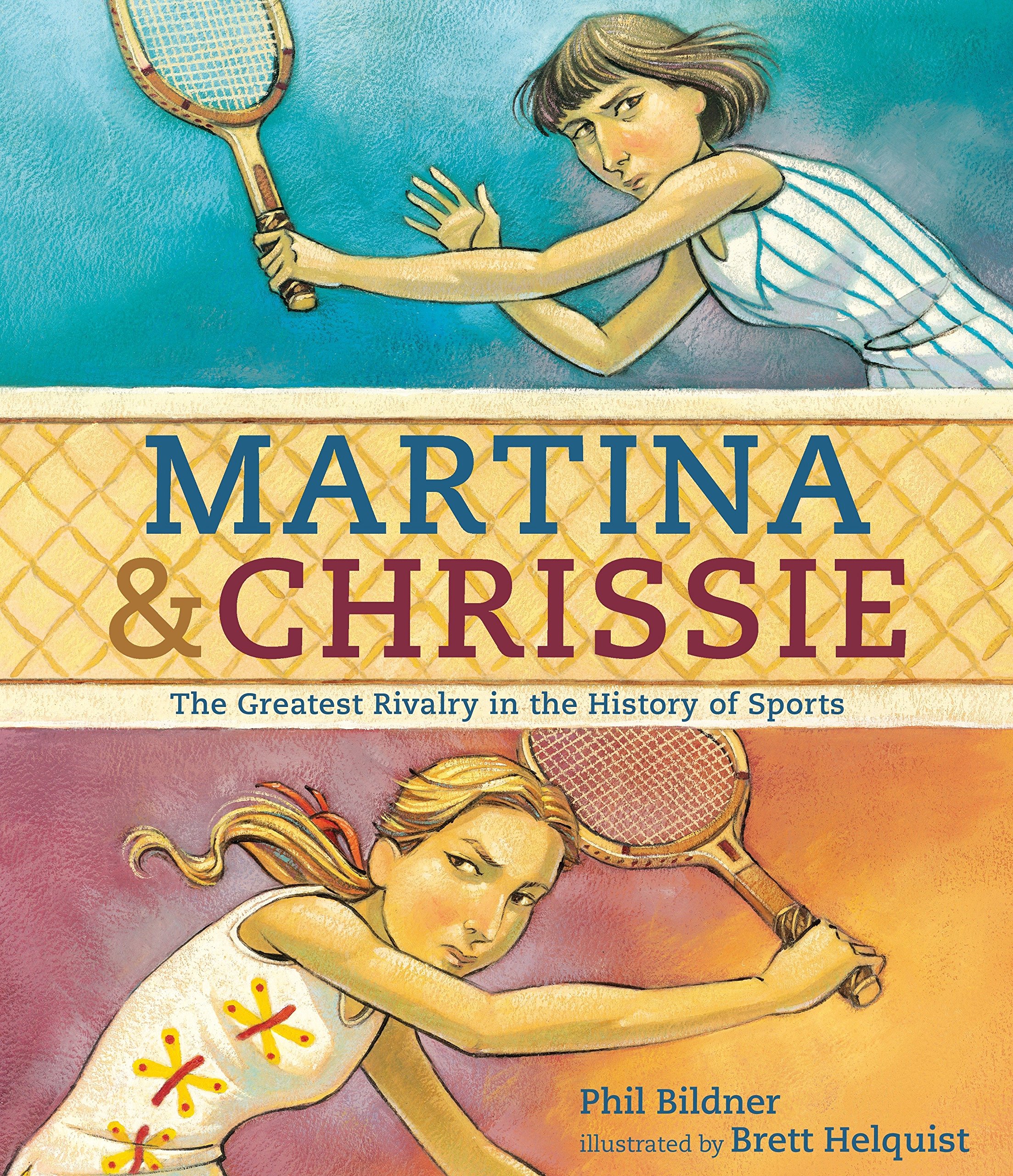
Image result for martina and chrissie

By no means is this an exhaustive list. We also have some of the picture books left out from last month that feature courageous women. If I had more space, I would have any more. Which are your favorite picture books for March?

being me

To the Moments

This is not a revolutionary post. One that will echo through our chambers as it brings forth the message of new. This is not radical, nor groundbreaking, but instead a gentle reminder to the world at large of what the small things can really do.

That when we take a moment, the moment, to say thank you, to acknowledge, to praise, the ripples that emanate may just one day turn into waves. May make the difference between a child who felt school was unsafe now is a place for her after all.

That when we go out of our way, come back to the way, of what it means to see how a child is trying, how a child is doing, what a child wants to be, we may just remind them that they are, indeed, all we need them to be.

So this is a thank you to the smiles and the hi’s. To the people who stand outside their classrooms, their offices, their schools and busses and every day greet the people with the loudest hello they can.

To the notes and the postcards, to the gotcha’s, and high fives. To the praise that matters and the shoulders that carry. To the scoot in’s and scoot overs. To the “Are you ok’s?” “I got this” and “Any time…” To the hugs, the goodbye’s, the thank you’s and taking the time. Every time. Any time.

A thank you to the quiet moments and the not so quiet. To the questions, the laughs, the aha’s and uh-oh’s.

But most of all, thank you to the people who saw our daughter for everything she was and not everything some wanted her to believe. Today, through your recognition, she started to believe it a little bit more, that she, too, is somebody worthwhile. Today, she saw for the first time in a really long time, what we have never lost sight of. A kid that matters. A kid that matters to others. A kid that is somebody.

assessment, assumptions, grades, No grades, Personalized Learning

Using the Single Point Rubric for Better Assessment Conversations

A few years ago, I read the following post discussing single-point rubrics from Jennifer Gonzales on her incredible blog Cult of Pedagogy. The post discussed the idea of using a single-point rubric for assessment rather than the multi-point rubrics I was taught to use and how they were not only easier to create, but also offered up an opportunity for students to understand their assessment in a deeper way. Intrigued, we started tinkering with it over the last few years as an English department, developing our process as we went. The other day, I realized that I have never shared that work on here and thought that perhaps if someone had missed Jen’s post or was wondering what this looks like implemented, a blog post may be helpful.

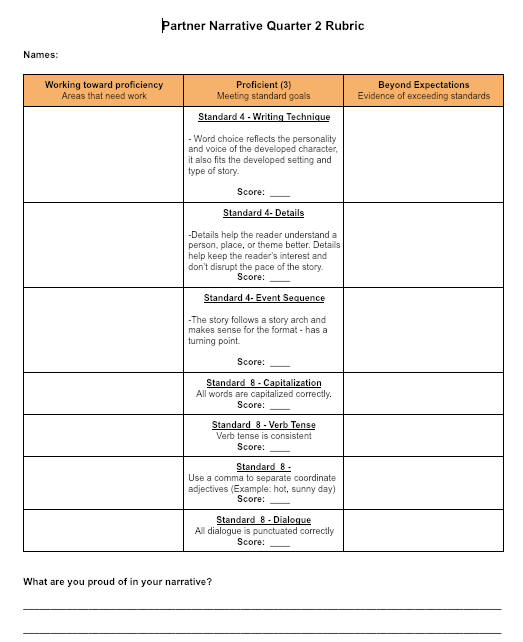
So first of all, what does a single-point rubric look like? Here is an example of one we used with an assessment after finishing the book Refugee for The Global Read Aloud.

We operate on a 1-4 standards-based assessment system, so the difference between multi-point and single-point is the descriptive language found for each score. Where under a multi-point rubric you would fill in the description for 1 through 4, with a single-point rubric you just focus on what you would expect an at grade-level product to contain. This is what sets it apart in my mind; it allows us to focus on what we are specifically looking for and recognizing that students don’t always fall into the other categorizations that we set, no matter how much we broke them down.

This is one of the major reasons why I have loved using single point rubrics; it allows me to leave more meaningful feedback for students when they are either not meeting the grade-level target or are exceeding it. Rather than trying to think of all of the ways a student may not be at grade-level, I can focus on what would place them there assessment-wise and then reflect on when they are not. This has allowed me to leave more meaningful, personalized feedback, while also really breaking down what at grade-level thinking contains.

So what is the process for creating one?

  1. Determine the standards or learning targets that will be assessed. Students should be a part of this process whether through discussion and creation of the rubric or at the very least seeing and understanding the rubric before anything is turned in, after all, we want students to fully understand what we are trying to discover as far as their learning.
  2. Once the standards have been determined, decide what “at grade-level” understanding will contain. While the rubric shown above shows only one box per standard, sometimes our rubrics are broken down further within the standard in order for students to see exactly what it is we are hoping to see from them. (See the example below).
  3. Discuss with students if you haven’t done so already. Do they understand what at grade-level understanding looks like and what it contains? Is the rubric a helpful tool for them to take control of their learning? If not, go back to the drawing board with the rubric.
  4. Add reflective questions for students so that their voice is heard and further ownership is created over the learning process. This is important because too often assessment is something that is done to students rather than a process that allows students to fully see what they are able to do independently, as well as set goals for what they need to work on.
A few reflective questions – to see the original rubric, go here

Using the single-point rubric is a breeze for me compared to the multi-point rubric. First of all, it takes less time to create because we really just focus on that “at grade-level” understanding. Secondly, and this is the big one for me, it allows me to deeply reflect on why my gut or the rubric is telling me that a child is not showing “at grade-level” understanding or above it somehow. I have to really think about what it is within their understanding that moves them into a different category. One that is not limited by the few things that I could brainstorm before I saw their work. I then have to formulate that into written or spoken feedback in order to help that child understand how they can continue to grow. This allows our assessment conversations to change from grades to reflection.

Tips for implementing:

  1. Discuss it with students before using it the first time. Our students had not seen a rubric like this before and so we took the time to discuss it with them before we used it. This would happen for any assessment rubric, but it took a little bit longer because it looked different.
  2. Set the tone for assessment. I have written extensively about my dislike of grades and how I try to shift the focus, and yet I work within a system that tells me I have to assess with numbers attached to it. So there are a few things that need to be in place with the biggest one being the ongoing conversation that assessment is a tool for reflection and not the end of the journey. This is why students always self-assess first in order to reflect on their own journey and what they need from us. This can be messy in the beginning but through the year it gets easier for students to accurately reflect on their own journey and what they need to grow. They then hand that to me in order for me to look at their work and then it culminates in a final discussion if needed.
  3. Break it down. It is easy to get caught up in too many things to assess, using the single-point rubric has allowed us to focus in on a few important things. This is important so that students can work on those skills specifically rather than feel overwhelmed by everything within the process.

What do students think?

Our students seem to like them, or at least that is what they say. They understand mostly what they are being assessed on and they understand the feedback that is given to them. Having them self-assess and reflect prior to our assessment is also huge as it shows students that they are in charge of their assessment and their growth and that we want them to fully invest in their learning. It gives them an opportunity to see how they are growing and what their next step is before I add my opinion in there. This can also help reduce the “shame” factor that is sometimes associated with grades. When we discuss repeatedly with students that there is nothing wrong with being below grade-level and instead let the assessment guide us to the next steps, it shifts the assessment process, as well as the internalization of grades.

Overall, the single-point rubric has been another tool that allows us to help students become more reflective learners, while also helping us get to know the students’ needs more, resulting in a more impactful assessment experience for everyone involved. While we started small, the single-point rubric is now almost exclusively the only type of rubric we use in English and for that I am grateful. If you haven’t tried it yet, I would highly recommend you do. If you have any questions, after all my brain is tired from traveling, please leave them in the comments.

If you are wondering where I will be in the coming year or would like to have me speak, please see this page. If you like what you read here, consider reading my book, Passionate Readers – The Art of Reaching and Engaging Every Child.  This book focuses on the five keys we can implement into any reading community to strengthen student reading experiences, even within the 45 minute English block.  If you are looking for solutions and ideas for how to re-engage all of your students consider reading my very first book  Passionate Learners – How to Engage and Empower Your Students.   

Be the change, being a student, punishment, student choice, Student dreams

What Are They Trying to Say?

Black,                 Free Image

As I sat with colleagues not too long ago discussing a shared former student, it was mentioned how she still sees me as an ally even though I no longer teach her. Hard to believe as this was the same child that slammed my door loud enough to shake the team area while telling me exactly what she thought of me and *!@&*% class. And yet, still, to her, I am someone who cares. To her, I am someone who still has her back, despite our ups and downs while I had her.

We all have these children in our memories, perhaps you are teaching one right now (or many). The kids whose love language seems to be filled with protest, with ways to push us as far away as possible. Whose method of communicating their lives and their needs do not follow the same path as our own. How these kids, our kids, sometimes are the ones that carve out the biggest place in our days and in our hearts as we try to understand what it is they are trying to tell us. How they often make us feel like failures when our latest attempt at connection was dismissed and not enough. And yet….in every moment, in every day, we have this incredible chance to show that no matter what they throw at us, we can still be there, we can still care, we can still ask if they are okay rather than react in a more volatile way.

We speak so often of our vision for what our schools should look like. What they should sound like (silent in some cases which is terrifying but that’s for another day). What they should feel like for every kid. We plot and we plan. We dream and we train, and yet, some of that seems to be forgotten the very moment a child fails to live up to our expectations (thank you, Shana White for that thought). The moment a child seemingly steps out of line. We throw our hands up in exasperation, lose our temper, and quickly a situation that did not need to spiral out of control has done just that. Just because we had to prove a point.

I can only speak for myself, I try to not yell. It is something I work very hard at. Not because there are no situations where yelling might be used, but because I think the act of an adult yelling is only to be used in true emergencies. Yelling is only to be used when things are really dire. I don’t want to scare, nor intimidate my students, why would I? Instead, I try to treat these kids as the human beings they are; complicated beings who are carrying their own set of burdens every single day, just like I do. I try to treat them the same way I want to be treated; with concern, with an eye on my humanity. Not in an angry, authoritarian way, because in the long run, it does more damage than good.

So as I think about our school system, about the horrible inequities that exist, especially for marginalized populations, I think of what I can do. How I can certainly share the information that inspires me such as this article from Teaching Tolerance, but also the small things that I can do within my own sphere; our classroom. How I can approach each situation with calmness, how I can approach each child with care rather than anger. How I can ask if they are okay rather than jump to conclusions, how I can ask how I can help, how I can respond in calm rather than anger. How I can use humor and trust to try to diffuse the situations that arise. That I can try to be a part of a classroom that functions on humanity rather than punishment. How when I mess up, because I will, I can apologize and try to do better.

I know that every child is trying to tell us who they are, they just do it in many different ways, and sometimes those ways can be seen as a challenge. Yet, I know how deeply I care about my own story being told and heard, I can only imagine that our students do as well. Yes, our system needs to change, and we need to be a part of that, but that change starts right within our own spaces in how we treat the very children we get to teach every single day. How we protect their humanity even as they sometimes rage. We will never know their story if they don’t ever trust us enough to share it.

If you are wondering where I will be in the coming year or would like to have me speak, please see this page. If you like what you read here, consider reading my book, Passionate Readers – The Art of Reaching and Engaging Every Child.  This book focuses on the five keys we can implement into any reading community to strengthen student reading experiences, even within the 45 minute English block.  If you are looking for solutions and ideas for how to re-engage all of your students consider reading my very first book  Passionate Learners – How to Engage and Empower Your Students.   

books, Literacy

Passing on A Few (Book) Recommendations

One of the most common questions I am asked is for a book recommendation. Whether through Twitter, Facebook, Instagram, or any other place I happen to be, the question typically follows a pattern; the questioner is asking for a book recommendation for a very specific situation to help a specific student. While I am flattered to be asked and sometimes a book does pop to mind for that situation, often times I am not sure because either I am tired or I am simply not sure.

And yet, I do recommend a lot of books. In fact, this is my only purpose for having an Instagram account and I also keep track on this blog. I love books and I also love sharing them with others, which is why I am writing this post. You see, I rely heavily on the recommendations of others as well, so I thought it might be nice to highlight a few of the places I get recommendations from.

  1. My students. Right now, there are a few books flying around my classroom that are fully recommended and started by students, one being the book This is Not the End, which several kids have gushed about to me and I have just purchased to read myself. Who are the students who are dying to recommend books to you?
  2. My colleagues. I love that I am surrounded by colleagues who read, and I especially love that they also love to share. From our principal to the English department, to the special ed staff and the office staff, to our incredible librarian staff and all of the other adults at OMS, we are a school of readers. It is not uncommon to see books passed throughout the day or left on people’s desk, just in case they need a great read. Who are your colleagues that can become a part of your book squad?
  3. My online friends. While back in the day the term “online friends” would have brought up frightening associations, now I cannot help but be so eternally grateful for all of the friends I have that I know through social media. They share freely on Facebook, Instagram, and Twitter and I love that our book conversations continue even when we are not close in distance. It does get expensive to hang with some of my friends, but it is the best kind of expensive; book expensive.
  4. Our library. Both our school one and my local one. I love to browse the displays and see what is being recommended. This has led me to the book Sadie and Openly Straight, which are both staring longingly from my to-be-read shelf. Librarians are amazing resources; make friends with them!
  5. My own kids. My own kids go to an amazing elementary school here in Madison and not only do they have an awesome librarian but they are also surrounded by staff members who love to read and share their love of books. I love when they come home with new discoveries and tell me that I have to read this book as well, especially since they read books I normally wouldn’t read like early readers. So get connected to your children’s school if you can and see what they are reading.
  6. Online, but of course. There are so many amazing people sharing book recommendations using whatever tool they love. Read on for a list of a few of my favorite people and places.

Reading While White. This blog with its emphasis on “White librarians organizing to confront racism in the field of children’s and young adult literature” has been an incredible resource not just to find new books, but also to think critically about some of the books I already have in our classroom. This is a blog that is worth subscribing to.

The Brown Bookshelf. With its emphasis on pushing “…awareness of the myriad Black voices writing for young readers,” this is a must read. Countless books have made it into our classroom because of the recommendations and discussions on this blog.

American Indian in Children’s Literature. This blog run by the fierce Debbie Reese is one of the blogs that lands in my inbox whenever she publishes a new post. With her emphasis on “…critical perspectives and analysis of indigenous peoples in children’s and young adult books, the school curriculum, popular culture, and society.,” this blog is an invaluable resource for all of us. Not only does Professor Reese recommend books, but she also helps me realize when a book is problematic or worse. She has really influenced not just our classroom, but much of the work I do for the past many years.

Nerdy Book Club. This is where I first got connected and I am so grateful I did. With its emphasis on reviews, ideas, and cover reveals, Nerdy is really a community where you are sure to see not just incredible new books, but also add many new titles to your library.

Edi Campbell’s blog CrazyQuiltEdi is a fantastic resource for anyone who is looking for books written by or featuring POC. Not only does Edi Campbell release a monthly new release list, but she also reviews, and discusses the history of important issues such as when “people of African descent are equivocated with monkeys, apes or gorillas.” This has been really eye-opening for me and I am so grateful for the work she does.

I’m Here, I’m Queer, What the H*** Do I Read? The title probably speaks for itself, it is a great resource for me as I continue to add more books with great LGBTQ+ representation to our classroom.

Disability in Kidlit. While the last blog post was published more than a year ago, the archive is still worth digging into. This blog with its promise to have people who have disabilities review books that feature their same disability has been eye-opening on more than one occasion. I loved the blog when it was “live” but the blog is still worth your time.

CCBC. Living in Madison, Wisconsin, means I am in the home city of the CCBC or the Cooperative Children’s Book Center and it is fantastic. I get to go to the events hosted there, as well as their twice-yearly book sale. However, you don’t have to be in Madison to benefit from their wealth of knowledge. Their blog is a great place to start to stay up to date with great books, as well as their research on the state of children’s publishing and many other important issues.

Latinxs in Kid Lit. Another specialty blog that does so much great work. With its emphasis on sharing reviews, news, and discussions about Latinx in children’s book, I often fill our shelves with recommendations from here. Their interviews of authors have also helped me dial into a few new authors I was unaware of.

Lee and Low. While Lee and Low is a book publisher, they also have an incredible blog that not only features recommendations but also invitations to their free webinars on pressing matters within teaching and children’s literature. Specializing in Own Voices authors, this is a must follow.

By no means is this an exhaustive list. There are so many great people and groups out there sharing their recommendations, but I thought it would be nice to recommend a few of the ones that I rely heavily upon. By sharing, I figured it is a way to say publicly thank you to all of those who recommend books to me as well as allow others to get plugged into the incredible knowledge that is shared here. One word of caution though; it does get expensive because the book sounds so amazing. What are your favorite places to get recommendations from?
conferences, connections, Literacy, Reading, Reading Identity

An Update on Our Student Reading Action Plans

This is the form I use to keep track of my notes as I meet with students, to see the form and more details, go to the original post

A few weeks ago, I blogged about an idea I was trying in our classroom as a way to help the kids who seem to just not be “there” just yet. Who seem to just not have found a great book just yet. Who seem to just not be really reading more than a few pages a week. Who seem to be going through the motions rather than fully investing. Who seem to go from book to book without ever really sinking in. The idea was simple; do a daily check in for two weeks with just a few kids, ask them about the book itself but focus more so on their habits. It couldn’t hurt, right?
So for the past few weeks, this is what I have been doing. Taking a minute or two and checking in with just a few students, not ignoring anyone else, but starting with these few kids first to make sure we had a conversation about the book they were reading, as well as how they felt as readers.

What have we uncovered in these small conversations? Lots actually. Some things I already knew, such as how they felt about reading, but also some things I didn’t. How many of them don’t know when they should book shop, how many of them have a to-be-read list but don’t use it for anything, how many of them pick books that for whatever reason are the wrong kind of challenge for them at that time. And within these moments of revelation lies the entire heart of what I hope all of these incredible students will experience this year; a reading experience that is meaningful to them. And so these moments, based around a simple premise, it was exactly what I had hoped would happen; establishing a deeper relationship with these students as we unravel their reading identity further.

It turns out that almost all of them are having an incredibly hard time selecting a powerful book for themselves. That while they have had some positive experiences with books in the past, they don’t exactly know what made that book amazing. How many of them stick with the books, dreading every moment, rather than searching for something better. That they will “settle” on an okay book rather than pursue something better because they don’t think that better exists. That despite all of our conversations about book choice, book abandonment, paired with ample book access and book recommendations from their peers, from me, from our librarian, it is still not enough.

But these conversations; these few minutes we are having together every single day is helping them realize that there is more to reading than just going through the motions. That they deserve a great book. That they should demand for themselves to read incredible books and that that starts with knowing themselves better as a reader and also taking the time it sometimes takes to find their next read. So as the two weeks wind down for a few of the kids, some I am going to start seeing them every few days. Some I will continue to speak to every day, while some are ready for a trial period without me. New kids will be added, new goals will be set, new conversations await. And with that will come the continued reminder that all kids deserve our undivided attention, that all kids can have better relationships with reading, that all kids deserve to have outstanding reading experiences, even if they don’t know it yet. Some just need a little more attention to get (back) on the right path.

If you are wondering where I will be in the coming year or would like to have me speak, please see this page. If you like what you read here, consider reading my book, Passionate Readers – The Art of Reaching and Engaging Every Child.  This book focuses on the five keys we can implement into any reading community to strengthen student reading experiences, even within the 45 minute English block.  If you are looking for solutions and ideas for how to re-engage all of your students consider reading my very first book  Passionate Learners – How to Engage and Empower Your Students.