Book Clubs, Literacy, Passionate Readers, Reading, Reading Identity

How We Set Up Book Clubs in Middle School

Last week, we kicked off our second and final round of book clubs for the year. As I shared the titles for this round of book clubs, I was asked a lot of implementation questions. What do they look like? What do kids do? How do you make them successful? And while I have been referring people back to this post that discusses the changes that we have implemented through the years, I thought it might be nice for a comprehensive post that shares the how and why of what we do.

Timeline and Time Spent

Where do book clubs fit in for us? This graph may help with our layoot for the year. While I love doing book clubs, I will not do more than two of them in a year, our students ask us for moderation in everything we do and so two is enough in order for them to have other experiences with books as well. Of course, students may choose to run their own book clubs at any point, but they are not required to discuss their books like this except for these two times.

Having a gap in the book clubs allows us to continue our all-year focus on joyful independent reading, as well as see their growth. Since we start out the year by focusing on their independent reading and then slip into a read aloud for the Global Read Aloud we have done a lot of work with establishing our overall reading community. This helps a lot when I need students to work independently either reading or discussion while I am coaching other students in our team area.

In our 90 minutes our breakdown looks something like this (note this is the only time during the year that we do not start our class with independent reading:

  • Five minute word study (a root word exploration required by our district).
  • 10-20 minute mini-lesson, it becomes about 10 minutes once we have read aloud our anchor mentor text – a short story that I found in the brilliant book Unbroken – 13 Stories Starring Disabled Teens edited by Marieke Nijkamp.
  • Then 20 to 30 minutes is reading time for the groups. They can also choose to discuss in their group, I require they discuss in front of a teacher once a week.
  • After our bell break, we usually finish with book clubs and switch to our writing work for 45 minutes. We will be kicking off our This I Believe writing unit next week that fits in nicely with our book club theme.

Overall Purpose

The number one purpose of book clubs for us is for students to engage in meaningful discussions, that are rooted in their chosen books but not confined by them. We really want students to feel like they are honing their voices, continuing to carve out their ideas and thoughts on the world, and also find others to share their thoughts with. This community piece is huge for us, which is why there is very limited written work associated with their time in book clubs.

We have a few guidelines in room 235D:

  • The book club experience needs to protect their reading identity.
  • The book club experience needs to be worth their time.
  • The book club experience needs to give them opportunities for authentic, non-teacher directed conversations.
  • The book club experience needs to help them grow as readers, thinkers, and human beings.
  • The book club experience needs to be accessible to all types of readers. It is not just meant for the chosen few.

We want to make sure at all times that these guidelines are honored in order to protect the reading community we have painstakingly built together. This means that we check in with these guidelines before we implement anything.

This also means that the skills they are assessed on are directly tied into their discussions and not to any written work, unless they choose this. The rubric for their discussions can be viewed here. If a student does not do well in discussion or would rather be assessed through writing, we give them the option to do this one-pager created by my fantastic colleague Liz. We also have a few kids where they are doing the one-pager and discussing with an adult instead of with a group because of extenuating circumstances. However, we try our very best to give ALL kids the same experience, even if we provide more support for some of them in order to be successful. Often, kids who are labeled as below grade level readers will not be exposed to the same reading experiences and opportunities as their peers, because we worry that they will not be able to do it, however, when we remove even the opportunity for them to try then we may end up limiting their future growth. How can you ever be successful in discussions if you have never been expected to do one?

Book Choices

Central to the experience is, of course, the choice of books. While our first book club of the year is centered around Dystopian Science Fiction (which the students loved), this second round is centered on the theme overcoming obstacles. Because this is a broad theme it has allowed us to bring in all types of formats of books, as well as honor many different reading accessibility points. We, therefore, have more than 40 books to choose from. These include many genres such as realistic fiction, fantasy, science fiction, historical fiction. It also includes different formats beyond the regular chapter books such as free verse novels, graphic novels, and audio books.

While all students are expected to read at least one book in the three or so week span that clubs last, we also have groups who choose to read an entire series. They then engage in across series comparison work. One trick then is to make sure that they slow down enough to think deeply across the books and not just skim through the pages.

To see our book club choices, please view the slide show. Note: this is updated and I keep updating it so if you want to remember these choices, I would encourage you to make a copy for yourself.

One thing, we are asked a lot is how do you have so many books? There are a few factors at play here. One, my district, Oregon School District, believes in the power of funding books. This is why we have a beautiful school library and classroom libraries. We have a well-curated book room that continues to grow and expand as we add more titles, we tend to add groups of 5 to 10 titles in order to have a lot of different books to offer rather than just a few. I also buy a lot of books, I wish it wasn’t that way, but I do. While I certainly buy many via traditional means, I also use Books4School and Scholastic to help supplement our collection.

Because our book clubs are central components every year, we have been adding to our collection year after year and I don’t think that will stop any time soon. We have a lot of different readers and need a lot of different books.

Making Groups and Choosing Books

Because choice and honoring who our students are as human beings is a central component, we knew we needed to offer students ways to be invested in who they are spending all of this time with, as well as the book(s) that they end up reading. This is why they have a central voice in who they are with.

This starts with the partner interviews. This is a way for all students to reflect on who they are as a reader and what they need others to be in their groups. While many students naturally gravitate toward interviewing their friends, they often find that their friends’ reading habits do not match their own. They use this sheet to interview each other and then hand it in. For this later round of book clubs, students were given the opportunity to totally group themselves. We did discuss that they needed to be welcoming to all students and to base this off their reading habits, not just who they were friends with. All classes did a really nice job setting up their groups. All groups are kept to 3 or 4 students, with a rare exception for a partnership or a group of 5. We like the 3 to 4 people groups because it means everyone has an active role.

We do not assign roles to members of the group because we see this as an artificial component of groups, that while it may be helpful when students first start out in book clubs in younger grades, really can end up changing the experience and not allowing them to fully express themselves they way we would like them to.

Once they have created a group, they then go through the slideshow to select their top 5 of the books. There are two rules, they have to follow:

  1. No one in the group can have read the book or watched the movie.
  2. Everyone has to agree to rank it.

For some of my voracious readers, there were not enough choices. We then enlist the help of our classroom library, school library, and our librarian in order to help them find something they want. This is also where I typically end up buying one or two other sets of books that then get added into our rotation.

Once their books have been selected, they turn their sheets into me and then wait a day while we puzzle out what they get. The very next day, they are then introduced to their book club choice. Students then create their own reading plan breakdown. This is once again to honor their busy lives and reading habits. They then sign up for one day a week to discuss in front of a teacher, who assesses their discussion skills. There are still a few choices here:

  1. The group can choose to change their book before they even begin – we then show them what is left for them to choose from.
  2. The group can choose to abandon the book together within the first 3 days of reading. This is in case they don’t love it as much as they should. We want this experience to be awesome, not awful so book choice is vital.
  3. A student can choose to abandon their group within the first 3 days as well, if they really dislike the book or the dynamics are not working out for some reason. They then need to approach another group to ask if they can join them (with adult support) and then catch up to that group.

If a group needs access to the audio version of the book in order for all kids to be successful, we then add the book to our Audible account. We don’t ever want the decoding of the words to stand in the way for a child to truly participate since the decoding is not what is being assessed. This also allows our kiddos who need extra support to be a part of these clubs without barriers that may harm their reading identity. Many groups also end up using Audible as a way to read together, thus enhancing the reading experience.

And now they read and we start our mini-lessons. We always give them a few days to get into their book, during this time we do reminders of what we are looking for in powerful discussions, as well as have them do a main character baseline.

Other “tools” we introduce to help our students find success are…

  • Creating an anchor chart following our mini-lessons of what they can pay attention to when they are reading.
  • Handing them a bookmark that also gives them things to discuss. They tape their reading plan to the back of it. I also pull small groups that need extra support with their discussions in order to help them find success.
  • I stop discussions if they are not going well. If it is clear that a group is not prepared to discuss, I would rather pause them than keep them going. This means they get a chance to come back the following day once they have prepared. If it happens again, then they do their discussion ad we discuss what needs to happen the following week.
  • Lots of post-its or note cards. This is the only time during the year where we require students take notes as they read. I do mini-lessons on what you can annotate for so that there is a deeper meaning to their notes and not just “…the teacher said I had to do it…” some students need more help than others. They cannot discuss if they do not have evidence pulled to support their thoughts.
  • Discussion prep sheets. We have found that if we have students pick things they want to pay attention to and discuss the following week, their discussions are so much better. This graphic organizer changes as we see fit. Before they then discuss in front of us, we ask them what they are focused on this week and then hold them accountable for that.
  • Partner feedback groups. I have written more about these in this blog post.

After the first week, I pull them to discuss in front of me and then continue to do so every week. The first discussion is a formative discussion and then the following two are summative. I will write another post about what I am listening for if there is any interest in that.

PS: In case, you missed the announcement, I am running a book study of my first book Passionate Learners this summer in the Passionate Readers Facebook group. You should join us!

If you like what you read here, consider reading my newest book, Passionate Readers – The Art of Reaching and Engaging Every Child.  This book focuses on the five keys we can implement into any reading community to strengthen student reading experiences, even within the 45 minute English block.  If you are looking for solutions and ideas for how to re-engage all of your students consider reading my very first book  Passionate Learners – How to Engage and Empower Your Students.      Also, if you are wondering where I will be in the coming year or would like to have me speak, please see this page.
Be the change, building community, community, Literacy, Reading, Reading Identity

A Few More Steps Toward a Successful Reading Experience for All

Voting ends for the Global Read Aloud 2019 in two days. In two days, they will be tallied, I will sit and ponder, feel the gravity of the decision and finally, at some point, make it official. The weight of it is sometimes paralyzing. After all, I am not just selecting a book to read aloud to my own students, but making the largest recommendation to the world as I can. Holding titles, and with them the creators behind the work, and telling the world that these experiences are worth every moment of their time.

It is not much different, in a way, from the way we hold books up in our classrooms day after day. How we share our opinions on social media. How we give our blessings any way we can. The weight it carries is the same; we shape our students’, our children’s, our own reading lives by the choices we make. By the texts we give our time to, by the texts we don’t. We tell the world what we value within every choice, within every recommendation, within every ounce of time we give something. By ever instructional minute we offer up in order to dive in, dig in, tease out.

So when I am asked how to help someone like reading more, I keep coming back to the choices we make. The finite amount of time we have for any kind of influence. How it is impossible for me to change someone’s feelings about reading, but what I can do is provide them with an opportunity to change them themselves. So where does the work begin for us because, as we know from so many of our readers, it is not enough to simply find a book that may change their mind, even if that is where the journey may start.

Think of your environment. What are kids surrounded by as you promote reading? Is it books (I hope)? Is it comfort? Is it calm? Is it safe? Reading carries a lot of emotions and so for a child to immerse themselves in a text they need different things. Some need slight noise, others need absolute quiet. Some need to feel safe because reading does not feel safe for them, in fact, for some being surrounded by books just feels overwhelming rather than good. Some need a friend, some need a corner. Knowing how kids feel within our environment is key to helping them adapt to it in order to create a successful reading experience.

Consider asking: Where do you read best? What do you need to feel comfortable so you can focus on a book?

Think of your requirements. What are kids expected to do once they are reading? What are they expected to do while reading? So often, it is not the act of reading itself that kids want to stay clear from, it is all of the work that they have to do with it. Also, how are readers being limited? What may seem as no big deal to us, such as telling kids they can only select books that are over 100 pages or they can’t read children’s book if they are older, may be the exact obstacle that stands in the way of a reader.

Consider asking: What makes you want to stop reading? What obstacles need to be removed in order for you to have a better reading experience?

Think of your community. Do you speak books? Does your classroom or school community? When we speak book we speak in shared experiences such as read alouds or book clubs, we pass books and other texts from hand to hand, we share recommendations not because we are forced to but because we want to. We find as many people to speak books to, including all of the other adults in the building, and then we try to come up with ways to include those outside of our school community to speak books with us as well.

Consider asking: Who do you speak books with? Who are your book people?

Think of your emotional investment. We have to recognize that for some reading is a reminder of everything they have failed at, that unless we protect the hope of being readers in all kids, then we may be inflicting additional negativity when it comes to the reading experiences we create. Trust and honesty then are pillars of a functioning reading community, and that includes kids who identify as kids who hate reading to still have a space within our community. So how are all readers handled? Are their identities honored and given space to change and grow. Are the small steps toward a mores successful experience being honored or only the big ones?

Consider asking: Who are you as a reader and how do you know?

Think of your reasons for reading. Are kids reading for points? For grades? To pass levels? To avoid punishment? Or are they reading because they find true value in it? Joy even? While extrinsic motivators certainly can cause a sense of urgency within a child to read, they are often short lived, and research shows again and again that the only rewards that truly change reading behaviors long term is to have more books and time to read. Not trinkets, grades, or achievement boards. Why do we then continue to gravitate toward extrinsic motivators? Because for some kids they do work in the short-term (and yes, short-term can be a whole school year), for some kids they seem to spark a change, yet, how often do those kids then stop reading the minute the program/reward/grades are removed? How many of the kids who were motivated to read to get a high score on the test are also motivated when there is no test to be taken? We do this a lot in education; implement short term solutions that do long-term damage. So instead of going for the “quick” fix, invest in the long-term building of a reading community, which yes may mean kids are slower to change their reading identities but it should mean a more meaningful long-term change is happening.

Consider asking: Why do you read? If programs are implemented ask: How do you feel about the program? Do you plan on reading over the summer – why or why not?

Think of your timeline. Just because a child is not liking reading more half-way through the year or even by the end of the year, does not mean it has all failed. It might just mean that it is going to take a lot more time. That is why continuation of shared reading beliefs is so important for kids and for the educational communities they are are in. If there is a foundational right to self-selected, teacher-supported, independent reading in the early years then that right should be carried through until graduation. It doesn’t help if we merely implement best practices for a few years and then forget all about them as children grow older. In fact, it is awfully hard to change reading behaviors and feelings all by yourself, and it often leads to an artificial change, one that is not sustained after they leave you. That doesn’t mean you shouldn’t try, but it does mean that you should be involving your broader school community in the work as well.

Consider asking: What are the reading rights of children every year?

So often when we really want kids to love reading, we forget to dig deeper into all of the components that go into creating meaningful reading experiences. In fact, this goes for so much in education. We implement and support short-term solutions that do not really change the foundational experience as much as they should and then wonder why it doesn’t work for all kids. But the change can start within the very questions we ask and we reflect on. So much of what I have learned through the years have come from our students. Have come from our team conversations. Have come from our community. So while all students deserve choice, access, time, and meaningful reading opportunities, they also deserve a safe community with an ongoing dialogue about how else their reading experiences can be shaped. And that starts with us.

books, Literacy, picture books, Reading

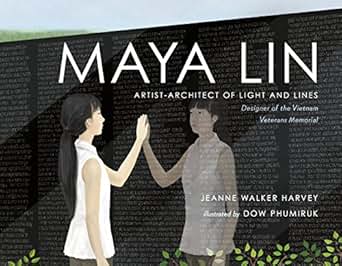
A Few Picture Books to Celebrate Women’s History Month

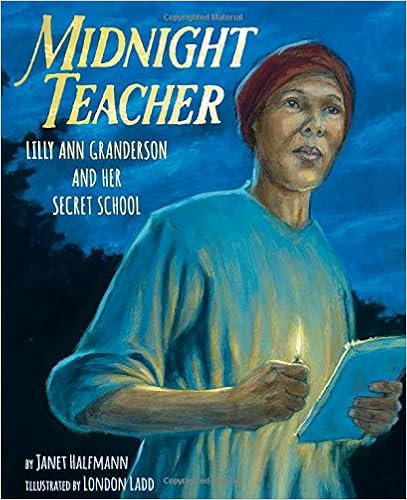
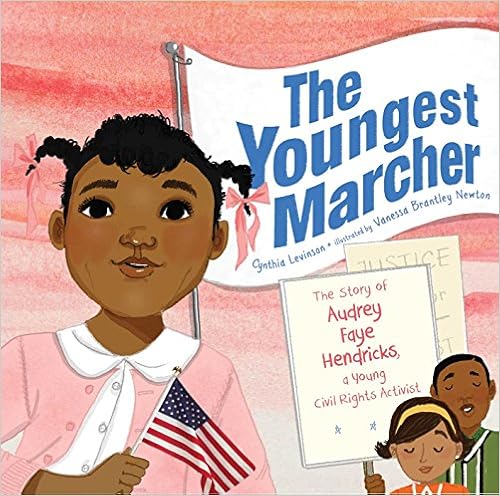
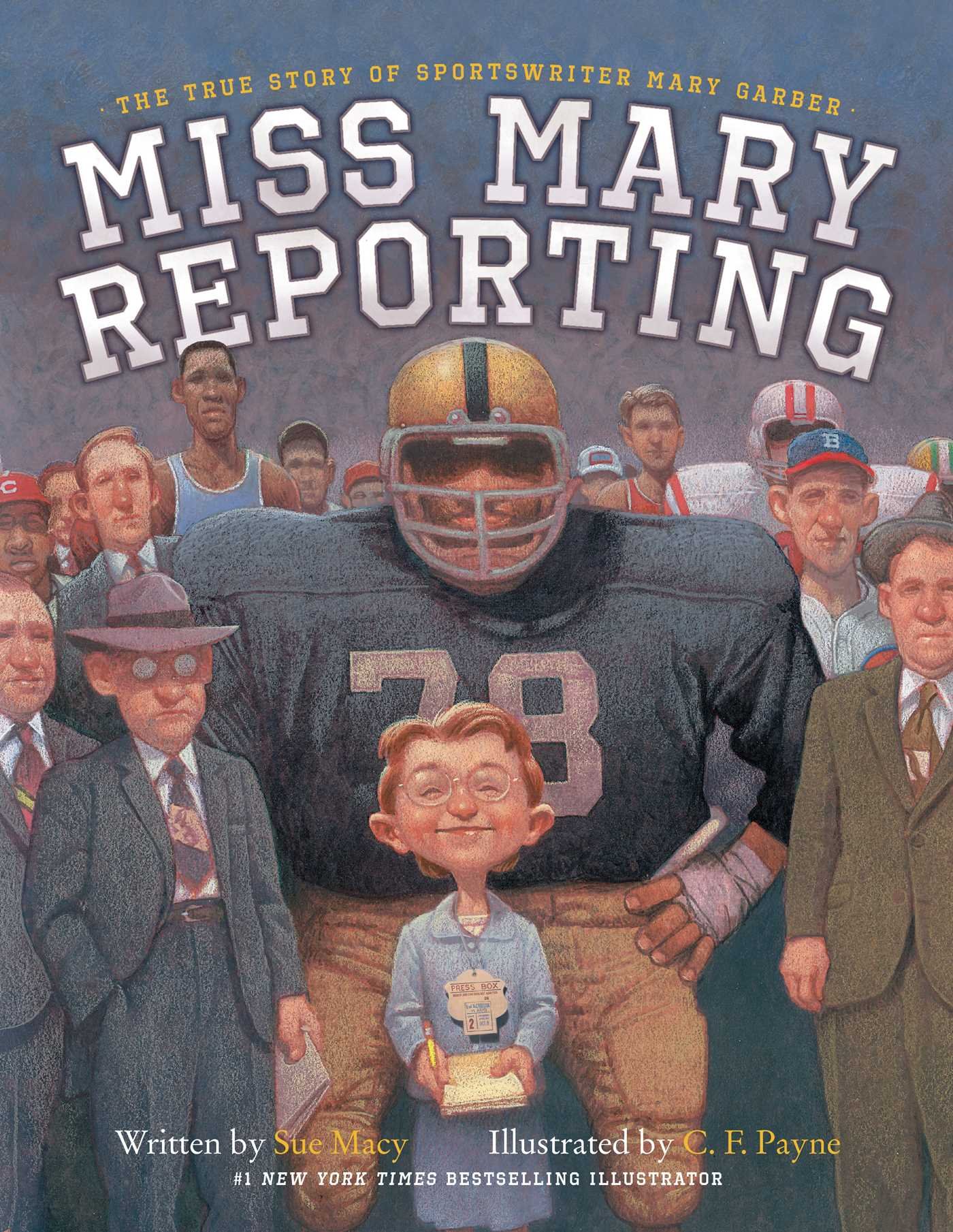
Last week, before the calendar switched to March, I changed our book displays in our classroom. Not because we stop celebrating Black history and excellence but because we wanted to add the component of females in history.

I was asked if I would share my list here, and while I don’t mind sharing it, I will say that it has holes. While I wanted to showcase an inclusive mix of picture books, I am still adding picture books that go beyond the well-known stories. I feel like there are many unknown women whose picture books are not on our shelves at the moment, so I am working on finding these for the future. I also want to continue to work on including more indigenous or First Nation stories, as well as stories of women who defy the narrow definition of their gender.

So what is gracing our shelves right now?

Image result for miss mary reporting
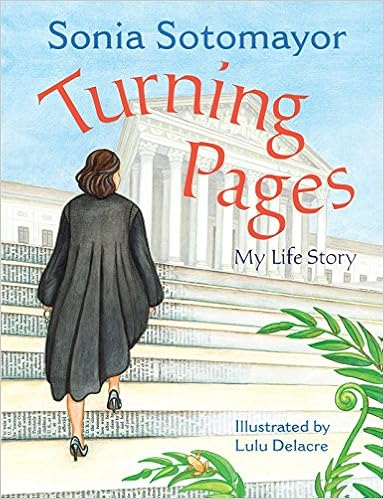
Image result for turning pages
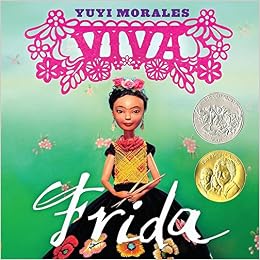
Image result for viva frida
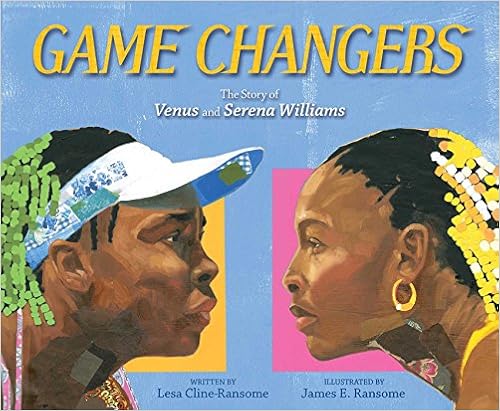
Image result for game changers picture book
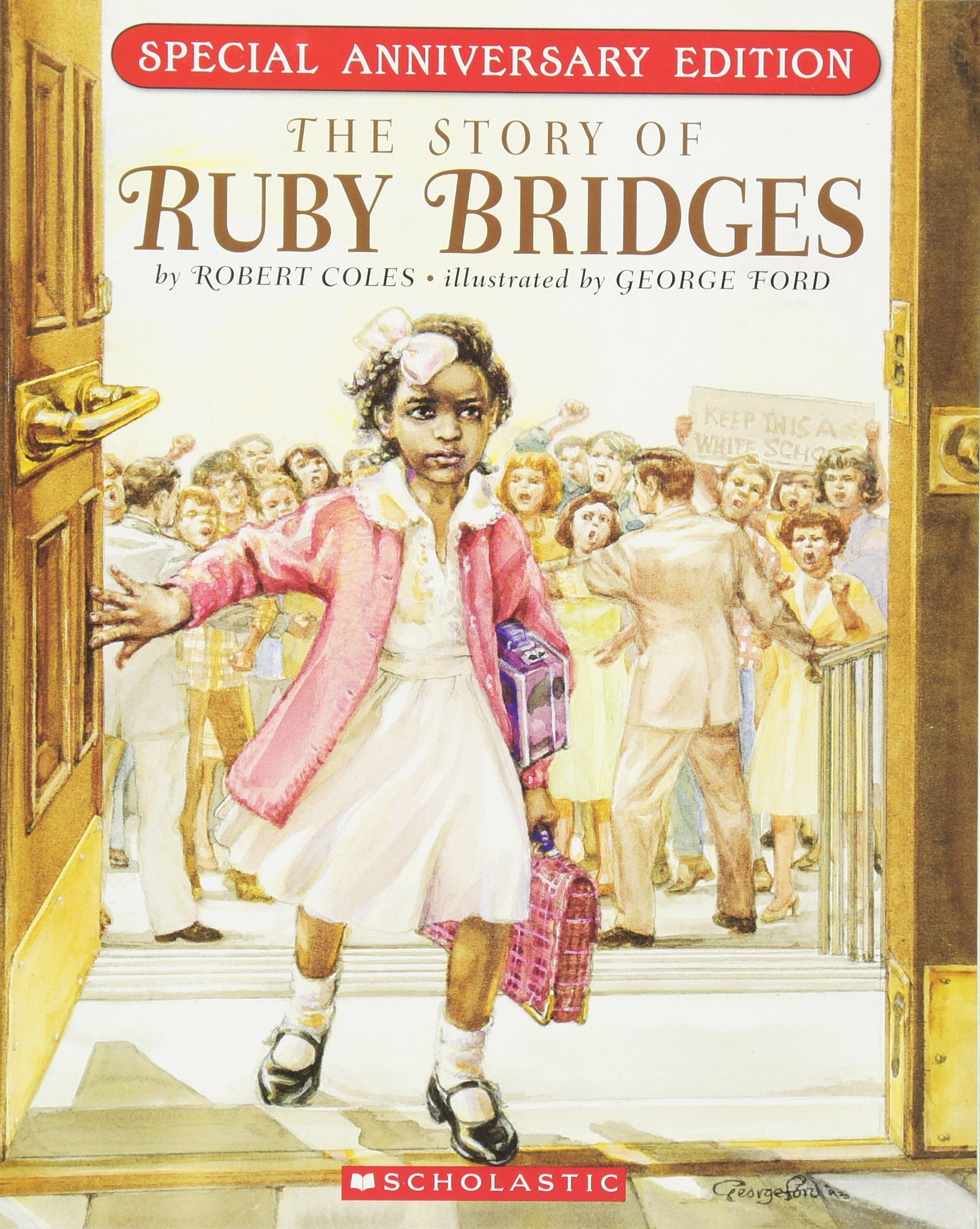
Image result for ruby bridges book
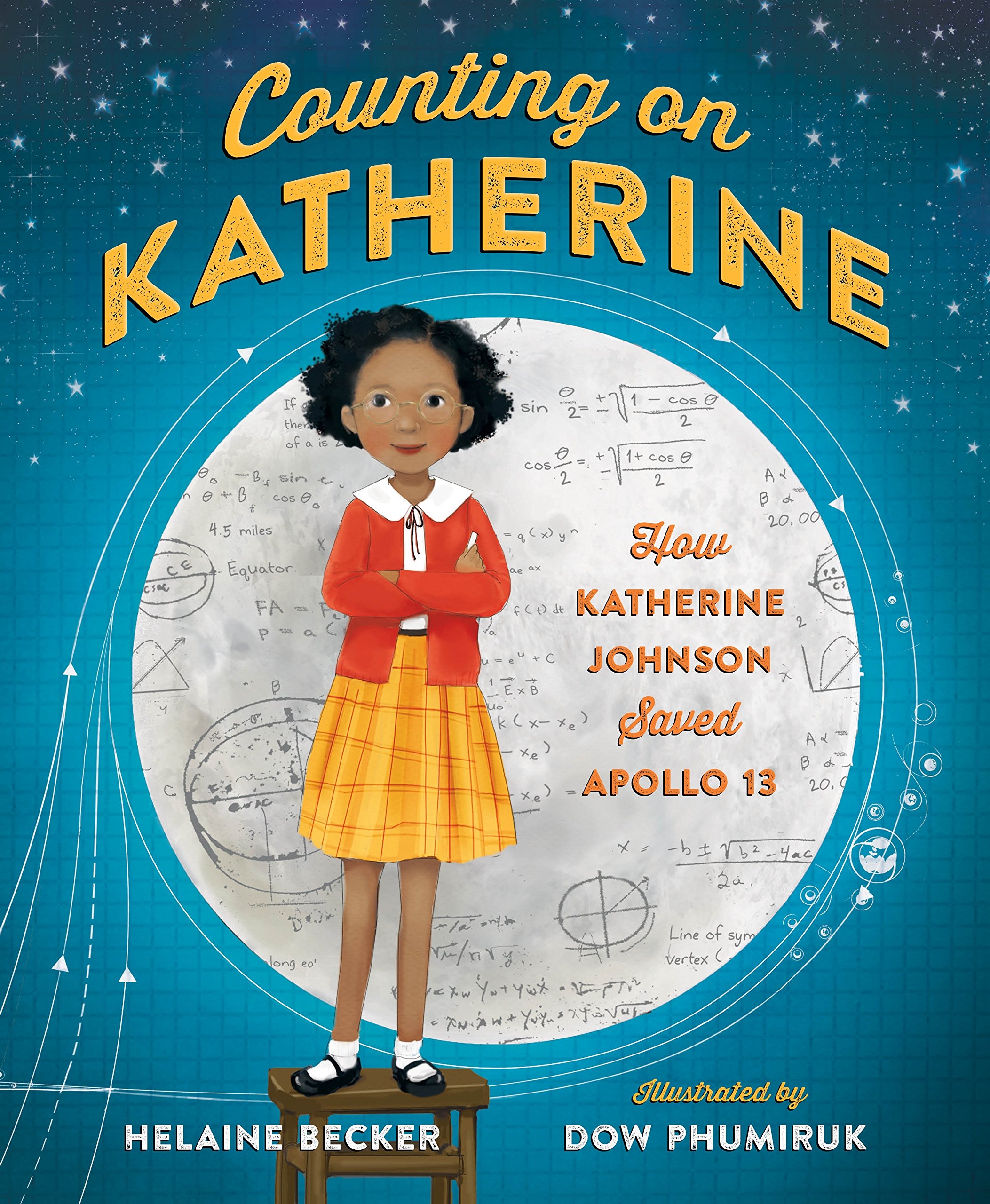
Image result for counting on katherine
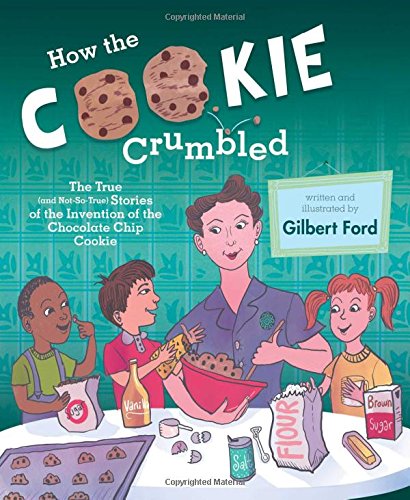
Image result for how the cookie crumbles
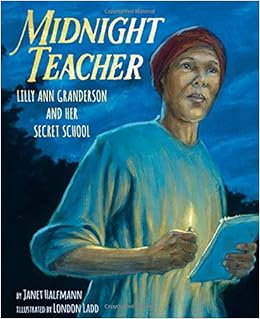
Image result for midnight teacher
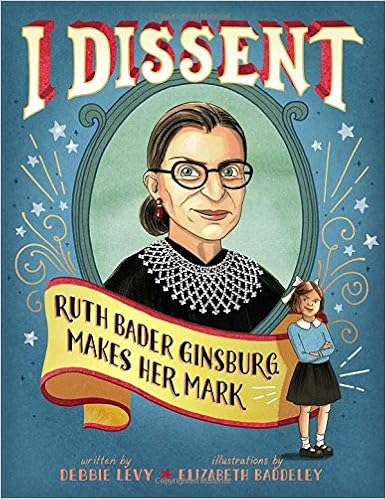
Image result for i dissent
Image result for so tall within
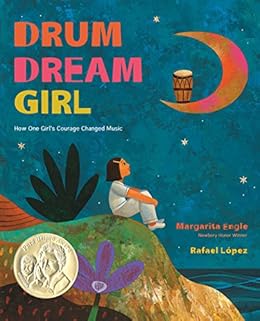
Image result for drum dream girl
Image result for one plastic bag
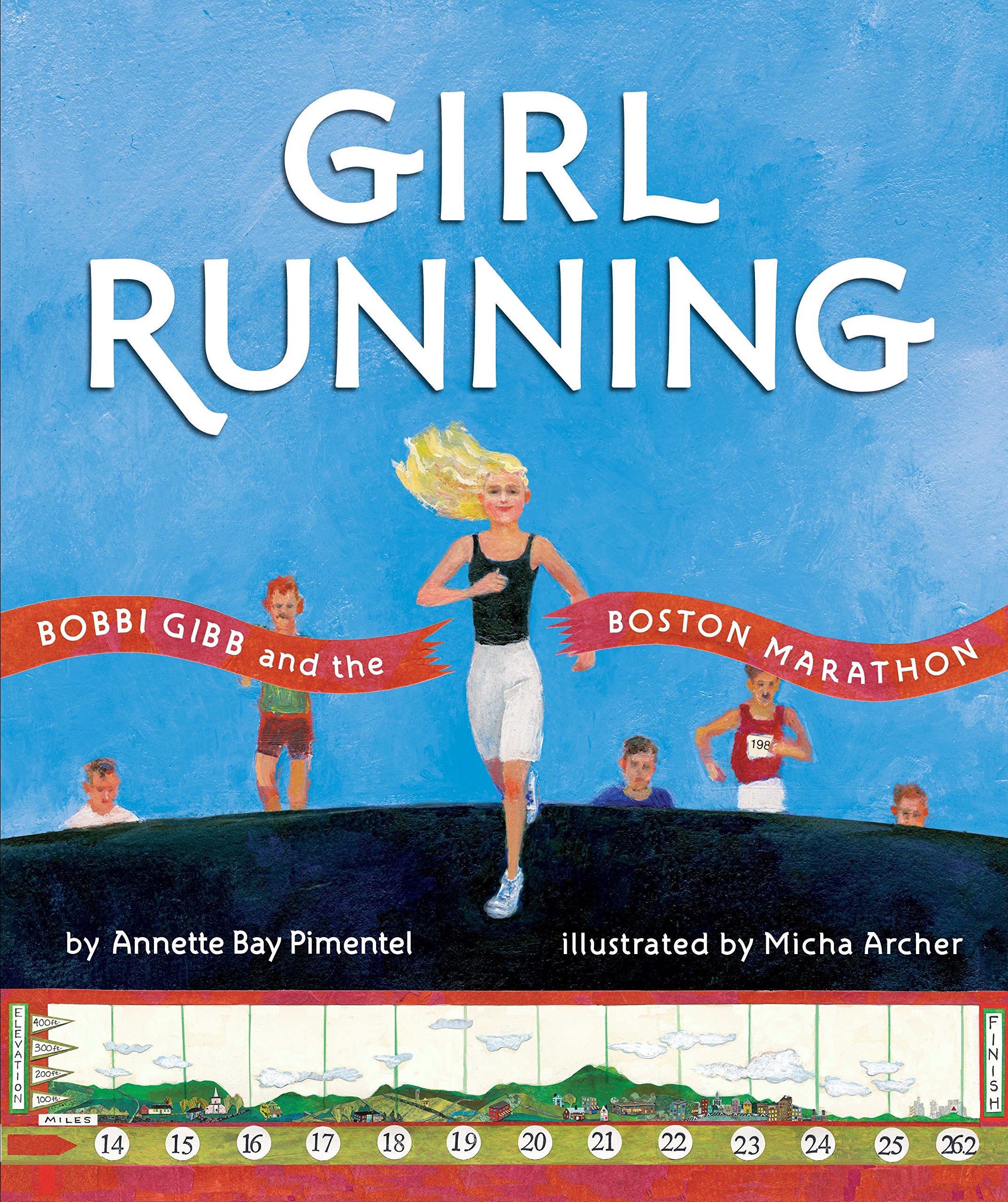
Image result for girl running picture book
Image result for danza picture book
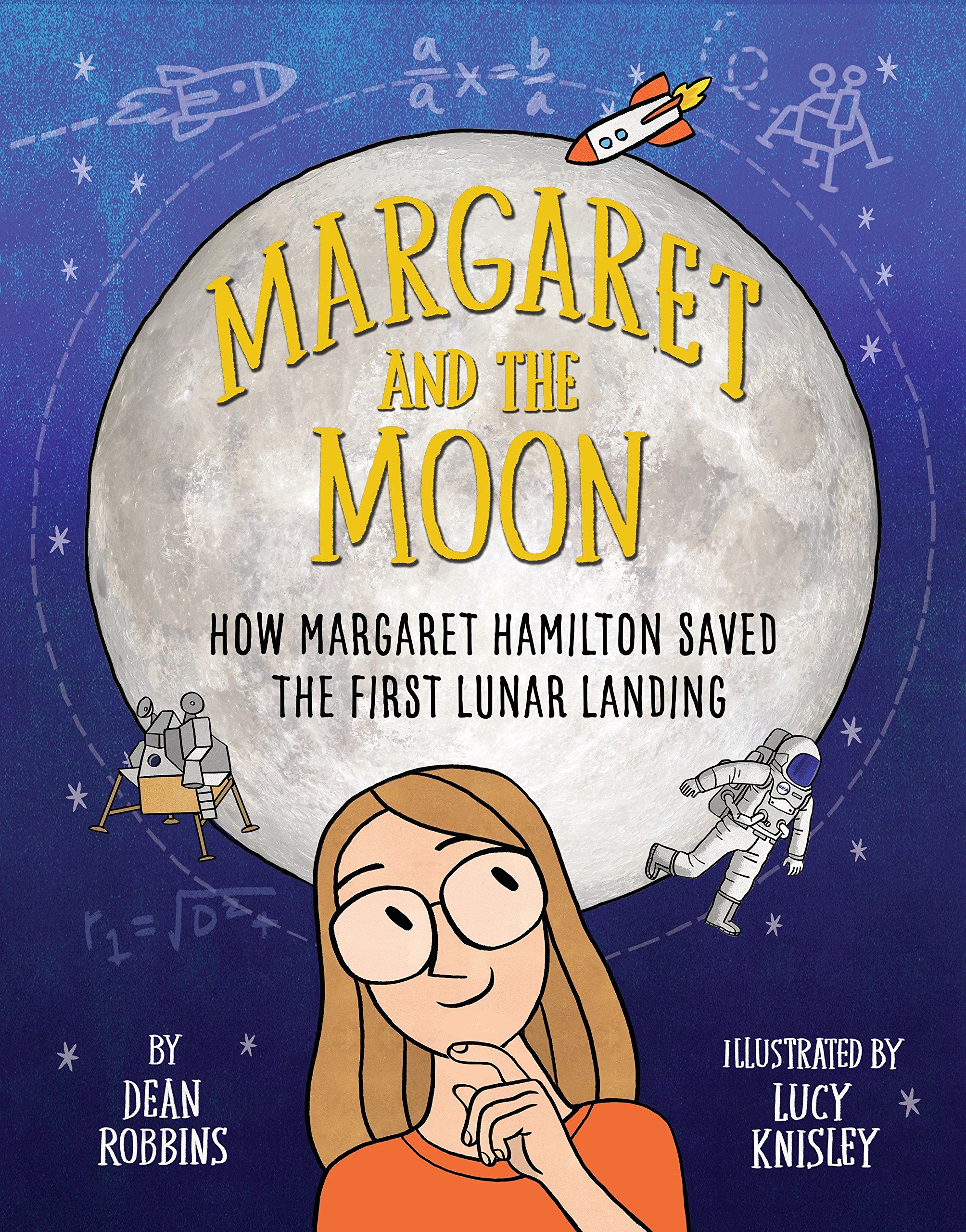
Image result for margaret and the moon
Image result for a computer called katherine
Yup – two books about the incredible Katherine Johnson
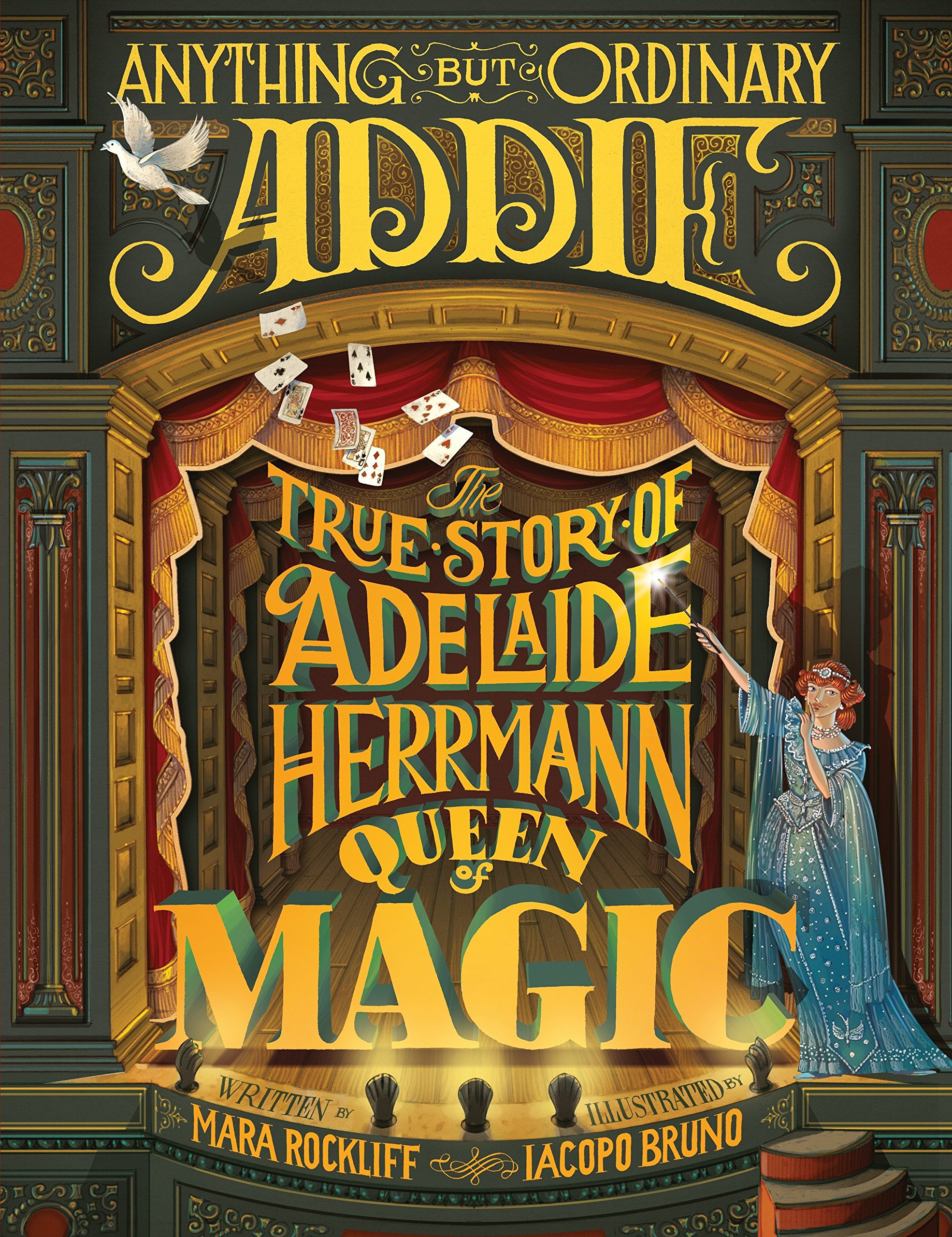
Image result for anything but ordinary addie
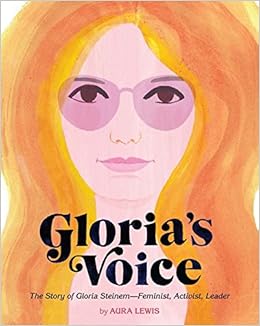
Image result for gloria's voice
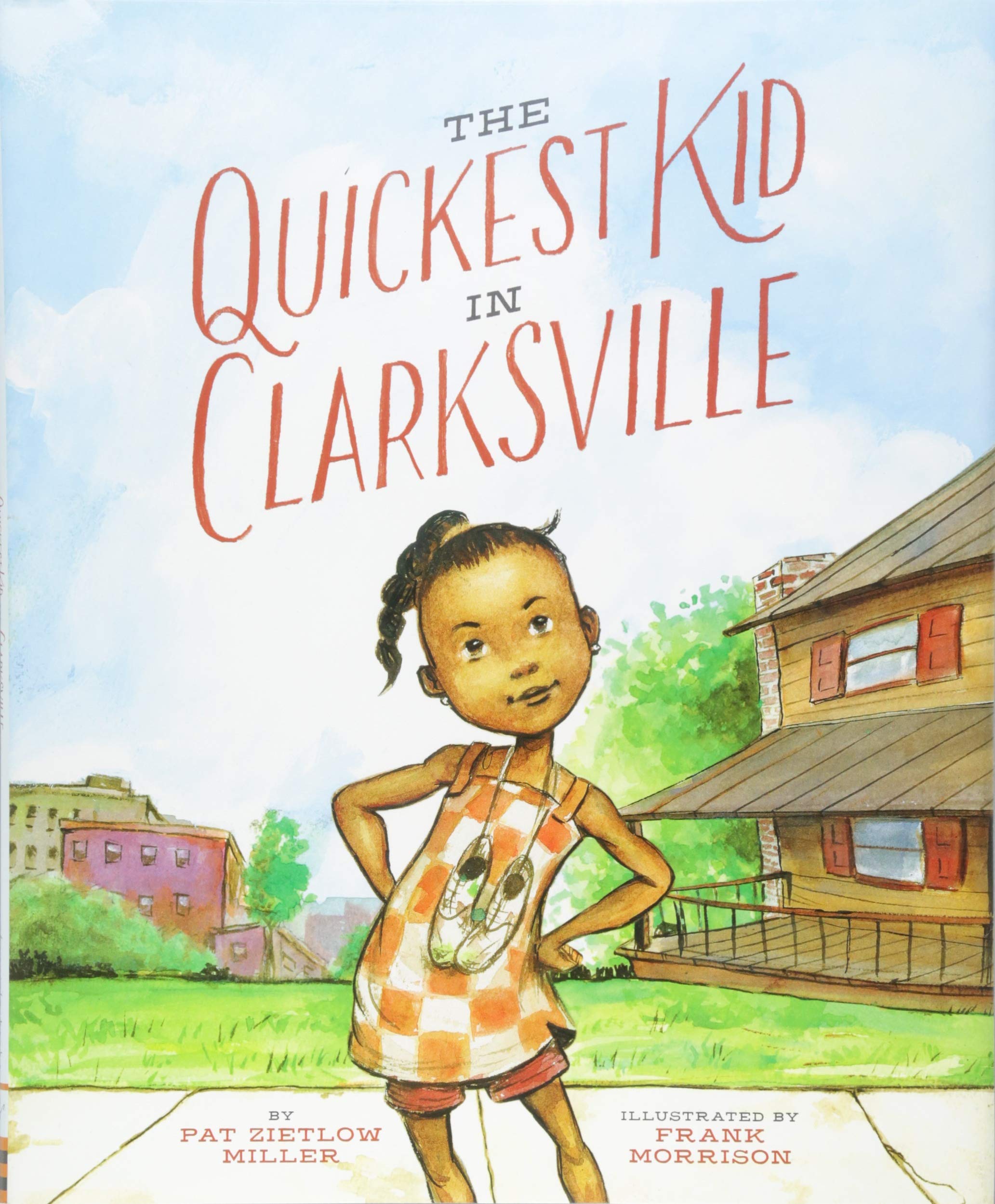
Image result for the quickest kid in clarksville
Technically not nonfiction but it introduces/reminds students to Wilma Rudolph
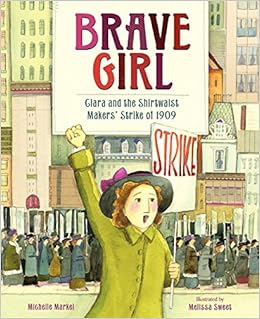
Image result for brave girl
Image result for the world is not a rectangle
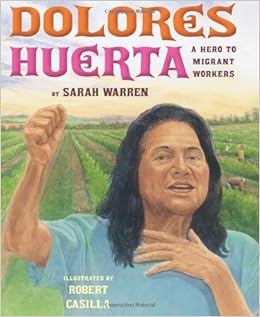
Image result for dolores huerta picture book
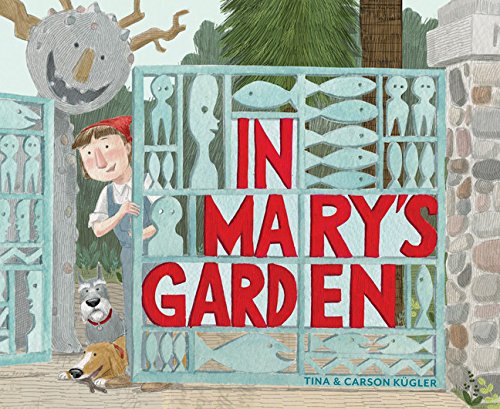
Image result for in mary's garden
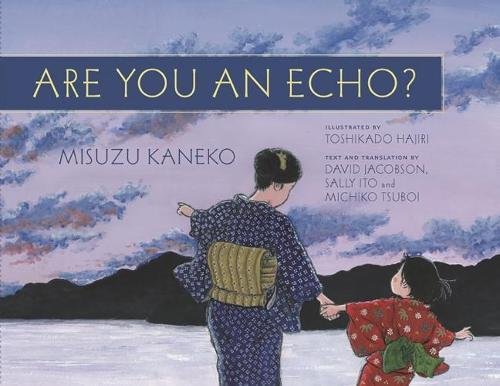
Image result for are you an echo


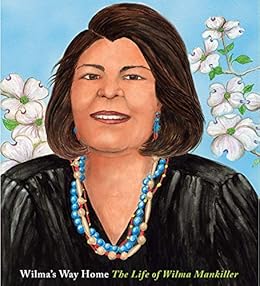
Image result for wilma's way home
Image result for mama africa picture book
Image result for her right foot
Technically not a person
Related image
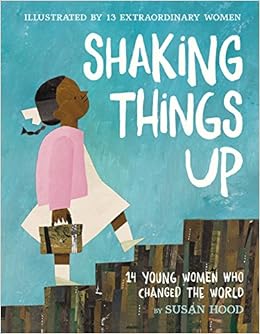
Image result for shaking things up
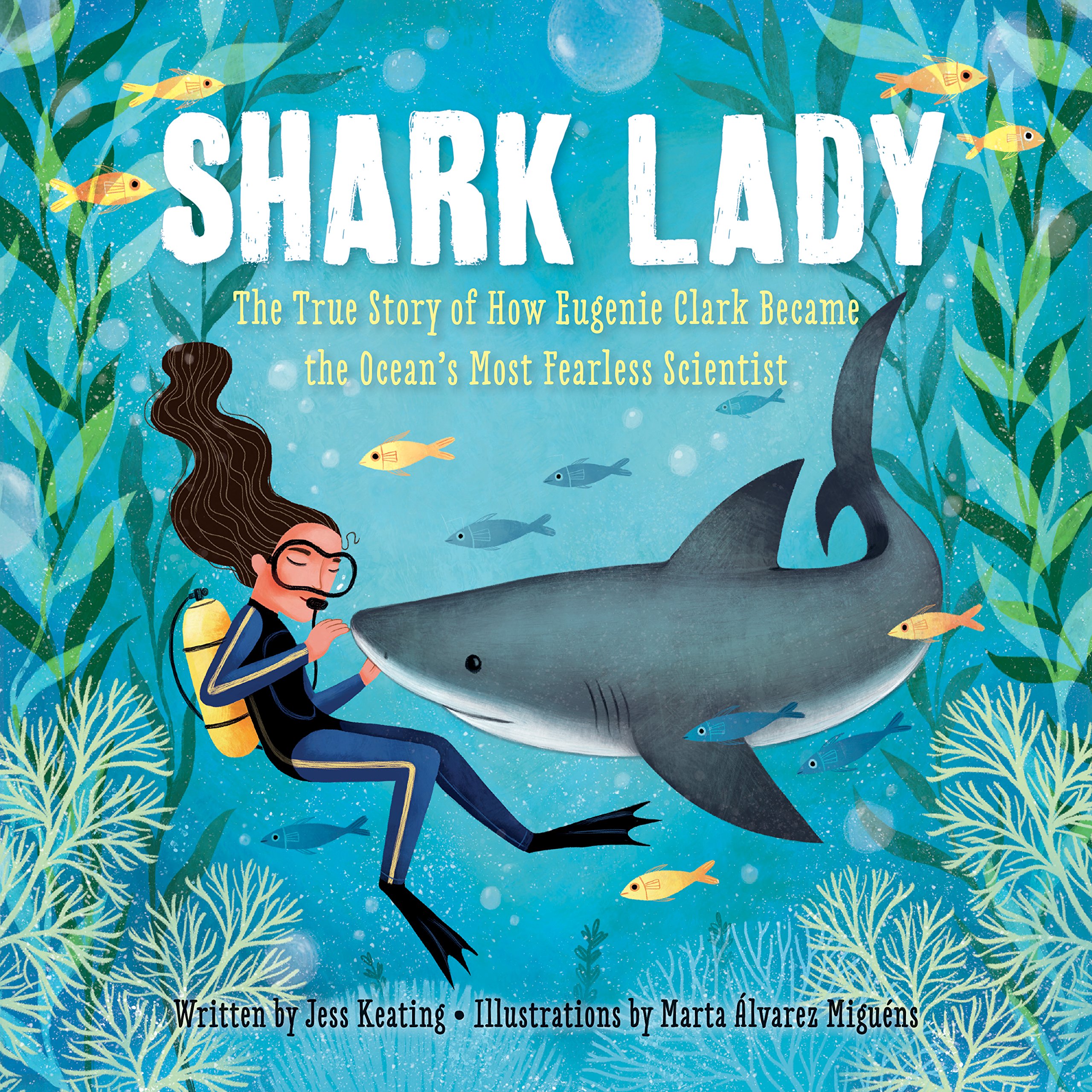
Image result for shark lady picture book
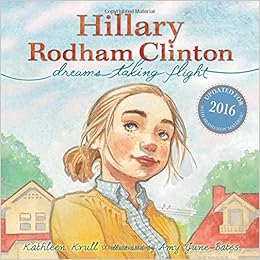
Image result for hillary rodham clinton picture book
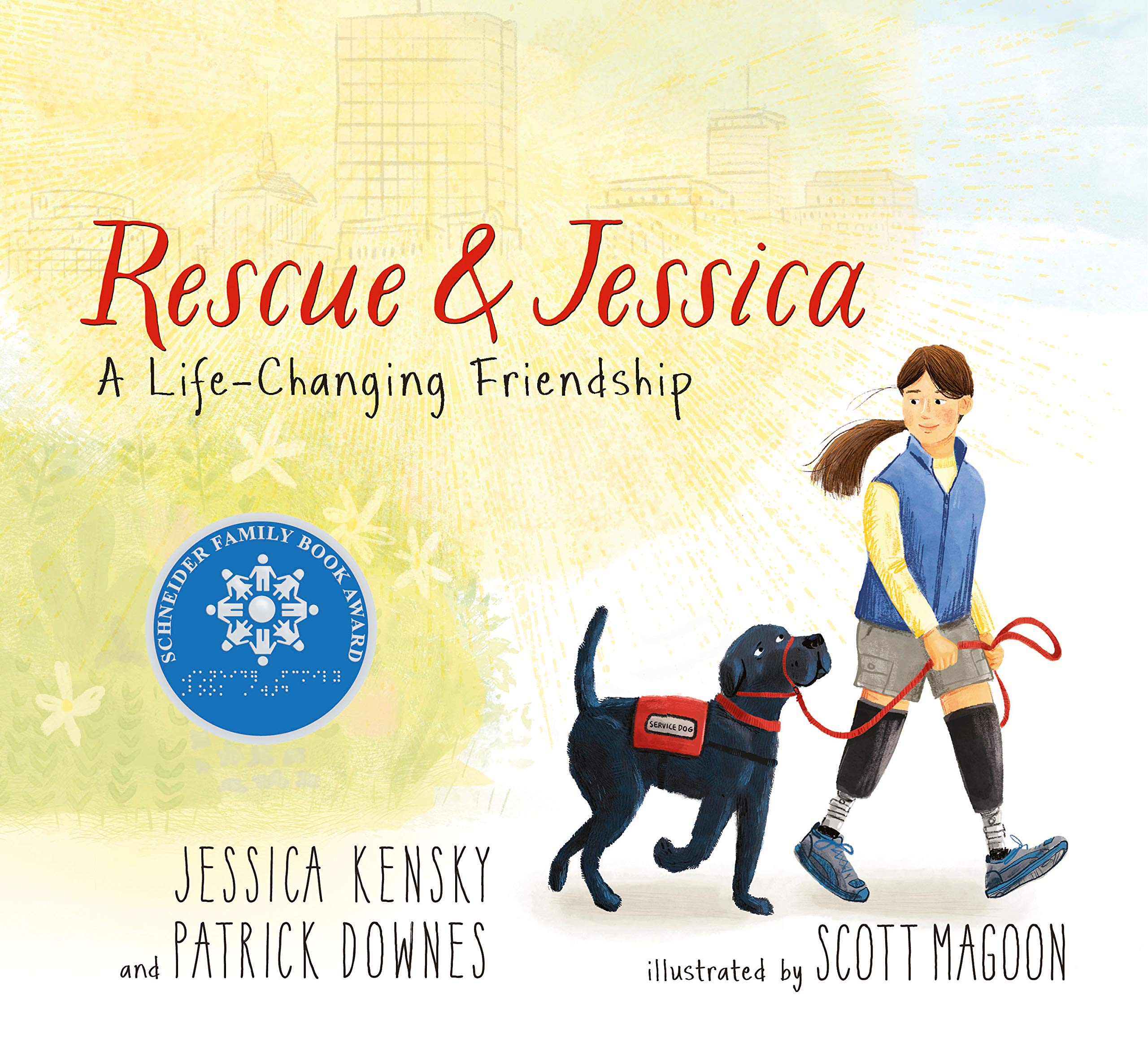
Image result for rescue and jessica
Image result for heather has two mommies
Technically not nonfiction but representation matters as far as stories
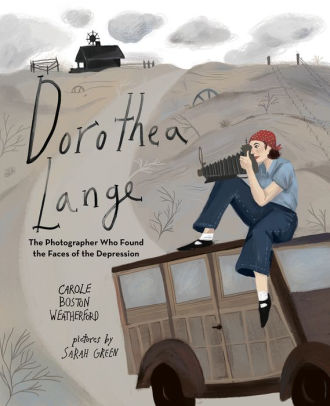
Dorothea Lange: The Photographer Who Found the Faces of the Depression
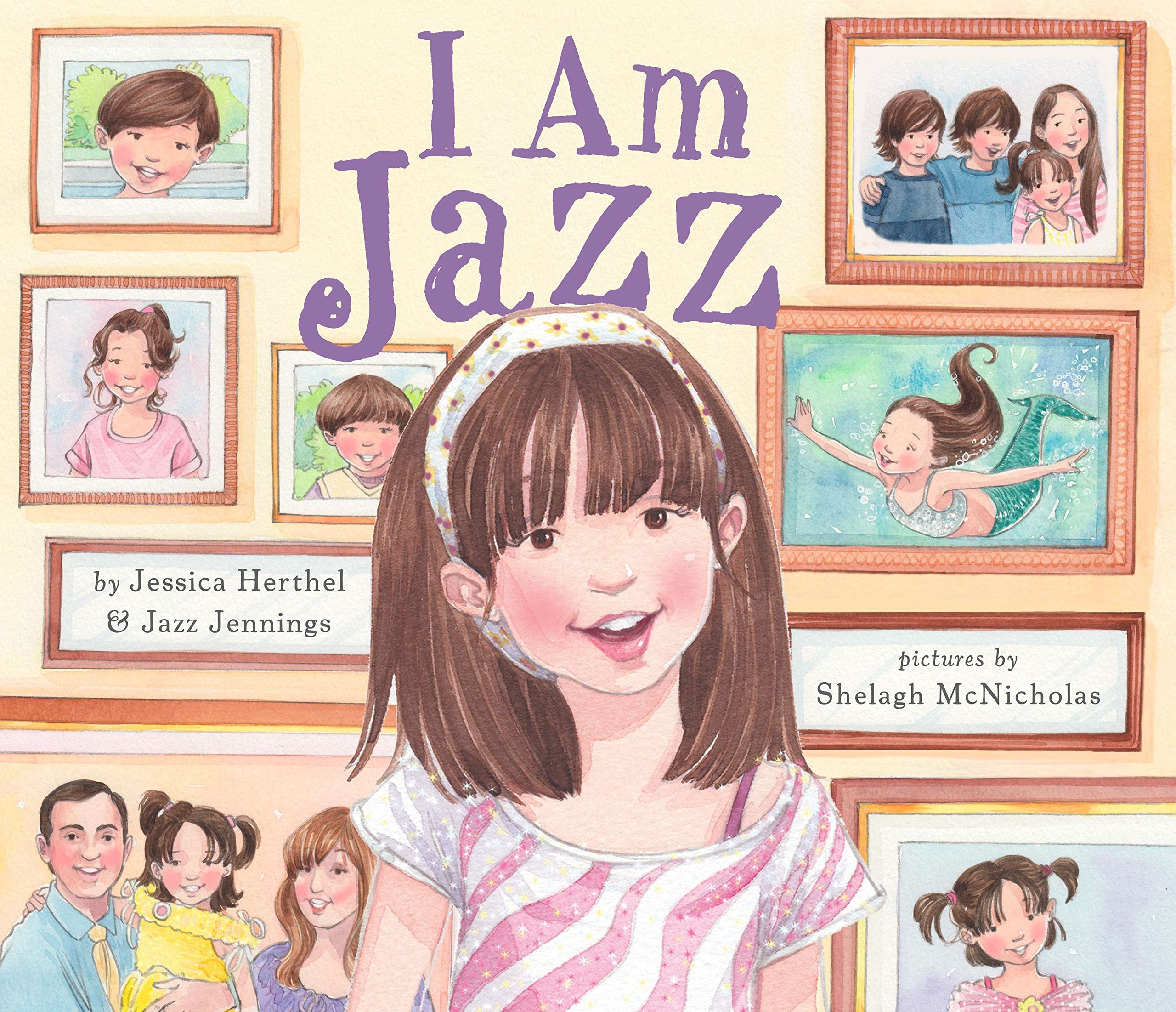
Image result for i am jazz picture book
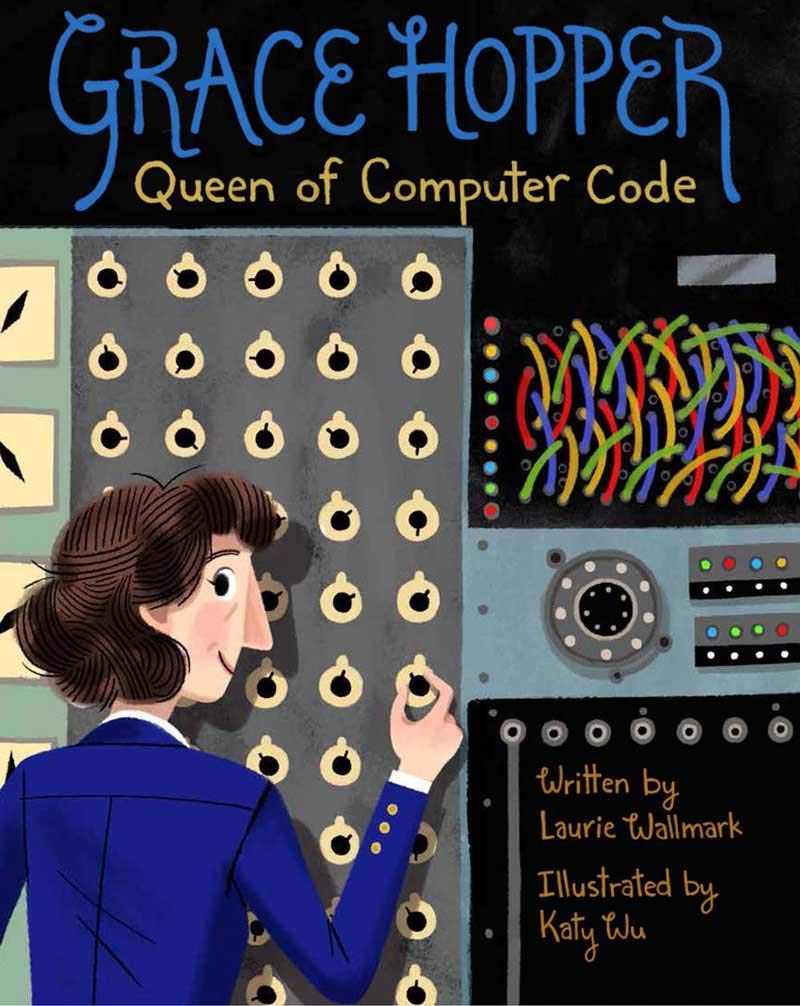
Image result for grace hopper picture book
Image result for malala picture book
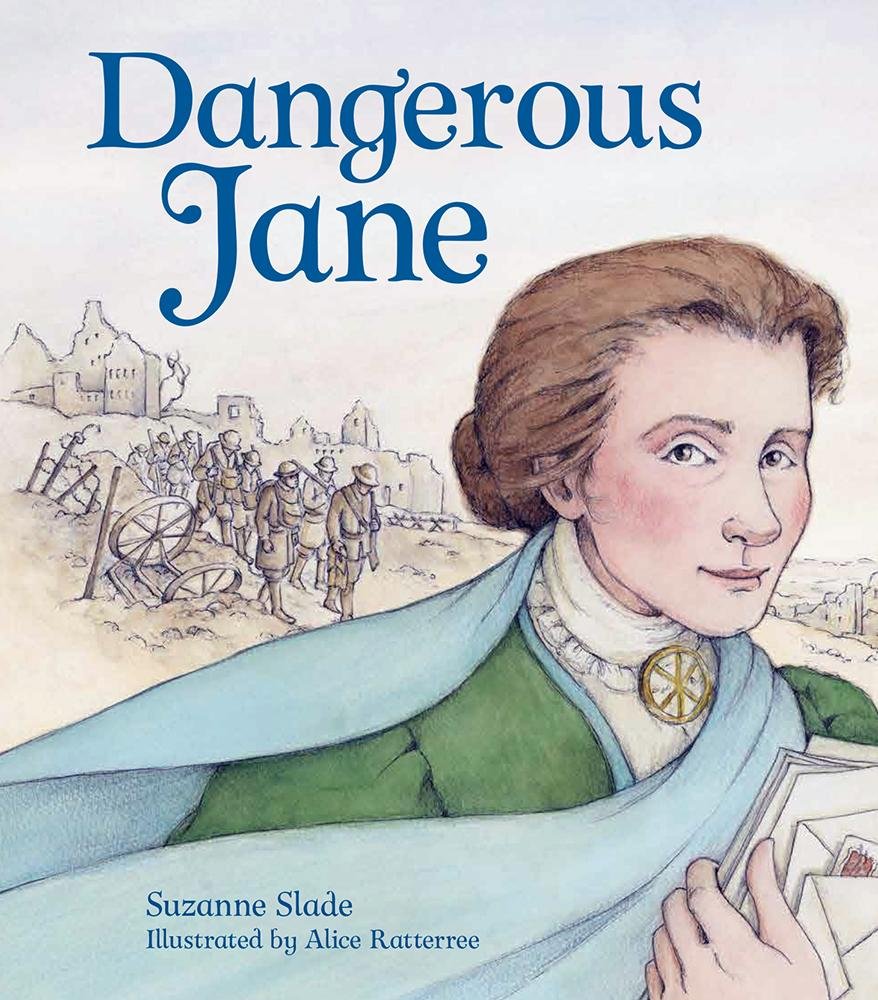
Image result for dangerous jane
Image result for ada lovelace poet of science
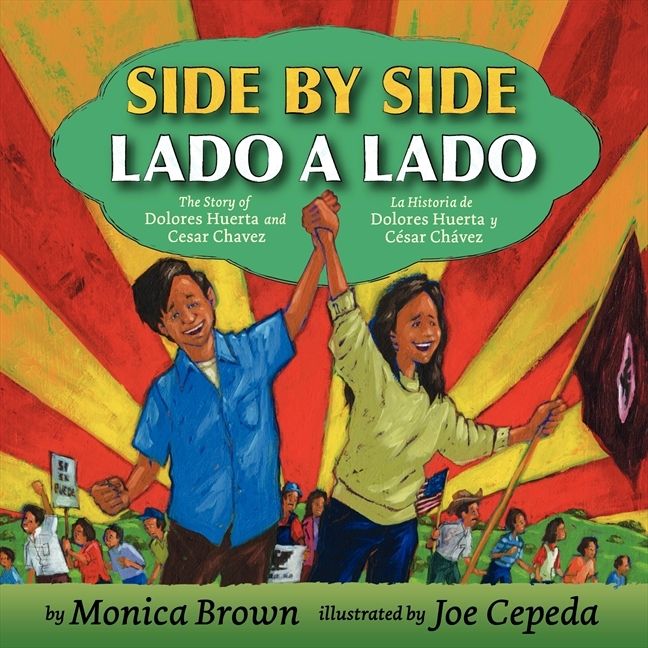
Image result for side by side lado a lado
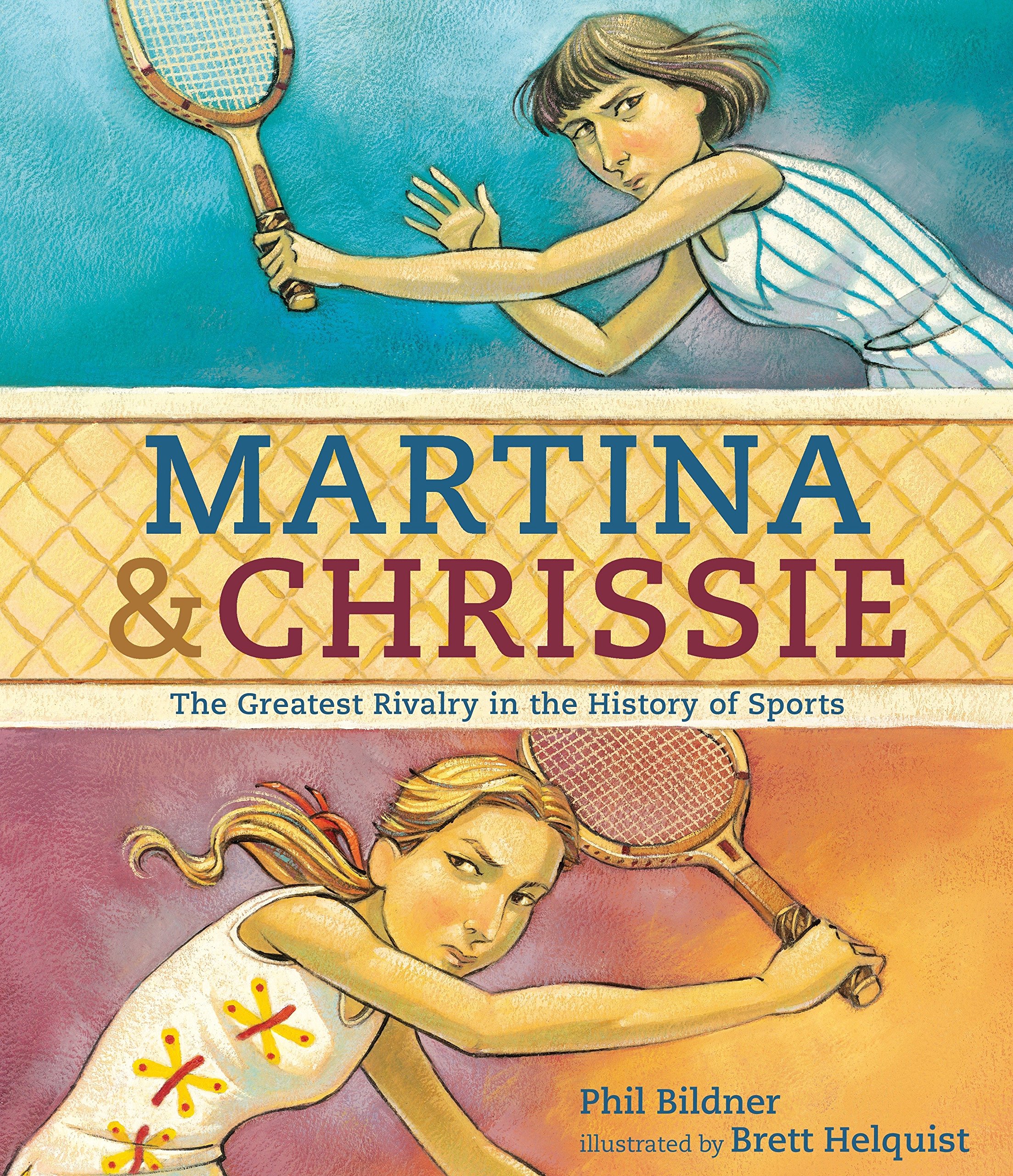
Image result for martina and chrissie

By no means is this an exhaustive list. We also have some of the picture books left out from last month that feature courageous women. If I had more space, I would have any more. Which are your favorite picture books for March?

books, Literacy

Passing on A Few (Book) Recommendations

One of the most common questions I am asked is for a book recommendation. Whether through Twitter, Facebook, Instagram, or any other place I happen to be, the question typically follows a pattern; the questioner is asking for a book recommendation for a very specific situation to help a specific student. While I am flattered to be asked and sometimes a book does pop to mind for that situation, often times I am not sure because either I am tired or I am simply not sure.

And yet, I do recommend a lot of books. In fact, this is my only purpose for having an Instagram account and I also keep track on this blog. I love books and I also love sharing them with others, which is why I am writing this post. You see, I rely heavily on the recommendations of others as well, so I thought it might be nice to highlight a few of the places I get recommendations from.

  1. My students. Right now, there are a few books flying around my classroom that are fully recommended and started by students, one being the book This is Not the End, which several kids have gushed about to me and I have just purchased to read myself. Who are the students who are dying to recommend books to you?
  2. My colleagues. I love that I am surrounded by colleagues who read, and I especially love that they also love to share. From our principal to the English department, to the special ed staff and the office staff, to our incredible librarian staff and all of the other adults at OMS, we are a school of readers. It is not uncommon to see books passed throughout the day or left on people’s desk, just in case they need a great read. Who are your colleagues that can become a part of your book squad?
  3. My online friends. While back in the day the term “online friends” would have brought up frightening associations, now I cannot help but be so eternally grateful for all of the friends I have that I know through social media. They share freely on Facebook, Instagram, and Twitter and I love that our book conversations continue even when we are not close in distance. It does get expensive to hang with some of my friends, but it is the best kind of expensive; book expensive.
  4. Our library. Both our school one and my local one. I love to browse the displays and see what is being recommended. This has led me to the book Sadie and Openly Straight, which are both staring longingly from my to-be-read shelf. Librarians are amazing resources; make friends with them!
  5. My own kids. My own kids go to an amazing elementary school here in Madison and not only do they have an awesome librarian but they are also surrounded by staff members who love to read and share their love of books. I love when they come home with new discoveries and tell me that I have to read this book as well, especially since they read books I normally wouldn’t read like early readers. So get connected to your children’s school if you can and see what they are reading.
  6. Online, but of course. There are so many amazing people sharing book recommendations using whatever tool they love. Read on for a list of a few of my favorite people and places.

Reading While White. This blog with its emphasis on “White librarians organizing to confront racism in the field of children’s and young adult literature” has been an incredible resource not just to find new books, but also to think critically about some of the books I already have in our classroom. This is a blog that is worth subscribing to.

The Brown Bookshelf. With its emphasis on pushing “…awareness of the myriad Black voices writing for young readers,” this is a must read. Countless books have made it into our classroom because of the recommendations and discussions on this blog.

American Indian in Children’s Literature. This blog run by the fierce Debbie Reese is one of the blogs that lands in my inbox whenever she publishes a new post. With her emphasis on “…critical perspectives and analysis of indigenous peoples in children’s and young adult books, the school curriculum, popular culture, and society.,” this blog is an invaluable resource for all of us. Not only does Professor Reese recommend books, but she also helps me realize when a book is problematic or worse. She has really influenced not just our classroom, but much of the work I do for the past many years.

Nerdy Book Club. This is where I first got connected and I am so grateful I did. With its emphasis on reviews, ideas, and cover reveals, Nerdy is really a community where you are sure to see not just incredible new books, but also add many new titles to your library.

Edi Campbell’s blog CrazyQuiltEdi is a fantastic resource for anyone who is looking for books written by or featuring POC. Not only does Edi Campbell release a monthly new release list, but she also reviews, and discusses the history of important issues such as when “people of African descent are equivocated with monkeys, apes or gorillas.” This has been really eye-opening for me and I am so grateful for the work she does.

I’m Here, I’m Queer, What the H*** Do I Read? The title probably speaks for itself, it is a great resource for me as I continue to add more books with great LGBTQ+ representation to our classroom.

Disability in Kidlit. While the last blog post was published more than a year ago, the archive is still worth digging into. This blog with its promise to have people who have disabilities review books that feature their same disability has been eye-opening on more than one occasion. I loved the blog when it was “live” but the blog is still worth your time.

CCBC. Living in Madison, Wisconsin, means I am in the home city of the CCBC or the Cooperative Children’s Book Center and it is fantastic. I get to go to the events hosted there, as well as their twice-yearly book sale. However, you don’t have to be in Madison to benefit from their wealth of knowledge. Their blog is a great place to start to stay up to date with great books, as well as their research on the state of children’s publishing and many other important issues.

Latinxs in Kid Lit. Another specialty blog that does so much great work. With its emphasis on sharing reviews, news, and discussions about Latinx in children’s book, I often fill our shelves with recommendations from here. Their interviews of authors have also helped me dial into a few new authors I was unaware of.

Lee and Low. While Lee and Low is a book publisher, they also have an incredible blog that not only features recommendations but also invitations to their free webinars on pressing matters within teaching and children’s literature. Specializing in Own Voices authors, this is a must follow.

By no means is this an exhaustive list. There are so many great people and groups out there sharing their recommendations, but I thought it would be nice to recommend a few of the ones that I rely heavily upon. By sharing, I figured it is a way to say publicly thank you to all of those who recommend books to me as well as allow others to get plugged into the incredible knowledge that is shared here. One word of caution though; it does get expensive because the book sounds so amazing. What are your favorite places to get recommendations from?

conferences, connections, Literacy, Reading, Reading Identity

An Update on Our Student Reading Action Plans

This is the form I use to keep track of my notes as I meet with students, to see the form and more details, go to the original post

A few weeks ago, I blogged about an idea I was trying in our classroom as a way to help the kids who seem to just not be “there” just yet. Who seem to just not have found a great book just yet. Who seem to just not be really reading more than a few pages a week. Who seem to be going through the motions rather than fully investing. Who seem to go from book to book without ever really sinking in. The idea was simple; do a daily check in for two weeks with just a few kids, ask them about the book itself but focus more so on their habits. It couldn’t hurt, right?

So for the past few weeks, this is what I have been doing. Taking a minute or two and checking in with just a few students, not ignoring anyone else, but starting with these few kids first to make sure we had a conversation about the book they were reading, as well as how they felt as readers.

What have we uncovered in these small conversations? Lots actually. Some things I already knew, such as how they felt about reading, but also some things I didn’t. How many of them don’t know when they should book shop, how many of them have a to-be-read list but don’t use it for anything, how many of them pick books that for whatever reason are the wrong kind of challenge for them at that time. And within these moments of revelation lies the entire heart of what I hope all of these incredible students will experience this year; a reading experience that is meaningful to them. And so these moments, based around a simple premise, it was exactly what I had hoped would happen; establishing a deeper relationship with these students as we unravel their reading identity further.

It turns out that almost all of them are having an incredibly hard time selecting a powerful book for themselves. That while they have had some positive experiences with books in the past, they don’t exactly know what made that book amazing. How many of them stick with the books, dreading every moment, rather than searching for something better. That they will “settle” on an okay book rather than pursue something better because they don’t think that better exists. That despite all of our conversations about book choice, book abandonment, paired with ample book access and book recommendations from their peers, from me, from our librarian, it is still not enough.

But these conversations; these few minutes we are having together every single day is helping them realize that there is more to reading than just going through the motions. That they deserve a great book. That they should demand for themselves to read incredible books and that that starts with knowing themselves better as a reader and also taking the time it sometimes takes to find their next read. So as the two weeks wind down for a few of the kids, some I am going to start seeing them every few days. Some I will continue to speak to every day, while some are ready for a trial period without me. New kids will be added, new goals will be set, new conversations await. And with that will come the continued reminder that all kids deserve our undivided attention, that all kids can have better relationships with reading, that all kids deserve to have outstanding reading experiences, even if they don’t know it yet. Some just need a little more attention to get (back) on the right path.

If you are wondering where I will be in the coming year or would like to have me speak, please see this page. If you like what you read here, consider reading my book, Passionate Readers – The Art of Reaching and Engaging Every Child.  This book focuses on the five keys we can implement into any reading community to strengthen student reading experiences, even within the 45 minute English block.  If you are looking for solutions and ideas for how to re-engage all of your students consider reading my very first book  Passionate Learners – How to Engage and Empower Your Students.   
Literacy, picture books

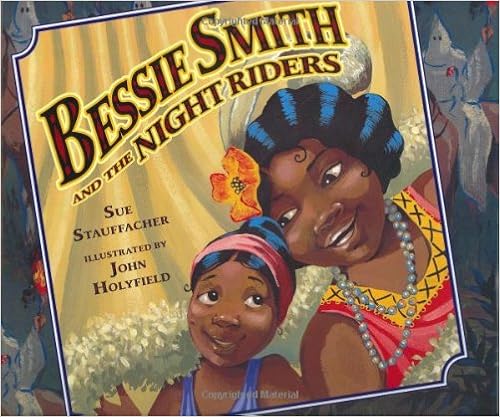
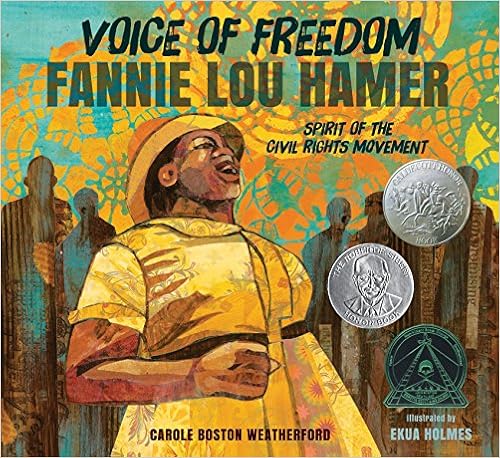
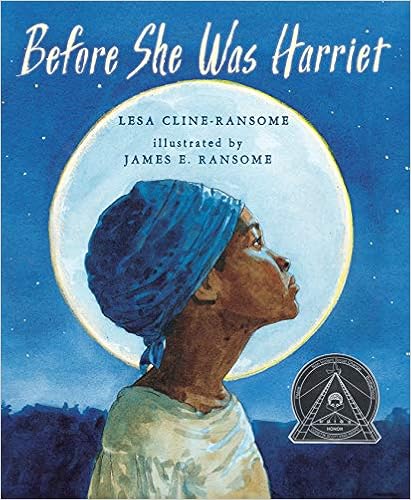
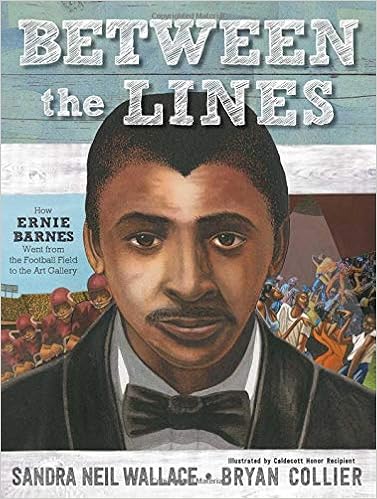
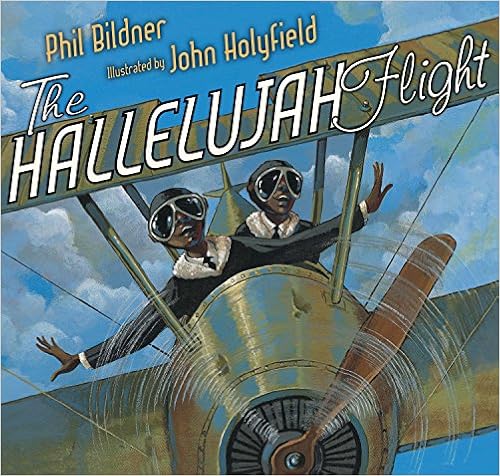
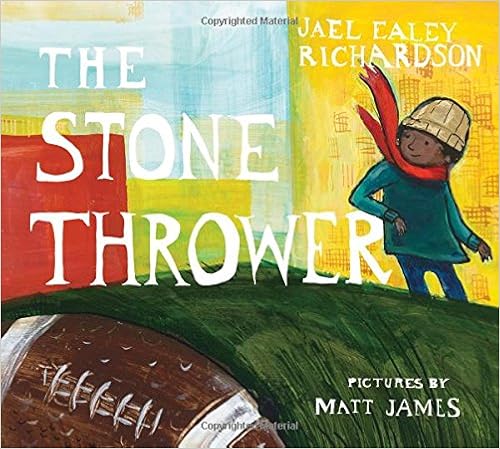
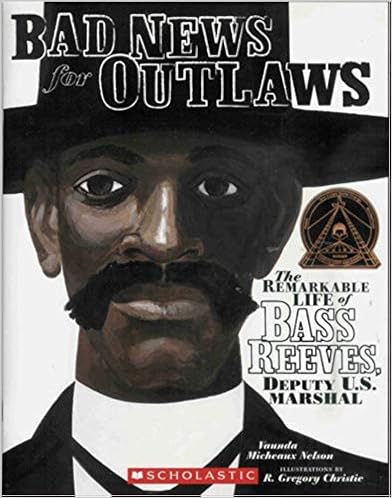
Read Aloud a Picture Book a Day in Honor of Black History Month

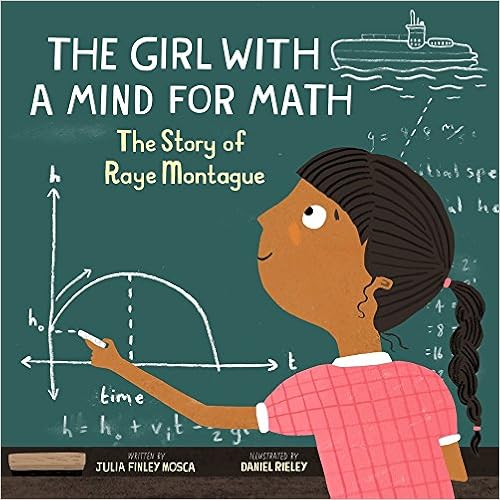
As February approaches, I am scouring our classroom library to find the picture books that I will read aloud every day in honor of Black History month. I try to stay away from the most known stories, after all, if we are to truly celebrate Black excellence then it is important that my students can name more people than just Martin Luther King Jr, Rosa Parks or Harriet Tubman. And yet, they also need to know these stories. And so for the 21 teaching days of February, I pulled 21 picture books, each featuring, perhaps, a story of someone that my students may not have heard of it. Each featuring something they should know more about. Something that may inspire them to ask more questions, to understand more about the world they live in.

I have pulled many more than this and every surface in here is filled with stories of those who have made our country what it is. I hope that our students will take a moment to reach out, read something, and learn something. It is only a small component of the ways Black History will be explored in our school.

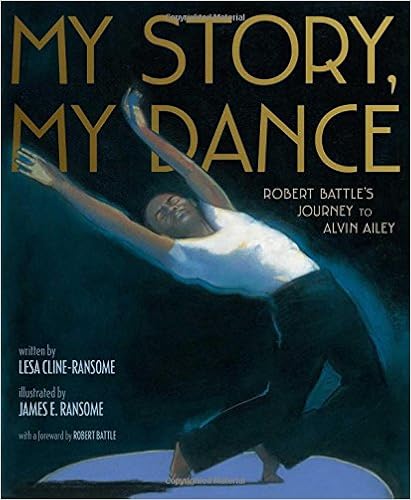
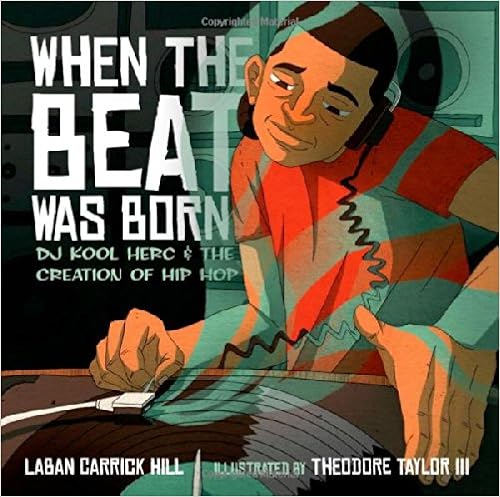
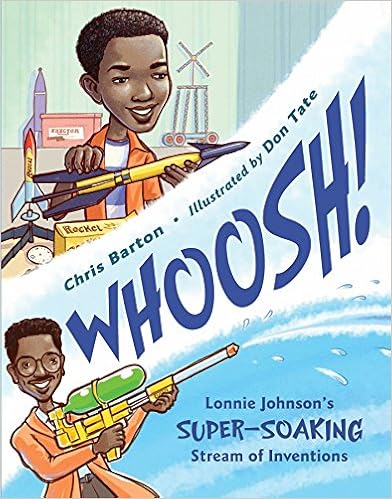
In no special order, here are the picture books I plan on sharing with students. I have a few more purchases coming in, so these may change, but they are a start.  Which picture books do you plan on sharing?

Hidden Figures: The True Story of Four Black Women and the Space Race

Other great resources that help me plan and think of what I can explore with students.

Poetry for Black History Month

Resources from Teaching Tolerance

PBS resources – including videos – to celebrate

Black History is Happening Now Spotify curation by Pharrell Williams

Finally, Black History month shouldn’t be the first time that students see collections of text that feature African American. I know it seems silly to say, but representation matters and it matters all of the time. As I pulled books for this read aloud collection, I had to skip great books because we had already shared those stories. This is how it should be every year in my classroom. So while I continue on my journey to do more and learn more, reading these stories aloud is one further step in my journey.