being a student, being a teacher, reflection, Student Engagement, Student-centered

Would I like being a student in my own classroom? A reflection tool

One of my driving questions for the past 15 years has been a simple one; at the end of the day, would I like being a student in my own classroom? And as I have one month left of school, I feel the question pressing in on me as I think of next year and both the joy of continuing with my current class, as well as becoming the classroom teacher for a different class.

Would what we do make me feel safe? Help me engage? Make me feel like my voice was heard and respected? Would the way we learn, grow, discuss, and assess make sense to me?

This question is a conversation starter, an invitation into meaningful reflection where you get to craft the path for what you may need to shift or tweak your day-to-day practice.  Because ultimately it is about creating conditions for shared power as a way to show children just how much power they can have over their own bodies and minds, even within the confinements of a publicly mandated and government decided educational system.

In fact, this question is at the core of my newly published book, Passionate Learners – How to Engage and Empower Your Students, now in its 3rd edition! But it’s not the only question, I ask. In fact, the books has more than 100 reflection questions embedded throughout, some big, some small, all meant for you to carve your own path into a more sustainable, meaningful practice.

But as a way to get you started, I decided to pull together a reflection sheet for you, modeled after questions in chapter 2 of the book.  It’s 3 pages with 12 questions, that can be used by itself, as part of a larger reflection, or a book study, individually or with others. You can do some of the questions or just a few. You can write, discuss, or simply think. It’s a tool, use it as such and make it work for you. 

👉 Link to the tool right here

And if you are interested in diving deeper, I highly recommend my book. I poured my heart into it, making it a practical invitation into co-created spaces that are not exhausting to be in. And right now, it is on sale.

The book is written as a companion to the practice you already have. It is not meant as a long list of abbreviations or new systems, but instead a way to help you reflect, while also offering up a major array of practical strategies and tools that you can use the very next day.  It is meant as an affirmation, while also giving you access points to grow your practice so that you may feel better about the time you spend teaching, the students feel like what you do together matters, and that everyone is given tools to continue being critical questioners and thinkers outside of your learning space.

Is it worth it? You can see the reviews from other educators here

Whether you buy the book, or simply follow my work on Instagram or Facebook, just know that I am here to help.

👉 Access the PDF right here

assessment, discussion, feedback, grades, Student Engagement

Let Kids Reject Feedback (Yes, Really!)

A quote block where it says: Good feedback isn't about control, it's about conversation.

What if kids had the right to ignore our feedback? Not because they’re stubborn or disengaged, but because they understand it—and decide to make a different choice.

Too often, feedback feels like a demand: Fix this. Change that. Do it this way. But writers? They get feedback, weigh it, and sometimes say, “No, I’m keeping this.” That’s not disengagement—it’s ownership.

Let’s Build Feedback Negotiation into the Process

Instead of expecting students to accept every suggestion, teach them to think critically about feedback—to question, challenge, and ultimately make their own choices.

1️⃣ Shift the Conversation – Before giving feedback, set the tone:
🗣️ “You don’t have to take every suggestion. Your job is to think about it.”
Ask them: What do you want my feedback on? Where are you stuck? Make it a dialogue, not a directive. I’ve written about this before in the context of only looking at one thing in writing conferences.

2️⃣ Teach Kids to Push Back (The Great Way)
When students disagree with feedback, they need language to explain why. Try modeling this:

  • “I see what you’re saying, but I’m keeping this word because it’s my character’s voice.”
  • “I understand your point, but I want this to feel unfinished on purpose.”
  • “I’ll change this part, but I’m going to keep this sentence because it’s important to me.”

If we want students to engage with feedback, we have to let them practice rejecting it thoughtfully—just like writers do.

3️⃣ Make Choice Part of the Process – Instead of requiring students to change everything, try this:
🔹 Pick one piece of feedback to apply and one to challenge. Explain why.
This simple step forces them to consider feedback instead of just following orders.

4️⃣ Celebrate Thoughtful Resistance
When students defend their choices, it means they care. That’s the goal. Instead of marking something as “wrong,” ask:

  • Why did you make this choice?
  • What effect are you going for?
  • How can you make this even stronger while keeping your vision?

Good feedback isn’t about control. It’s about conversation. And if we want kids to become confident writers, we have to teach them that their voices matter—even if that means telling us no.

picture books, Reading, Student Engagement

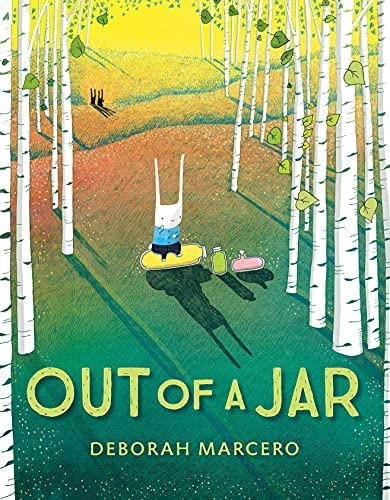
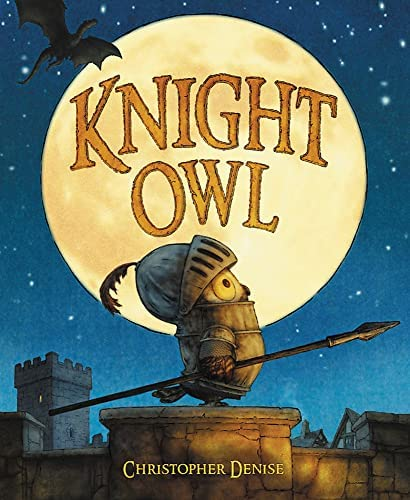
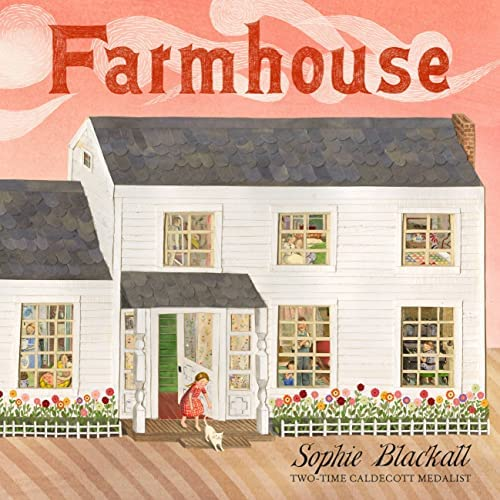
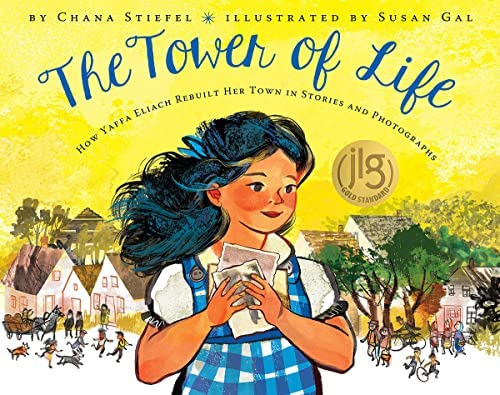
My Mock Caldecott Picks 2023

Warning: I may change my mind.

For the past many years, I have done a Mock Caldecott unit with students as we come back to school in January. The year is quietly winding down which means the reflection begins on which illustrations took my breath away. And there were many. This year being out of the classroom, I won’t get to do it with kids, but I will be cheering from afar as the awards are announced on January 30th, 2023.

I have loved doing this unit with children, it is a way to really sink into the beauty of picture books, to have them consider critical components of the books and how the images are synthesized with the text. It is also a great unit leading up to our major nonfiction picture book writing unit, which is a favorite of many.

Over the years, I have made a few tweaks to make it more manageable and enjoyable for kids:

One, I read all of these books aloud during our unit. While the students will still read them in their group, they will have experienced the full text with us all first.

Two, I limit our choices to 12, with 4 “extra choices.” That way we can leisurely work through the unit, savor the illustrations, and give it the time it needs rather than skim through pages in order to come up with a winner.

Three, each group will pick their winner. Every year we have had a vote for class pick, but I switched it a few years ago by letting each group select and root for their individual winners. We will, however, vote for an overall winner in all of my English classes combined.

Your choice – every year there are a few books that I think might be a winner or honor book but that I for some reason didn’t select. I then have students browse through them and they can choose one or more of them to score as well if they want. It has been fascinating to see which books they gravitate toward from these four choices.

The lessons will not change much; I use previous winners to discuss the different components of the award and then students grab the books they will discuss that day and rank. Each group gets a packet with the titles and a voting sheet. The slides I use as well as all resources can be found in my Patreon (where I share a lot of resources, book lists, and do mini pd’s) and are pretty straightforward. The voting packet is updated and students end the unit doing a persuasive speech to try to convince their classmates that their choice is, of course, the best one. Then we watch the awards and celebrate them with a class party!

So which books have I chosen for the year? It was so hard to choose!

Extra choice selections:

There you have it? My choices for 2023 – which ones are you rooting for?

PS: Are you looking for coaching or virtual presentations? I am available and would love to support your work. Whereas I am physically located in Denmark now, I can travel if needed. In fact, I will be in the US and Canada in February 20223.  If you would like me to be a part of your professional development, please reach out. I am here to help. For a lot more posts, resources, live and recorded professional development, please join my Patreon community where most of my sharing takes place these days.

being a teacher, Reading, Reading Identity, Student Engagement, student voice

5 Steps to Reading Reactivation for Dormant Readers

I was in a reading frenzy the first week of summer vacation. Lounging on my nap couch, bringing a book to the pool, lying in my hammock, and feeling on top of my reading life. And then we went home to Denmark, jetlag and worries of the future crowding my mind, and all of a sudden the reading bonanza I was in disappeared. Just like that. I finally finished a book yesterday, a 10-page slog at a time, wondering where my concentration and drive went. It’s not that I don’t like to read, it is that I don’t have the energy to.

The guilt of not reading is a constant companion because I see the books staring at me and the time beckoning. Yet I know that once my sleep gets figured out, once a few major decisions fall into place, once my brain believes that I am resting, then the reading will continue. I am secure in my own identity as a reader, it may be on pause right now, but I will restart it soon.

I see these same emotions play out in our classrooms as well; kids who were reading champions, who never went without a book, all of a sudden floundering. Losing the drive, the motivation, the love of settling into the pages of a book and seeing only work, stress, and perhaps even guilt like me. But a major difference between the students in my care and myself is that for some reading appears to be lost for good. An activity they were good at, something that has now slipped out of their grasp. And for some they don’t think it will or even want it to ever come back.

So many of my students believe that to be a reader, one must be actively reading at all times or making plans for their next read, and these false notions of what it means to be a reader can lead them into further disconnection with reading and seeing reading as part of their future identity.

This is why we must consider and change how we speak about reading and the act of being readers. This is why we must actively share our reading journey, leaving no part untold, so that the readers in our care can truly see and understand that once a reader, always a reader, even if it lies dormant. I share my reading pauses with my students so they can see how I slowly get back into active reading. I don’t stop calling myself a reader just because I do not have a book in my hands, just because I do not feel like reading. I am merely at rest, still solid in my knowledge that I am a reader.

So how do we make space for these conversations?

Step 1: We first discover how each child sees themselves as a reader. If they declare themselves non-readers, then we ask when this started? What caused it? What actions did they take? How do they feel about that? Having surveys and follow-up conversations allow us to start these conversations from day one, but that doesn’t mean that every child is ready to share honestly with us. Why should they? They have no reason to trust us on the first day of school. So make sure to come back to these conversations as the year progresses, this also recognizes the damage that can be done to their active reading lives in our care despite our best intentions. Children stop reading all the time for many reasons, we should have a way o uncovering that throughout the year. I plan 6-weeks check-ups throughout our year so that this conversation will be checked on at least every 6 weeks but we have lots of other informal check-ins as well.

Step 2: Create action plans to reframe their language. While children are often at the mercy of adult plans, it is vital that we activate them as problem-solvers and active participants in their own goal setting. What is a realistic goal? Can they try a book on in our independent reading time? How many pages are they willing to try? If not reading with their eyes, will they read with their ears? Will they read with a partner? Will they listen to a read aloud? Also writing down these plans and goals is important because we often forget the nuances of how we got to this plan. Accountability is also built through check-ins. This helps us reframe the language that they use about themselves. Adding partial sentences such as “not yet” or “right now” can be a way to start the refrain. So when a child says they hate to read it can be reframed as ” I hate to read right now.”

Step 3: Give it time. We often confuse our power thinking that if we tell kids to read then they simply will. Some will for sure, and as we know, others will dig their heels in and refuse every positive attempt we make to give it a try. This can be an indication of how comfortable they feel as readers who are disconnected from the act of reading. It can also be a window into the reading trauma they carry with them, or even just disdain. Whatever is the root cause, it can sometimes take months for some children to even try to reactivate as readers and while our own rush to help them become active readers again is a driving force, we cannot let that cloud our decisions. Forcing someone to read through the use of grades, computer programs, or other negative external measures will most often backfire in the long run. What we are looking for here is an initial activation or reactivation of feeling like a reader. So meet them where they are at and take small steps together, be mindful of the child at the center of this, not just the adult pressure to “make them a reader.”

Step 4: Reworking mindset long-term. How do we speak about reading and who our readers are? What is the language that our curriculum wraps them in? How do we show the importance of reading through the actions we take? I constantly have to remind myself that the year I have with students is only one small part of their lifelong reading journey and that my well-meaning intentions can lead to significant long-term behaviors in reading, both positive or negative. So how I invite them into this work matters greatly; am I judgement-free, am I firm in my conviction that they too can find value in reading (notice that I am not using the word joy yet because for some joy can be too big of an ask in the beginning), and I am calm in my approach. Yes, this work is urgent but it must also be centered in peace in order to make space for the many components of a child’s life. Am I holding them to high expectations while also supporting them in an individual plan? Checking in with students through both casual and planned conversations is a great first step but also tracking what we discuss and the ideas we have is another. I keep a binder with my noticing and conversations so that I can track how I am supporting them and also how they speak about themselves.

Step 5. Celebrate small growth. Too often we are intently focused on the major transformations and miss so many milestone moments along the way. This is why I am not in favor of many major individually-based reading celebrations where children have to reach an adult-determined milemarker that automatically excludes those who are developing at a different pace. Each child has something to celebrate, whether it is trying a book for the first time in a long time, actually reading a page on their own, actually engaging in conversation for the first time about their reading identity, or even just being willing to speak to you at all. Paying attention to all of these mini-milestones and recognizing them in genuine ways through positive interactions can make a major difference in how children view their reading journey. Being an adult cheerleader as they reconnect, reactivate, or finally activate in the first place is a necessary part of the adult support we provide.

Seeing the determination in a child that has declared themselves a non-reader as a force of good rather than bad, can be a powerful tool as we help children see their own power. Their convictions and dedication to not reading are a sign of the strength they have and what we can potentially help them tap into as they envision themselves as readers. It takes motivation to be a dormant reader in a classroom filled with books, how can that motivation be used in a pursuit of reactivation?

Helping a child recognize and see a path forward back to reading is not just a central tenet of the work I do, but it also encapsulates the humanity that is the center of the classroom we co-create. Every child, no matter where they are at on their educational journey, deserves respect from me – whether they love to read or not. So making space for identity formation, for reframing the language children use to describe themselves, offering that up to other adults who support them, and then taking actions based on the notion of possibility is what we can do as we plan for future students or reconsider our own reading curriculum.

As for me, I have a new book to read, a shorter one that will be out in the fall. One whose cover called my name and whose pages seem manageable even in my sleep-deprived state. I am going to give it a whirl and pay attention to how I feel. I know my inner reader is still in there, waiting to be reawakened.

I am excited to be heading out on the road again to be with other educators in-district or at conferences, while continuing my virtual consulting and speaking as well. If you would like me to be a part of your professional development, please reach out. I am here to help. For a lot more posts, resources, live and recorded professional development, please join my Patreon community where most of my sharing takes place these days.

authentic learning, being a teacher, being me, hopes, Reading, Reading Identity, Student Engagement, Student-centered, Virtual Learning, Writing Identity

Join Me in Our Patreon Community!

For the past 12 years, I have shared everything I could think of on this blog, on social media, and working with other educators. Every lesson shared, every question answered, every request sent to me has connected me to so many of you; I have been so grateful for your support of me, the Global Read Aloud, and the work I do.

For 12 years, I have worked tirelessly to help create change in education, to try to lighten the load as much as possible, and to continue this important work. And while that work will continue it is time for it to eveolve a little bit to give you an opportunity for more direct interaction so today I have also launched my Patreon page.

What will this community entail?

It will give us a way to collaborate in a new way, where you don’t have to wait for your district or school to hire me or be able to attend an event, but instead allow you to reach out, get support, and work together in accessible ways. It also will allow me to continue the work of the Global Read Aloud in a sustainable way. In fact, one of the tiers is meant as a way to just support the GRA!

Being a member will offer you access to virtual sessions, curated monthly booklists, specific breakdown of lessons and units, access to some of my presentations, as well as personal brainstorming sessions with me if you so choose. There will also be exclusive content, early access to new resources, monthly Q&As, as well as other opportunities for connections. You can even snag me for an hour-long brainstorming session for you or a small group of people!

With this access, you will get a chance to really tailor our opportunity to work together. You can have specific support from month to month, help co-create units and get the support to create change in your unique situation.

I am excited to have an opportunity to interact more organically and also be available to you for any specific questions and needs you may have.

If you find value in my work or have benefitted from it in, then I welcome you to be a part of the community on Patreon where the learning, discussion, and collaboration will continue. If you can’t, don’t worry, this page will still exist with occasional updates and 12 years of materials.

6 Tiers of Support to Choose From

There are 6 different levels for you to choose from, they all offer unique experiences and ways to support this work. All monthly work will kick off March 1st but there are already resources there to explore and help you.

To become a patron, go here.

I have already published the first post and access to my curriculum map, with more content to come. I am excited for what this community will allow us to do and how we can grow together, so welcome!

Thank you for your continued support.

Best,

Pernille

Be the change, being a student, being a teacher, new year, PD, student choice, Student Engagement, student voice

Final Free PD Masterclass: Getting Ready for Going Back – How Do We Learn Best?

This summer has been one of worry. Of anxiousness. Of too much time spent thinking about possibilities that seemed to shift every day. Of waiting for answers. Of too many times trying to not think about the fall. But the countdown to go back to school has started for many of us, the future, while still uncertain, has at least been hinted at, and I still have so many questions.

A few weeks ago we were told we would be fully virtual for the first quarter and with that information I knew that I could stay overwhelmed and anxious or I could move into solution mode. To take it day by day, rather than try to figure out my whole quarter; focus on the first week, and then have an idea for what might come after. It has helped calm me as I think of all of the unknowns. (Not that I am feeling calm by any means).

And so, as I move ideas into action, it is time to invite you into the thoughts and discussion in my final masterclass of the summer: Masterclass – How Do We Learn Best – Embedding Authentic Choice and Voice. While some of the underlying research and ideas will not have changed from May when I offered it last, I have updated it with ideas of how I plan on establishing conditions to build community, to determine how we can feel safe with one another, how I will embed choice and space for students to speak up and change our time together as we start fully online. This class dives into why it is vital that we center the voices and identities of students as we plan on our instruction and interrogate the systems we have in place. It is meant to inspire, spark discussions, and also offer practical ideas. The accompanying office hours will allow you to ask follow up questions, to share your ideas, and also to have a collective of experts help you with your problems of practice.

So join me for this free PD session offered through CUE and sponsored by Microsoft, just hit the “Join this Session” at the time listed and it will allow you access. Spread the word if you think this masterclass will be helpful to others. This will also be the final free PD I offer for a while as the school year looms large and I have to balance the virtual schooling of my own four kids with the needs of my 80+ students while also trying to keep my sanity.

The class sessions will be:

  • August 13th 7 PM PST/9 PM CST
  • August 20th 7 PM PST/9 PM CST
  • August 27th 7 PM PST/9 PM CST

The office hour sessions will be:

  • August 15th 8 AM PST/10 AM CST
  • August 16th 8 AM PST/10 AM CST
  • August 23rd 8 AM PST/10 AM CST
  • August 30th 8 AM PST/10 AM CST

Don’t forget to check out the other incredible free PD sessions as well that are still being offering during the month of August.

Also, if your district or conference are interested in bringing me in virtually throughout the school year, please see information here. I have been supporting teachers remotely and in-person as they plan for meaningful literacy instruction in an in-person, virtual or hybrid model throughout the years and would love to help others as well.