“Motivation and engagement are critical for adolescent readers. If students are not motivated to read, research shows that they will simply not benefit from reading instruction.” (Kamil, 2003 via ASCD).
These words have traveled the world with me for the past few years and yet every time I come to this slide in my presentation on helping students become and remain passionate readers, it still stops me. No matter how many times I see it, it still strikes me as vital, as something that we often skim over when the content piles up, when the year gets rolling, when our plates get full. And yet, if there is something that teaching middle schoolers has taught me, it is that if I ignore their innate sense of purposeful reading (or purposeful learning overall), then I will never be successful in convincing many of them that reading is worthwhile.
Now, don’t misunderstand, I know that students also need to be taught the specific skills of reading in order to be successful readers, yet I have continued to remind myself and others that skills will never be enough. That if we do not carve out time to work on the motivation of reading, to work on what it means to find a book that speaks to you in a new way, on what it means to select a book that entices us with possibility, then all the skills teaching in the world will never be enough.
And so, we teach our students to be demanding readers. For those who seem to never find success within their book selection, to first take the time it takes to throughly bookshop, not because they cannot wait to dismiss all of the books, but because so often they pick up a random book with no investment, no recognition of themselves as a reader within its pages. When students don’t know how to select a book for themselves we often hand them stacks, I do this often, yet if we don’t also engage them in a conversation about who they are as a reader, then we rob them of the chance of discovering the answer to that question. We keep them in a cycle of reliance on others. This means that students must take the time it sometimes takes to properly browse through books coupled with a continued reflection on themselves, yet often, my students who don’t like reading much would rather rush.
We also teach our students that demanding excellence from their choice of books is not something to be ashamed of. That they deserve to find a book that speaks to them. That yes, they should take a chance on a book that they perhaps never considered, but they should also be okay with letting a book go, in order to continue shopping. This delicate balance is one we work through. Some kids end up stuck in the book shopping loop and so we change the conversation surrounding them ,whereas others continue to just grab and go and then wonder why that book didn’t work.
So we tell our students, our children, that they should want to read the book they select, but in order to get there, they first need to know themselves. They should see this reading year as a reading journey meant to uncover their likes and dislikes, their quirks and their strengths. That they should see this reading year as a continuation of the journey they have already been on, one where they should want to become something more than they were before. That they need to figure out the tools they can use for when they leave us.
I do this through continued reflection on who they are as a reader. We do this as we continue to share book recommendations. They do this as they continue to rank books in order to reflect on what made a book “amazing” versus a book that was just “ok.” We keep the conversation going in order for them to see when they are motivated to read and when they are not.
It takes time.
It takes patience.
It takes thought.
It takes reflection.
And it takes persistence that they demand excellence out of their books. That they should be able to recognize when a book does not get them more motivated to read. That they should be okay with saying this book is not for me, in order to find something that will be for them. That they should not settle into the dangerous habit of finding only ok books in order to keep themselves reading and the adults off their backs.
It works, perhaps not for all (after all, what does?) but for many, who for whatever reason had yet to have this very conversation, this very experience.
So if I want our readers to continue to be motivated to read beyond our days together, then that has to come from them. It has to be intrinsic. Not because I told them they had to read, after all, what power does my voice really have, but because they have seen the value of reading and want to invest in it. That they leave our year together or the years in their lives spent in school, knowing that there are incredible books waiting to be discovered by them if only they keep searching. I want our students to be hungry for more when they leave. I want them to demand excellence.
PS: In case, you missed the announcement, I am running a book study of my first book Passionate Learners this summer in the Passionate Readers Facebook group. You should join us!
If you like what you read here, consider reading my newest book, Passionate Readers – The Art of Reaching and Engaging Every Child. This book focuses on the five keys we can implement into any reading community to strengthen student reading experiences, even within the 45 minute English block. If you are looking for solutions and ideas for how to re-engage all of your students consider reading my very first book Passionate Learners – How to Engage and Empower Your Students. Also, if you are wondering where I will be in the coming year or would like to have me speak, please see this page.
Today the temperature hit 78 degrees. 78 glorious sunny degrees meant a day filled with ice cream, water fights, a nap in my hammock, and as many doors and windows open as possible. With this little taste of summer, my own kids naturally wondered when the days of summer would truly be here. Days filled with sleeping in, popsicles, trips to the pool and, of course, days spent reading. Reading whenever and whatever we would like. Reading aloud. Reading by ourselves. Listening to audiobooks as we travel. Heading to the library as often as we need, simply because we can. May every child have this type of summer ahead.
Yet, we know that for many children, summers do not mean days of glorious reading experience. Typically a third of my own 7th graders reveal that they never read a book in the summer, another third say they read one or so. This is despite the amazing reading experiences they have in the years before us. This is despite the amazing community support we have. We know the research on summer slide, such as what is compiled here by the Colorado Department of Education, and how important continuing to read is over break in order for students to continue to grow. So what can we do with the last few weeks upon us as we try to entice the kids to read once they are away from school? How can we ensure they still have access to great books and the motivation to read something? Here are a few ideas and feel free to add your own in the comments.
We can up our book recommendations. Now is the time to really amp up how many books we book talk in class. While students will also be recommending, we make it a point to recommend at least one or two books a day until the end for students to put on their to-be-read lists. With 35 teaching days left, that is at least 35 invitations to an incredible book.
Students can share their favorite read of the year through a speech. Another way to increase the titles on their to-be-read lists (a list that they created in the first week of school and which has been a central gathering place for their book ideas all year) is by doing a best book of the year speech. While last year we did it as a 15 word speech, this year we may revert to the past way of having them do it in a minute – they share a teaser to the book and why they recommend it. Behind them is a slide with the cover so their classmates (and me!) can write down the title recommendations. To see their favorite books from previous years, go here.
Our libraries can have summer check out. We have a beautiful school library with an amazing librarian and a library aide and they do summer check out every year. A few times before the end of the school year, they have extended after school hours with the sole purpose of having students check out books for over the summer. In the past, they have also had the library open a few times during the summer so students could come in and exchange books. Because not all of our students have many access points to book, this is a vital component in summer reading. I know not every child has a home flooded with books like my own, this is why it is so important we make books accessible to all kids without needing transportation or money to get them.
We can have our public library librarian come in. Every year, the librarian from our public library comes in to share what they will be doing over the summer as well as give library card recommendations. Partnering with your public library is another way to show the value of it and having them come in and speak to students reminds them of this wonderful opportunity.
We can read aloud the first chapter. Sometimes it takes more than a brief book talk to entice and so another great way is to read aloud the first chapter of the first few pages of a book to students in order to spike their interest and possibly add the book to their to-be-read list.
We can hand them a book on the last day of school. Last year, our team purchased a brand new book for every child on our team in order for them to bookshop on the last day of school. This was our way of thanking them for a great year and also providing them with one more opportunity to read a great book. I wrote more about the process here, which we will be repeating again this year.
We can provide ideas for great summer reading experiences to those at home. Last year, I wrote this blog post detailing ideas for how to create joyful reading experiences at home. This year, I plan on sharing it out again with those at home in case they need ideas.
We can share the data on summer slide. I think discussing with students why summer reading is so important is a vital component of trying to motivate them to read. A lot of our students have grown so much this year and as the year winds down we recognize that growth and then also remind them that it would be a shame if some of that growth was lost.
We can email or send home their to-be-read list. We always have students either take a picture of their to-be-read list and email it home to themselves and caregivers/parents, or make a copy of it and bring that home. We know that their notebooks get lost, some intentionally, some not, and so we don’t want this great list that they have curated all year to be for naught.
We can share our own to-be-read list and our reading. I love sharing my summer reading plans with students because I know exactly the types of books I want to read; amazing professional development books that will shape my teaching as well as can’t put down YA novels. I show them pictures of the piles of books waiting for me and I continue to use my Instagram account to recommend books (#PernilleRecommends), while this account is not solely for my students, many do follow me which then provides another way for me to send a recommendation their way.
There are other great ideas being shared on Twitter and in our Passionate Readers Facebook group such as holding voluntary book clubs over the summer, summer check out from our classroom libraries, and even hand delivering books to kids in their neighborhoods throughout the summer.
I know many schools who have summer reading lists with attached work for students, particularly teenagers, yet the rebel in me cannot help but question this; how is it our right to dictate what happens over their summer break even with our best intentions? This is why we start to discuss summer reading already in the fall, because it is not enough to think about it the final weeks of the year. We know that reading gets a lot of competition when students are not with us and so we try to develop a meaningful relationship with reading all year long in order for students to have some sliver of intrinsic motivation to pick up a book outside of the school day. We ground this work in them reflecting and developing their specific reading identity, sometimes it works, and sometimes it is still not enough. Yet for every book talk, for every book passed into their hands, for every enticing read shared with them, we hope that this year will be the year more kids read over the summer, that more kids find a book or more to help them grow, that this year will have mattered as they leave us.
PS: In case, you missed the announcement, I am running a book study of my first book Passionate Learners this summer in the Passionate Readers Facebook group. You should join us!
If you like what you read here, consider reading my newest book, Passionate Readers – The Art of Reaching and Engaging Every Child. This book focuses on the five keys we can implement into any reading community to strengthen student reading experiences, even within the 45 minute English block. If you are looking for solutions and ideas for how to re-engage all of your students consider reading my very first book Passionate Learners – How to Engage and Empower Your Students. Also, if you are wondering where I will be in the coming year or would like to have me speak, please see this page.
Last week, we kicked off our second and final round of book clubs for the year. As I shared the titles for this round of book clubs, I was asked a lot of implementation questions. What do they look like? What do kids do? How do you make them successful? And while I have been referring people back to this post that discusses the changes that we have implemented through the years, I thought it might be nice for a comprehensive post that shares the how and why of what we do.
Timeline and Time Spent
Where do book clubs fit in for us? This graph may help with our layoot for the year. While I love doing book clubs, I will not do more than two of them in a year, our students ask us for moderation in everything we do and so two is enough in order for them to have other experiences with books as well. Of course, students may choose to run their own book clubs at any point, but they are not required to discuss their books like this except for these two times.
Having a gap in the book clubs allows us to continue our all-year focus on joyful independent reading, as well as see their growth. Since we start out the year by focusing on their independent reading and then slip into a read aloud for the Global Read Aloud we have done a lot of work with establishing our overall reading community. This helps a lot when I need students to work independently either reading or discussion while I am coaching other students in our team area.
In our 90 minutes our breakdown looks something like this (note this is the only time during the year that we do not start our class with independent reading:
Five minute word study (a root word exploration required by our district).
Then 20 to 30 minutes is reading time for the groups. They can also choose to discuss in their group, I require they discuss in front of a teacher once a week.
After our bell break, we usually finish with book clubs and switch to our writing work for 45 minutes. We will be kicking off our This I Believe writing unit next week that fits in nicely with our book club theme.
Overall Purpose
The number one purpose of book clubs for us is for students to engage in meaningful discussions, that are rooted in their chosen books but not confined by them. We really want students to feel like they are honing their voices, continuing to carve out their ideas and thoughts on the world, and also find others to share their thoughts with. This community piece is huge for us, which is why there is very limited written work associated with their time in book clubs.
We have a few guidelines in room 235D:
The book club experience needs to protect their reading identity.
The book club experience needs to be worth their time.
The book club experience needs to give them opportunities for authentic, non-teacher directed conversations.
The book club experience needs to help them grow as readers, thinkers, and human beings.
The book club experience needs to be accessible to all types of readers. It is not just meant for the chosen few.
We want to make sure at all times that these guidelines are honored in order to protect the reading community we have painstakingly built together. This means that we check in with these guidelines before we implement anything.
This also means that the skills they are assessed on are directly tied into their discussions and not to any written work, unless they choose this. The rubric for their discussions can be viewed here. If a student does not do well in discussion or would rather be assessed through writing, we give them the option to do this one-pager created by my fantastic colleague Liz. We also have a few kids where they are doing the one-pager and discussing with an adult instead of with a group because of extenuating circumstances. However, we try our very best to give ALL kids the same experience, even if we provide more support for some of them in order to be successful. Often, kids who are labeled as below grade level readers will not be exposed to the same reading experiences and opportunities as their peers, because we worry that they will not be able to do it, however, when we remove even the opportunity for them to try then we may end up limiting their future growth. How can you ever be successful in discussions if you have never been expected to do one?
Book Choices
Central to the experience is, of course, the choice of books. While our first book club of the year is centered around Dystopian Science Fiction (which the students loved), this second round is centered on the theme overcoming obstacles. Because this is a broad theme it has allowed us to bring in all types of formats of books, as well as honor many different reading accessibility points. We, therefore, have more than 40 books to choose from. These include many genres such as realistic fiction, fantasy, science fiction, historical fiction. It also includes different formats beyond the regular chapter books such as free verse novels, graphic novels, and audio books.
While all students are expected to read at least one book in the three or so week span that clubs last, we also have groups who choose to read an entire series. They then engage in across series comparison work. One trick then is to make sure that they slow down enough to think deeply across the books and not just skim through the pages.
To see our book club choices, please view the slide show. Note: this is updated and I keep updating it so if you want to remember these choices, I would encourage you to make a copy for yourself.
One thing, we are asked a lot is how do you have so many books? There are a few factors at play here. One, my district, Oregon School District, believes in the power of funding books. This is why we have a beautiful school library and classroom libraries. We have a well-curated book room that continues to grow and expand as we add more titles, we tend to add groups of 5 to 10 titles in order to have a lot of different books to offer rather than just a few. I also buy a lot of books, I wish it wasn’t that way, but I do. While I certainly buy many via traditional means, I also use Books4School and Scholastic to help supplement our collection.
Because our book clubs are central components every year, we have been adding to our collection year after year and I don’t think that will stop any time soon. We have a lot of different readers and need a lot of different books.
Making Groups and Choosing Books
Because choice and honoring who our students are as human beings is a central component, we knew we needed to offer students ways to be invested in who they are spending all of this time with, as well as the book(s) that they end up reading. This is why they have a central voice in who they are with.
This starts with the partner interviews. This is a way for all students to reflect on who they are as a reader and what they need others to be in their groups. While many students naturally gravitate toward interviewing their friends, they often find that their friends’ reading habits do not match their own. They use this sheet to interview each other and then hand it in. For this later round of book clubs, students were given the opportunity to totally group themselves. We did discuss that they needed to be welcoming to all students and to base this off their reading habits, not just who they were friends with. All classes did a really nice job setting up their groups. All groups are kept to 3 or 4 students, with a rare exception for a partnership or a group of 5. We like the 3 to 4 people groups because it means everyone has an active role.
We do not assign roles to members of the group because we see this as an artificial component of groups, that while it may be helpful when students first start out in book clubs in younger grades, really can end up changing the experience and not allowing them to fully express themselves they way we would like them to.
Once they have created a group, they then go through the slideshow to select their top 5 of the books. There are two rules, they have to follow:
No one in the group can have read the book or watched the movie.
Everyone has to agree to rank it.
For some of my voracious readers, there were not enough choices. We then enlist the help of our classroom library, school library, and our librarian in order to help them find something they want. This is also where I typically end up buying one or two other sets of books that then get added into our rotation.
Once their books have been selected, they turn their sheets into me and then wait a day while we puzzle out what they get. The very next day, they are then introduced to their book club choice. Students then create their own reading plan breakdown. This is once again to honor their busy lives and reading habits. They then sign up for one day a week to discuss in front of a teacher, who assesses their discussion skills. There are still a few choices here:
The group can choose to change their book before they even begin – we then show them what is left for them to choose from.
The group can choose to abandon the book together within the first 3 days of reading. This is in case they don’t love it as much as they should. We want this experience to be awesome, not awful so book choice is vital.
A student can choose to abandon their group within the first 3 days as well, if they really dislike the book or the dynamics are not working out for some reason. They then need to approach another group to ask if they can join them (with adult support) and then catch up to that group.
If a group needs access to the audio version of the book in order for all kids to be successful, we then add the book to our Audible account. We don’t ever want the decoding of the words to stand in the way for a child to truly participate since the decoding is not what is being assessed. This also allows our kiddos who need extra support to be a part of these clubs without barriers that may harm their reading identity. Many groups also end up using Audible as a way to read together, thus enhancing the reading experience.
And now they read and we start our mini-lessons. We always give them a few days to get into their book, during this time we do reminders of what we are looking for in powerful discussions, as well as have them do a main character baseline.
Other “tools” we introduce to help our students find success are…
Creating an anchor chart following our mini-lessons of what they can pay attention to when they are reading.
Handing them a bookmark that also gives them things to discuss. They tape their reading plan to the back of it. I also pull small groups that need extra support with their discussions in order to help them find success.
I stop discussions if they are not going well. If it is clear that a group is not prepared to discuss, I would rather pause them than keep them going. This means they get a chance to come back the following day once they have prepared. If it happens again, then they do their discussion ad we discuss what needs to happen the following week.
Lots of post-its or note cards. This is the only time during the year where we require students take notes as they read. I do mini-lessons on what you can annotate for so that there is a deeper meaning to their notes and not just “…the teacher said I had to do it…” some students need more help than others. They cannot discuss if they do not have evidence pulled to support their thoughts.
Discussion prep sheets. We have found that if we have students pick things they want to pay attention to and discuss the following week, their discussions are so much better. This graphic organizer changes as we see fit. Before they then discuss in front of us, we ask them what they are focused on this week and then hold them accountable for that.
Partner feedback groups. I have written more about these in this blog post.
After the first week, I pull them to discuss in front of me and then continue to do so every week. The first discussion is a formative discussion and then the following two are summative. I will write another post about what I am listening for if there is any interest in that.
PS: In case, you missed the announcement, I am running a book study of my first book Passionate Learners this summer in the Passionate Readers Facebook group. You should join us!
If you like what you read here, consider reading my newest book, Passionate Readers – The Art of Reaching and Engaging Every Child. This book focuses on the five keys we can implement into any reading community to strengthen student reading experiences, even within the 45 minute English block. If you are looking for solutions and ideas for how to re-engage all of your students consider reading my very first book Passionate Learners – How to Engage and Empower Your Students. Also, if you are wondering where I will be in the coming year or would like to have me speak, please see this page.
Voting ends for the Global Read Aloud 2019 in two days. In two days, they will be tallied, I will sit and ponder, feel the gravity of the decision and finally, at some point, make it official. The weight of it is sometimes paralyzing. After all, I am not just selecting a book to read aloud to my own students, but making the largest recommendation to the world as I can. Holding titles, and with them the creators behind the work, and telling the world that these experiences are worth every moment of their time.
It is not much different, in a way, from the way we hold books up in our classrooms day after day. How we share our opinions on social media. How we give our blessings any way we can. The weight it carries is the same; we shape our students’, our children’s, our own reading lives by the choices we make. By the texts we give our time to, by the texts we don’t. We tell the world what we value within every choice, within every recommendation, within every ounce of time we give something. By ever instructional minute we offer up in order to dive in, dig in, tease out.
So when I am asked how to help someone like reading more, I keep coming back to the choices we make. The finite amount of time we have for any kind of influence. How it is impossible for me to change someone’s feelings about reading, but what I can do is provide them with an opportunity to change them themselves. So where does the work begin for us because, as we know from so many of our readers, it is not enough to simply find a book that may change their mind, even if that is where the journey may start.
Think of your environment. What are kids surrounded by as you promote reading? Is it books (I hope)? Is it comfort? Is it calm? Is it safe? Reading carries a lot of emotions and so for a child to immerse themselves in a text they need different things. Some need slight noise, others need absolute quiet. Some need to feel safe because reading does not feel safe for them, in fact, for some being surrounded by books just feels overwhelming rather than good. Some need a friend, some need a corner. Knowing how kids feel within our environment is key to helping them adapt to it in order to create a successful reading experience.
Consider asking: Where do you read best? What do you need to feel comfortable so you can focus on a book?
Think of your requirements. What are kids expected to do once they are reading? What are they expected to do while reading? So often, it is not the act of reading itself that kids want to stay clear from, it is all of the work that they have to do with it. Also, how are readers being limited? What may seem as no big deal to us, such as telling kids they can only select books that are over 100 pages or they can’t read children’s book if they are older, may be the exact obstacle that stands in the way of a reader.
Consider asking: What makes you want to stop reading? What obstacles need to be removed in order for you to have a better reading experience?
Think of your community. Do you speak books? Does your classroom or school community? When we speak book we speak in shared experiences such as read alouds or book clubs, we pass books and other texts from hand to hand, we share recommendations not because we are forced to but because we want to. We find as many people to speak books to, including all of the other adults in the building, and then we try to come up with ways to include those outside of our school community to speak books with us as well.
Consider asking: Who do you speak books with? Who are your book people?
Think of your emotional investment. We have to recognize that for some reading is a reminder of everything they have failed at, that unless we protect the hope of being readers in all kids, then we may be inflicting additional negativity when it comes to the reading experiences we create. Trust and honesty then are pillars of a functioning reading community, and that includes kids who identify as kids who hate reading to still have a space within our community. So how are all readers handled? Are their identities honored and given space to change and grow. Are the small steps toward a mores successful experience being honored or only the big ones?
Consider asking: Who are you as a reader and how do you know?
Think of your reasons for reading. Are kids reading for points? For grades? To pass levels? To avoid punishment? Or are they reading because they find true value in it? Joy even? While extrinsic motivators certainly can cause a sense of urgency within a child to read, they are often short lived, and research shows again and again that the only rewards that truly change reading behaviors long term is to have more books and time to read. Not trinkets, grades, or achievement boards. Why do we then continue to gravitate toward extrinsic motivators? Because for some kids they do work in the short-term (and yes, short-term can be a whole school year), for some kids they seem to spark a change, yet, how often do those kids then stop reading the minute the program/reward/grades are removed? How many of the kids who were motivated to read to get a high score on the test are also motivated when there is no test to be taken? We do this a lot in education; implement short term solutions that do long-term damage. So instead of going for the “quick” fix, invest in the long-term building of a reading community, which yes may mean kids are slower to change their reading identities but it should mean a more meaningful long-term change is happening.
Consider asking: Why do you read? If programs are implemented ask: How do you feel about the program? Do you plan on reading over the summer – why or why not?
Think of your timeline. Just because a child is not liking reading more half-way through the year or even by the end of the year, does not mean it has all failed. It might just mean that it is going to take a lot more time. That is why continuation of shared reading beliefs is so important for kids and for the educational communities they are are in. If there is a foundational right to self-selected, teacher-supported, independent reading in the early years then that right should be carried through until graduation. It doesn’t help if we merely implement best practices for a few years and then forget all about them as children grow older. In fact, it is awfully hard to change reading behaviors and feelings all by yourself, and it often leads to an artificial change, one that is not sustained after they leave you. That doesn’t mean you shouldn’t try, but it does mean that you should be involving your broader school community in the work as well.
Consider asking: What are the reading rights of children every year?
So often when we really want kids to love reading, we forget to dig deeper into all of the components that go into creating meaningful reading experiences. In fact, this goes for so much in education. We implement and support short-term solutions that do not really change the foundational experience as much as they should and then wonder why it doesn’t work for all kids. But the change can start within the very questions we ask and we reflect on. So much of what I have learned through the years have come from our students. Have come from our team conversations. Have come from our community. So while all students deserve choice, access, time, and meaningful reading opportunities, they also deserve a safe community with an ongoing dialogue about how else their reading experiences can be shaped. And that starts with us.
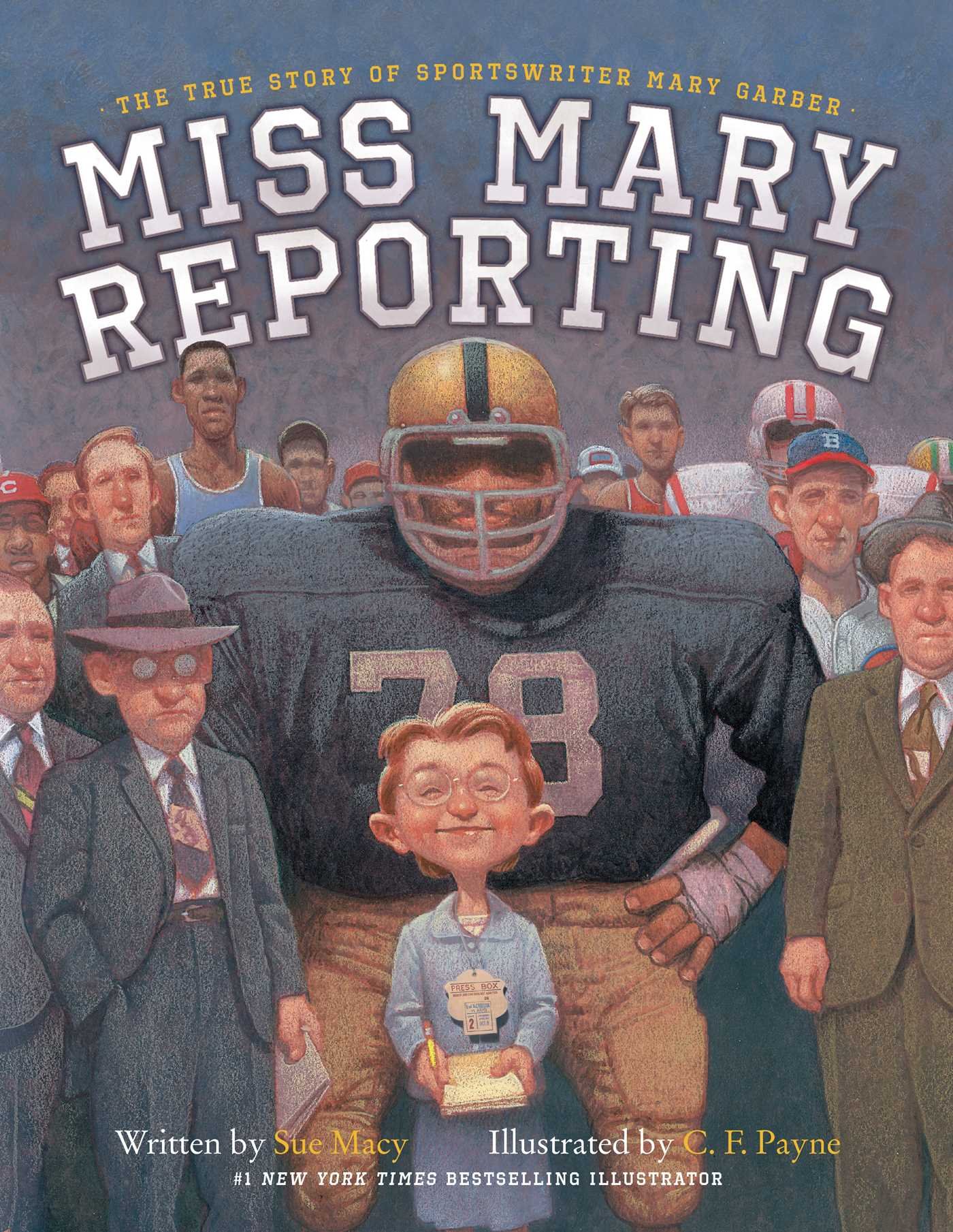
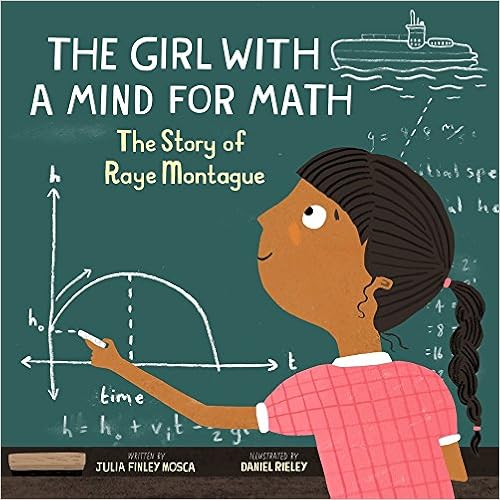
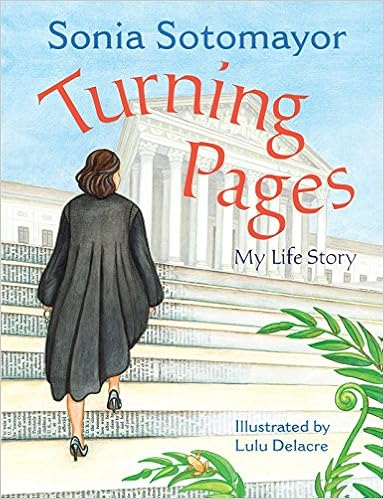
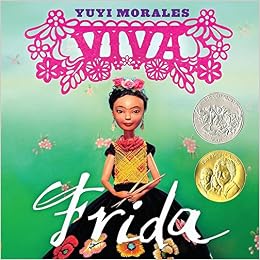
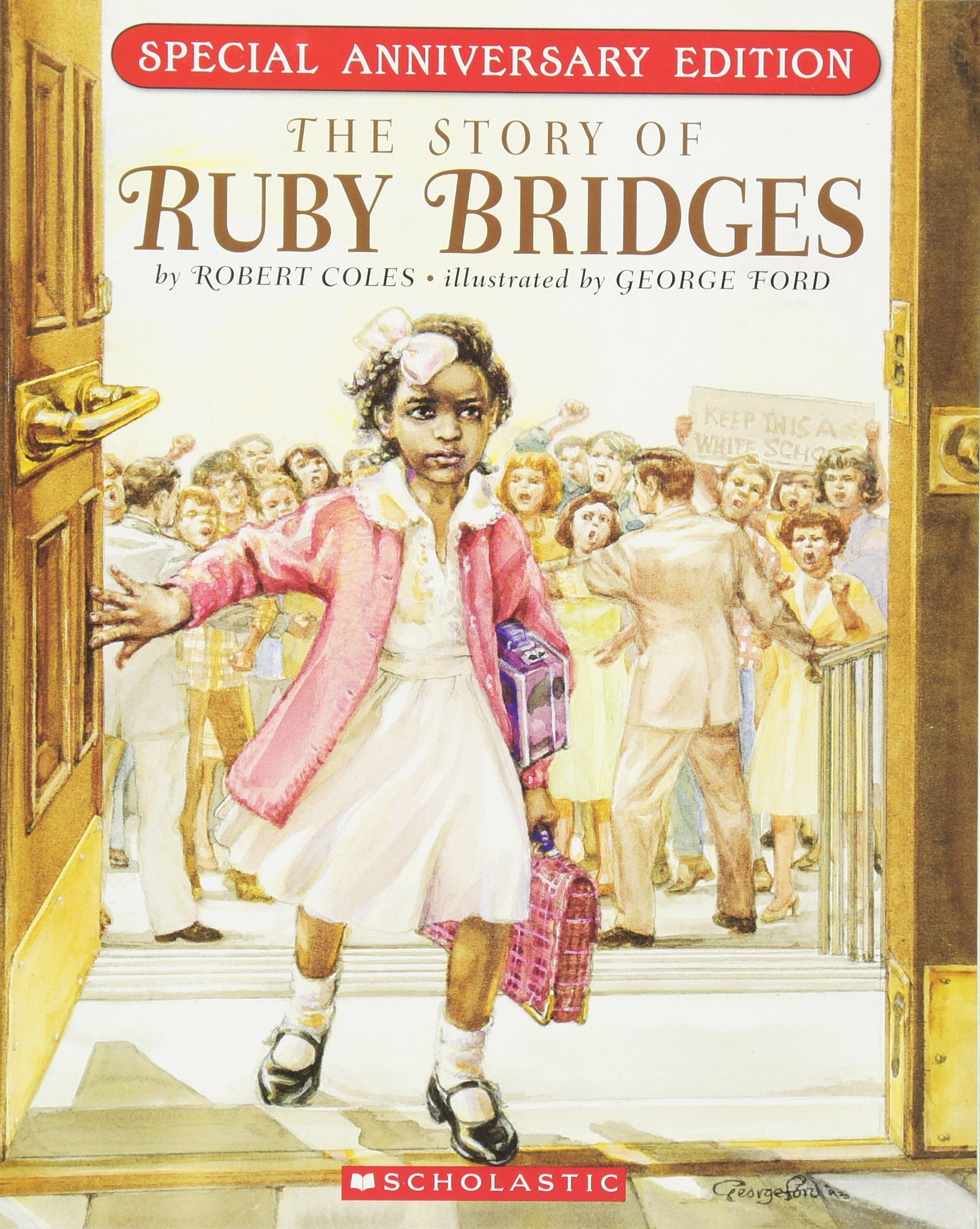
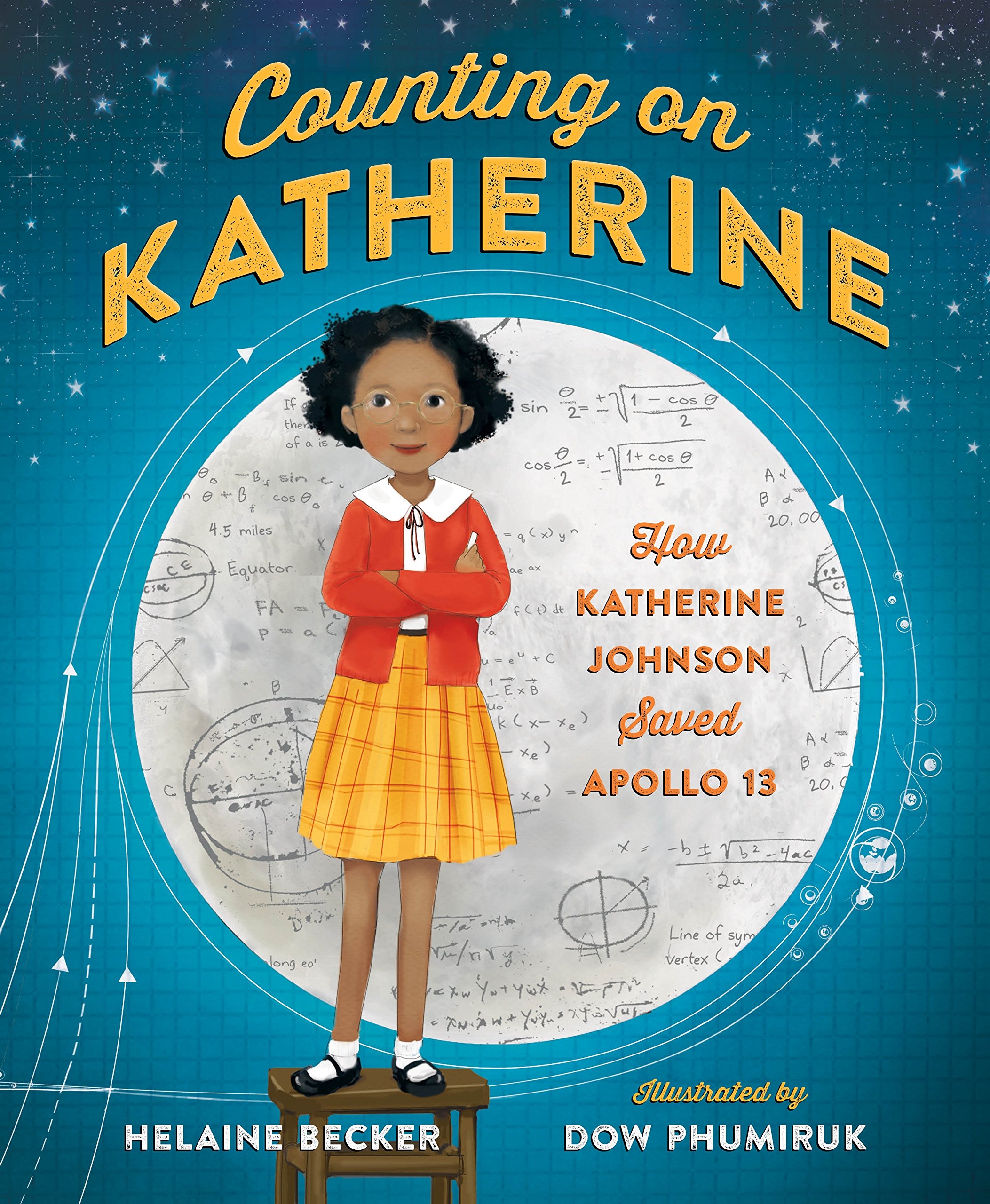
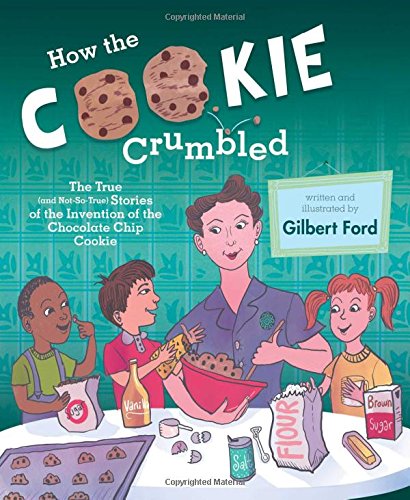
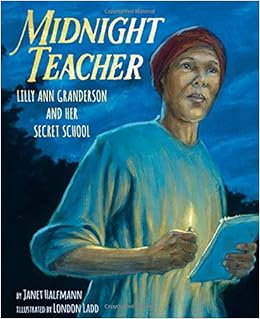
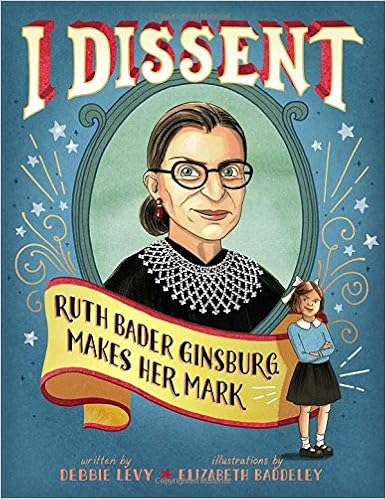
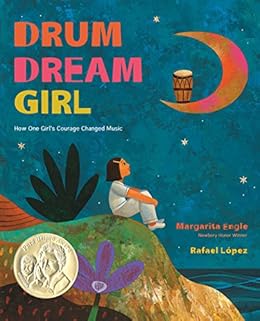
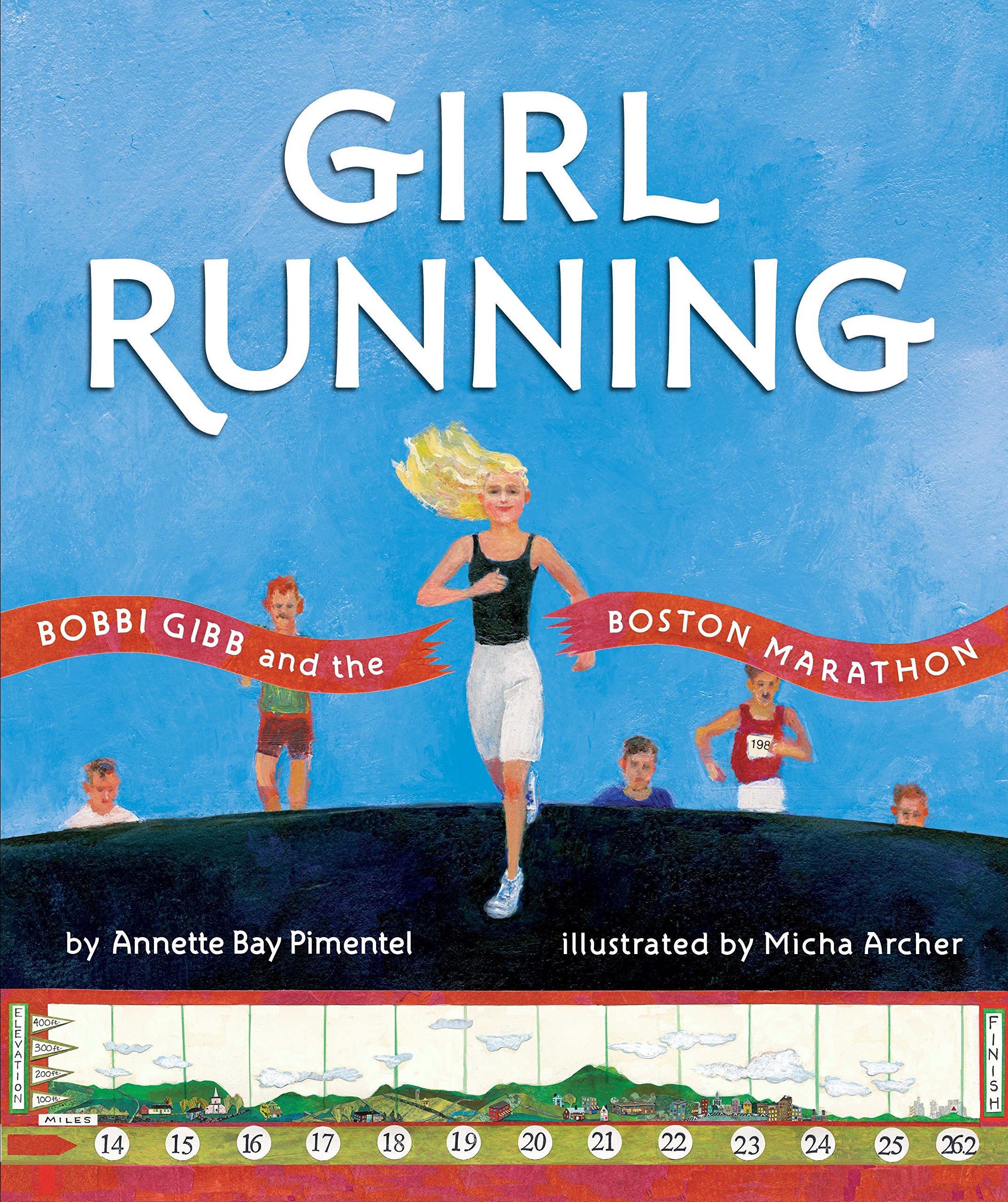
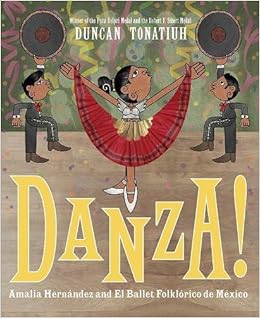
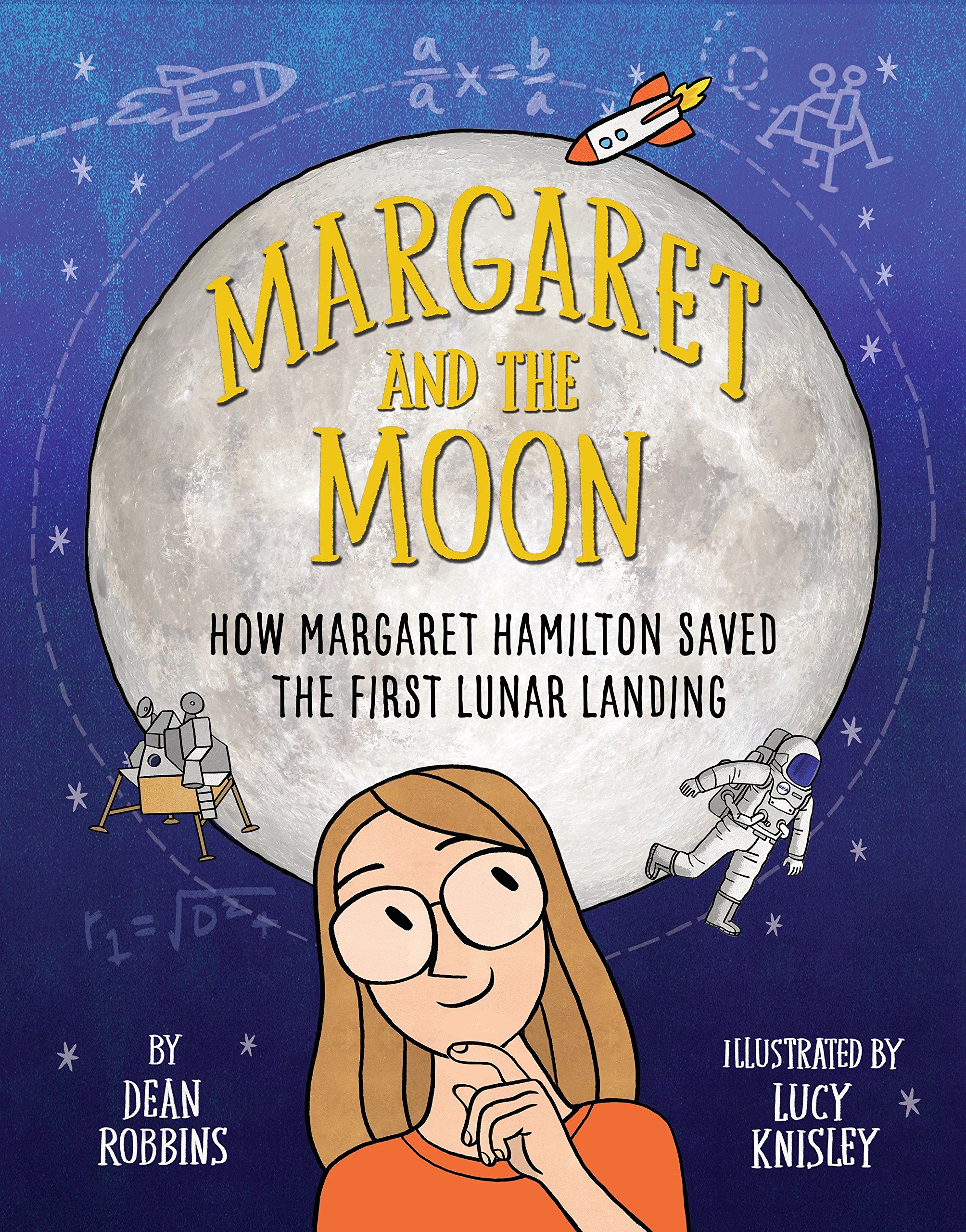
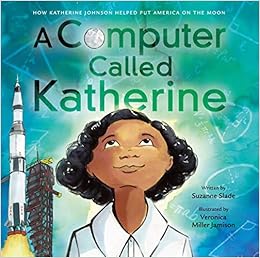
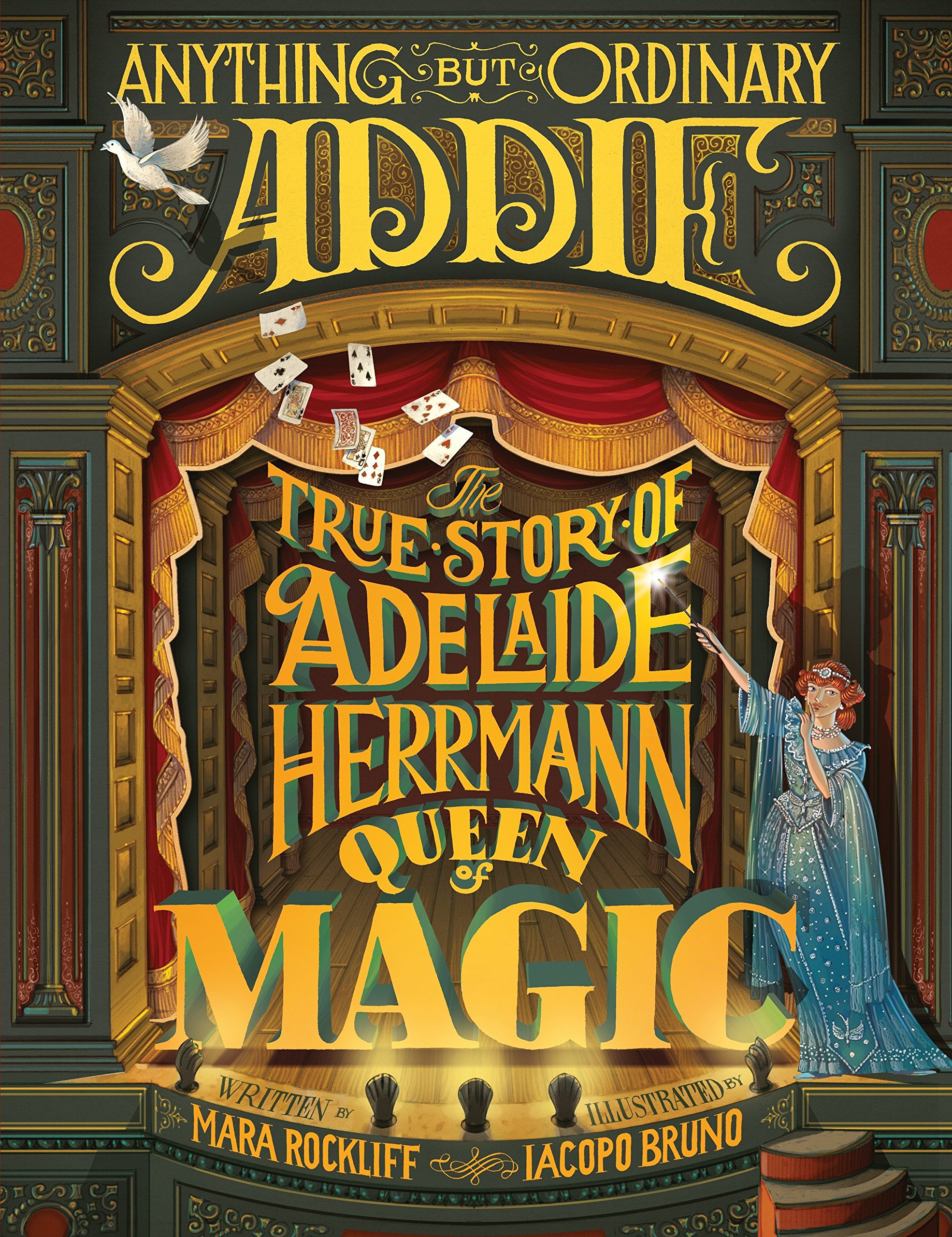
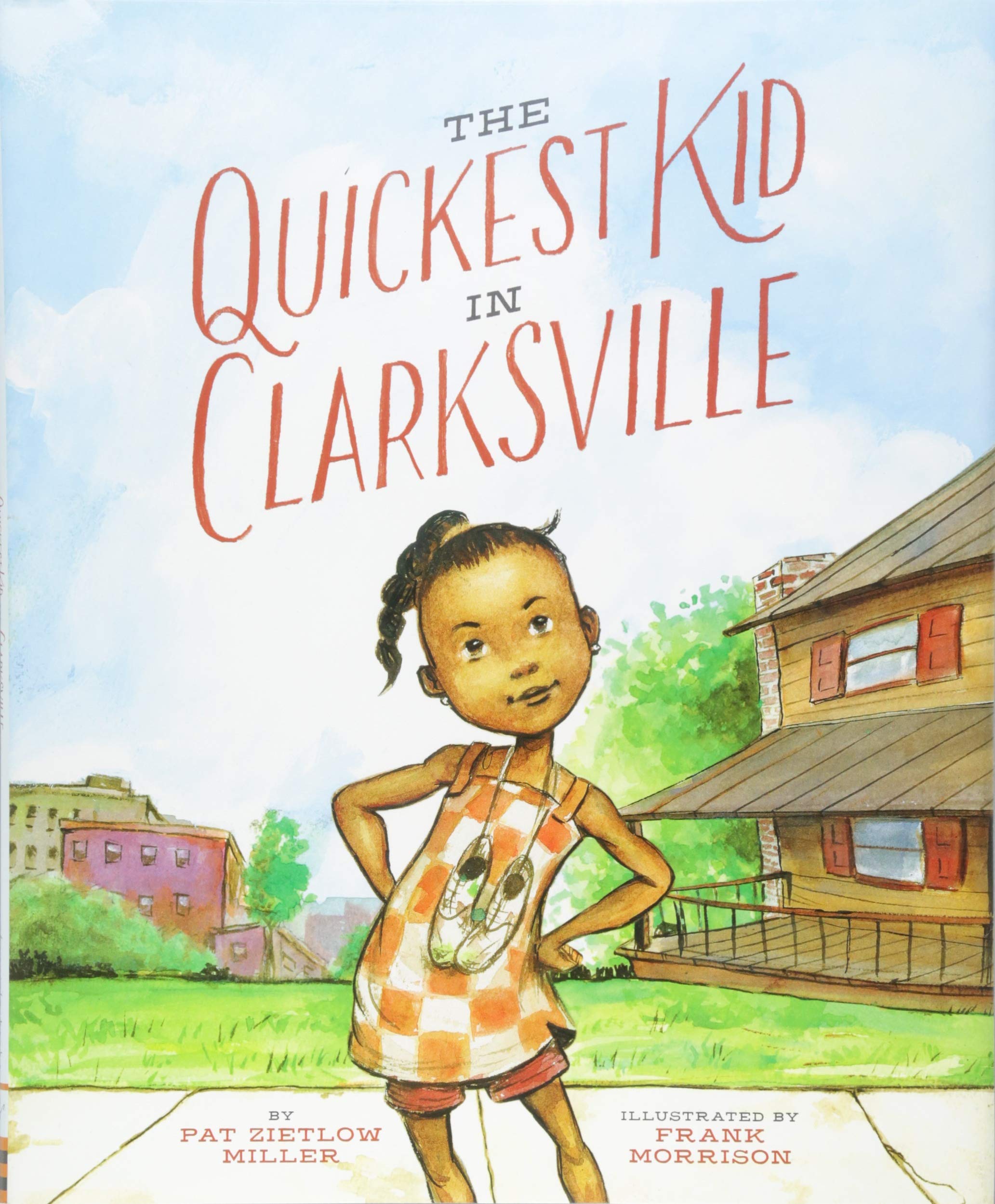
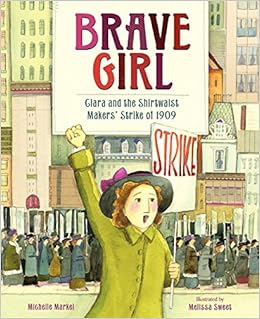
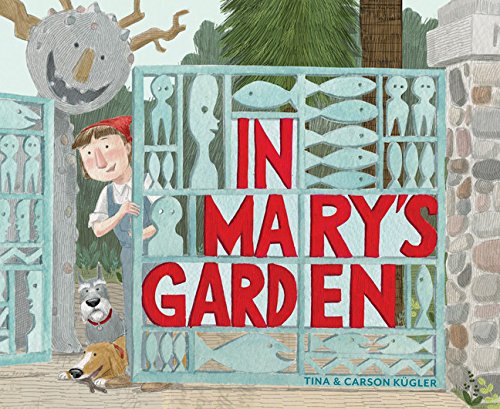
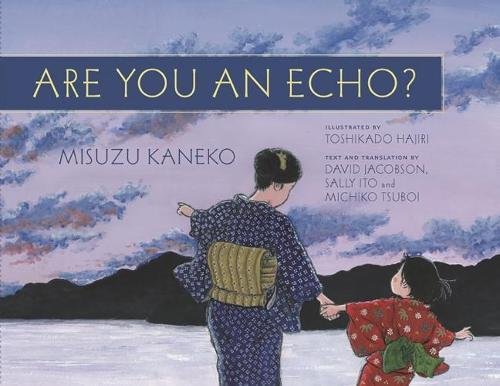
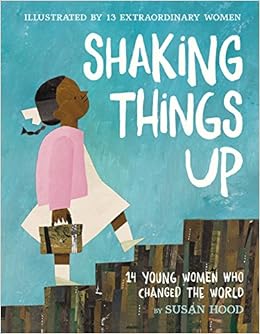
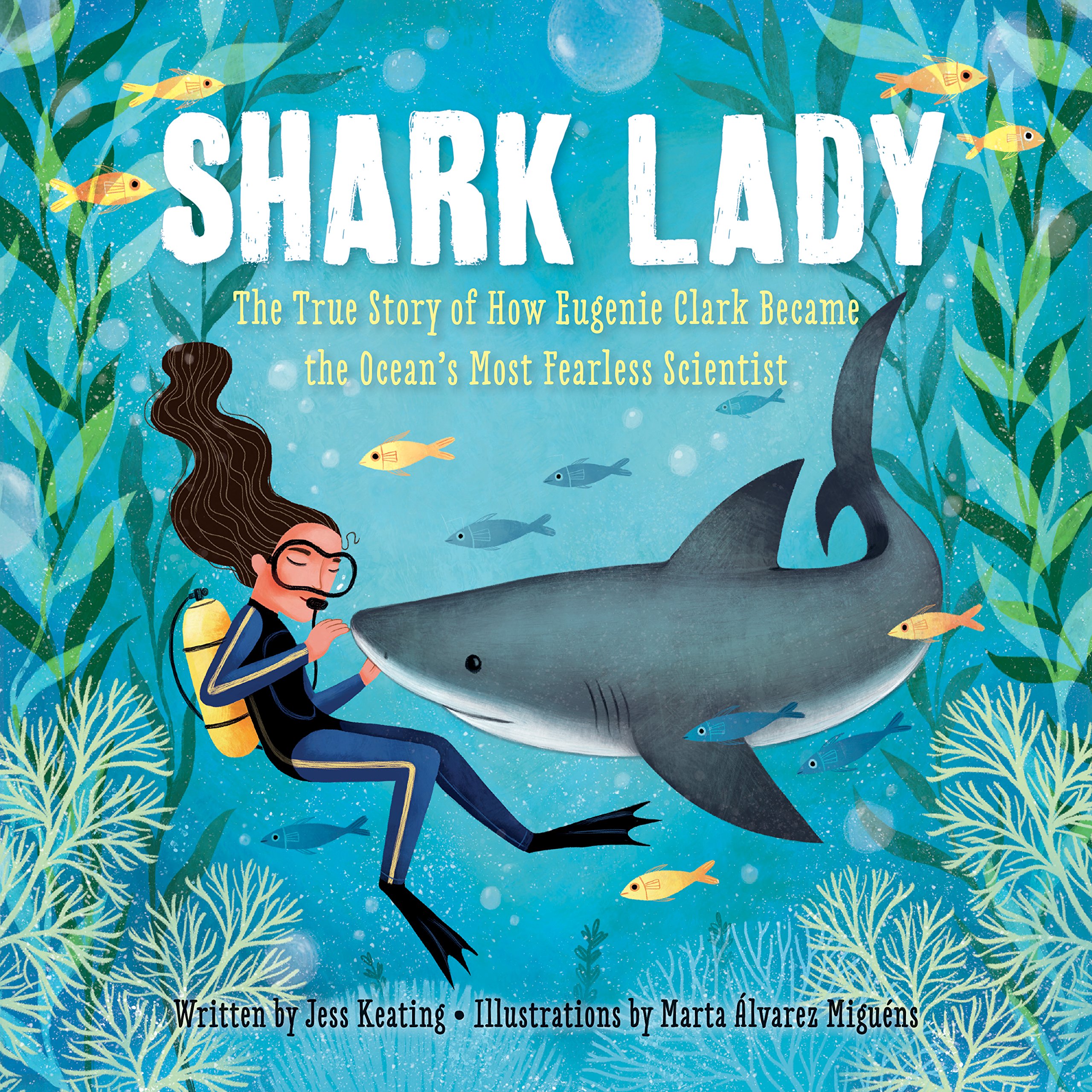
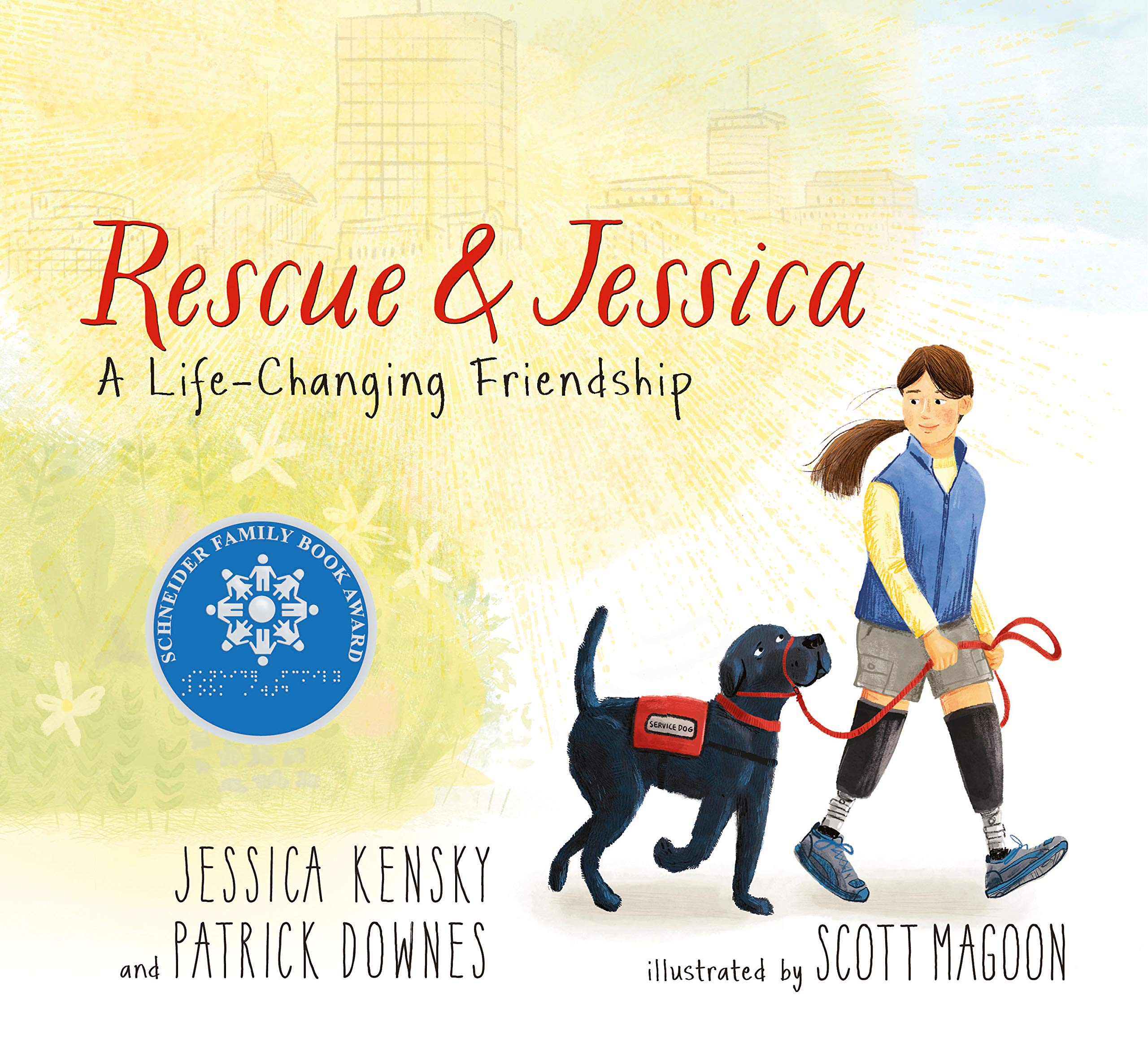
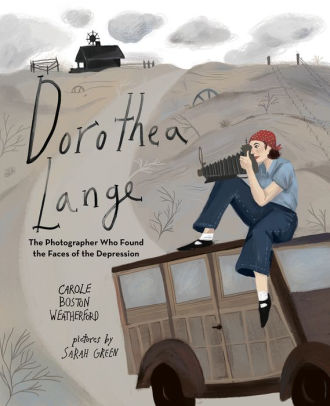
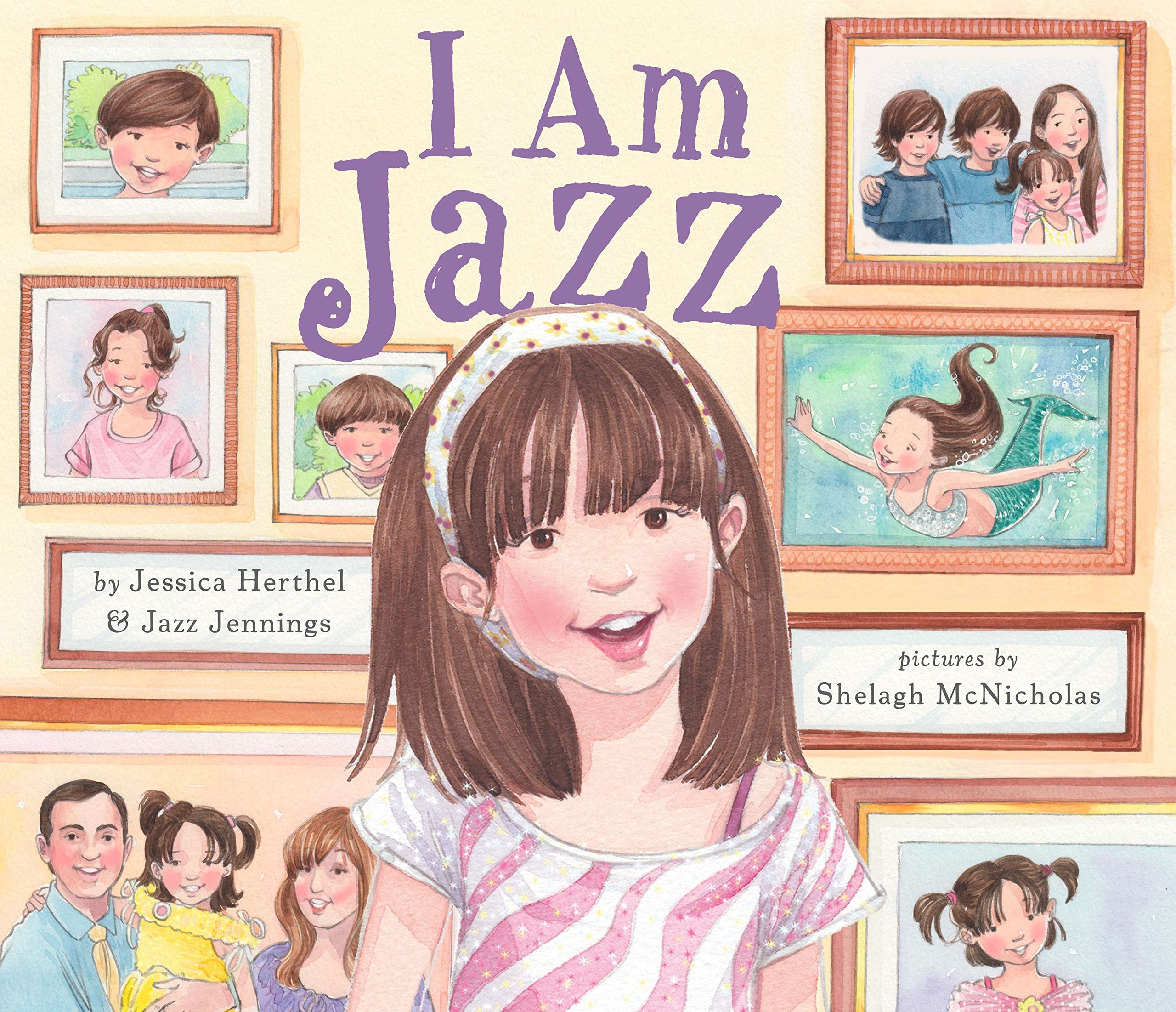
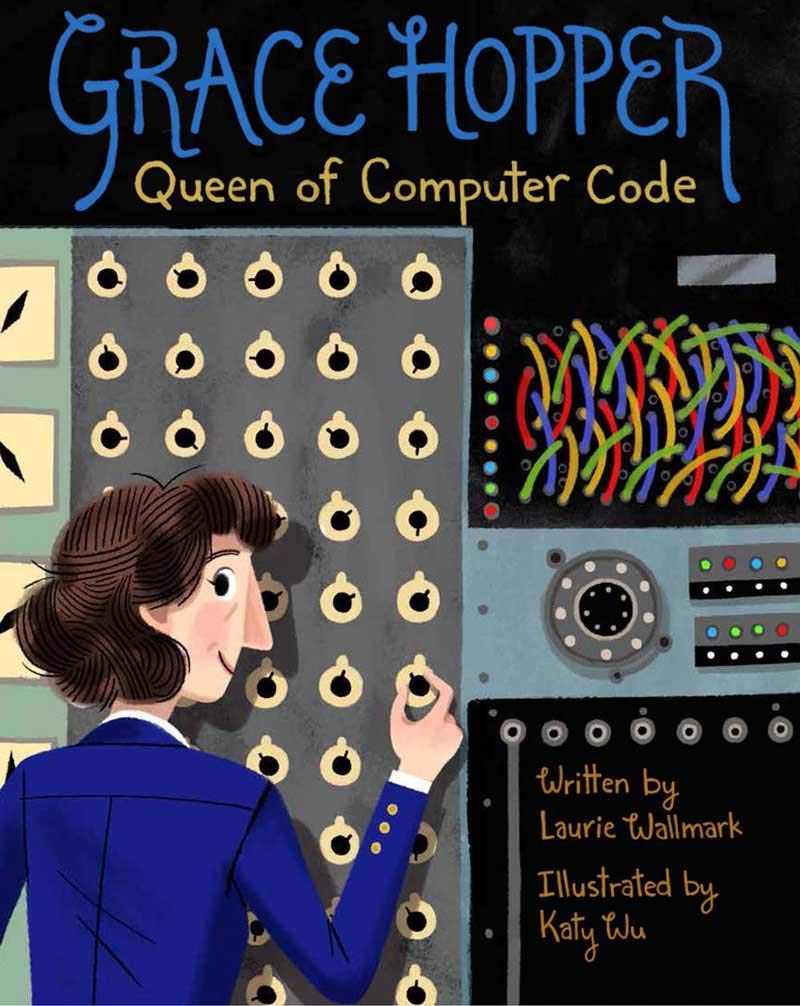
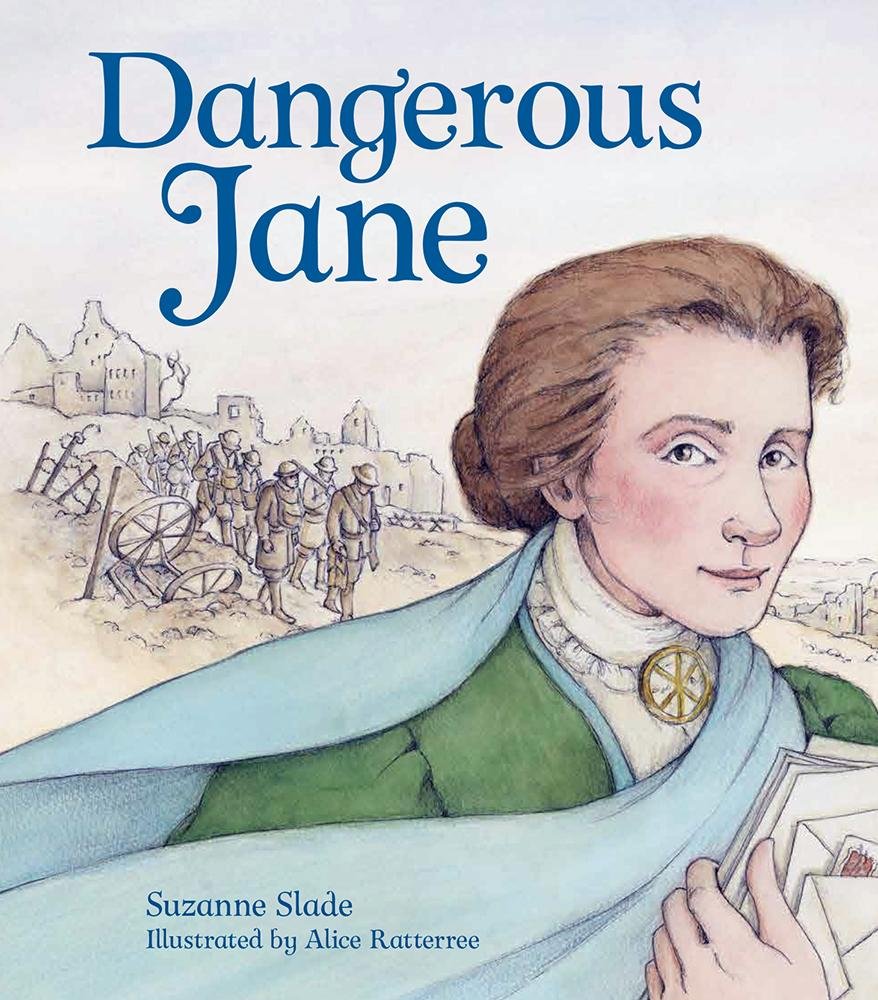
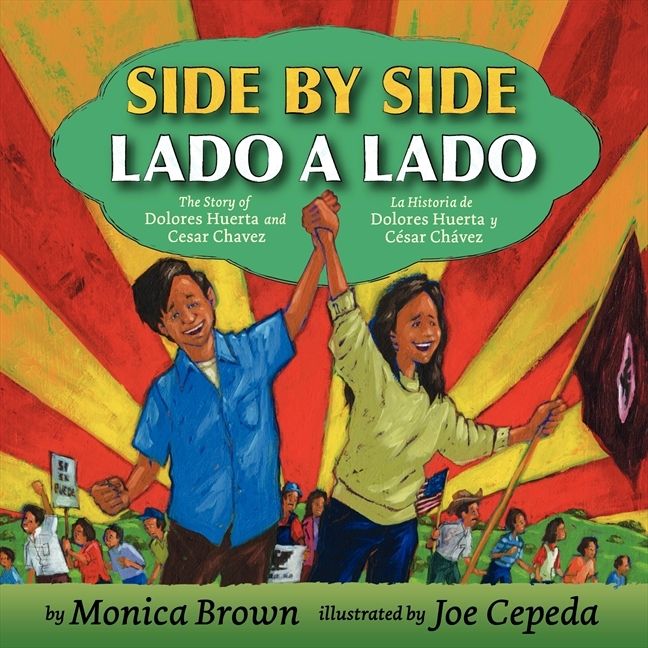
Last week, before the calendar switched to March, I changed our book displays in our classroom. Not because we stop celebrating Black history and excellence but because we wanted to add the component of females in history.
I was asked if I would share my list here, and while I don’t mind sharing it, I will say that it has holes. While I wanted to showcase an inclusive mix of picture books, I am still adding picture books that go beyond the well-known stories. I feel like there are many unknown women whose picture books are not on our shelves at the moment, so I am working on finding these for the future. I also want to continue to work on including more indigenous or First Nation stories, as well as stories of women who defy the narrow definition of their gender.
So what is gracing our shelves right now?
Yup – two books about the incredible Katherine JohnsonTechnically not nonfiction but it introduces/reminds students to Wilma Rudolph
Technically not a personTechnically not nonfiction but representation matters as far as stories
By no means is this an exhaustive list. We also have some of the picture books left out from last month that feature courageous women. If I had more space, I would have any more. Which are your favorite picture books for March?
This is the form I use to keep track of my notes as I meet with students, to see the form and more details, go to the original post
A few weeks ago, I blogged about an idea I was trying in our classroom as a way to help the kids who seem to just not be “there” just yet. Who seem to just not have found a great book just yet. Who seem to just not be really reading more than a few pages a week. Who seem to be going through the motions rather than fully investing. Who seem to go from book to book without ever really sinking in. The idea was simple; do a daily check in for two weeks with just a few kids, ask them about the book itself but focus more so on their habits. It couldn’t hurt, right?
So for the past few weeks, this is what I have been doing. Taking a minute or two and checking in with just a few students, not ignoring anyone else, but starting with these few kids first to make sure we had a conversation about the book they were reading, as well as how they felt as readers.
What have we uncovered in these small conversations? Lots actually. Some things I already knew, such as how they felt about reading, but also some things I didn’t. How many of them don’t know when they should book shop, how many of them have a to-be-read list but don’t use it for anything, how many of them pick books that for whatever reason are the wrong kind of challenge for them at that time. And within these moments of revelation lies the entire heart of what I hope all of these incredible students will experience this year; a reading experience that is meaningful to them. And so these moments, based around a simple premise, it was exactly what I had hoped would happen; establishing a deeper relationship with these students as we unravel their reading identity further.
It turns out that almost all of them are having an incredibly hard time selecting a powerful book for themselves. That while they have had some positive experiences with books in the past, they don’t exactly know what made that book amazing. How many of them stick with the books, dreading every moment, rather than searching for something better. That they will “settle” on an okay book rather than pursue something better because they don’t think that better exists. That despite all of our conversations about book choice, book abandonment, paired with ample book access and book recommendations from their peers, from me, from our librarian, it is still not enough.
But these conversations; these few minutes we are having together every single day is helping them realize that there is more to reading than just going through the motions. That they deserve a great book. That they should demand for themselves to read incredible books and that that starts with knowing themselves better as a reader and also taking the time it sometimes takes to find their next read. So as the two weeks wind down for a few of the kids, some I am going to start seeing them every few days. Some I will continue to speak to every day, while some are ready for a trial period without me. New kids will be added, new goals will be set, new conversations await. And with that will come the continued reminder that all kids deserve our undivided attention, that all kids can have better relationships with reading, that all kids deserve to have outstanding reading experiences, even if they don’t know it yet. Some just need a little more attention to get (back) on the right path.
If you are wondering where I will be in the coming year or would like to have me speak, please see this page. If you like what you read here, consider reading my book, Passionate Readers – The Art of Reaching and Engaging Every Child. This book focuses on the five keys we can implement into any reading community to strengthen student reading experiences, even within the 45 minute English block. If you are looking for solutions and ideas for how to re-engage all of your students consider reading my very first book Passionate Learners – How to Engage and Empower Your Students.


















 Pernille Ripp