In a year unlike any other I have taught, I was curious to see how reading would be changed for our students, and changed it was. It makes sense too, with COVID impacting so many aspects of our lives, why not our reading lives as well? From kids not reading at all, to kids with no access to books, to feeling fully overwhelmed and finding little joy in the pages of books to those who burrowed deeper and read more than ever before, we faced it all and tried to do the best we could. We drove books out to kids, book talked our hearts out, gave space for independent reading time both virtually and in class, and continued our work discussing and exploring our reading journeys.
There were a lot of repeat favorites this year but also many favorites which did not get discovered because kids were not in class with us, some not at all, others only for a short amount of time. Many turned to whichever books they had at home if they had any or books they had read in the past. Which means that it was a hugely dominant year for white authors and creator, I think this speaks to what kids have access to at home as well and what they have read in the past as they gravitated toward old favorites. I noticed this early on in the year, which is why I used most of our book talks this year to highlight BIPOC authors and creators (which I do anyway every year).
As always, I loved seeing what made the cut because I simply could not do the work I do without the help of these incredible books. Some of these are fine for all 7th graders, some are more mature, I am including them all so that you can make your own decision. All parents are informed of the range of books that are present in our classroom library so that students can choose something that speaks to them. Not all of these books are in my library but are books that the students have found and read independently.
Other things I noticed were:
- The most requested authors continue to be Jason Reynolds, Angie Thomas, Tahereh Mafi, Rick Riordan, Jeff Kinney, Alan Gratz, and Dav Pilkey.
- Middle grade books were a huge hit which also speaks to what the students felt emotionally ready for. Typically we have way more YA read in 7th grade than any other genre but not this year.
- Free verse books and graphic novels were still the most popular formats of books.
- Social justice books continue to carry a deep impact and are passed from hand to hand but many kids also wanted fun or really fast-paced books this year that didn’t take on heavy topics because they felt the world was heavy enough as it is.
- Kids reading interests range widely, some students gravitated toward more traditional literature this year while others solely devoured lighthearted middle grade – this shows the incredible need for a broad and inclusive selection for all of our students.
To see the list from 2016 go here
To see the list from 2017 go here
To see the list from 2018, go here
To see the list from 2019, go here
To see the list from 2020, go here
I have gathered the list for shopping purposes at Bookshop.org – a fantastic website that partners with independent booksellers and pays them a higher percentage for anything they sell than Amazon. So please consider using them when ordering books or if you need to use Amazon please consider using this link.
Without further ado, here they are as reported by my seventh graders this year.
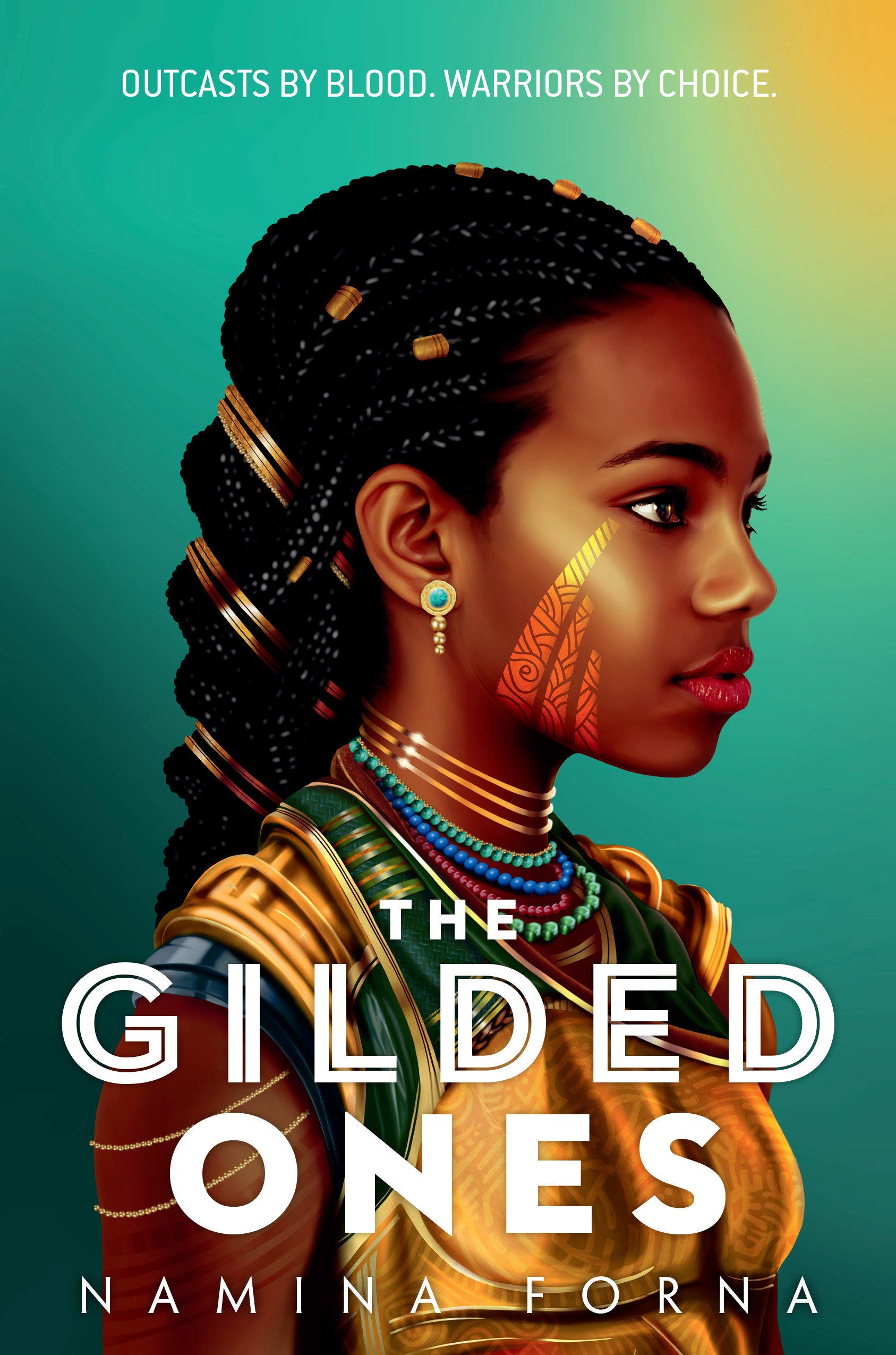
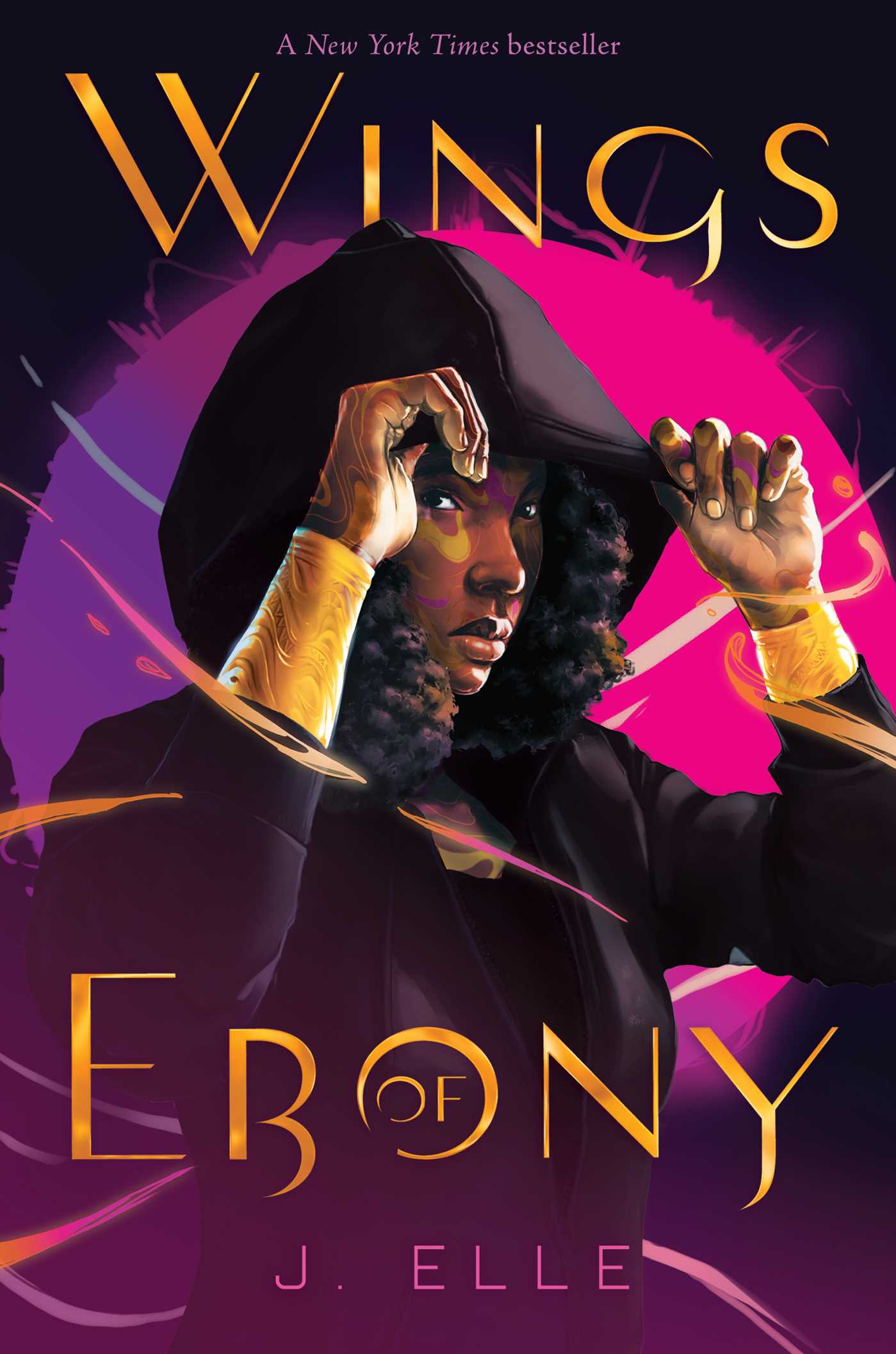
Sixteen-year-old Deka lives in fear and anticipation of the blood ceremony that will determine whether she will become a member of her village. Already different from everyone else because of her unnatural intuition, Deka prays for red blood so she can finally feel like she belongs.But on the day of the ceremony, her blood runs gold, the color of impurity-and Deka knows she will face a consequence worse than death.Then a mysterious woman comes to her with a choice: stay in the village and submit to her fate, or leave to fight for the emperor in an army of girls just like her. They are called alaki-near-immortals with rare gifts. And they are the only ones who can stop the empire’s greatest threat.Knowing the dangers that lie ahead yet yearning for acceptance, Deka decides to leave the only life she’s ever known. But as she journeys to the capital to train for the biggest battle of her life, she will discover that the great walled city holds many surprises. Nothing and no one are quite what they seem to be-not even Deka herself.

One touch is all it takes. One touch, and Juliette Ferrars can leave a fully grown man gasping for air. One touch, and she can kill.
No one knows why Juliette has such incredible power. It feels like a curse, a burden that one person alone could never bear. But The Reestablishment sees it as a gift, sees her as an opportunity. An opportunity for a deadly weapon.
Juliette has never fought for herself before. But when she’s reunited with the one person who ever cared about her, she finds a strength she never knew she had.

After Ember is rescued from a devastating house fire, she longs for a forever home. But every family that adopts the yellow Lab puppy brings her back, saying she is untrainable, has too much energy, or is just plain destructive. After three failed placements, young Ember is out of options.
The Sterling family runs a ranch that turns rescued dogs into rescue dogs. They’re willing to take a chance on the young Lab, not knowing that Ember’s first rescue will test her skills and strength beyond imagination…

Will Tyler may not be the biggest running back around, but no one can touch him when it comes to hitting the hole and finding the end zone. And no one can match his love of the game. When Will has a football in his hand, life can’t touch him–his dad isn’t so defeated, his town isn’t so poor, and everyone has something to cheer for. All of which does him no good if the football season is canceled. With no funding for things like uniforms and a well-maintained playing field, with every other family moving to find jobs, there just isn’t enough money or players for a season. It’s up to Will to rally the town and give everyone a reason to believe . . .

September 11, 2001, New York City: Brandon is visiting his dad at work, on the 107th floor of the World Trade Center. Out of nowhere, an airplane slams into the tower, creating a fiery nightmare of terror and confusion. And Brandon is in the middle of it all. Can he survive — and escape?
September 11, 2019, Afghanistan: Reshmina has grown up in the shadow of war, but she dreams of peace and progress. When a battle erupts in her village, Reshmina stumbles upon a wounded American soldier named Taz. Should she help Taz — and put herself and her family in mortal danger?
Two kids. One devastating day. Nothing will ever be the same.
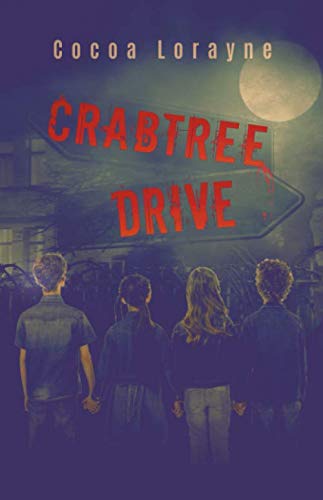
When African American, fifteen-year-old Raven came to the small, white only neighborhood of Crabtree Drive she’d thought she’d already braced herself for anything…until she finds herself involved with her young neighbor; the bizarrely naïve Dave. Starting with the fact that the ignorant Dave has never heard of simple things such as birds or fire, a string of events lead Raven to realize that something is clearly wrong with Crabtree Drive. Weird pupils, racist teachers and a PE Coach that teaches students to use semi-automatic rifles are only part of her concerns. It doesn’t take long before Raven becomes adamant that her and her family need to leave Crabtree Drive.
However, her plans to leave are constantly dissuaded by Dave who is adamant that nobody leaves Crabtree Drive by the road. In fact, it doesn’t appear as though anybody leaves Crabtree Drive at all. This setback turns out to only be minor in comparison to what gets in Raven’s path; because oftentimes a utopia for one is only a dystopia for another…
![What Waits in the Woods by [Kieran Scott]](https://m.media-amazon.com/images/I/51RTwnjZ+0L.jpg)
Seeing things. You were just seeing things.
For city girl Callie Velasquez, nothing sounds more terrifying than a night out in the wilderness. But, wanting to bond with her popular new friends, Lissa and Penelope, she agrees to join them on a camping trip. At least Callie’s sweet new boyfriend, Jeremy, will be coming too.
But nothing goes as planned. The group loses half their food supply. Then they lose their way. And with strange sounds all around her–the snap of a twig, a sinister laugh–Callie wonders if she’s losing her mind.
Tensions swirl among the group, with dark secrets suddenly revealed. And then, things take a fatal turn: Callie stumbles upon a cold dead body in the woods.
Is the murderer close by, watching them? Callie has to figure out where she can turn and who she can trust, before her own life is at stake.

On the night of October 6, 1998, a gay twenty-one-year-old college student named Matthew Shepard was kidnapped from a Wyoming bar by two young men, savagely beaten, tied to a remote fence, and left to die. Gay Awareness Week was beginning at the University of Wyoming, and the keynote speaker was Lesléa Newman, discussing her book Heather Has Two Mommies. Shaken, the author addressed the large audience that gathered, but she remained haunted by Matthew’s murder. October Mourning, a novel in verse, is her deeply felt response to the events of that tragic day. Using her poetic imagination, the author creates fictitious monologues from various points of view, including the fence Matthew was tied to, the stars that watched over him, the deer that kept him company, and Matthew himself. More than a decade later, this stunning cycle of sixty-eight poems serves as an illumination for readers too young to remember, and as a powerful, enduring tribute to Matthew Shepard’s life.

When Thomas wakes up in the lift, the only thing he can remember is his name. He’s surrounded by strangers–boys whose memories are also gone.
Outside the towering stone walls that surround them is a limitless, ever-changing maze. It’s the only way out–and no one’s ever made it through alive.
Then a girl arrives. The first girl ever. And the message she delivers is terrifying: Remember. Survive. Run.

Cassia has always trusted the Society’s choices. And when her best friend appears on the Matching screen, she is certain he’s the one–until she sees another face flash for an instant before the screen fades to black. Now she is faced with impossible choices: between Xander and Ky, between the only life she’s ever known and a path no has dared to follow . . . between perfection and the truth.
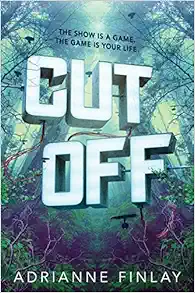
Each contestant has their own reasons–and their own secrets–for joining the new virtual reality show CUT/OFF that places a group of teenagers alone in the wilderness. It’s a simple premise: whoever lasts the longest without “tapping out” wins a cash prize. Not only that, new software creates a totally unprecedented television experience, allowing viewers to touch, see, and live everything along with the contestants. But what happens when “tapping out” doesn’t work and no one comes to save you? What happens when the whole world seemingly disappears while you’re stranded in the wild? Four teenagers must confront their greatest fears, their deepest secrets, and one another when they discover they are truly cut off from reality.

One choice can transform you. Beatrice Prior’s society is divided into five factions–Candor (the honest), Abnegation (the selfless), Dauntless (the brave), Amity (the peaceful), and Erudite (the intelligent). Beatrice must choose between staying with her Abnegation family and transferring factions.
Her choice will shock her community and herself. But the newly christened Tris also has a secret, one she’s determined to keep hidden, because in this world, what makes you different makes you dangerous.

Who is Ida B. Applewood? She is a fourth grader like no other, living a life like no other, with a voice like no other, and her story will resonate long after you have put this book down.
How does Ida B cope when outside forces–life, really–attempt to derail her and her family and her future? She enters her Black Period, and it is not pretty. But then, with the help of a patient teacher, a loyal cat and dog, her beloved apple trees, and parents who believe in the same things she does (even if they sometimes act as though they don’t), the resilience that is the very essence of Ida B triumph…and Ida B. Applewood takes the hand that is extended and starts to grow up.

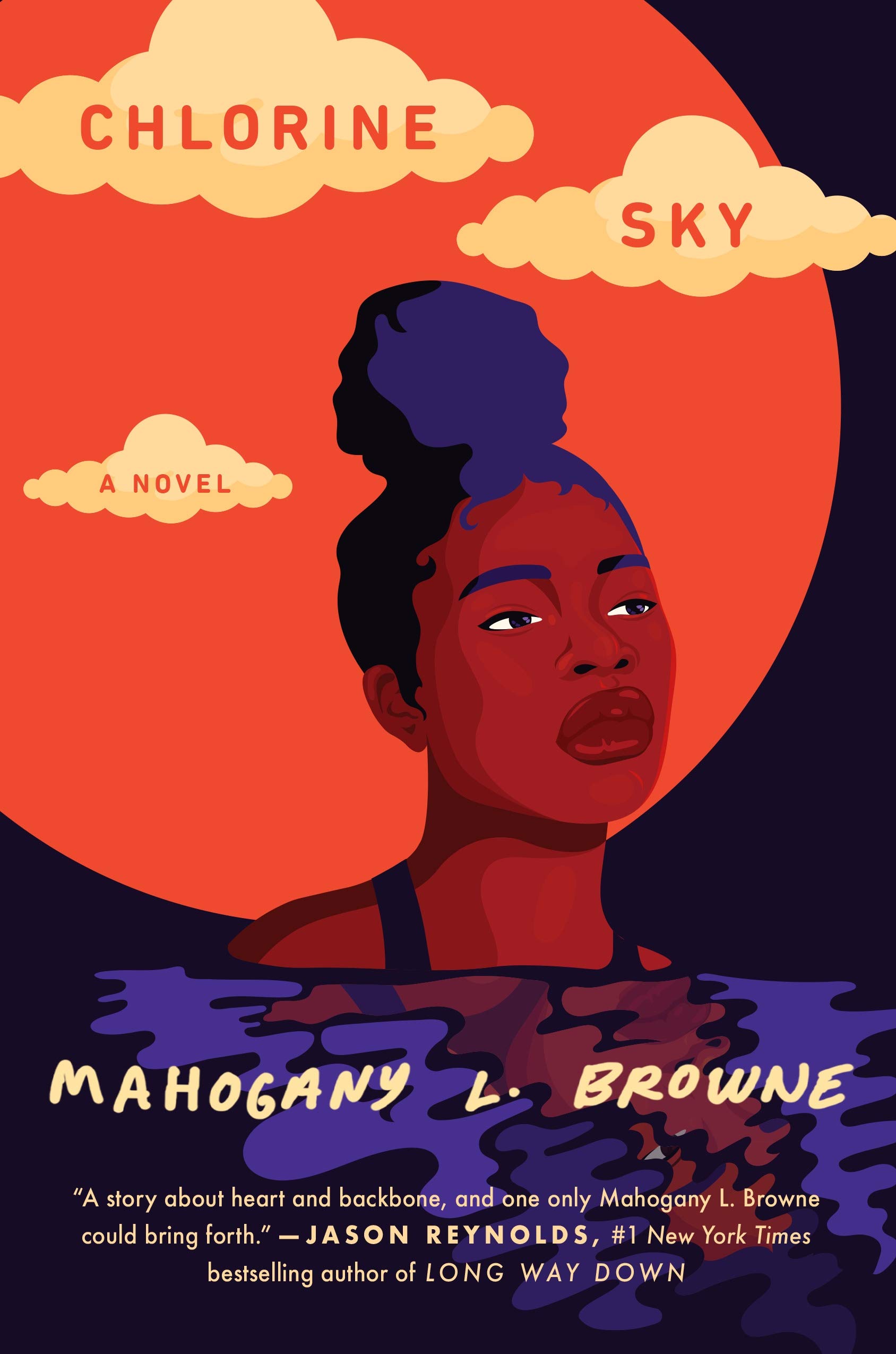
Ever since Ellie wore a whale swimsuit and made a big splash at her fifth birthday party, she’s been bullied about her weight. To cope, she tries to live by the Fat Girl Rules–like no making waves, avoid eating in public, and don’t move so fast that your body jiggles. And she’s found her safe space–her swimming pool–where she feels weightless in a fat-obsessed world. In the water, she can stretch herself out like a starfish and take up all the room she wants. It’s also where she can get away from her pushy mom, who thinks criticizing Ellie’s weight will motivate her to diet. Fortunately, Ellie has allies in her dad, her therapist, and her new neighbor, Catalina, who loves Ellie for who she is. With this support buoying her, Ellie might finally be able to cast aside the Fat Girl Rules and starfish in real life–by unapologetically being her own fabulous self.
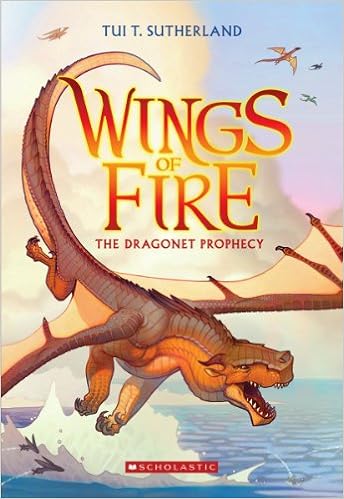
Clay and his friends have grown up under a mountain, secretly raised by the Talons of Peace to fulfill a mysterious prophecy. The five young dragons are destined to end the war that’s been raging between the tribes of Pyrrhia — but how they’ll do this, none of them knows.But not every dragonet wants a destiny. When one of their own is threatened, Clay and his friends decide to escape. Maybe they can break free and end the war at the same time — or maybe they’ll risk everything …

Alice has never believed in luck, but that doesn’t stop her from rooting for love. After pining for her best friend Teddy for years, she jokingly gifts him a lottery ticket–attached to a note professing her love–on his birthday. Then, the unthinkable happens: he actually wins.At first, it seems like the luckiest thing on earth. But as Teddy gets swept up by his $140 million windfall and fame and fortune come between them, Alice is forced to consider whether her stroke of good fortune might have been anything but.She bought a winning lottery ticket. He collected the cash. Will they realize that true love’s the real prize?

Jack is at the top of his game. He’s a senior running back on the football team, dominating every opponent in his way. To everyone else, Jack is totally in control. In reality, he struggles with an eating disorder that controls every aspect of his daily life. When Jack starts using steroids, he feels invincible, but will the steroids help him win the big game, or will he lose everything he’s ever worked for?

I guess I always felt even if the world came to an end, McDonald’s still would be open. Like one marble hitting another, when the moon slams closer to earth, the result is catastrophic. Worldwide tsunamis wipe out the coasts, earthquakes rock the continents, and volcanic ash blocks out the sun.As August turns dark and wintery in northeastern Pennsylvania, Miranda, her two brothers, and their mother retreat to the unexpected safe haven of their sunroom, where they subsist on stockpiled food and limited water in the warmth of a wood-burning stove.

Aven Green loves to tell people that she lost her arms in an alligator wrestling match, or a wildfire in Tanzania, but the truth is she was born without them. And when her parents take a job running Stagecoach Pass, a rundown western theme park in Arizona, Aven moves with them across the country knowing that she’ll have to answer the question over and over again.Her new life takes an unexpected turn when she bonds with Connor, a classmate who also feels isolated because of his own disability, and they discover a room at Stagecoach Pass that holds bigger secrets than Aven ever could have imagined. It’s hard to solve a mystery, help a friend, and face your worst fears. But Aven’s about to discover she can do it all . . . even without arms.

Cassius Clay was a kid with struggles like any other. Kwame Alexander and James Patterson join forces to vividly depict his life up to age seventeen in both prose and verse, including his childhood friends, struggles in school, the racism he faced, and his discovery of boxing. Readers will learn about Cassius’ family and neighbors in Louisville, Kentucky, and how, after a thief stole his bike, Cassius began training as an amateur boxer at age twelve. Before long, he won his first Golden Gloves bout and began his transformation into the unrivaled Muhammad Ali.

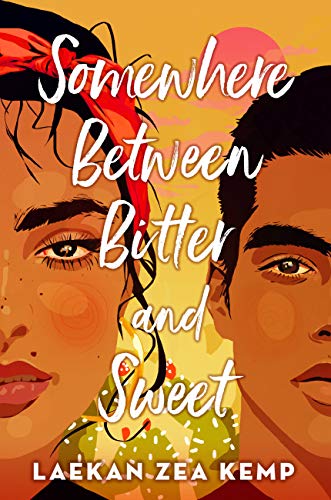
Bunny and Nasir have been best friends forever, but when Bunny accepts an athletic scholarship across town, Nasir feels betrayed. While Bunny tries to fit in with his new, privileged peers, Nasir spends more time with his cousin, Wallace, who is being evicted. Nasir can’t help but wonder why the neighborhood is falling over itself to help Bunny when Wallace is in trouble.When Wallace makes a bet against Bunny, Nasir is faced with an impossible decision–maybe a dangerous one.

A boy and his friends must find a way to survive in the mining tunnels after their new space colony is attacked in this gritty action-adventure novel, which School Library Journal called “a solid survival story.”In space. Underground. And out of time.Christopher Nichols and his family live on a new planet, Perses, as colonists of Melming Mining’s Great Mission to save the earth. Dozens of families like Christopher’s have relocated, too, like his best friend Elena Rosales.A communications blackout with Earth hits, and all of Perses is on its own for three months. It’s okay, though, because the colonists have prepared, stockpiling food and resources to survive. But they never prepared for an attack.Landers, as the attackers are called, obliterate the colony to steal the metal and raw ore. Now in a race against time, Christopher, along with a small group of survivors, are forced into the maze of mining tunnels. The kids run. They hide. But can they survive?

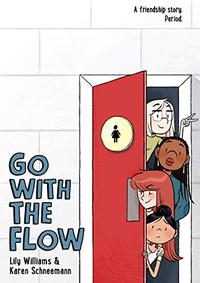
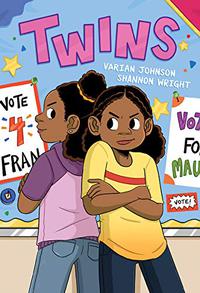
The last day of seventh grade has Jaime and Maya wondering who their real friends are.
Jaime knows something is off with her friend group. They’ve started to exclude her and make fun of the way she dresses and the things she likes. At least she can count on her BFF, Maya, to have her back . . . right?
Maya feels more and more annoyed with Jaime, who seems babyish compared to the other girls in their popular group. It’s like she has nothing in common with Jai anymore. Are their days as BFFs numbered . . . ?

A political heist page-turner set in middle school? Is that even possible? Varian Johnson shows us how it’s done. – Gordon Korman, author of SWINDLE Do yourself a favor and start reading immediately. – Rebecca Stead, author of WHEN YOU REACH ME Jackson Greene swears he’s given up scheming. Then school bully Keith Sinclair announces he’s running for Student Council president, against Jackson’s former friend Gaby de la Cruz. Gaby wants Jackson to stay out of it — but he knows Keith has connections to the principal, which could win him the presidency no matter the vote count. So Jackson assembles a crack team: Hashemi Larijani, tech genius. Victor Cho, bankroll. Megan Feldman, science goddess. Charlie de la Cruz, reporter. Together they devise a plan that will take down Keith, win Gaby’s respect, and make sure the election is done right. If they can pull it off, it will be remembered as the school’s greatest con ever — one worthy of the name THE GREAT GREENE HEIST.

Twelve-year-old criminal mastermind Artemis Fowl has discovered a world below ground of armed and dangerous–and extremely high-tech–fairies.
He kidnaps one of them, Holly Short, and holds her for ransom in an effort to restore his family’s fortune.
But he may have underestimated the fairies’ powers. Is he about to trigger a cross-species war?

For thirty-five girls, the Selection is the chance of a lifetime. The opportunity to escape a rigid caste system, live in a palace, and compete for the heart of gorgeous Prince Maxon. But for America Singer, being Selected is a nightmare. It means turning her back on her secret love with Aspen, who is a caste below her, and competing for a crown she doesn’t want.
Then America meets Prince Maxon–and realizes that the life she’s always dreamed of may not compare to a future she never imagined.

A tree full of monkeys the last thing fourteen-year-old Jay Berry Lee thought he’d find on one of his treks through Oklahoma’s Cherokee Ozarks. Jay learns from his grandfather that the monkeys have escaped from a circus and there is a big reward for anyone who finds them. He knows how much his family needs the money. Jay is determined to catch the monkeys. It’s a summer of thrills and dangers no one will ever forget.

When Savannah disappears soon after arguing with her mom’s boyfriend, everyone assumes she’s run away. The truth is much worse. She’s been kidnapped by a man in a white van who locks her in an old trailer home, far from prying eyes.And worse yet, Savannah’s not alone: ten months earlier, Jenny met the same fate and nearly died trying to escape. Now as the two girls wonder if he will hold them captive forever or kill them, they must join forces to break out–even if it means they die trying.
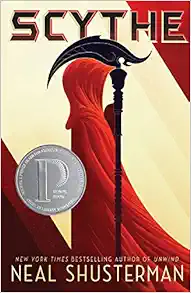
Two teens must learn the “art of killing” in this Printz Honor-winning book, the first in a chilling new series from Neal Shusterman, author of the New York Times bestselling Unwind dystology.A world with no hunger, no disease, no war, no misery: humanity has conquered all those things, and has even conquered death. Now Scythes are the only ones who can end life–and they are commanded to do so, in order to keep the size of the population under control.
Citra and Rowan are chosen to apprentice to a scythe–a role that neither wants. These teens must master the “art” of taking life, knowing that the consequence of failure could mean losing their own.
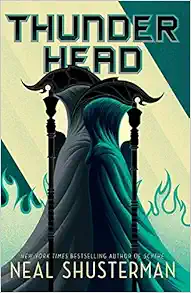
Rowan and Citra take opposite stances on the morality of the Scythedom, putting them at odds, in the chilling sequel to the Printz Honor Book Scythe from New York Times bestseller Neal Shusterman, author of the Unwind dystology.
The Thunderhead cannot interfere in the affairs of the Scythedom. All it can do is observe–it does not like what it sees.
A year has passed since Rowan had gone off grid. Since then, he has become an urban legend, a vigilante snuffing out corrupt scythes in a trial by fire. His story is told in whispers across the continent.
As Scythe Anastasia, Citra gleans with compassion and openly challenges the ideals of the “new order.” But when her life is threatened and her methods questioned, it becomes clear that not everyone is open to the change.Will the Thunderhead intervene?Or will it simply watch as this perfect world begins to unravel?

Brooklyn, 1998. Biggie Smalls was right: Things done changed. But that doesn’t mean that Quadir and Jarrell are cool letting their best friend Steph’s music lie forgotten under his bed after he’s murdered–not when his rhymes could turn any Bed Stuy corner into a party.
With the help of Steph’s younger sister Jasmine, they come up with a plan to promote Steph’s music under a new rap name: the Architect. Soon, everyone wants a piece of him. When his demo catches the attention of a hotheaded music label rep, the trio must prove Steph’s talent from beyond the grave.
As the pressure of keeping their secret grows, Quadir, Jarrell, and Jasmine are forced to confront the truth about what happened to Steph. Only, each has something to hide. And with everything riding on Steph’s fame, they need to decide what they stand for or lose all that they’ve worked so hard to hold on to–including each other.

Sixteen-year-old Starr Carter moves between two worlds: the poor neighborhood where she lives and the fancy suburban prep school she attends. The uneasy balance between these worlds is shattered when Starr witnesses the fatal shooting of her childhood best friend Khalil at the hands of a police officer. Khalil was unarmed.
Soon afterward, his death is a national headline. Some are calling him a thug, maybe even a drug dealer and a gangbanger. Protesters are taking to the streets in Khalil’s name. Some cops and the local drug lord try to intimidate Starr and her family. What everyone wants to know is: what really went down that night? And the only person alive who can answer that is Starr.
But what Starr does–or does not–say could upend her community. It could also endanger her life.
![The Puppet's Payback and Other Chilling Tales by [Mary Downing Hahn]](https://m.media-amazon.com/images/I/51WZWmLBLjL._SY346_.jpg)
Meet a malicious hand puppet that’s as much a part of your body as your hand itself.
Attend a school that prepares students not for life, but for death.
Witness a boy who lends his baseball glove to a different kid every spring–though he himself died years ago . . .

Thirteen-year-old Brian Robeson, haunted by his secret knowledge of his mother’s infidelity, is traveling by single-engine plane to visit his father for the first time since the divorce. When the plane crashes, killing the pilot, the sole survivor is Brian. He is alone in the Canadian wilderness with nothing but his clothing, a tattered windbreaker, and the hatchet his mother had given him as a present.At first consumed by despair and self-pity, Brian slowly learns survival skills–how to make a shelter for himself, how to hunt and fish and forage for food, how to make a fire–and even finds the courage to start over from scratch when a tornado ravages his campsite. When Brian is finally rescued after fifty-four days in the wild, he emerges from his ordeal with new patience and maturity, and a greater understanding of himself and his parents.

Mare Barrow’s world is divided by blood–those with common, Red blood serve the Silver-blooded elite, who are gifted with superhuman abilities. Mare is a Red, scraping by as a thief in a poor, rural village, until a twist of fate throws her in front of the Silver court. Before the king, princes, and all the nobles, she discovers she has an ability of her own.
To cover up this impossibility, the king forces her to play the role of a lost Silver princess and betroths her to one of his own sons. As Mare is drawn further into the Silver world, she risks everything and uses her new position to help the Scarlet Guard–a growing Red rebellion–even as her heart tugs her in an impossible direction.
One wrong move can lead to her death, but in the dangerous game she plays, the only certainty is betrayal.

In this young readers’ edition of Hope Solo’s exciting life story, adapted from Solo: A Memoir of Hope, the former starting goalkeeper for the U.S. women’s national soccer team gives readers behind-the-scenes details of her life on and off the field.
Solo offers a fearless female role model for the next generation, driven to succeed on her own terms. Young fans will truly be inspired by Hope’s repeated triumphs over adversity. Her relentless spirit has molded her into the person she is today—one of the most charismatic athletes in America.
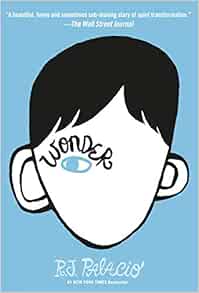
I won’t describe what I look like. Whatever you’re thinking, it’s probably worse.August Pullman was born with a facial difference that, up until now, has prevented him from going to a mainstream school. Starting 5th grade at Beecher Prep, he wants nothing more than to be treated as an ordinary kid–but his new classmates can’t get past Auggie’s extraordinary face. Beginning from Auggie’s point of view and expanding to include his classmates, his sister, her boyfriend, and others, the perspectives converge to form a portrait of one community’s struggle with empathy, compassion, and acceptance. In a world where bullying among young people is an epidemic, this is a refreshing new narrative full of heart and hope.

The Greystone kids thought they knew. Chess has always been the protector over his younger siblings, Emma loves math, and Finn does what Finn does best–acting silly and being adored. They’ve been a happy family, just the three of them and their mom.
But everything changes when reports of three kidnapped children reach the Greystone kids, and they’re shocked by the startling similarities between themselves and these complete strangers. The other kids share their same first and middle names. They’re the same ages. They even have identical birthdays. Who, exactly, are these strangers?
Before Chess, Emma, and Finn can question their mom about it, she takes off on a sudden work trip and leaves them in the care of Ms. Morales and her daughter, Natalie. But puzzling clues left behind lead to complex codes, hidden rooms, and a dangerous secret that will turn their world upside down.

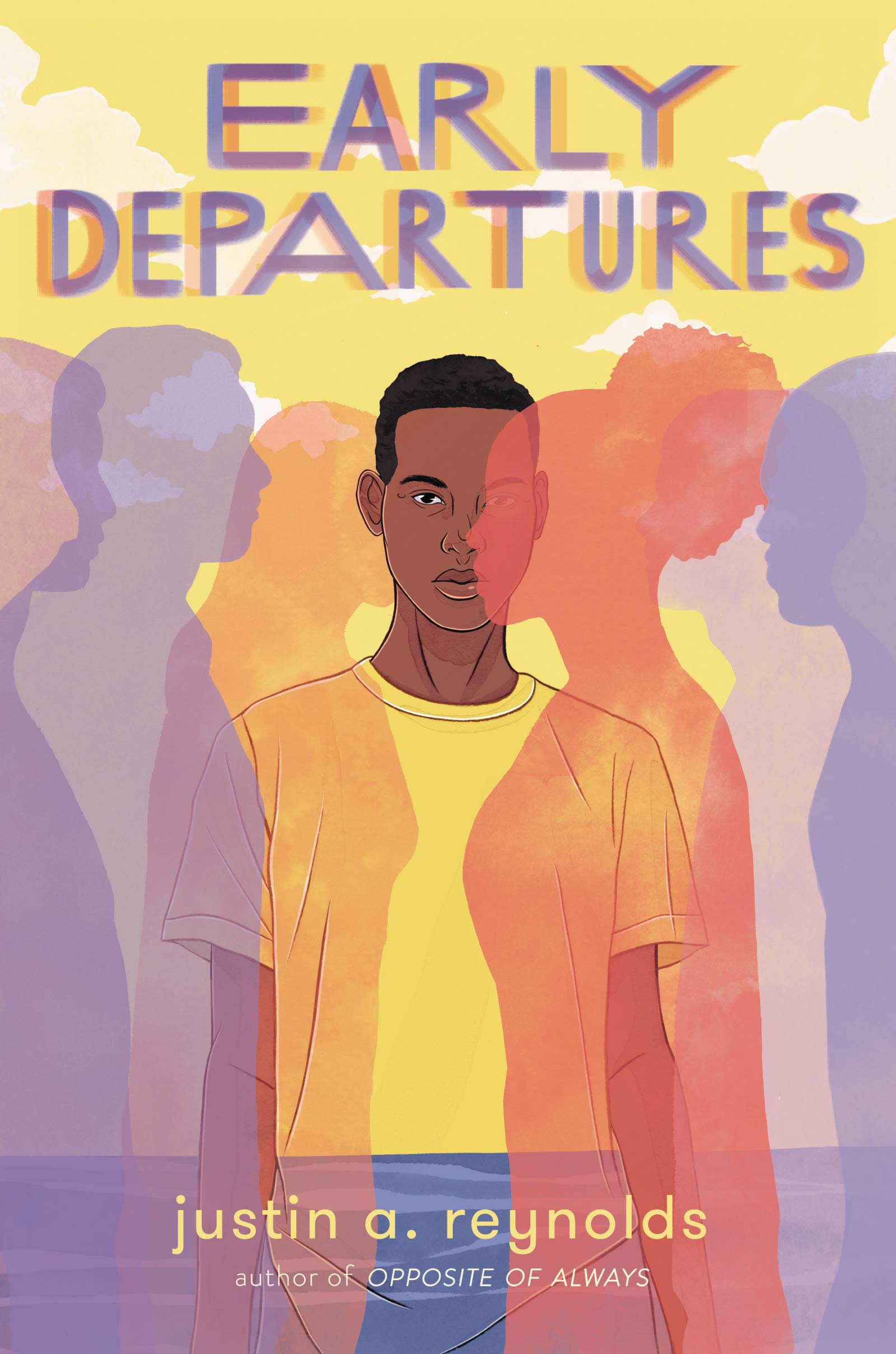
Efram is new to Troy, Ohio, a town where football is everything. And as soon as he sets foot in Troy Central High, the school’s head coach takes notice of Efram’s perfect football build. Suddenly Efram is gearing up for practice―even though he has never played the game.
Flick is too small to run for a touchdown or sack a quarterback. And with his mohawk and outsider attitude, he’s not exactly a team player. But he notices things on the football field that most people can’t see. When Flick and Efram team up, they’ll show Troy Central High a whole new way to win.

Why would Napoleon Bonaparte sell the Louisiana Territory to the recently formed United States of America? It all comes back to the island nation of Haiti, which Napoleon had planned to use as a base for trade with North America. While Napoleon climbed the ranks of the French army and government, enslaved people were organizing in Haiti under the leadership of François Mackandal, Dutty Boukman, Jean-Jacques Dessalines, and Touissant L’Ouverture, who in 1791 led the largest uprising of enslaved people in history–the Haitian Revolution.
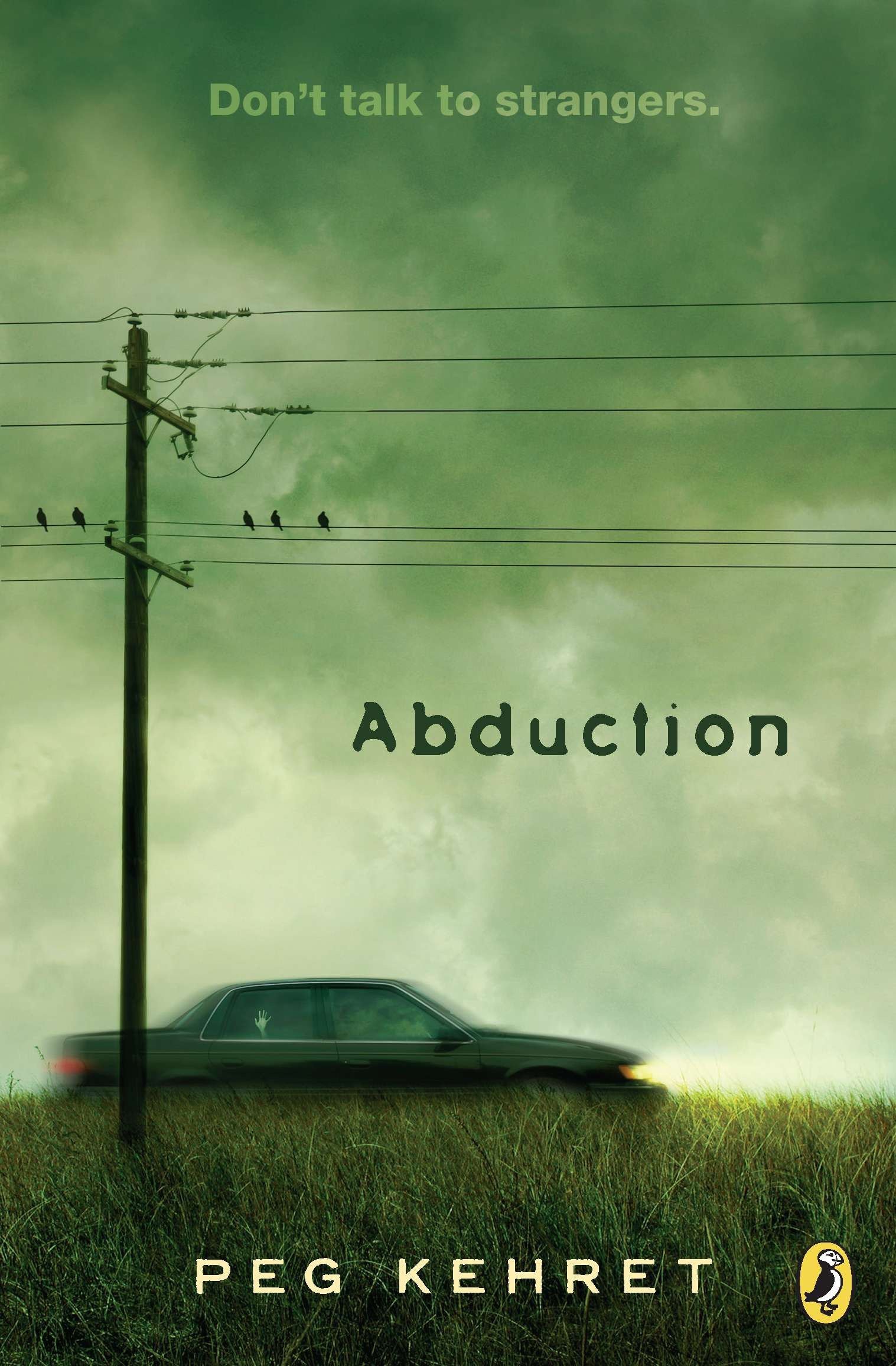
Matt is missing. Bonnie’s brother left his classroom to use thebathroom –and disappeared. A police dog traces his scent to the curb, where he apparently got into a vehicle. But why would Matt go anywhere with a stranger? Overwhelmed with fear, Bonnie discovers that her dog is gone, too. Was Pookie used as a lure for Matt? Bonnie makes one big mistake in her attempt to find her brother. In a chilling climax on a Washington State ferry, Bonnie and Matt must outsmart their abductor or pay with their lives.

Thrown in prison for a crime he has not committed, Edmond Dantes is confined to the grim fortress of If. There he learns of a great hoard of treasure hidden on the Isle of Monte Cristo and he becomes determined not only to escape, but also to unearth the treasure and use it to plot the destruction of the three men responsible for his incarceration.

For seventh-grader Mila, it starts with some boys giving her an unwanted hug on the school blacktop. A few days later, at recess, one of the boys (and fellow trumpet player) Callum tells Mila it’s his birthday, and asks her for a “birthday hug.” He’s just being friendly, isn’t he? And how can she say no? But Callum’s hug lasts a few seconds too long, and feels…weird. According to her friend, Zara, Mila is being immature and overreacting. Doesn’t she know what flirting looks like?But the boys don’t leave Mila alone. On the bus. In the halls. During band practice–the one place Mila could always escape.It doesn’t feel like flirting–so what is it? Thanks to a chance meeting, Mila begins to find solace in a new place: karate class. Slowly, with the help of a fellow classmate, Mila learns how to stand her ground and how to respect others–and herself.

Percy Jackson is a good kid, but he can’t seem to focus on his schoolwork or control his temper. And lately, being away at boarding school is only getting worse–Percy could have sworn his pre-algebra teacher turned into a monster and tried to kill him.
When Percy’s mom finds out, she knows it’s time that he knew the truth about where he came from, and that he go to the one place he’ll be safe. She sends Percy to Camp Half Blood, a summer camp for demigods (on Long Island), where he learns that the father he never knew is Poseidon, god of the sea. Soon a mystery unfolds and together with his friends–one a satyr and the other the demigod daughter of Athena–Percy sets out on a quest across the United States to reach the gates of the Underworld (located in a recording studio in Hollywood) and prevent a catastrophic war between the gods.
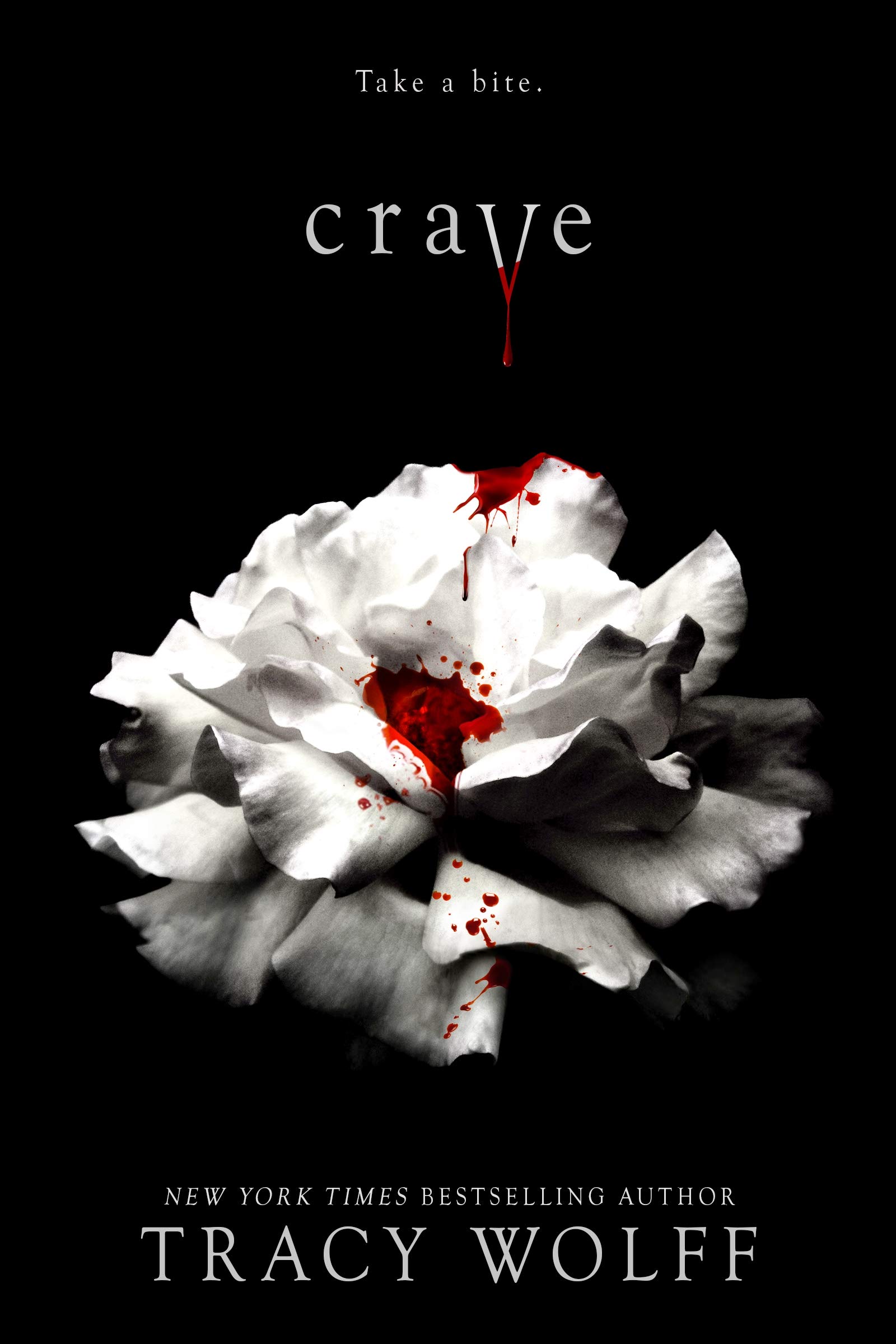
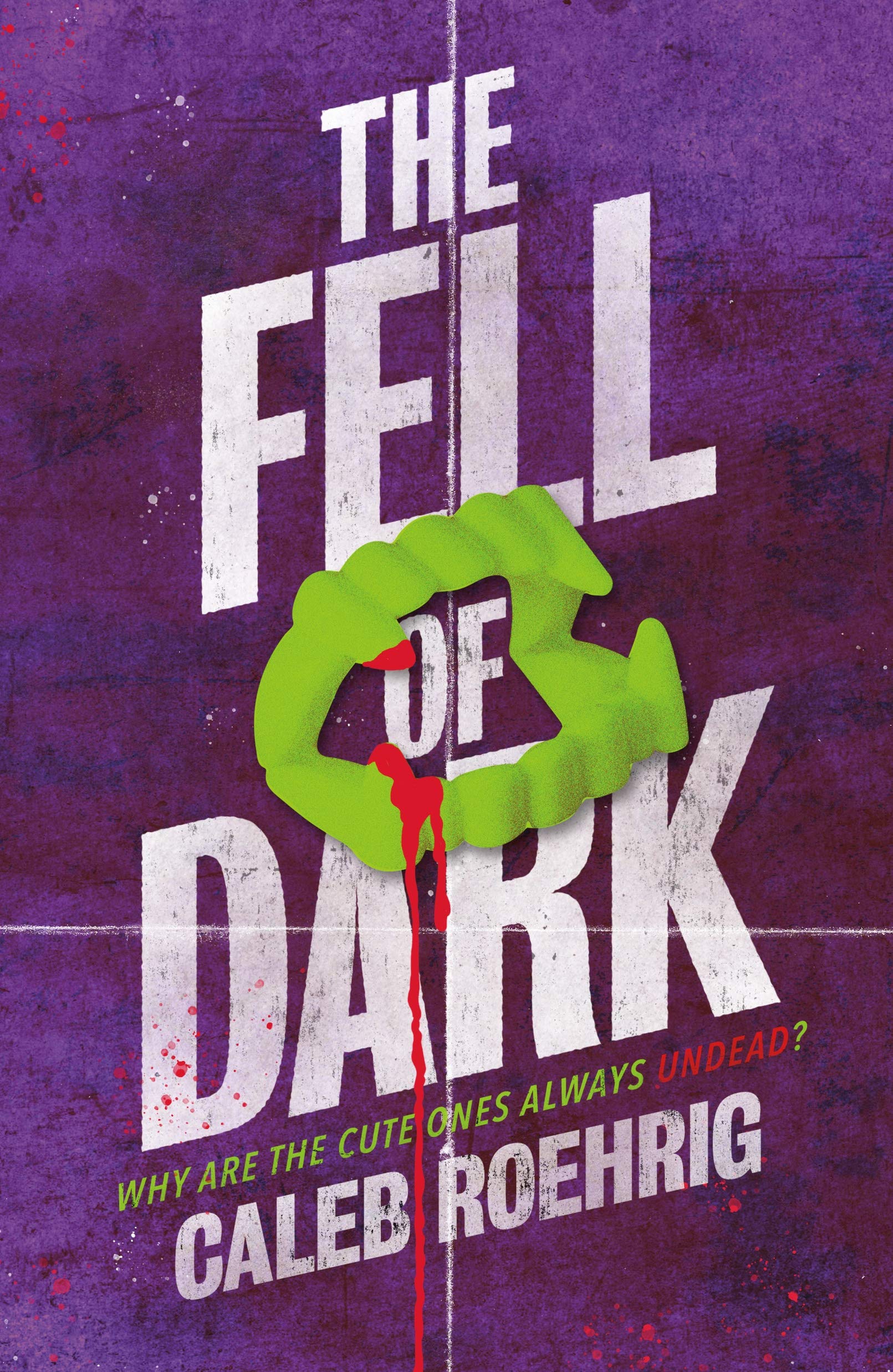
My whole world changed when I stepped inside the academy. Nothing is right about this place or the other students in it. Here I am, a mere mortal among gods…or monsters. I still can’t decide which of these warring factions I belong to, if I belong at all. I only know the one thing that unites them is their hatred of me.Then there’s Jaxon Vega. A vampire with deadly secrets who hasn’t felt anything for a hundred years. But there’s something about him that calls to me, something broken in him that somehow fits with what’s broken in me.
Which could spell death for us all.Because Jaxon walled himself off for a reason. And now someone wants to wake a sleeping monster, and I’m wondering if I was brought here intentionally–as the bait.

Having spent twenty-seven years behind the glass walls of his enclosure in a shopping mall, Ivan has grown accustomed to humans watching him. He hardly ever thinks about his life in the jungle. Instead, Ivan occupies himself with television, his friends Stella and Bob, and painting. But when he meets Ruby, a baby elephant taken from the wild, he is forced to see their home, and his art, through new eyes.
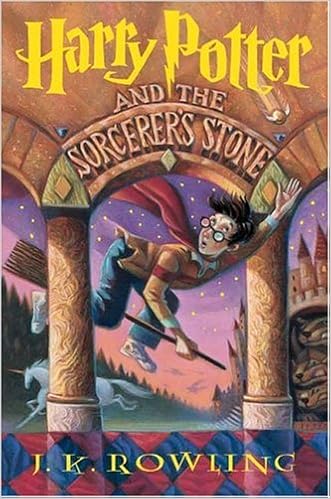
Harry Potter spent ten long years living with Mr. and Mrs. Dursley, an aunt and uncle whose outrageous favoritism of their perfectly awful son Dudley leads to some of the most inspired dark comedy since Charlie and the Chocolate Factory. But fortunately for Harry, he’s about to be granted a scholarship to a unique boarding school called THE HOGWORTS SCHOOL OF WITCHCRAFT AND WIZARDRY, where he will become a school hero at the game of Quidditch (a kind of aerial soccer played high above the ground on broomsticks), he will make some wonderful friends, and, unfortunately, a few terrible enemies. For although he seems to be getting your run-of-the-mill boarding school experience (well, ok, even that’s pretty darn out of the ordinary), Harry Potter has a destiny that he was born to fulfill. A destiny that others would kill to keep him from.
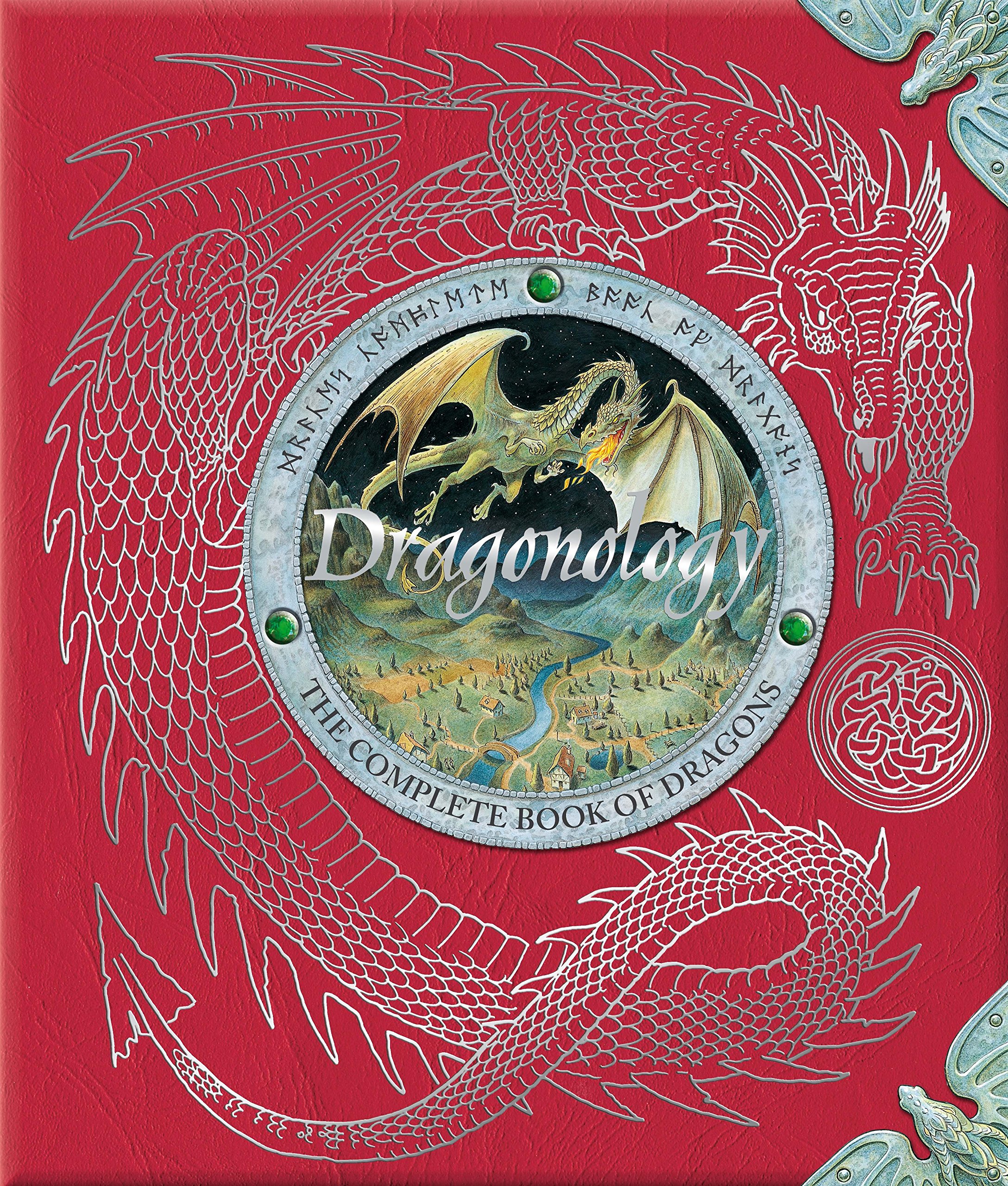
Do you believe in dragons? Now, for the first time, the long-lost research of renowned nineteenth century dragonologist Dr. Ernest Drake is presented in all its eccentric glory, happily bridging the gap between dragon legend and fact. The meticulous Dr. Drake assigns Latin names to various dragon species, ruminates on why dragons are able to speak, speculates on how they could fly, and explains the true purpose of their notorious hoarding habits.

The Center of Everything is the fictional story of 10-year-old math prodigy Evelyn Bucknow. Living in Kansas with her single mother and deeply religious grandmother, Evelyn believes she is destined to marry Travis, the boy next door. But as she grows up, she experiences the heartbreak of a love not meant to be.

Thirteen-year-old Ben Ripley has had a lot of field success despite only just beginning his second year at Spy School, something even graduates rarely experience. But he’d never have survived without the help from experienced agents and his friends. Now he’s been called in on a solo mission–and the fate of the United States of America is on his shoulders alone.The mission: Prevent a presidential assassination by infiltrating the White House and locating the enemy operative.And when everything goes wrong, Ben must rely on his spy school friends to save his reputation…but even friends can double-cross or be swayed to the enemy’s side.

Can a lost girl save a found dog? Find out in this unforgettable story about discovering true friendship, finding home, and the possibilities of forgiveness.
Hadley is angry about a lot of things: Her mom going to jail. Having to move to another state to live with her older sister, Beth, even though they haven’t spoken in five years. Leaving her friends and her school behind. And going blind.
But then Hadley meets Lila.
Lila is an abandoned dog who spends her days just quietly lying around at the local dog rescue where Beth works. She doesn’t listen to directions or play with the other dogs or show any interest in people. So when Lila comes and sits by Hadley (which is hardly anything, but it’s more than she’s done with others), Beth thinks maybe Hadley can help Lila. She tells Hadley they’ll bring Lila home as a foster dog and Hadley can teach her to follow commands, walk on a leash, and be more of a people dog so she’ll be ready to be adopted.
Only working with Lila is harder than Hadley thought, and so is the mobility training she starts taking to help with her failing vision. It feels like Lila is too stubborn to train and like learning to use a cane is impossible. But unless Hadley can help Lila, she’ll never be adopted into a home. If Hadley could just let go of her anger, she might be able to save Lila… and herself.

Winning means fame and fortune. Losing means certain death. The Hunger Games have begun. . . .In the ruins of a place once known as North America lies the nation of Panem, a shining Capitol surrounded by twelve outlying districts. The Capitol is harsh and cruel and keeps the districts in line by forcing them all to send one boy and one girl between the ages of twelve and eighteen to participate in the annual Hunger Games, a fight to the death on live TV.
Sixteen-year-old Katniss Everdeen regards it as a death sentence when she steps forward to take her sister’s place in the Games. But Katniss has been close to dead before-and survival, for her, is second nature. Without really meaning to, she becomes a contender. But if she is to win, she will have to start making choices that weigh survival against humanity and life against love.

A universal story of finding a way to be comfortable in your own skin: Kate and Tam meet, and both of their worlds tip sideways. At first, Tam figures Kate is your stereotypical cheerleader; Kate sees Tam as another tall jock. And the more they keep running into each other, the more they surprise each other. Beneath Kate’s sleek ponytail and perfect façade, Tam sees a goofy, sensitive, lonely girl. And Tam’s so much more than a volleyball player, Kate realizes: She’s everything Kate wishes she could be. It’s complicated. Except it’s not. When Kate and Tam meet, they fall in like. It’s as simple as that. But not everybody sees it that way.
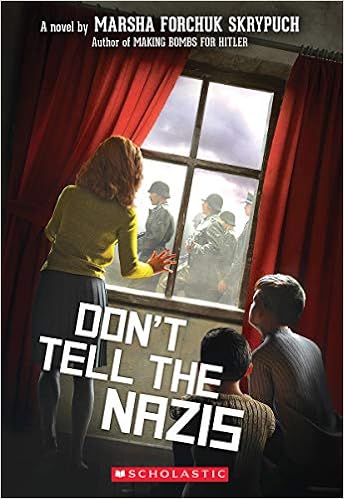
The year is 1941. Krystia lives in a small Ukrainian village under the cruel — sometimes violent — occupation of the Soviets. So when the Nazis march into town to liberate them, many of Krystia’s neighbors welcome the troops with celebrations, hoping for a better life.
But conditions don’t improve as expected. Krystia’s friend Dolik and the other Jewish people in town warn that their new occupiers may only bring darker days.
The worst begins to happen when the Nazis blame the Jews for murders they didn’t commit. As the Nazis force Jews into a ghetto, Krystia does what she can to help Dolik and his family. But what they really need is a place to hide. Faced with unimaginable tyranny and cruelty, will Krystia risk everything to protect her friends and neighbors?

Following her parents’ high-profile divorce, Paige and her brother are forced to move to Idaho with their mother, and Paige doesn’t have very high hopes for her new life. The small town they’ve moved to is nothing compared to the life she left behind in LA. And the situation is made even worse by the drafty old mansion they’ve rented that’s filled with spiders and plenty of other pests that Paige can’t even bear to imagine.Pretty soon, strange things start to happen around the house–one can of ravioli becomes a dozen, unreadable words start appearing on the walls, and Paige’s little brother begins roaming the house late at night. And there’s something not right about the downstairs neighbor who seems to know a lot more than he’s letting on.Things only get creepier when she learns about the cult that conducted experimental rituals in the house almost one hundred years earlier. The more Paige investigates, the clearer it all becomes: there’s something in the house, and whatever it is…and it won’t be backing down without a fight.

I went up the hill, the hill was muddy, stomped my toe and made it bloody, should I wash it?Justin knows that something is wrong with his best friend.Zee went missing for a year. And when he came back, he was . . . different. Nobody knows what happened to him. At Zee’s welcome home party, Justin and the neighborhood crew play Hide and Seek. But it goes wrong. Very wrong.One by one, everyone who plays the game disappears, pulled into a world of nightmares come to life. Justin and his friends realize this horrible place is where Zee had been trapped. All they can do now is hide from the Seeker.

Not every dragonet wants a destiny … Clay has grown up under the mountain, chosen along with four other dragonets to fulfill a mysterious prophecy and end the war between the dragon tribes of Pyrrhia. He’s not so sure about the prophecy part, but Clay can’t imagine not living with the other dragonets; they’re his best friends. So when one of the dragonets is threatened, all five spring into action. Together, they will choose freedom over fate, leave the mountain, and fulfill their destiny — on their own terms.
There you have it, another year of reading, another year of great books shared. What would your students say were their favorite reads?
I am excited to be heading out on the road again to be with other educators in-district or at conferences, while continuing my virtual consulting and speaking as well. If you would like me to be a part of your professional development, please reach out. I am here to help.




































 Pernille Ripp